The New Toyota GR GT Debuts, Poised to Take on Supercars
Toyota Is Stepping In as the True Successor to the Lexus LFA — and That’s Perfectly Fine

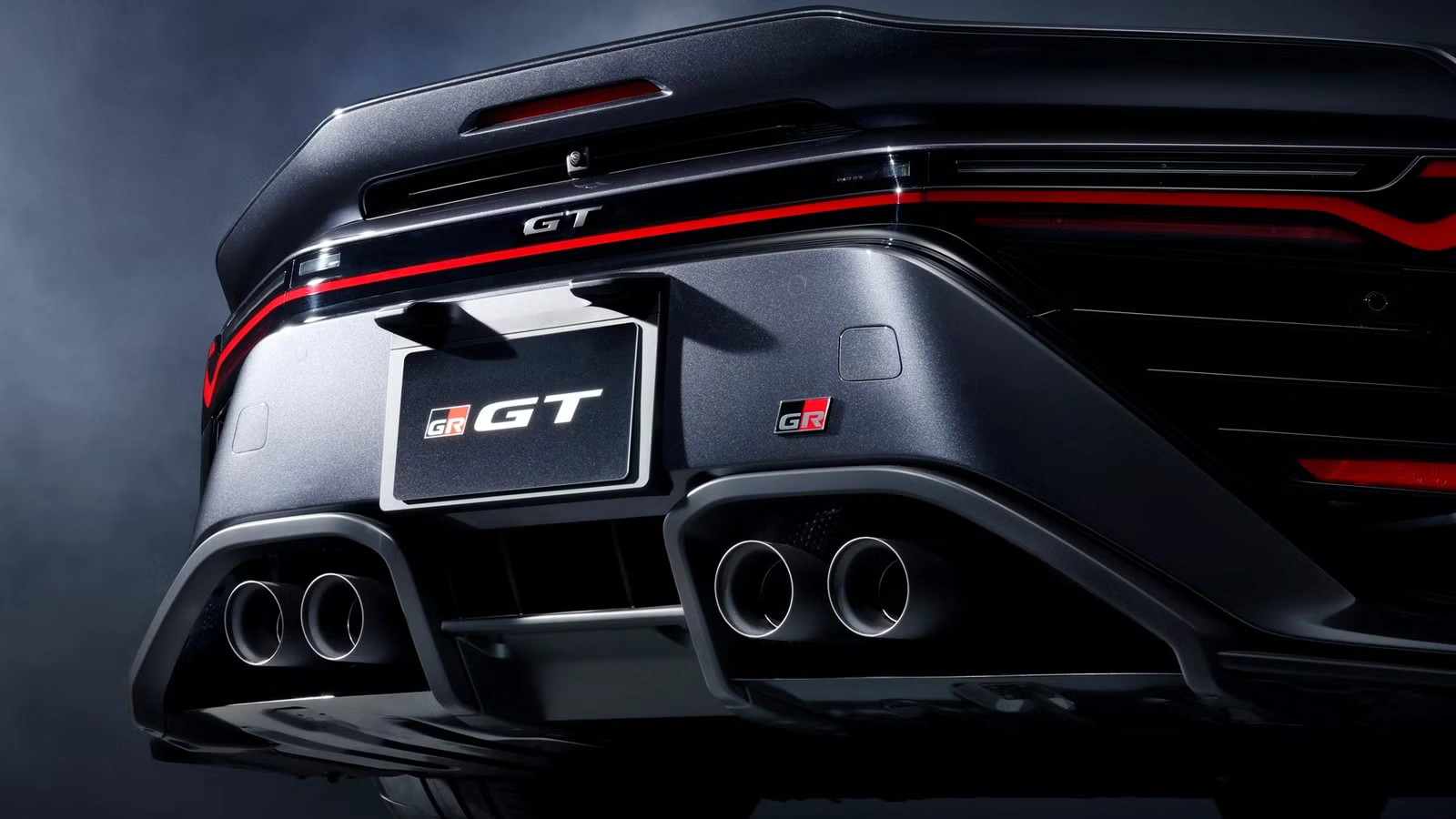
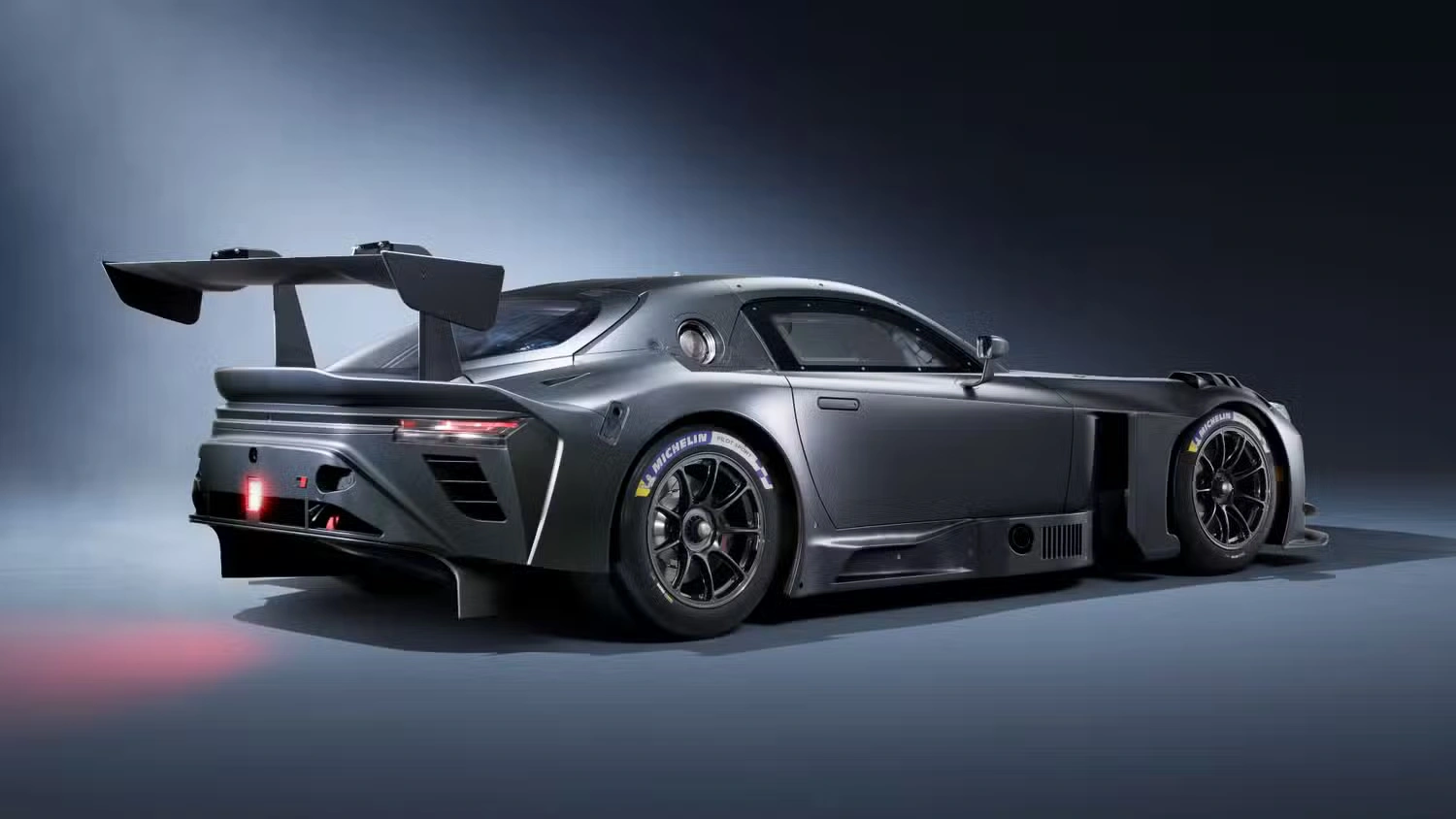
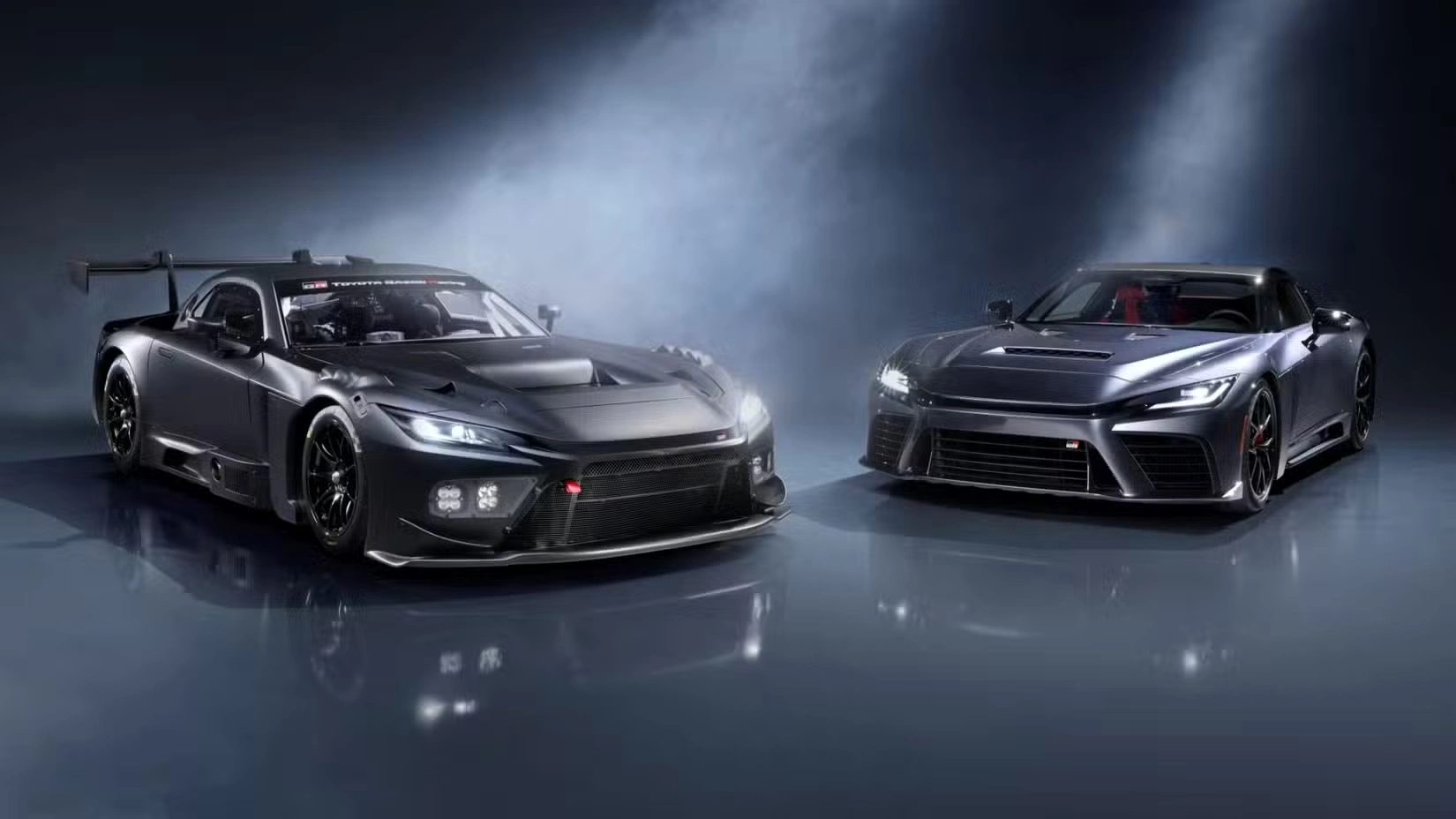
It feels like we’ve been waiting ages. First came the early prototype sightings hinting at a true successor to the Lexus LFA—followed by the surprising revelation that Toyota was developing its own version, too. Then we watched both machines storm up the hill at Goodwood, building even more anticipation. Now, at long last, half the mystery has been lifted. Toyota has finally released real details about its take on the upcoming supercar, along with the racing variant that will accompany it. Meet the Toyota GR GT and its GT3-spec partner.
The Child of the 2000GT and LFA
Toyota positions the Toyota GR GT as its new flagship sports car—one designed to follow the trail carved by legends like the Toyota 2000GT and the Lexus LFA. It’s also meant to serve a deeper purpose: carrying forward what the company refers to as “the secret sauce of car-making” to the next generation of engineers. Toyota even likens the GR GT to its own “Shikinen Sengu,” the centuries-old tradition of rebuilding the Jingu Shrine every 20 years. It’s a powerful comparison—and a clear sign of just how important this car is to Toyota.




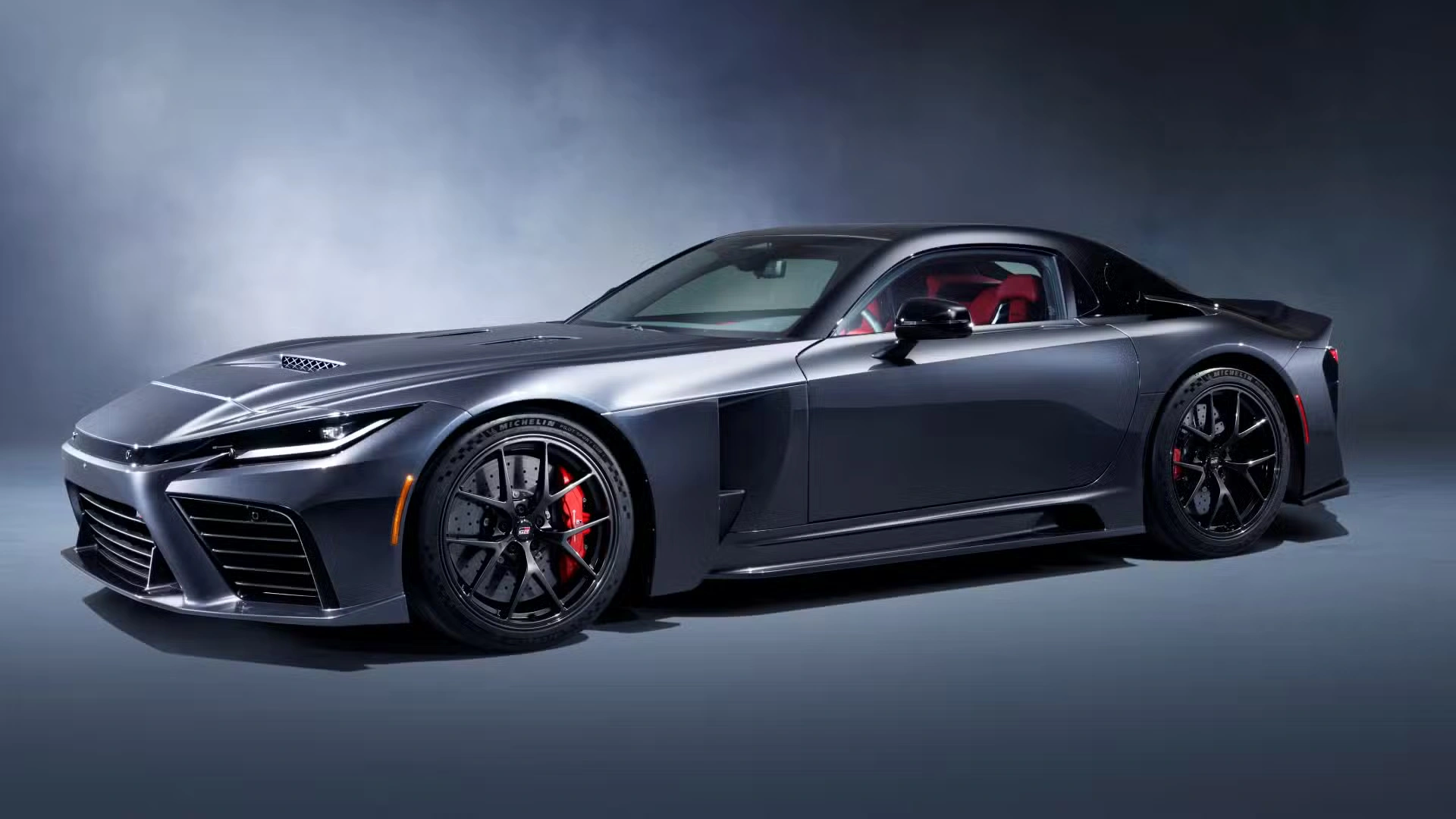
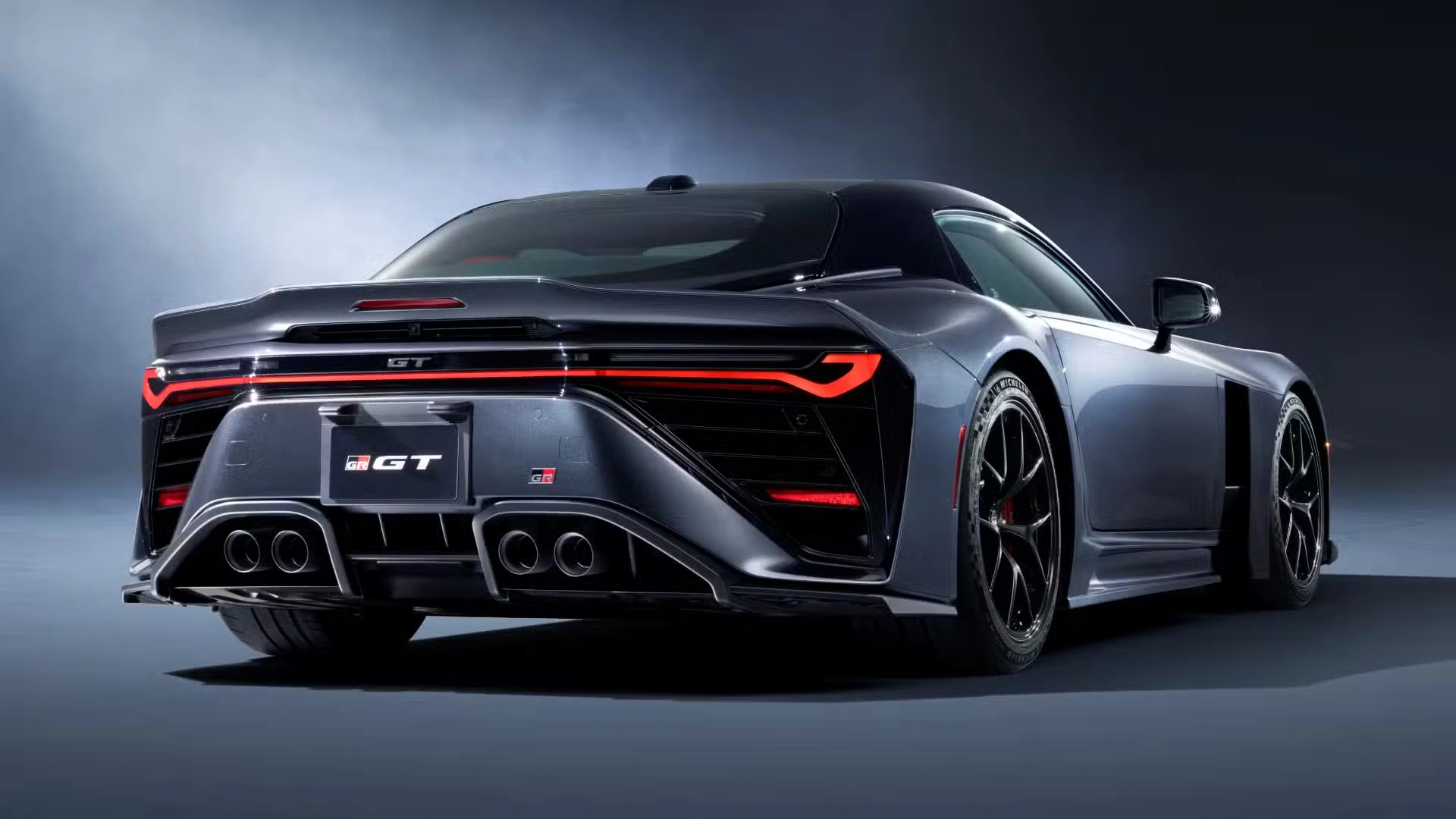
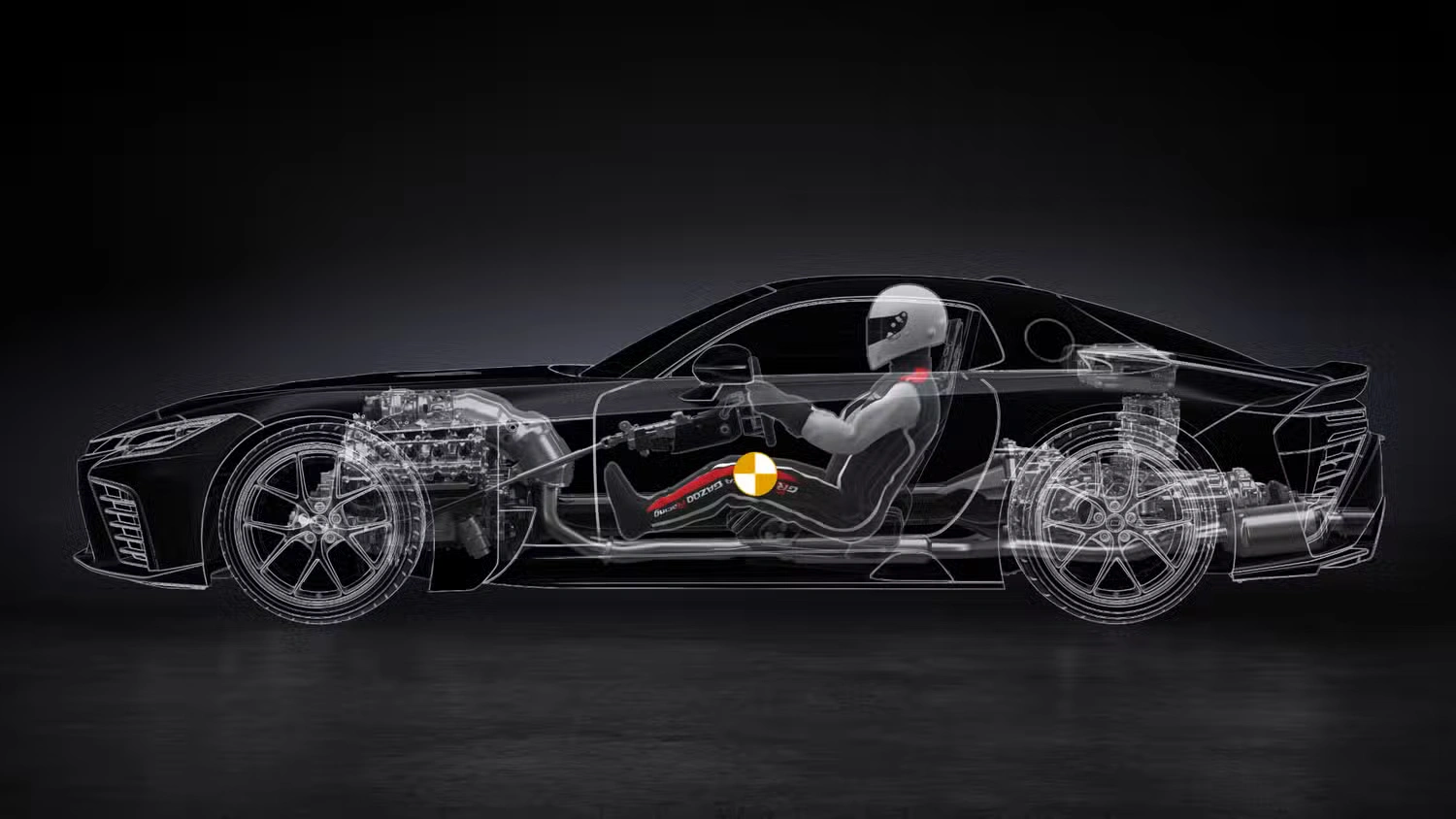
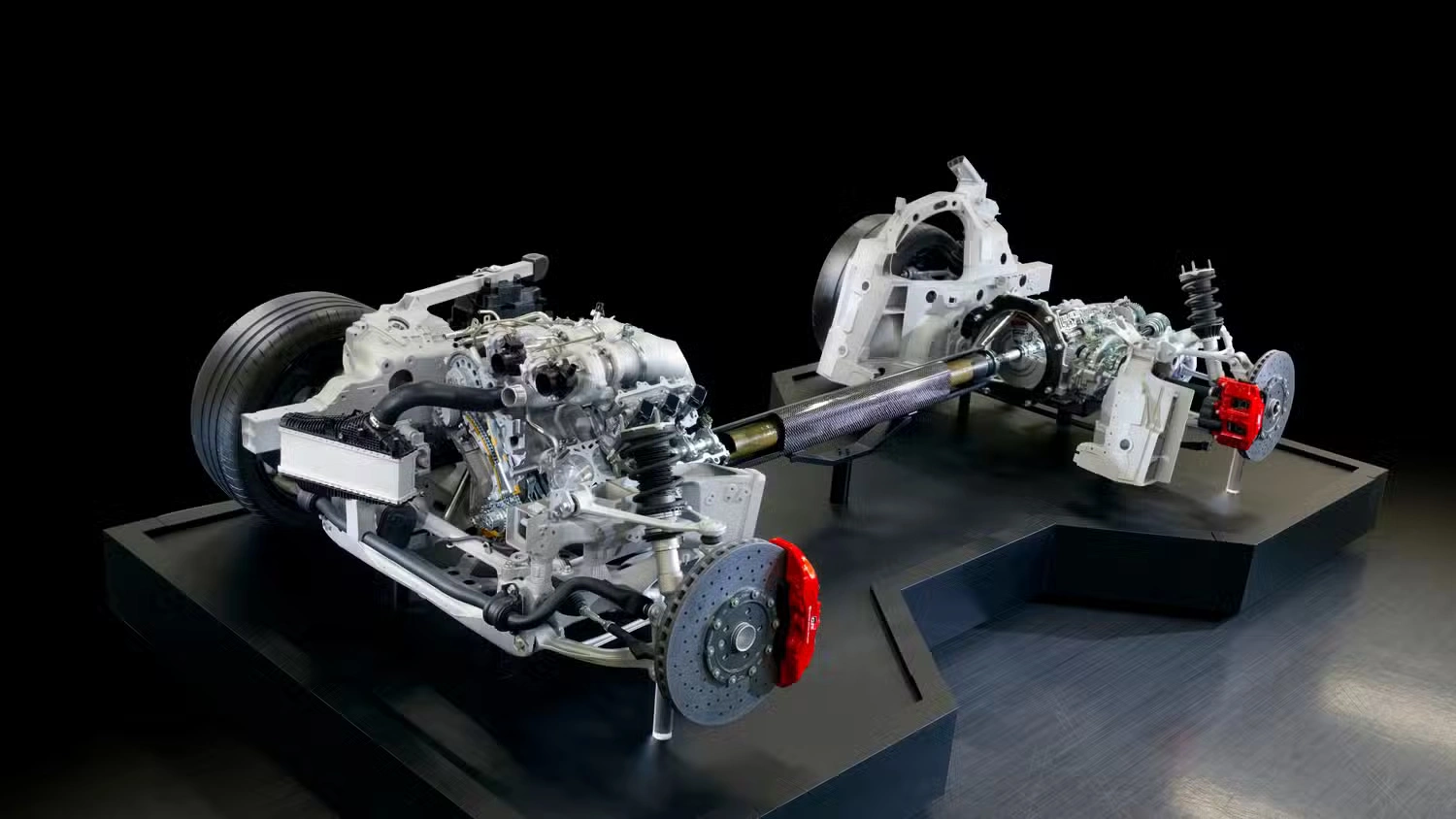
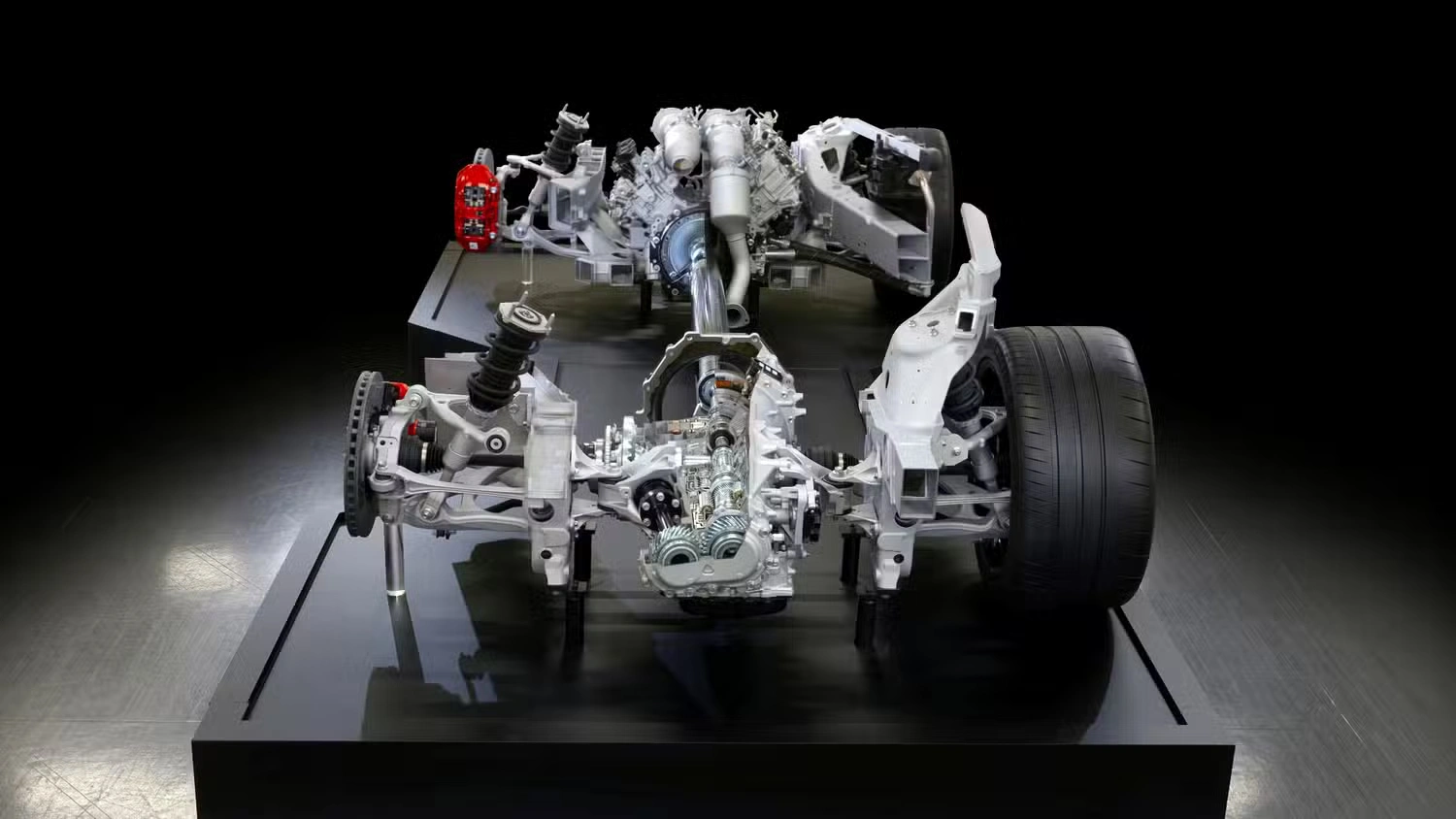
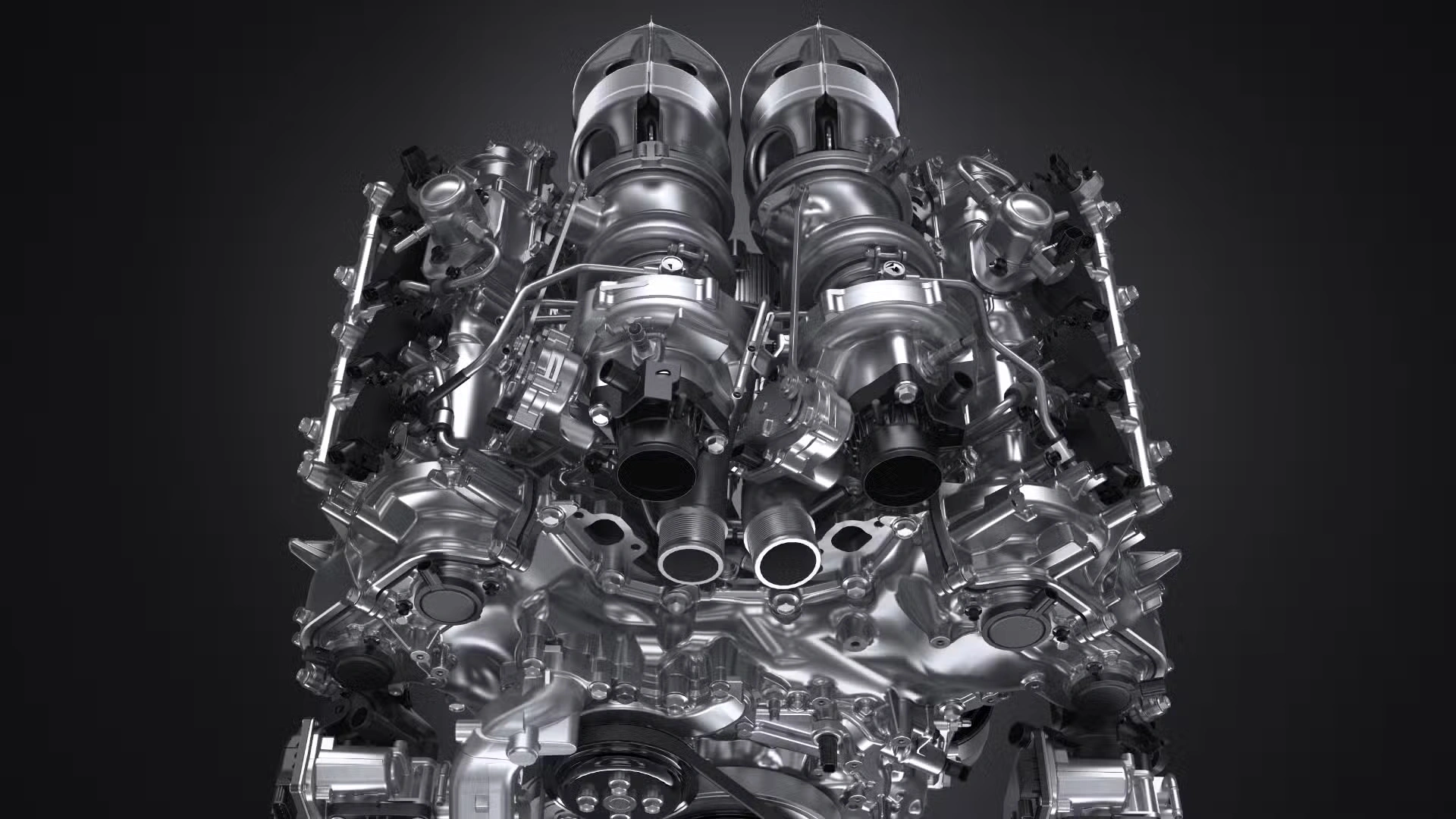
At the core of the Toyota GR GT is an all-new 4.0-liter twin-turbo V8—Toyota’s first production twin-turbo engine of its kind. It uses a hot-vee layout and an oversquare design, giving it a compact height and the kind of rev-friendly geometry that hints at serious performance.
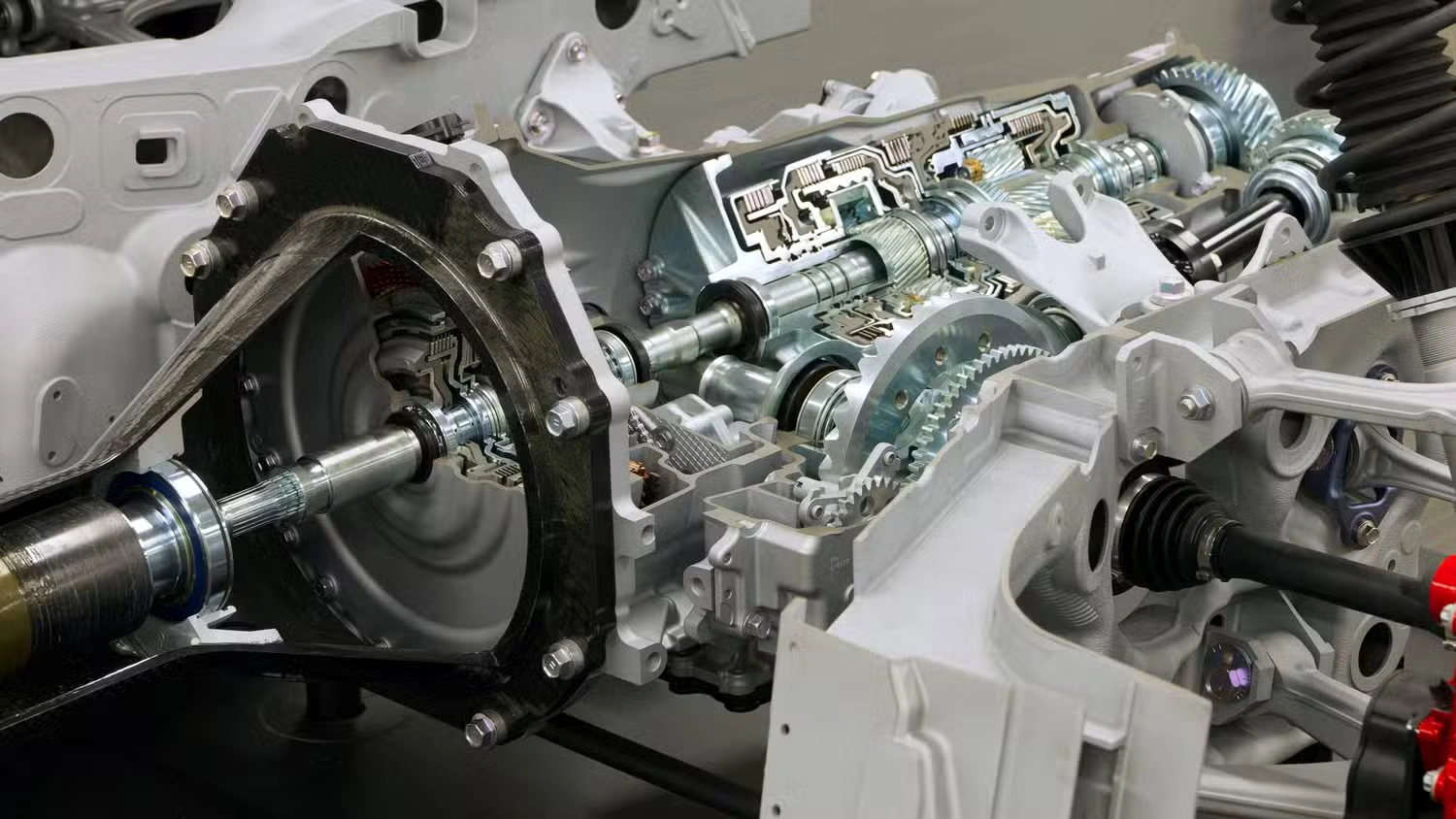
Toyota hasn’t released final output figures yet, but the company is targeting 641 horsepower and 627 pound-feet of torque. Those very specific numbers suggest Toyota already has the setup nearly finalized. The engine features dry-sump lubrication and an unusually thin oil pan, underscoring its motorsport-inspired engineering. Toyota also notes that the road-going GR GT and its GT3 racing counterpart share significant hardware, though only the production model will receive hybrid assistance. A motor-generator will be integrated into the rear-mounted wet-clutch eight-speed automatic, paired with a limited-slip differential.
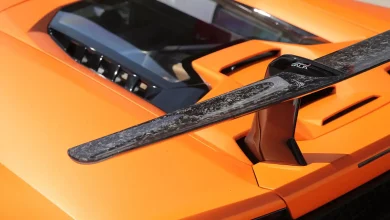
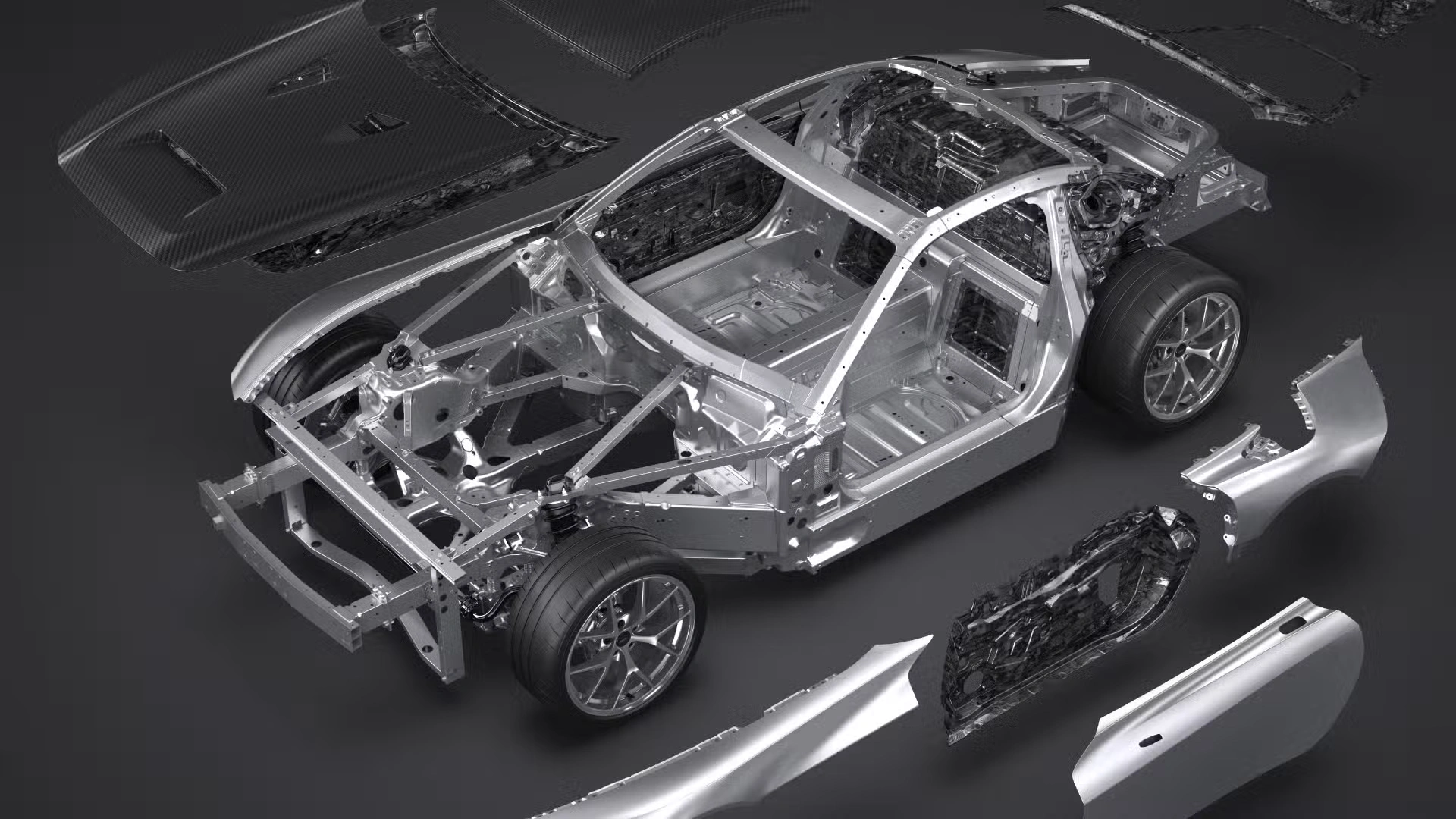
This is the first Toyota ever built with a full aluminum body frame. The structure uses large cast components to boost rigidity, while advanced fastening techniques and lightweight alloys help keep overall mass down. To further balance strength and weight, the GR GT’s body panels combine aluminum with carbon fiber, giving the car a chassis that’s both lighter and more robust.
Toyota GR GT Specifications
*Specs are subject to change as vehicle is still under development
Race-Ready Double-Wishbone Suspension
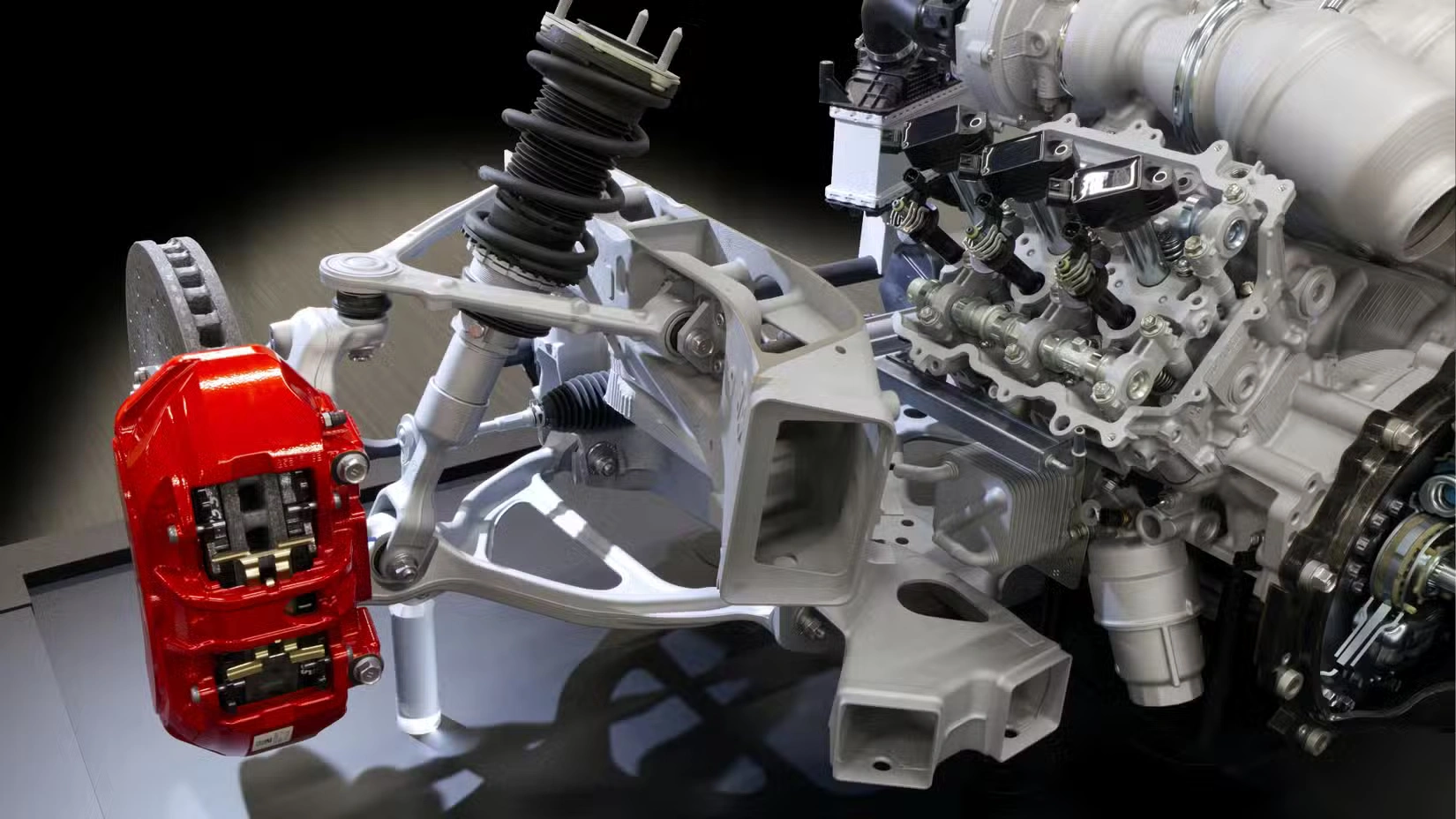
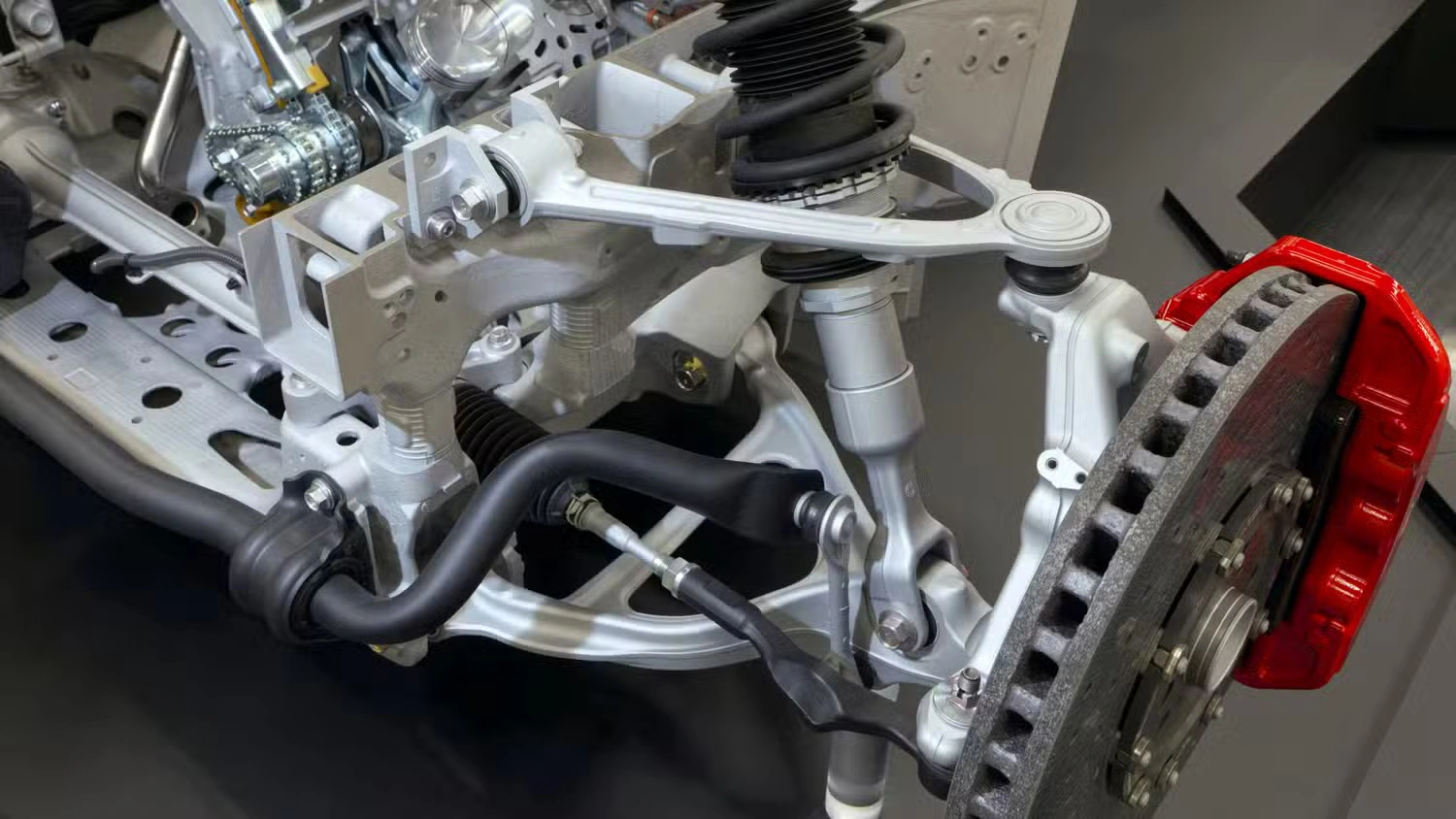
The Toyota GR GT rides on double-wishbone suspension at both the front and rear, using aluminum control arms and a design focused on linear response and precise control. Toyota says many of the core components are shared with the GT3 race car, hinting at serious durability and track-worthy handling.
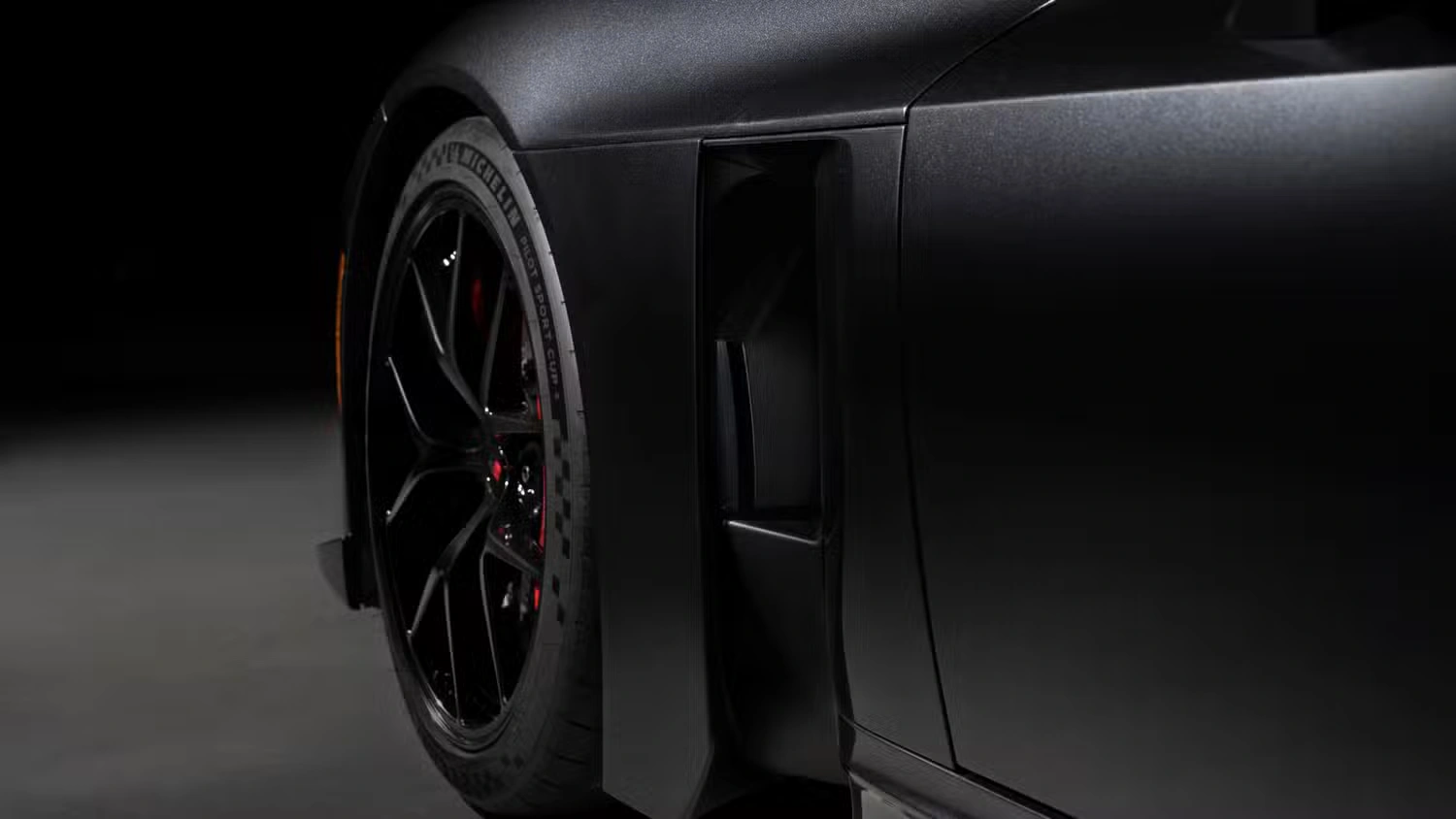
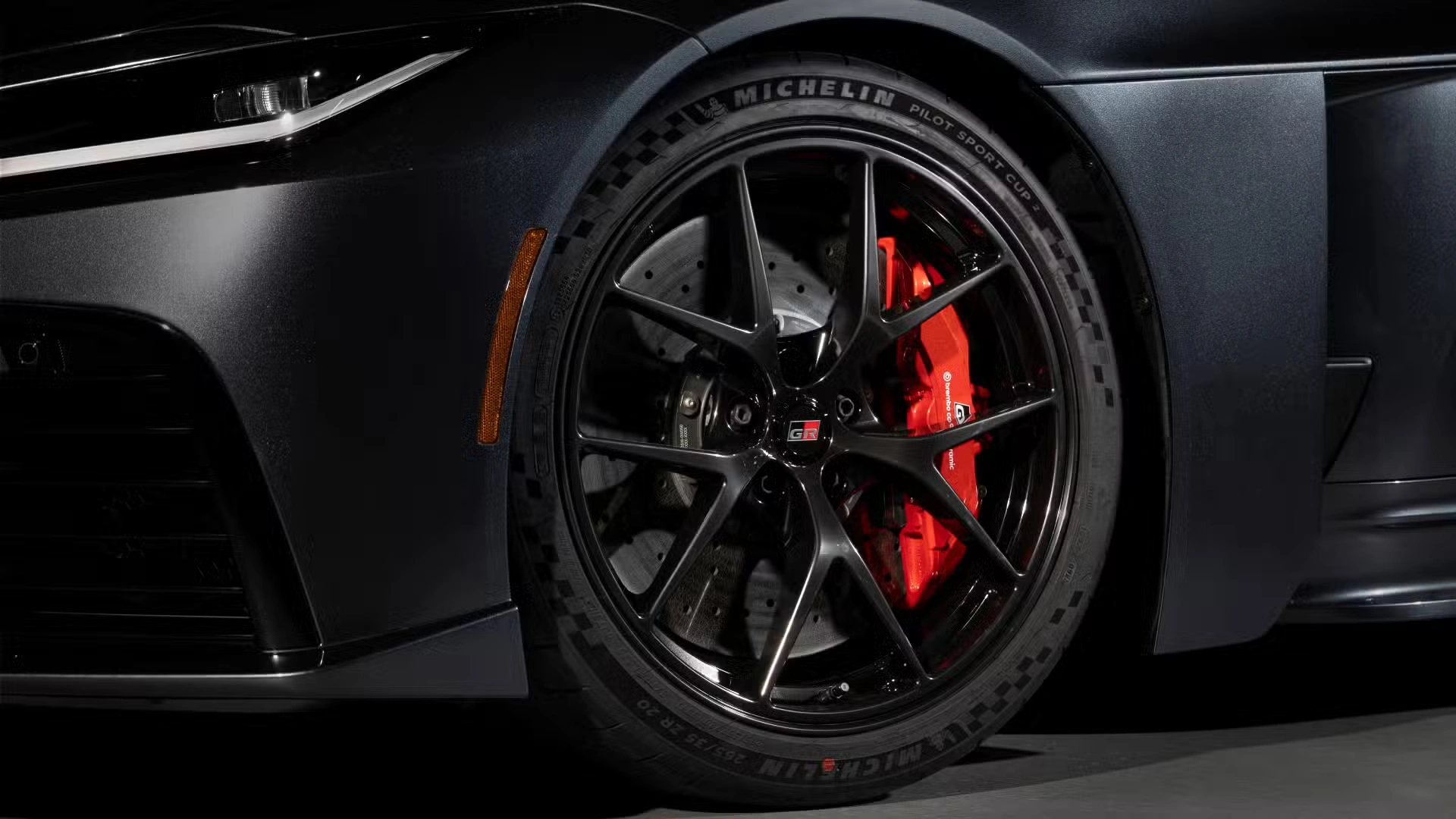
The performance hardware continues with Brembo carbon-ceramic brakes at all four corners and bespoke Michelin Pilot Sport Cup 2 tires. Development took place not only in Toyota’s advanced simulators but also at iconic circuits like Fuji Speedway and the Nürburgring, where professional drivers refined the car’s dynamics to razor-sharp perfection.
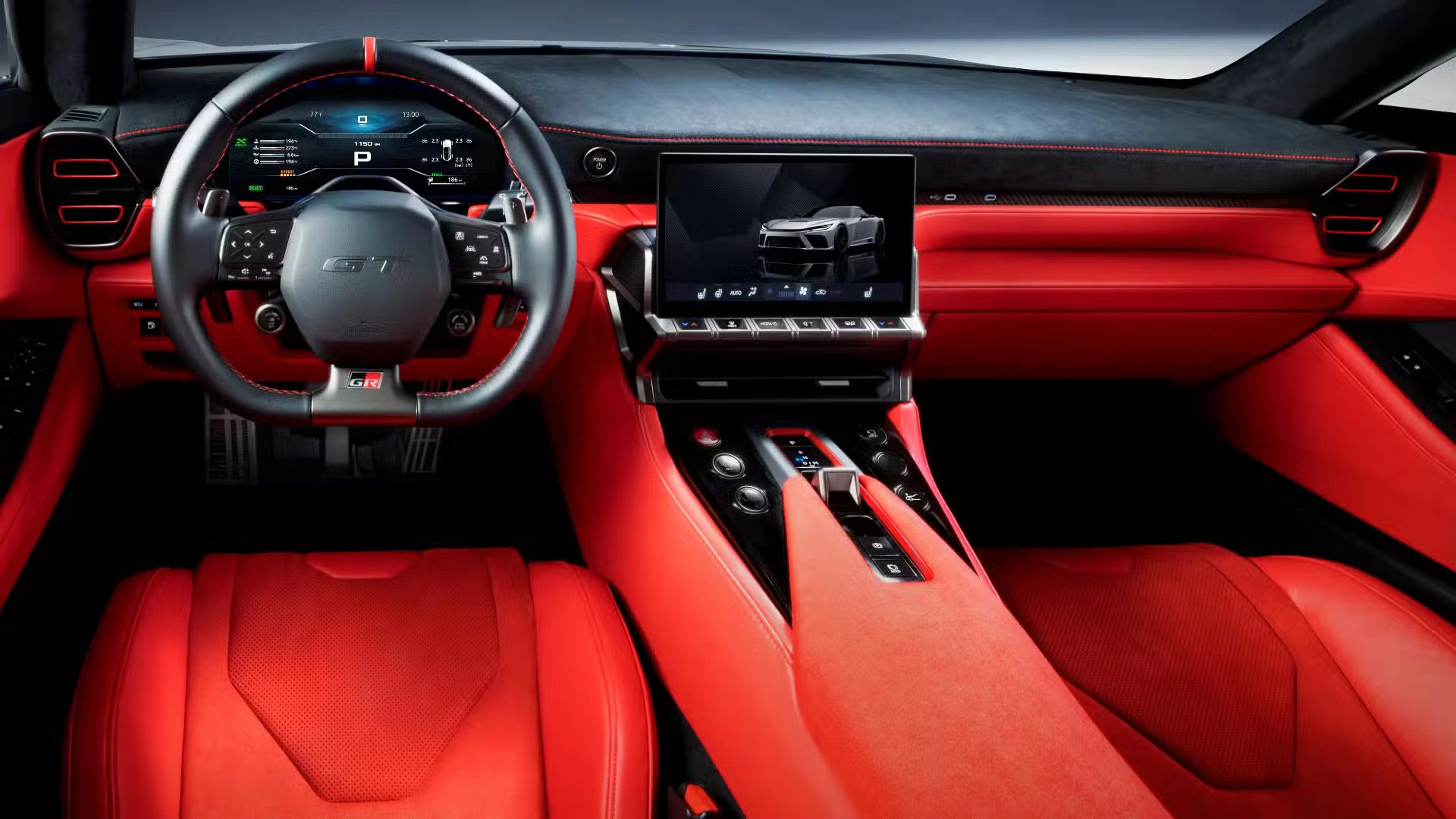
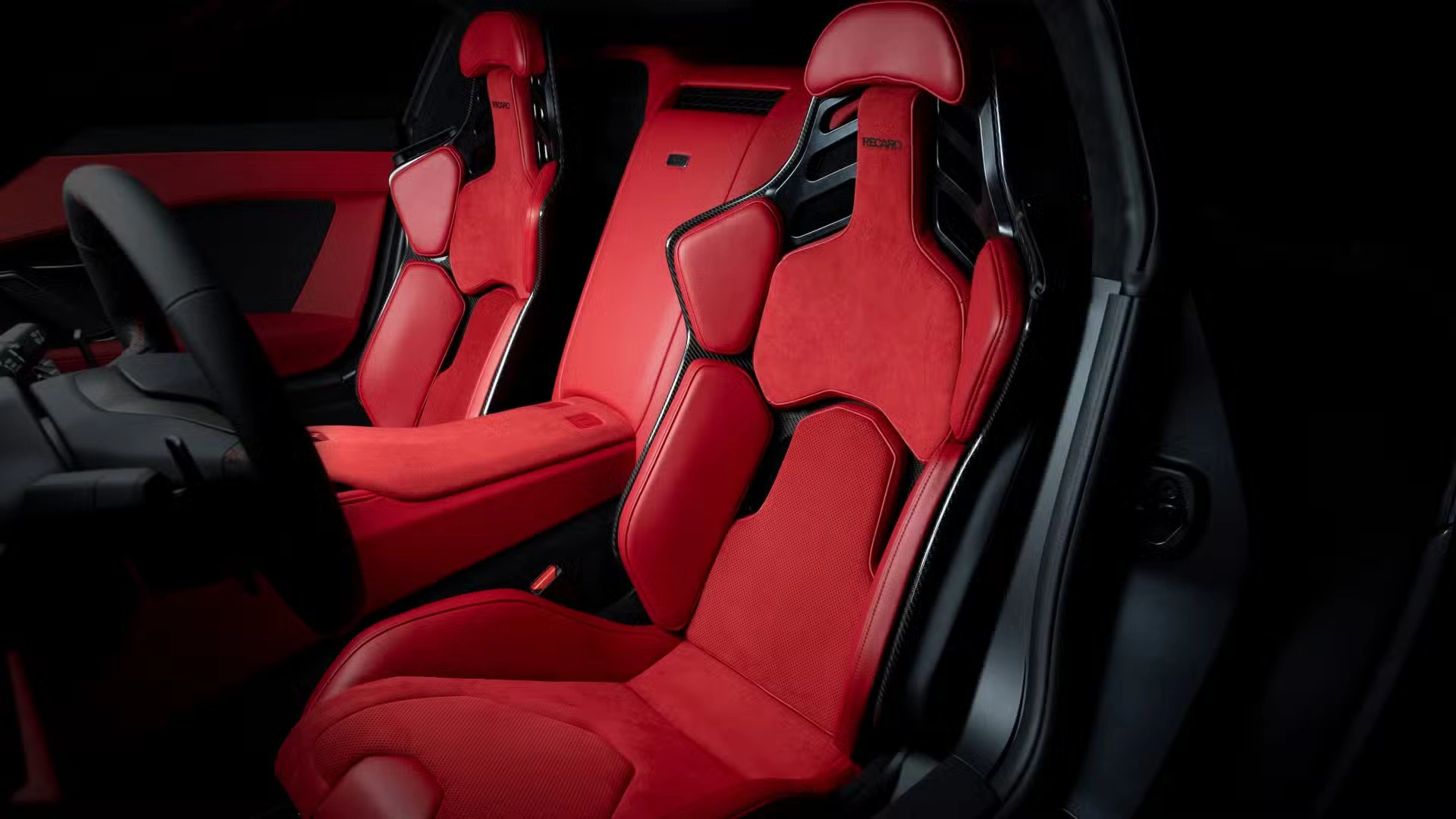
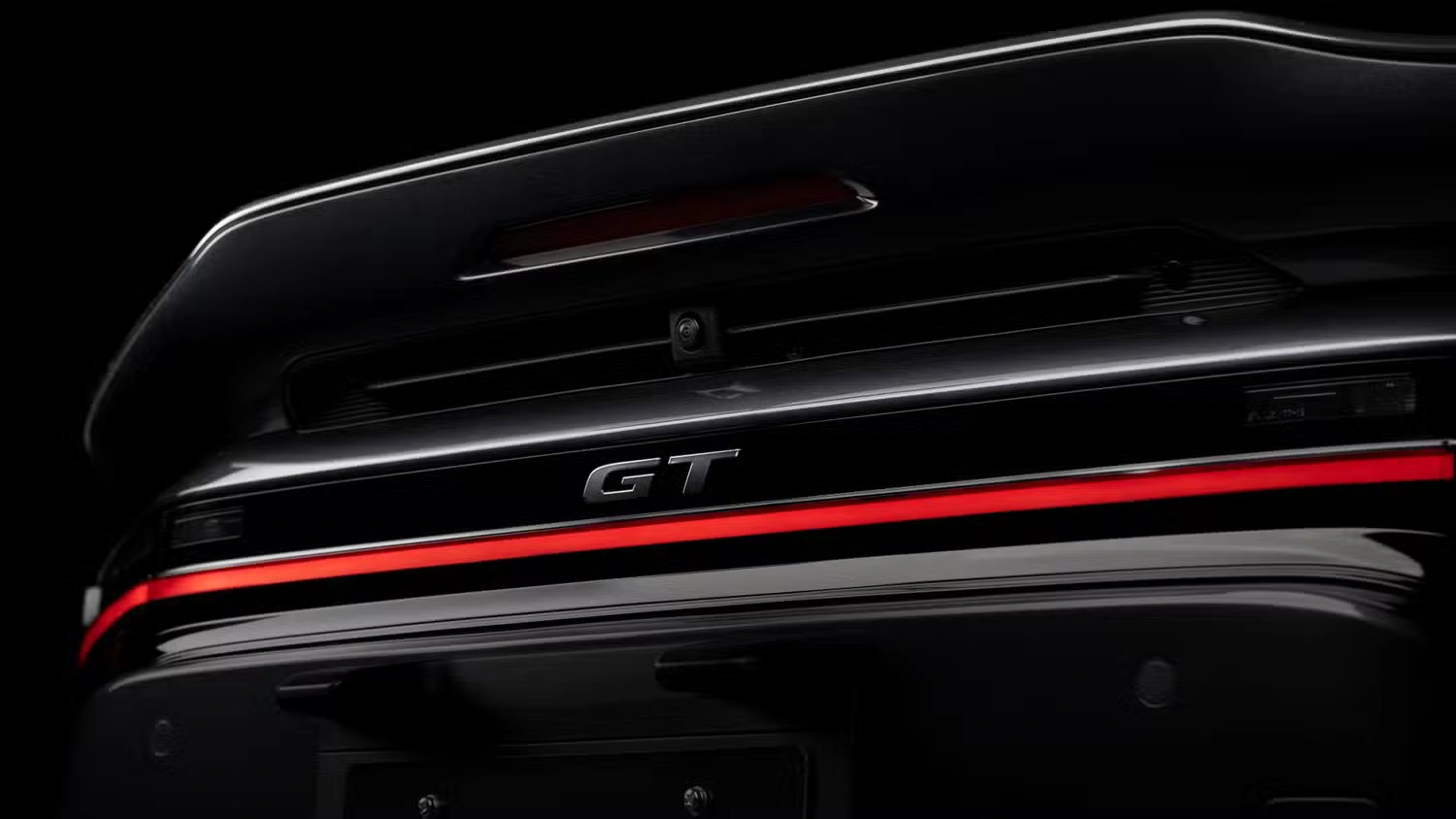
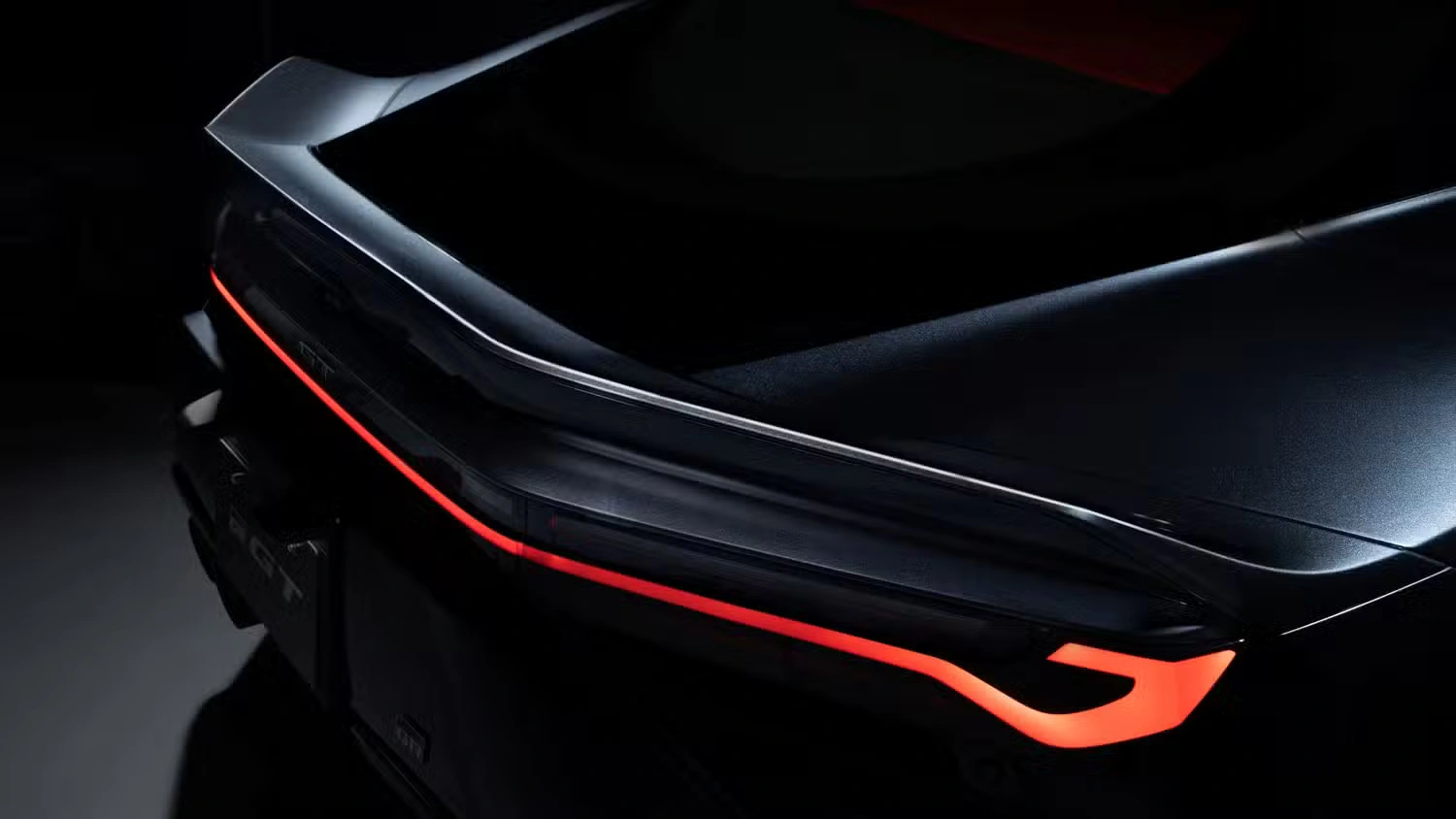
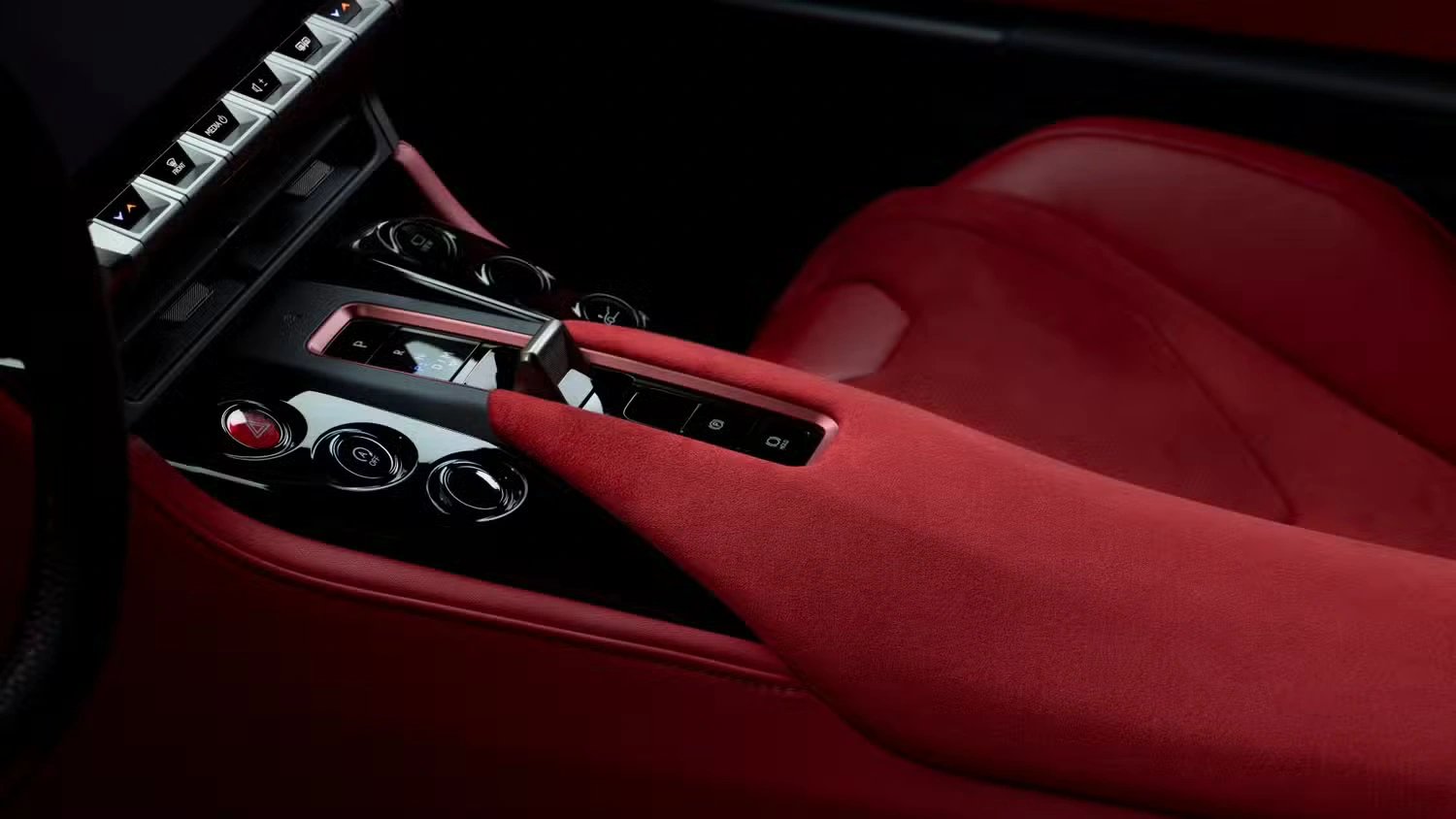
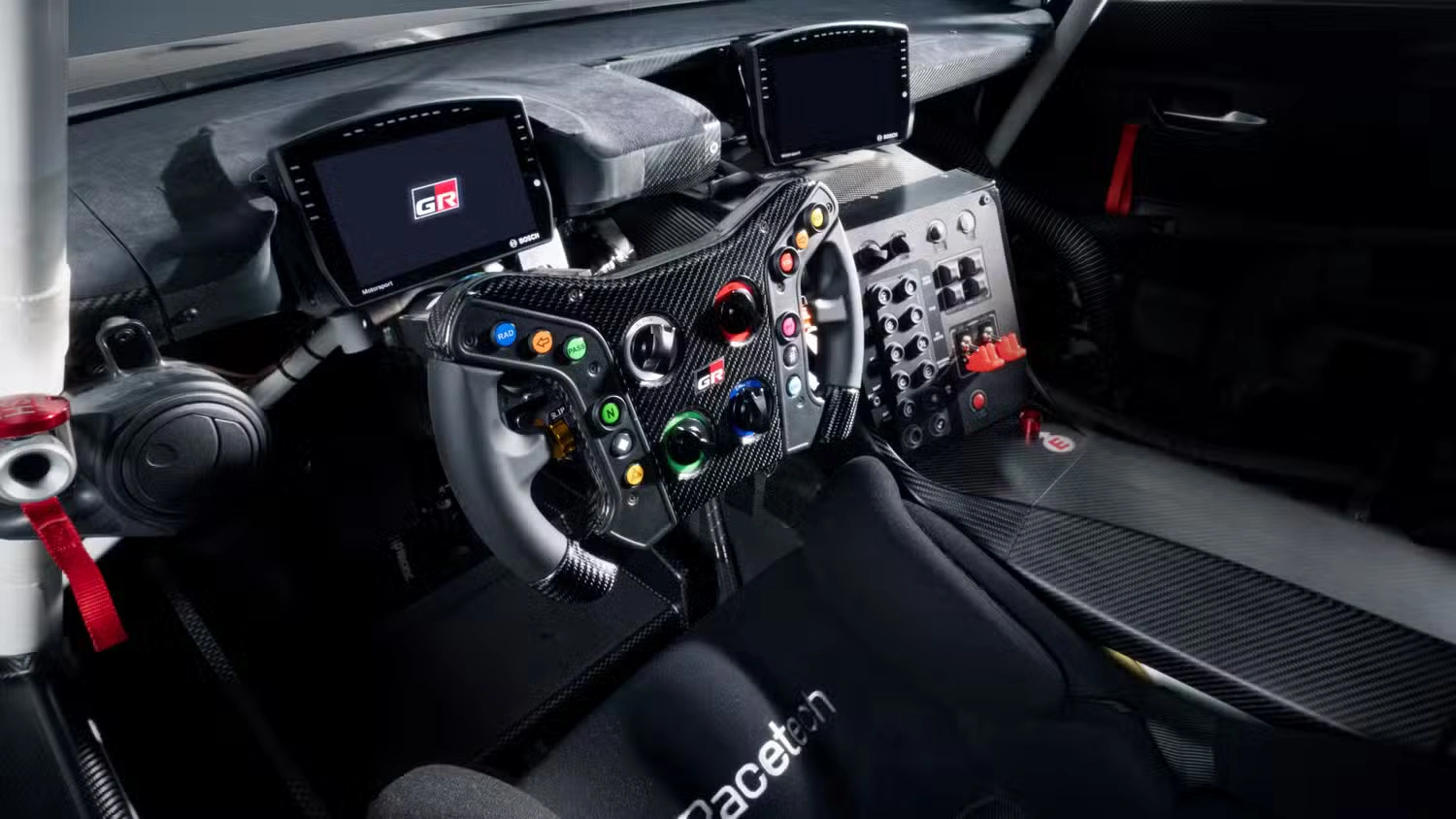
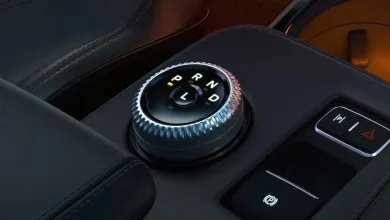
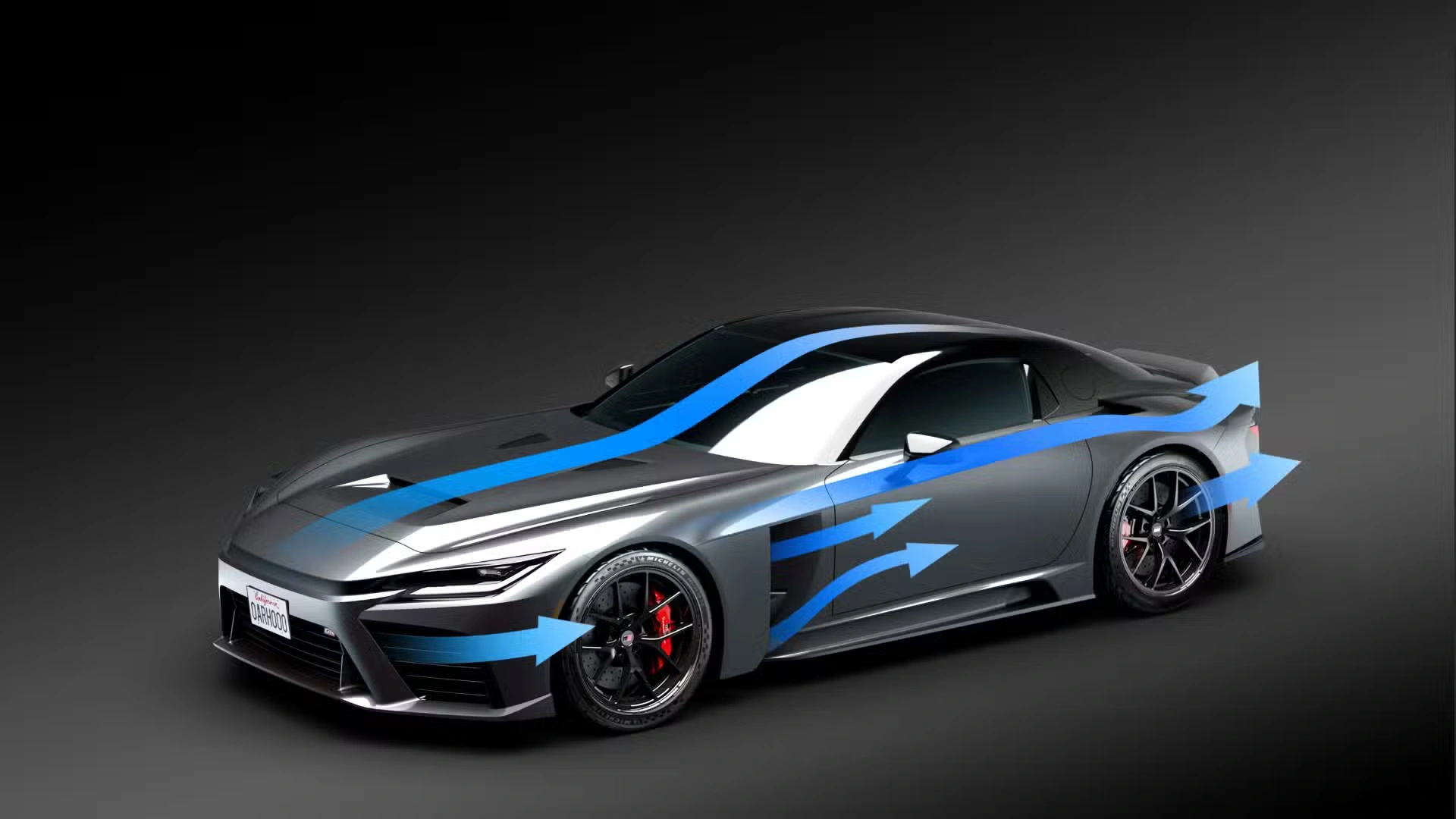
Toyota’s designers approached the GR GT with a clear mission: let aerodynamics lead the way. The styling was shaped in the wind tunnel with an “aerodynamics first” philosophy, targeting a top speed of 199 mph while minimizing the need for modifications when transitioning to competition duty. Even the driving position was engineered with track performance in mind—prioritizing outward visibility and placing key controls as close to the driver as possible for maximum precision.
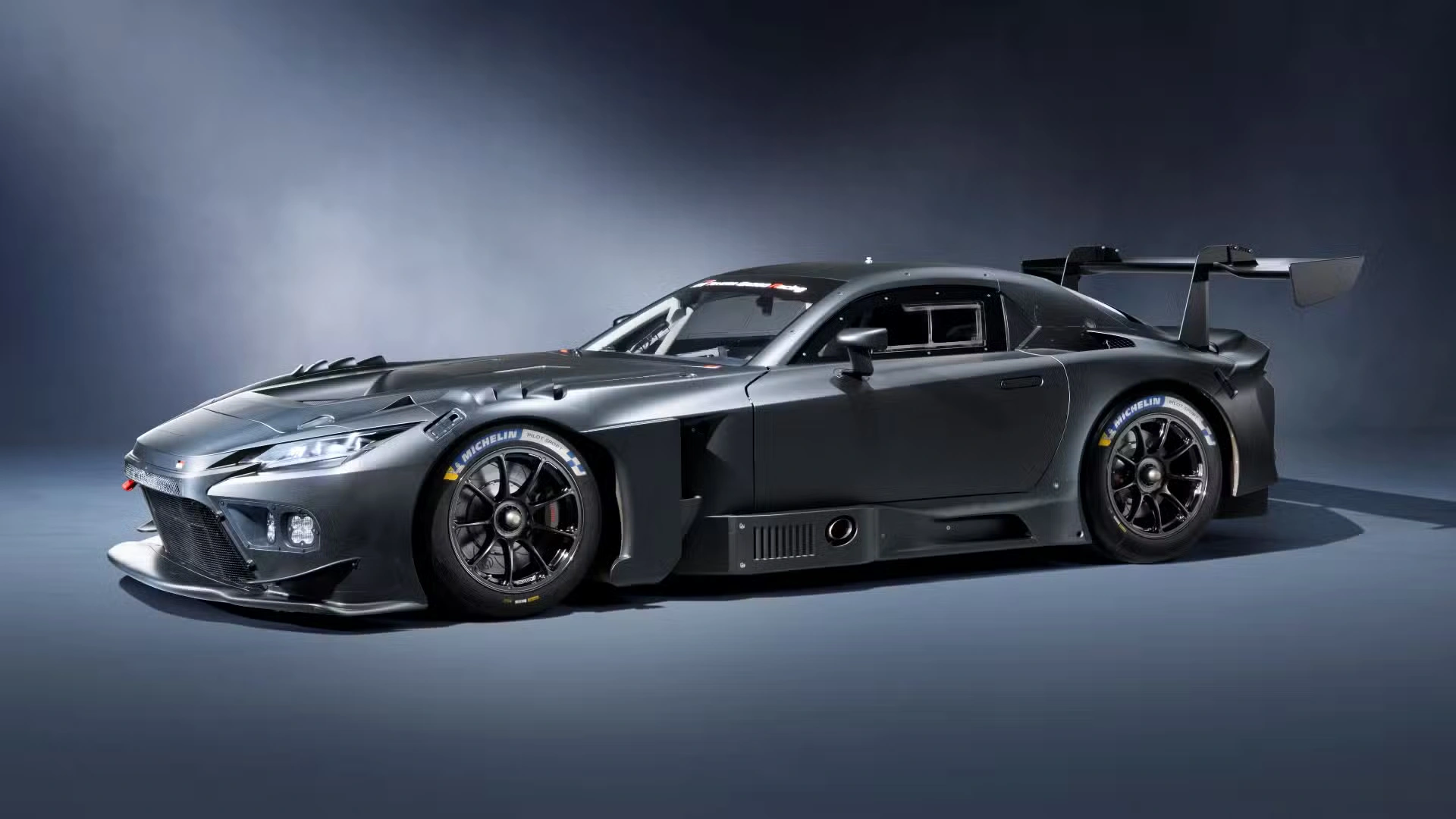
Toyota wants Gazoo Racing to spearhead its mission of building better road cars. The idea is to take everything learned from the GR GT3—which debuts alongside the GR GT—and funnel that technology and experience into mainstream models, even those as everyday as the next RAV4. For now, though, we get to enjoy the start of a new performance era at Toyota—one the company hasn’t seen in a very long time.