Novitec Crafts the Perfect Look for the Rolls-Royce Cullinan
Introduced last year, the Cullinan Series II may not win any beauty pageants, but Novitec seems to have discovered a way to enhance its appeal.

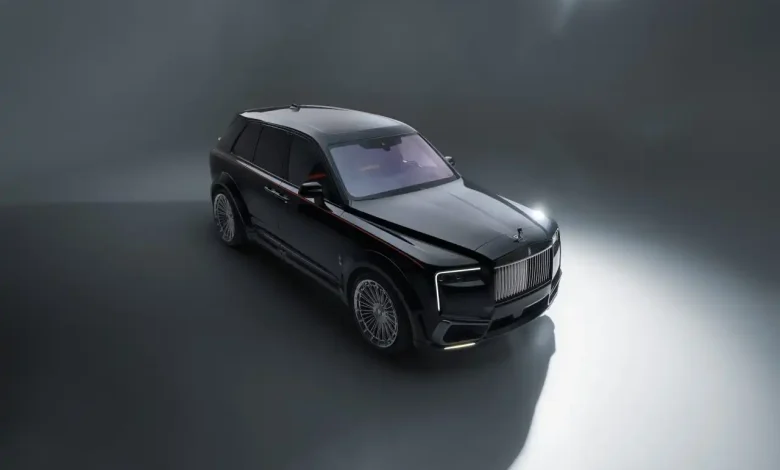
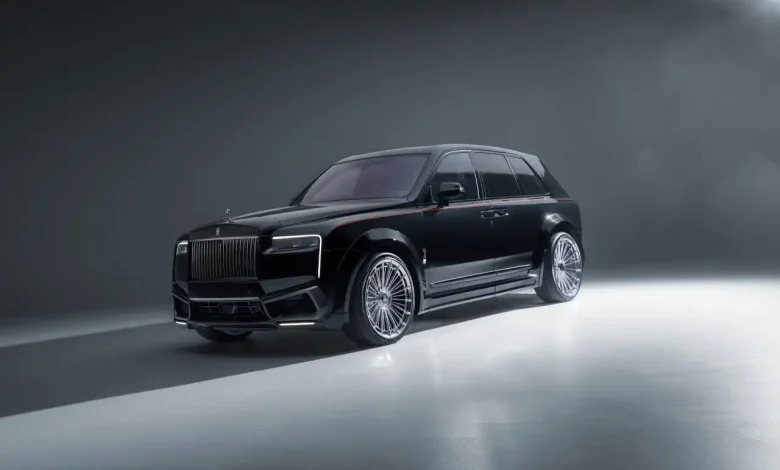
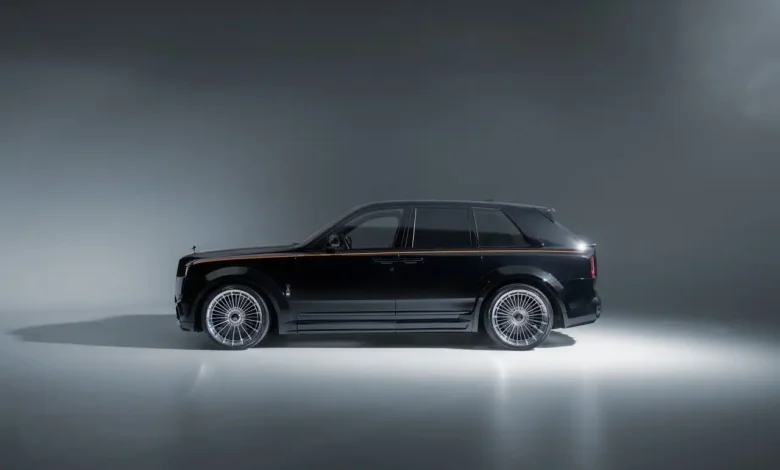
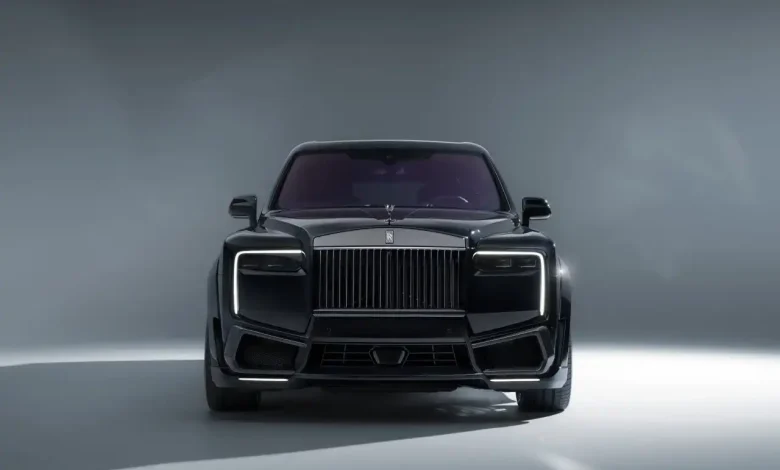
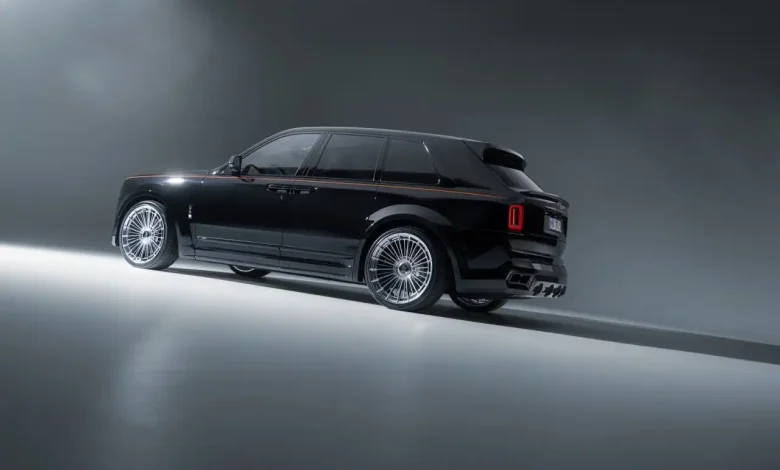
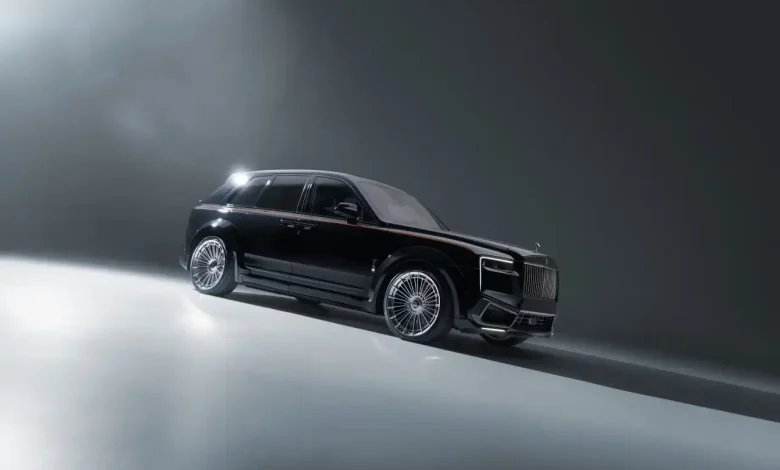
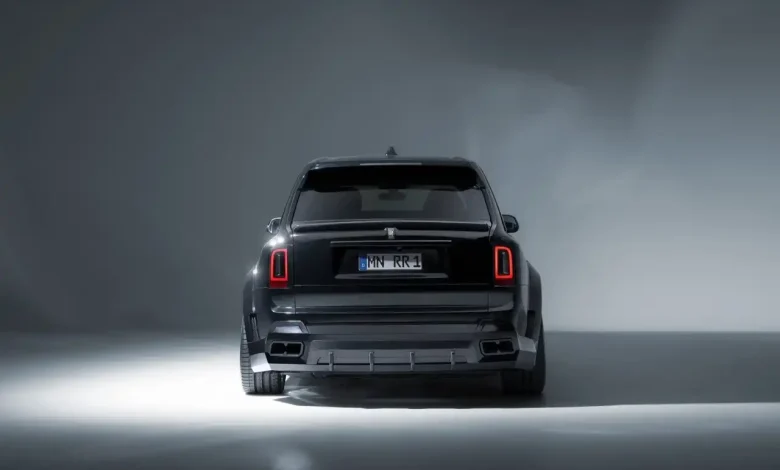
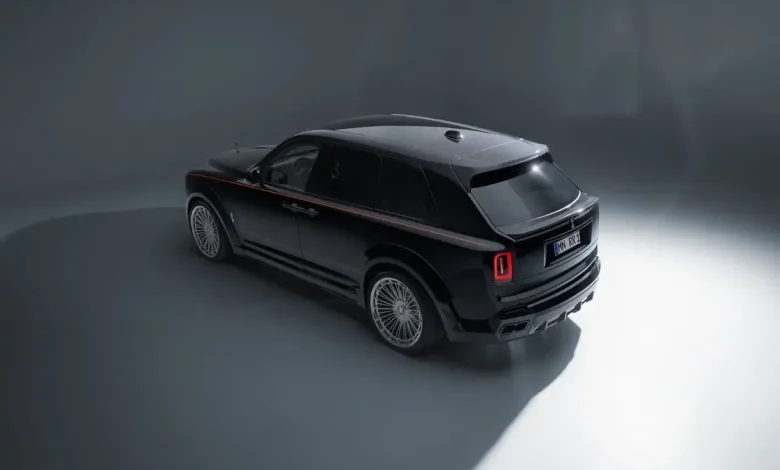
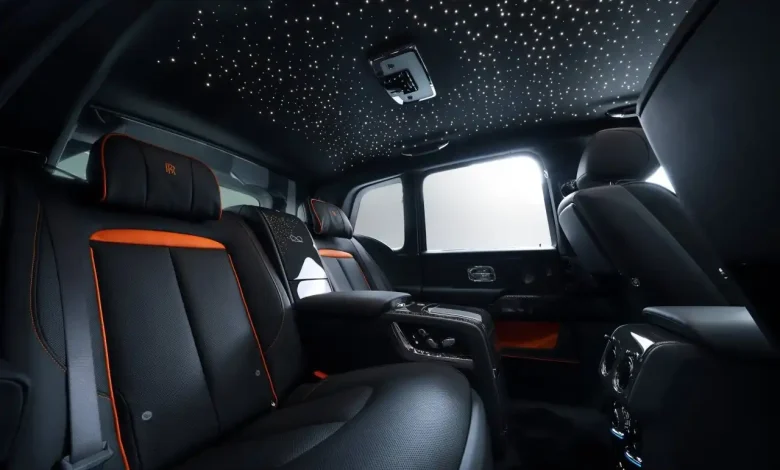
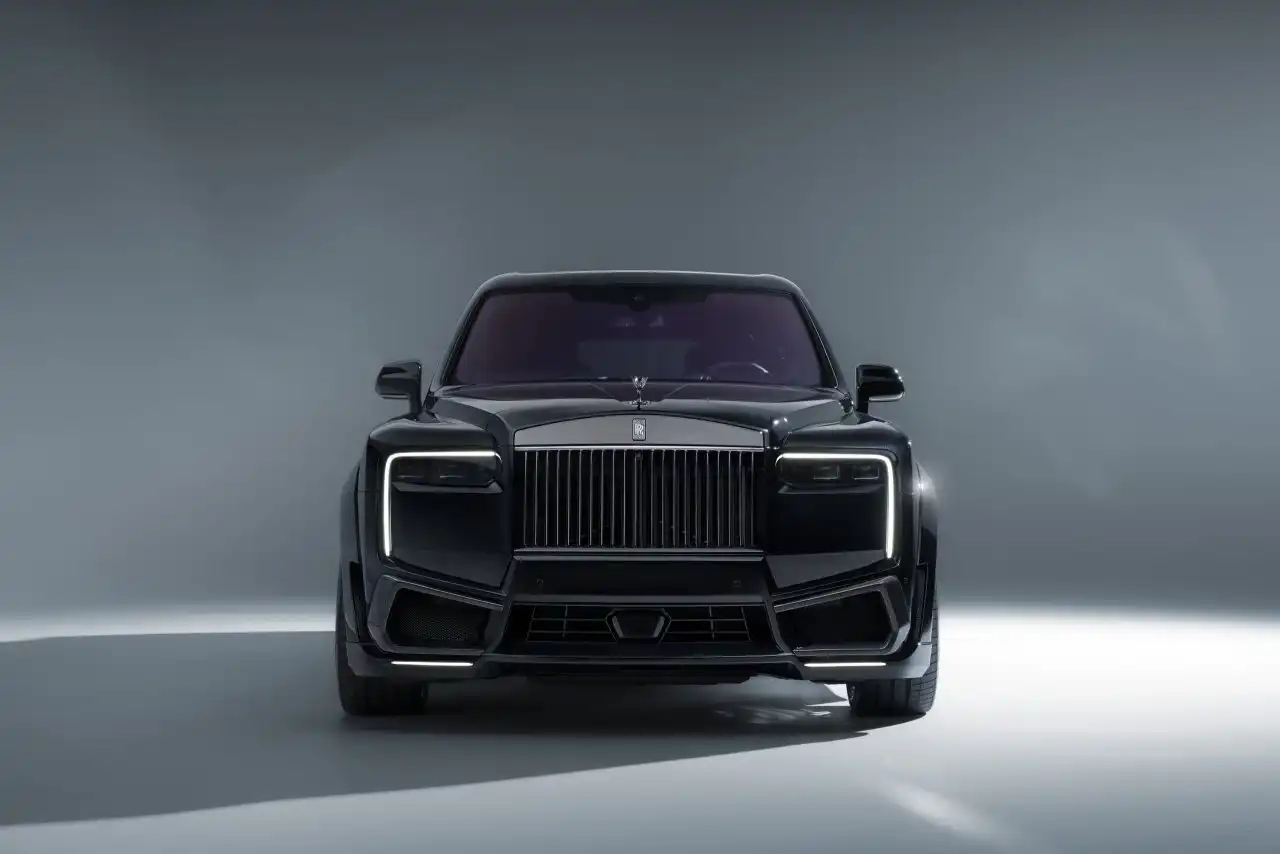
Launched last year, the Rolls-Royce Cullinan Series II hasn’t quite matched the British brand’s expectations for elegance. Its bold LED outlines framing the boxy hood and oddly shaped lower bumper accents have drawn mixed reactions. Although numerous tuners have attempted to enhance its design, German tuning specialist Novitec might have finally cracked the code to create a genuinely striking Cullinan that impresses from every angle.
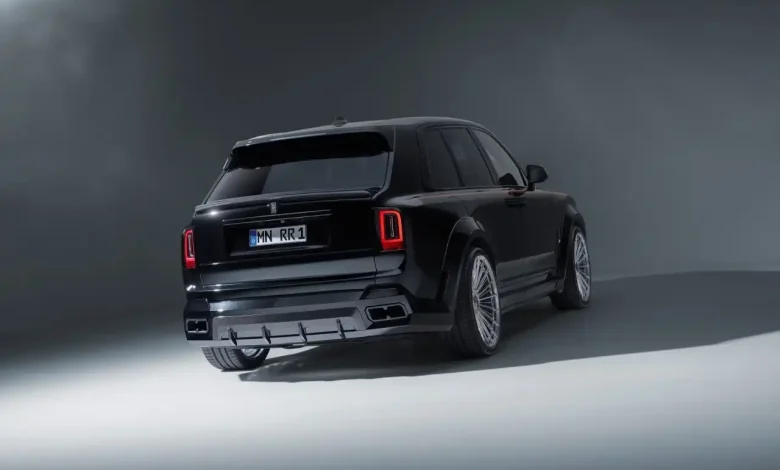
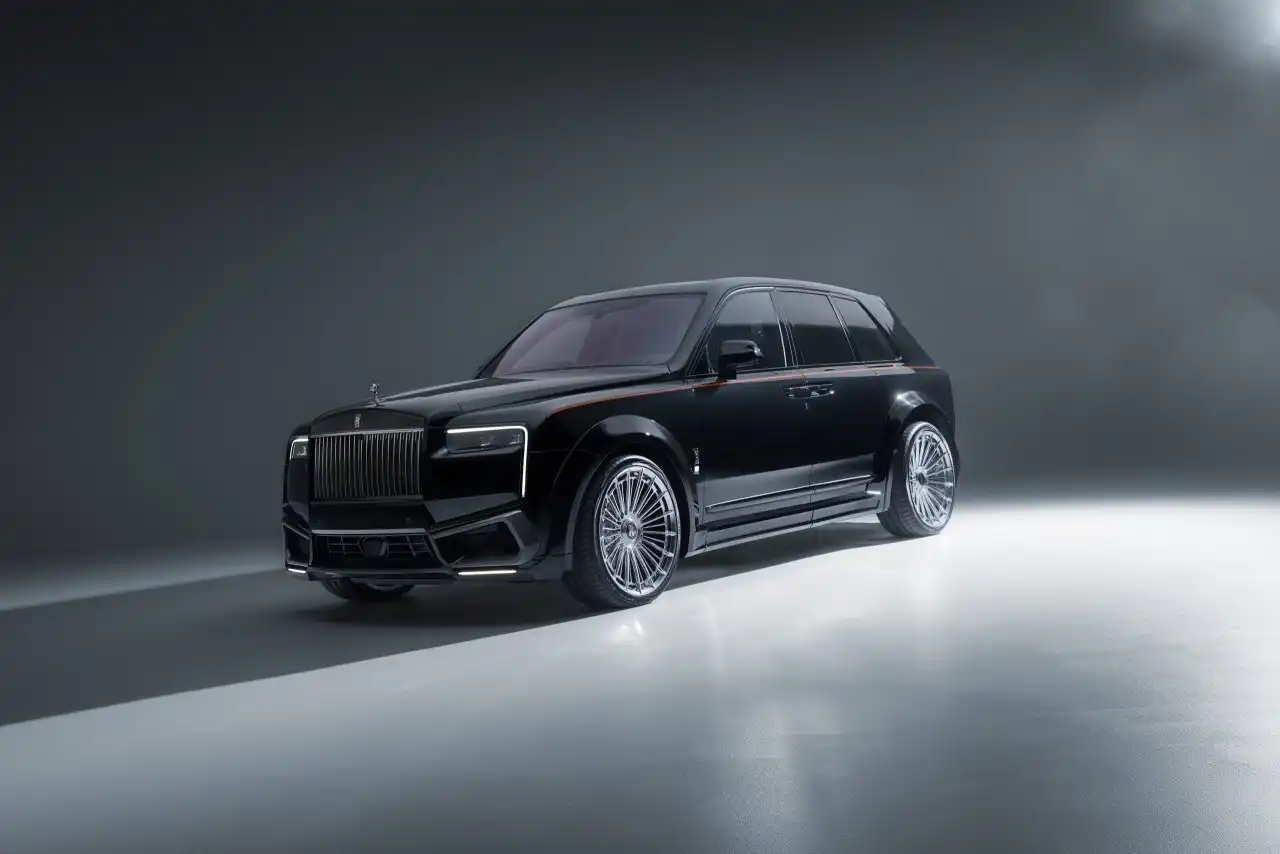
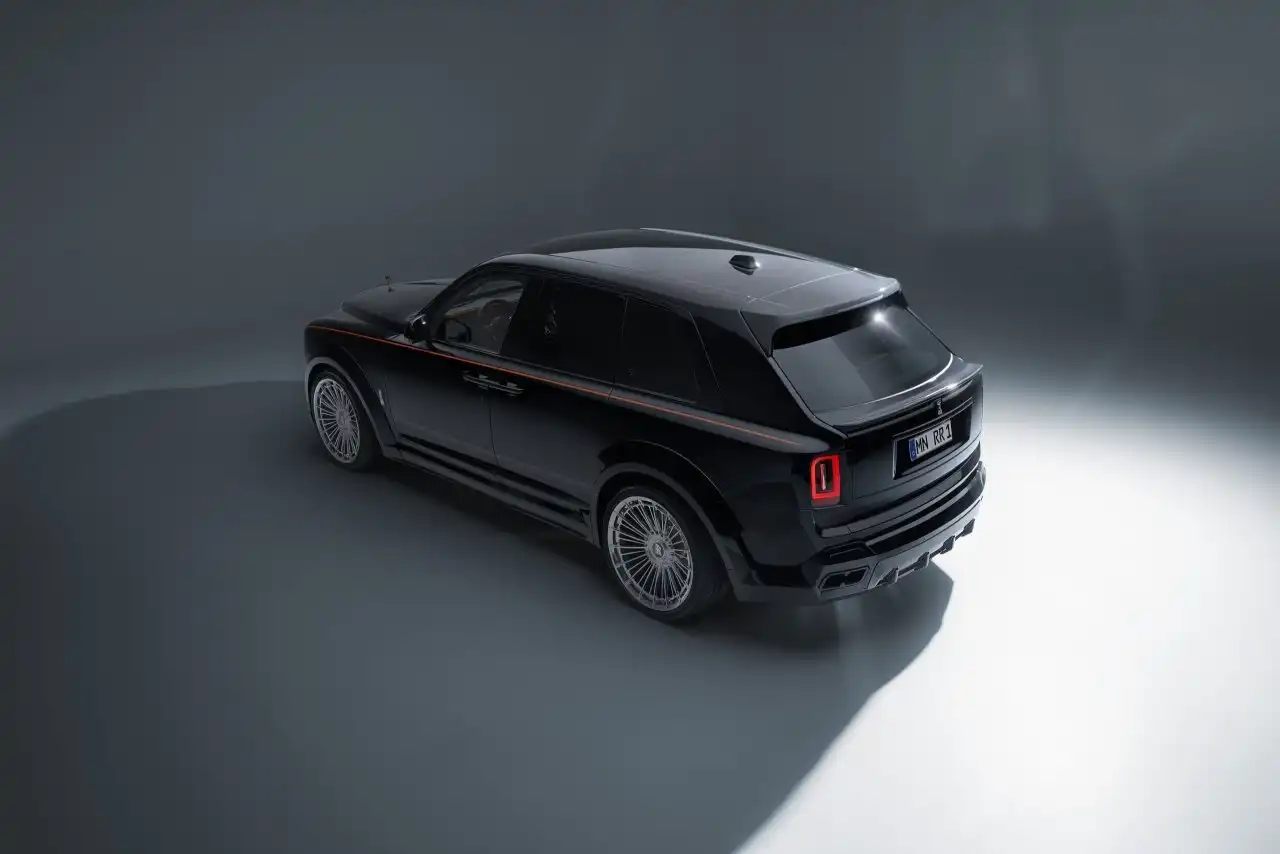
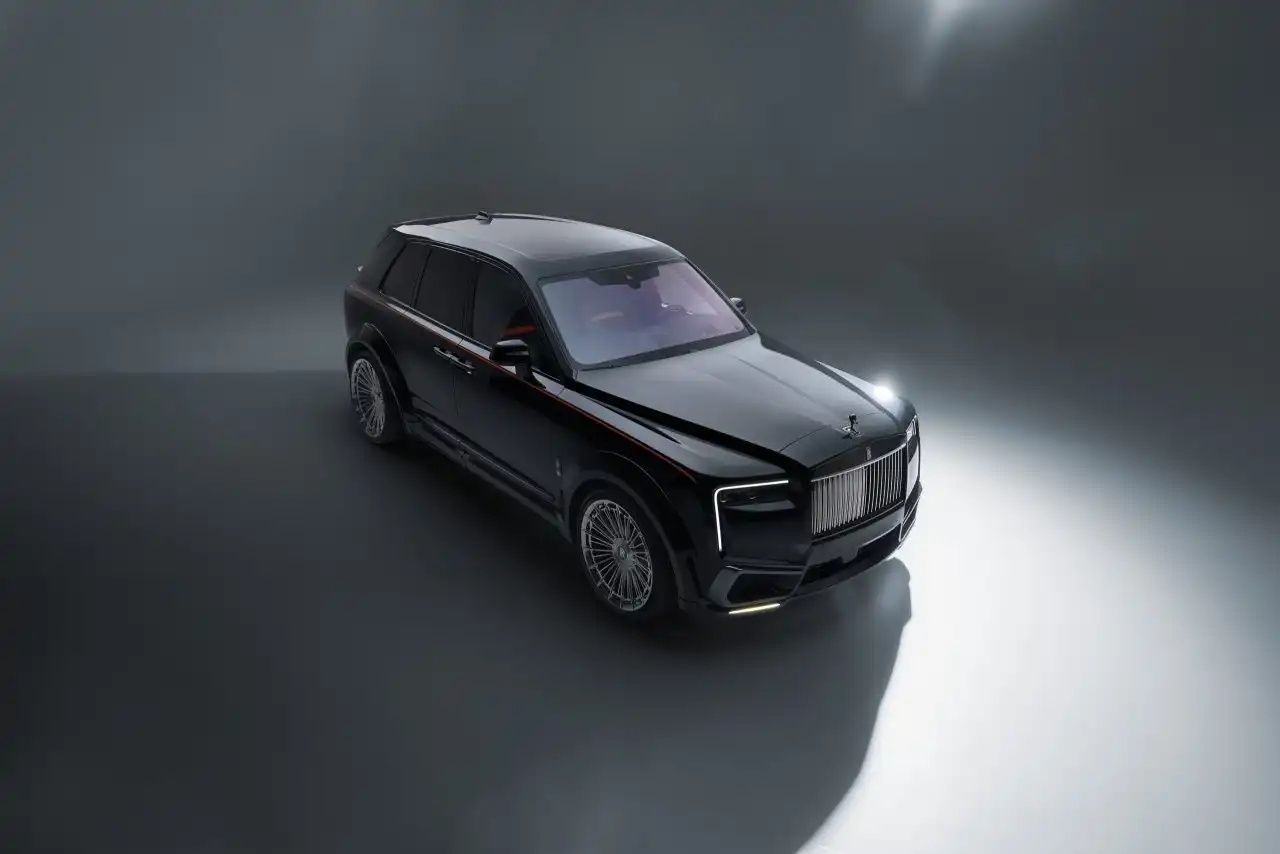
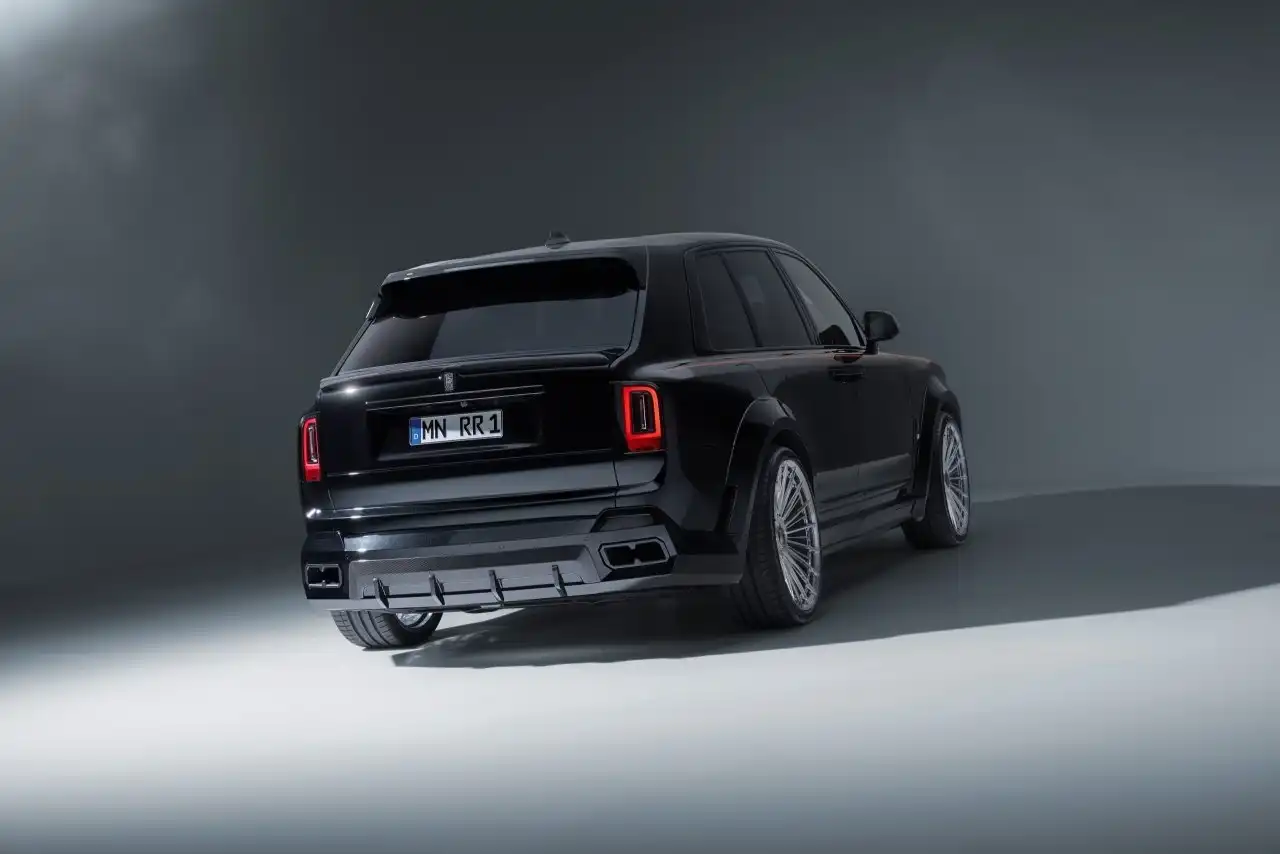
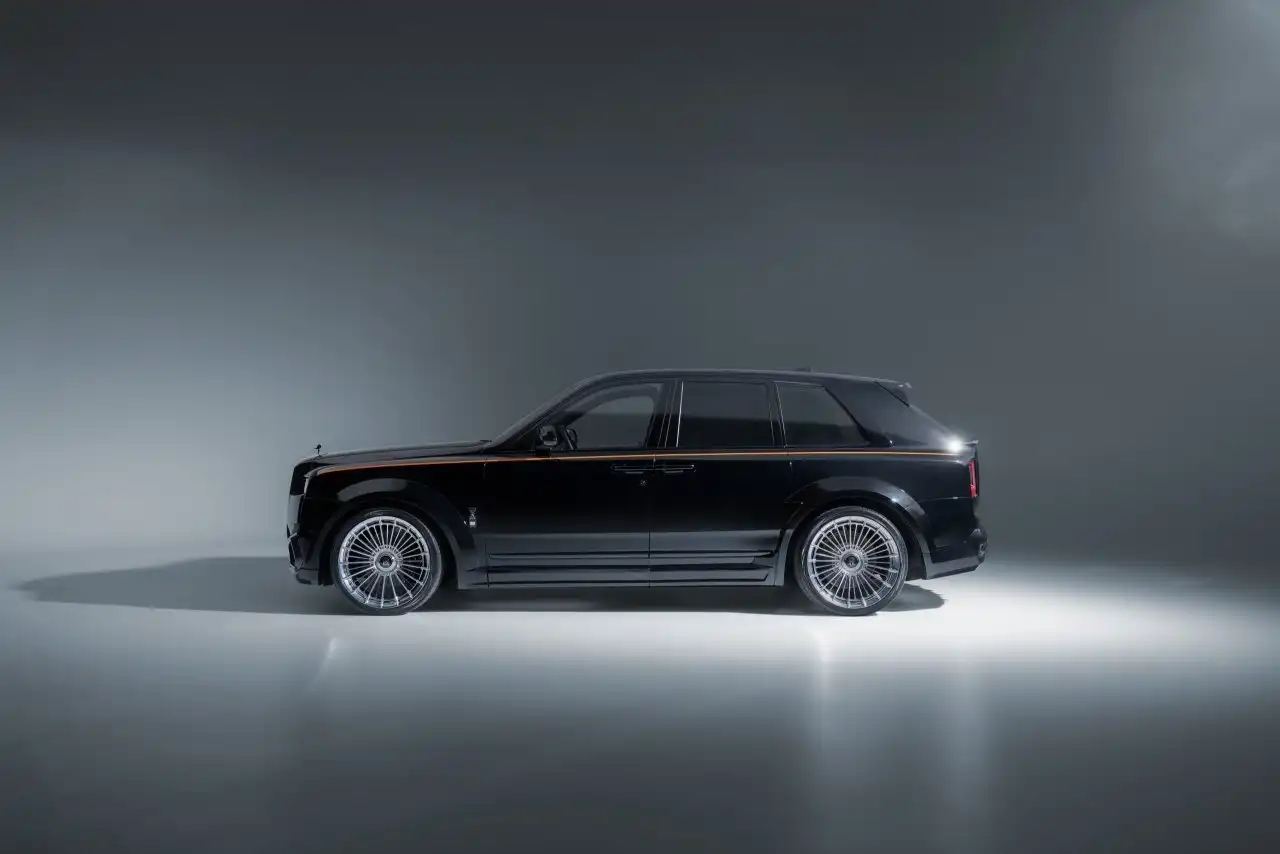
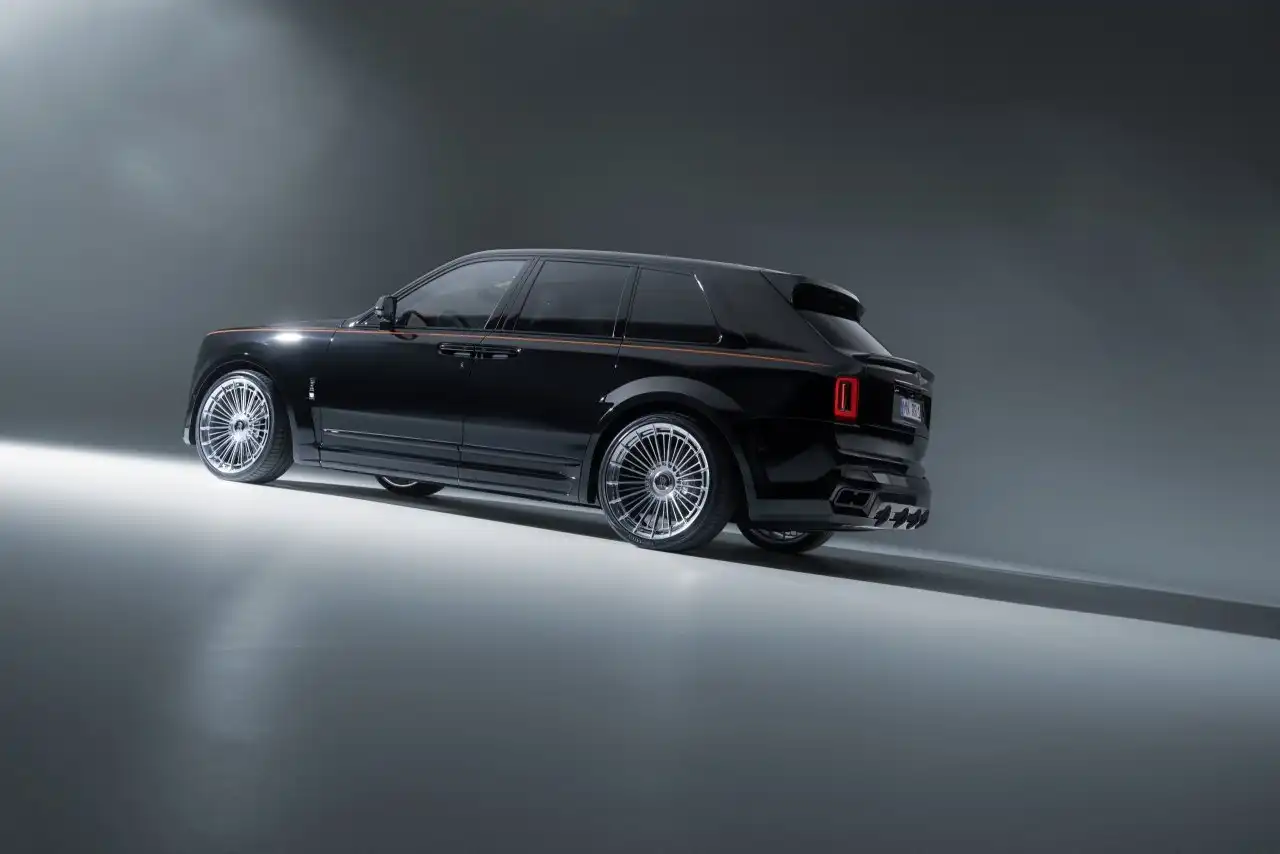
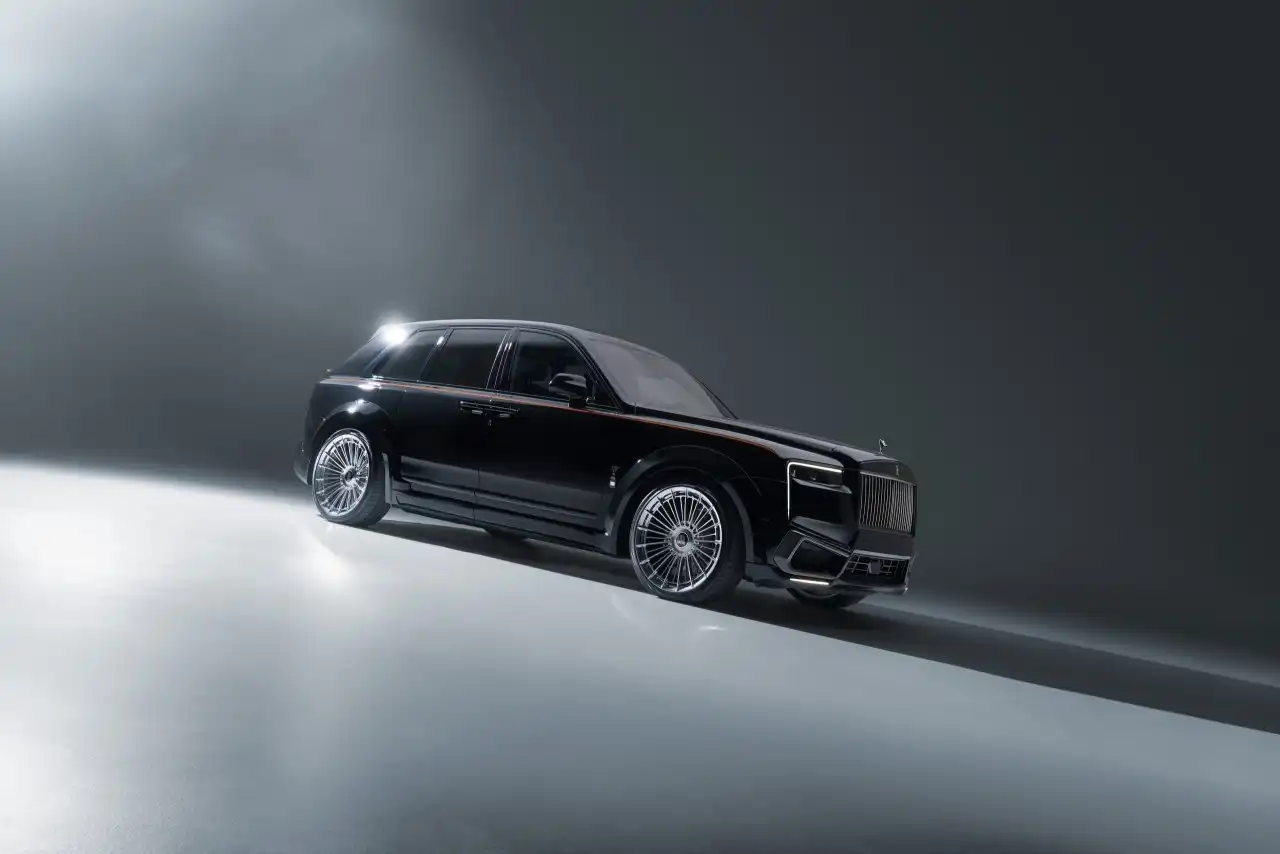
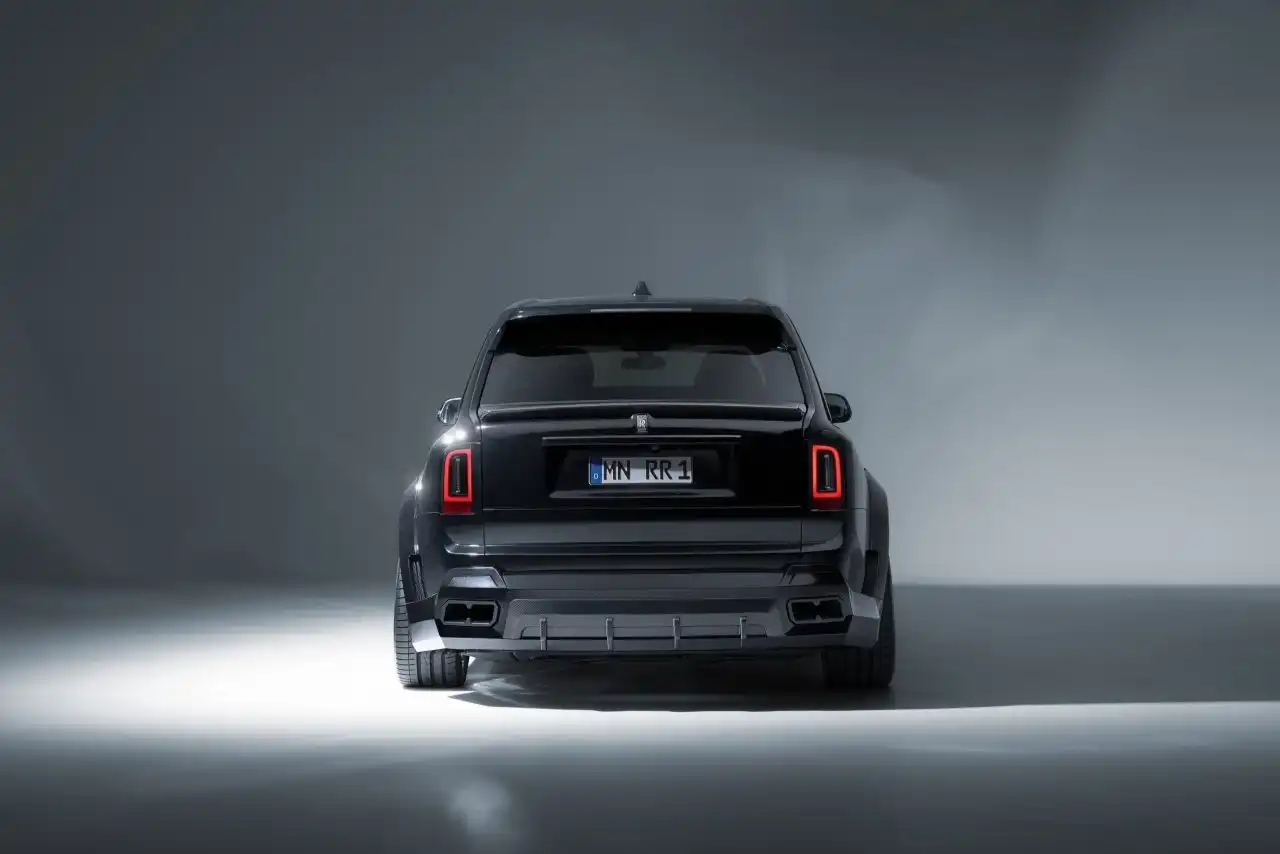
The final masterpiece was crafted by Spofec, Novitec dedicated division specializing in Rolls-Royce vehicles. Most of the transformation focuses on the fascias, now featuring integrated LED position markers, carbon fiber side air intake surrounds, redesigned rocker panels, a rear spoiler, and a carbon diffuser. These composite elements harmonize perfectly with the black paint, restoring a sense of elegance to the once-maligned ultra-luxury SUV.



Wider Stance Complements the Redesigned Front
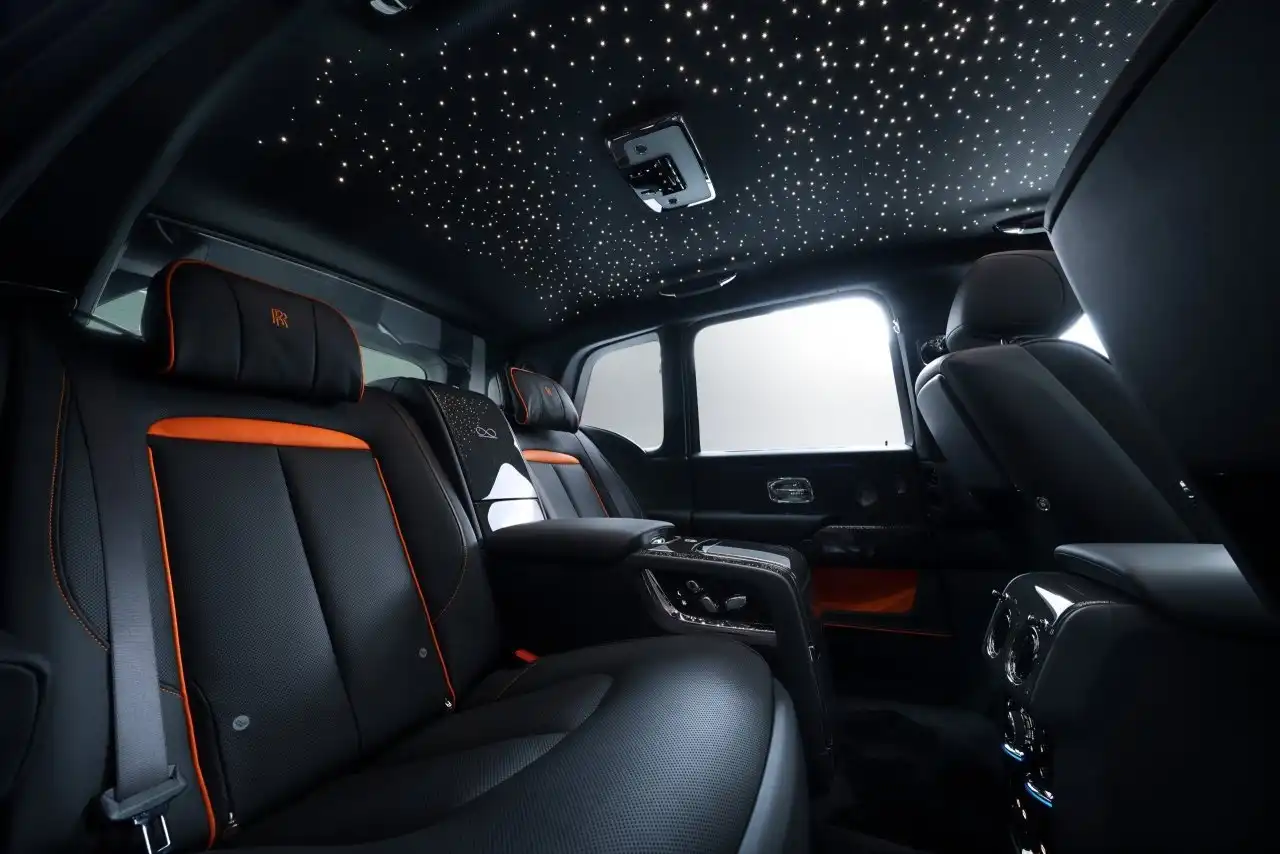
To complement the revamped front end, Spofec applied its signature Overdose widebody conversion to the Cullinan—similar to what was done on the previous model—adding an impressive 4.7 inches to its overall width. While the company emphasizes OEM-level quality, the wider stance truly enhances the Cullinan’s presence, especially with the ride height lowered by 1.4 inches. Inside, customers can personalize the cabin extensively, such as opting for a Spirit of Ecstasy emblem beneath the clock in place of the traditional Rolls-Royce logo.
We also admire the SP4 forged wheels featured on this Cullinan—a 24-inch set developed collaboratively by Spofec and Vossen. These multi-spoke, “Swiss-style” wheels are CNC-machined with hubs designed to conceal the bolts, and they come in 48 different color options, available in either brushed or polished finishes. Additionally, two other wheel designs are offered, including one with a sleek flat-disc style.
More Power for an Even More Impressive Drive
Novitec didn’t stop at enhancing the Cullinan’s looks—they also upgraded its performance. By installing an N-TRONIC module that adjusts injection, ignition timing, and boost pressure, the tuner extracted more power from the 6.75-liter twin-turbo V12 engine. The upgraded setup delivers 697 horsepower and 782 pound-feet of torque, a significant jump from the stock Black Badge’s 591 hp and 664 lb-ft. Thanks to these enhancements, the reimagined Cullinan can accelerate from 0 to 62 mph in just 4.6 seconds, with its top speed electronically capped at 155 mph.
This powerful setup is complemented by a Spofec stainless steel sports exhaust, which can be controlled via a cockpit remote to toggle between a quieter mode and a more aggressive, sporty sound. The video below offers a sneak peek of the sportier exhaust note in action.
As usual, Novitec has not revealed the pricing for its Cullinan II modifications, but for its exclusive clientele, cost is rarely a concern. After all, the Cullinan starts at around $500,000 straight from Rolls-Royce. For those seeking a more distinctive look without going through the brand’s in-house customization, a turnkey Novitec package offers an enticing alternative that caters to the tastes of many affluent buyers.