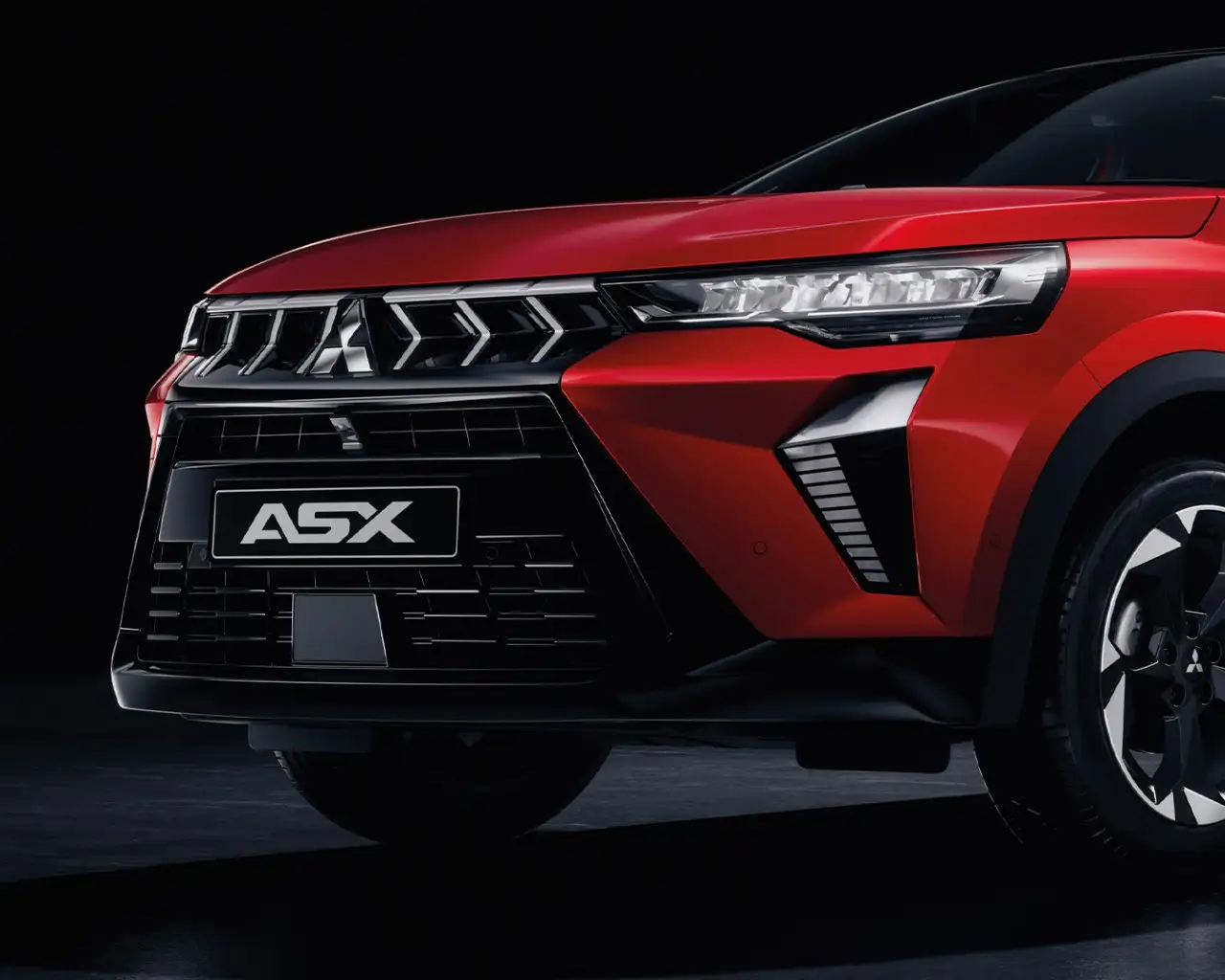
Mitsubishi Australia says vehicles that achieve a four-star ANCAP safety rating under the latest testing standards remain safe for buyers.
The stance follows confirmation that the second-generation Mitsubishi ASX is expected to retain the four-star safety score it received in Europe. Mitsubishi Australia general manager of product strategy Bruce Hampel said the rating should not be viewed as a compromise on safety.
“A four-star car is still a very safe car,” Hampel said.
He added that when ANCAP first introduced its star-rating system, four stars were intended to represent the industry benchmark, with five stars reserved for vehicles that exceeded standard safety expectations.
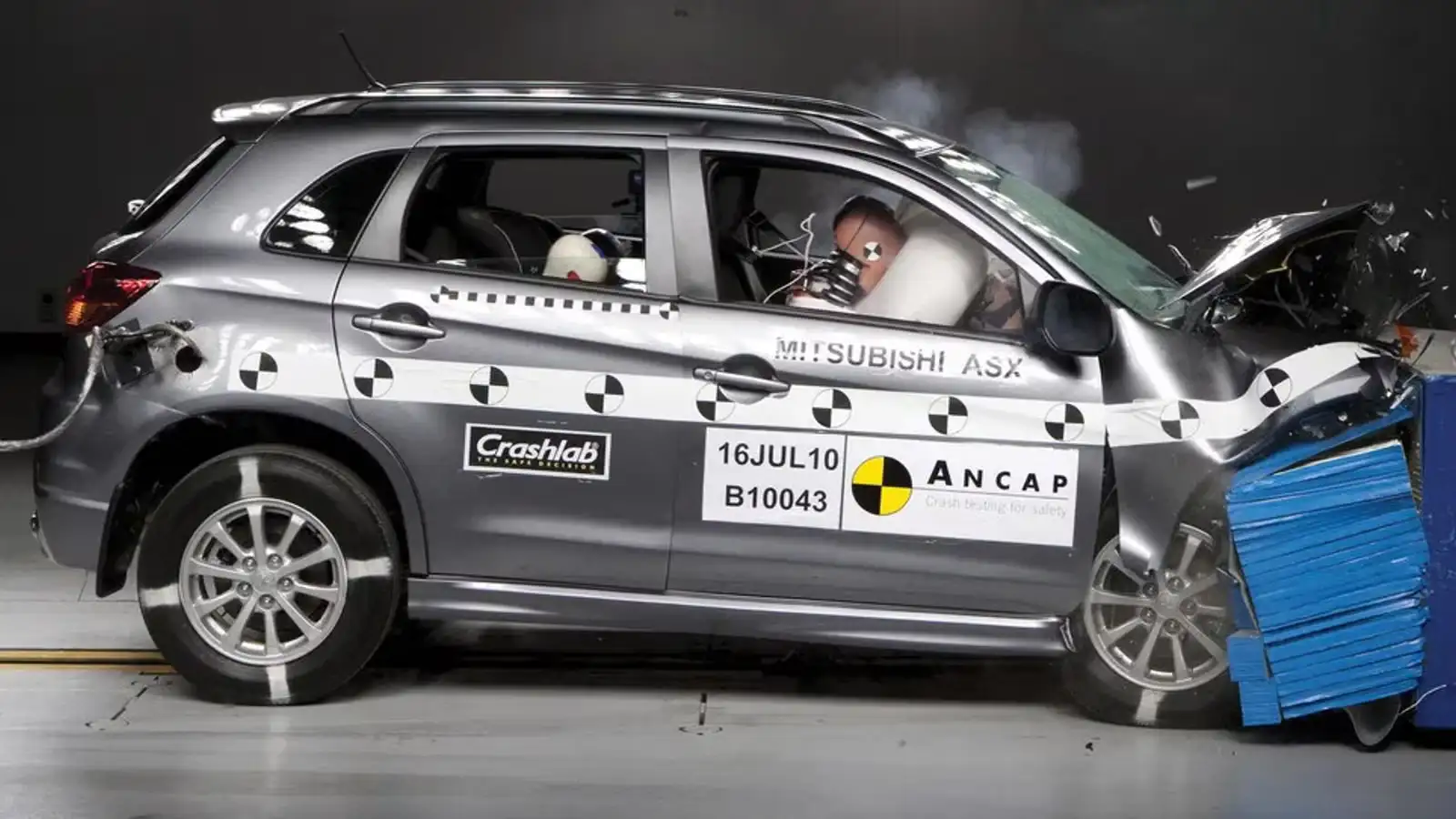
“Over the past 15 to 20 years since ANCAP was introduced, expectations have gradually shifted to the point where a five-star rating is now seen as the minimum requirement,” Hampel said. “That’s a positive development, and it’s something we’ve met where necessary.”
The Australasian New Car Assessment Program (ANCAP) was established in 1993 to independently crash-test vehicles sold in Australia and assess their safety performance.
Following the end of local vehicle manufacturing, ANCAP aligned its testing protocols with those of Euro NCAP. This allows the organisation to adopt safety ratings from vehicles tested overseas, even where differences exist in steering-wheel placement or powertrain configurations.
ANCAP has also progressively tightened its testing criteria, requiring the inclusion of advanced safety technologies such as autonomous emergency braking (AEB) and driver-monitoring systems for vehicles to be eligible for the maximum five-star rating.
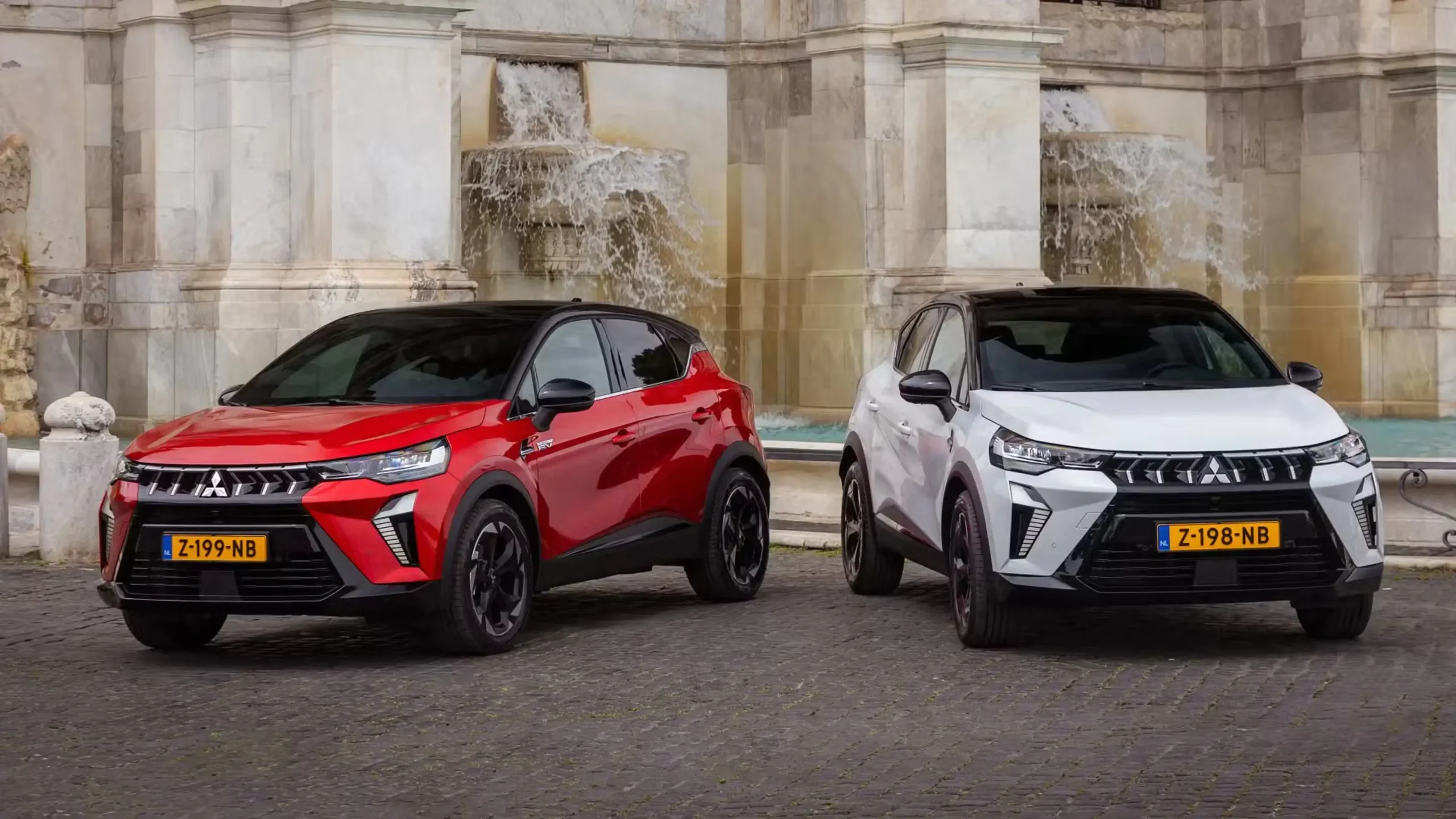
From next year, ANCAP will adopt Euro NCAP’s latest safety standards, which will penalise vehicles for overly intrusive driver-assistance systems and introduce revised scoring for physical crash protection.
One factor preventing the second-generation ASX from achieving a five-star rating was the absence of a driver-monitoring system, which is now mandatory for a top safety score.
The ASX also missed the five-star benchmark in adult occupant protection, falling four points short of the required 80 per cent threshold.
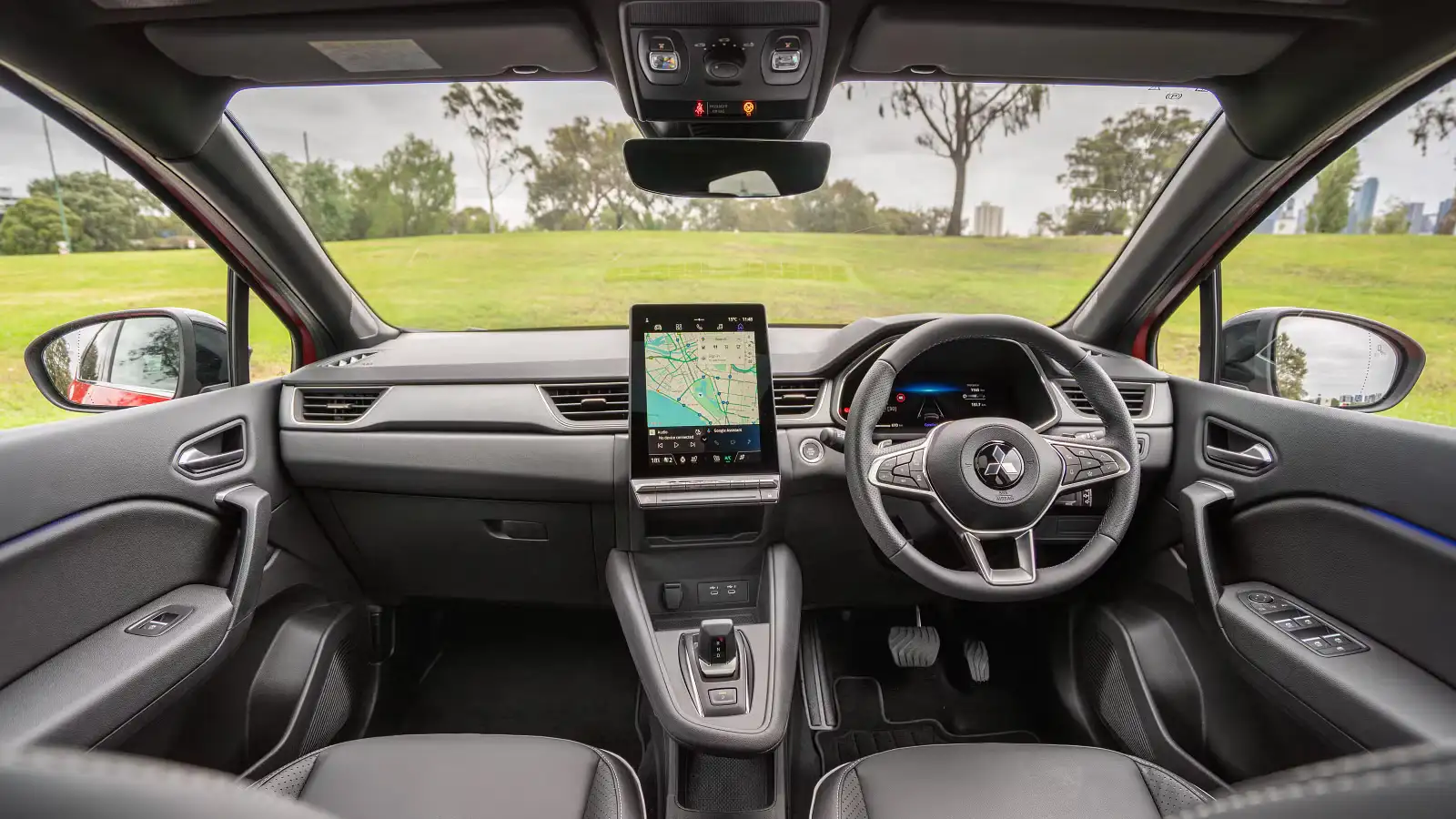
Despite the ASX falling short of a five-star rating, Mitsubishi does not believe the result will significantly impact the model’s appeal among private buyers, according to Hampel.
“Our overall brand sales are split roughly 50:50 between private customers and fleet buyers,” he said.
“Fleet customers—rightly or wrongly—typically require vehicles to carry a five-star safety rating before they’re even considered. As a result, we’re effectively obliged to meet those criteria if we want to compete in fleet markets.”
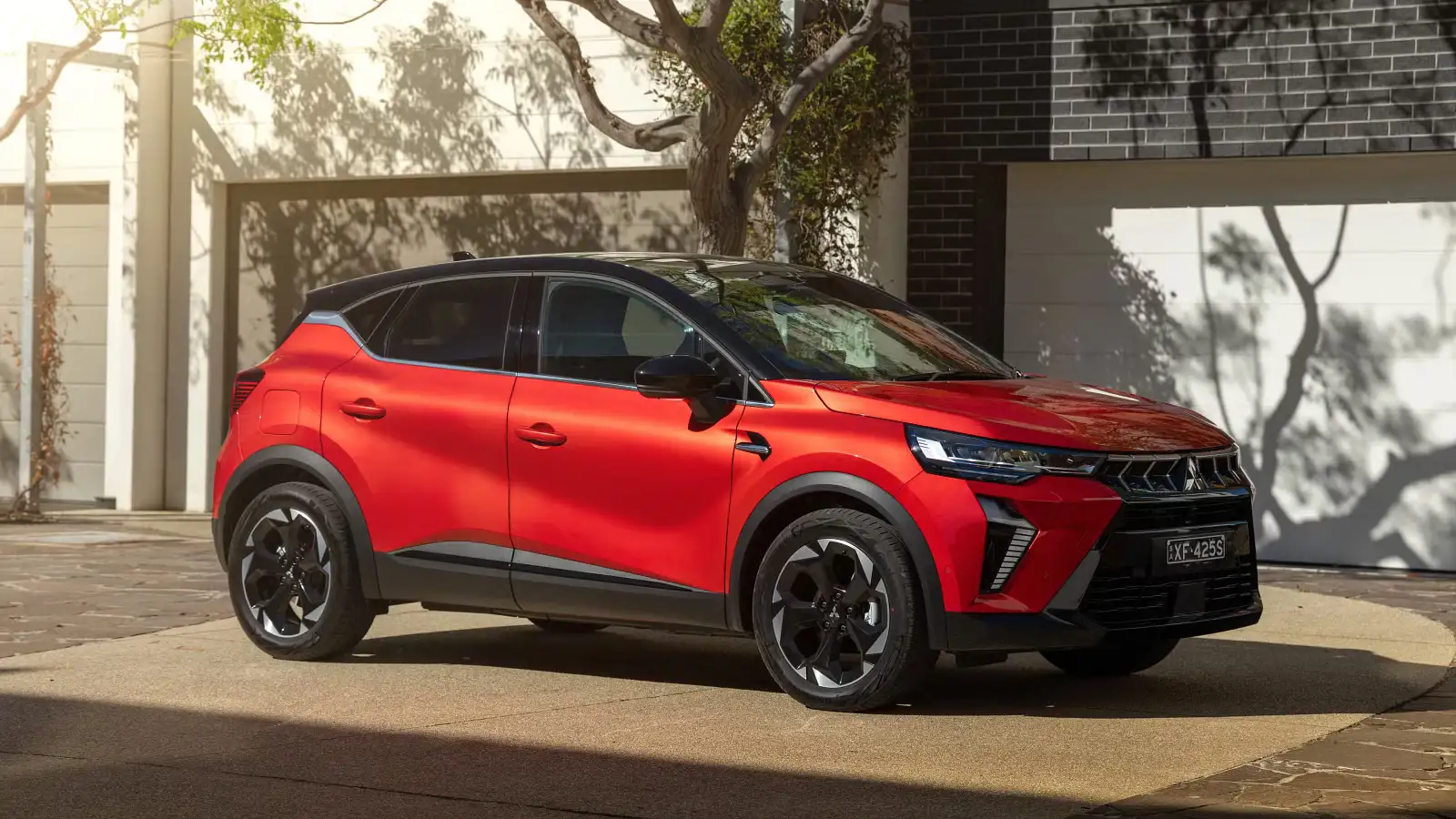
“With the ASX, around 80 per cent of small SUV buyers are private customers, so we’re comfortable stepping away from the fleet market in this segment,” Hampel said.
“It’s not something we’re pleased about, but it’s a compromise we can accept given the customer we’re targeting with this vehicle. As the product evolves, we’ll continue to assess whether it can be upgraded to achieve a five-star rating.”
It’s also worth noting that Mitsubishi Australia withdrew the Express van from sale in 2022, roughly a year after its launch, following a zero-star ANCAP safety rating at the time.