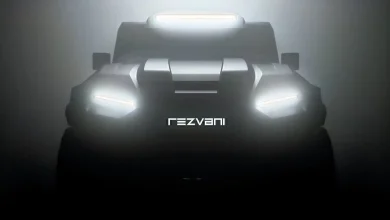
A rising electric-vehicle startup led by its charismatic CEO now appears to have a fleet of robotaxis ready for deployment — and no, it’s not Elon Musk with the Cybercab. This time, it’s Mate Rimac who seems to have beaten him to the punch. Rimac, best known for running the company behind 16-cylinder, 300-mph hypercars, is spotlighting a different venture entirely. Not the Rimac Nevera, but another project he wants the world to remember by name: Verne.
Rimac’s electric ambitions extend far beyond 2,000-horsepower hypercars.
Verne was established several years ago by Mate Rimac, Marko Pejković, and Adriano Mudri with a goal very different from Rimac’s record-shattering performance machines. The trio set out to develop a fully autonomous vehicle and the service ecosystem needed to operate it — a concept similar to GM’s now-paused Cruise program in the U.S., and to Waymo’s ongoing work with its Jaguar-based electric robotaxis.


The core of the venture is, naturally, the autonomous vehicle itself. Building an app is trivial compared with engineering a car that can reliably drive on its own. Rimac has been pursuing versions of this concept for more than a decade, and at one point back in 2015, he even envisioned producing 500 self-driving cars.
View this post on Instagram
This time, the effort appears far more tangible. Verne announced that it has completed the build and testing of 60 validation prototypes. In an Instagram post, Rimac stands in a lot packed with the vehicles and offers a full tour, showcasing the Verne’s exterior design and its cabin in detail.
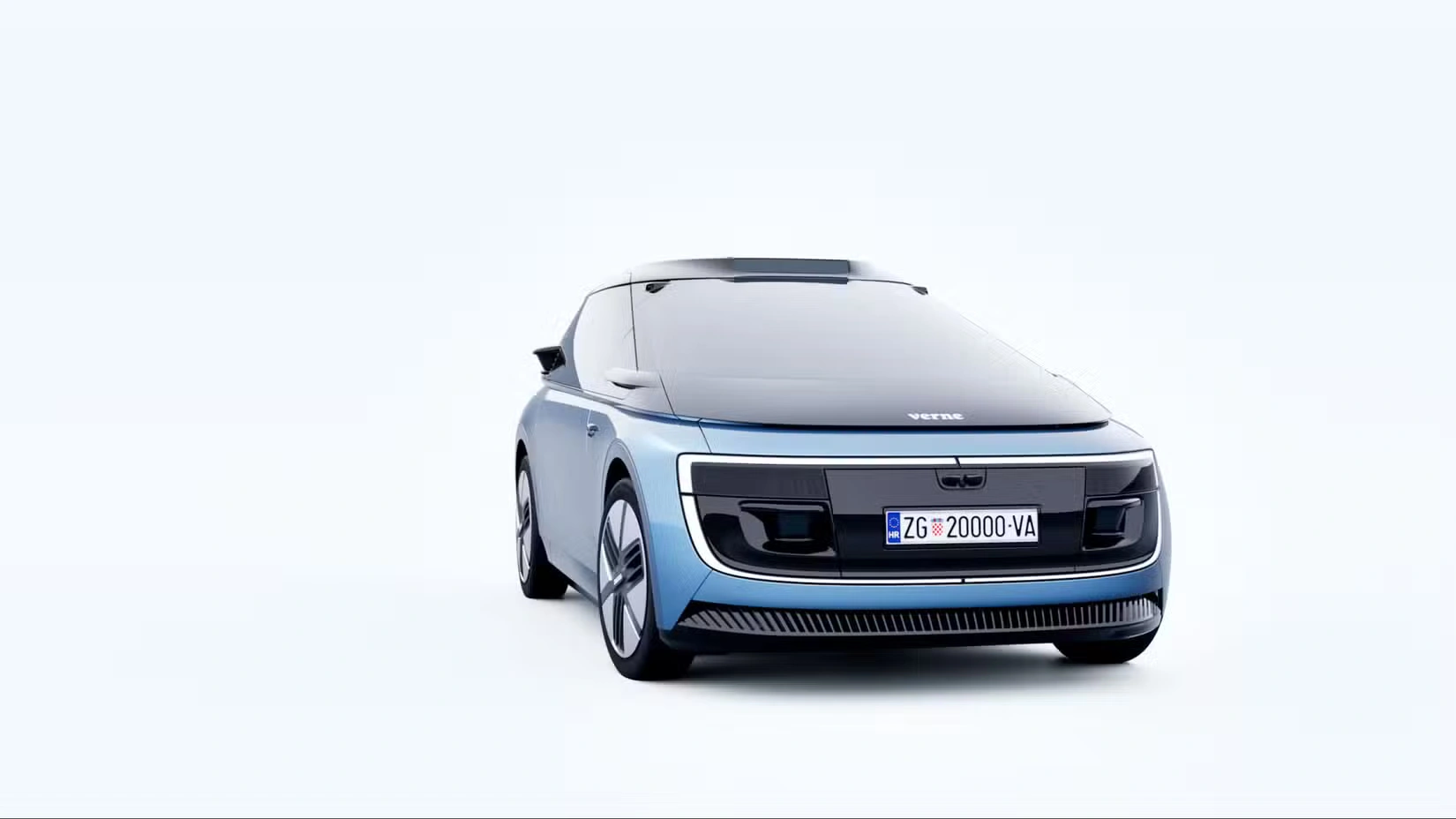
Wandering through a Croatian parking lot with a selfie stick isn’t exactly the polished, hype-driven rollout we’re used to seeing for announcements like this, but there’s something reassuring about the approach. Rimac is selling the substance rather than the show. Instead of reworked versions of existing models or speculative concepts, he’s presenting a tangible fleet of purpose-built prototypes — not the kind of may-or-may-not-happen driverless fantasies other automakers have teased in the past.
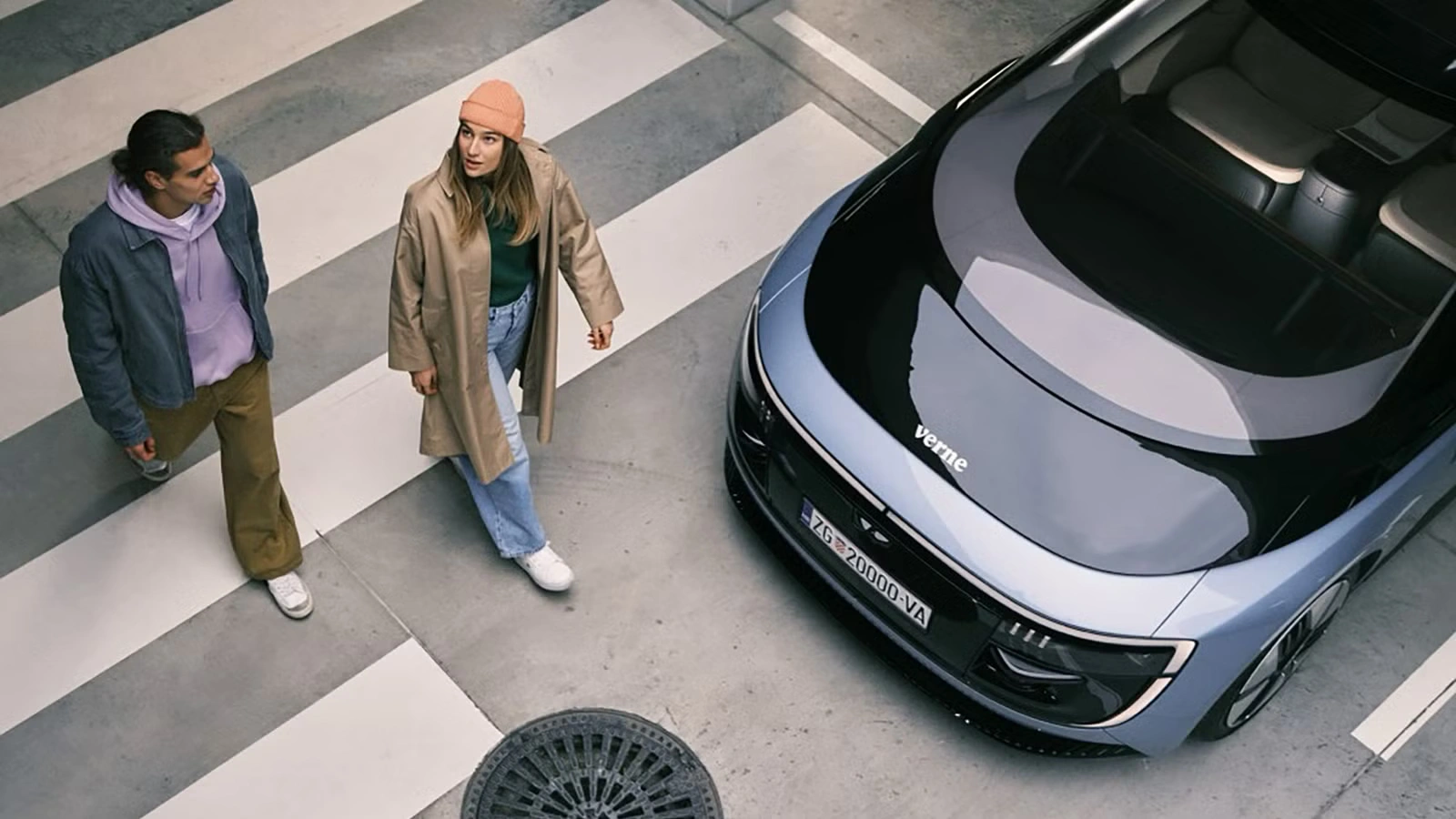
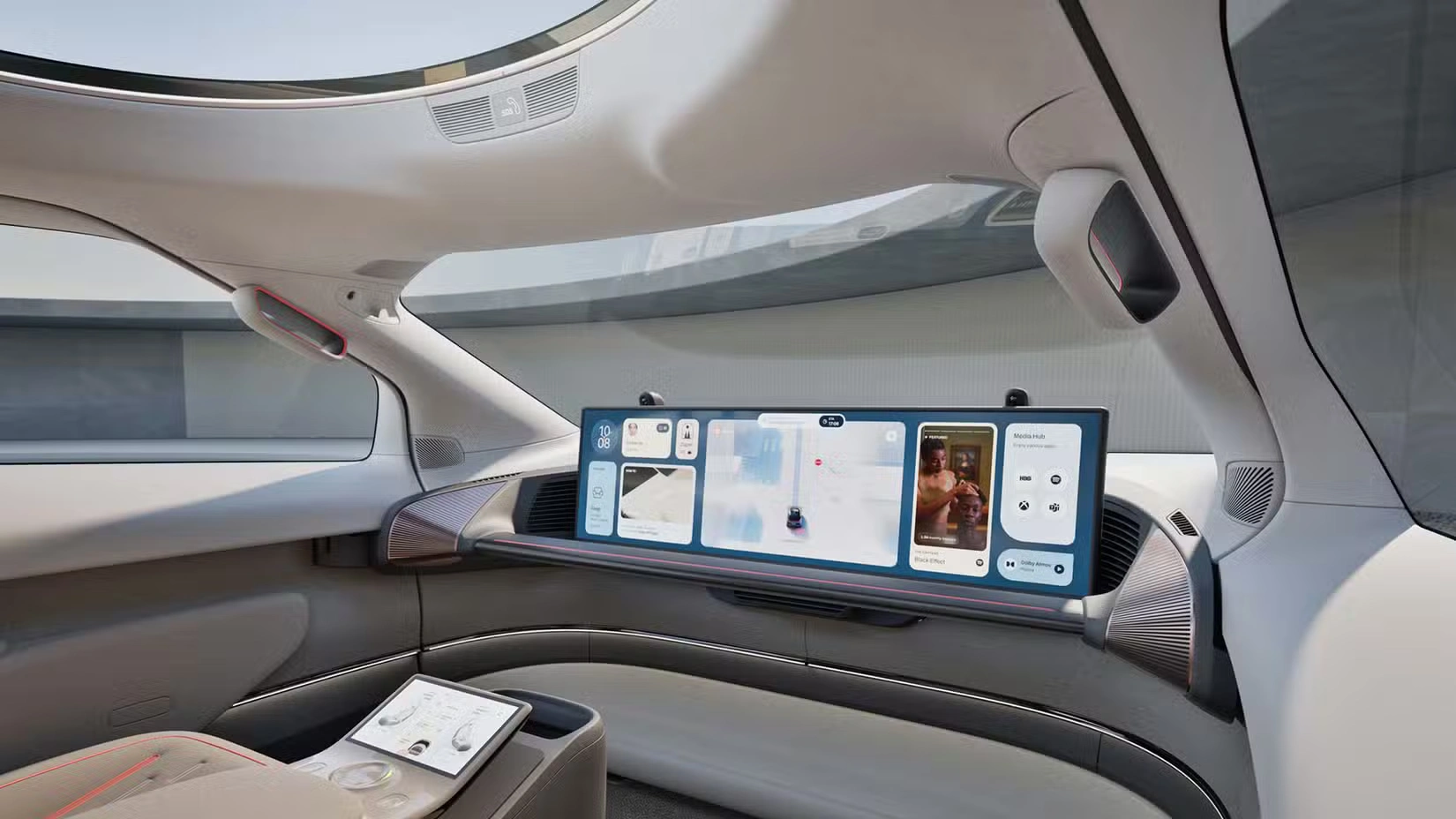
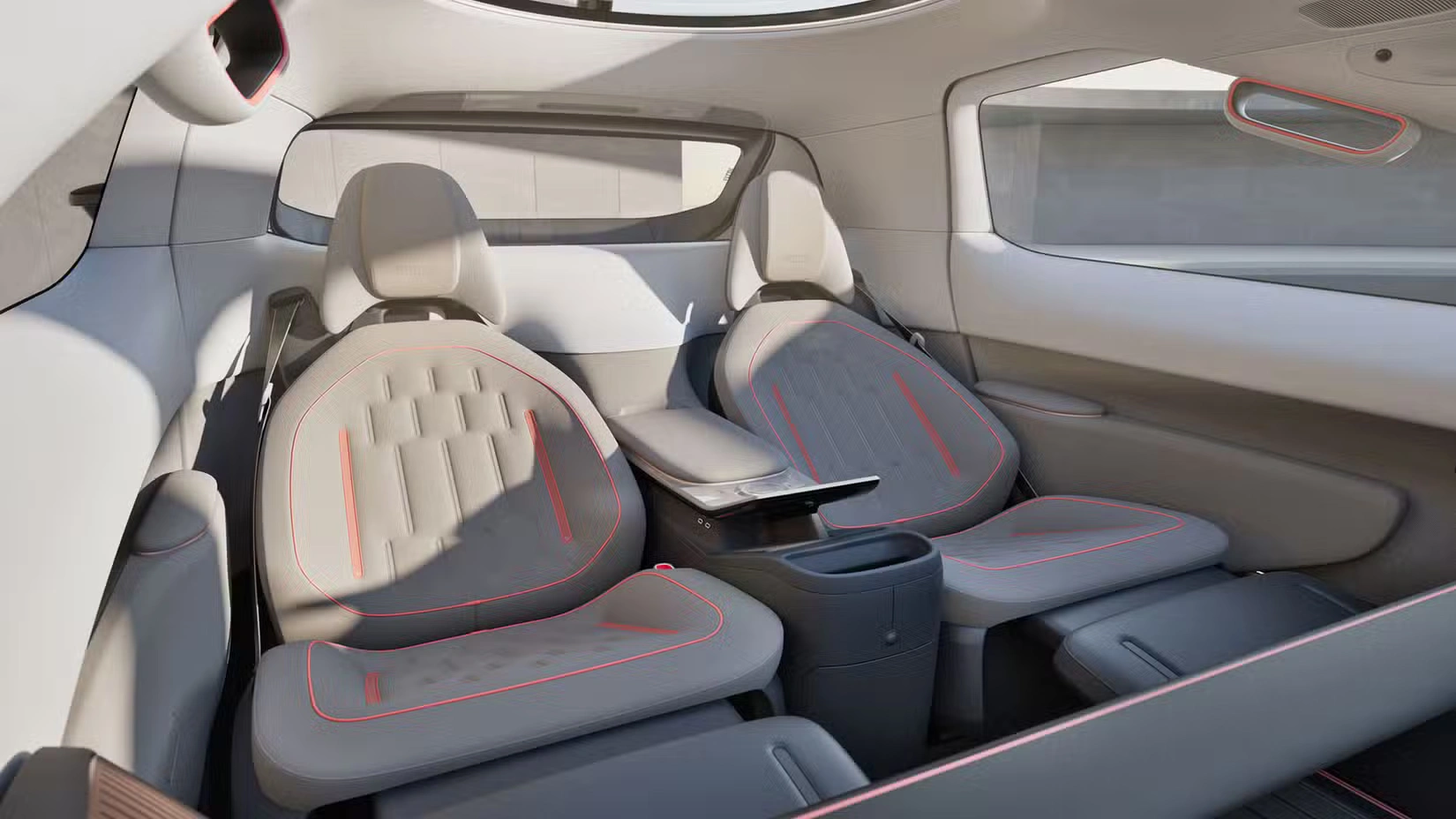
The two-door Verne robotaxi is almost comically compact, but that’s by design. This isn’t a repurposed production EV with extra software bolted on — it’s a purpose-built autonomous taxi. With no steering wheel and no need for rear seats, the vehicle can remain small without sacrificing comfort. Inside, the cabin looks surprisingly upscale, and Rimac says passengers will be able to stream YouTube and other video services on the car’s expansive, wall-to-wall display.
Spend More Time Not Driving So You Can Spend More Time Driving
Rimac seems aware that many of his fans are far more interested in piloting 2,000-horsepower supercars than riding in autonomous pods. But he also makes a compelling argument for robotaxis like the Verne. The majority of time behind the wheel is spent crawling through city traffic — hardly the thrilling driving experience enthusiasts crave. Offloading that dull, stop-and-go commute to an autonomous vehicle frees up time to be productive, relaxed, or entertained, leaving more of your day available for the kind of real driving enthusiasts actually enjoy.
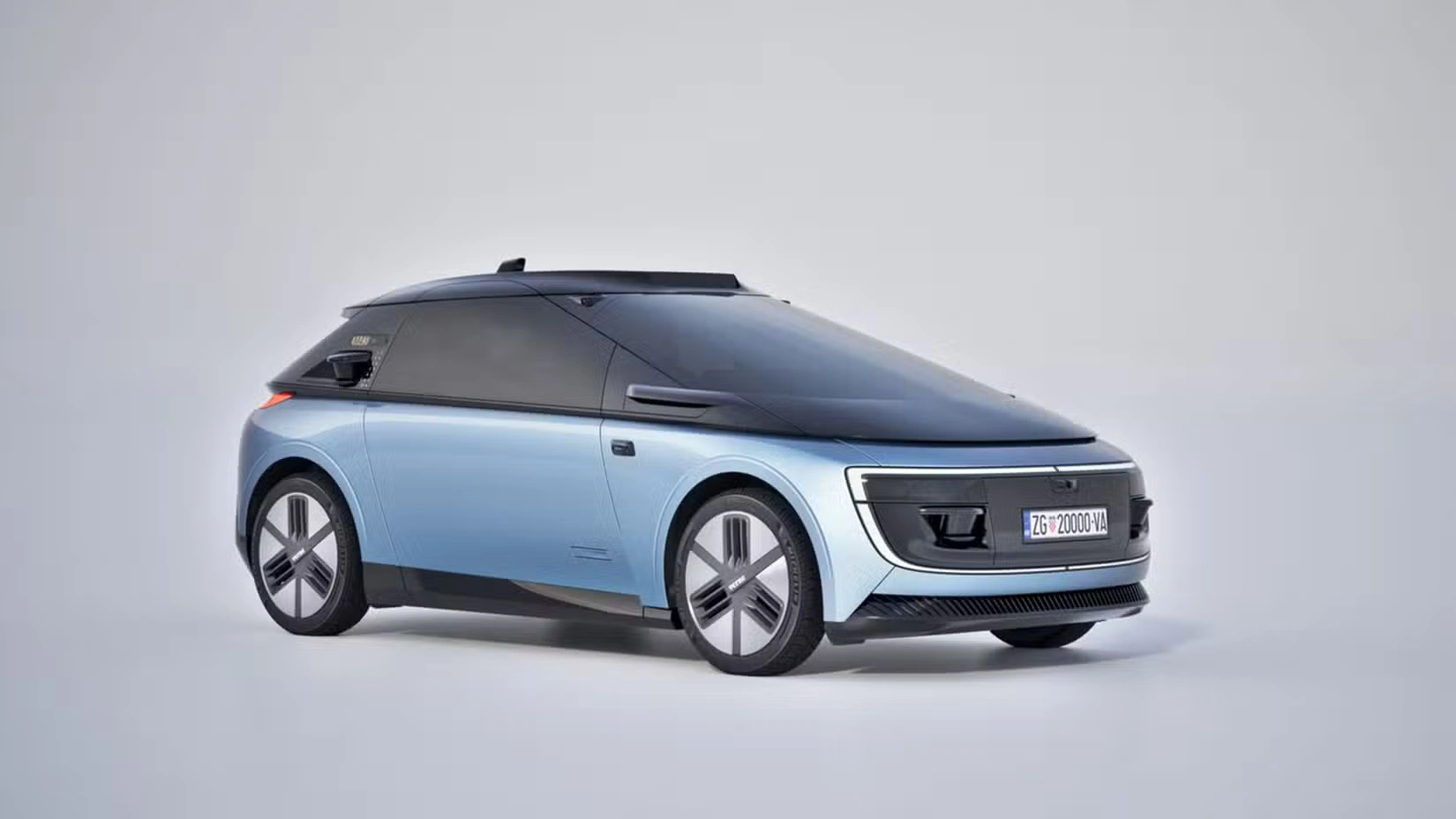
Verne intends to begin real-world autonomous testing in Zagreb before expanding to other markets. Rimac has long been vocal about his mission to grow both the automotive and high-tech sectors in his home country, making Croatia the natural starting point. The company is targeting a spring 2026 rollout, though neither Verne nor Rimac has disclosed specific details about the service or its capabilities. Notably, the prototype Rimac showcased lacked a steering wheel entirely — a design choice that strongly hints at full Level 5 autonomy.
The project isn’t financed by Rimac alone. While Mate Rimac’s own company is a key backer, Verne has also secured support from Kia, the European Union, and Saudi investment firm Jameel. In total, the startup has raised nearly €200 million to push the robotaxi program toward launch.