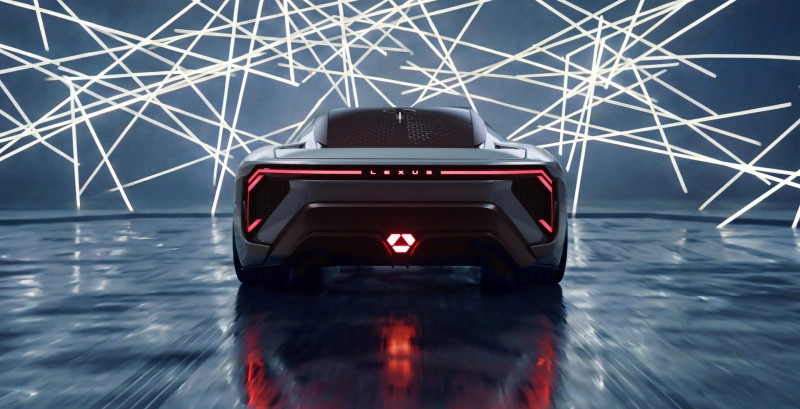
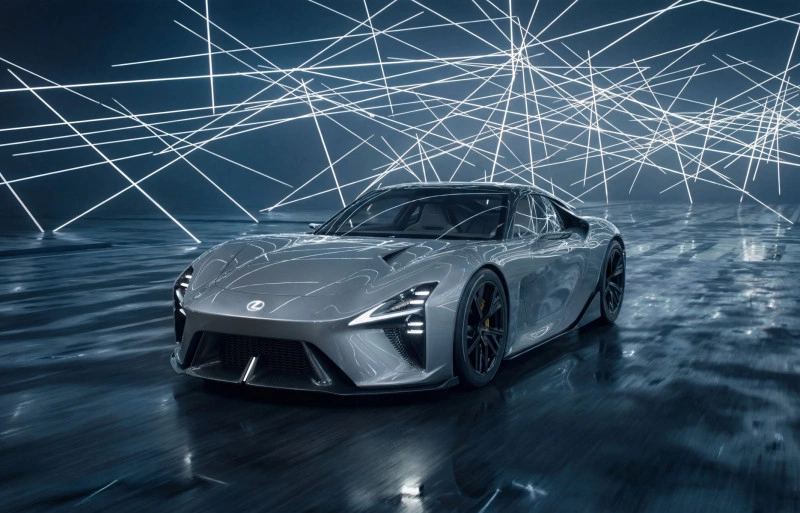
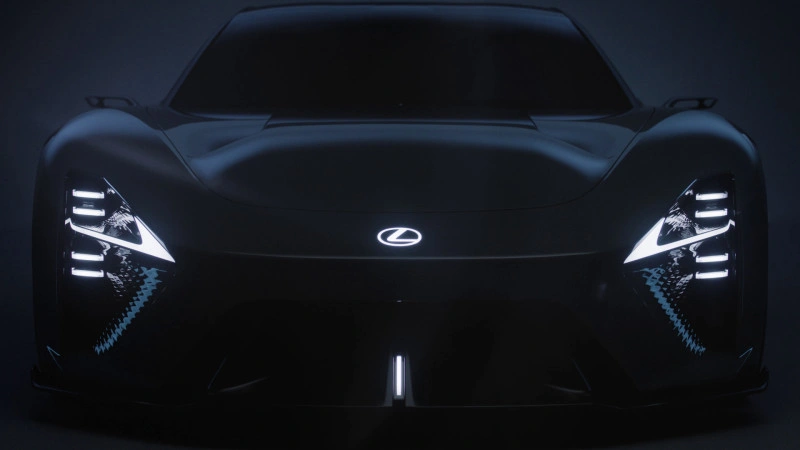
Lexus shocked the automotive world today with the debut of the LFA Concept—an all-electric, long-bonnet supercar that revives the iconic nameplate in an entirely new form. Built on Toyota’s GR GT platform, the reinvented LFA trades the original model’s screaming V10 (and even the platform’s twin-turbo V8) for the instant torque of a full EV setup. Lexus further distinguishes the concept with refined styling cues and an upscale interior influenced by the Sport Concept shown at Monterey Car Week 2025, signaling its own vision of high-performance electrification.
Major Differences From Its Toyota Sibling
While the Lexus LFA Concept shares its underlying structure with the newly revealed Toyota GR GT supercar, the two diverge in dramatic ways. Both machines feature the same stretched silhouette, dominated by a long hood and a generous dash-to-axle ratio reminiscent of classic icons like the Jaguar E-Type. But where the GR GT debuts Toyota’s first production twin-turbo V8 paired with a mild-hybrid belt-starter generator in the rear transaxle, the LFA Concept takes a completely different path. Lexus has gone all-electric, giving its version an entirely new personality—and a glimpse into the brand’s future performance strategy.




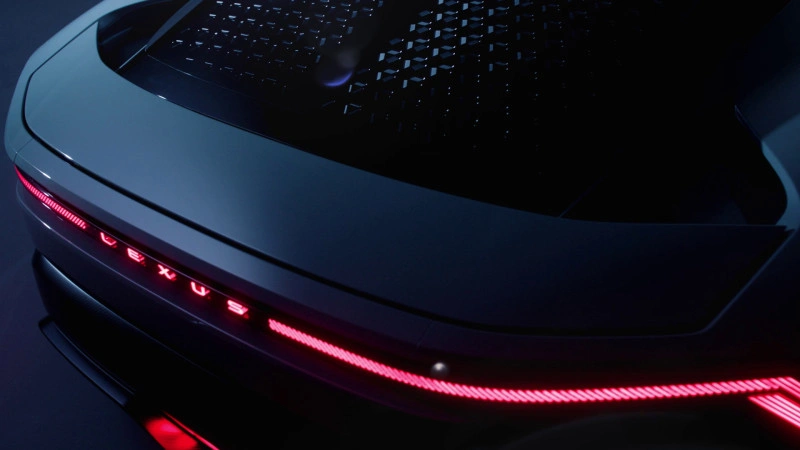
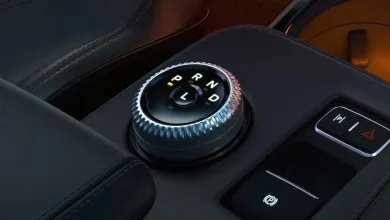
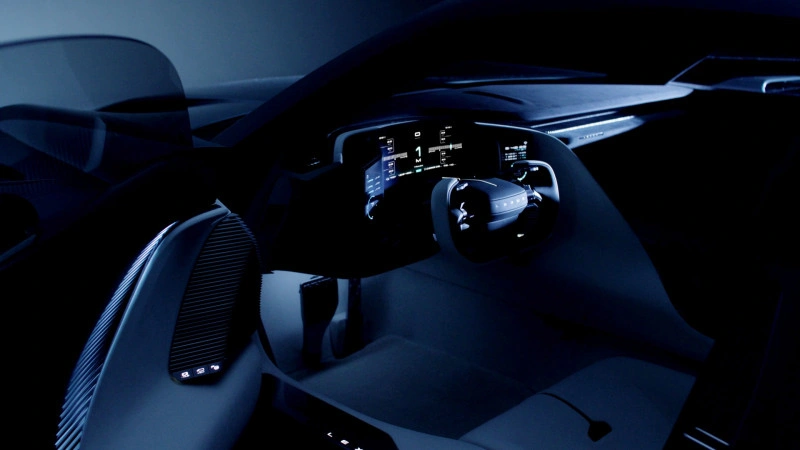
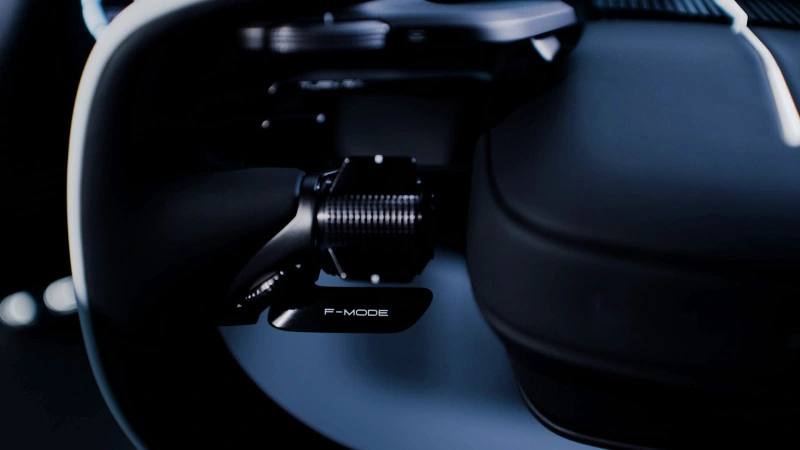
Although the earlier Lexus Sport Concept featured small, symbolic exhaust tips, Lexus has reworked that design language for the fully electric LFA Concept. The result is a long, low-slung machine with stunning proportions—every bit as captivating now as when the Sport Concept first appeared in August. The only thing we truly miss are those signature exhaust outlets, now replaced with a stylized decklid graphic. Inside, the LFA carries over the Sport Concept’s driver-focused layout, and its rotary-style shifter and drive-mode selectors offer a modern nod to the original LFA’s iconic dash-top switches.

A Sports Car First, an EV Second
Lexus says the LFA Concept was developed in parallel with the GR GT, and the two share several fundamental priorities: low weight, a rigid chassis, a low center of gravity, and a slippery, performance-oriented shape. Judging by its stance, it appears Lexus may package the LFA’s battery modules somewhere other than the floor—possibly distributing them where the GR GT houses its front engine and rear transmission to preserve the platform’s balanced weight distribution. Although the cars ultimately differ in how they’re powered, Lexus insists that a fully electric LFA can still “deliver driving pleasure and demonstrate the potential of BEV sports cars,” emphasizing that this concept is built to be a sports car first and an electric vehicle second.
What that potential actually looks like remains a mystery, as Lexus hasn’t provided any early performance figures for the LFA Concept. Toyota has been similarly tight-lipped about the GR GT, only noting that its twin-turbo V8 is targeting at least 641 horsepower and 627 pound-feet of torque. Given the output of today’s top-tier EVs—many of which deliver nearly twice those numbers—it’s reasonable to expect an electric LFA to surpass the GR GT by a wide margin. If this concept reaches production, we’d imagine Lexus aiming for at least 1,000 horsepower to ensure it can silence any skeptics and stake its claim among modern supercars.
A New Interpretation of LFA Performance
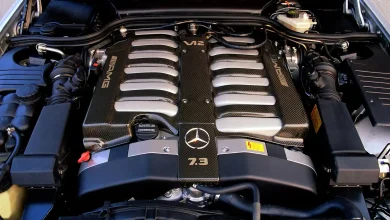
According to Lexus, the LFA badge was never meant to be defined solely by internal-combustion power. Instead, it represents the forward-thinking technologies that today’s engineers should carry into the next generation. That may sound a bit poetic, but it isn’t wrong. The original LFA’s screaming 9,500-rpm V10 certainly embodied peak ICE performance, yet its brilliance went beyond raw numbers. Thanks to Yamaha’s involvement, the automaker’s musical-instrument division helped tune the exhaust note, drawing on centuries of acoustic expertise to craft one of the most iconic engine sounds ever produced.


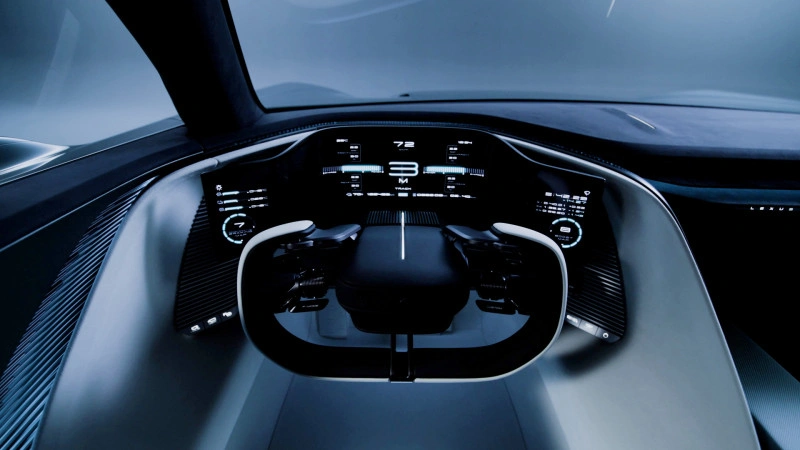
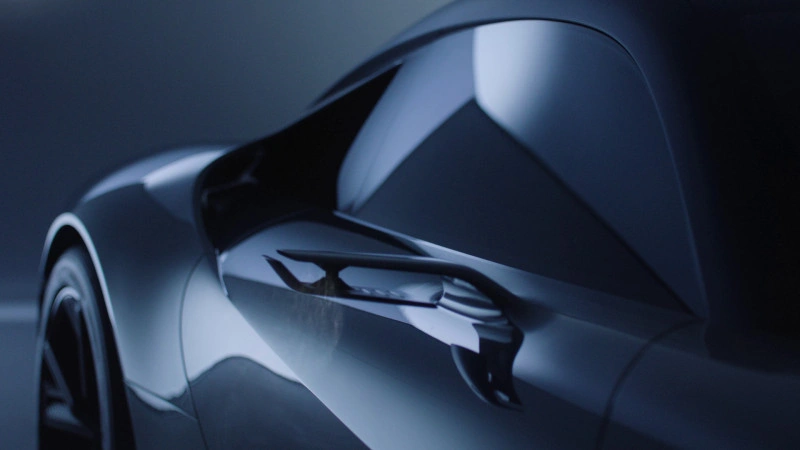
Lexus also constructed the original LFA using carbon fiber woven on an advanced three-dimensional loom—a machine inspired by Toyota’s early 20th-century automatic fabric looms. It was another example of the brand blending its engineering heritage with future-focused innovation. The new LFA Concept follows that same philosophy, but through modern materials and methods. Its lightweight aluminum spaceframe keeps mass in check, and its low, ground-hugging seating position helps avoid the top-heavy feel common in EVs with floor-mounted battery packs by placing the driver’s hip point closer to the car’s center of gravity.
It appears Lexus intends to keep the new LFA strictly electric, leaving the fire-breathing internal-combustion duties to the Toyota GR GT. In a perfect world, we’d love to see each car experiment with both powertrains, but for now, the companies seem committed to keeping their approaches separate. As for timing, we expect the next-generation LFA to reach limited production by late next year, likely starting at $200,000 or more—still less than half the inflation-adjusted price of the original V10-powered LFA.