Hyundai Powertrain Plan Was Built to Survive Any U.S. Policy Shift
EV sales recently suffered a sharp decline, but overall demand remains higher than before. Hyundai, however, has a strategy to navigate the slowdown.

The outlook for electric vehicles in the United States is turning increasingly negative as sales begin to slow following the repeal of the $7,500 federal tax credit under the Inflation Reduction Act. A quick look at any automaker’s sales report after the credit expired makes the impact unmistakably clear.
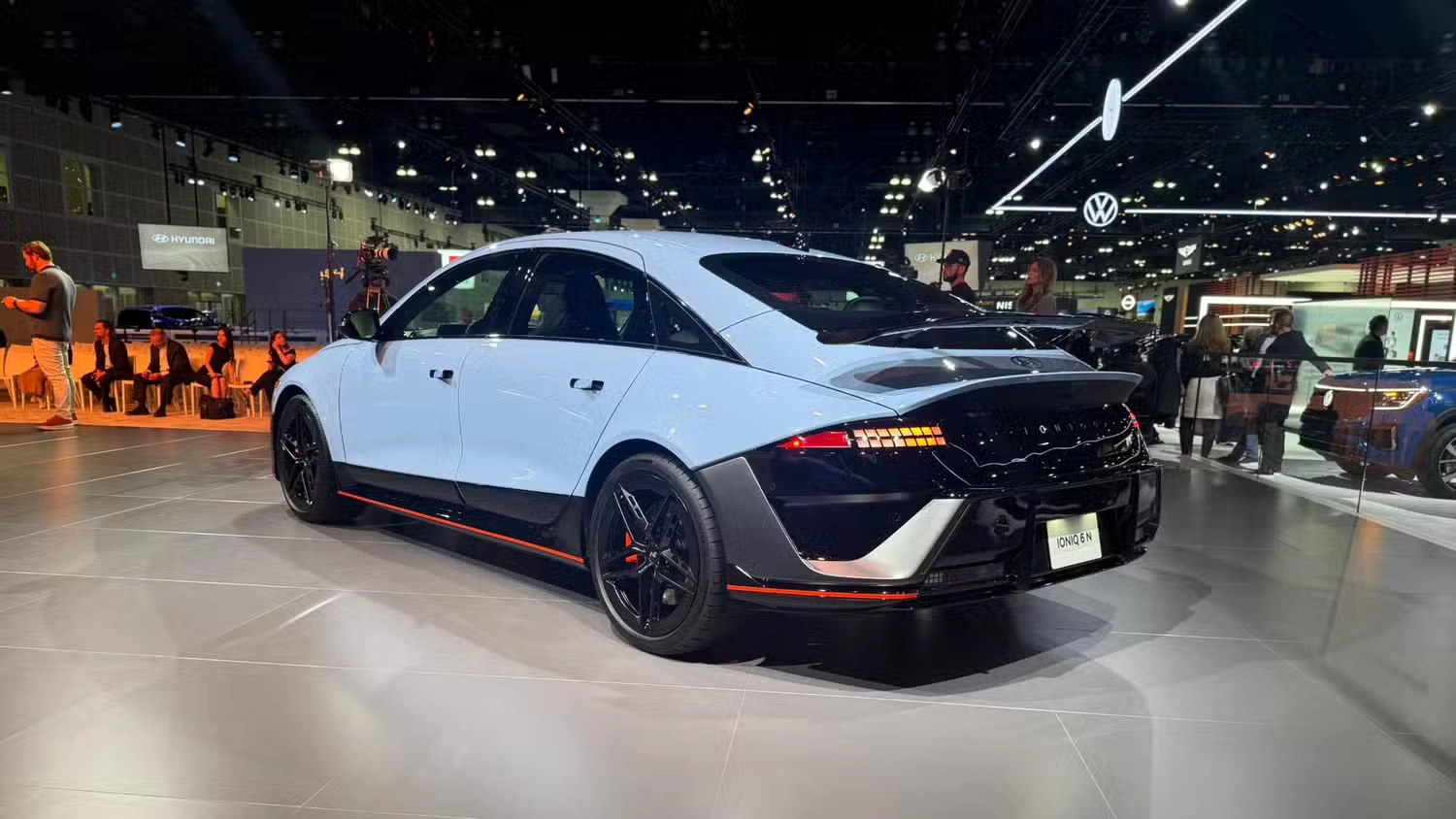
Even so, Hyundai isn’t wavering in its electrification push. The company continues to advance a diverse strategy that includes hybrids, plug-in hybrids, and fully electric models—and it’s preparing to add extended-range EVs to the lineup as well.

“Our EV strategy was never based on current policy because then you just have a timer until the next administration. We were building an EV plant and had an E-GMP platform prior to the IRA. And we will obviously work with whoever’s in the administration to comply with whatever regulations there are at that time.”
– Olabisi Boyle, senior vice president of product planning and mobility strategy for Hyundai Motor North America
Harja.Tn sat down with Olabisi Boyle, Hyundai Motor North America’s senior vice president of product planning and mobility strategy, during the 2025 Los Angeles Auto Show. She explained how the South Korean automaker is navigating a major shift in consumer interest surrounding EV buyers. According to Boyle, this evolving landscape could push Hyundai toward introducing new products, adopting new powertrains, and rethinking its pricing strategy.
EV Sales Slid in November but Remain Higher Year-to-Date
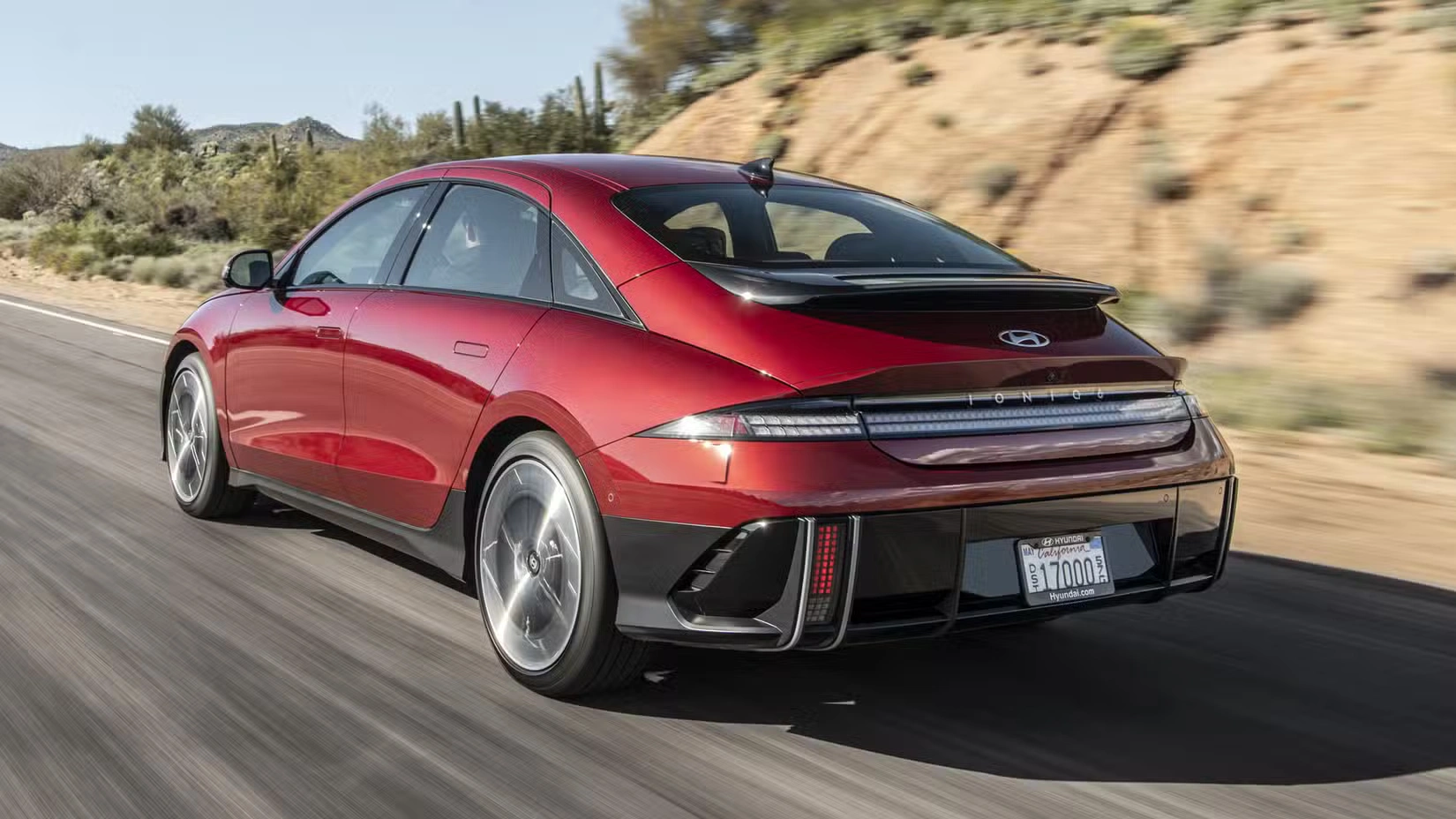
Headlines claiming EVs are collapsing are oversimplified — dig past the clickbait. Hyundai’s November 2025 sales show EV deliveries dipped versus November 2024: the 2026 Ioniq 5 fell about 59% and the Ioniq 6 dropped roughly 56%. Data for the Ioniq 9 in October 2024 is insufficient for comparison, and Hyundai’s reporting lumps the Kona Electric together with the gas-powered Kona, so it can’t be isolated in the figures. Despite the monthly declines, broader trends still show overall growth in EV adoption.
| Hyundai EV Sales November 2025 | ||||||
|---|---|---|---|---|---|---|
| Vehicles | Nov 25 | Nov 24 | % Change | 2025 YTD | 2024 YTD | % Change |
| Ioniq 5 | 2,027 | 4,989 | -59% | 44,760 | 39,805 | 12% |
| Ioniq 6 | 489 | 1,121 | -56% | 10,019 | 11,055 | -9% |
| Ioniq 9 | 315 | 0 | N/A | 4,809 | 0 | N/A |
Looking at the broader picture, year-to-date data is even more revealing. The Ioniq 5 is up 12% versus 2024, and the Ioniq 6—despite operating in a shrinking sedan segment—is down only 9%. EV sales aren’t accelerating at the breakneck pace seen in previous years, but they’re not collapsing either. Growth has slowed, not reversed.
Those steep year-over-year drops might look alarming at first glance, but they don’t tell the full story. The numbers are already stabilizing. November’s results actually improved over October, when the Ioniq 5 delivered just 1,642 units and the Ioniq 6 managed only 398. The Ioniq 9 also held steady, slipping only slightly from October’s 317 units.
Hyundai Was Prepared Long Before the Credit Disappeared
Hyundai was one of the best-positioned automakers to handle the loss of the $7,500 federal EV tax credit. Almost immediately after the incentive expired, the company rolled out substantial price cuts on the Ioniq 5—reductions that, depending on the trim, actually exceeded the former credit by as much as $9,800. The strategy was no coincidence; it was designed to appeal to a new wave of EV shoppers.
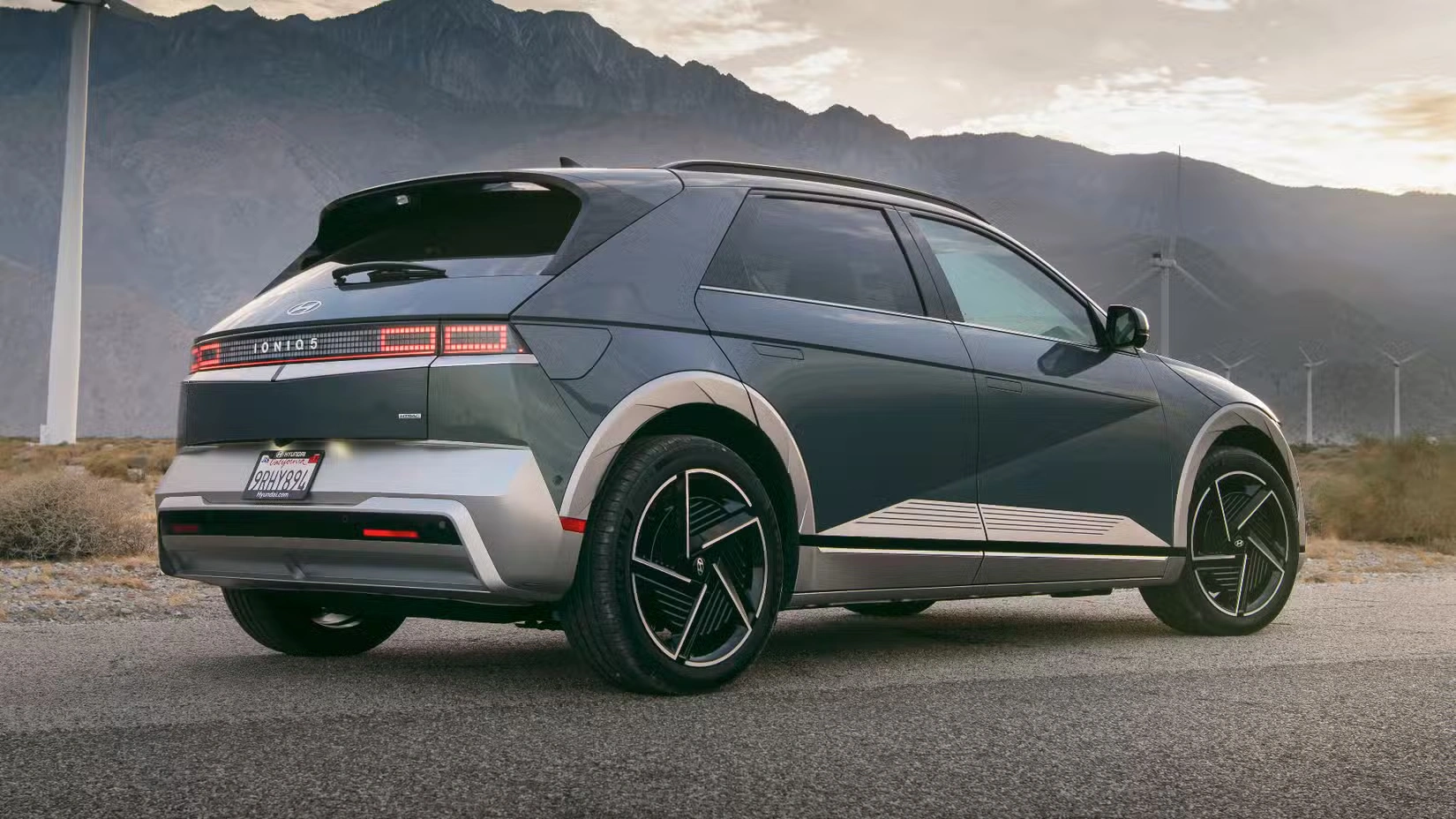
“Early EV consumers were early adopters, and now we’ve moved into the center of the innovation adoption curve,” Boyle told us. “That middle group prioritizes affordability and ease of use. We need to make sure EVs serve their needs. We look ahead and ask, ‘This is what customers will want, but how much will they be willing to pay in four or five years?’ Then we work with R&D to make sure material costs are standardized ahead of time so we can meet that price point—or adjust the vehicle’s features.”
Even with the nearly $10,000 discount on the Ioniq 5, Boyle acknowledged that October sales were never going to match Hyundai’s explosive September results, which benefited from a rush to capture the tax credit before it expired. The Ioniq 5 sold 8,408 units in September—up 152% from the same month in 2024—marking its strongest sales month ever. “A lot of people simply wanted to get the credit before it went away,” she noted. “There was encouragement from senators and lawmakers as well.”
Do EREVs Solve the Infrastructure Problem?
After affordability, Boyle identifies charging infrastructure as the next major barrier to widespread EV adoption. While expanding the charging network is the obvious long-term solution, Hyundai believes there are practical, near-term alternatives that better align with what consumers need right now.
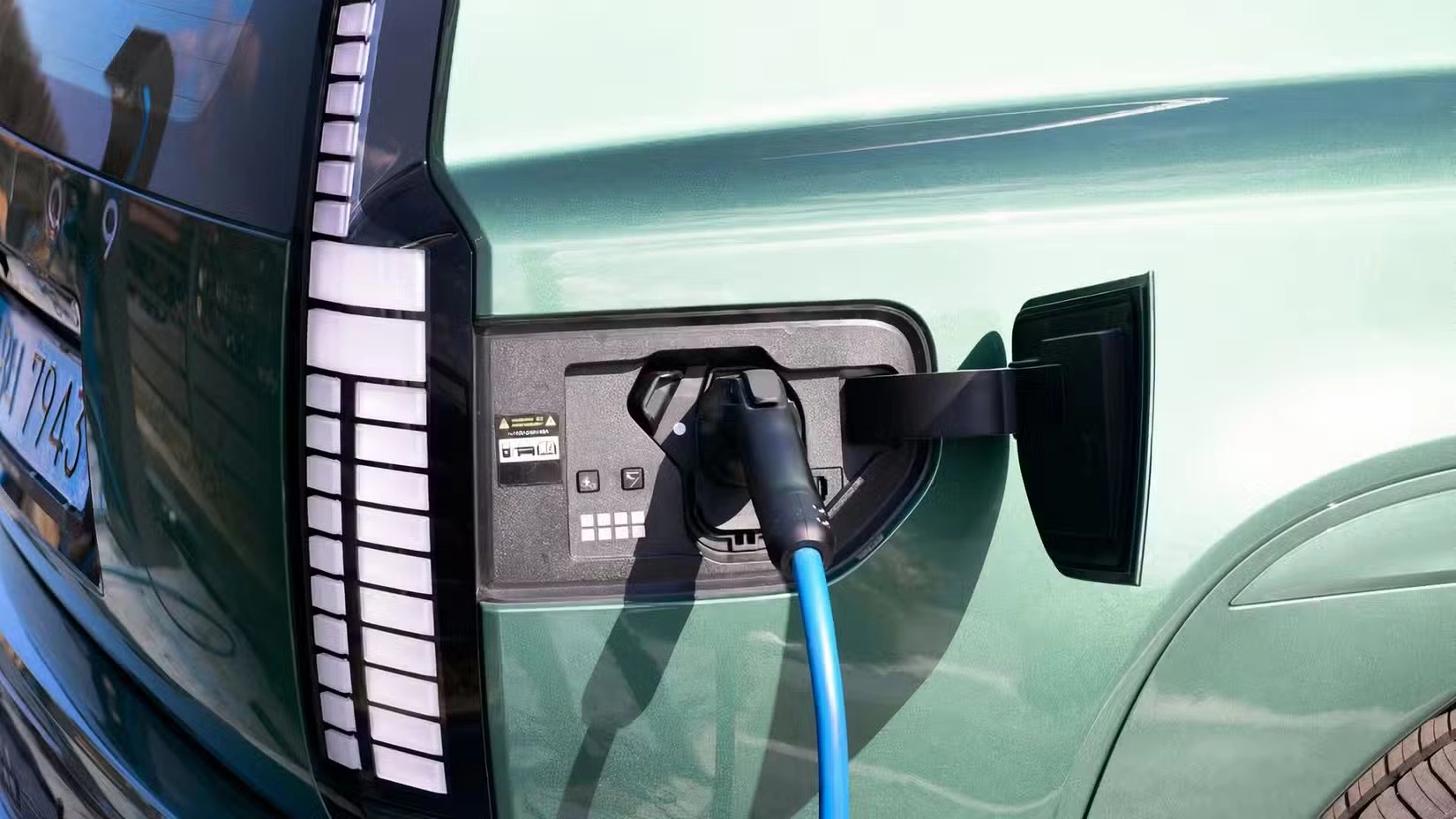
“What we’ve done as a strategy is maintain diversity in our powertrains and flexibility in manufacturing—ICE, hybrid, battery-electric, and now EREV,” she said.
“It’s not a consumer issue, it’s an infrastructure systems issue. It’s not that I don’t like EVs, it’s if the infrastructure was there. That was a pain point for the middle of the curve. So you need a strategy to accommodate the middle of the curve.”
“People love hearing, ‘I can get 600 miles of range,’ and that’s achievable with an EREV,” Boyle said. “It’s a major motivator—especially for truck owners. They’re focused on maximum range. If you give them 150 to 200 miles of electric-only driving, they can go two or three days without charging. The higher that all-electric range gets, the stronger the appeal becomes.”
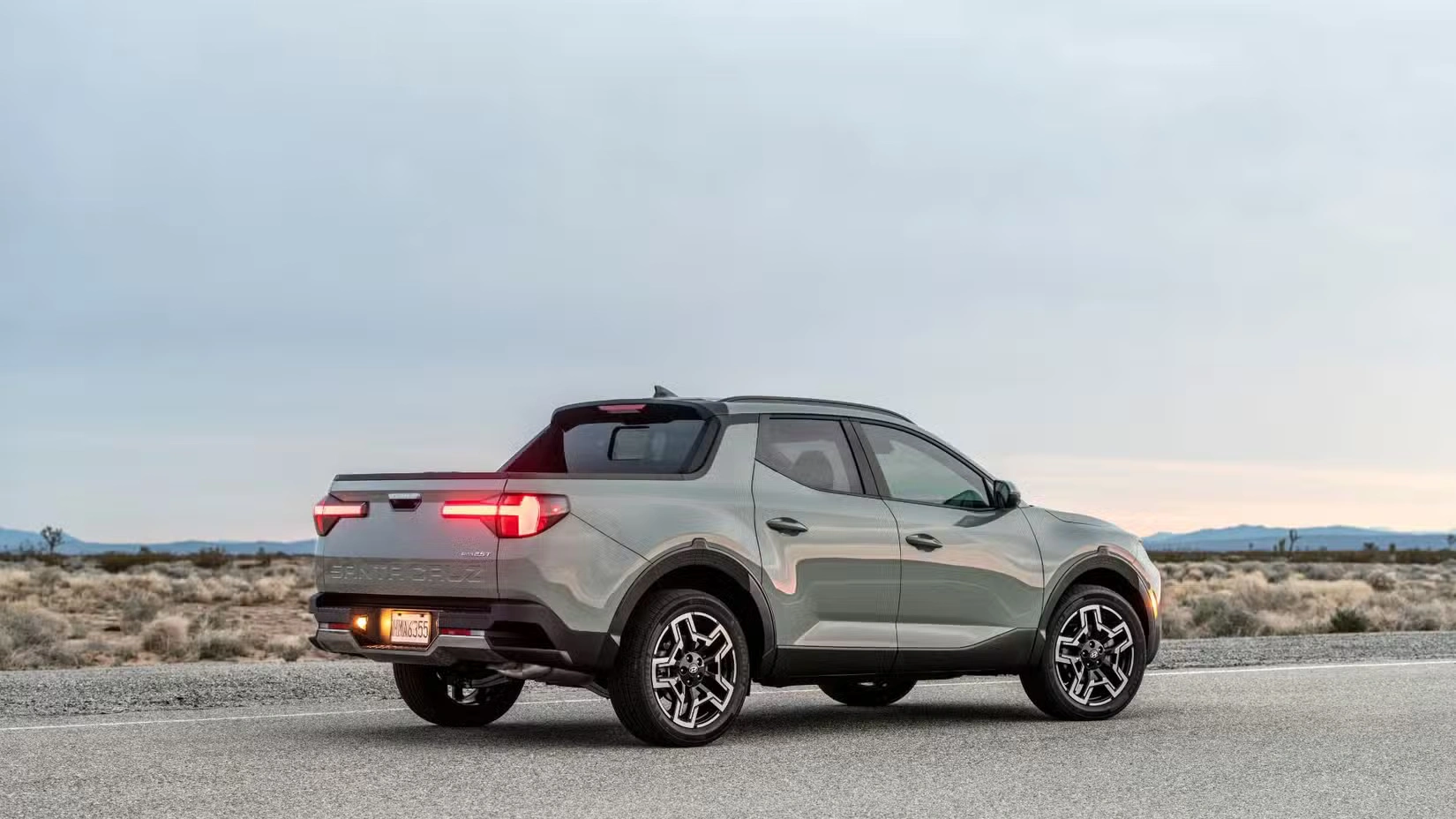
It’s still unknown which Hyundai model will debut the brand’s first EREV powertrain, but Boyle may have offered a subtle clue during our conversation.
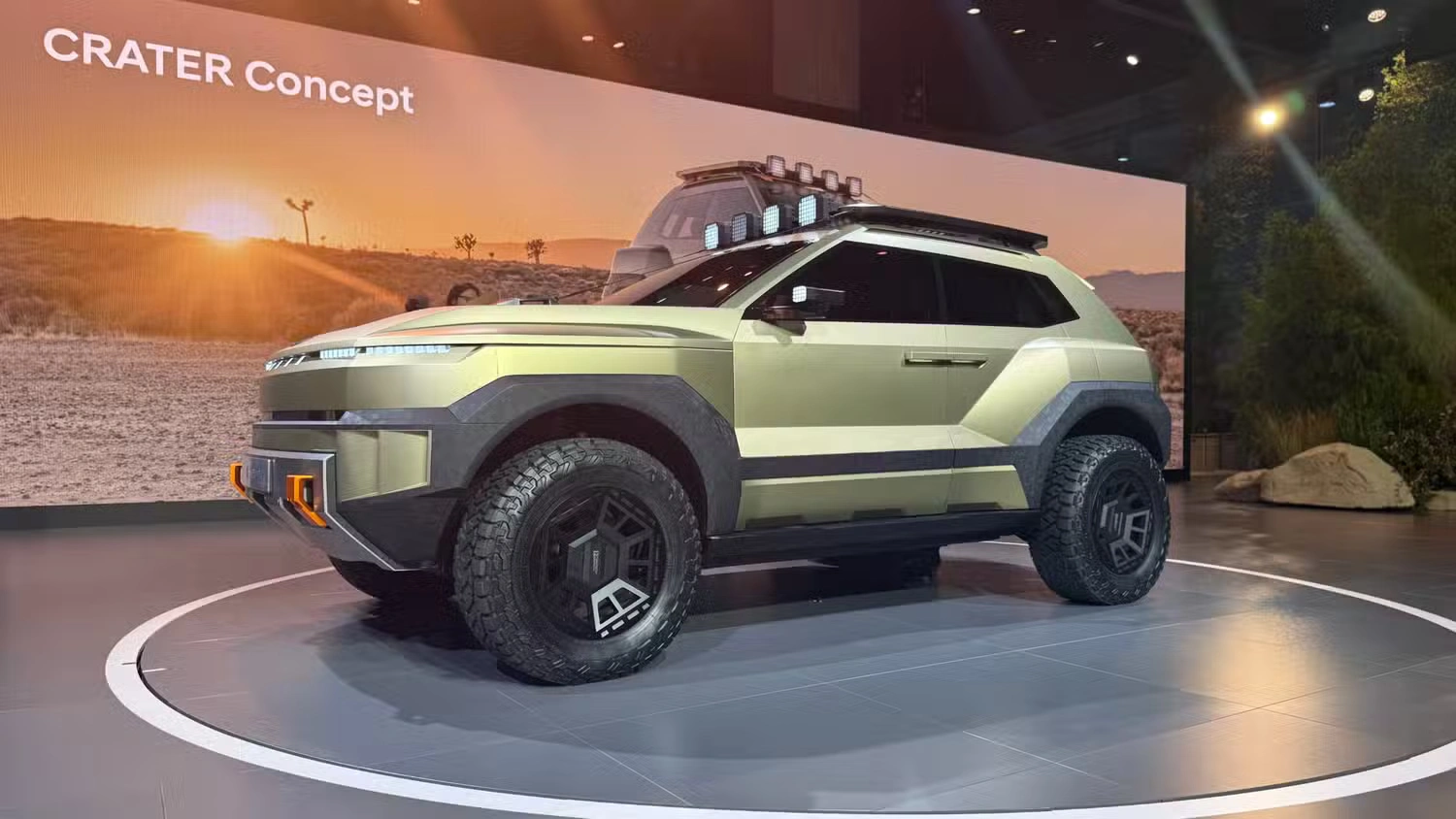
“EV-only is a tough sell, especially for pickup trucks—you’re not getting 600 miles of range,” she noted. “We just announced a midsize truck. Give us time.”
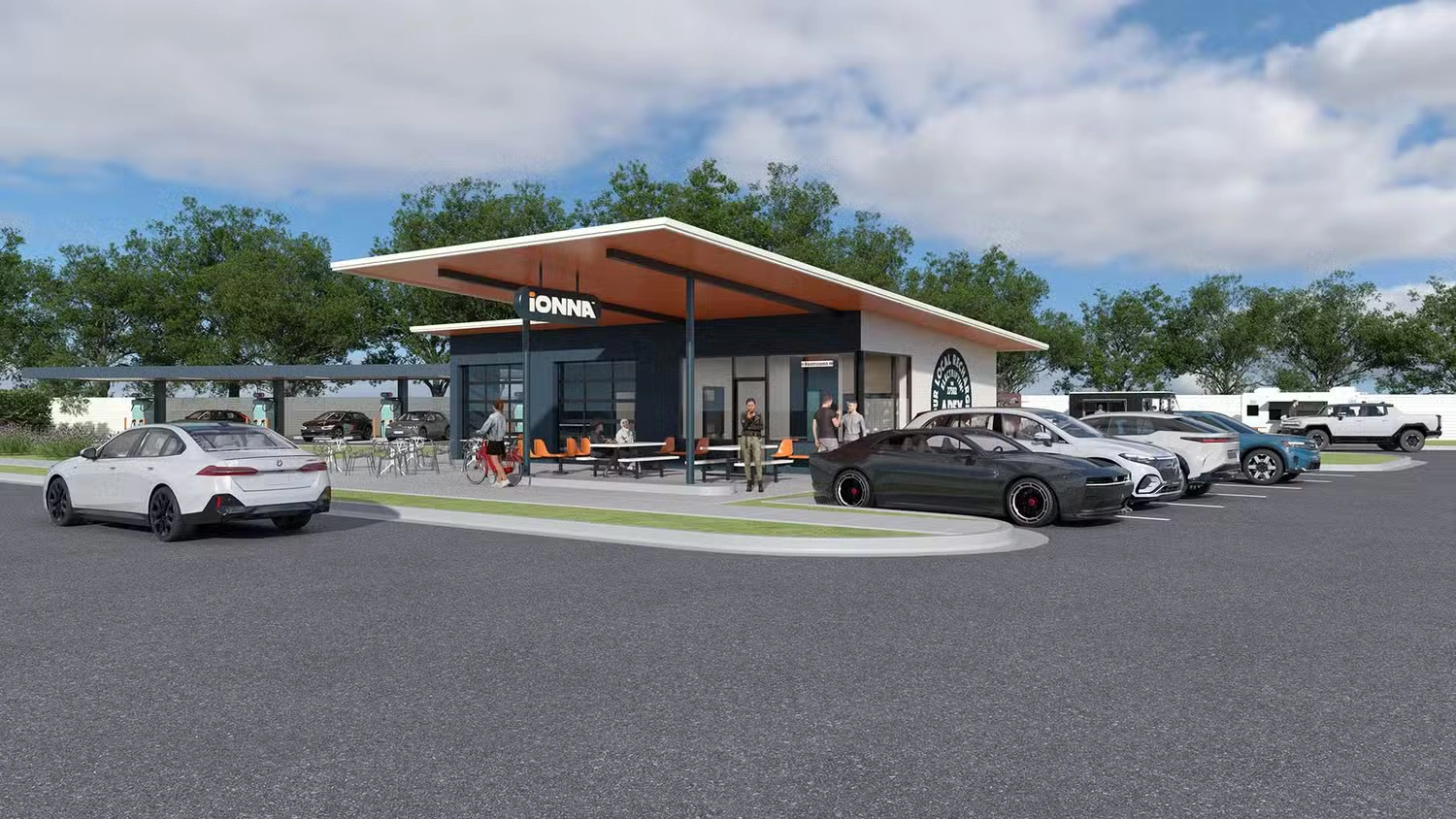
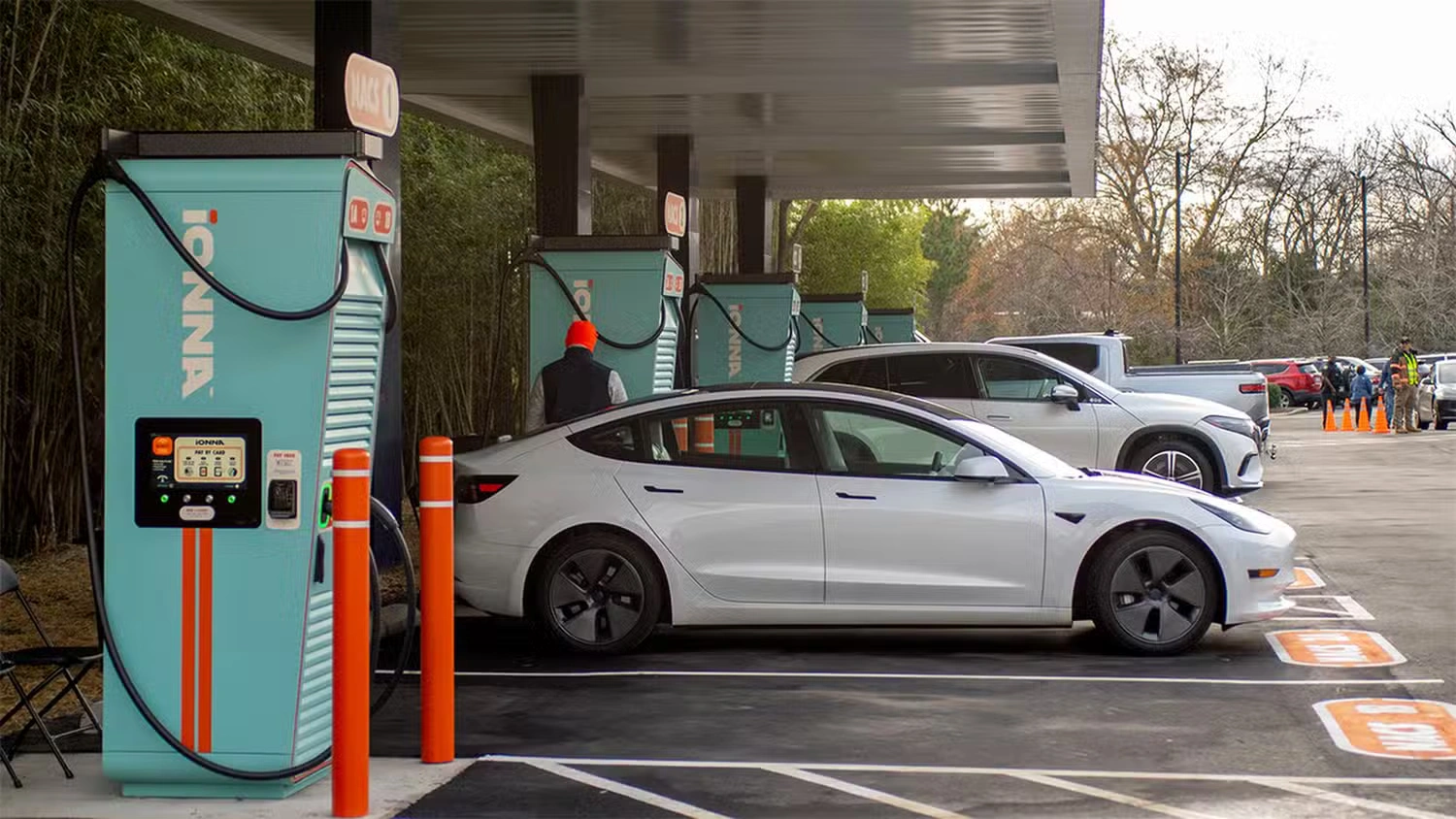
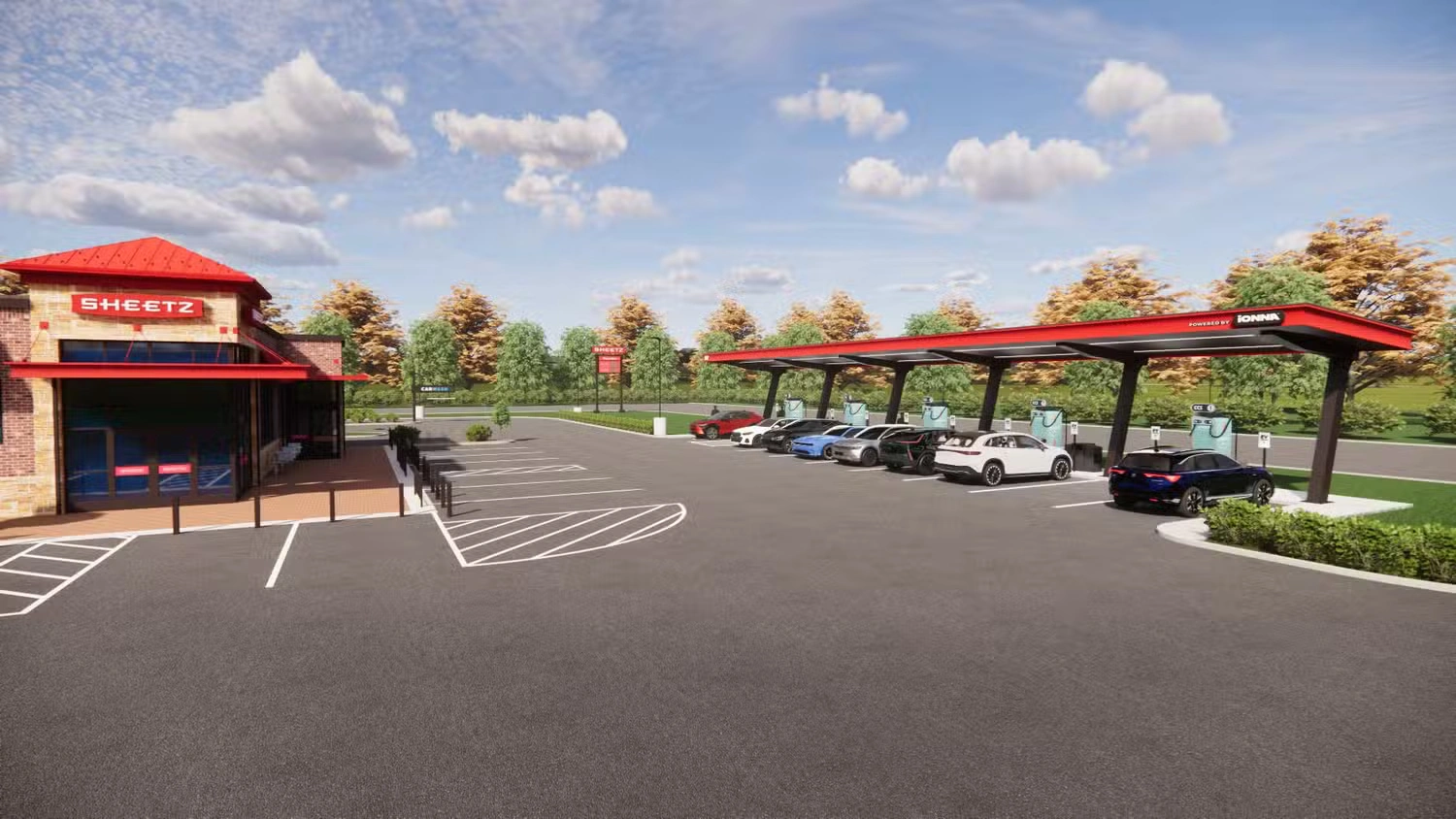
As Hyundai evolves its vehicle lineup, it’s also investing in better charging infrastructure through its partnership with Ionna, the new North American fast-charging network set to rival Tesla’s Supercharger system. Hyundai is one of seven automakers backing the project, which aims to rapidly expand DC fast-charging access across the country.
“We’ve only been a company for about 20 months, yet we’ve already contracted 4,000 charging bases across the U.S.—including 1,000 in California alone,” said Seth Cutler, CEO of Ionna. “We expect to have 1,000 charging bays operational by the end of the year. All of our deployments support 400-kilowatt charging, with a mix of 40% NACS and 60% CCS. But we monitor the market closely and will adjust if we see the need for changes.”