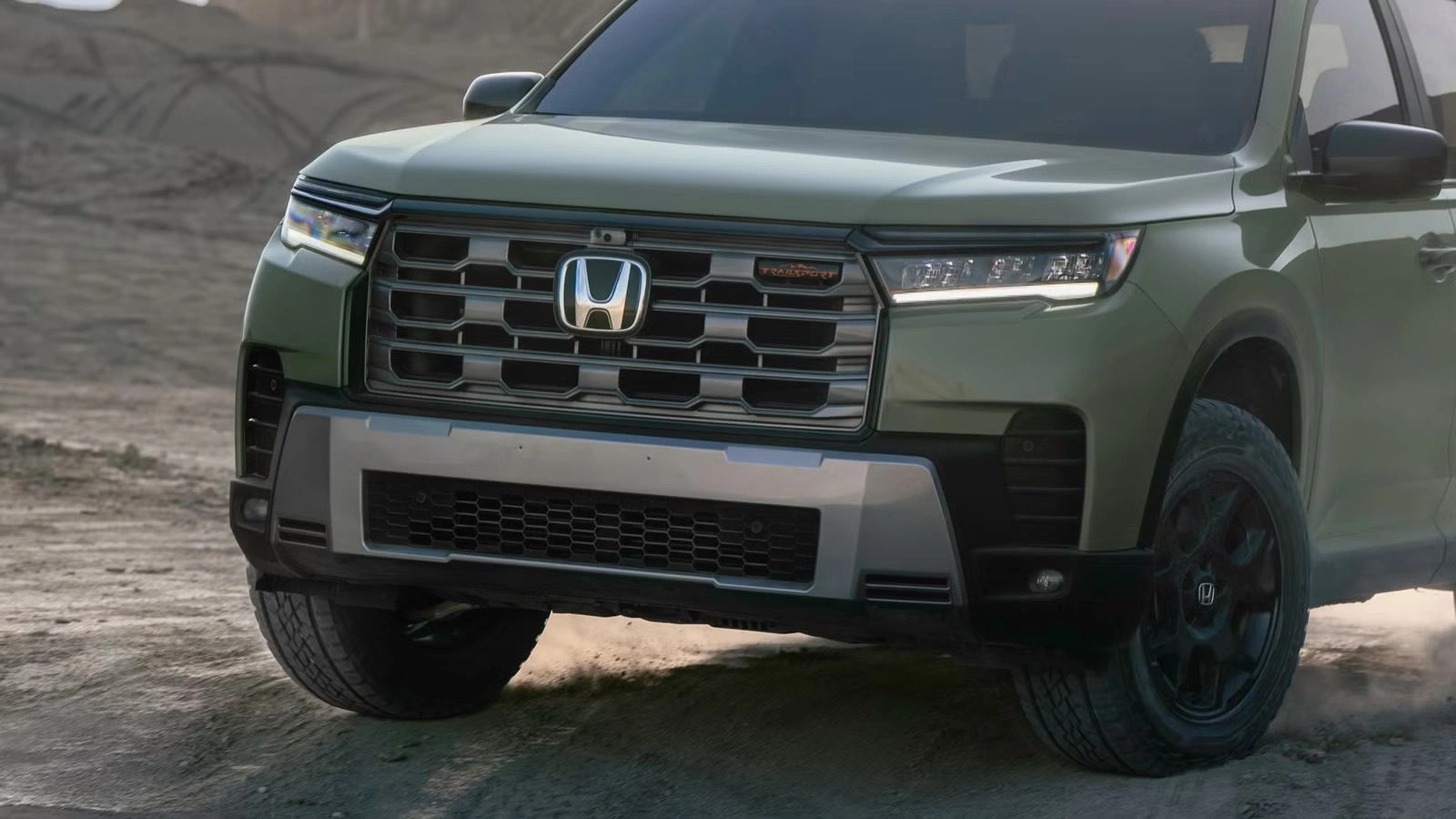
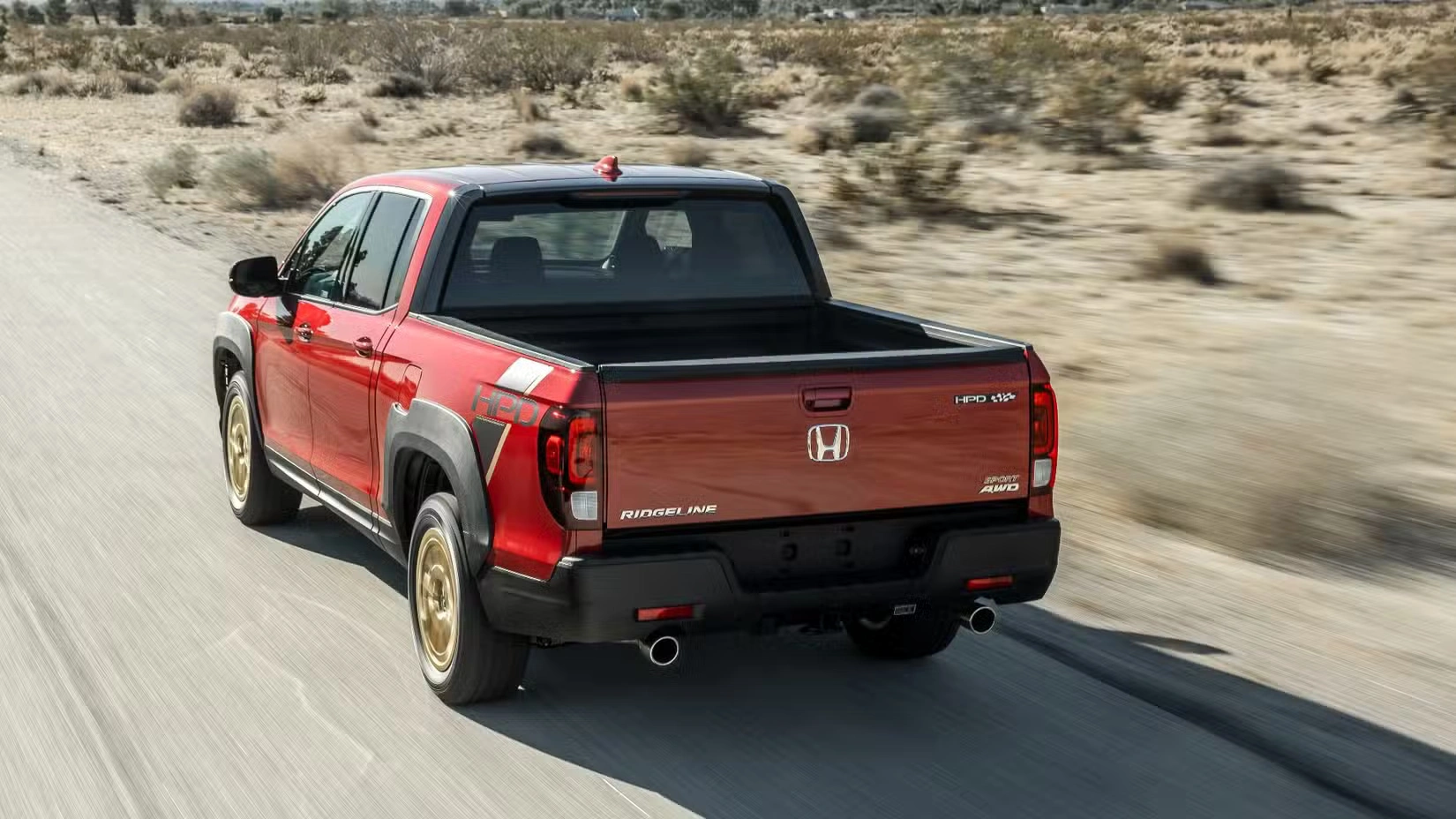
Honda largest SUVs may soon reach buyers far beyond the United States. According to a new report, the Japanese automaker is considering bringing U.S.-centric models such as the Pilot, Passport, and Ridgeline to additional global markets as it works to strengthen its worldwide lineup. The transition could become even smoother if these models shift to fully electric platforms.
The Passport Might Really Need a Passport
“Honda is evaluating its lineup from a more global perspective,” Honda Australia President and CEO Jay Joseph told Drive. That shift could pave the way for the brand’s larger, U.S.-focused models to be engineered in right-hand drive and introduced to new markets such as Australia—though likely in their next generations.
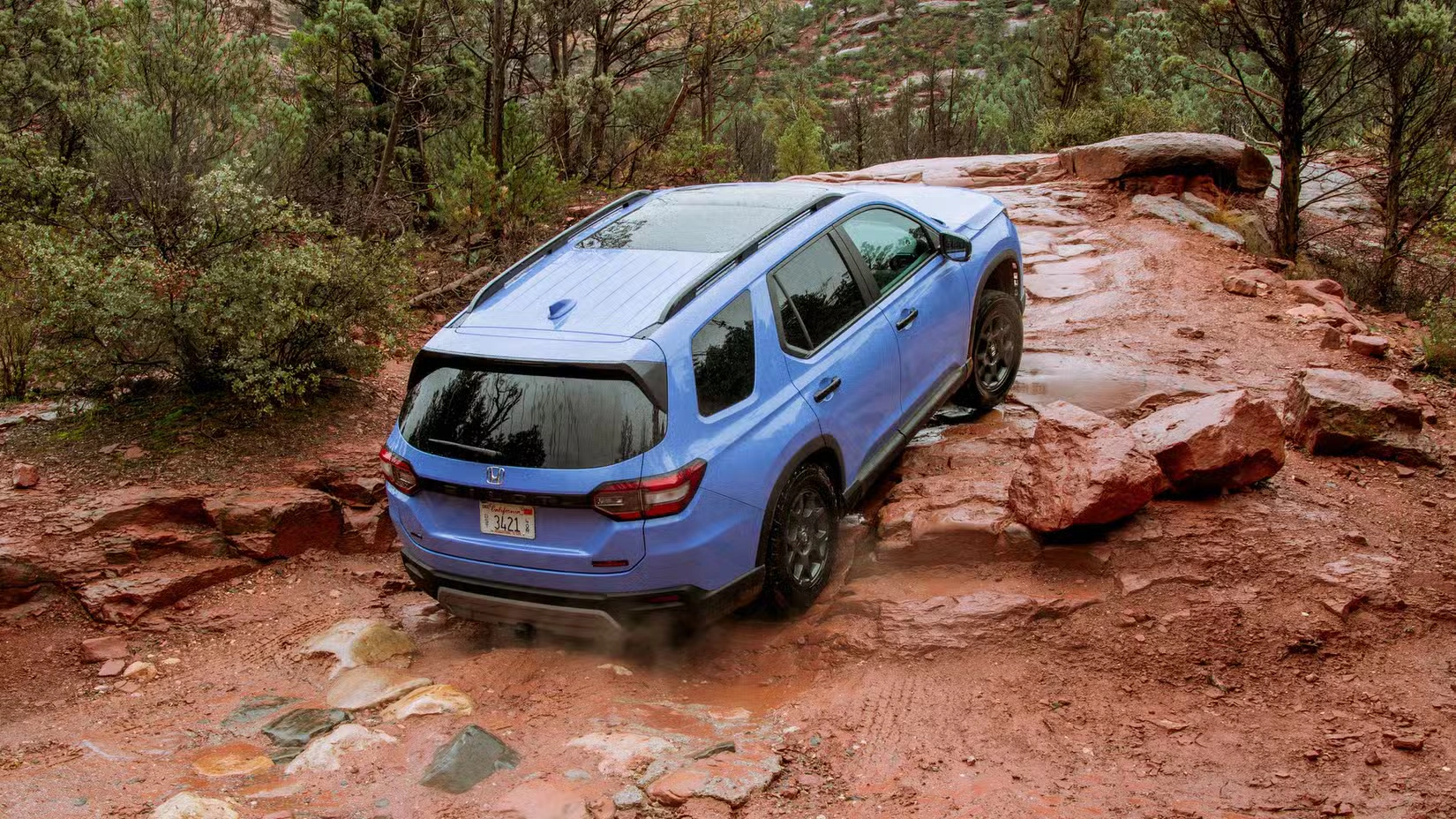
“Electrification actually makes going global a bit easier,” Joseph added. “With the more modular construction of software-defined and electrified vehicles, we can assess our portfolio on a worldwide scale. That enables possibilities that were much more difficult in the past.”
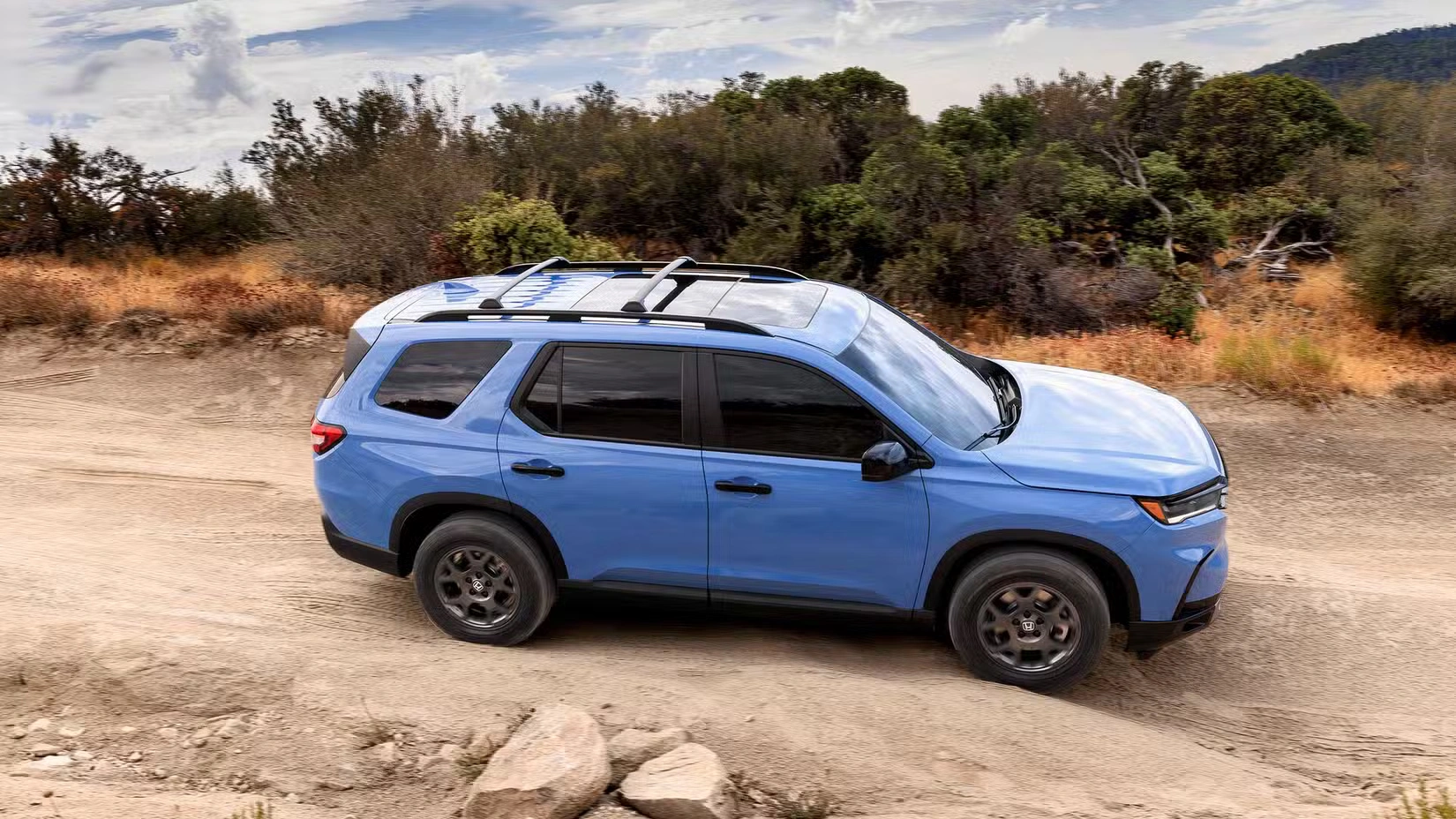
Without the challenge of routing a steering column around a bulky gasoline engine, right-hand-drive versions become far more feasible. In Australia, Honda currently offers only the HR-V (sold there as the ZR-V, but distinct from the North American version) and the CR-V. Adding larger models like the Pilot, Passport, or Ridgeline could strengthen Honda’s ability to compete with established players in the big-SUV segment, such as the Ford Everest, and even give it a shot at the lucrative Ute market—where small pickups like the Ford Ranger dominate three of the country’s top five sales spots.
U.S. Factories Could Benefit From Global Expansion
If Honda proceeds with exporting its larger SUVs to additional markets, the move could provide a significant boost to the automaker’s U.S. manufacturing operations. Rather than building a new facility for what would likely amount to only a few thousand units per year, Honda would almost certainly ship these models from its existing American plants. Other brands already follow this strategy—Ford produces right-hand-drive Mustangs in Flat Rock, Michigan, Ram builds RHD versions of the 1500 in Sterling Heights, and Chevrolet exports U.S.-built Corvettes and GMC Yukons abroad.
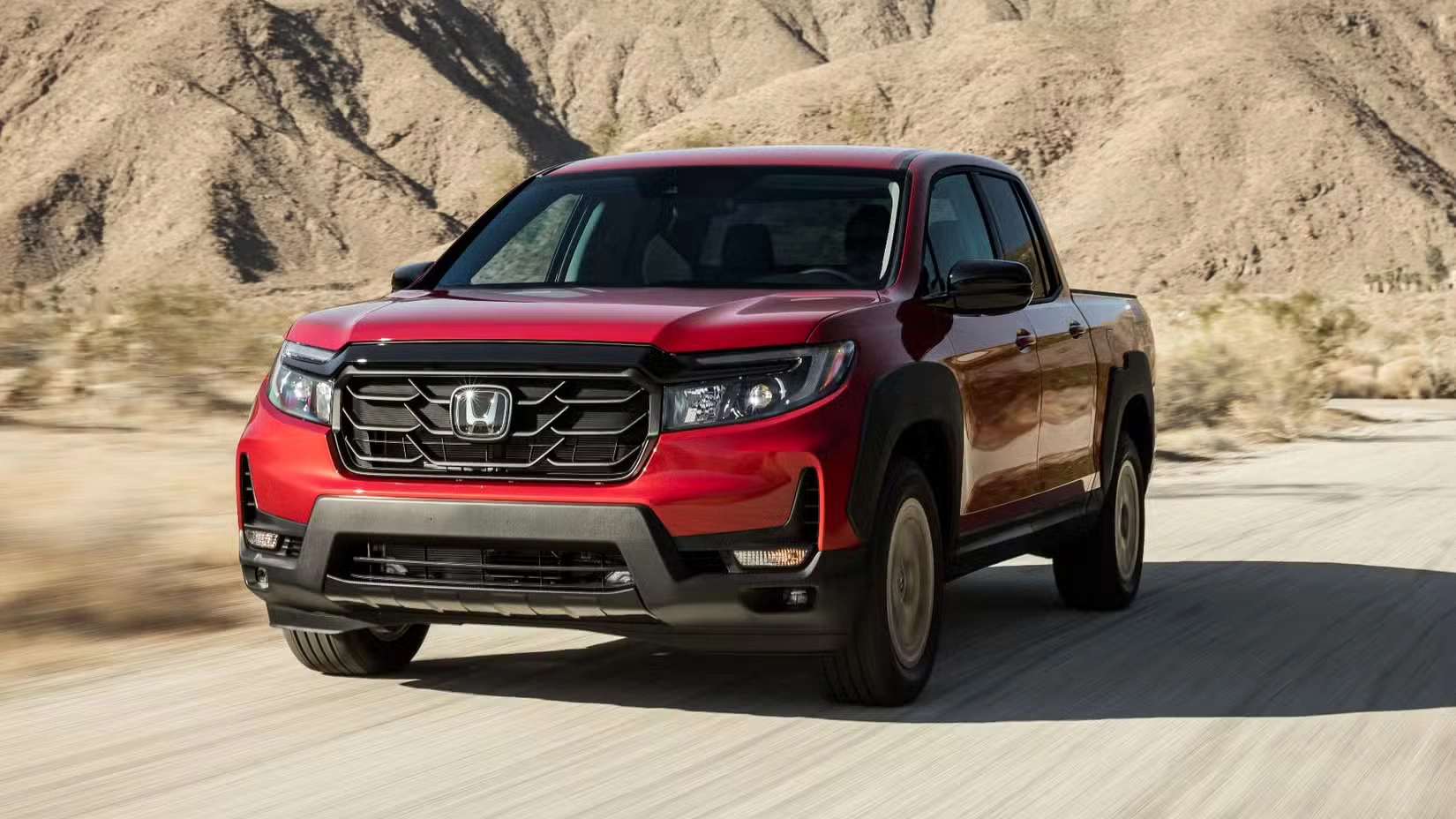
Because a proper right-hand-drive layout must be accounted for early in the engineering process, such a change is unlikely for Honda’s current generation of large SUVs. However, when the next platform arrives—likely toward the end of the decade—the option could be firmly on the table. While electrification would simplify the process, Honda Australia’s chief emphasized it’s not a requirement. And with the odds of Honda’s next big SUVs going fully electric appearing less certain, gas and hybrid options remain just as plausible.
If Honda is thinking about sending U.S.-market models overseas, perhaps the door could also swing the other way. The rest-of-world HR-V, for example, or even the return of the Fit, could find renewed potential in America. Honda no longer has as many “forbidden fruit” models as it once did, but there are still a few vehicles we wouldn’t mind seeing make a comeback.