BMW is sticking with its global push toward subscription-based features, continuing the trend of turning once-standard amenities into monthly charges. But amid the shift to pay-to-unlock options, the automaker says there’s one thing it won’t put behind a subscription—at least in one market: horsepower.
BMW Says These Features Aren’t Free to Provide
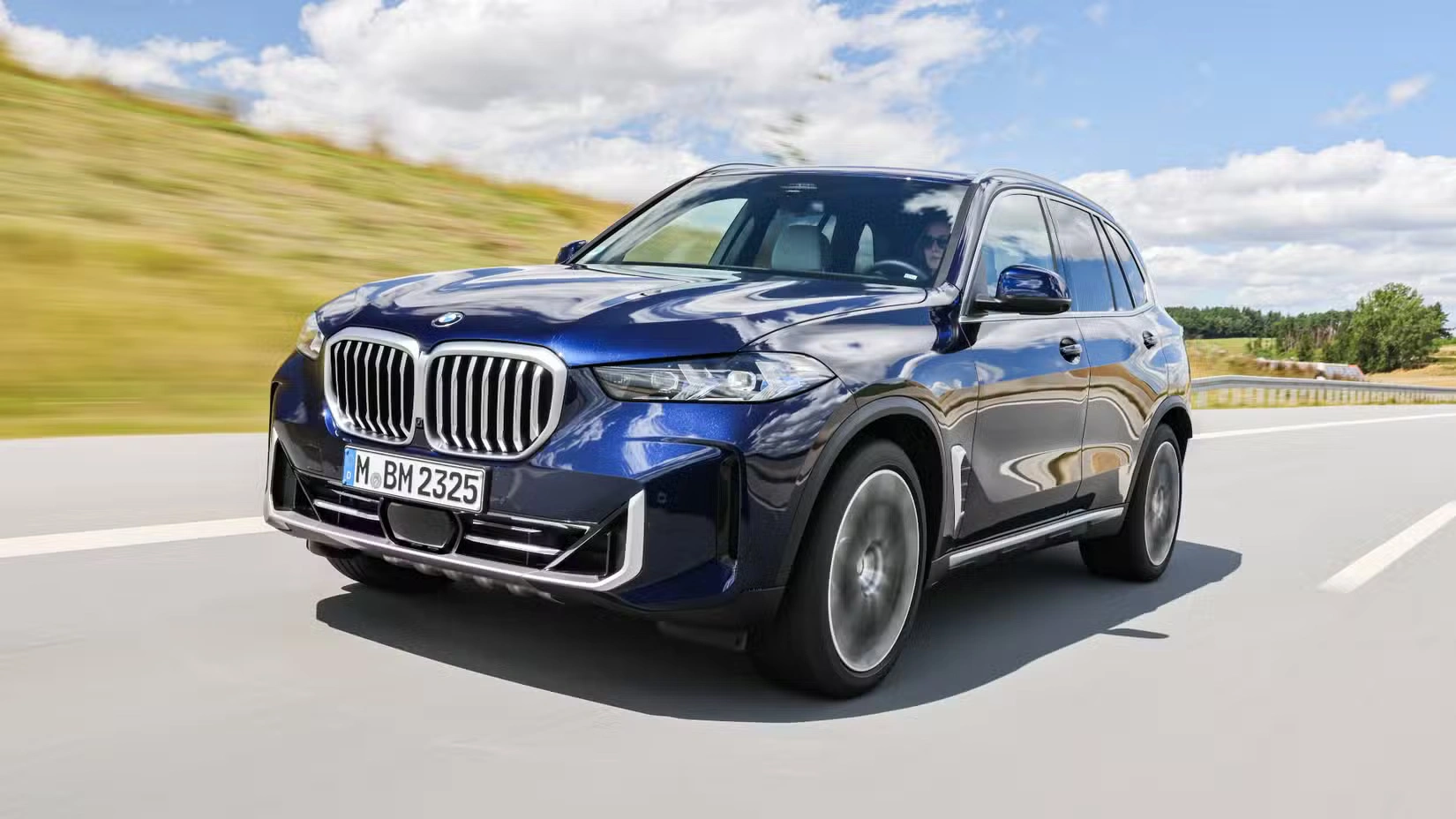
BMW’s dive into subscription-based features began a few years ago with a pay-to-activate heated seat option offered in South Korea. The automaker insisted it had no intention of bringing that model to the U.S., but the backlash was swift nonetheless. Despite the criticism, BMW has only pushed further into the subscription model since then, expanding the idea instead of backing away from it.
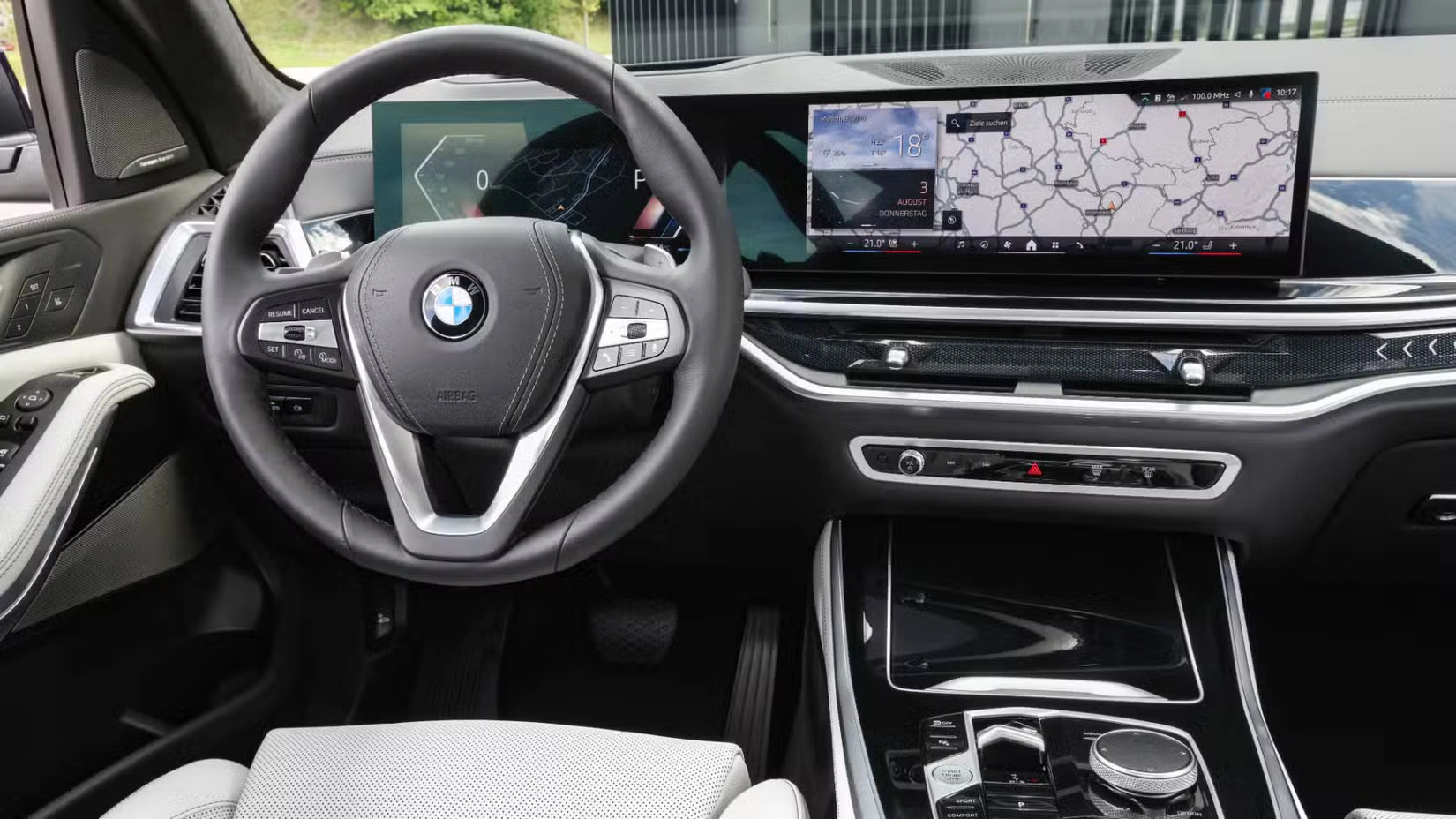
Today, a visit to the BMW ConnectedDrive store reveals a long list of available subscriptions. And to be fair, some of them are pretty reasonable. Services like traffic camera alerts, customizable welcome lighting and sounds, and even the Parking Assistant Professional—which does far more than guide your BMW into a parking spot—all rely on constant data updates and ongoing development. Those systems need continual support, and BMW argues that someone has to cover that cost.
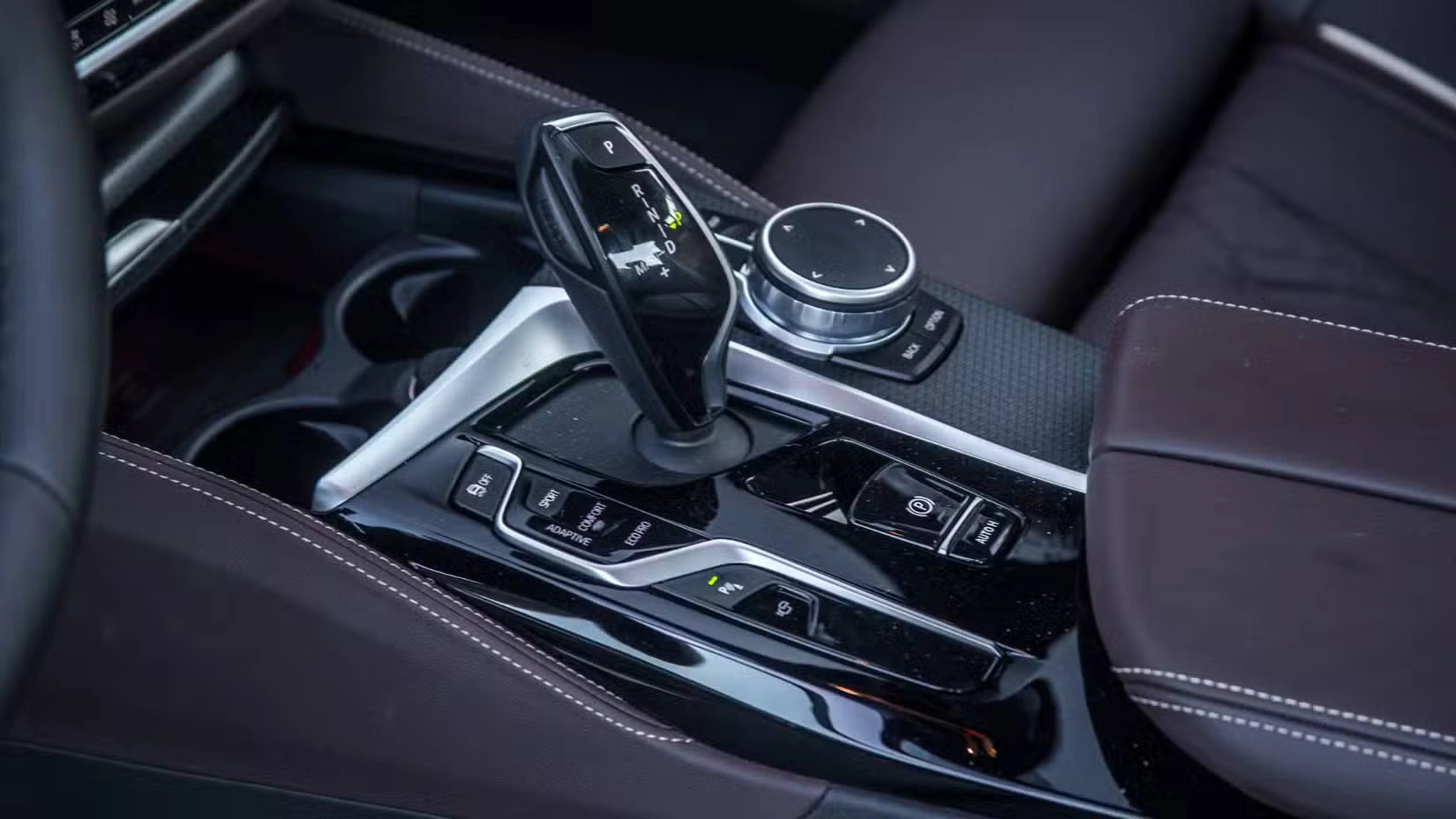
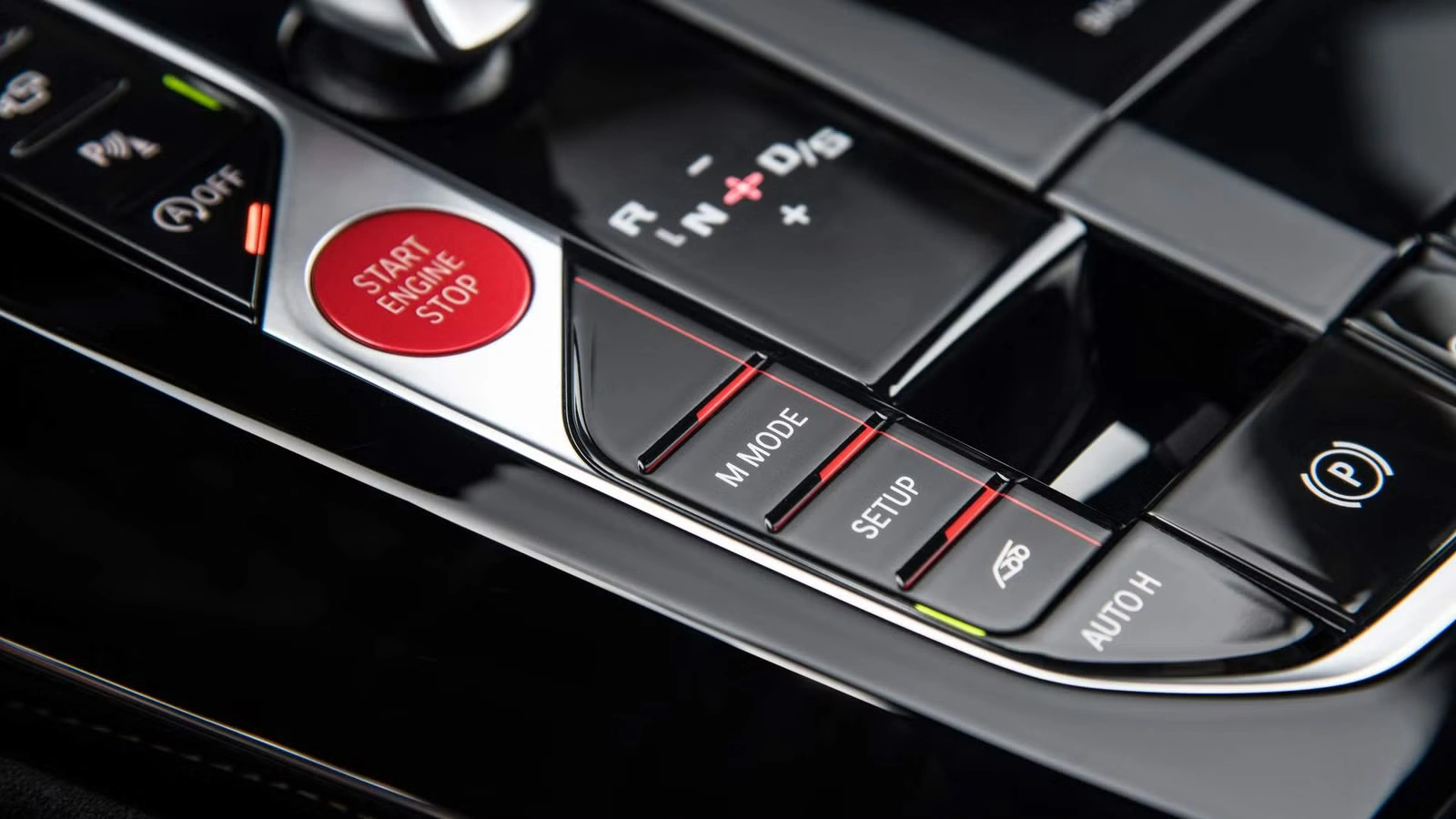
Remote engine start feels like more of a stretch, though. And if that rubs you the wrong way, you’ll really dislike the Adaptive M Suspension upgrade offered across many BMW models. It’s not even a new subscription—it’s been around for a while—unlocking software that enhances the dampers you already have, since they’re built to react almost instantly.
Still, BMW says it won’t put horsepower behind a paywall. And for its electric models, that means no extra charges for additional range—at least for now.
‘We Are Not a Tuner’
BMW’s head of product communications, Alexandra Landers, spoke with Australia’s CarExpert about the company’s approach to subscription-based features. “The criticism we got was from seat heating. This was probably not the best way to start,” Landers acknowledged. She added that BMW still believes in offering a structure where buyers don’t have to commit to certain driver-assistance systems at purchase and can instead activate them later if they choose.
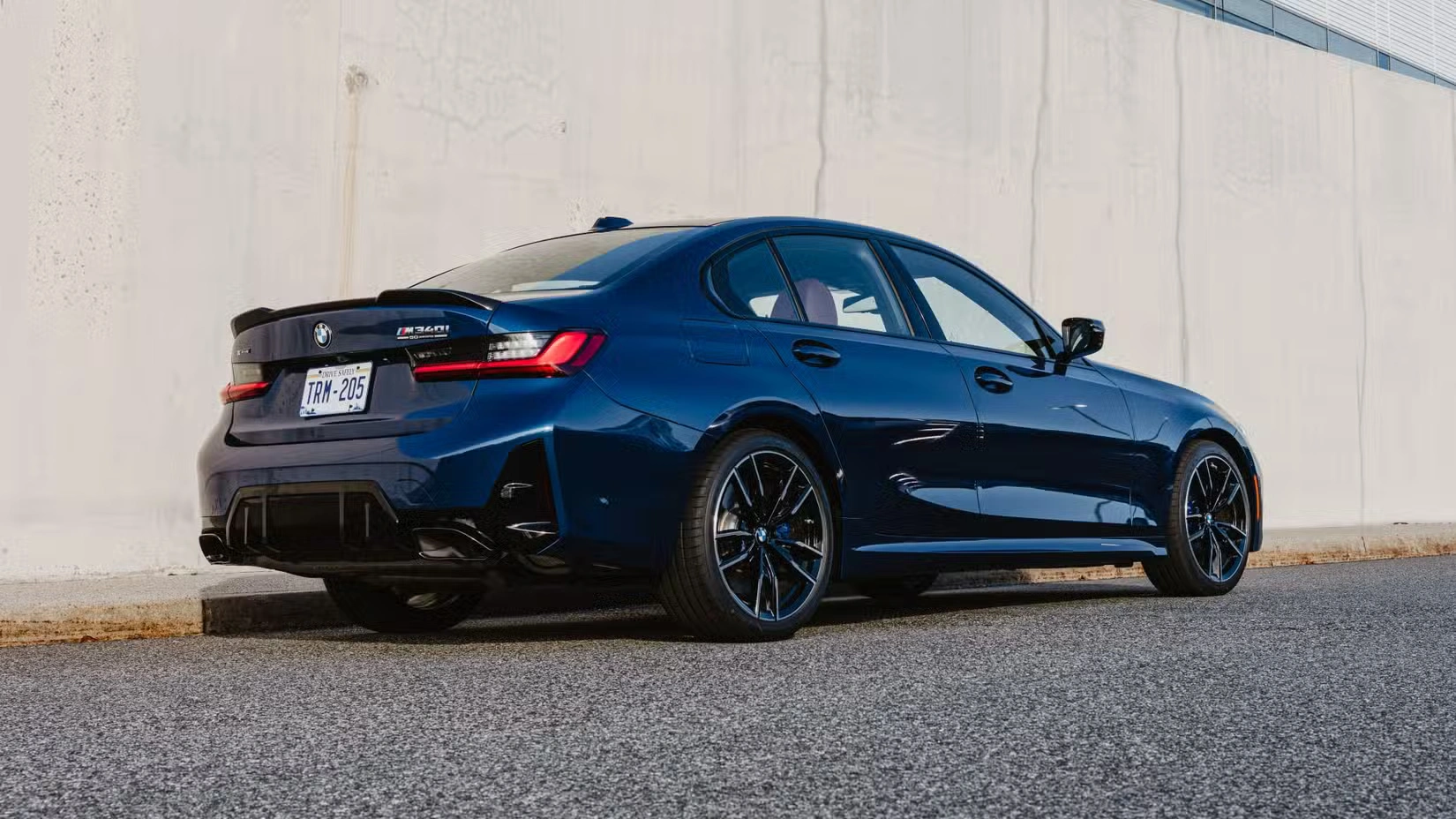
The pricing for these add-on features varies by model, and we weren’t able to access the BMW ConnectedDrive store to confirm exact costs. Landers explained the approach, noting that “for the additional ADAS systems, we also have costs for running. We have loud usage, and that’s a cost. So if you use it, you have to pay for it.”
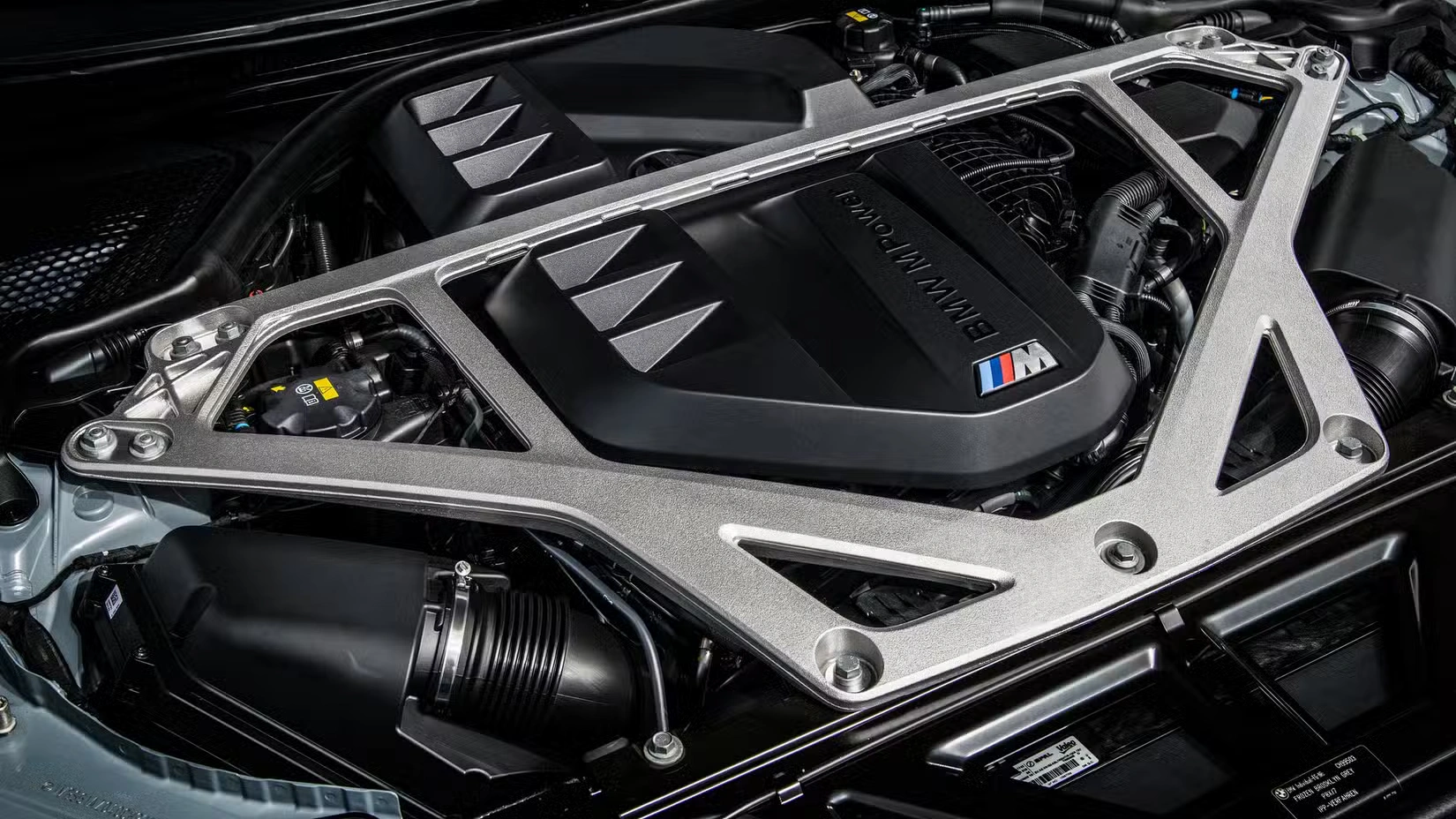
But she was clear on one point: BMW won’t charge extra for horsepower. “We are not a tuner… that didn’t make sense for us,” Landers said. “We discussed that very intensively, but so far, for base cars… you buy a car with maximum power.” Still, her phrasing—especially “so far” and “base cars”—leaves us uneasy about what the future might hold.
The History of Horsepower on Demand
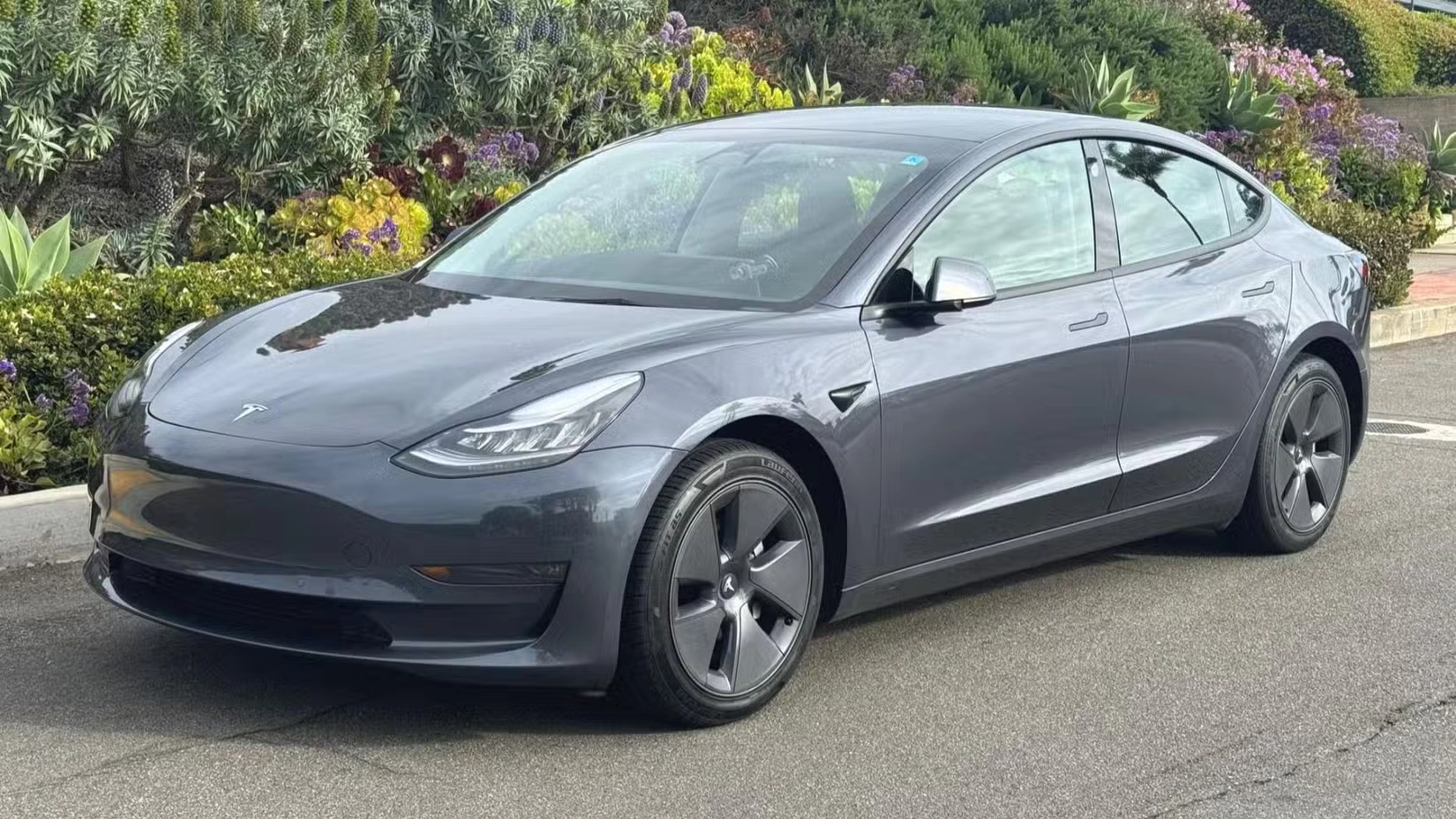
Tesla pioneered the idea of pay-to-unlock performance. Its Acceleration Boost for the Model 3 Long Range trimmed the 0–60 mph time from 4.2 to 3.7 seconds, while the Model Y Long Range dropped from 4.8 to 4.3. Pricing varied by market, but the upgrade generally cost around $2,000.
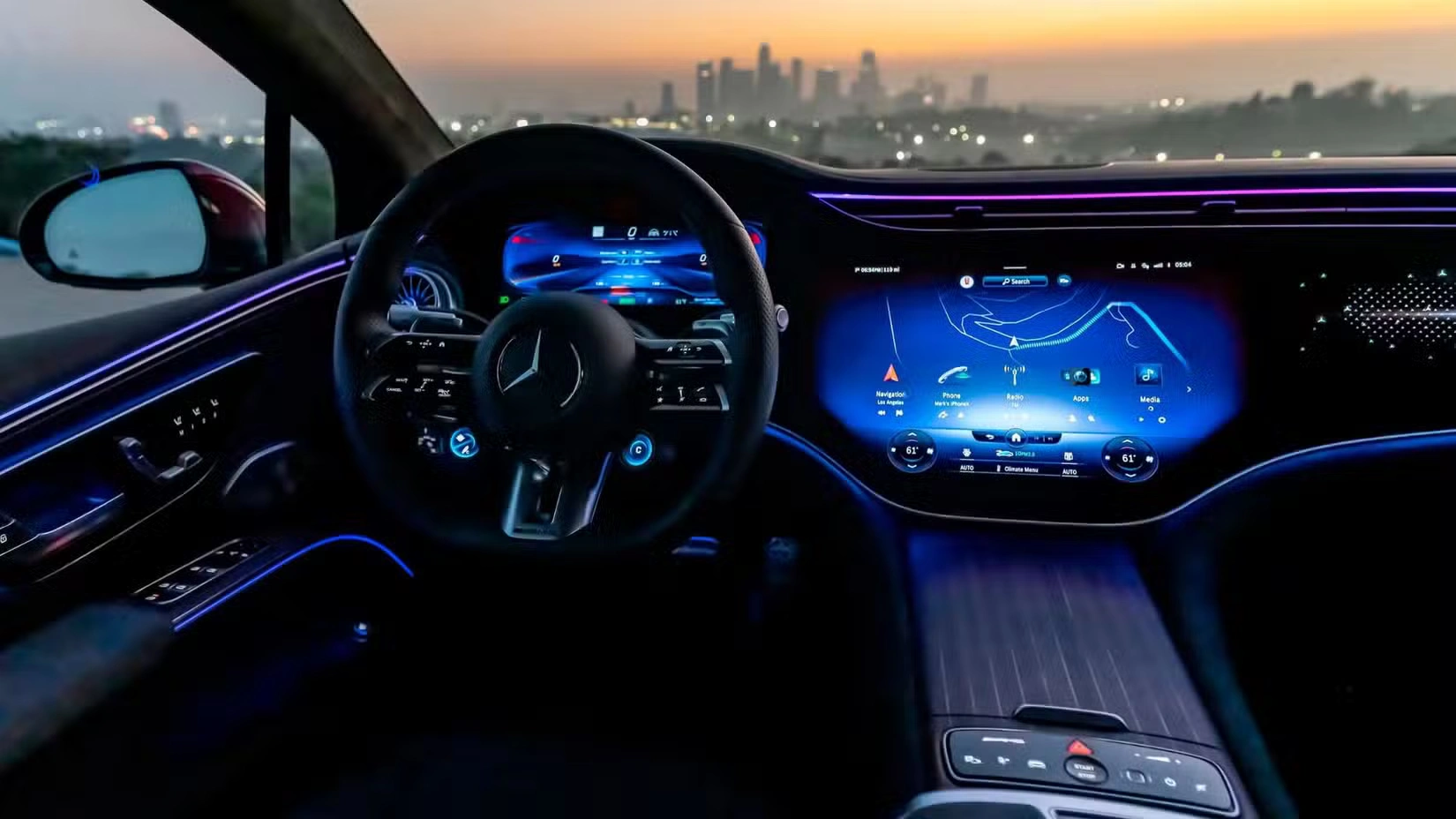
Mercedes-Benz later adopted a similar strategy. The EQE 350 and EQS 450 were both offered with software-based power increases, bumping the EQE from 288 to 349 horsepower and raising the EQS from 335 to 443. More recently, Volkswagen UK introduced a 27-horsepower upgrade priced at about $22.30 per month—or roughly $900 for a permanent unlock.
There are valid arguments on both sides of the horsepower-on-demand debate—and it’s not just about squeezing more revenue from customers. For some buyers, the option to add power later could actually be beneficial. A second owner who can’t track down a higher-trim model might appreciate the ability to unlock extra performance. Others may want a little more punch after a few years of ownership, using the upgrade as a sort of personal mid-cycle refresh to make the car feel lively again.
Subscription-based features seem all but inevitable across the industry, whether we like it or not. But for now, BMW insists that horsepower—along with EV range—won’t be joining the monthly payment lineup anytime soon.