2026 Tesla Model Y Performance EV SUV First Look: for the U.S.
Tesla has now brought the Model Y Performance to its home market in the U.S., arriving a month after its debut in Europe.

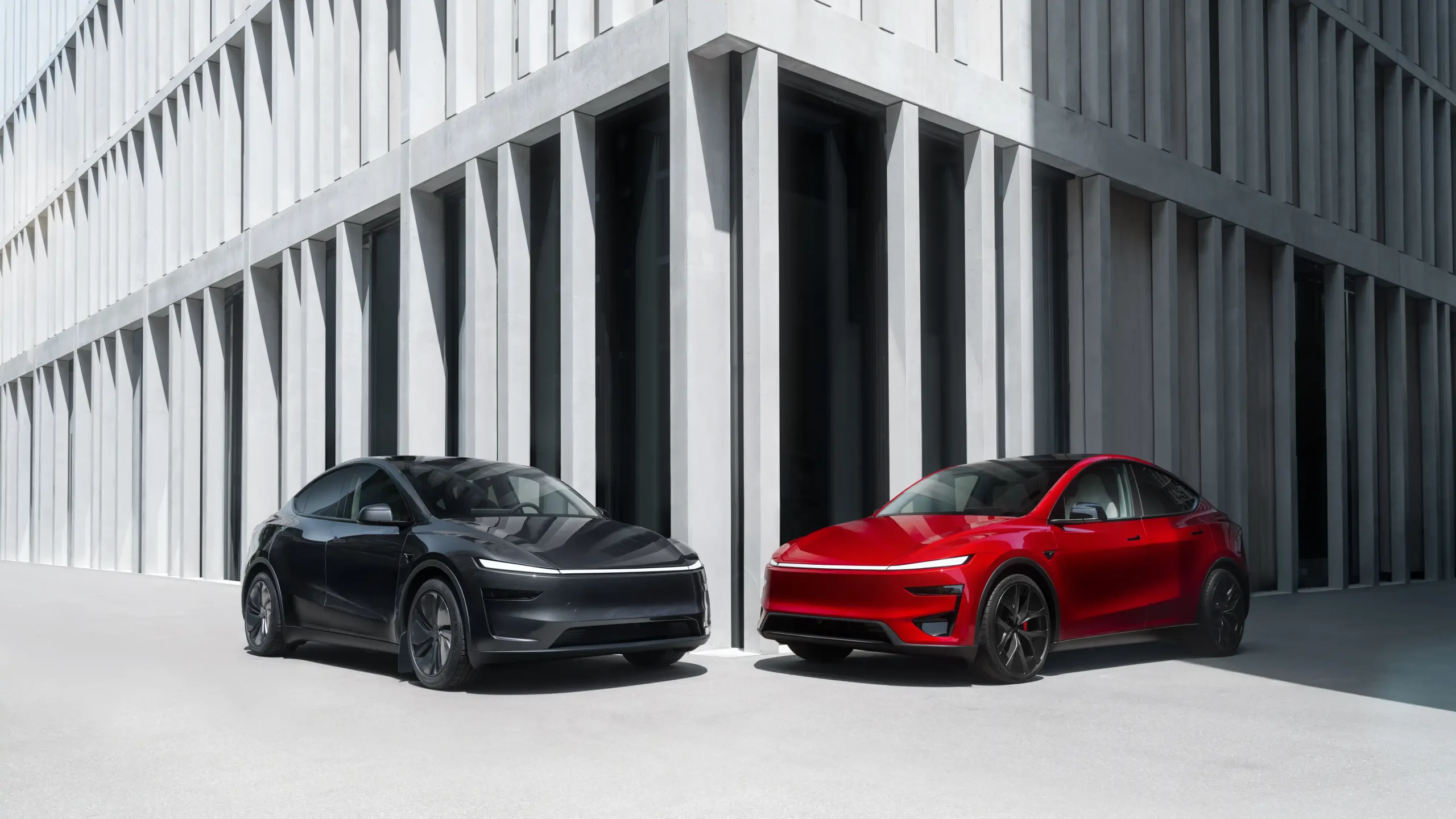
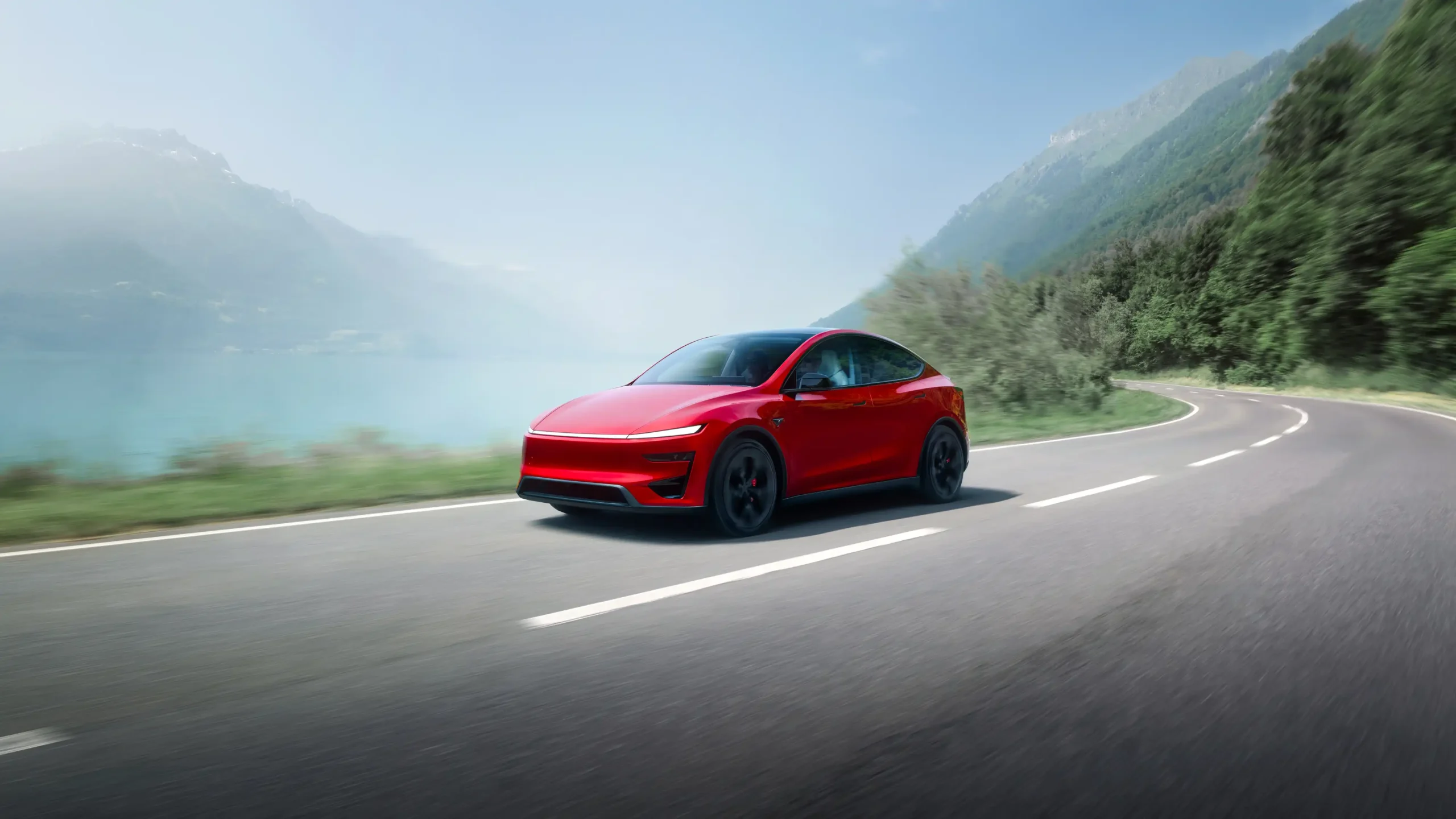
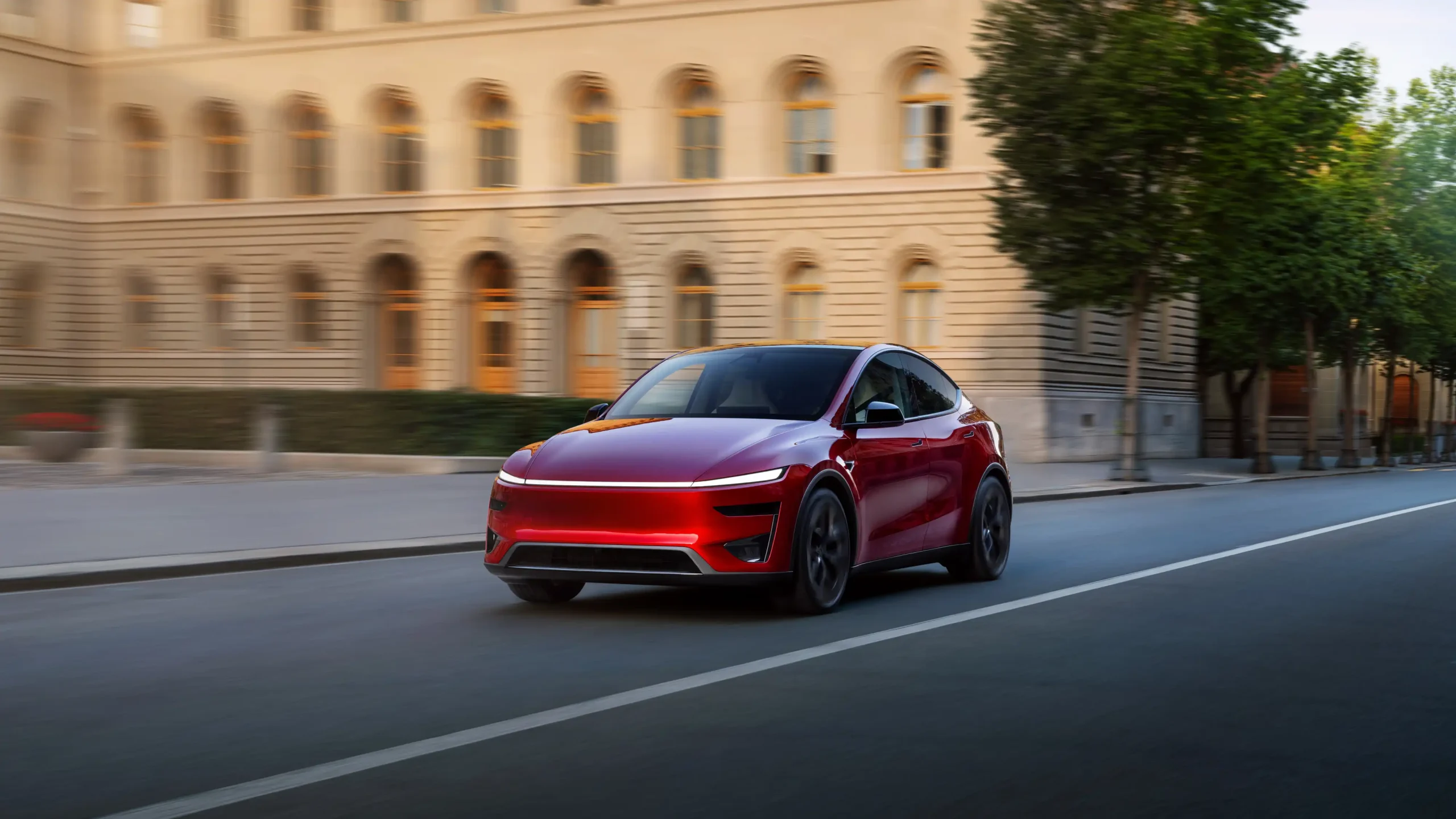
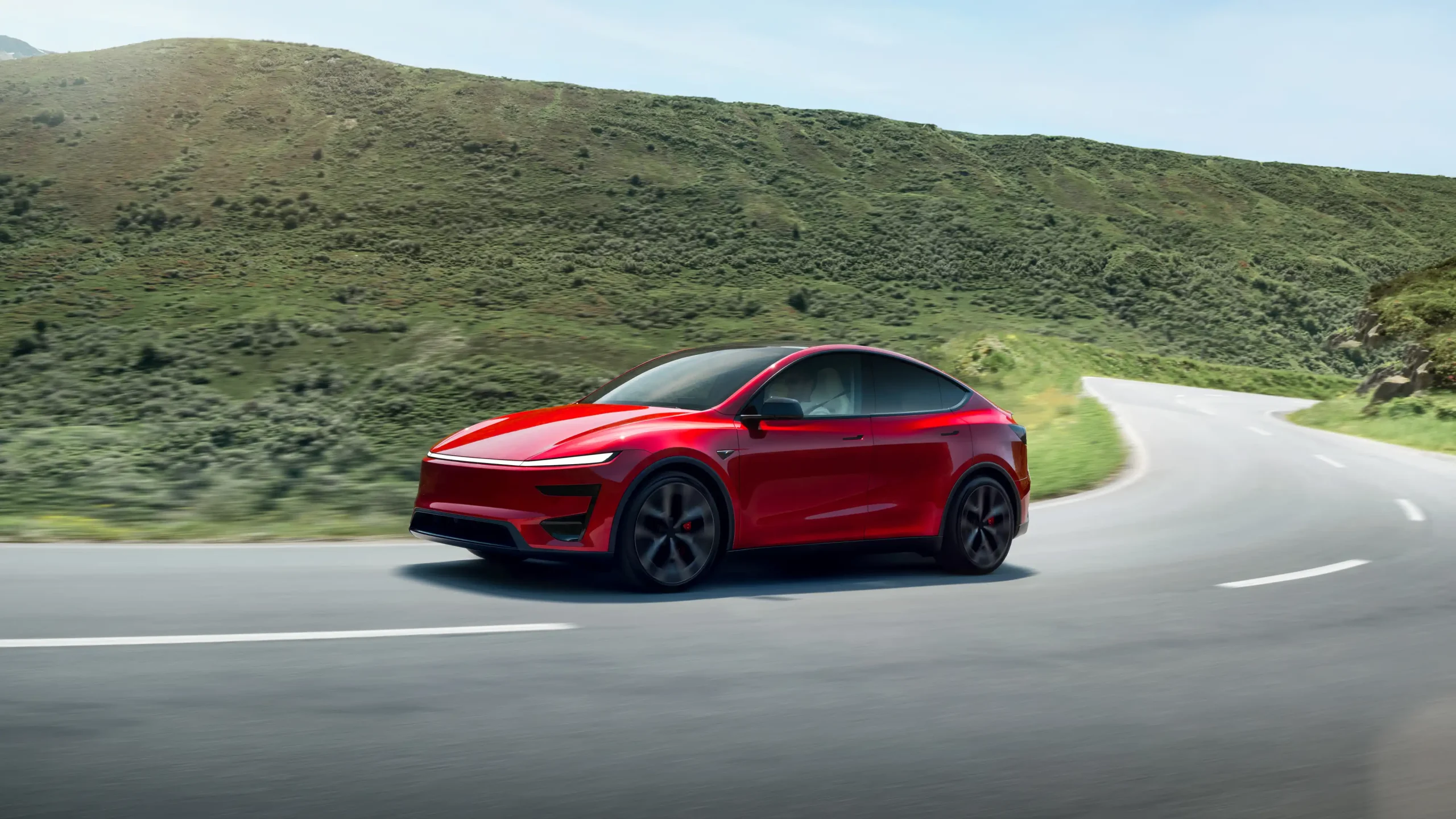
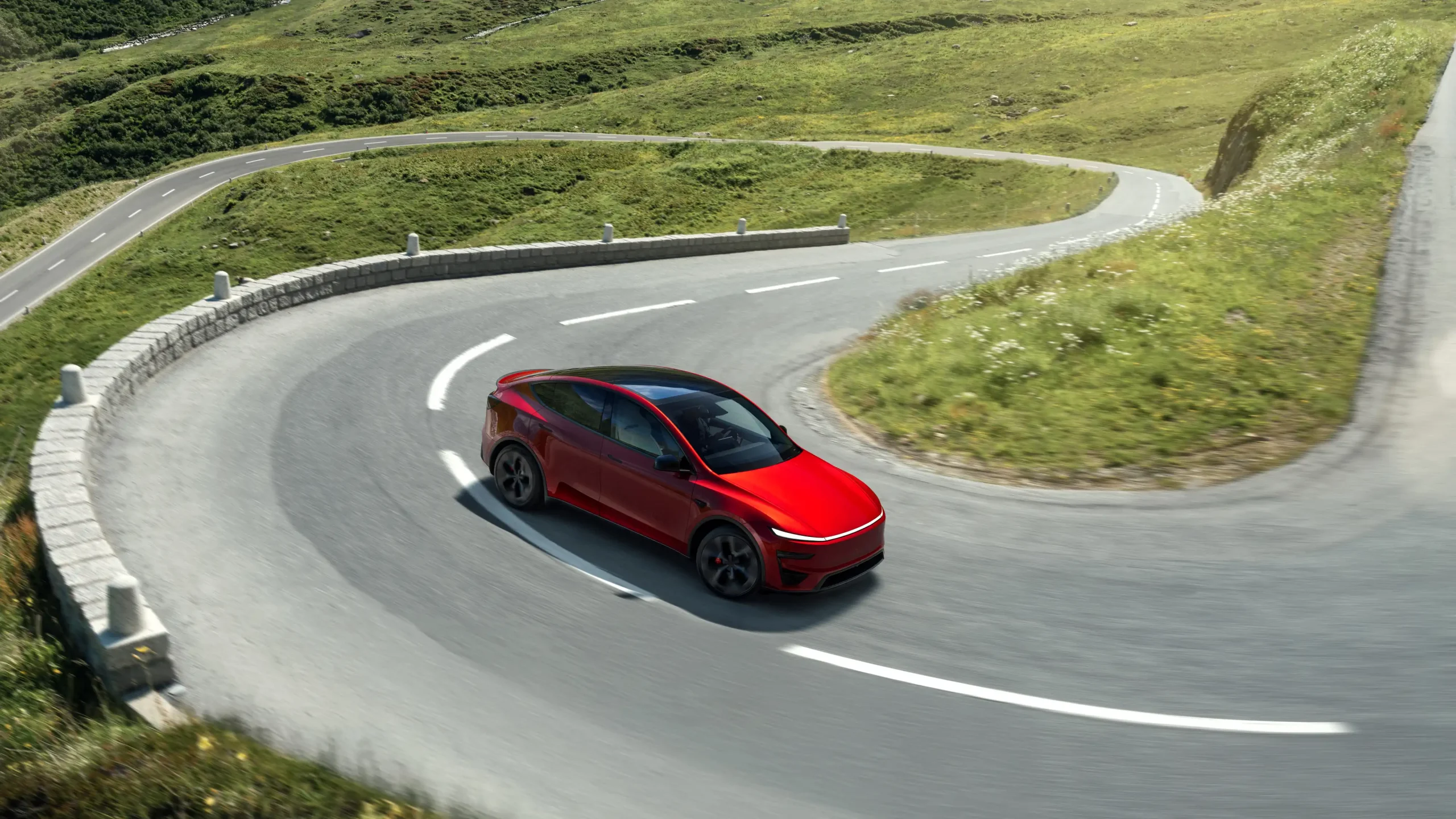
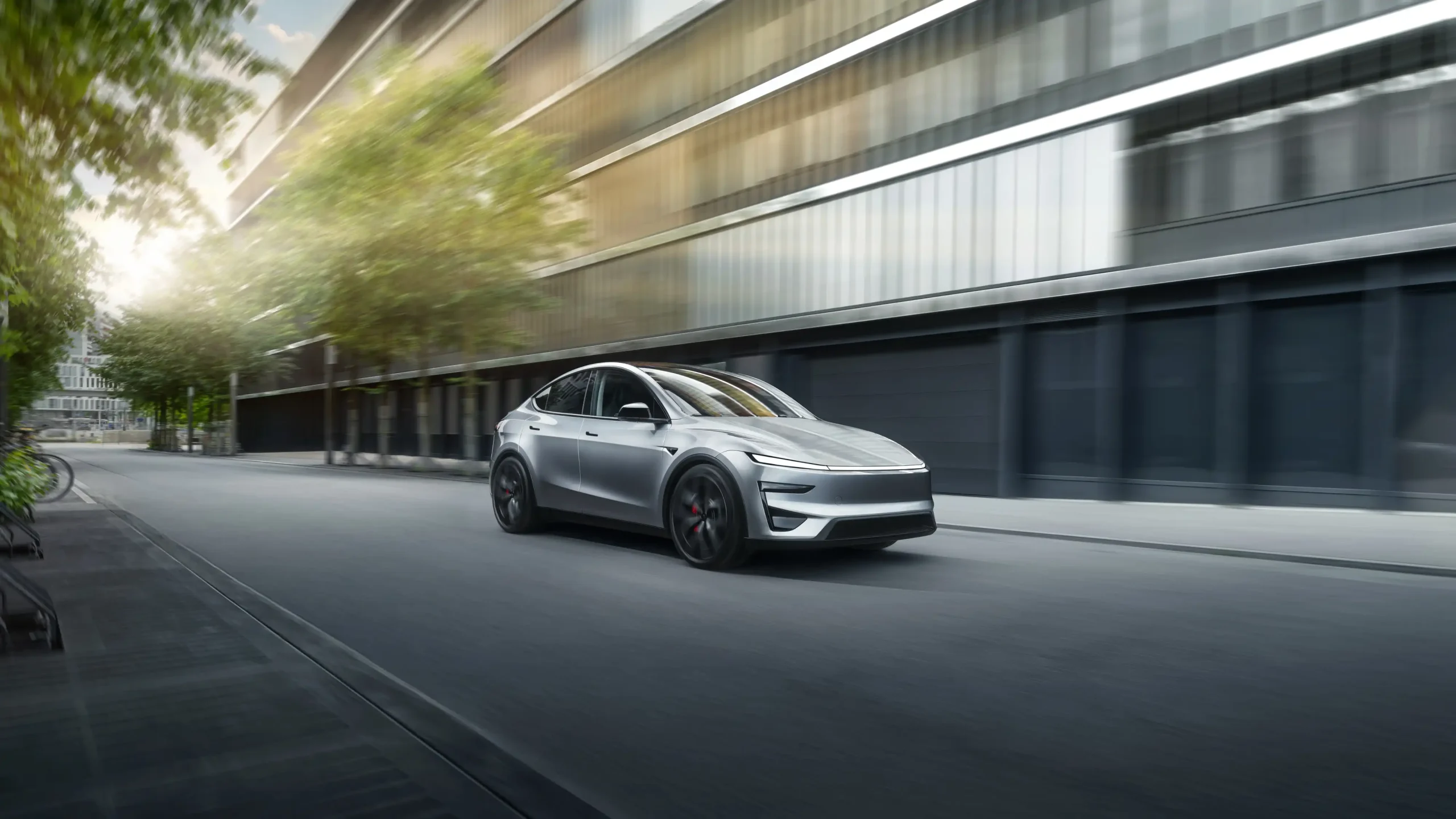
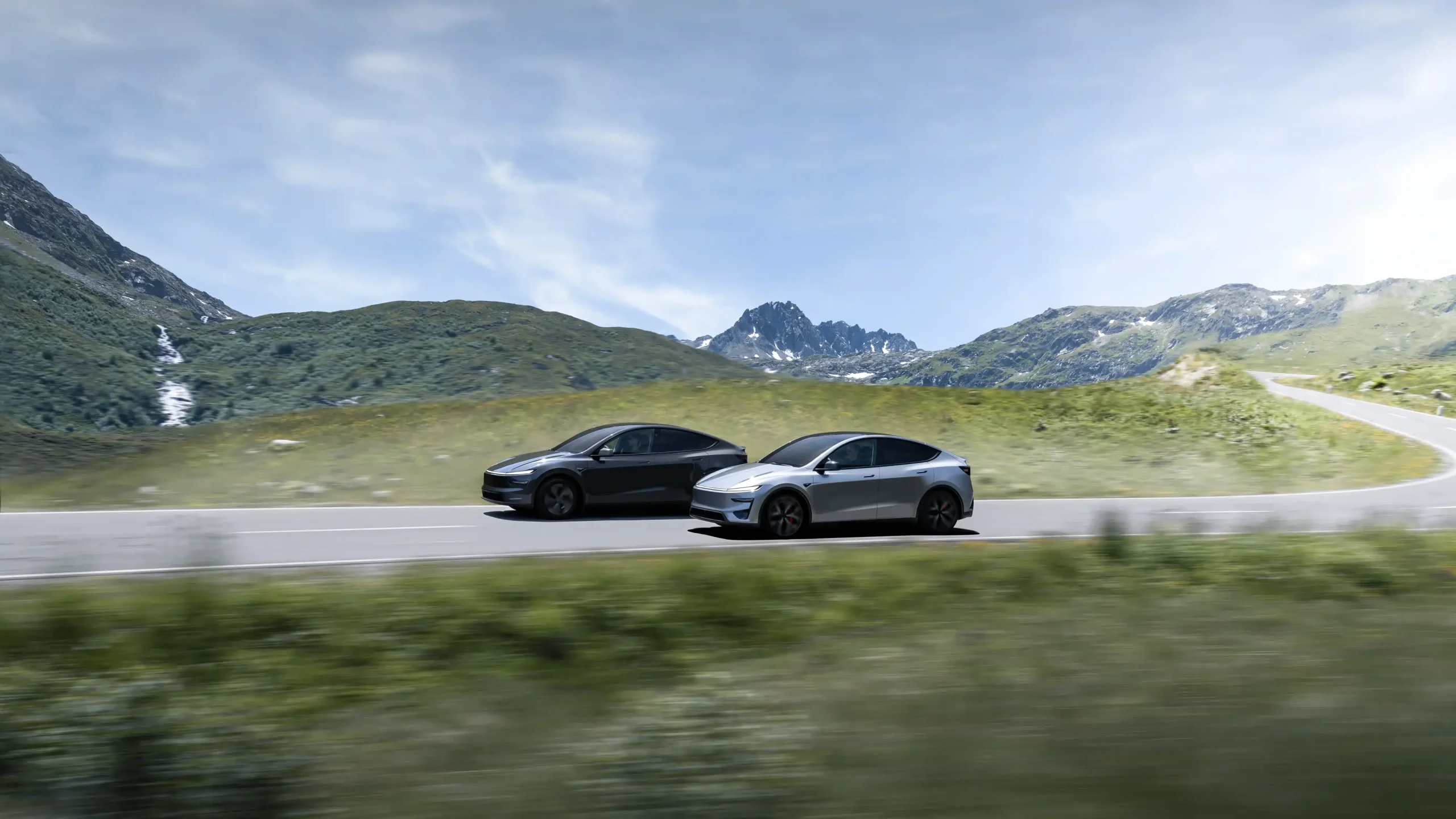
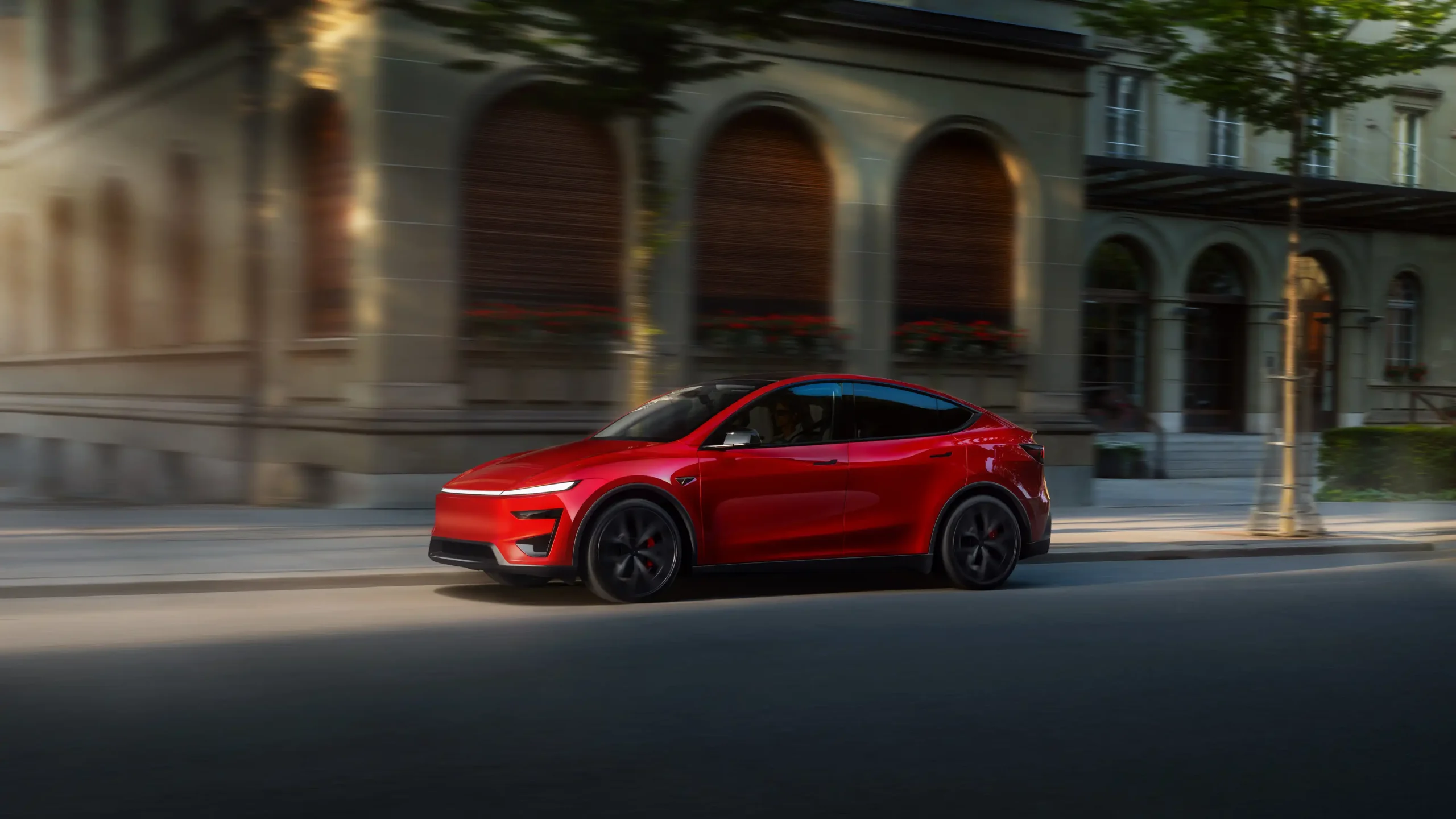
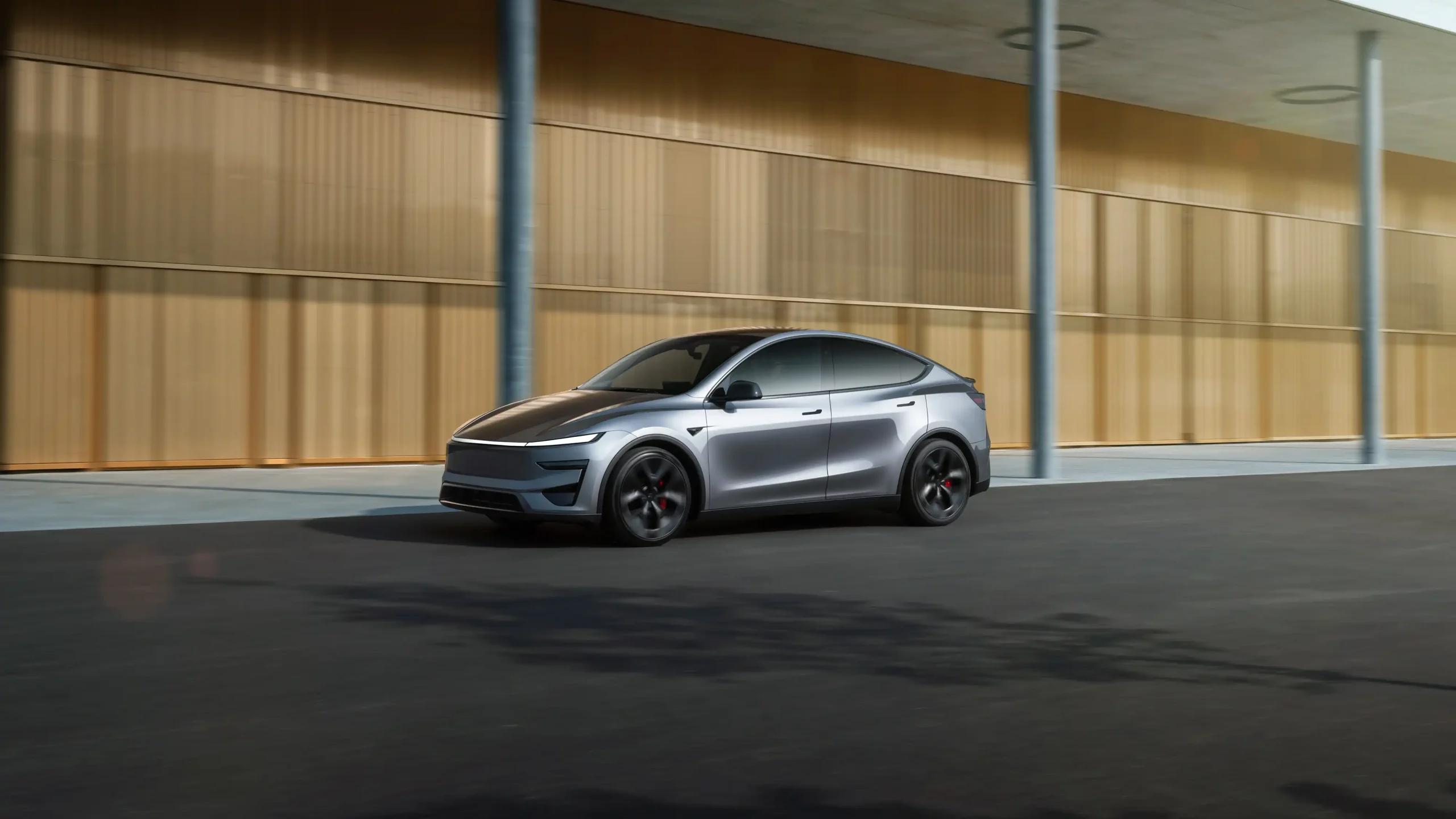
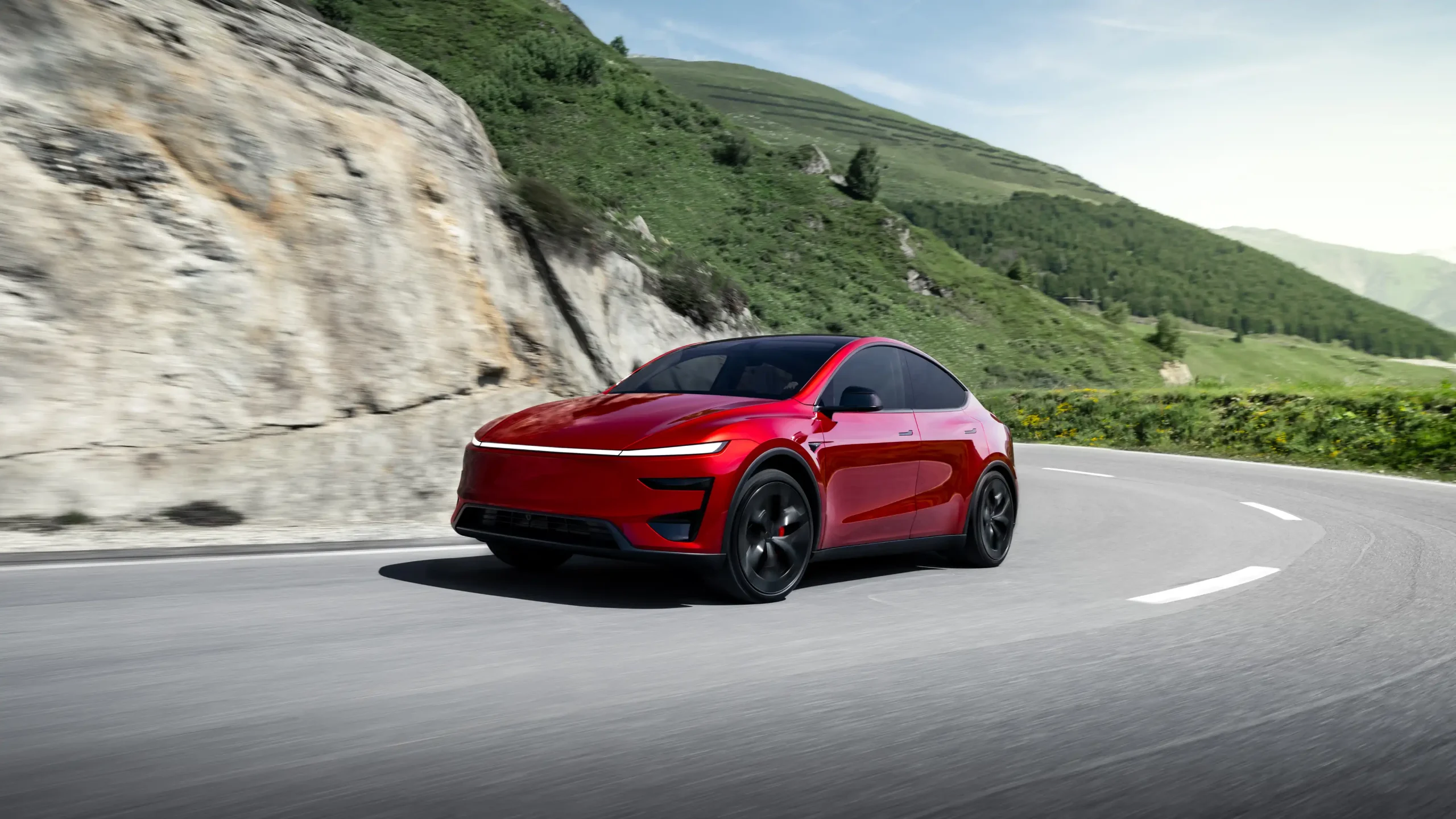
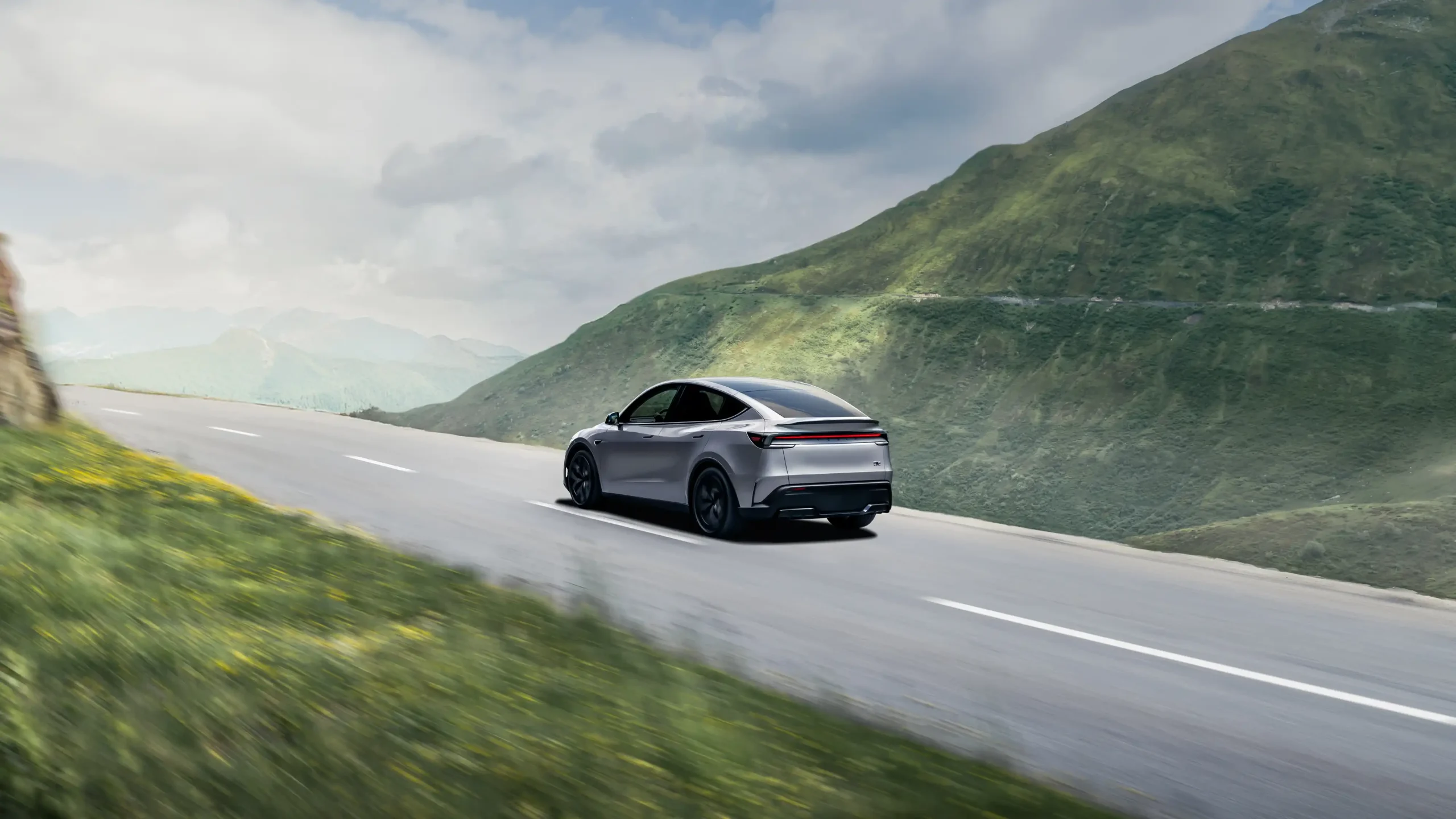
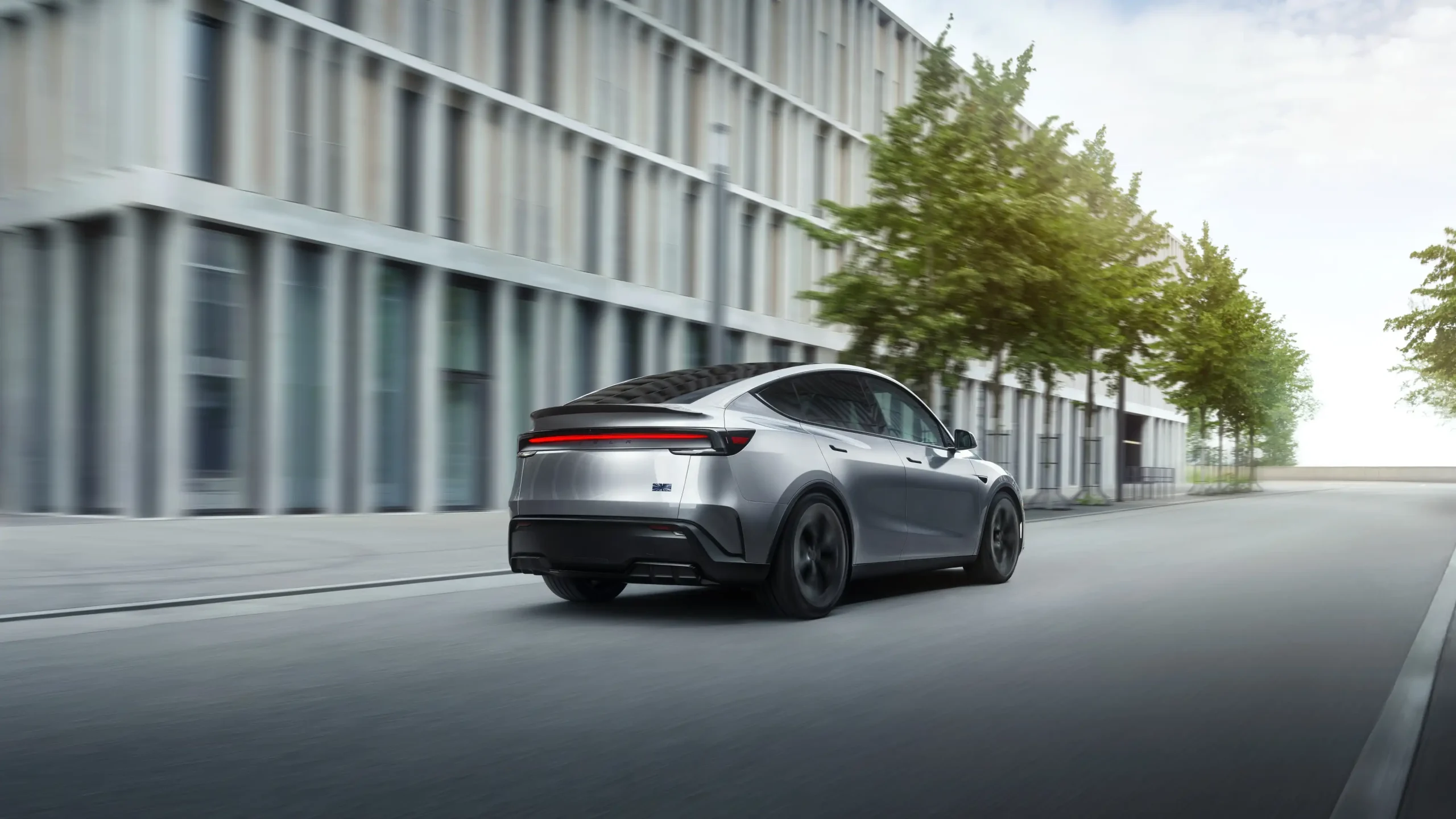
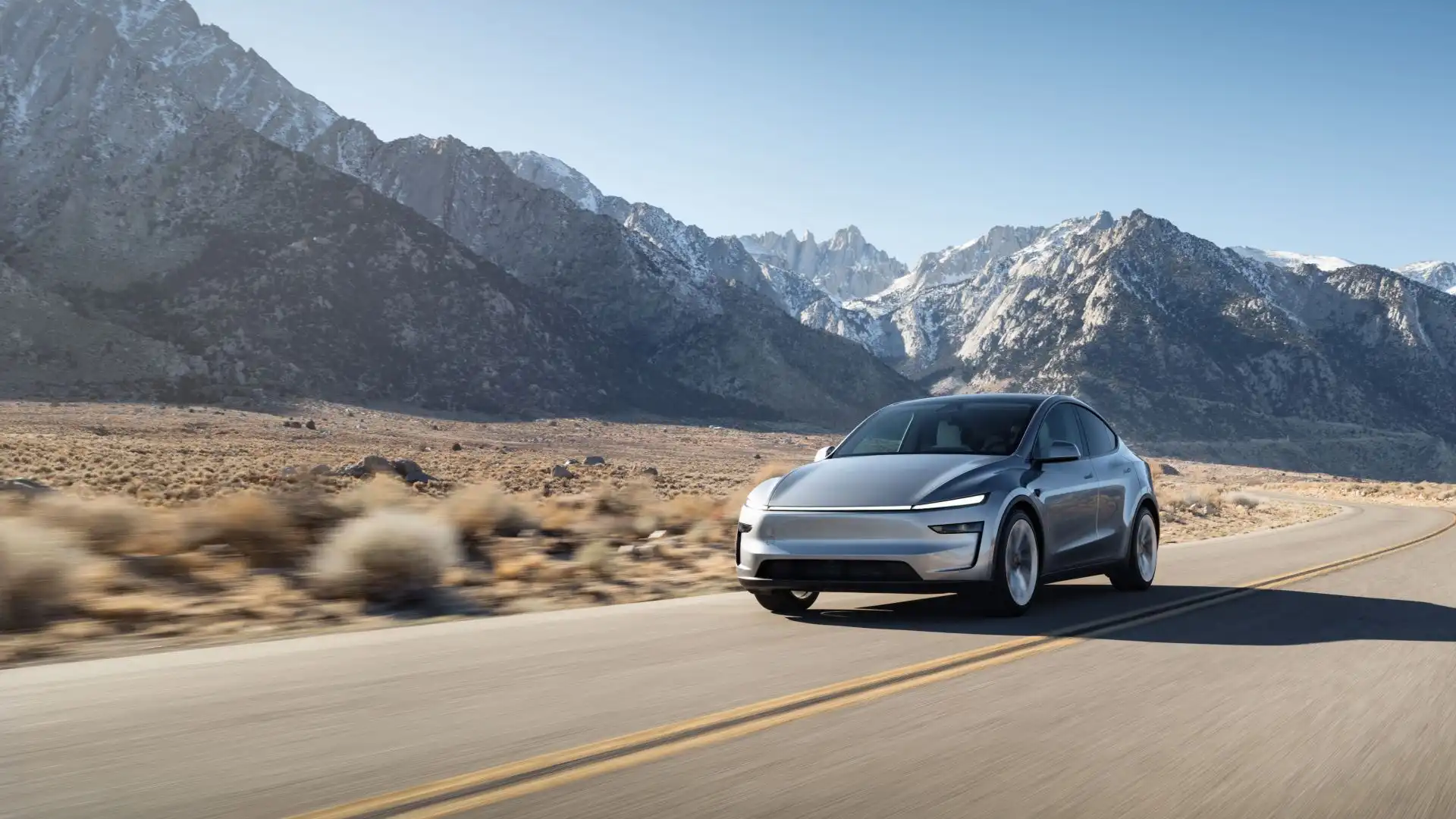
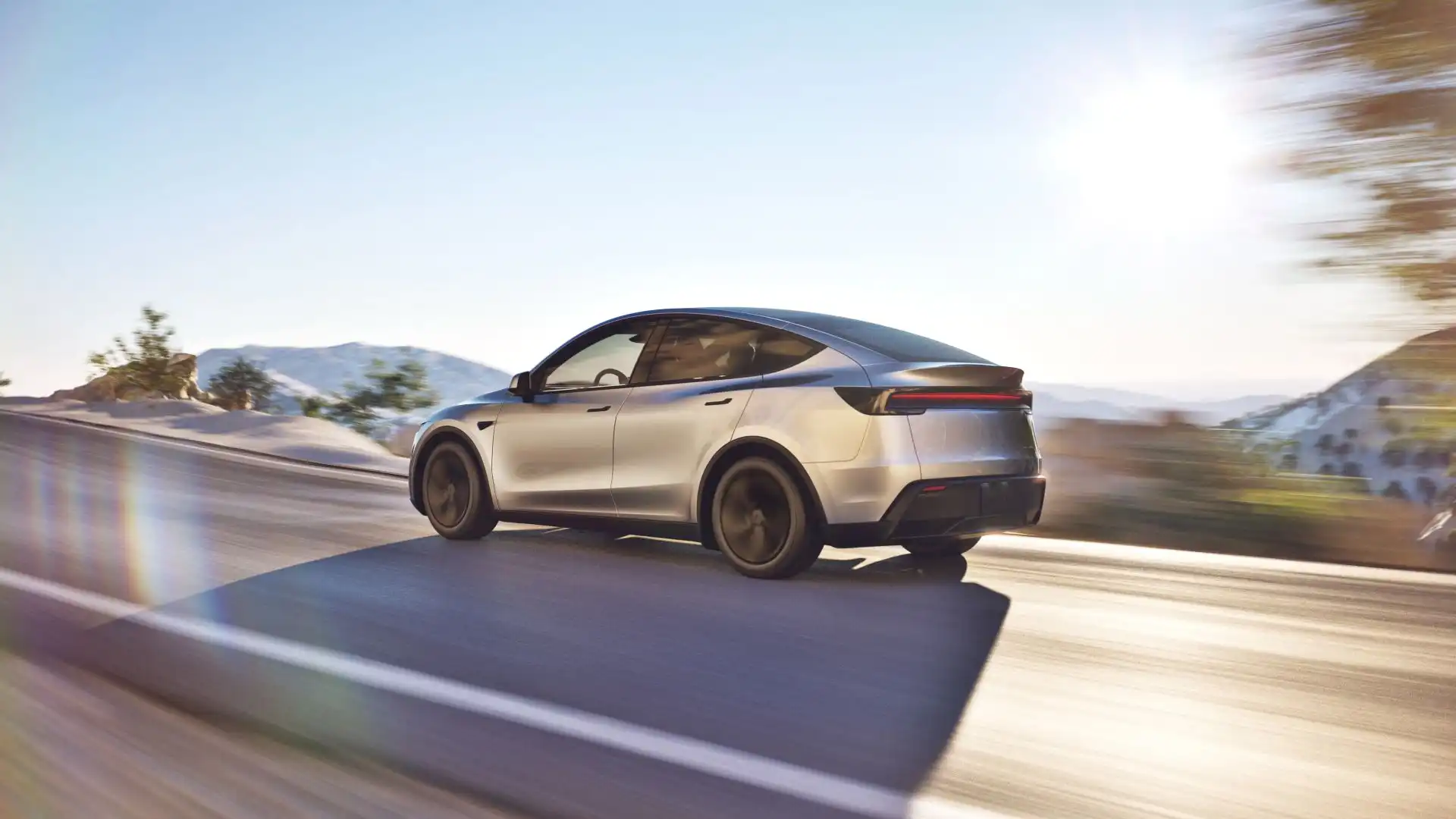
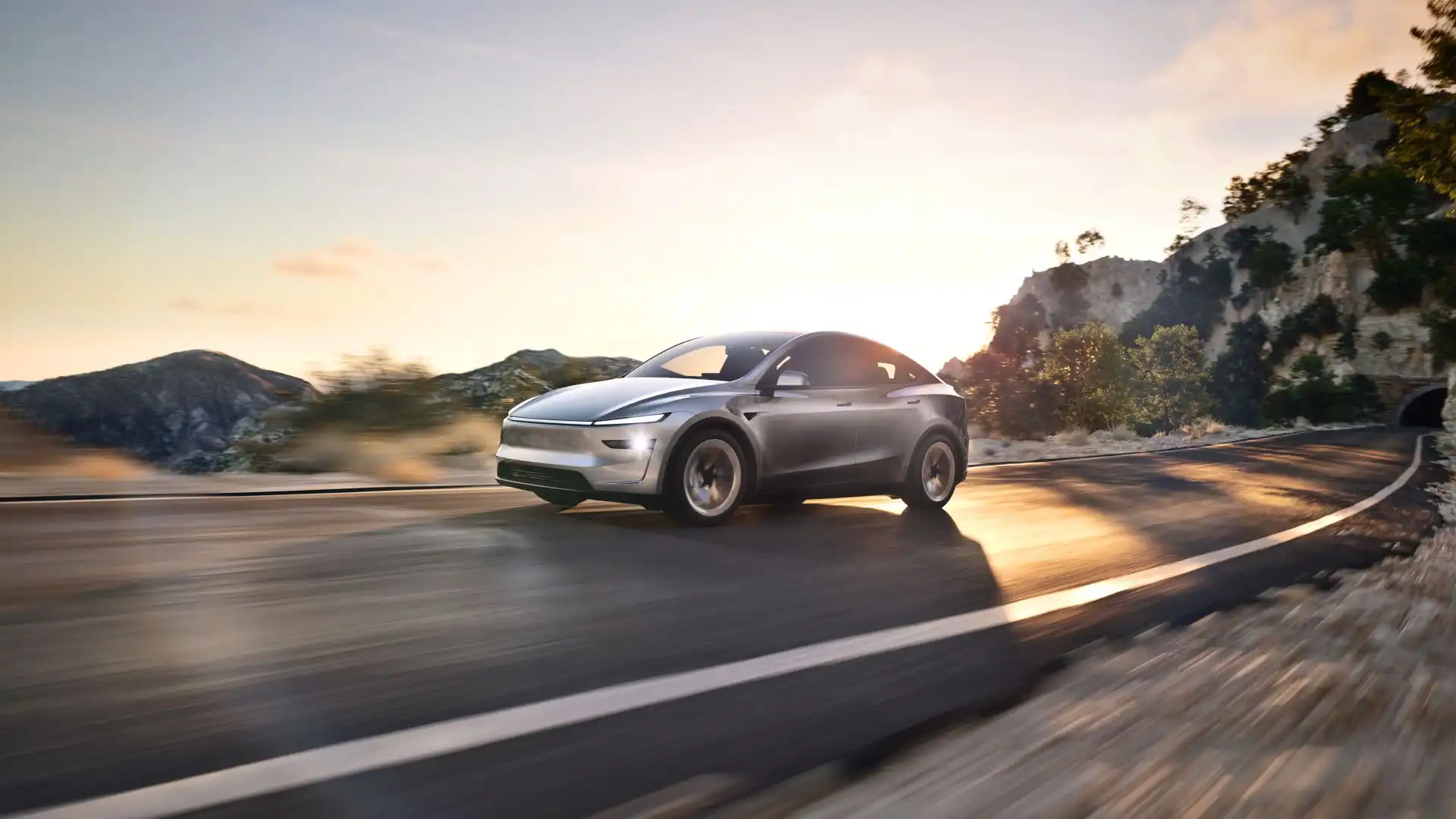
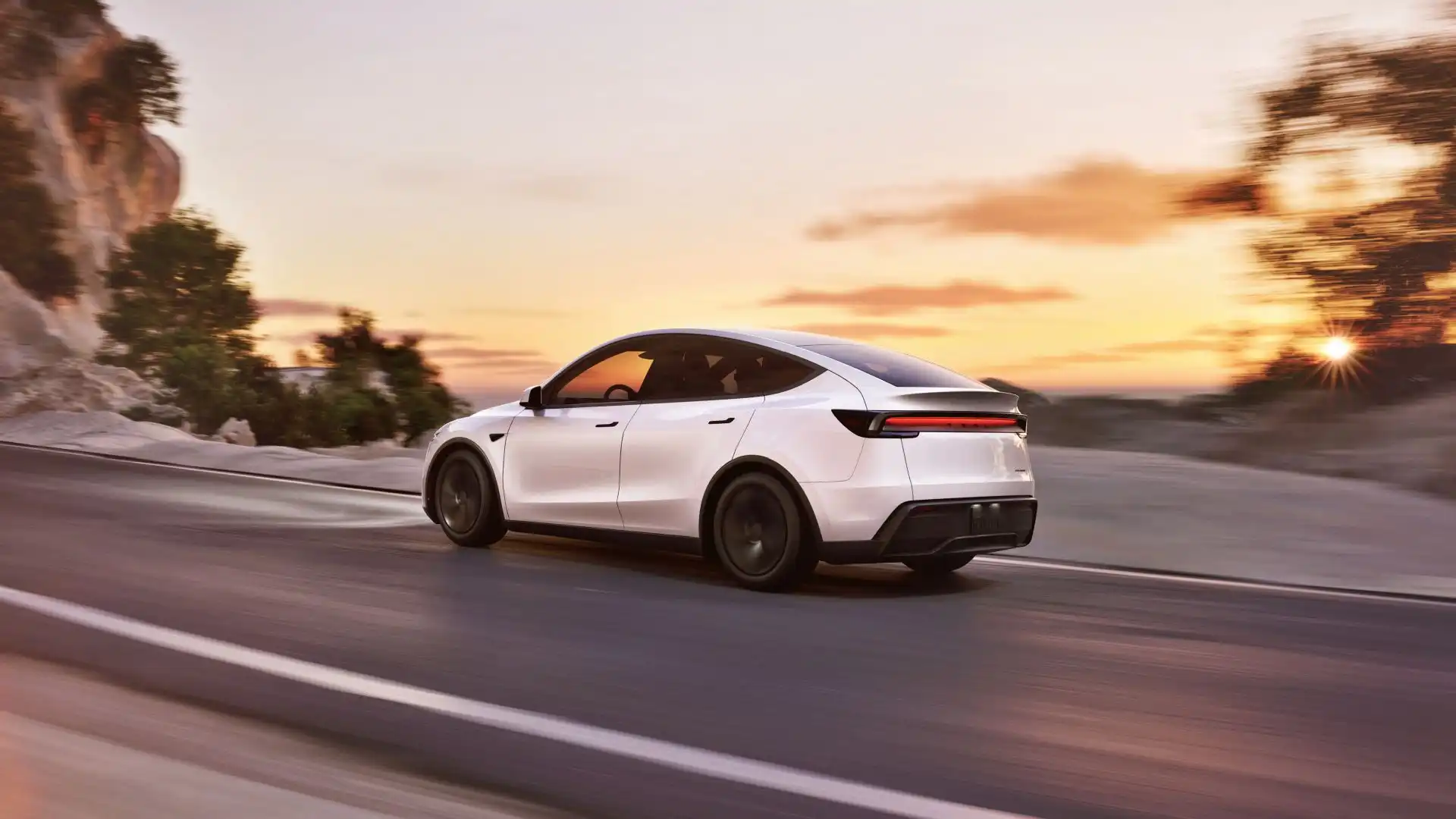
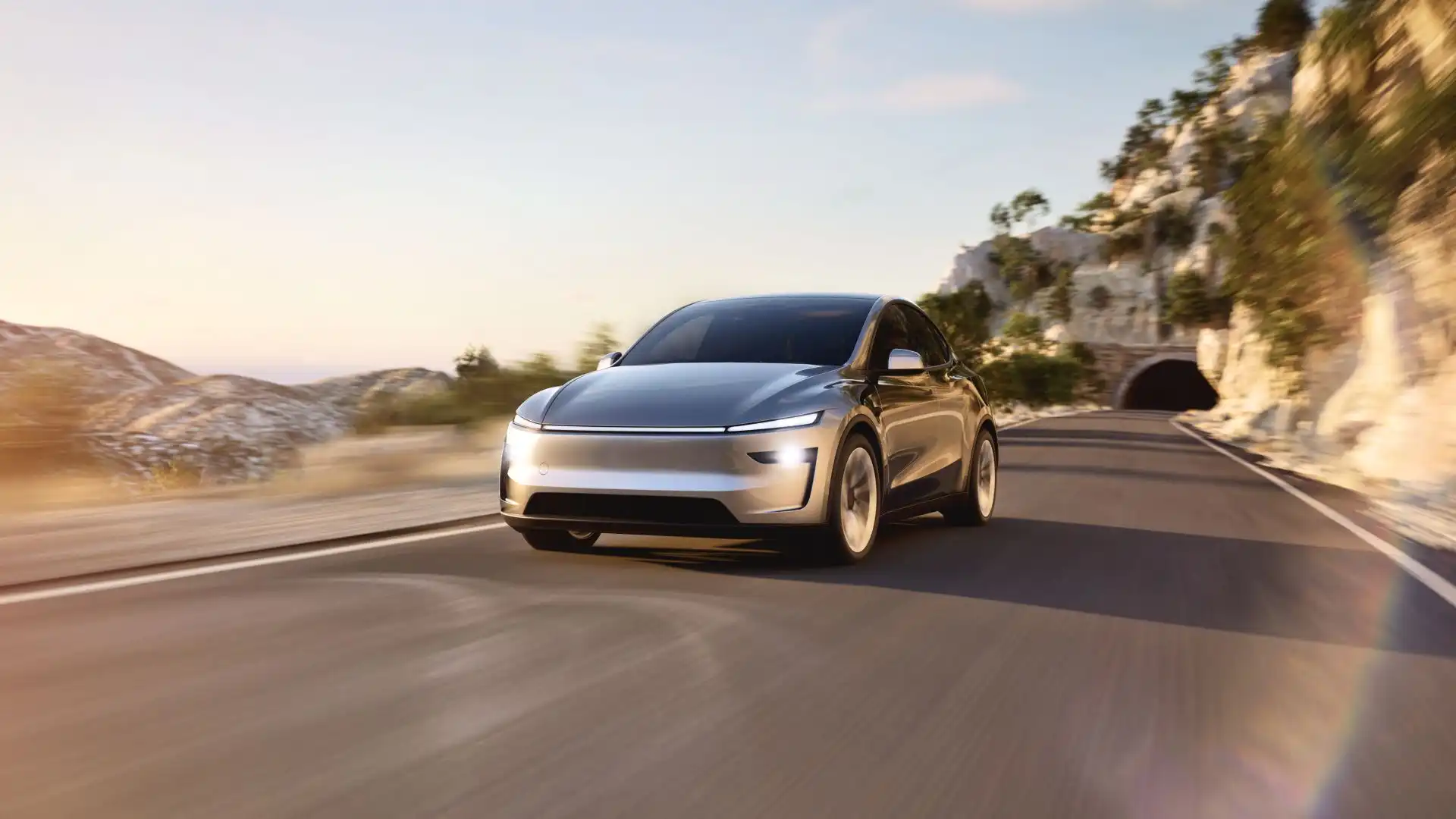
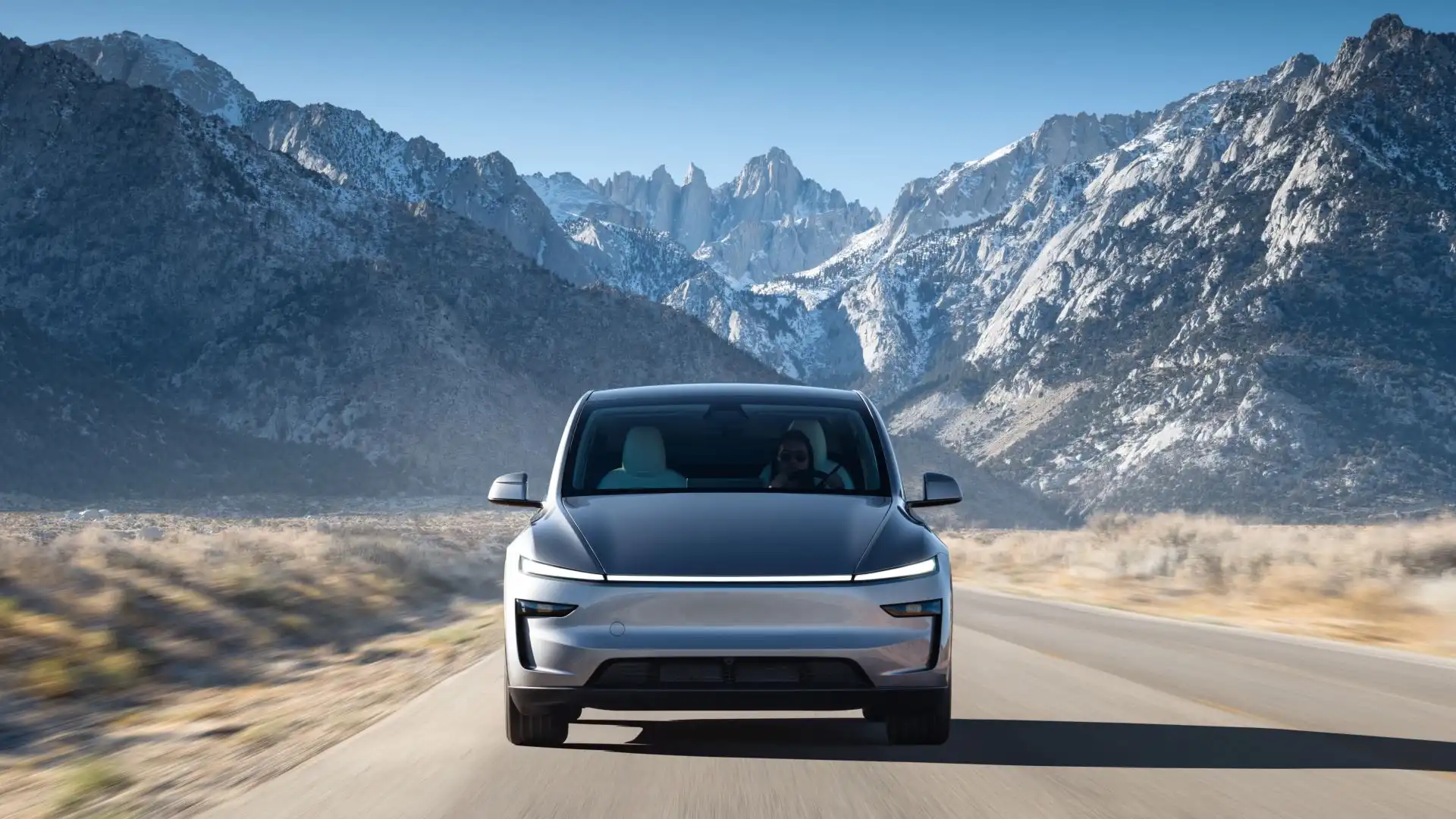
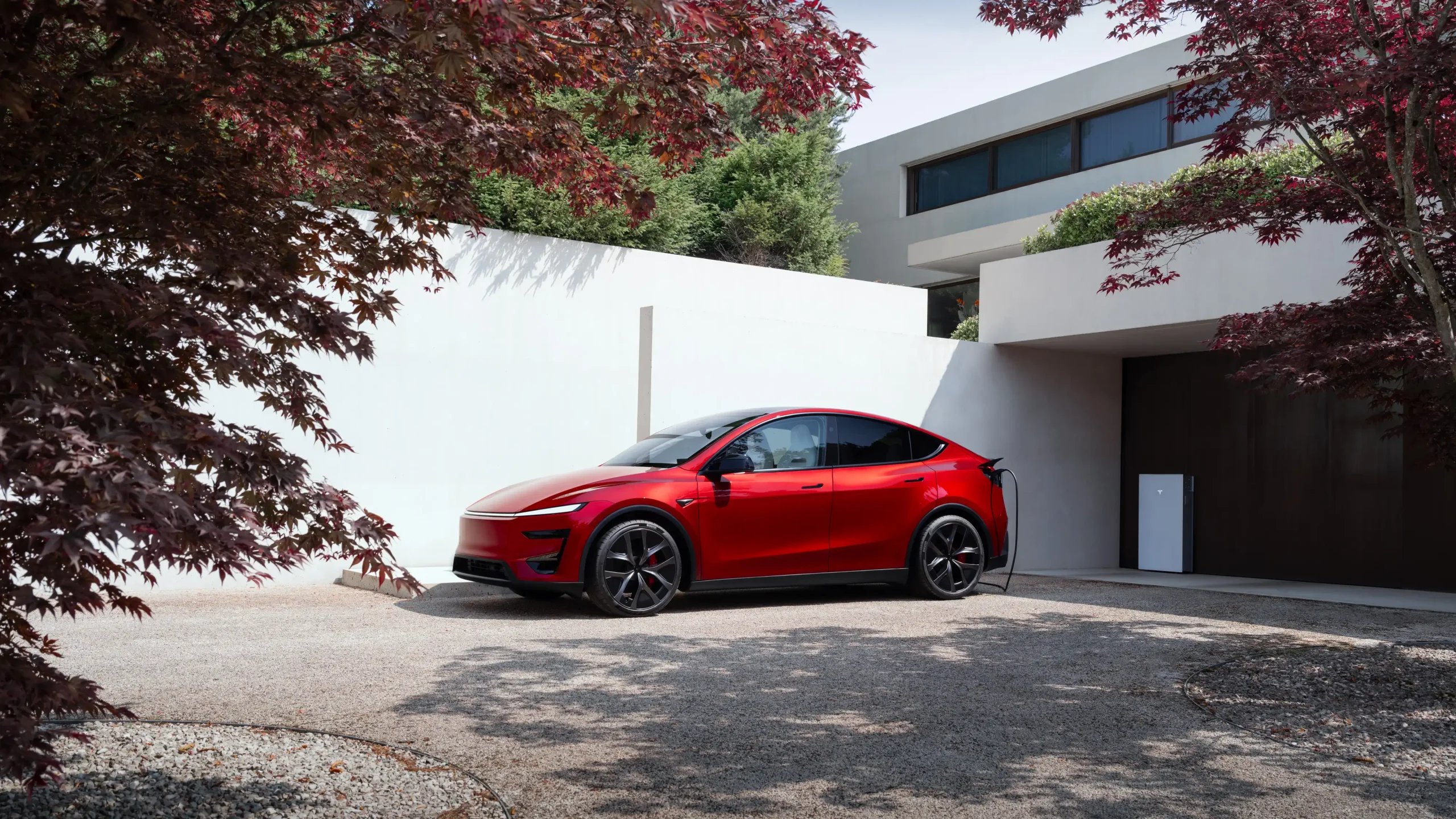
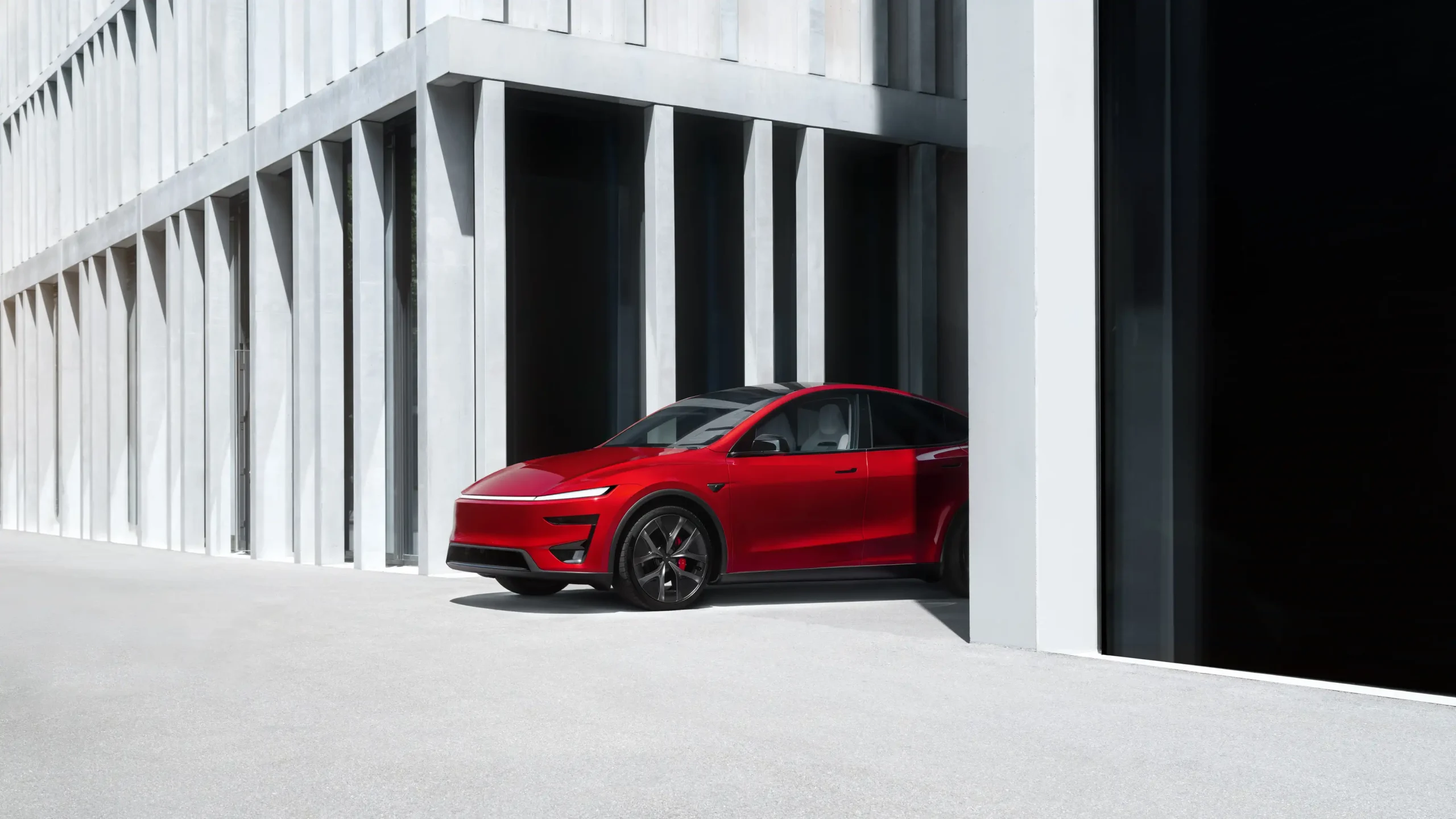
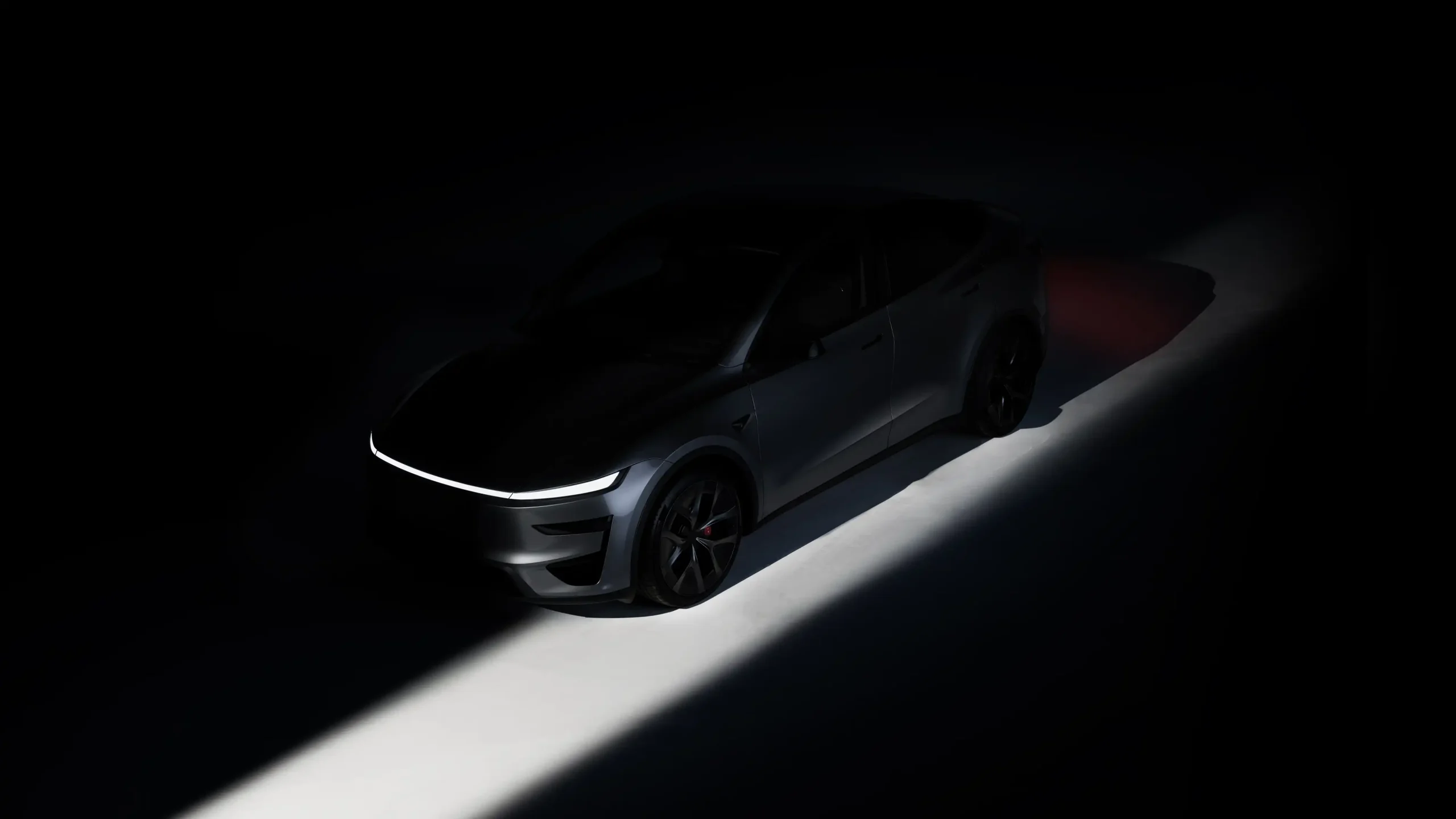
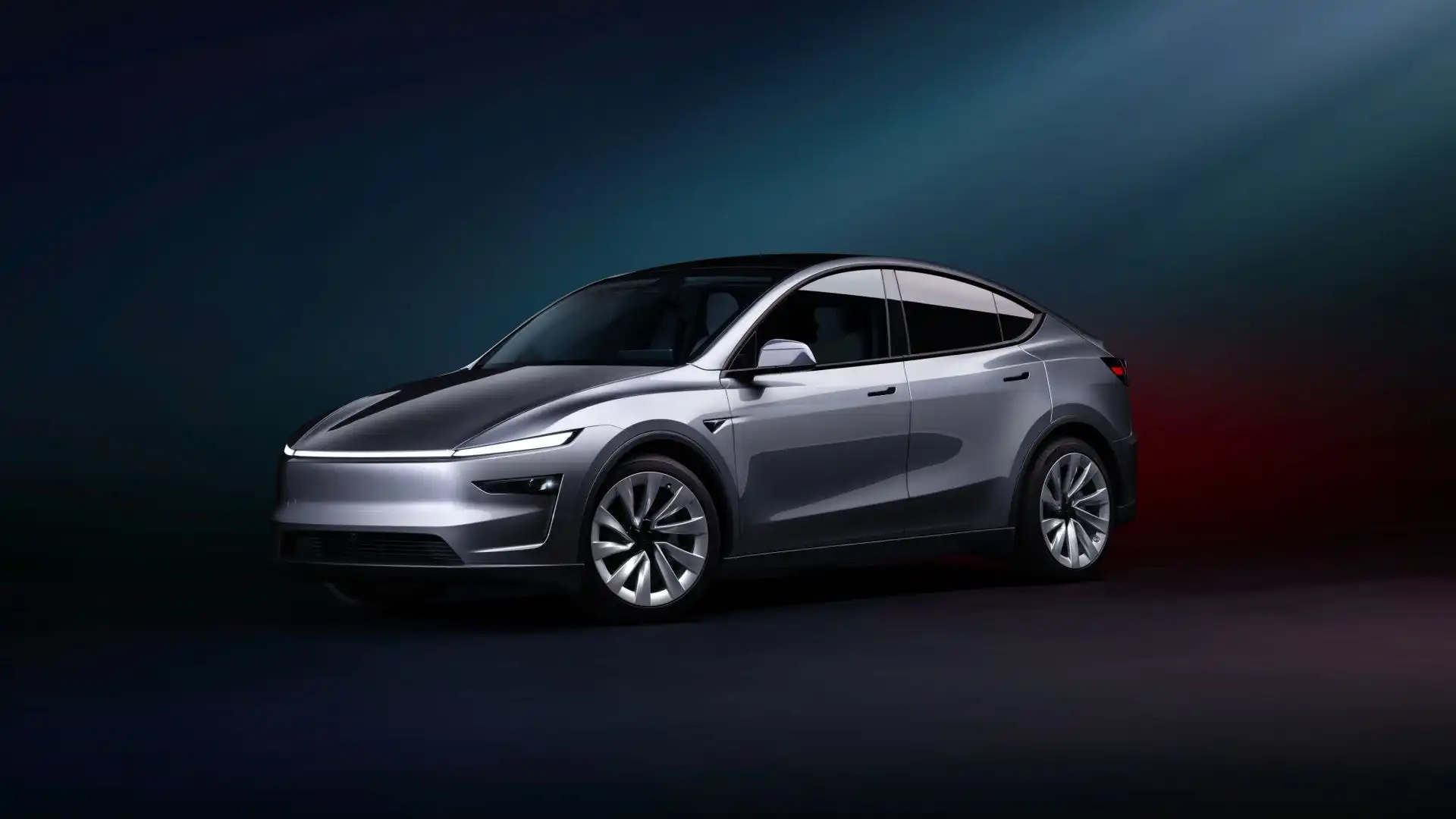
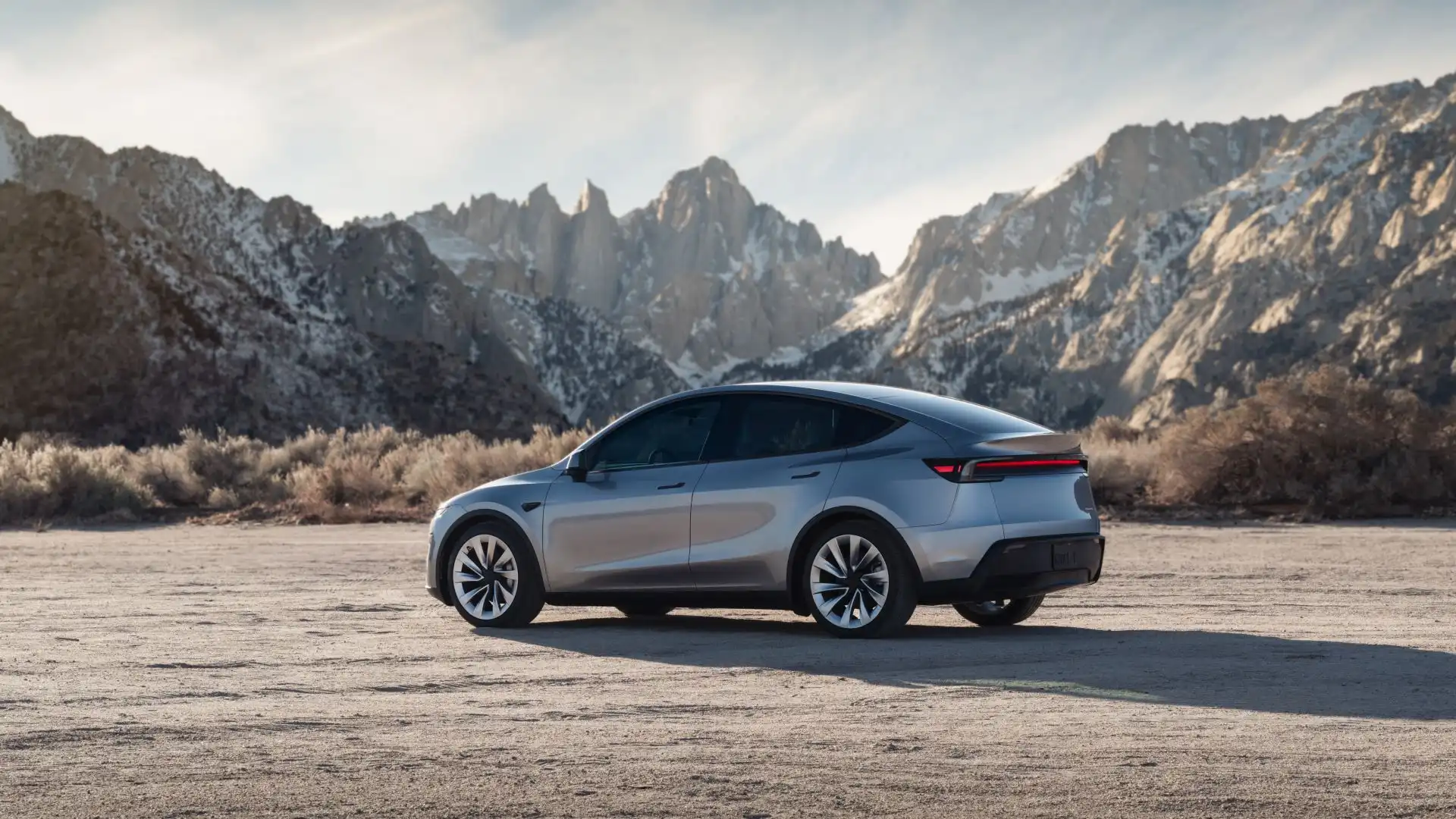
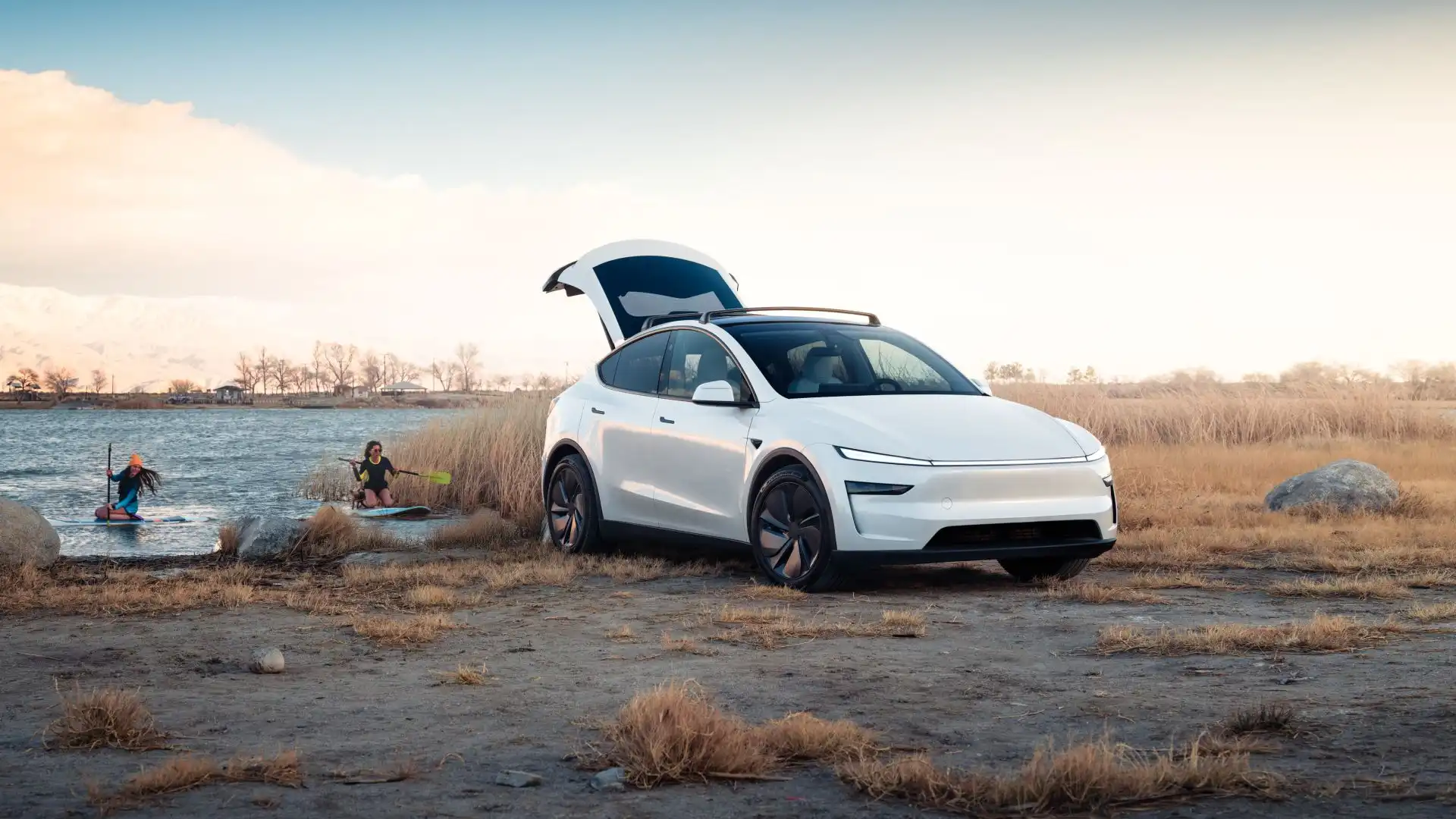
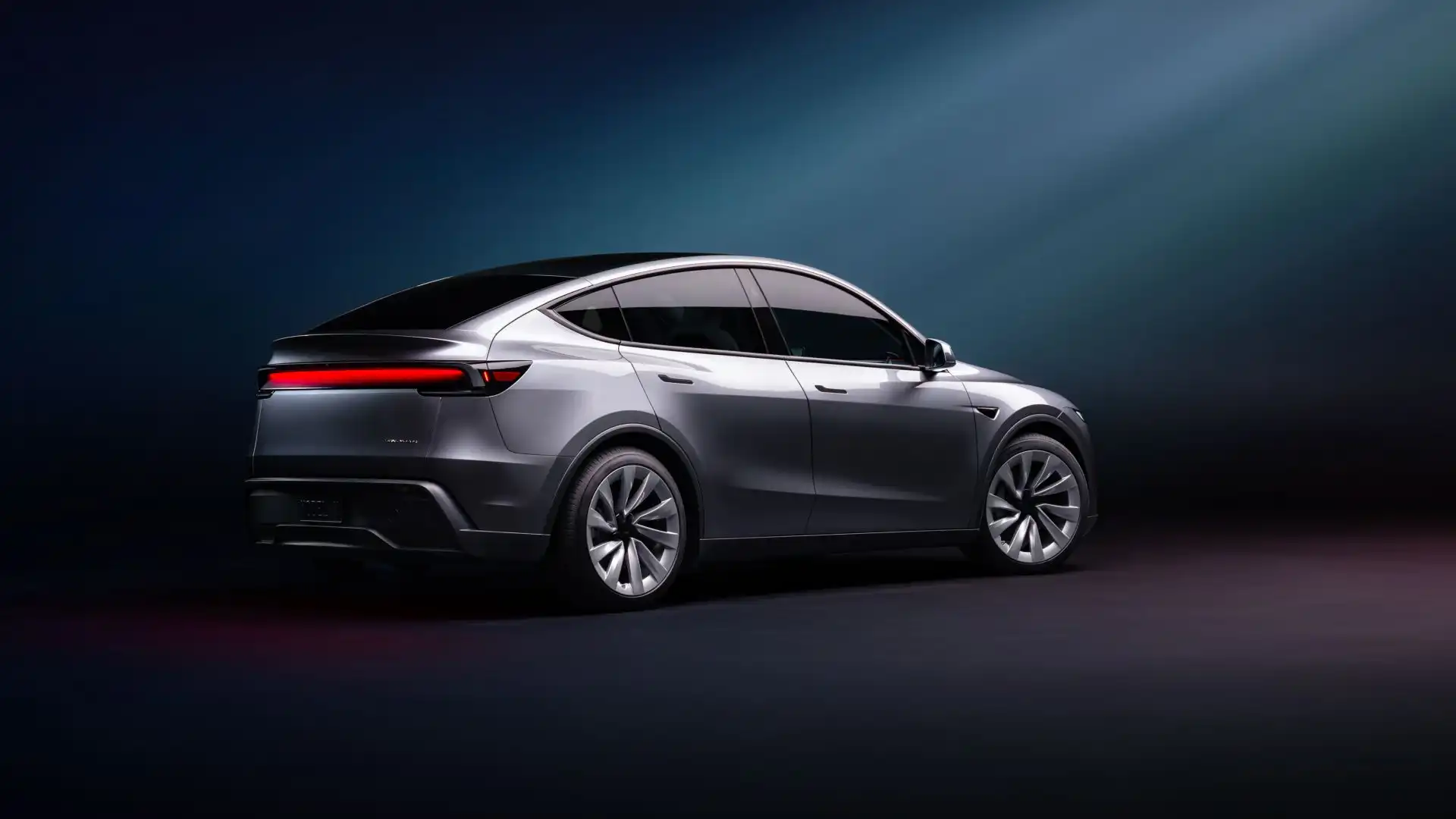
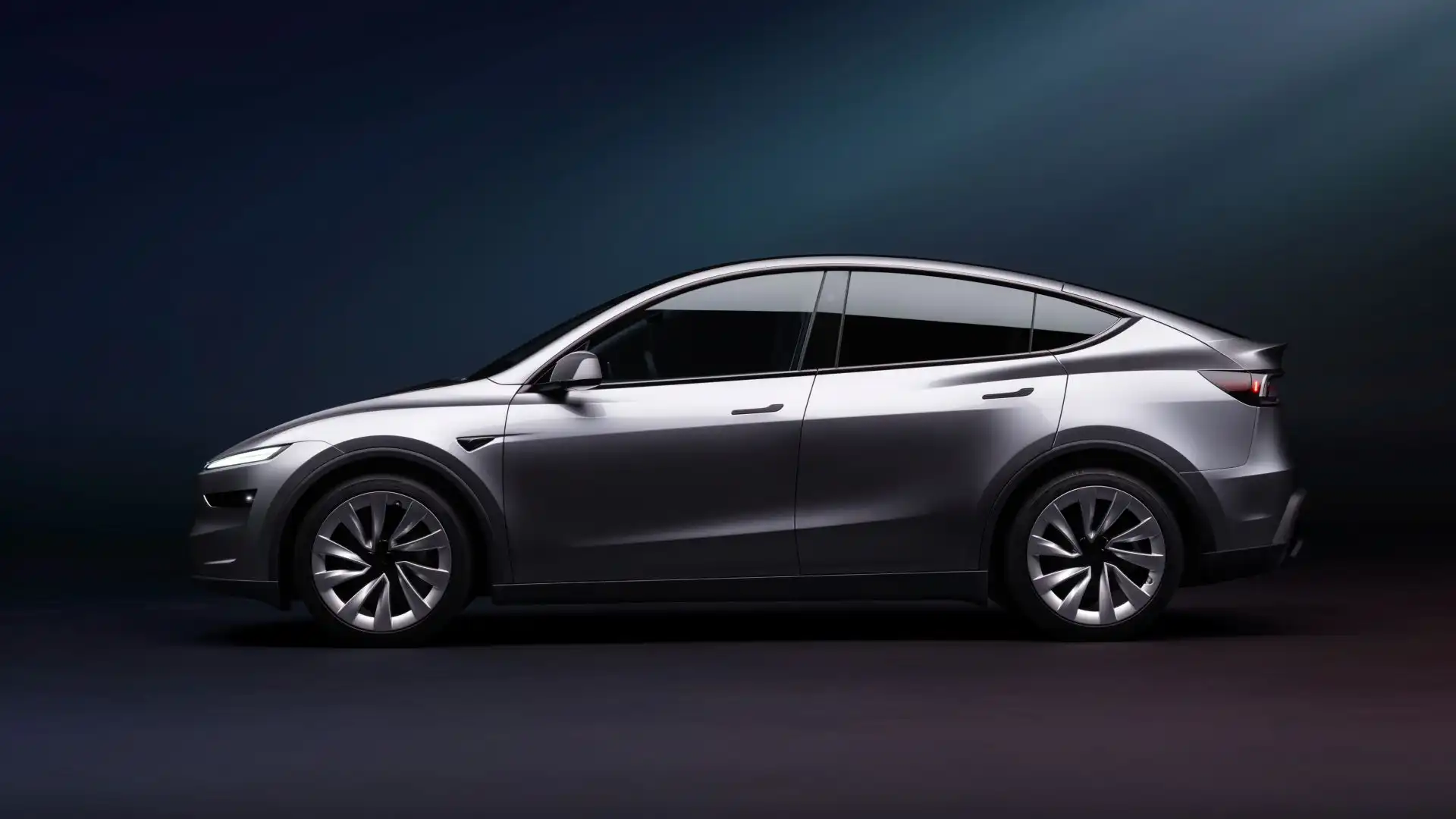
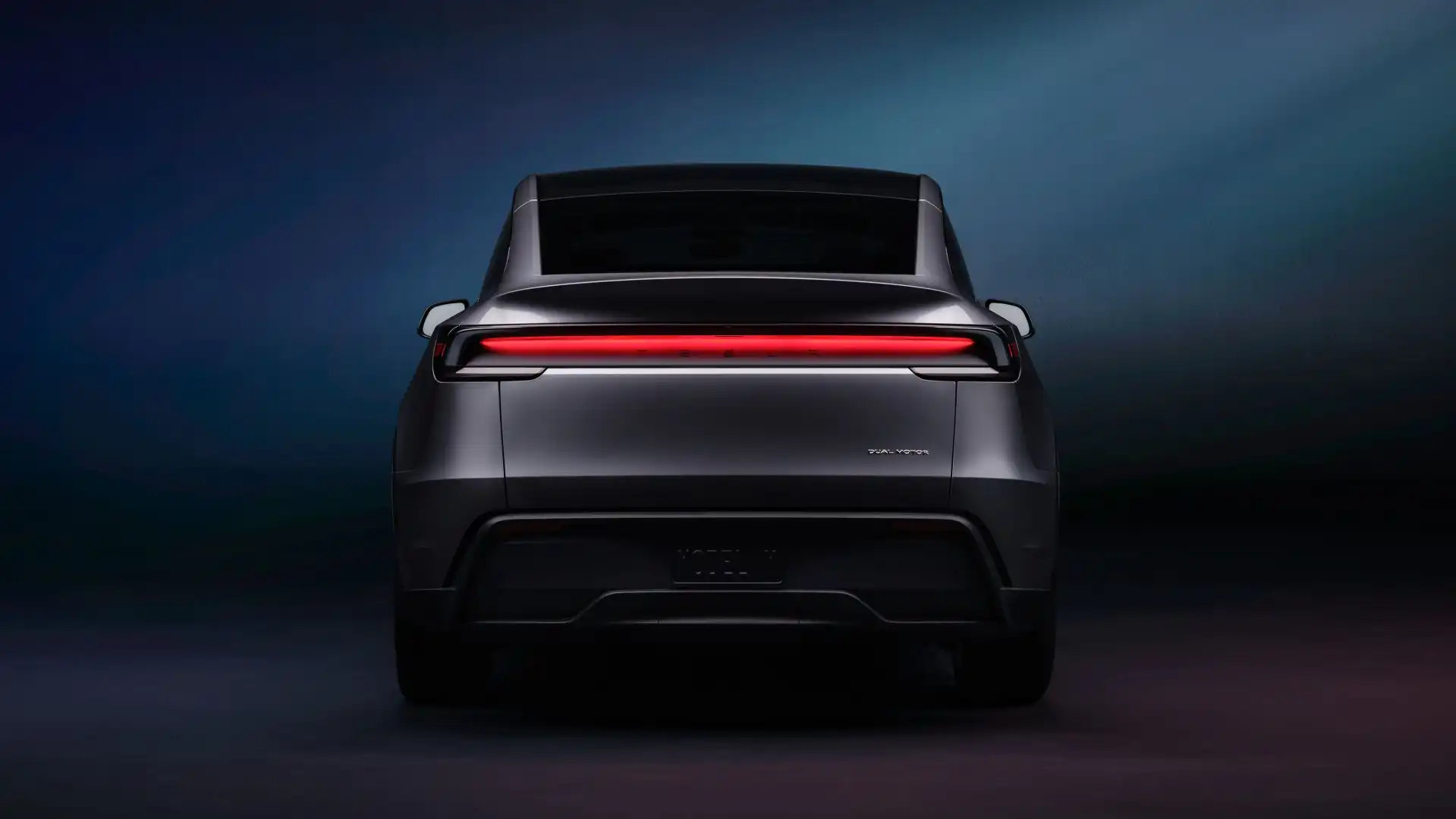
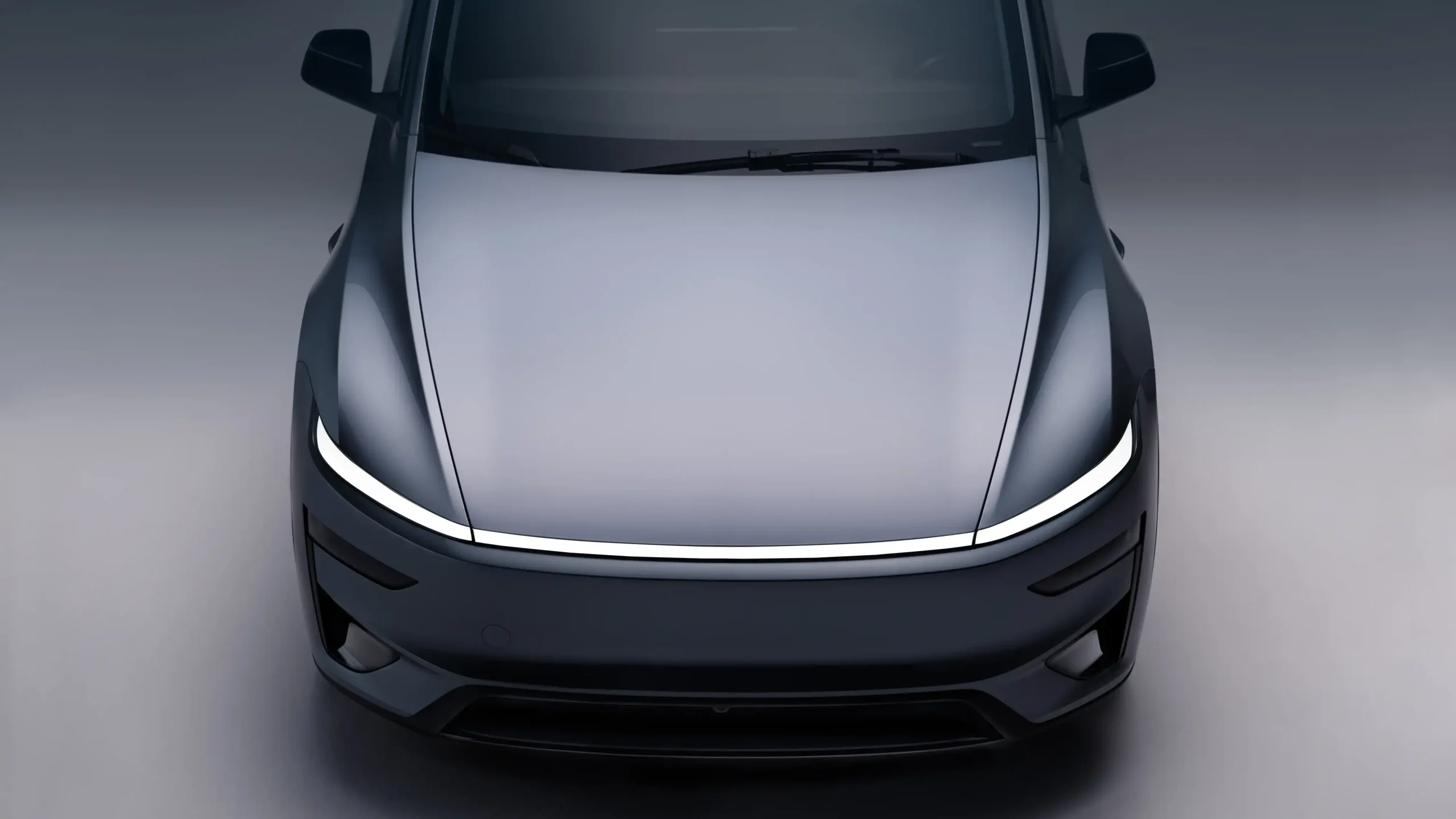
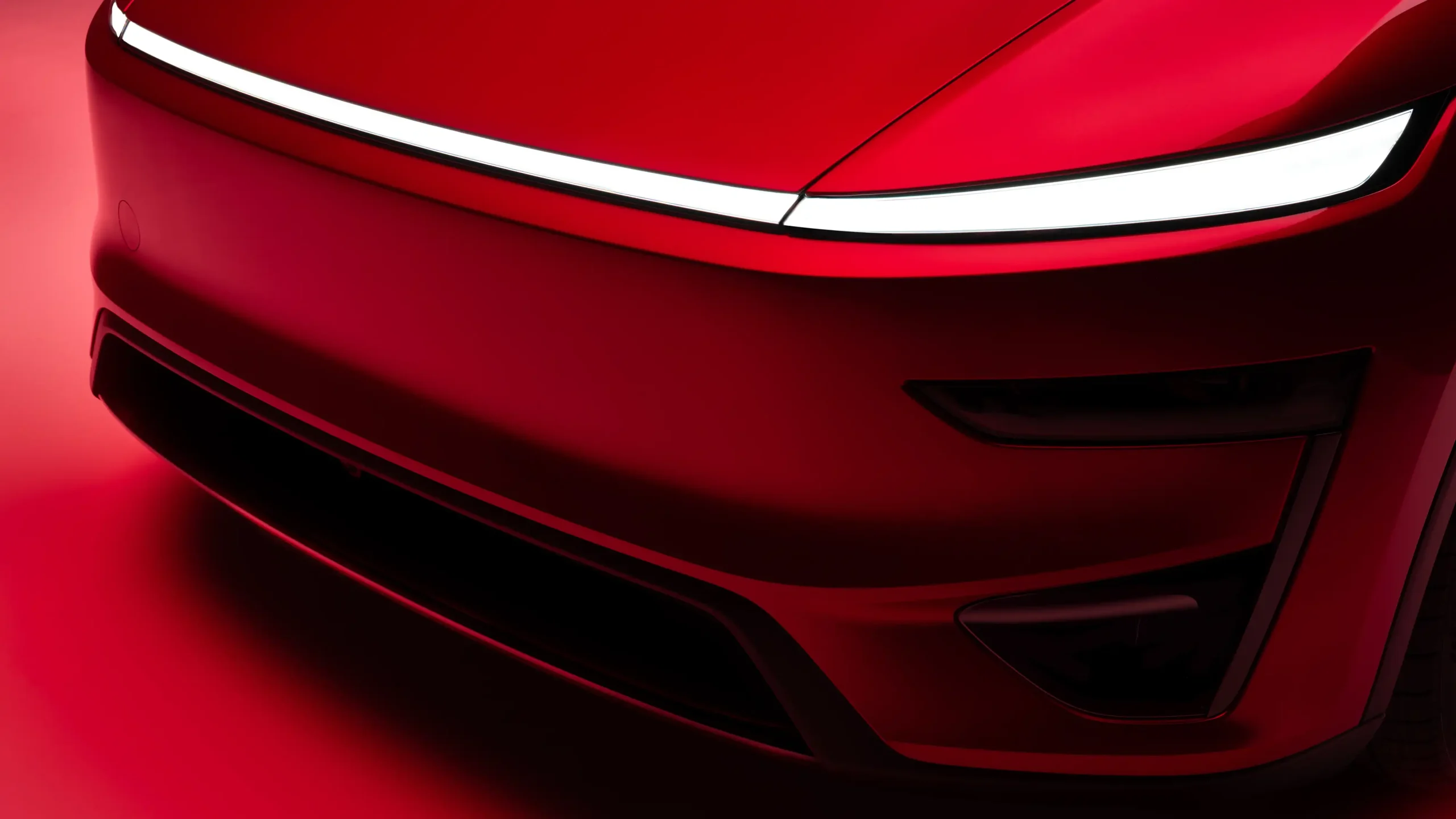
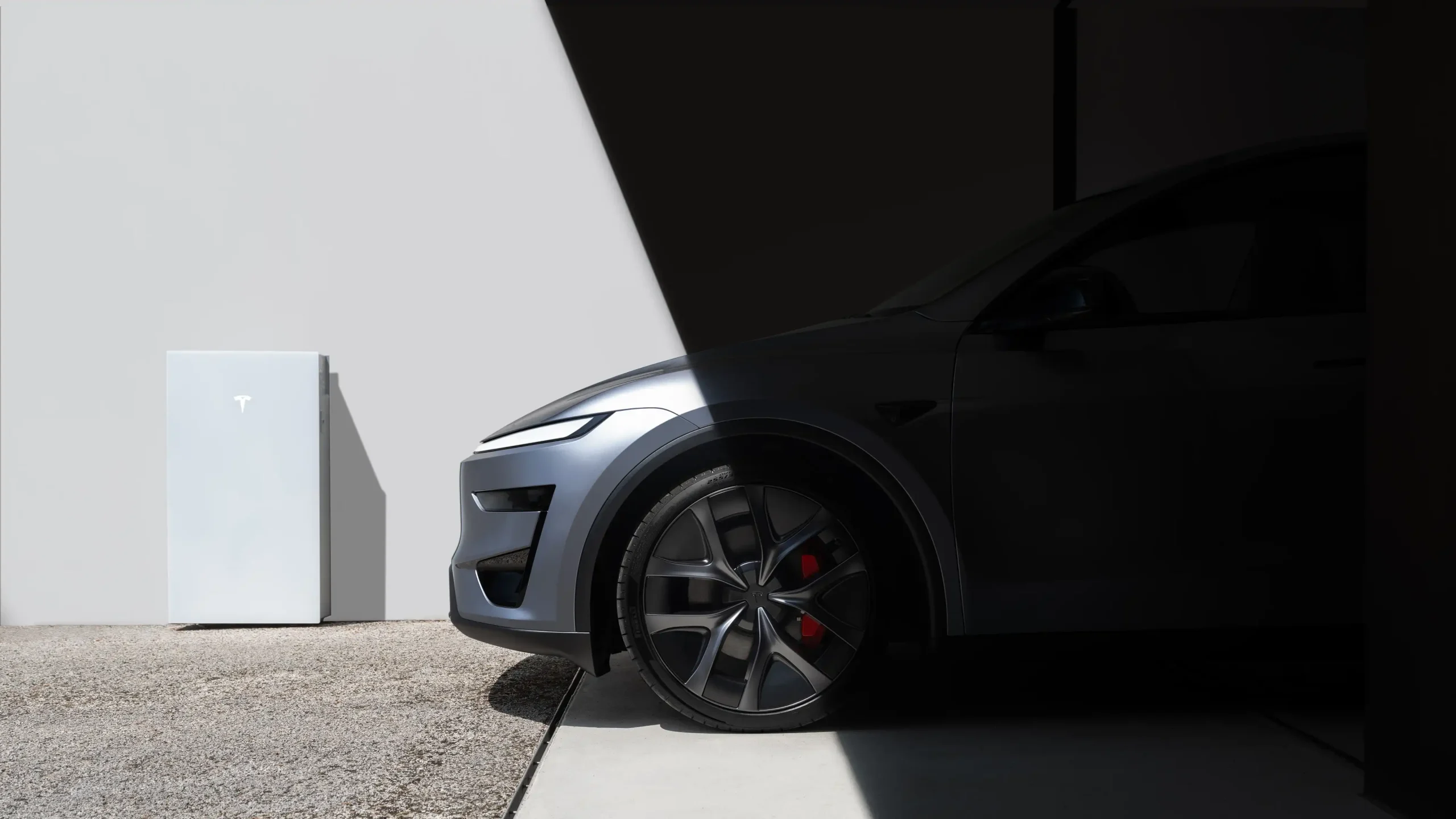
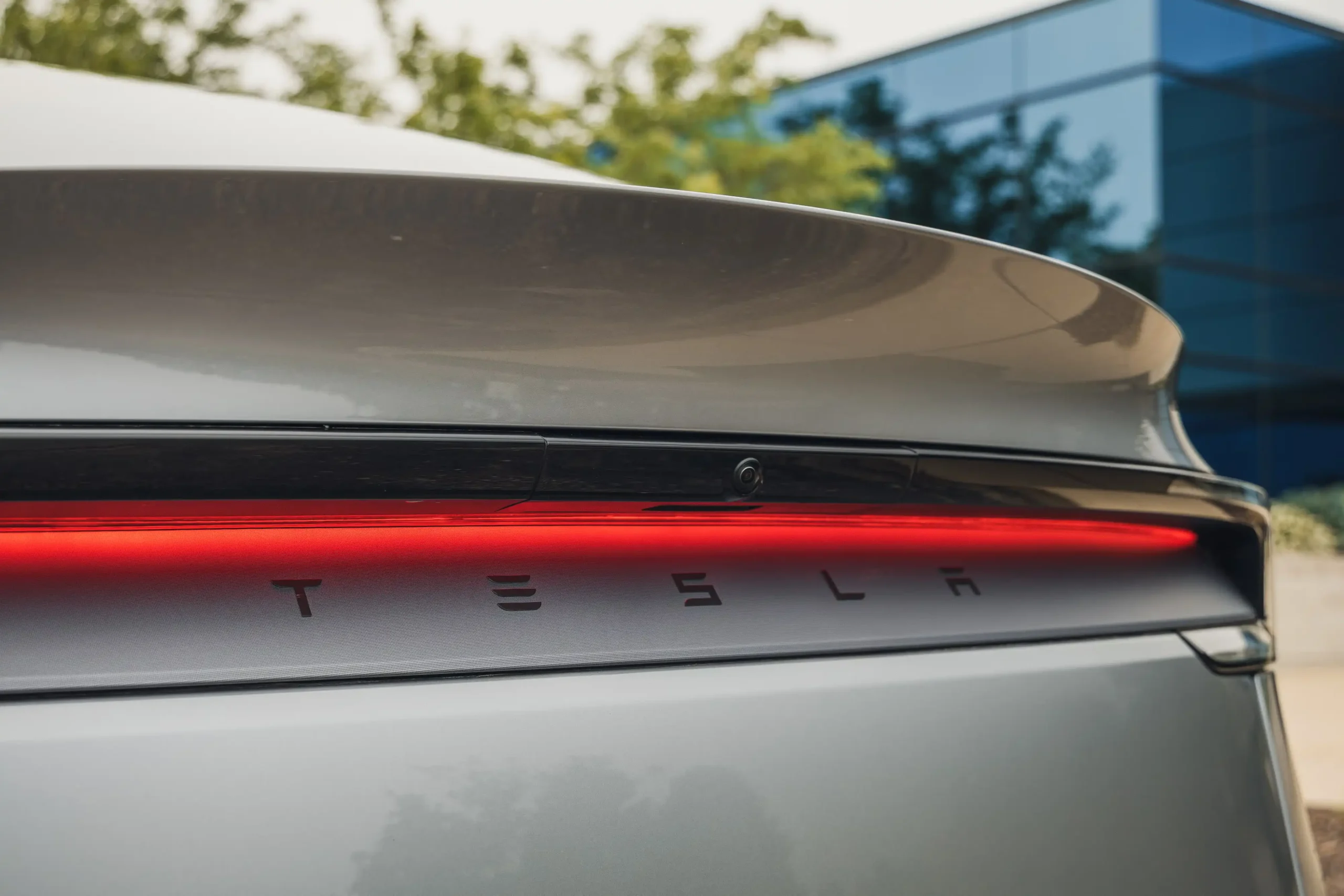
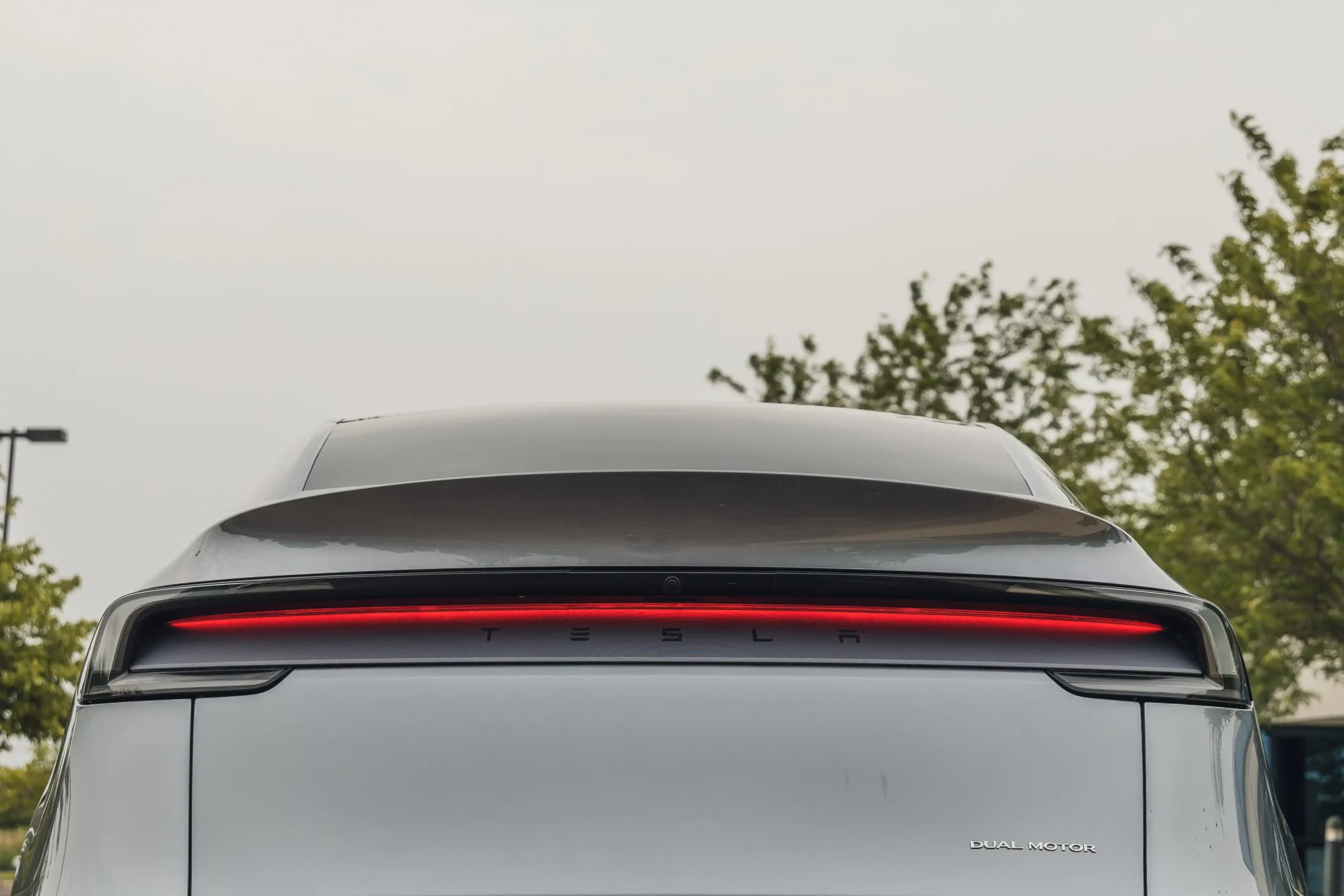
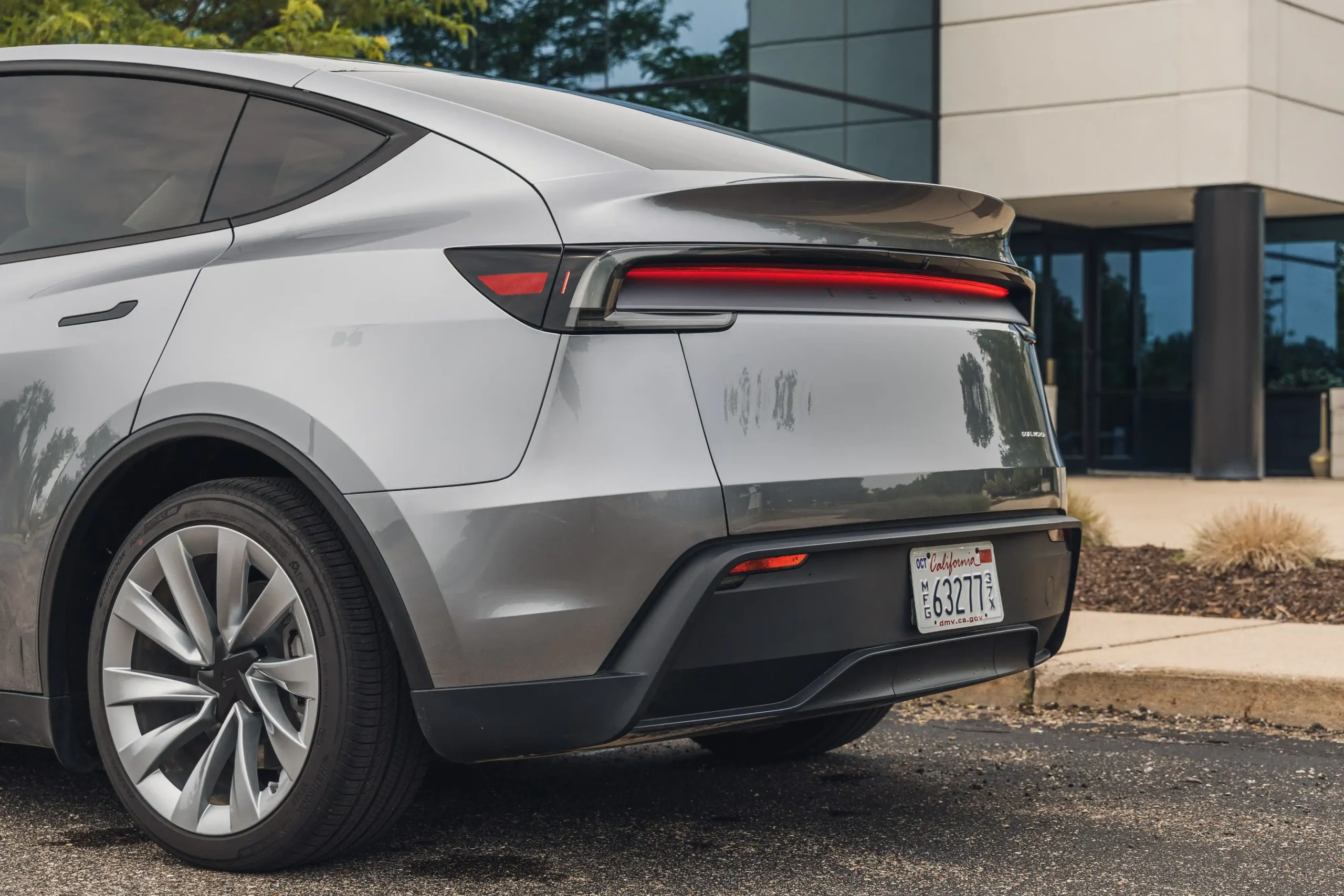
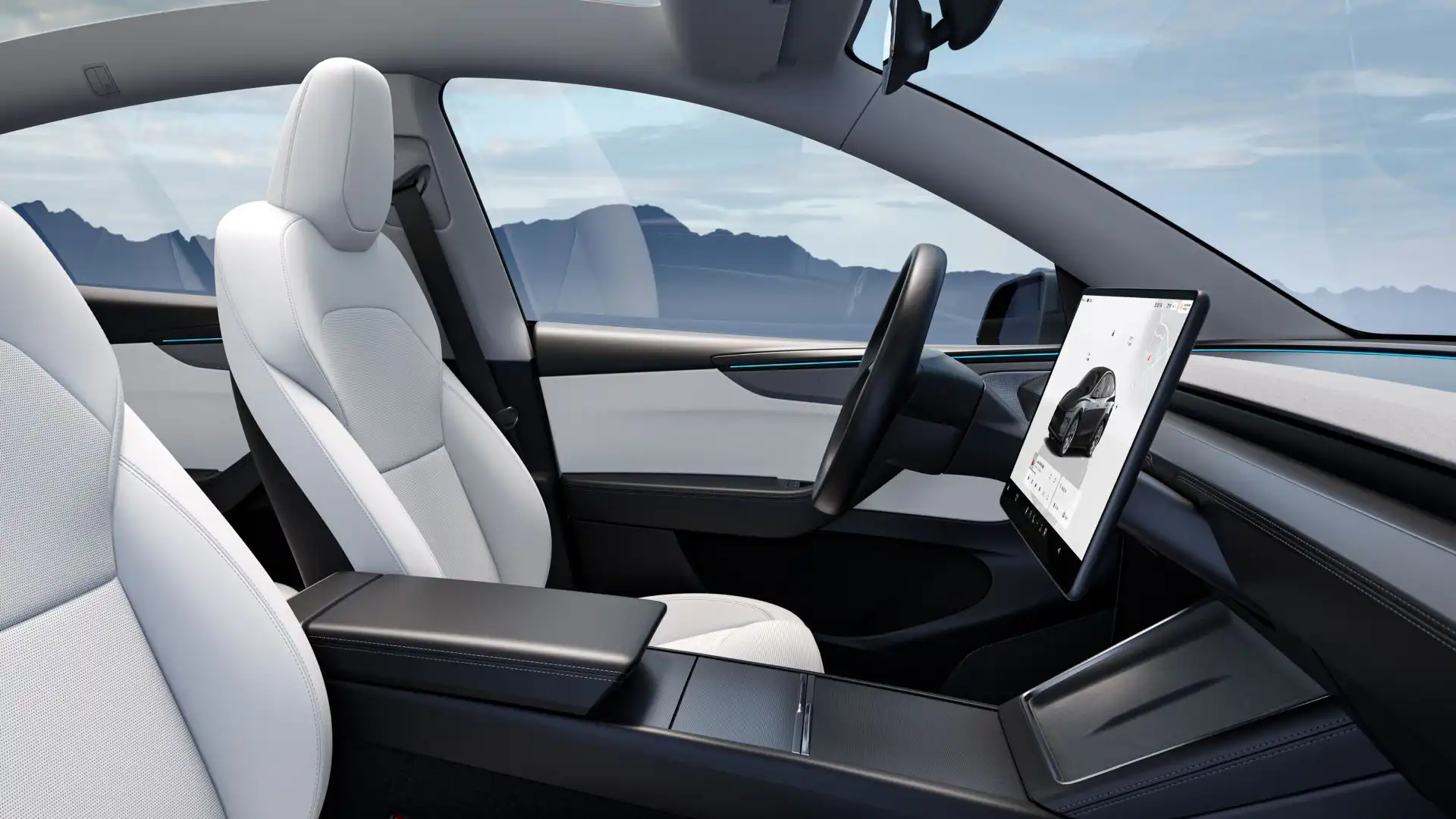
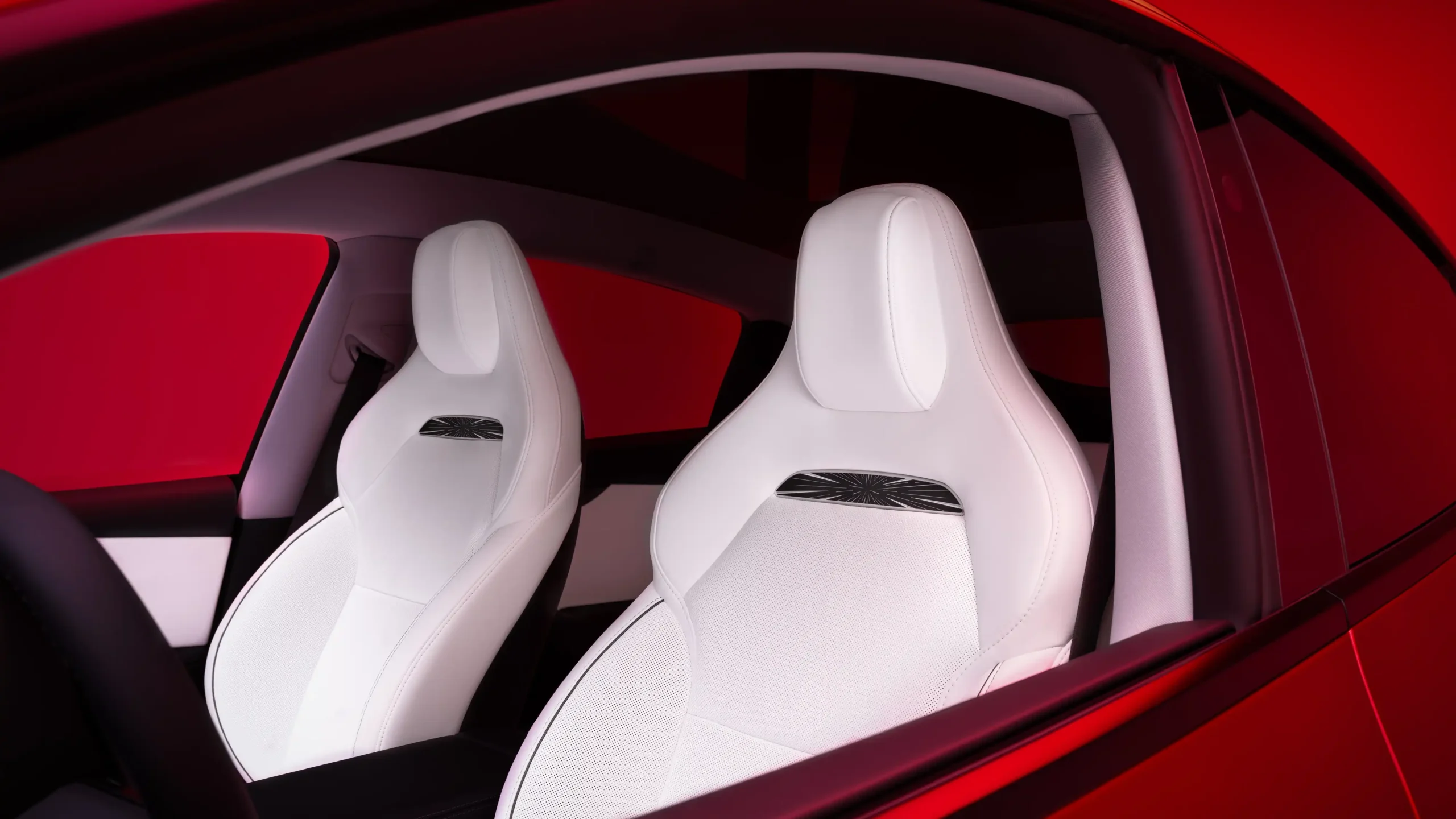
As the federal EV tax credit deadline approached, Tesla chose the final hours to introduce the Performance variant of the Model Y AWD. The launch came almost a month after its European debut, but better late than never. What makes the 2026 Tesla Model Y Performance especially noteworthy is the addition of a long-awaited feature that many competing EVs have offered for years: vehicle-to-load (V2L) and vehicle-to-home (V2H) bi-directional charging.
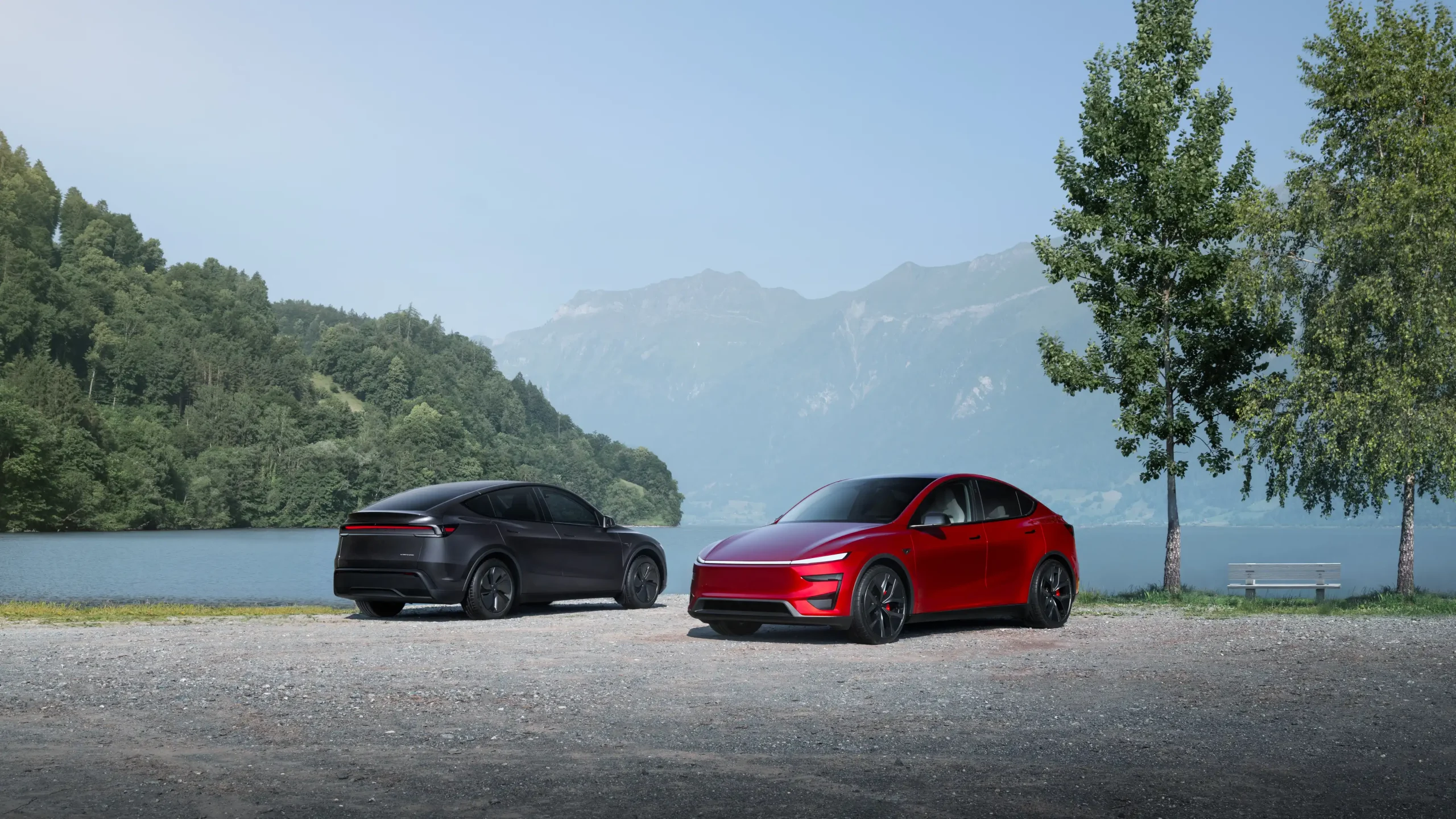
Priced at $59,130, the 2026 Tesla Model Y Performance lands as a relative bargain compared with rivals like the Hyundai Ioniq 5 N ($67,800) and the Chevrolet Blazer EV SS ($62,095), though it still sits slightly above the Ford Mustang Mach-E GT at $56,490. For the premium, Tesla delivers serious performance: a 0–60 mph sprint of 3.3 seconds, a 155-mph top speed, and an estimated 306 miles of range.

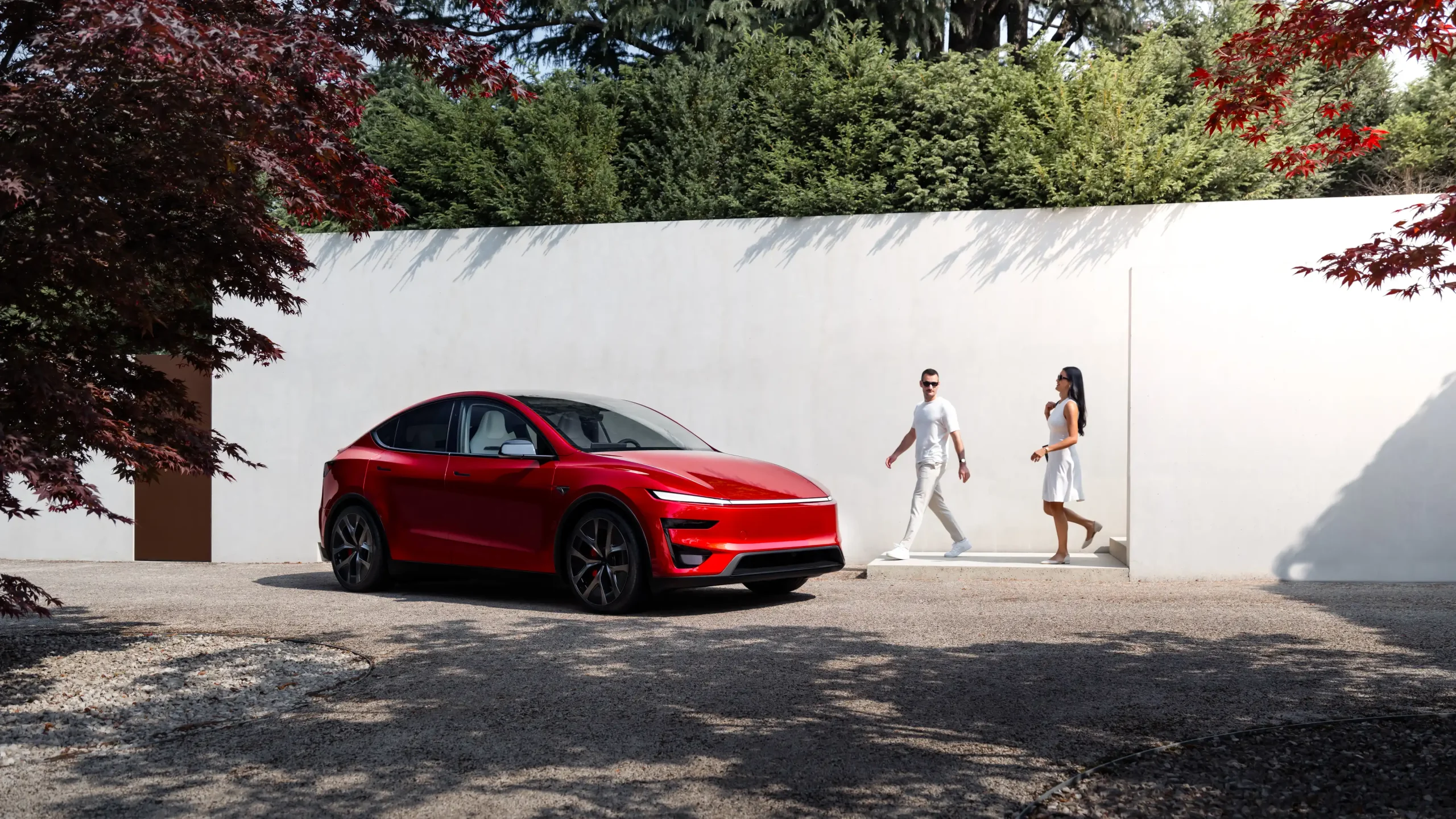
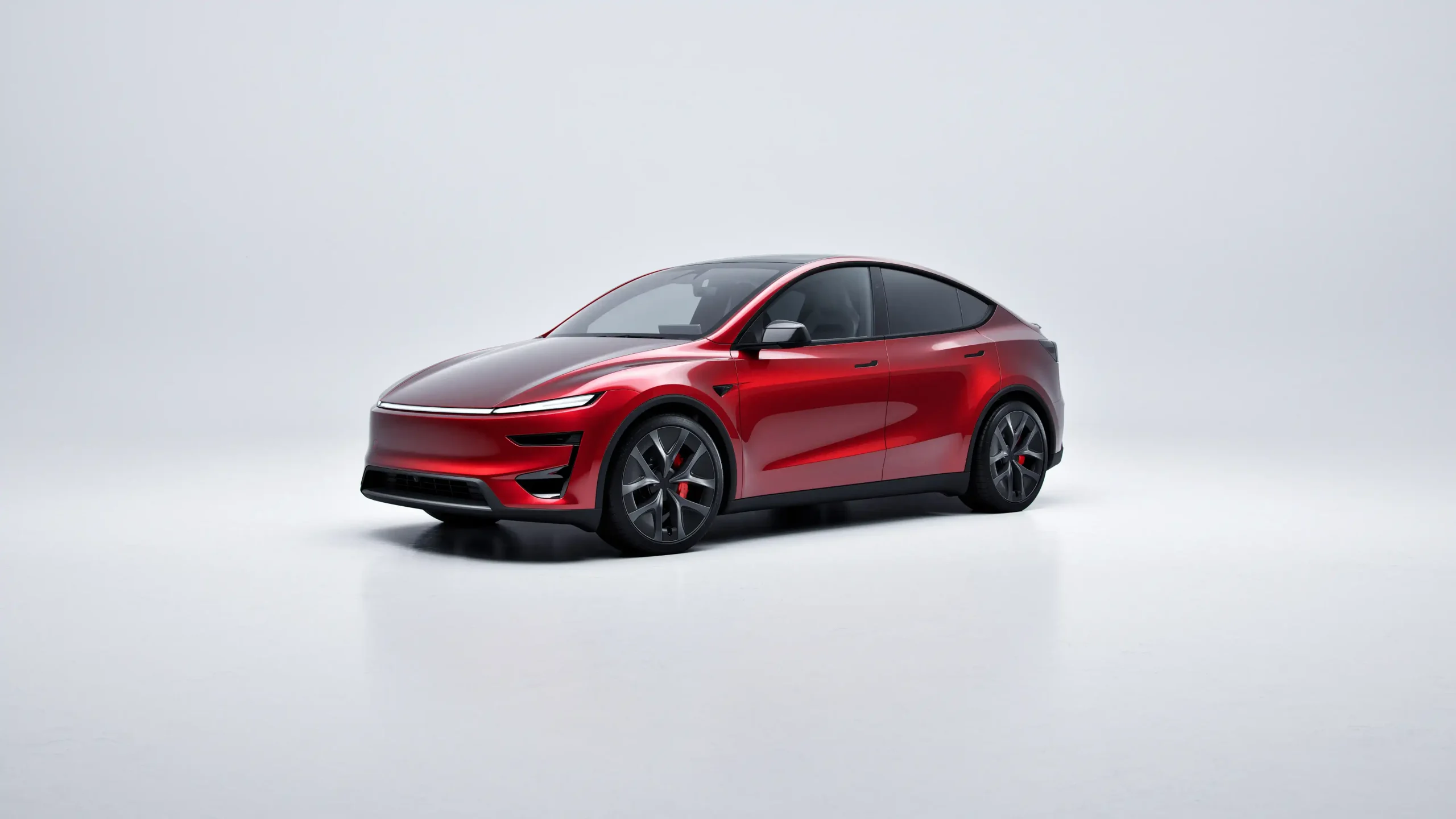
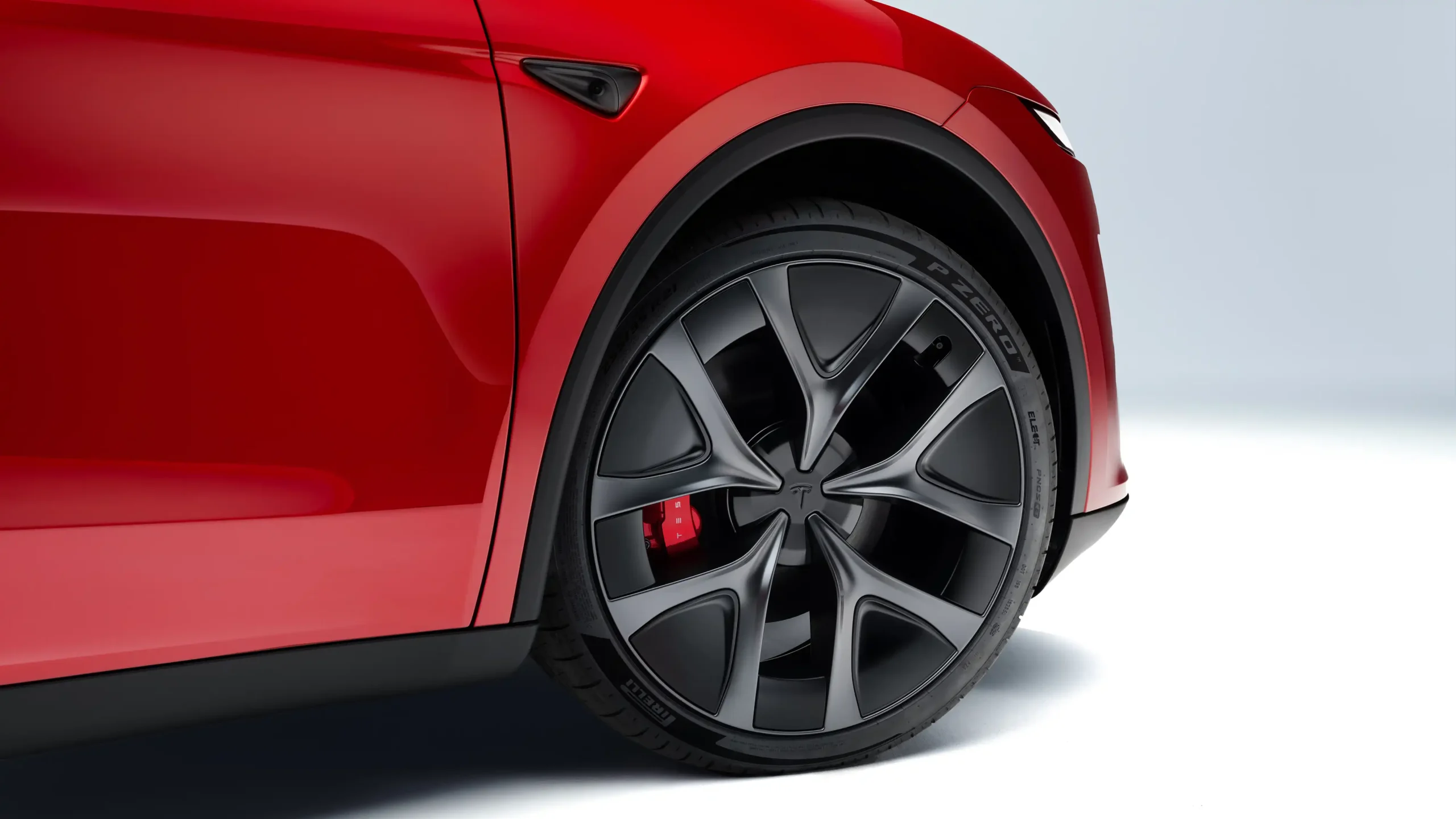
These gains come from the same Performance 4DU drive unit used in the 2026 Tesla Model Y Performance, generating 460 hp while holding energy consumption to 26.07 kWh per 100 miles. Power is put to the pavement through new 21-inch Arachnid 2.0 wheels paired with an updated adaptive suspension system exclusive to the Performance trim. Tesla has outfitted the model with revised springs, anti-roll bars, bushings, and refreshed front suspension geometry, all aimed at sharper handling than the standard Model Y AWD.
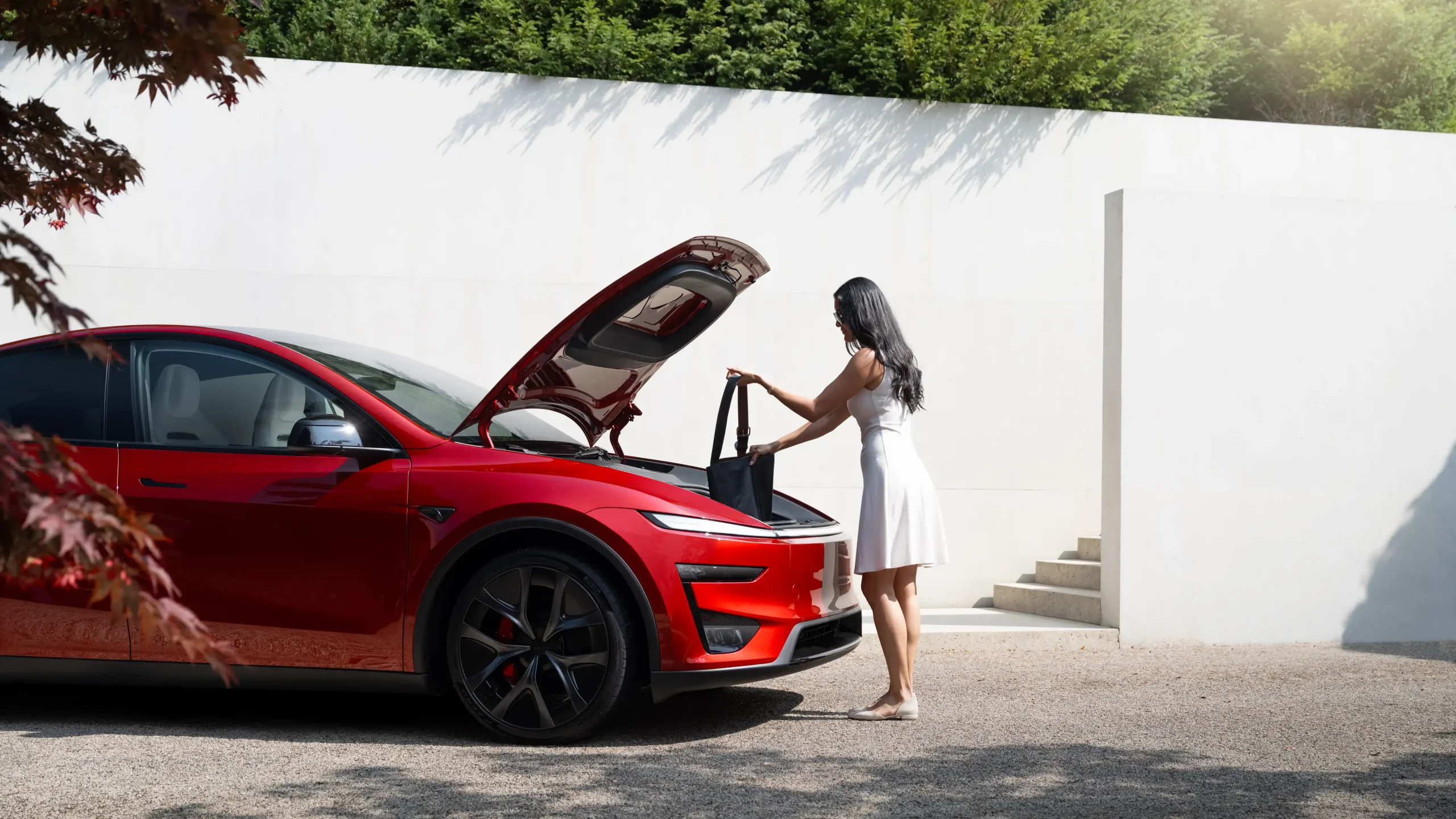
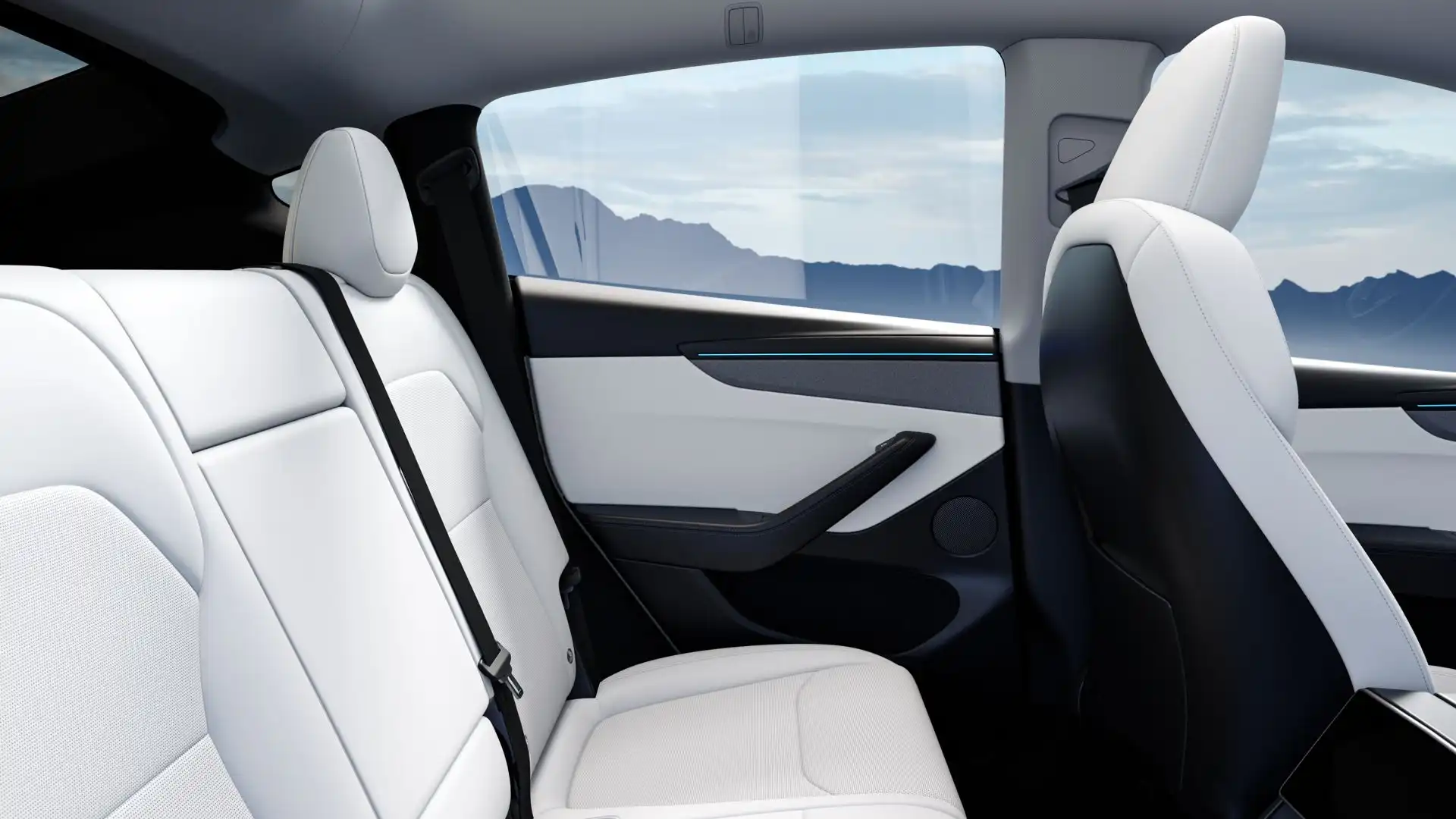
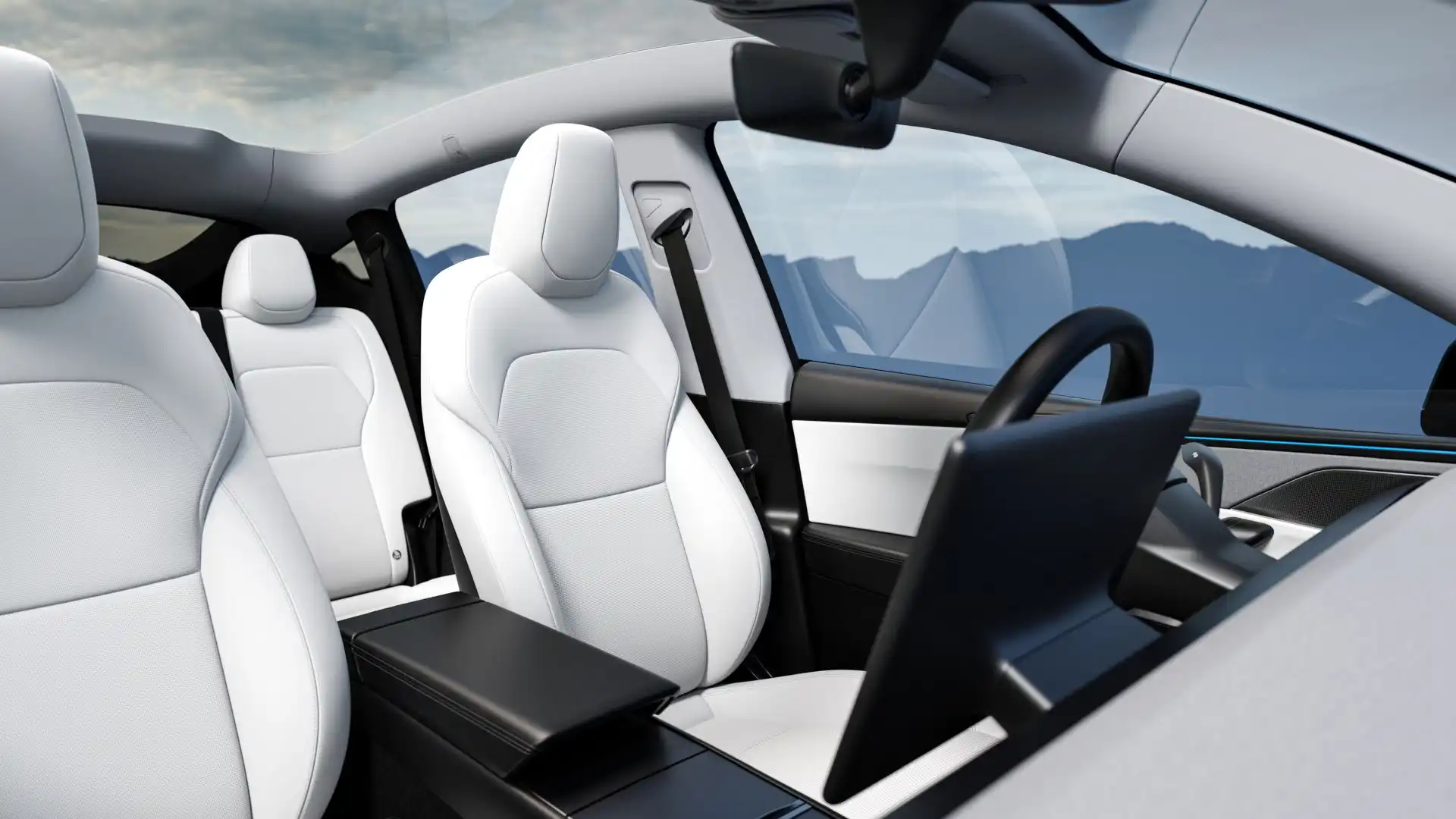
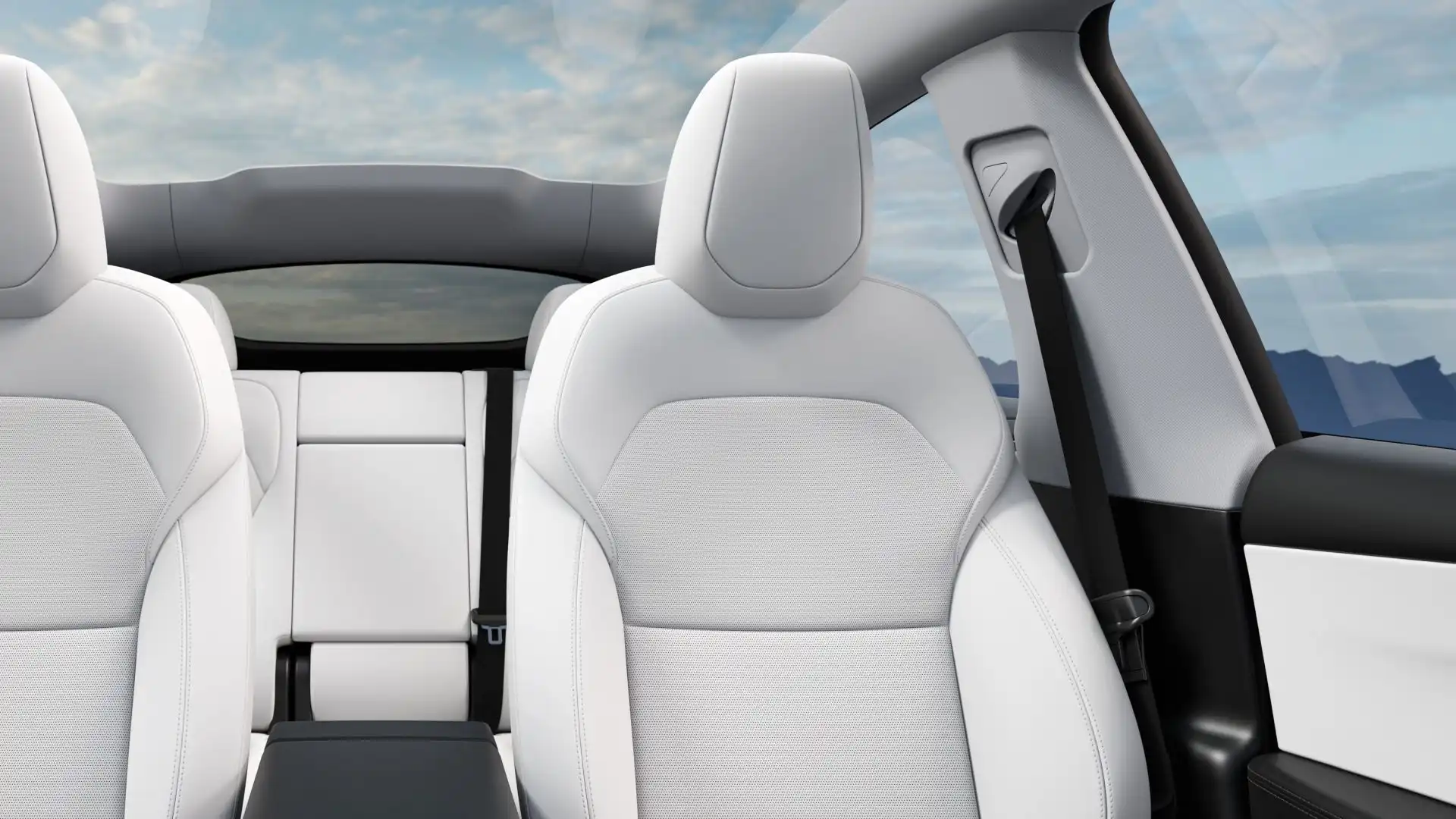
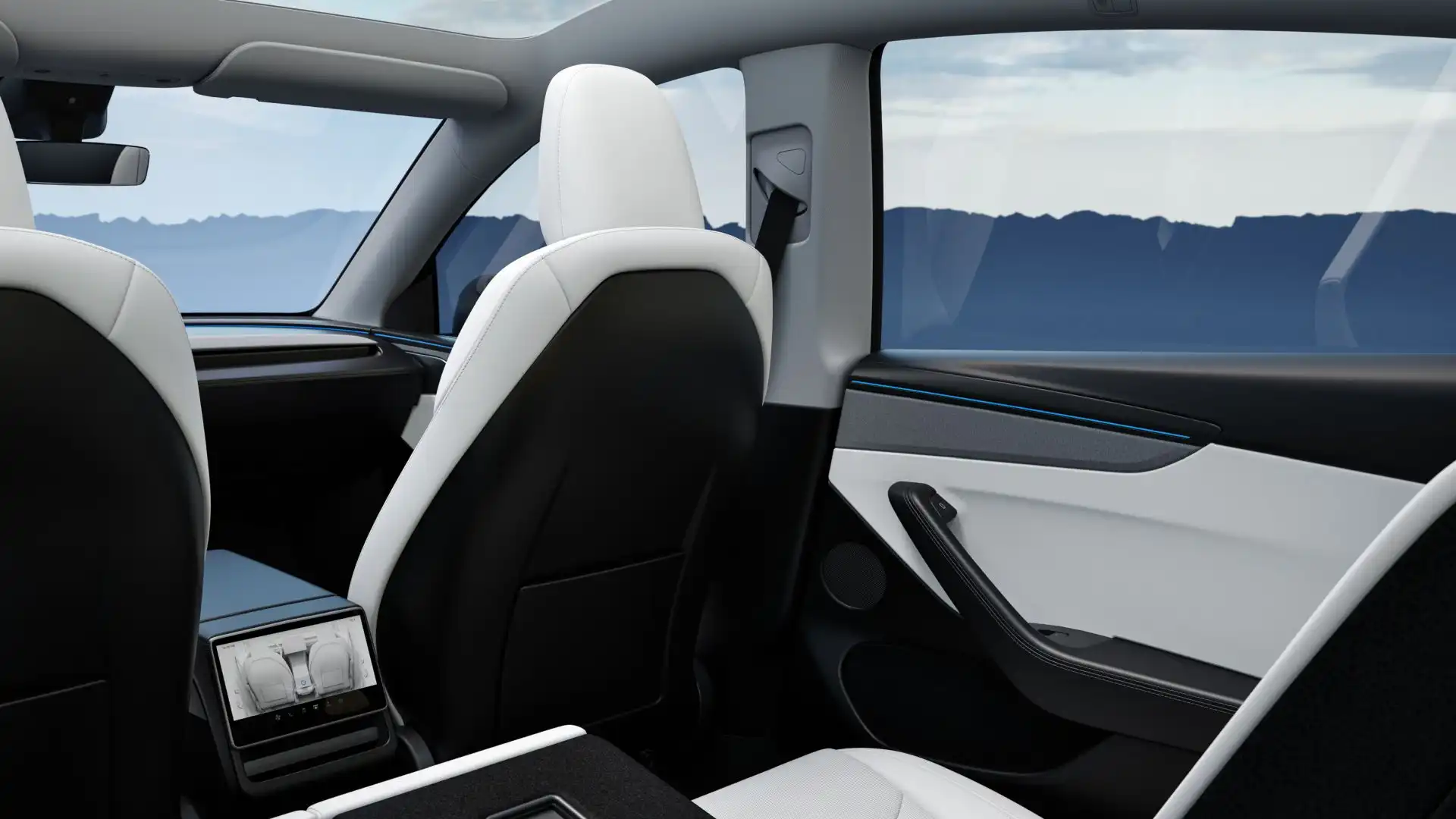
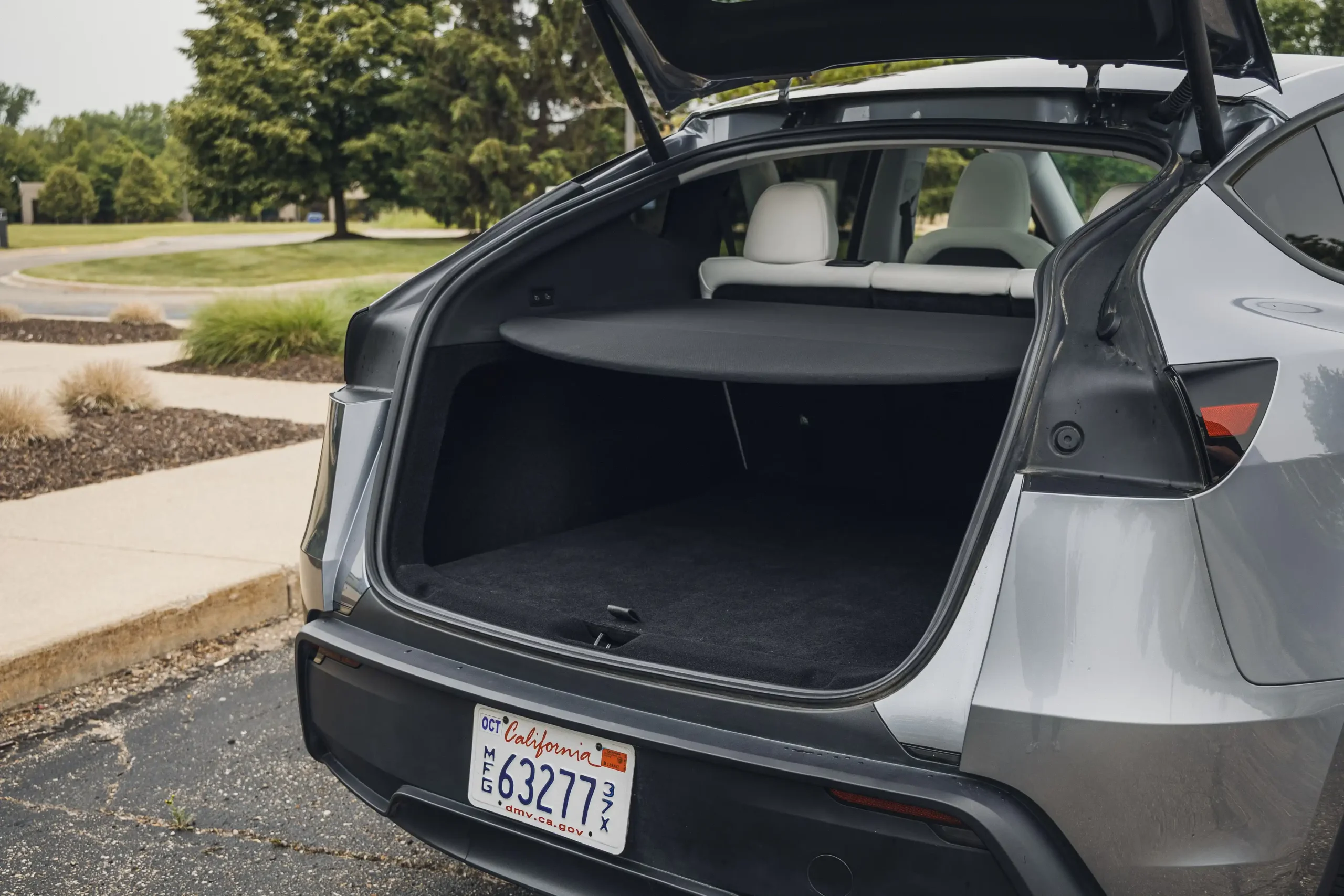
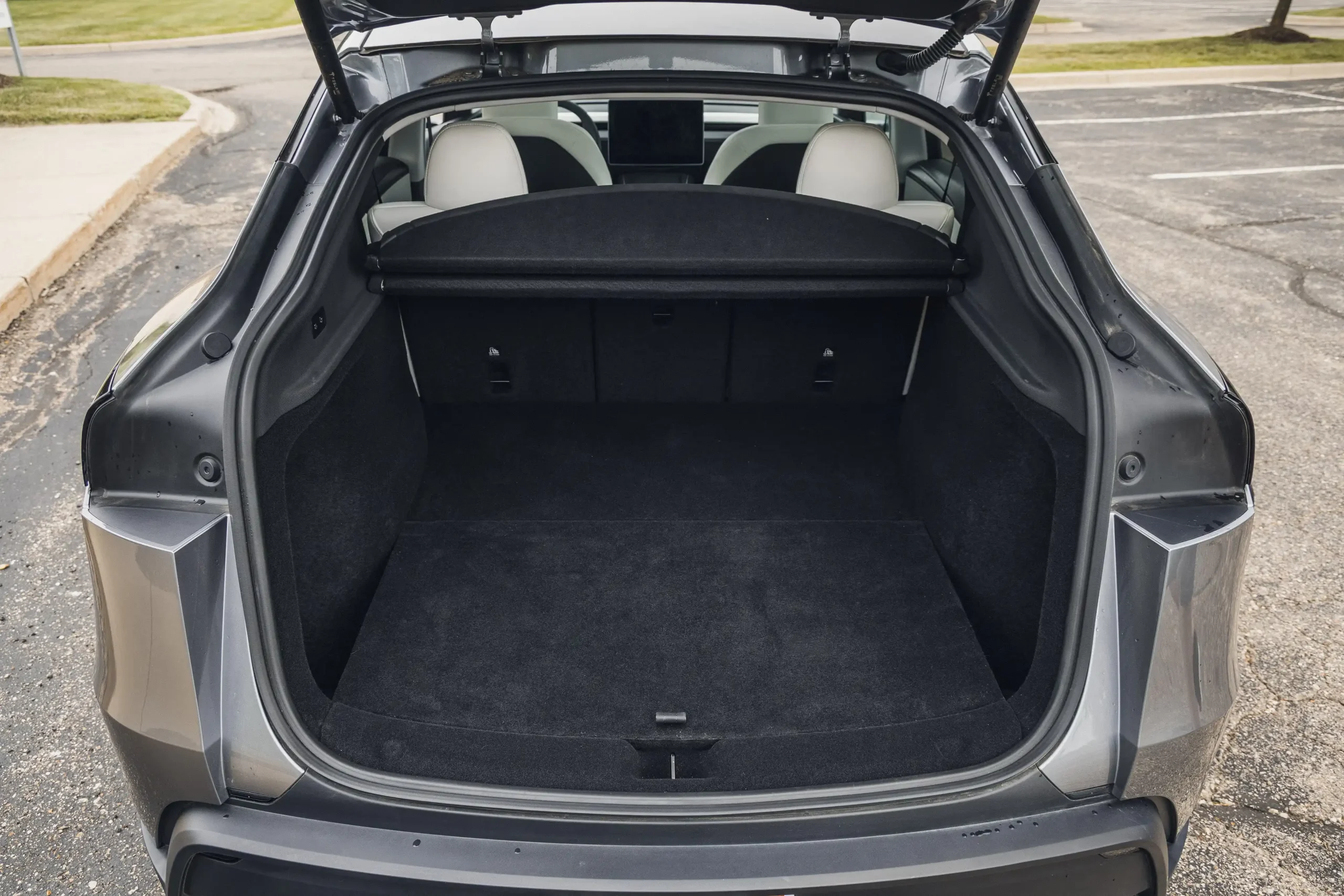
Despite the performance focus, the 2026 Tesla Model Y Performance remains practical, maintaining a 3,500-pound towing capacity thanks to its standard towing package and Class II tow bar.
When it comes to outright power, the Hyundai Ioniq 5 N easily tops the segment with a combined 641 hp, including up to 406 hp from its rear motor alone. That output launches it to 60 mph in just 2.8 seconds—clearly outperforming the Model Y Performance. The tradeoff, however, is range: the Ioniq 5 N manages only about 221 miles on a full charge.
Chevrolet’s Blazer EV SS follows with 615 hp and up to 370 hp from its rear drive unit. It clocks a 0–60 time of 3.4 seconds and delivers an estimated 303 miles of range, narrowly trailing the Model Y Performance in both acceleration and driving distance.
Ford’s Mustang Mach-E GT offers a combined 480 hp and matches Tesla’s 3.3-second 0–60 sprint. But while its performance is competitive, its maximum range of 280 miles still falls short of the Model Y Performance.
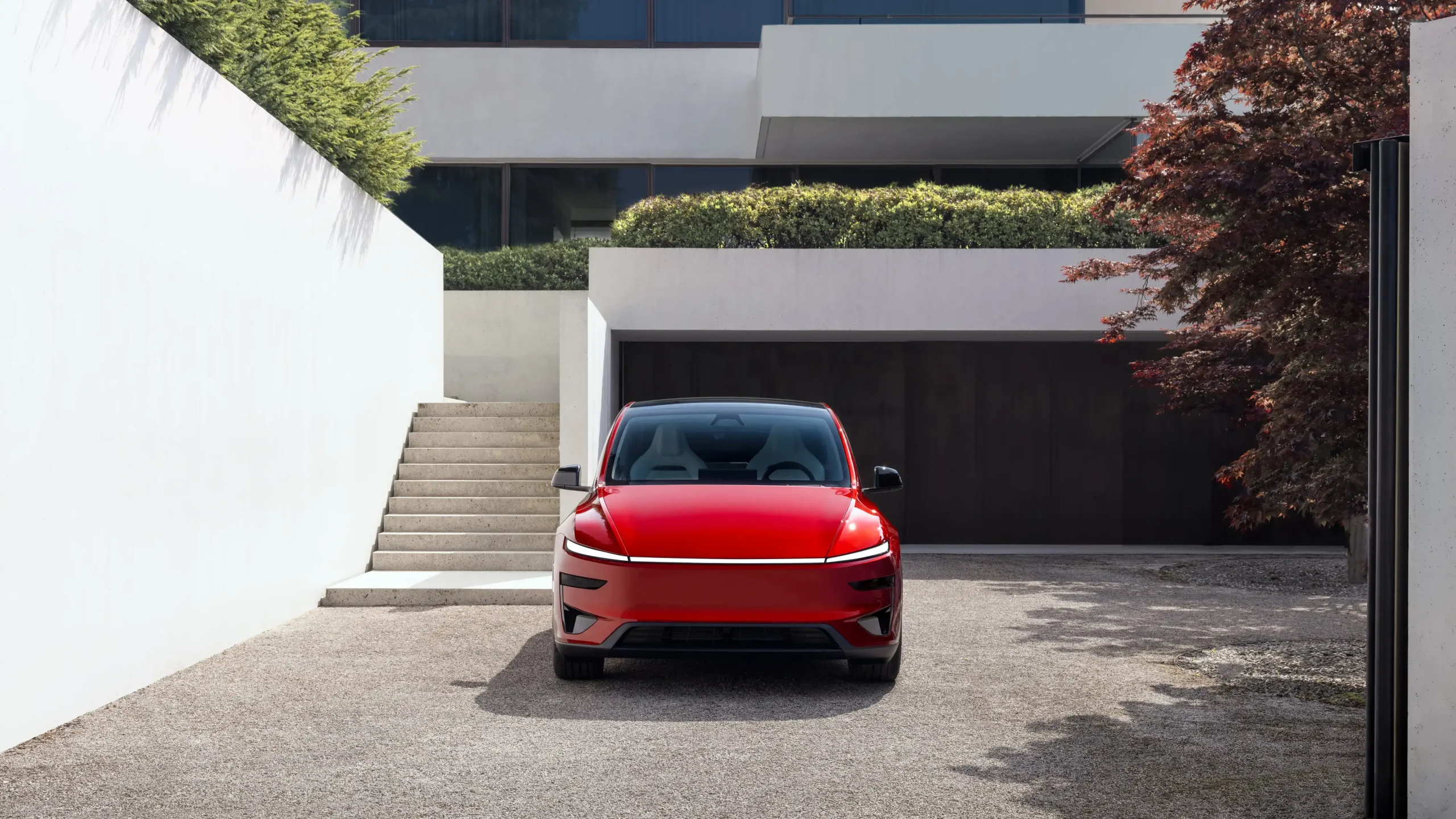
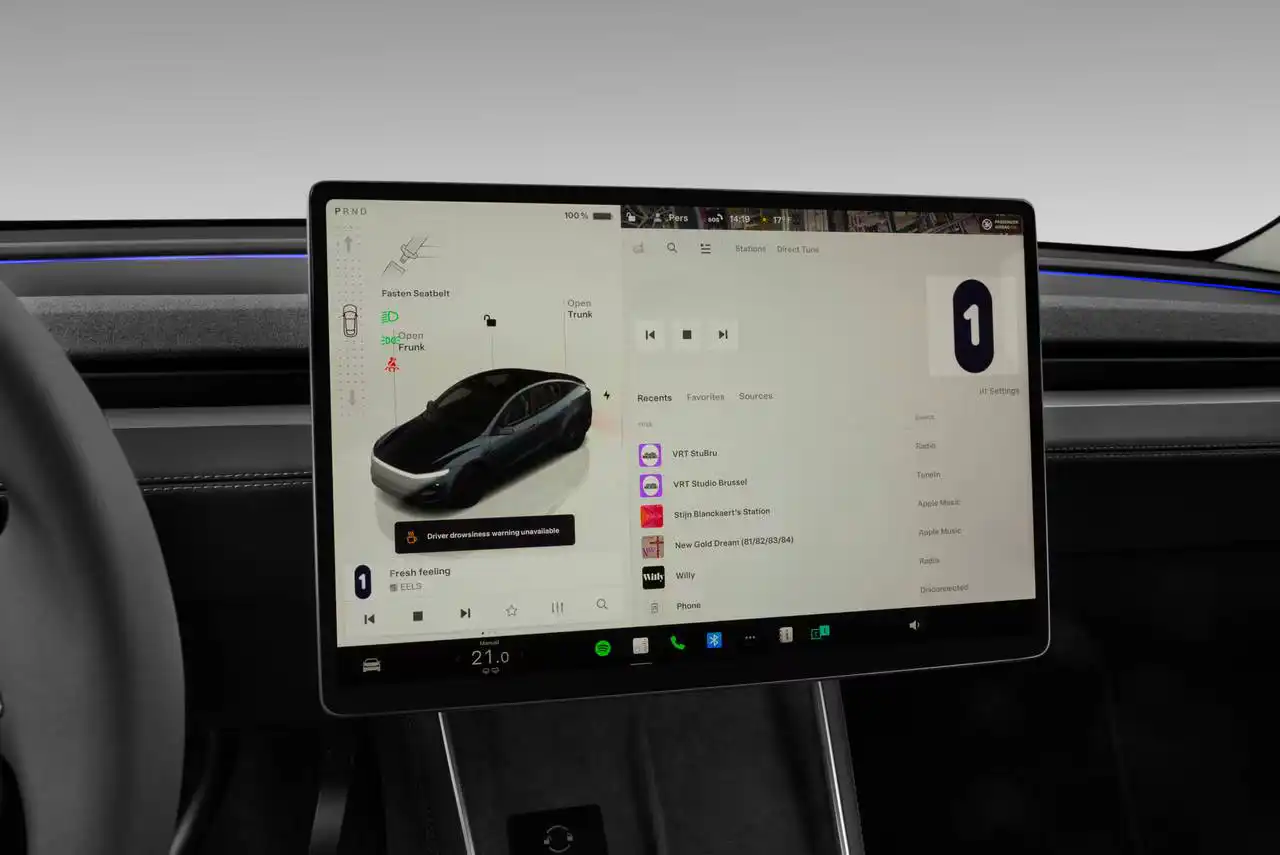
The 2026 Tesla Model Y Performance supports Tesla’s newly branded Full Self-Driving (Supervised) system, though adding the feature tacks on an additional $8,000, bringing the vehicle’s total price to $67,130. That makes the Y significantly pricier than competitors when equipped with similar driver-assistance tech. For instance, Ford’s BlueCruise on the Mustang Mach-E GT is a $2,000 one-time upgrade, keeping the Ford roughly $10,640 cheaper than a Model Y Performance with FSD.
Chevrolet goes a step further with the Blazer EV SS, including Super Cruise at no cost for the first three years of ownership. That makes it $5,035 less expensive than the FSD-equipped Model Y—at least until the required OnStar Super Cruise subscription kicks in at $39.99 per month. The key advantage for Tesla remains coverage: FSD can operate on nearly any road, while both Super Cruise and BlueCruise require pre-mapped highway networks.
Hyundai’s Ioniq 5 N lacks a hands-free system entirely. Instead, it offers a more traditional hands-on driver-assist suite, featuring adaptive cruise control and lane-change assistance.


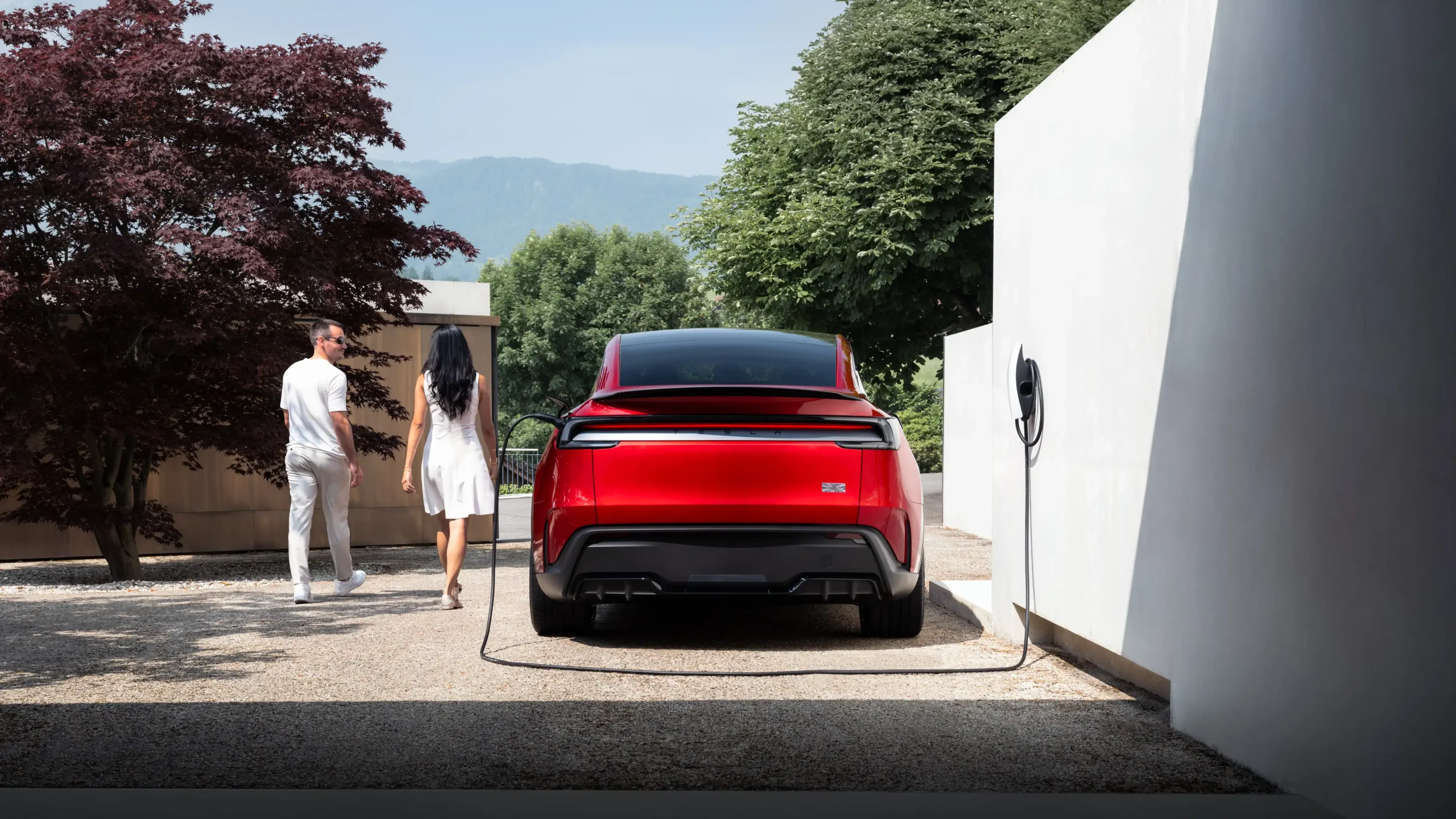
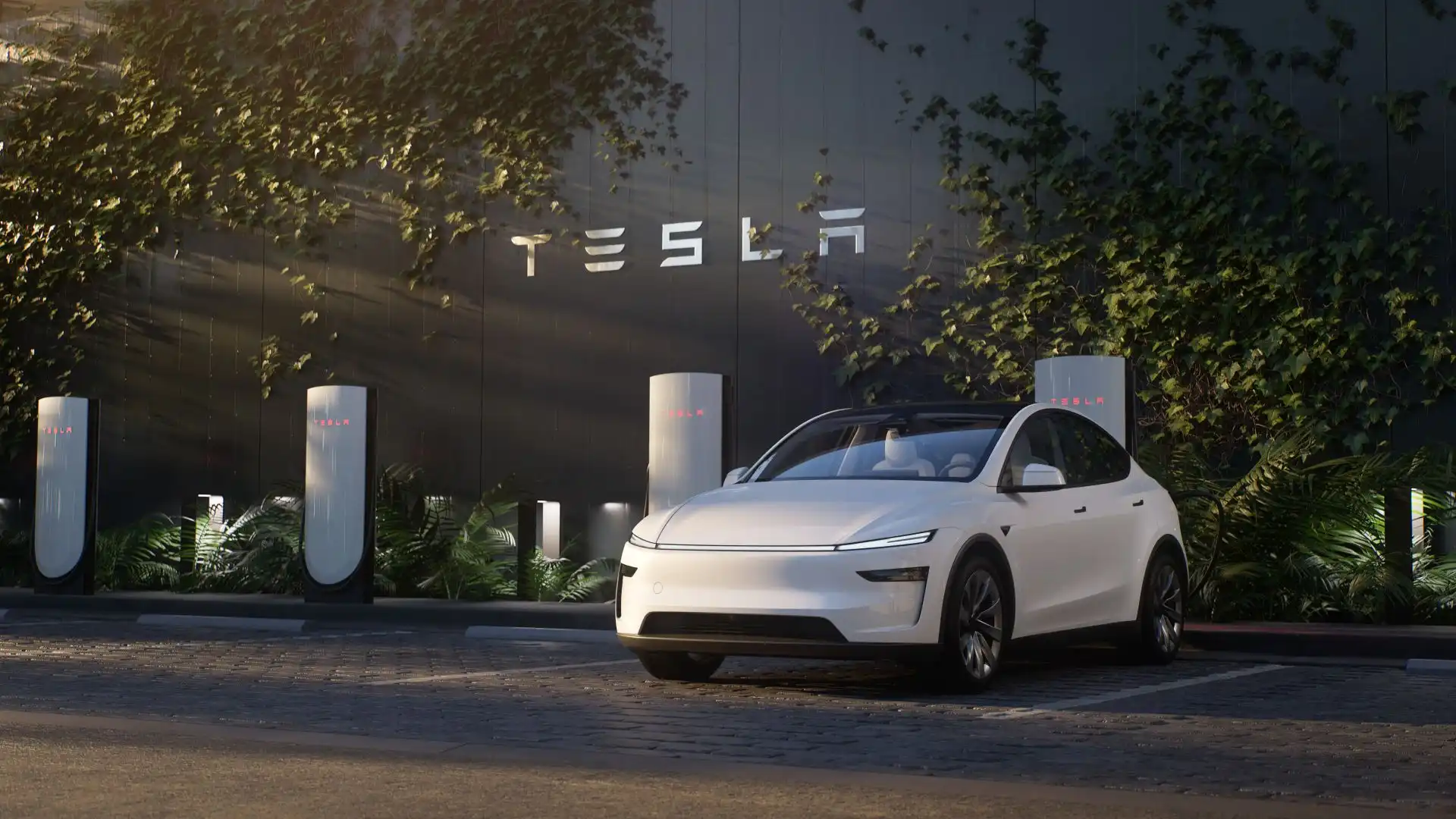
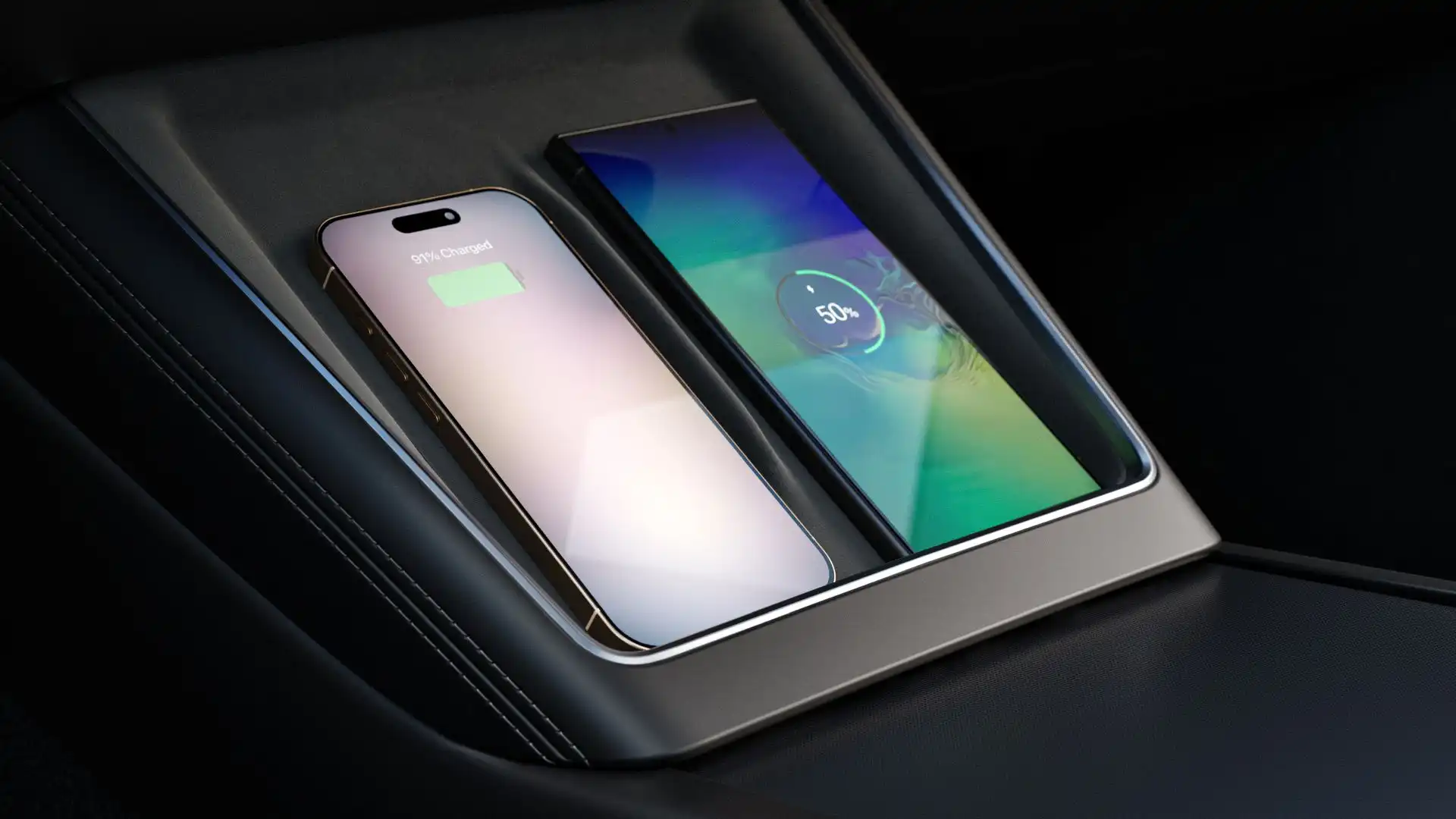
One feature the Hyundai Ioniq 5 N has offered from day one is vehicle-to-load (V2L) capability, allowing drivers to tap into the car’s high-voltage battery to power appliances during travel or home outages. Tesla has finally matched that functionality on the Model Y Performance, but only with the purchase of two separate accessories. Owners need the $300 Tesla Mobile Connector—which also enables charging from standard NEMA 5-15 (120-volt) and NEMA 14-50 (240-volt) outlets—along with the $80 Powershare Outlet Adapter. That adapter delivers up to 2.4 kW through a pair of 120-volt, 20-amp NEMA 5-15 outlets.
Hyundai’s setup is far simpler. The Ioniq 5 N requires only one V2L adapter, priced between $93 for third-party options like the Lectron unit and $270 for Hyundai’s official accessory. While NACS V2L adapters have existed before Tesla’s official solution, most have been considered unreliable.
Chevrolet takes a different approach with the Blazer EV SS, offering vehicle-to-home (V2H) capability instead of V2L. Its wall-mounted bi-directional charger costs $1,999 before installation, but the investment provides full home-backup functionality while also serving as the vehicle’s everyday charging station.
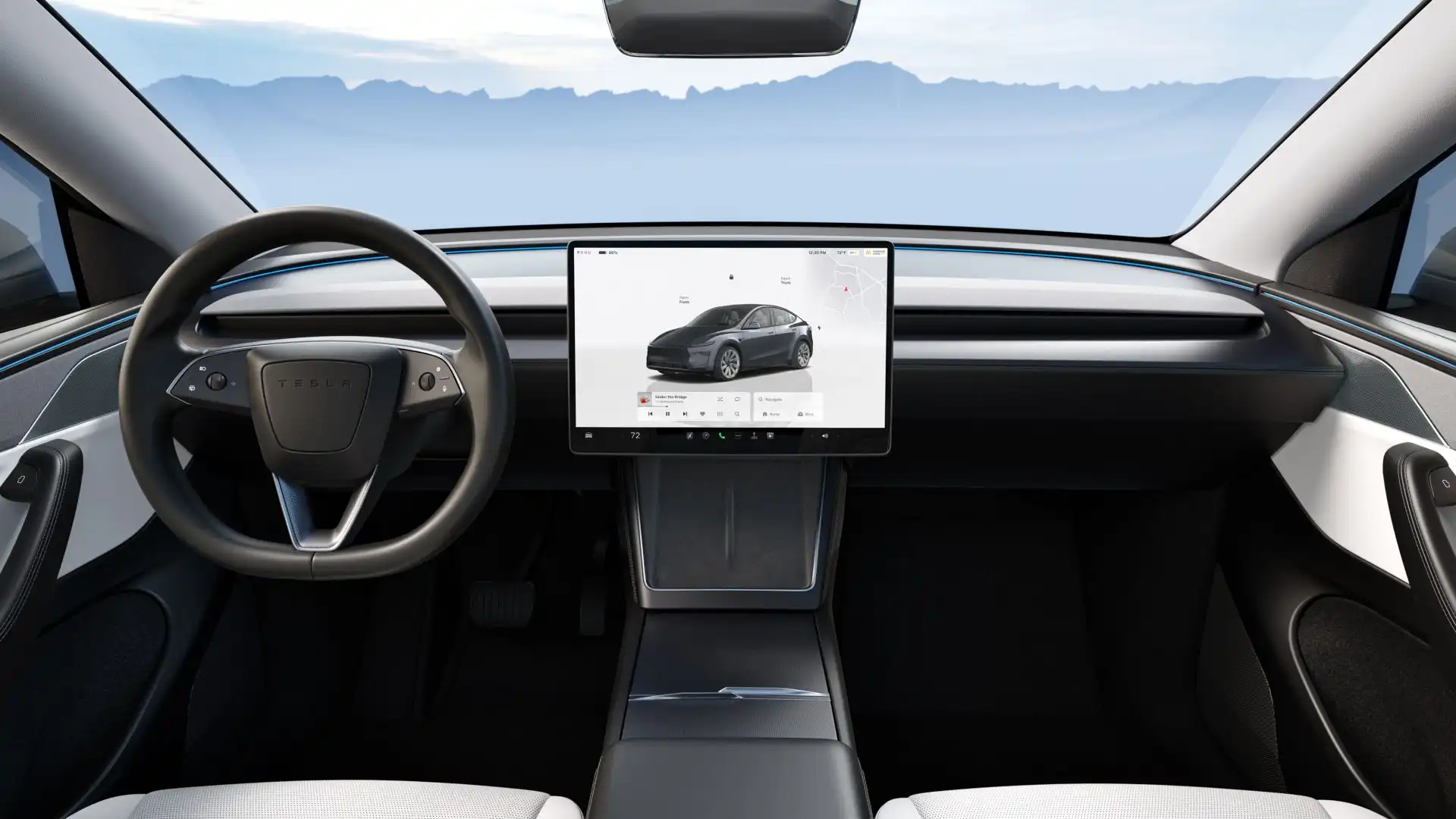
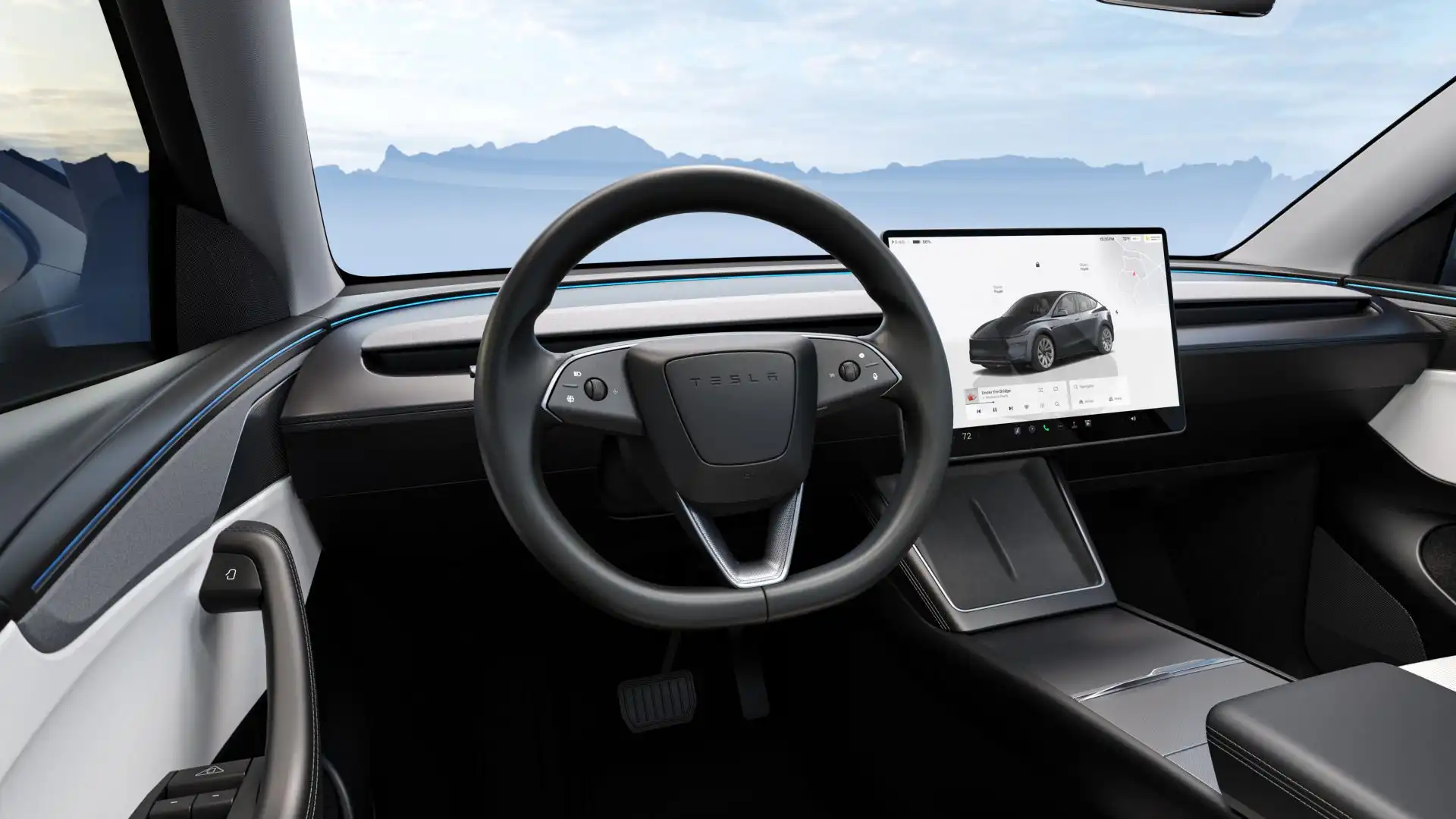
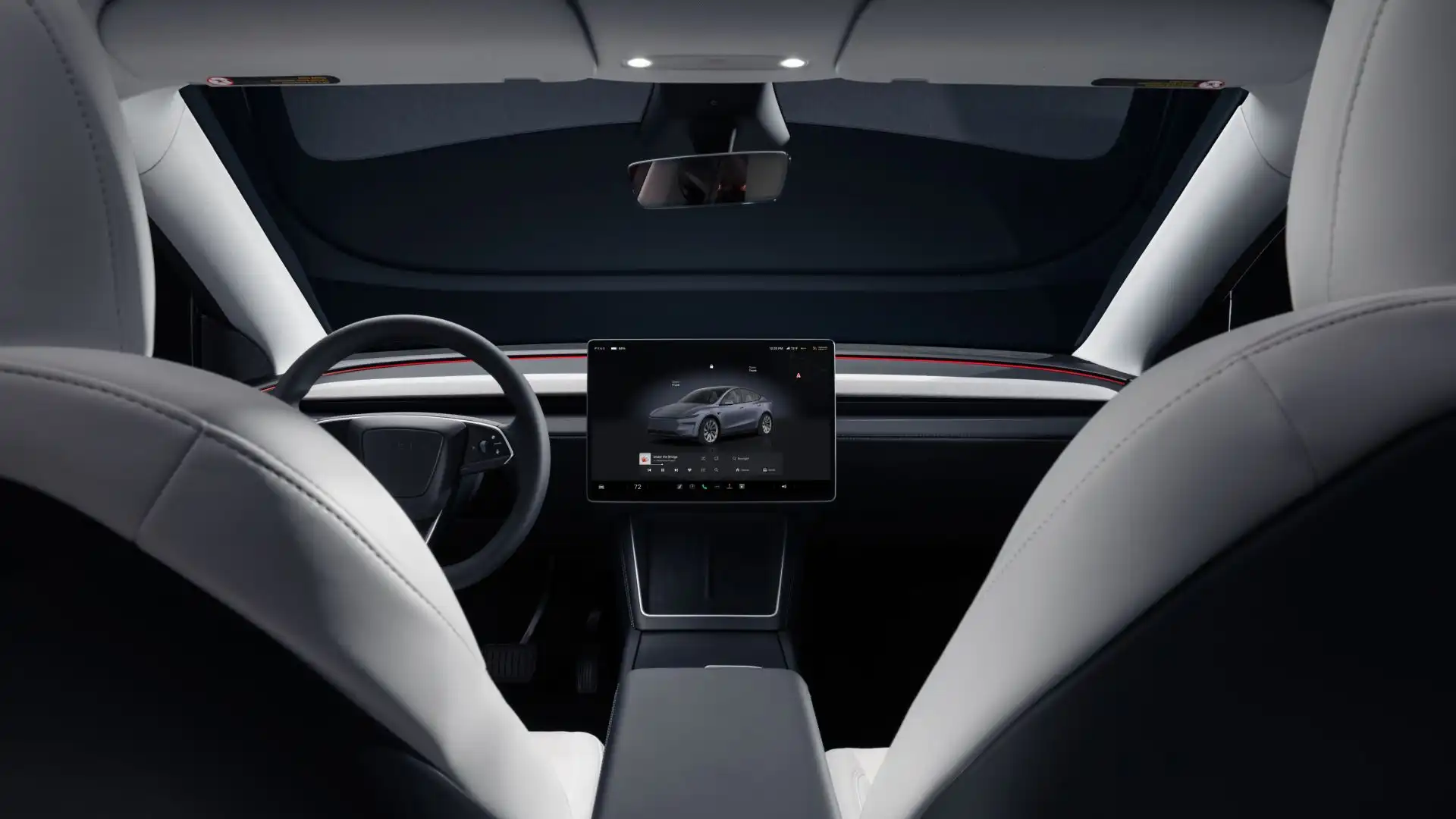
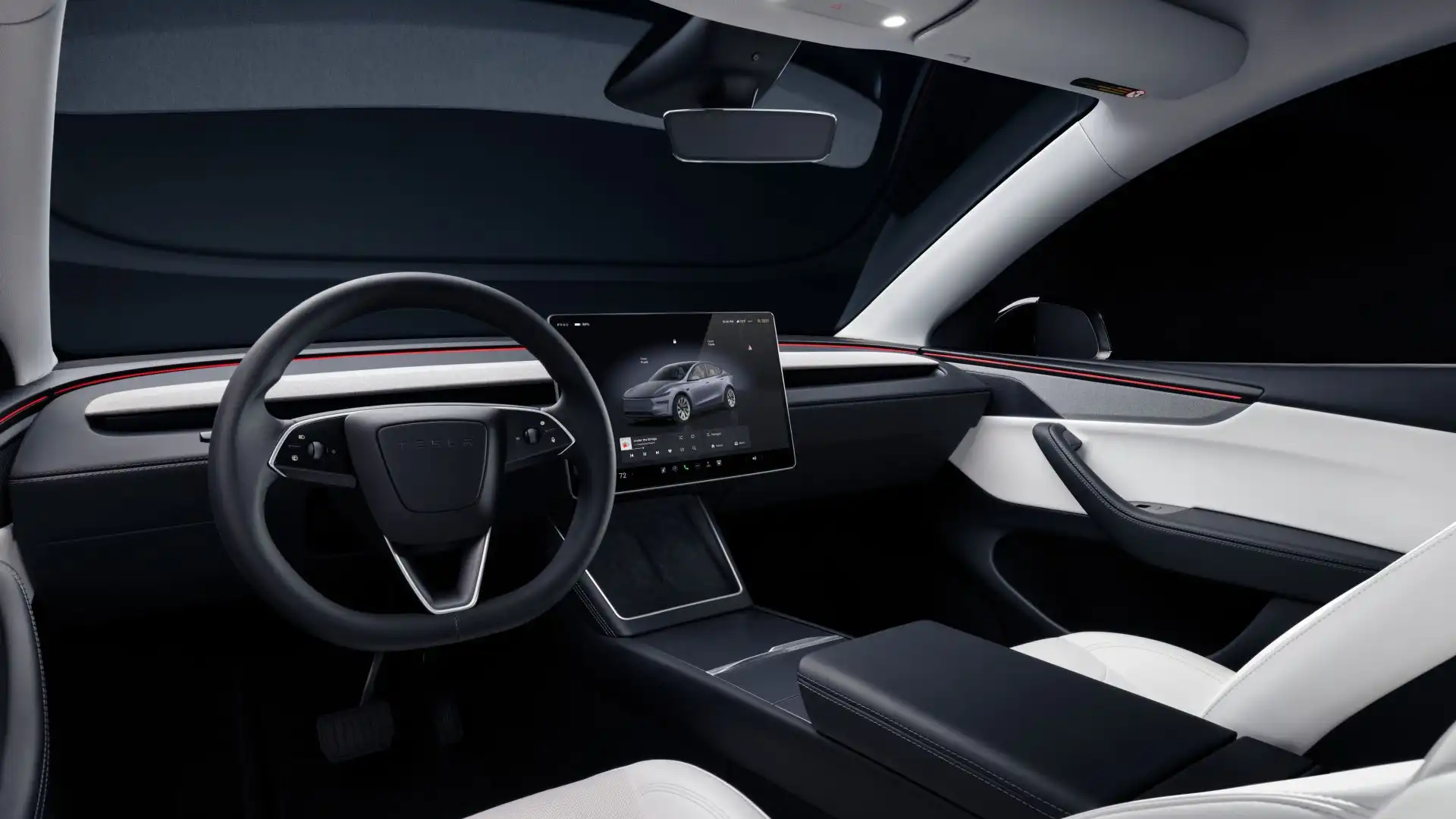
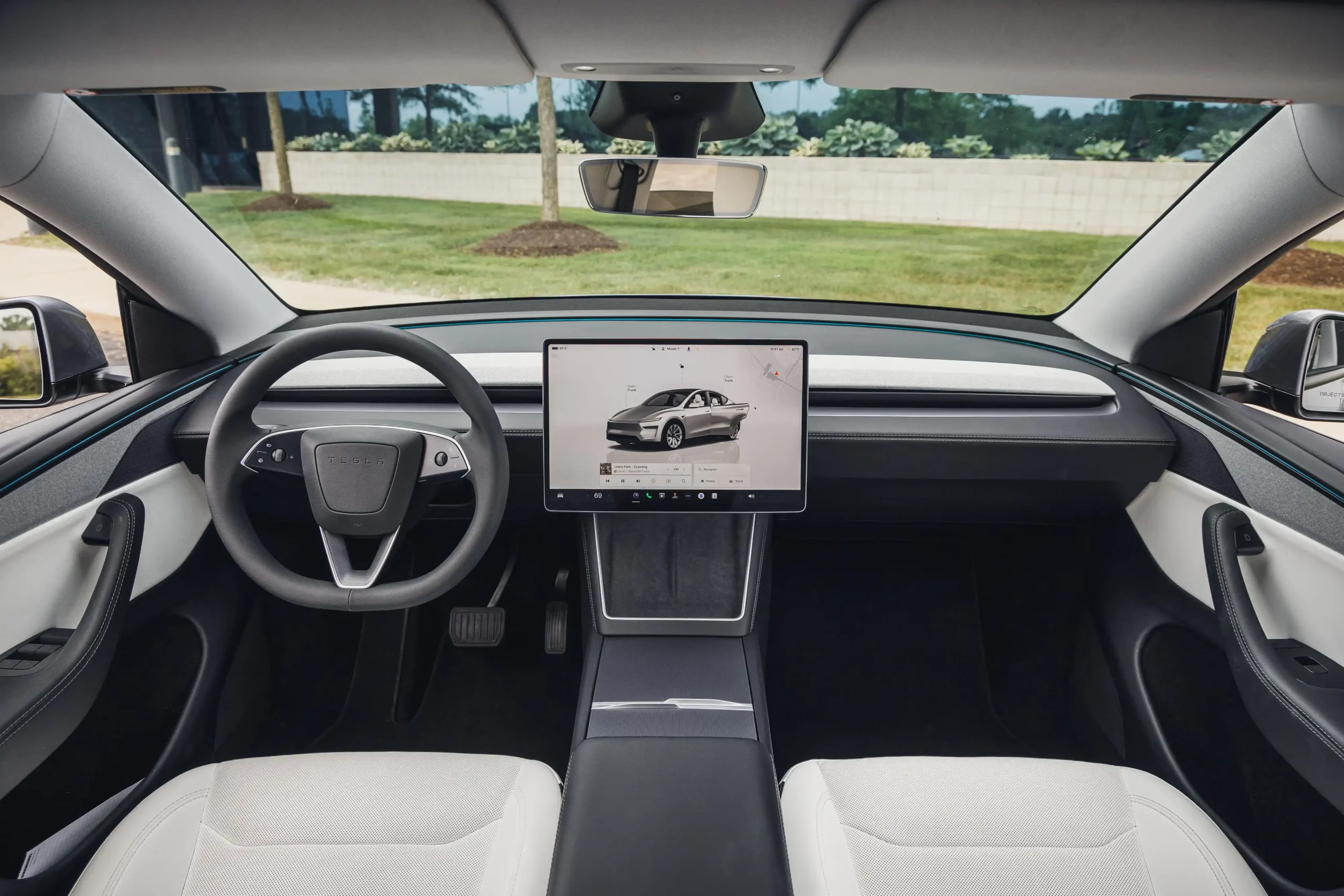
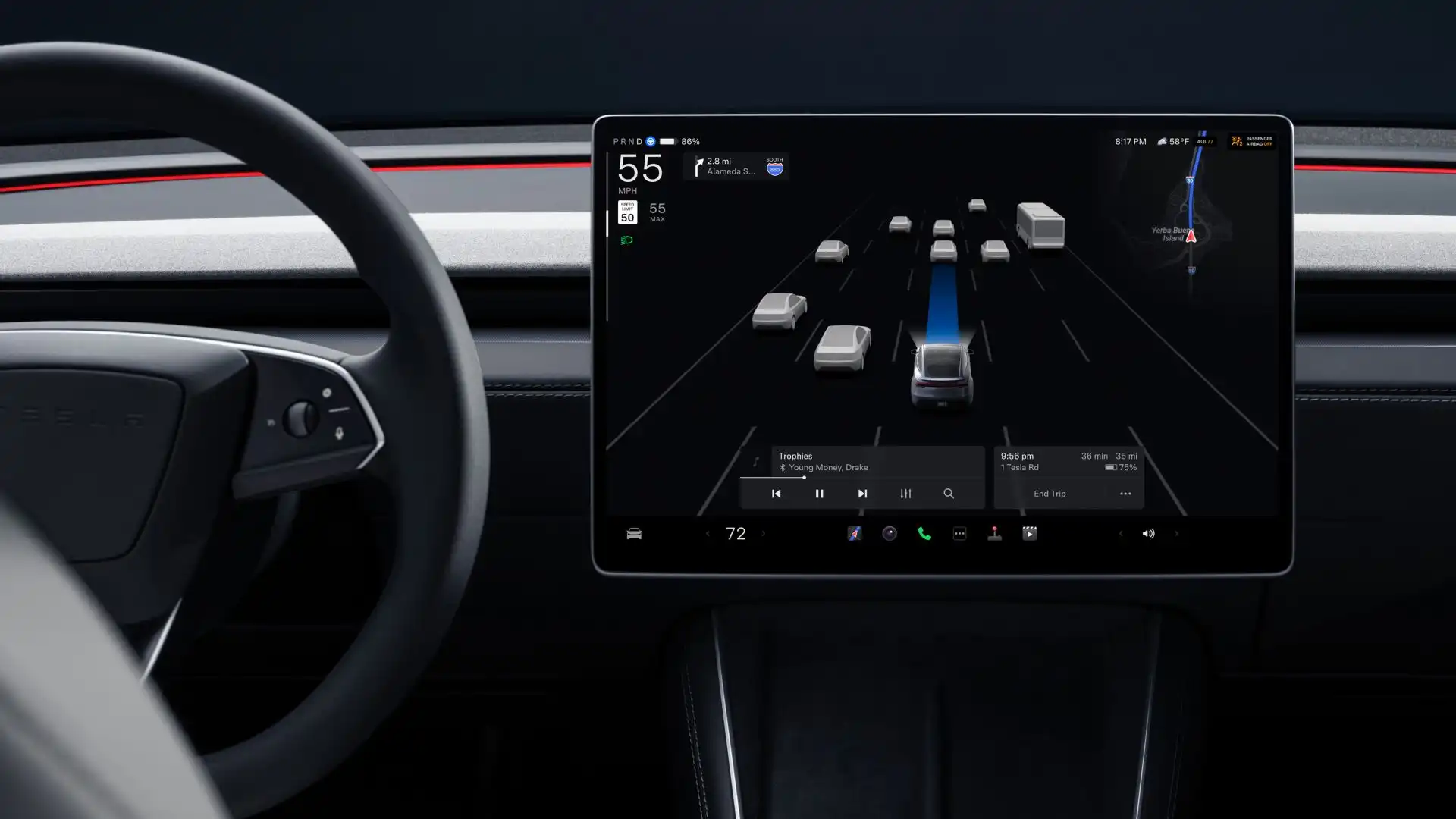

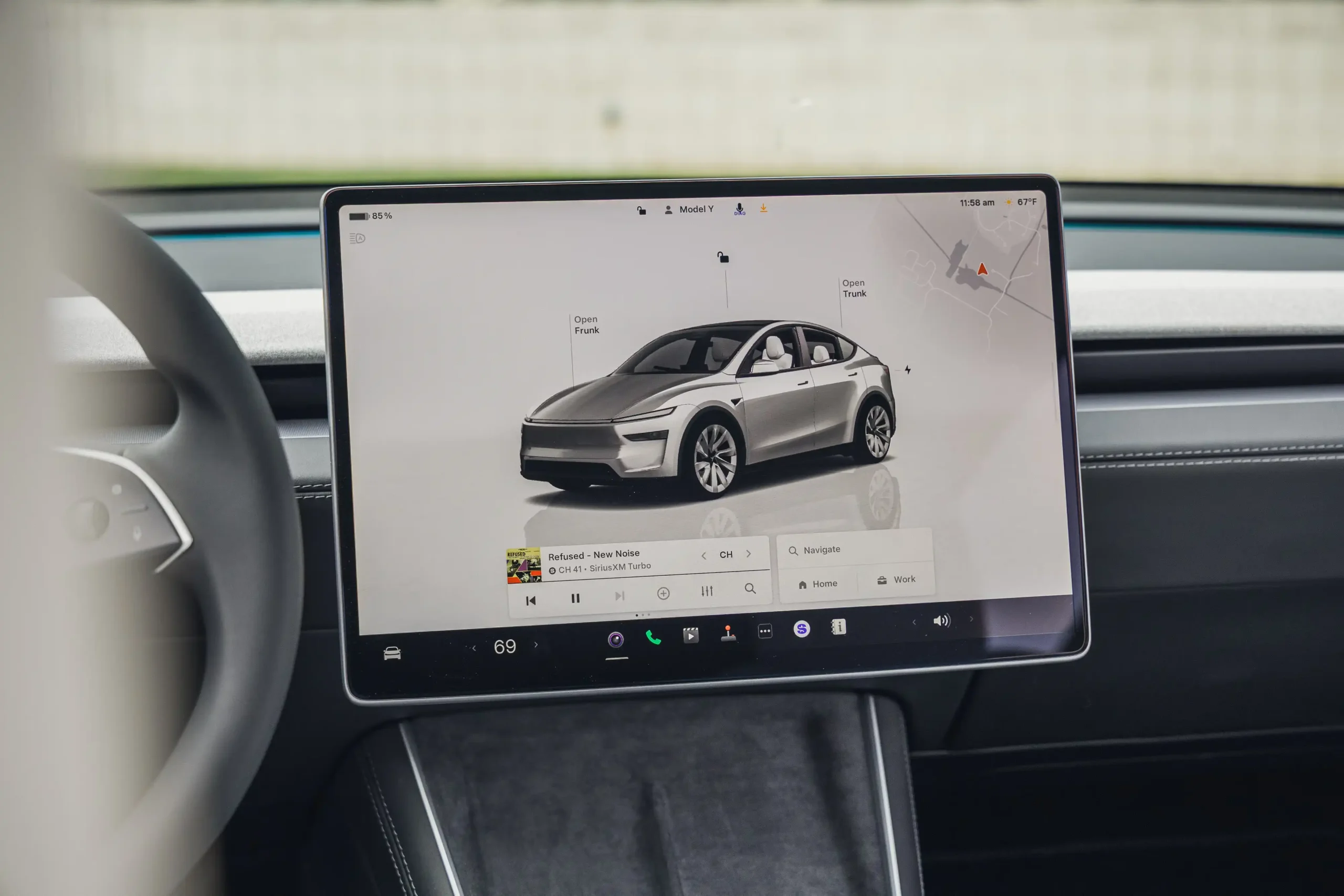
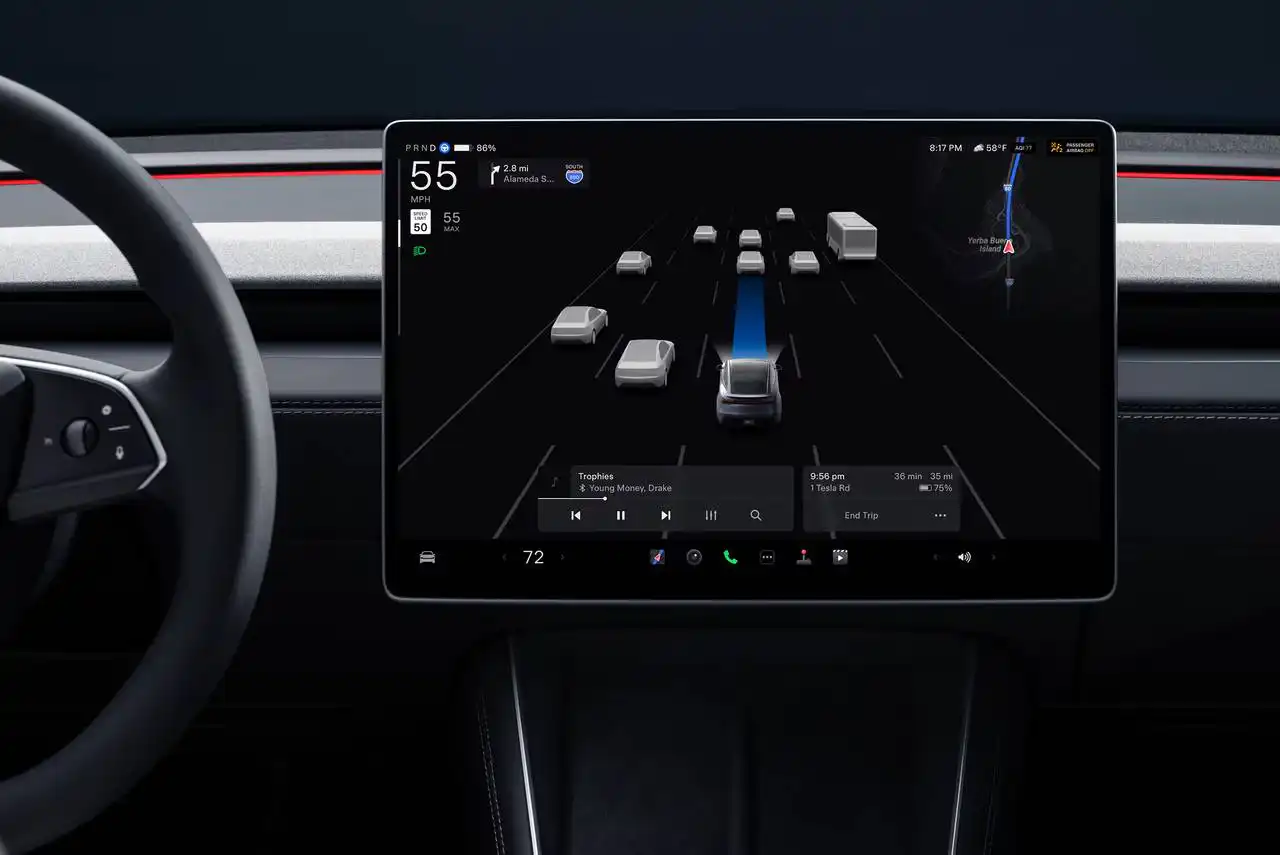
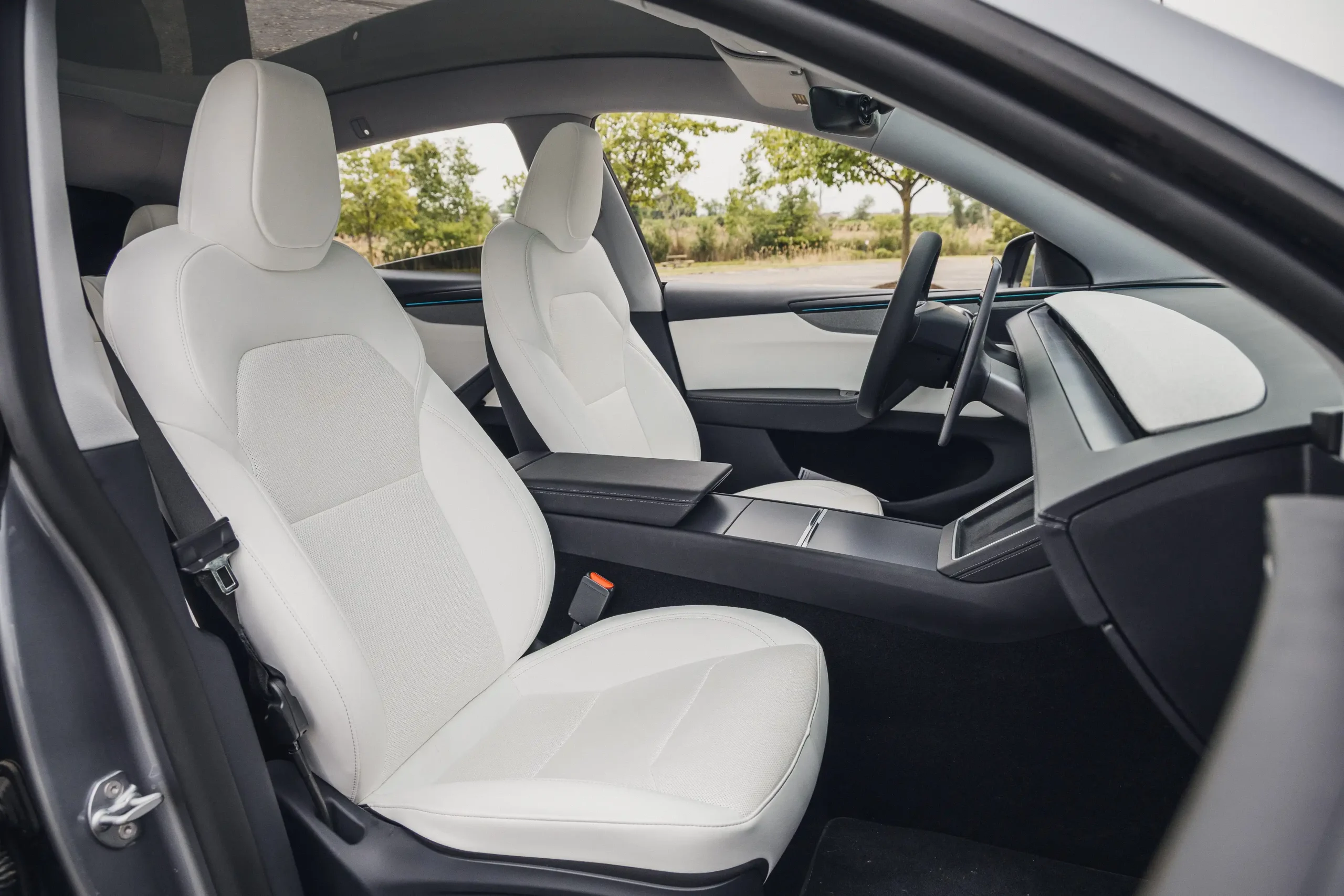
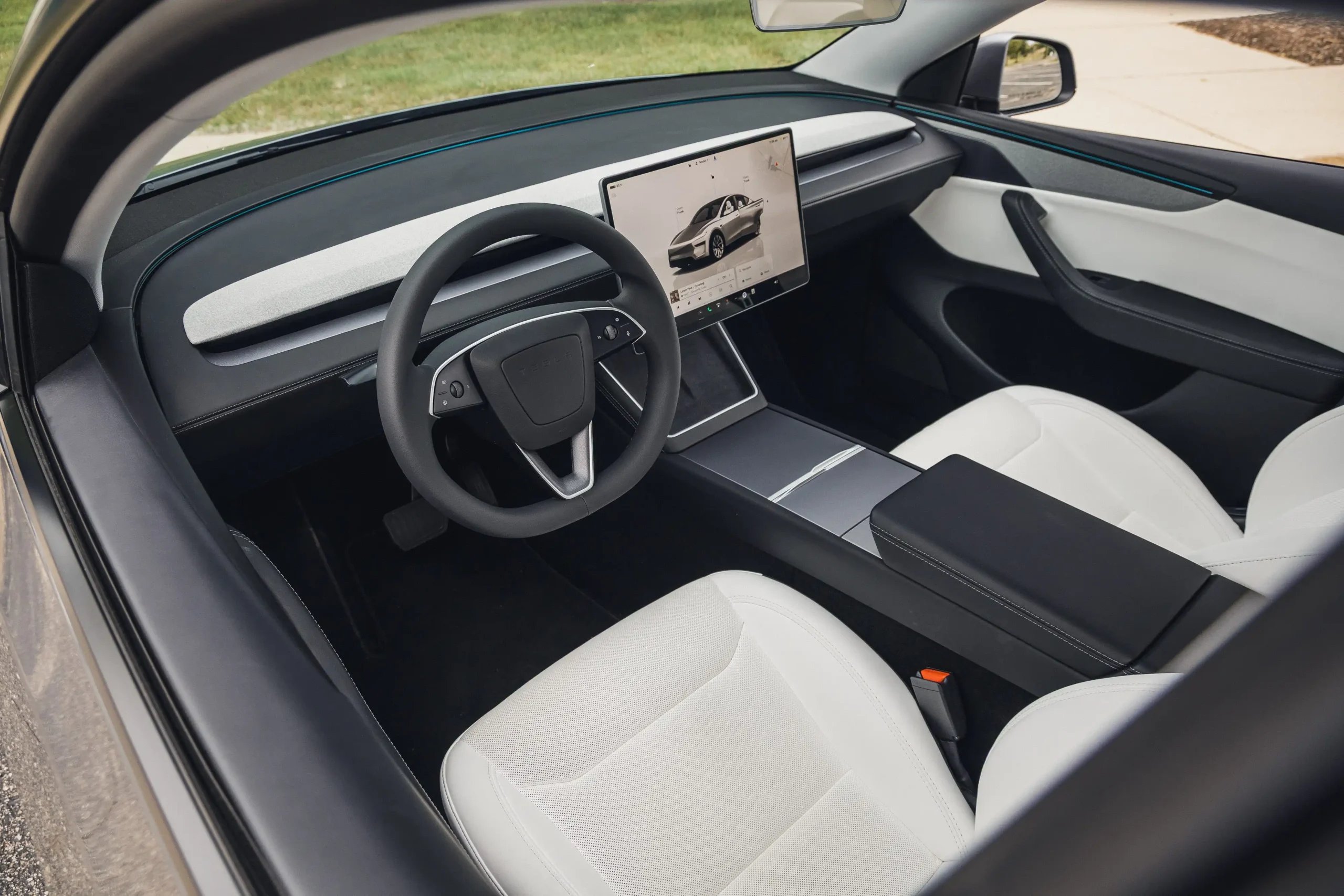
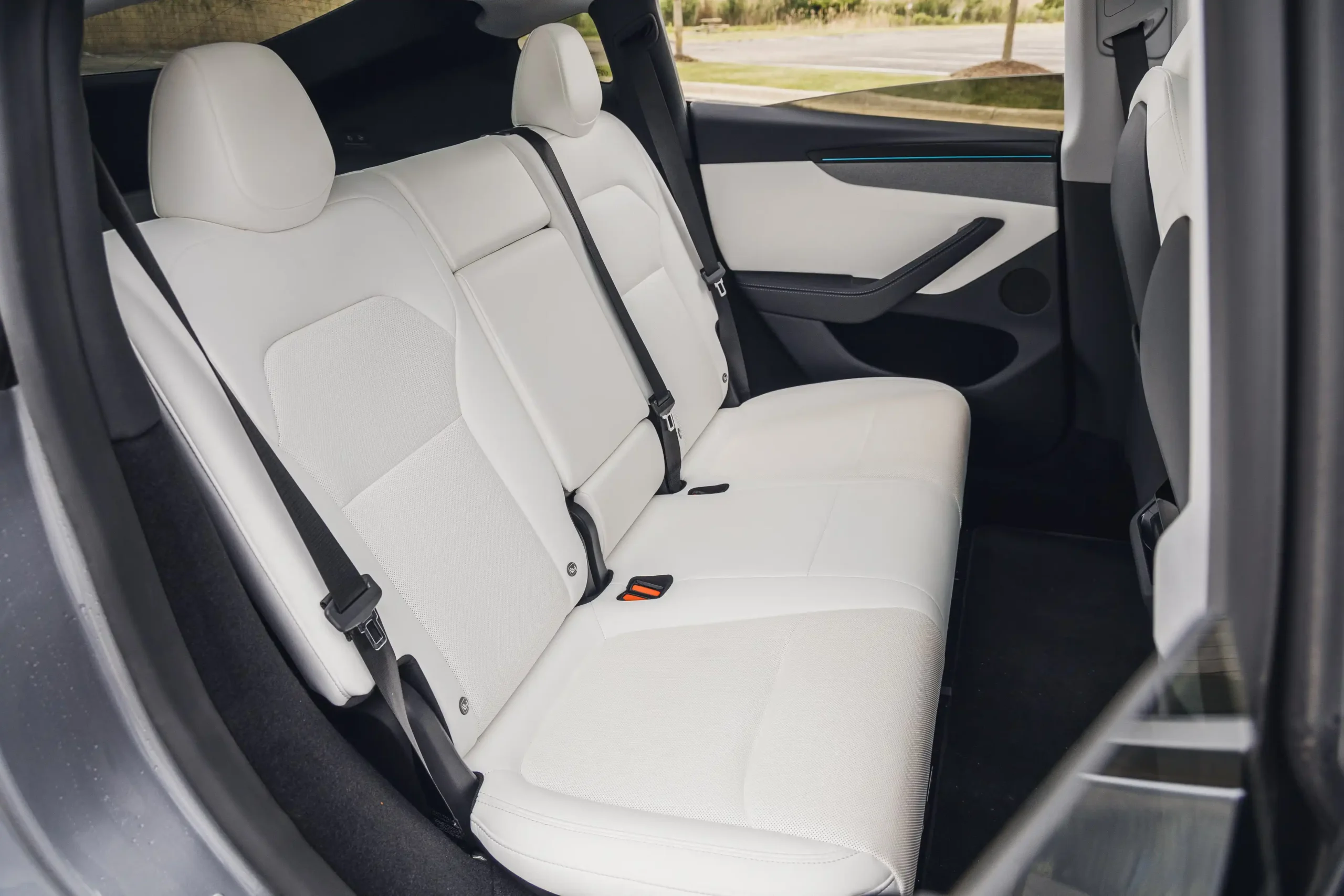
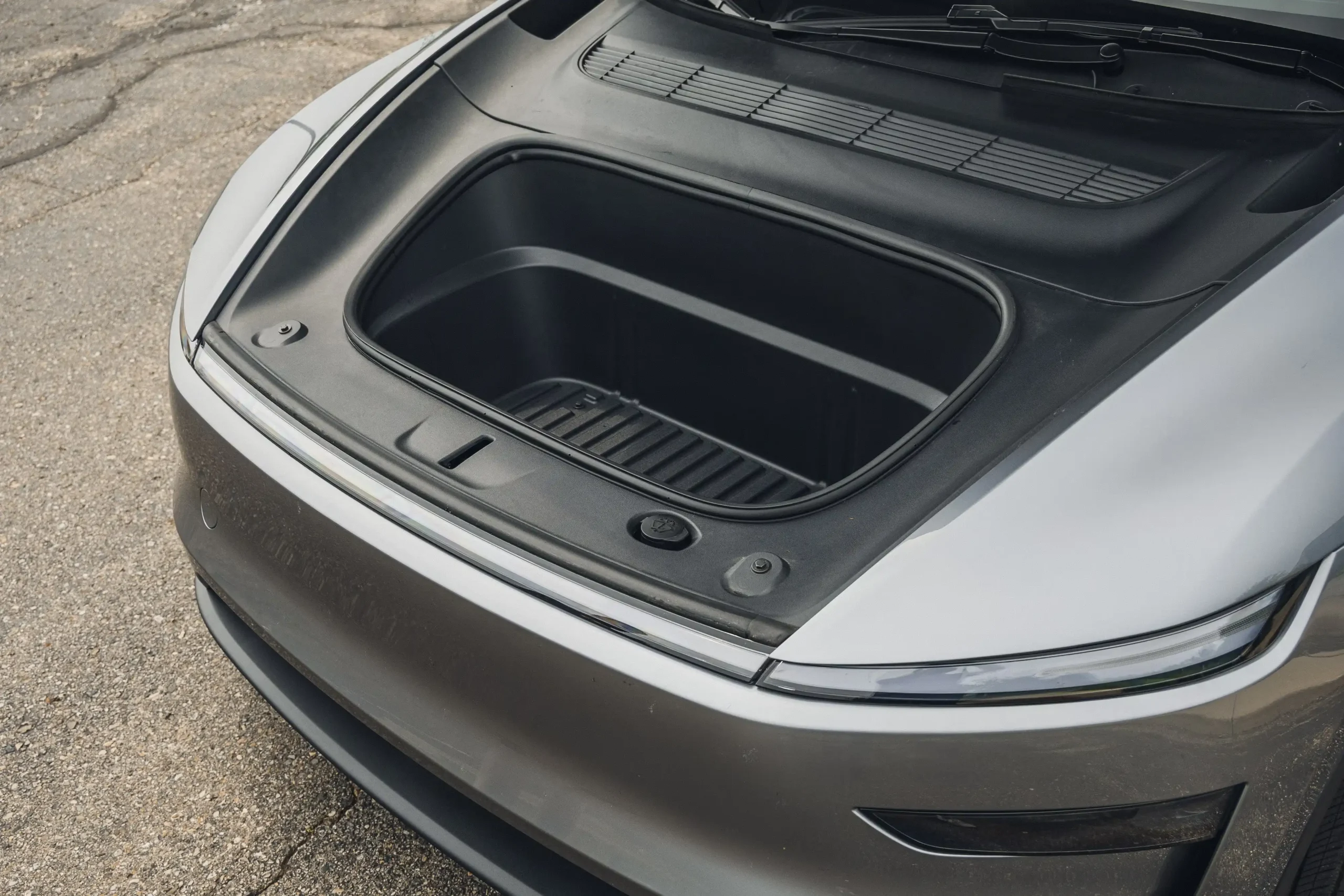
So which model ultimately delivers the best overall value? If you want a performance-focused electric SUV that can also power devices on the go, the Hyundai Ioniq 5 N takes the lead with its lower-cost V2L setup and significantly stronger motors. For buyers who specifically need full vehicle-to-home capability, the Blazer EV SS is the only option in this group.
But when it comes to pure performance-per-dollar, the 2026 Tesla Model Y Performance makes a compelling case. It offers quick acceleration, strong range, and now V2L functionality—bringing the total to $59,510 when you add the necessary Mobile Connector and Powershare adapters. Even with those extras, it still undercuts the Ioniq 5 N’s price before factoring in third-party V2L accessories.





One Comment