The Ferrari Amalfi First Drive: A Roma Unbuttoned, More Agile, and Faster
"Ferrari’s latest front-engine V-8 GT introduces clever mechanical upgrades and interior refinements—but can it recreate the charm that made the Roma unforgettable?"

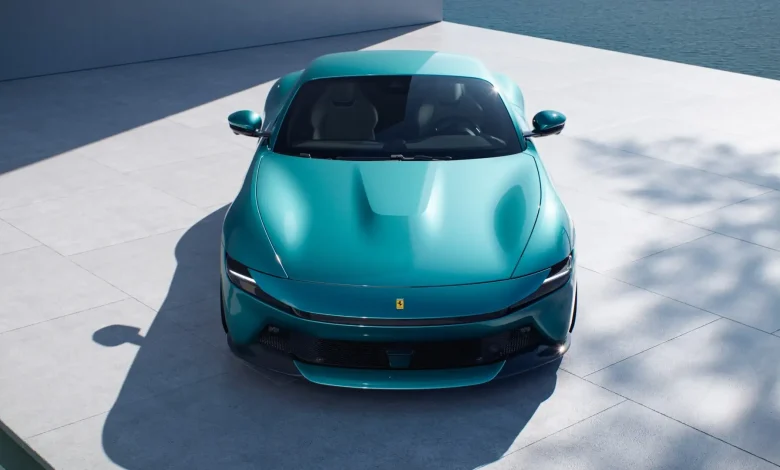
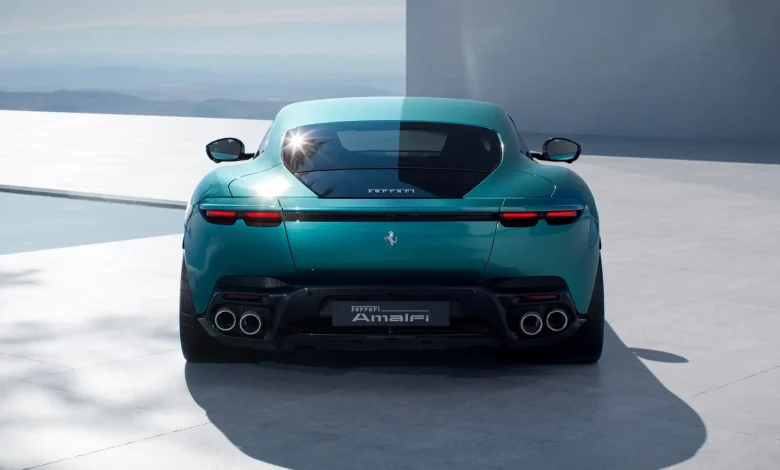
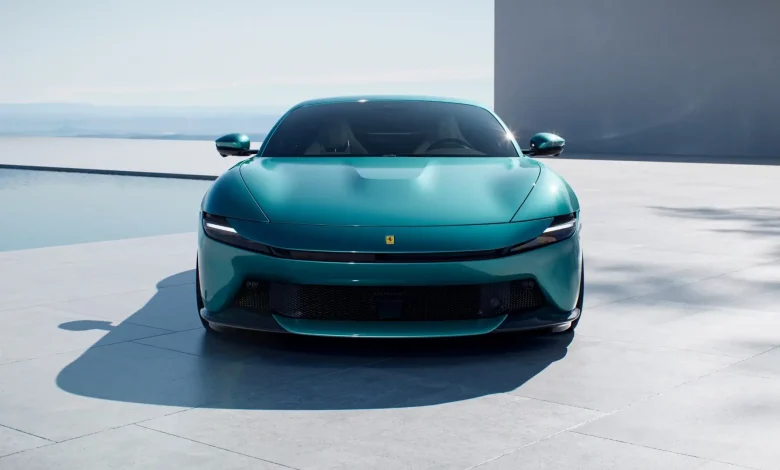
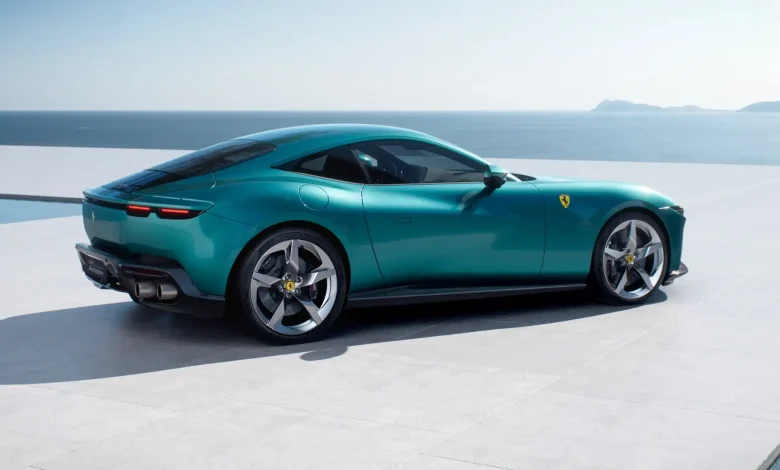
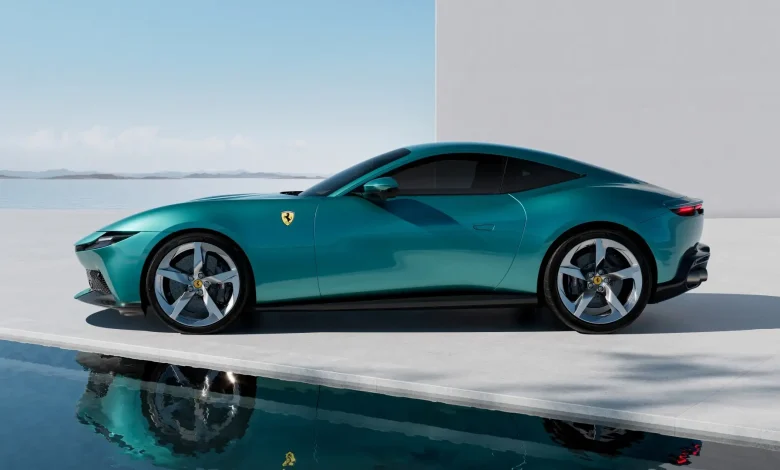
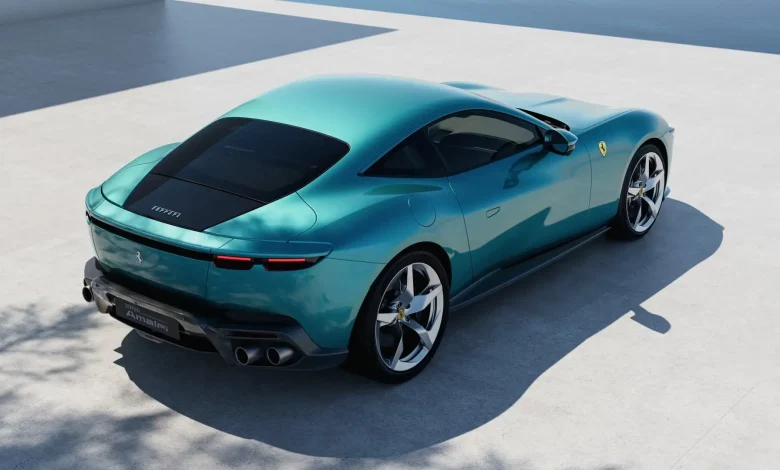
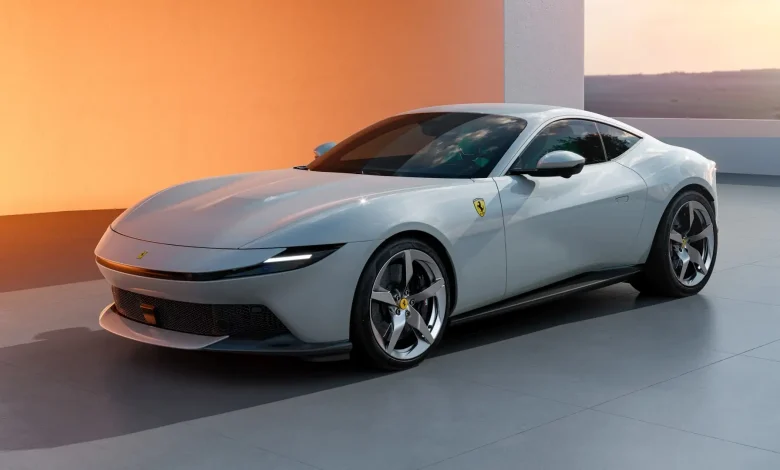
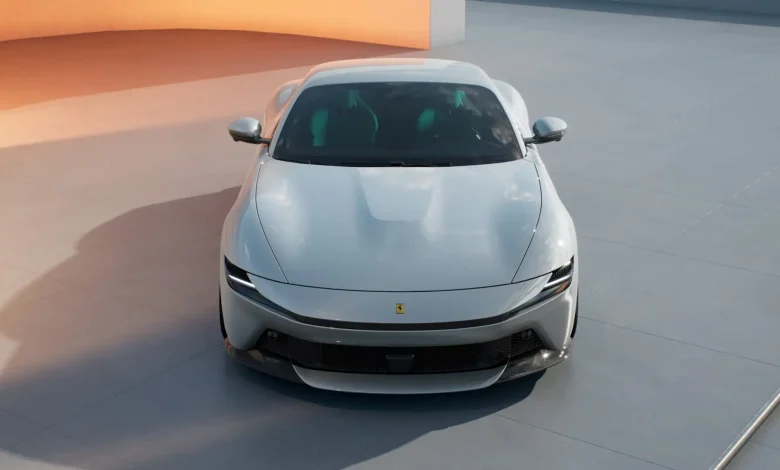
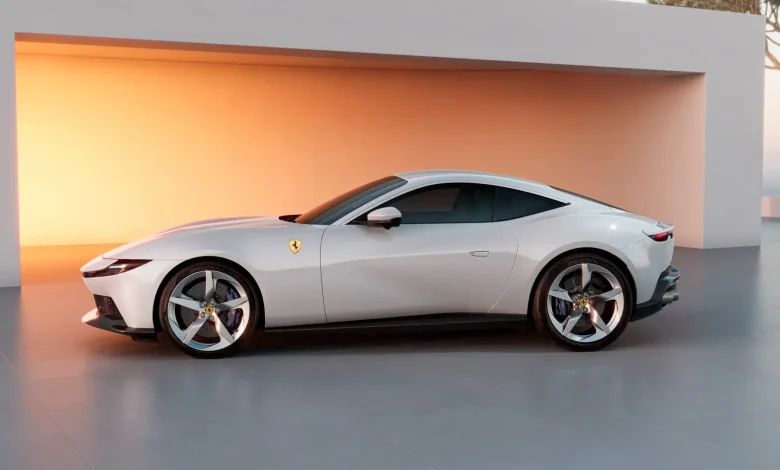
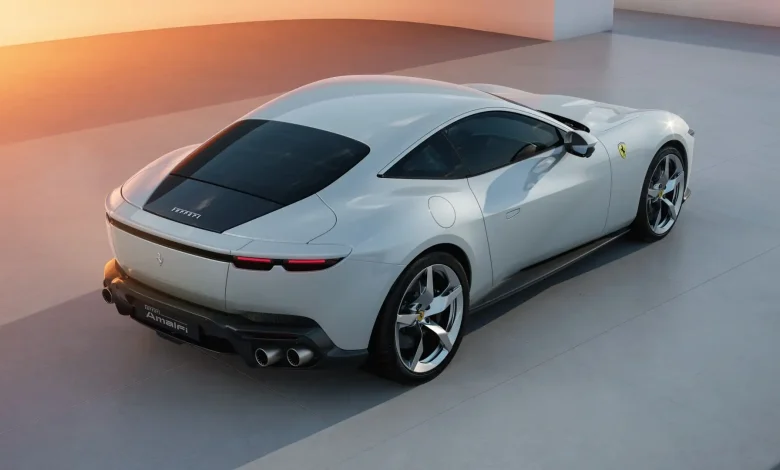
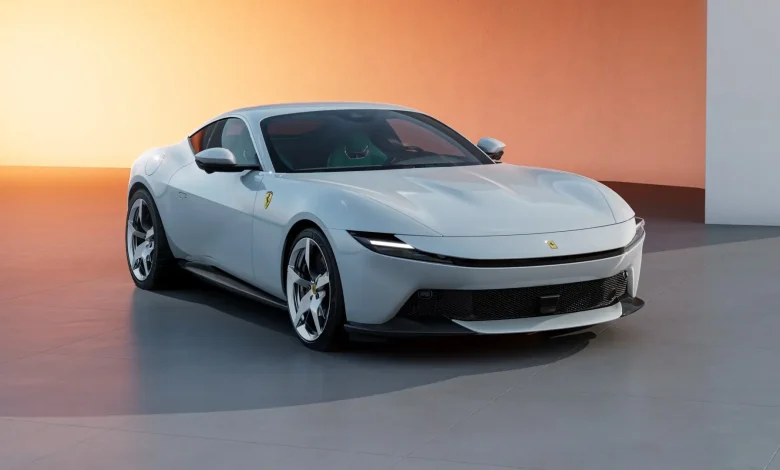
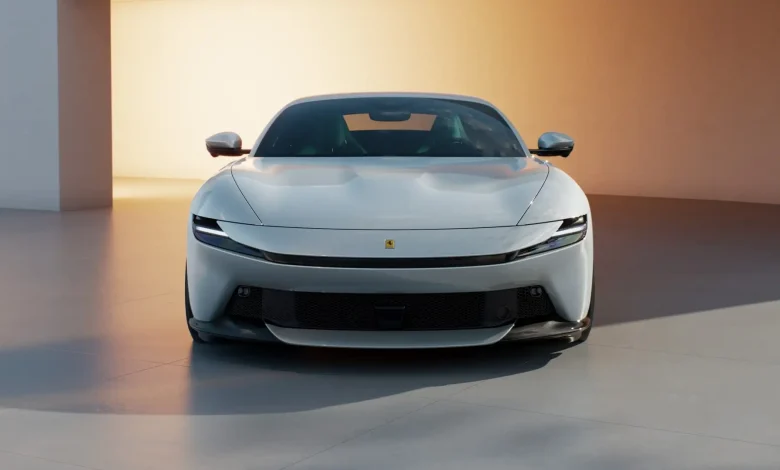
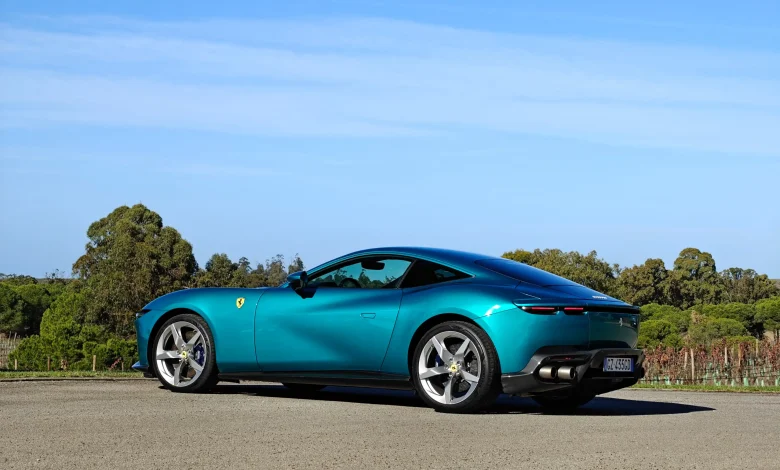
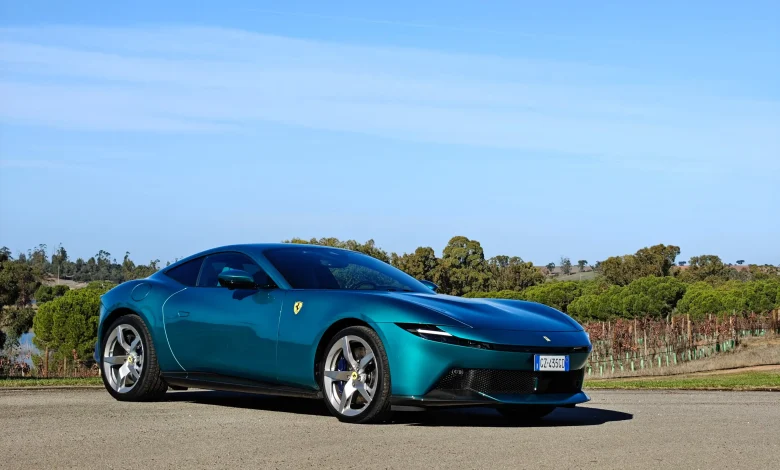
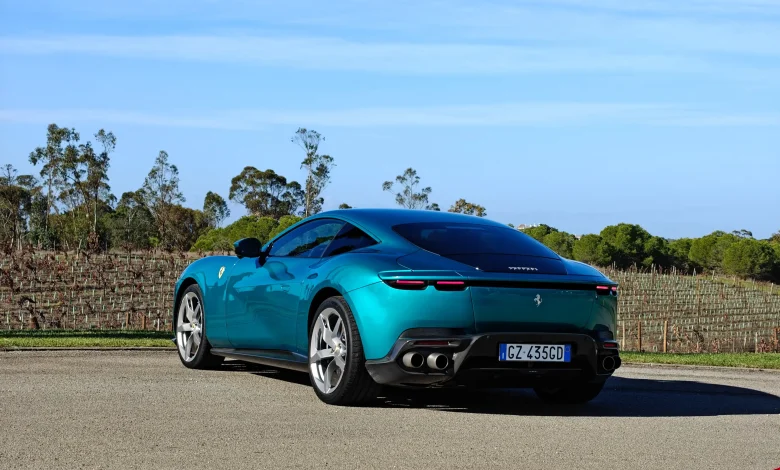
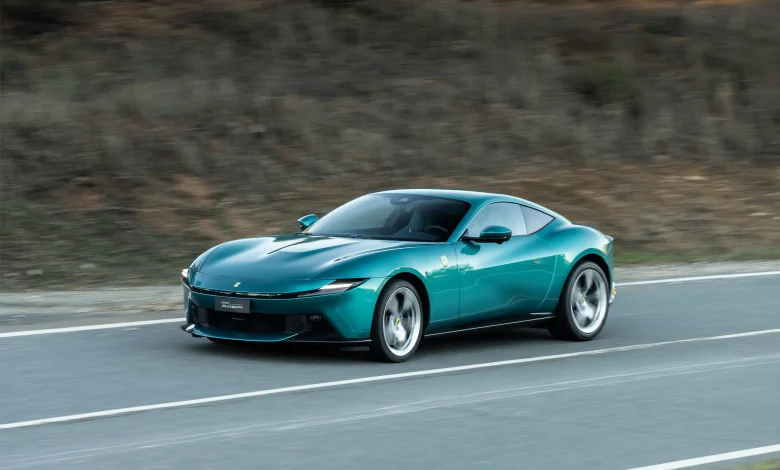
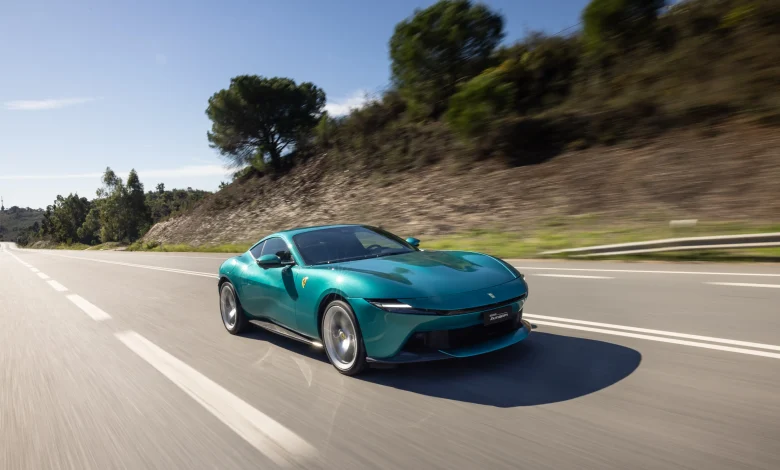
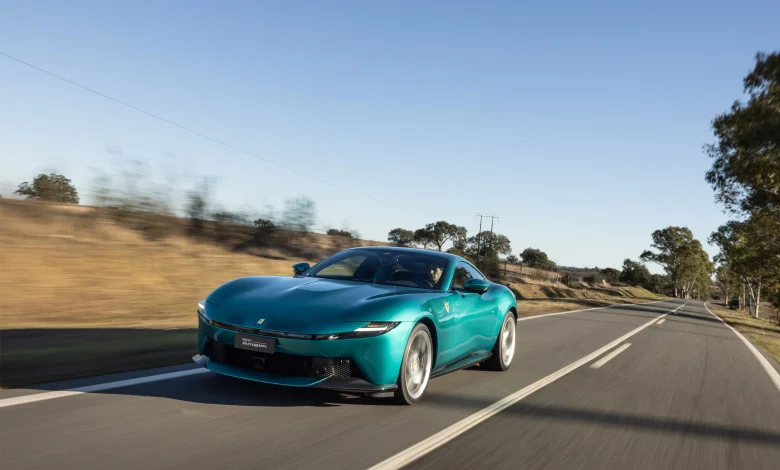
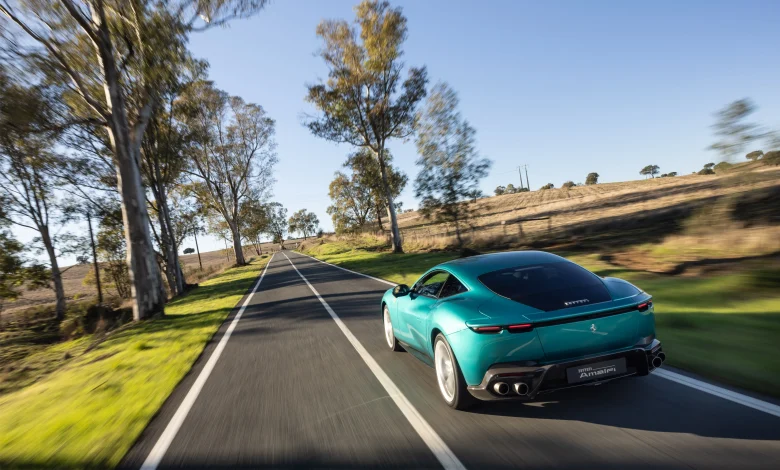
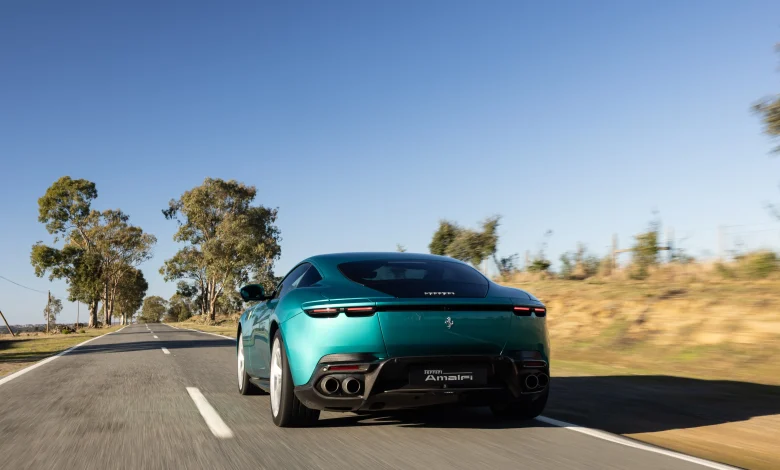
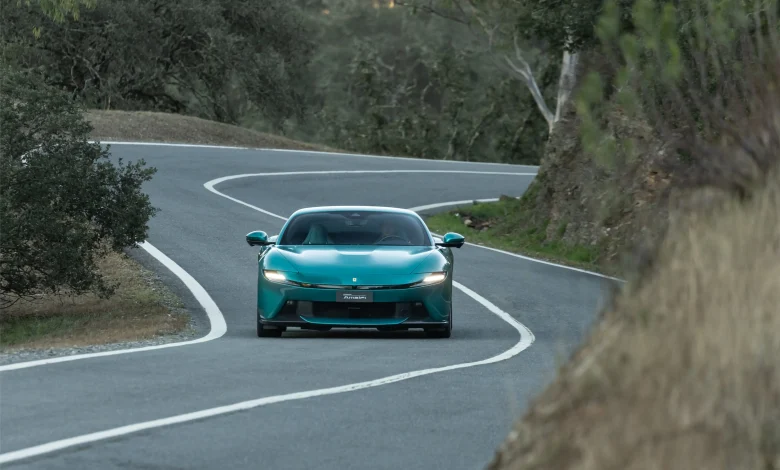
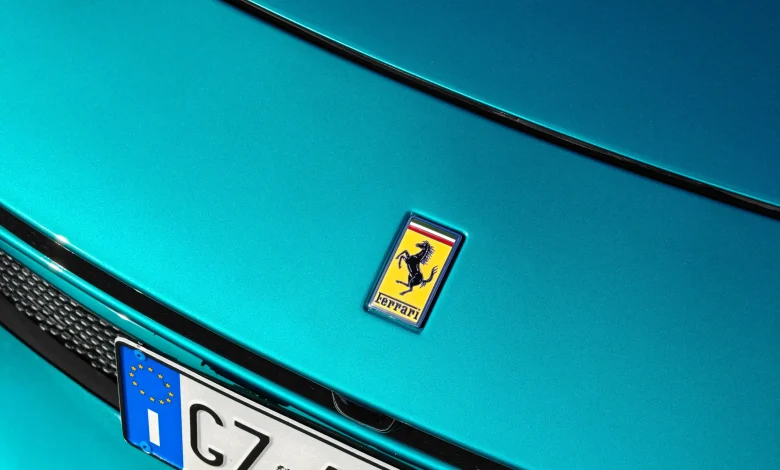
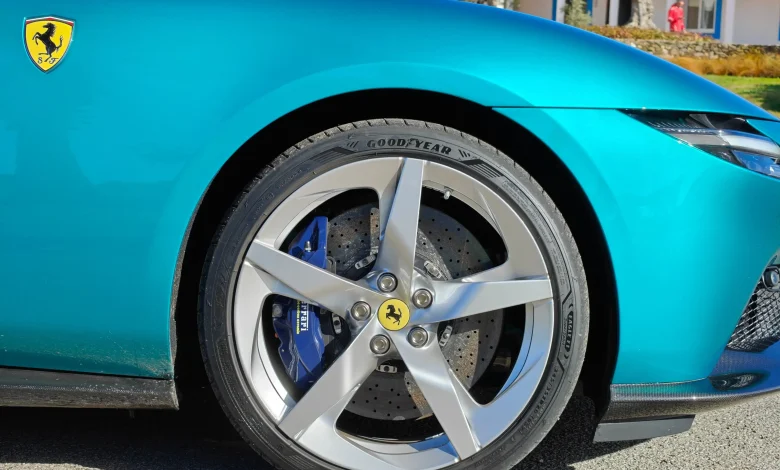
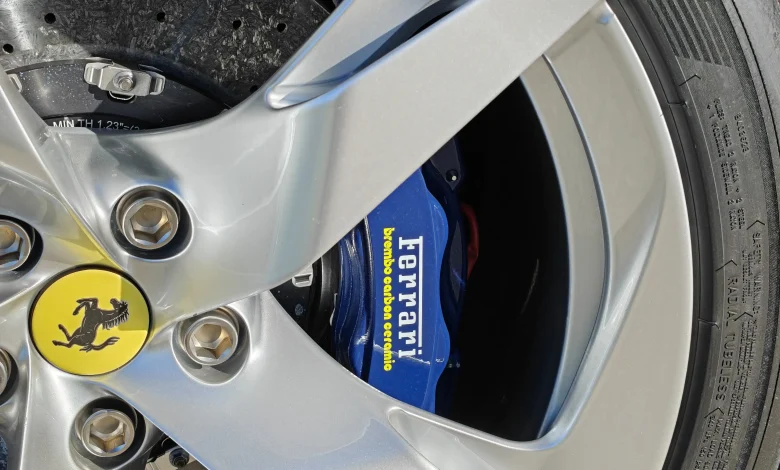
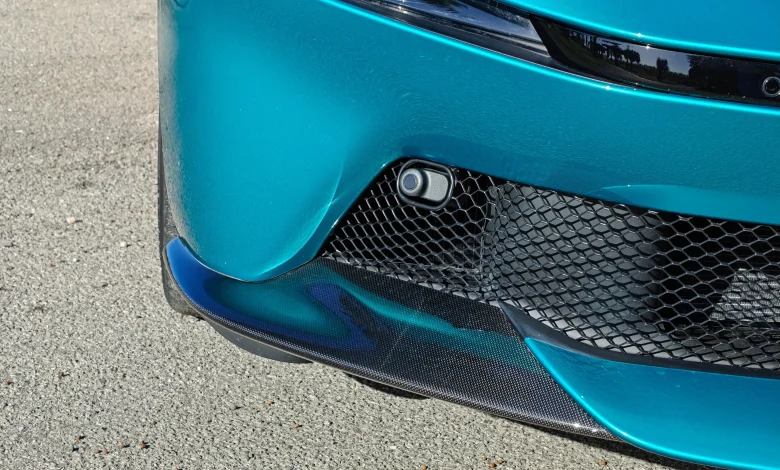
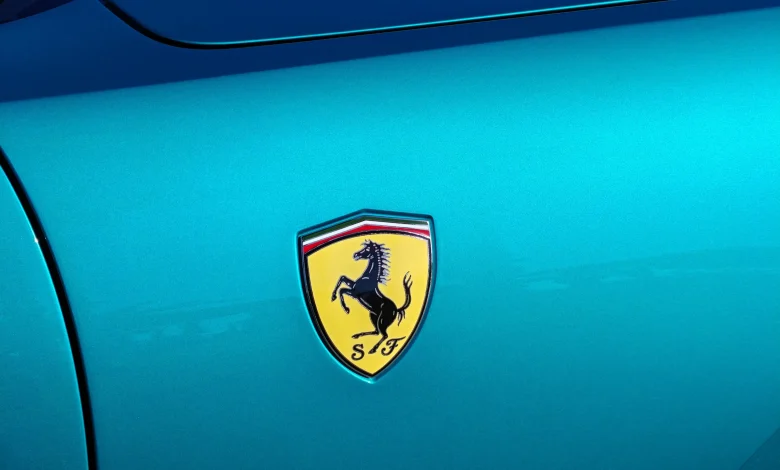
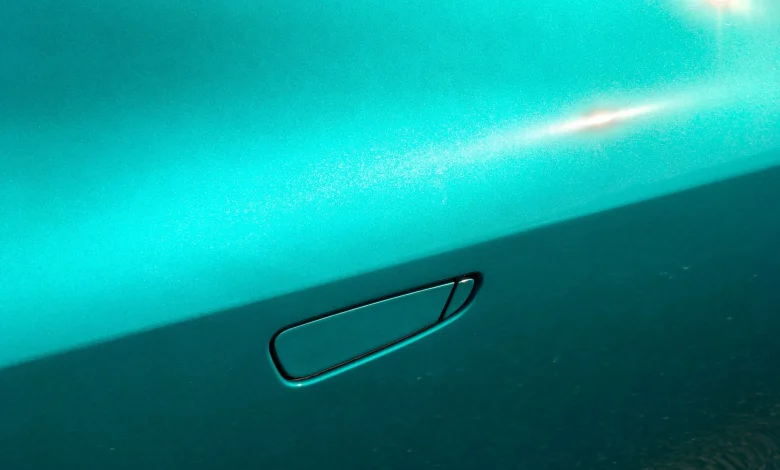
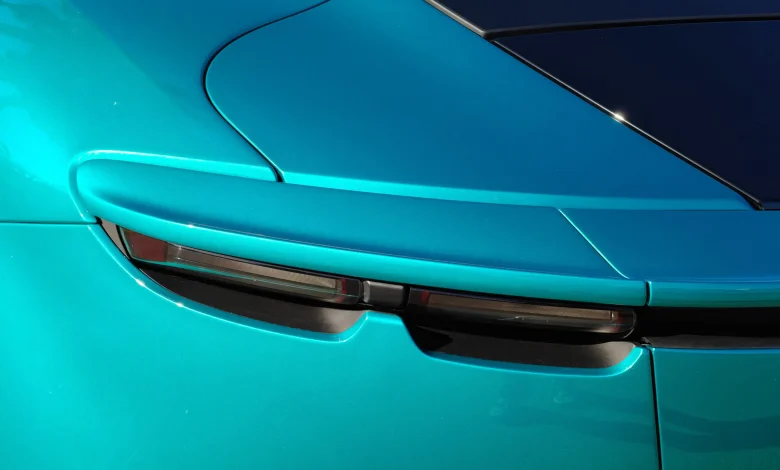
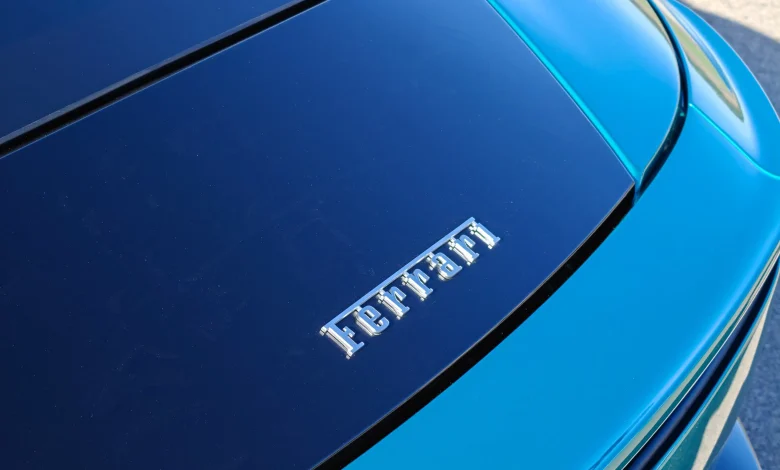
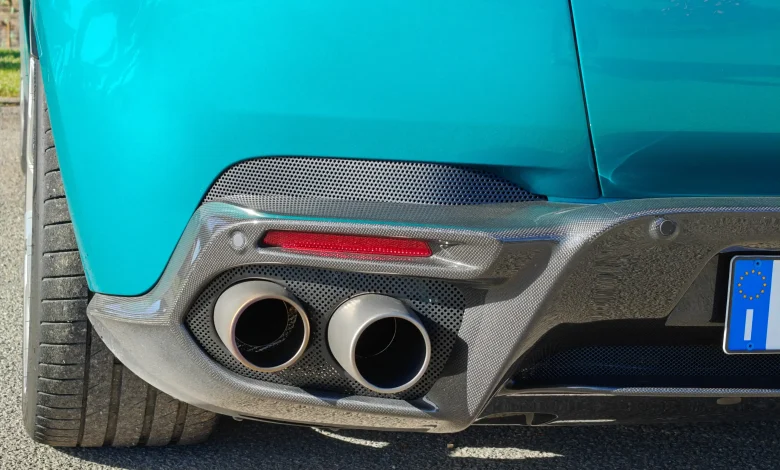

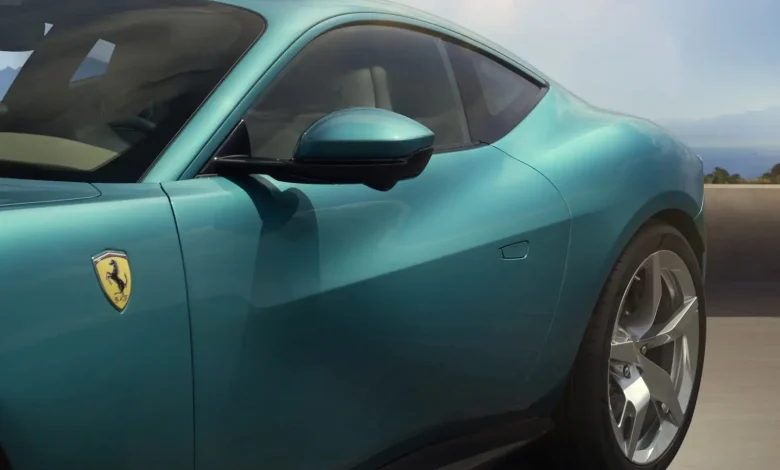
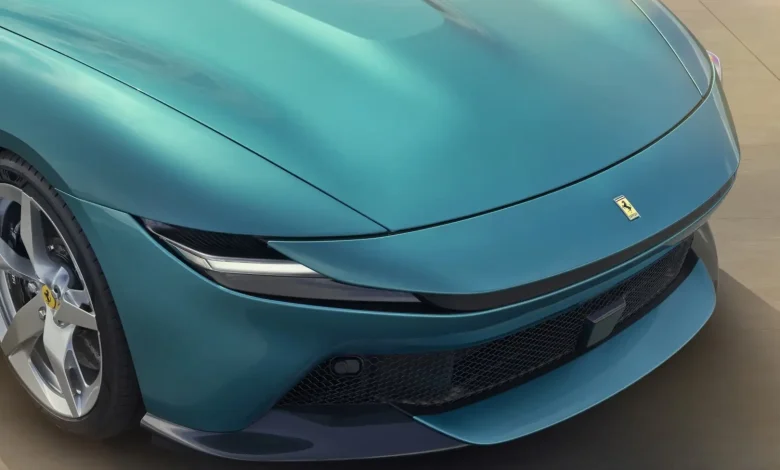
The Ferrari Roma arrived as a welcome change of pace. Before its debut in 2019 as a 2020 model, Ferrari’s lineup had grown aggressively bold. Cars like the 488, F8 Tributo, and 812 Superfast were striking, fierce, and perfectly at home in Miami—but they often sacrificed the understated elegance suited for a night out in Milan. Then came the Roma: a poised, handsome, front-engine sports car—essentially a Ferrari in a tuxedo.
Six years later, Ferrari introduces the 2027 Ferrari Amalfi, the Roma’s successor. Maranello would have you picture it as the Roma letting loose—tie undone, shoes off, toes in the Mediterranean, sipping a spritz. A more playful, relaxed, and colorful take on the Roma, in other words. But does the Amalfi truly embody this carefree spirit, or is it something entirely different?




New Suit
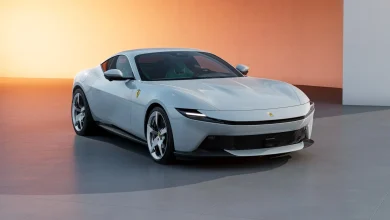
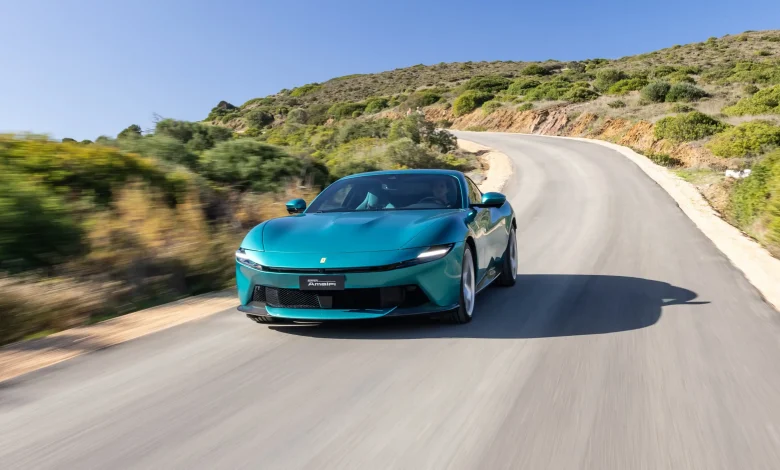
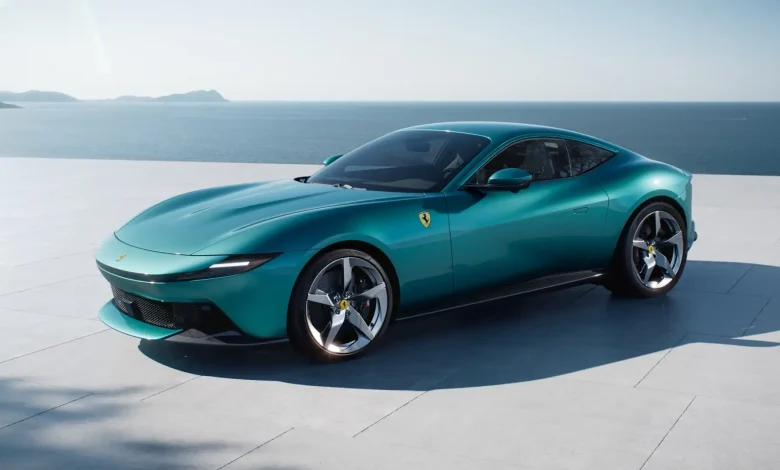
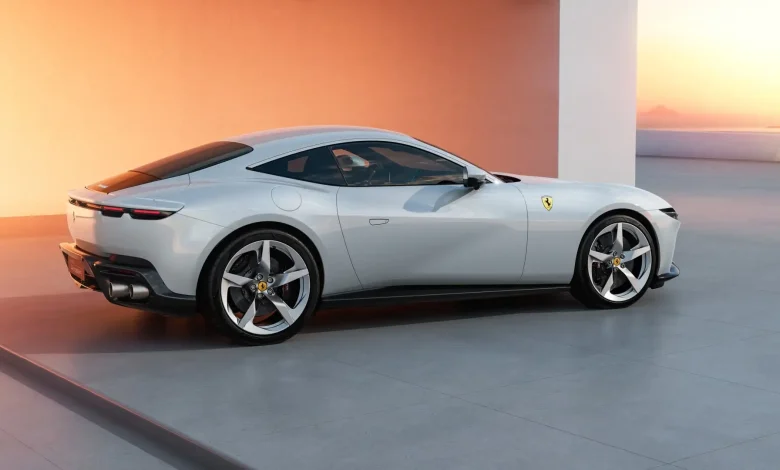
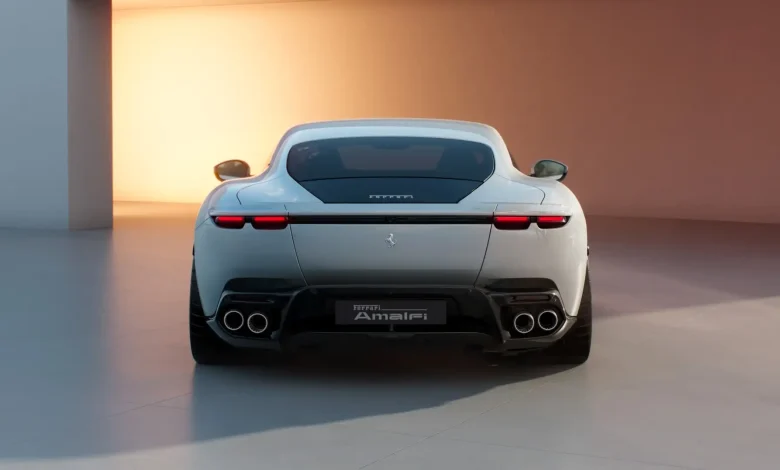
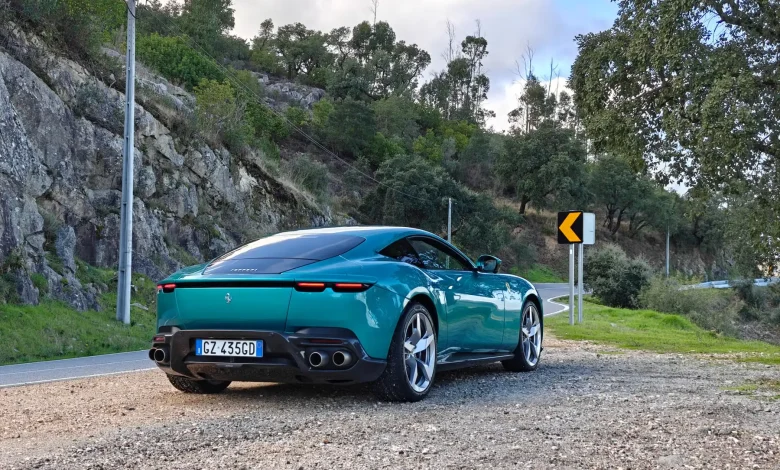
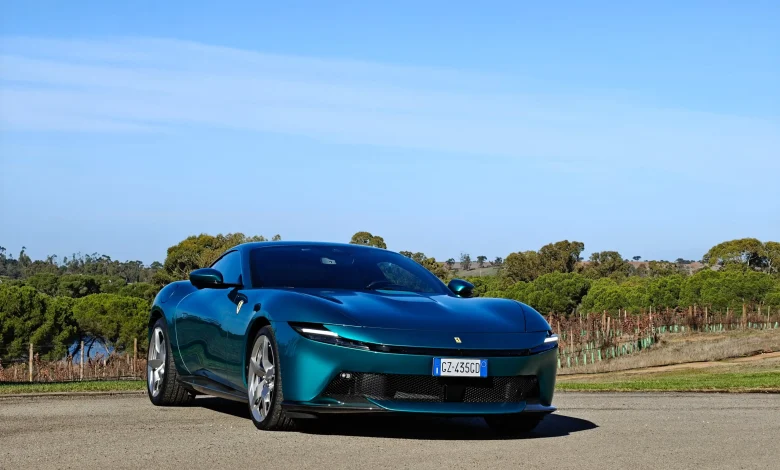
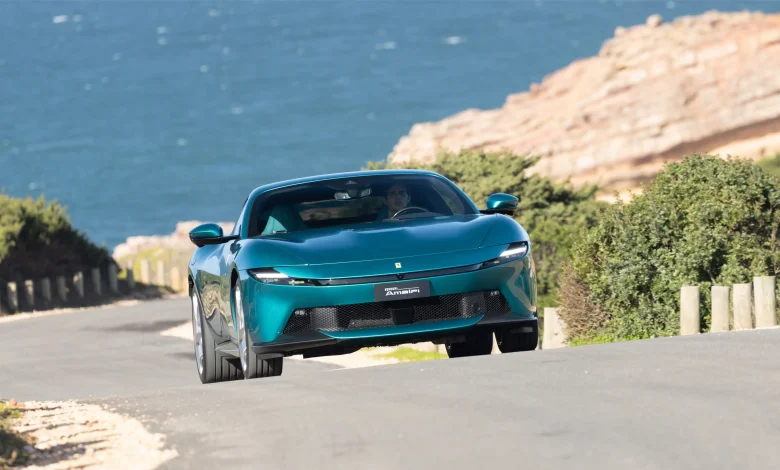
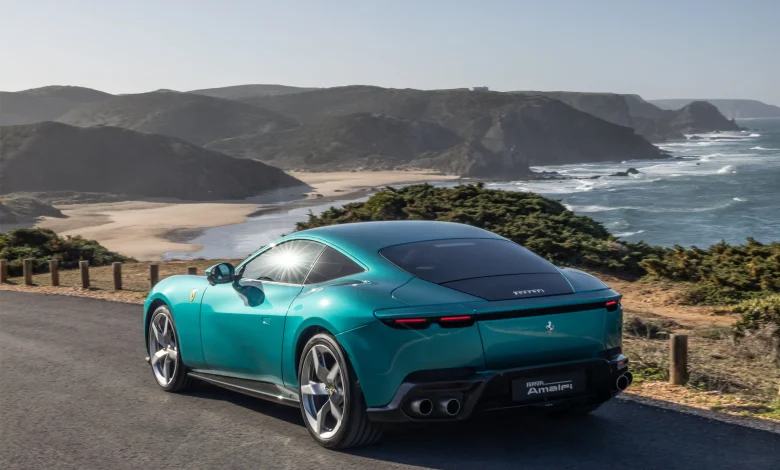
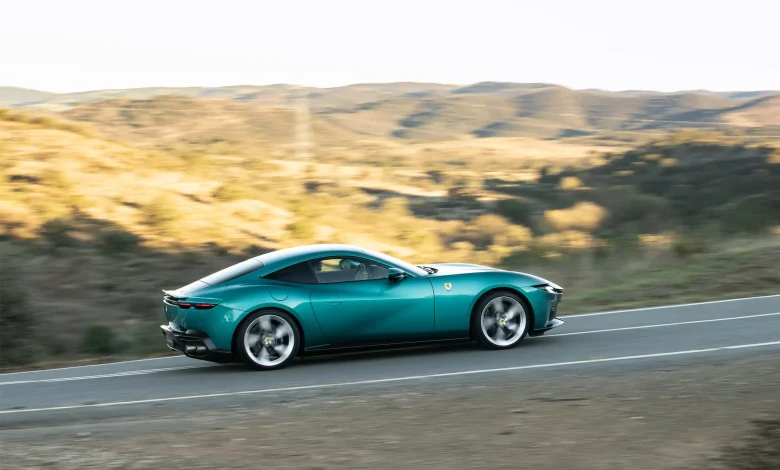
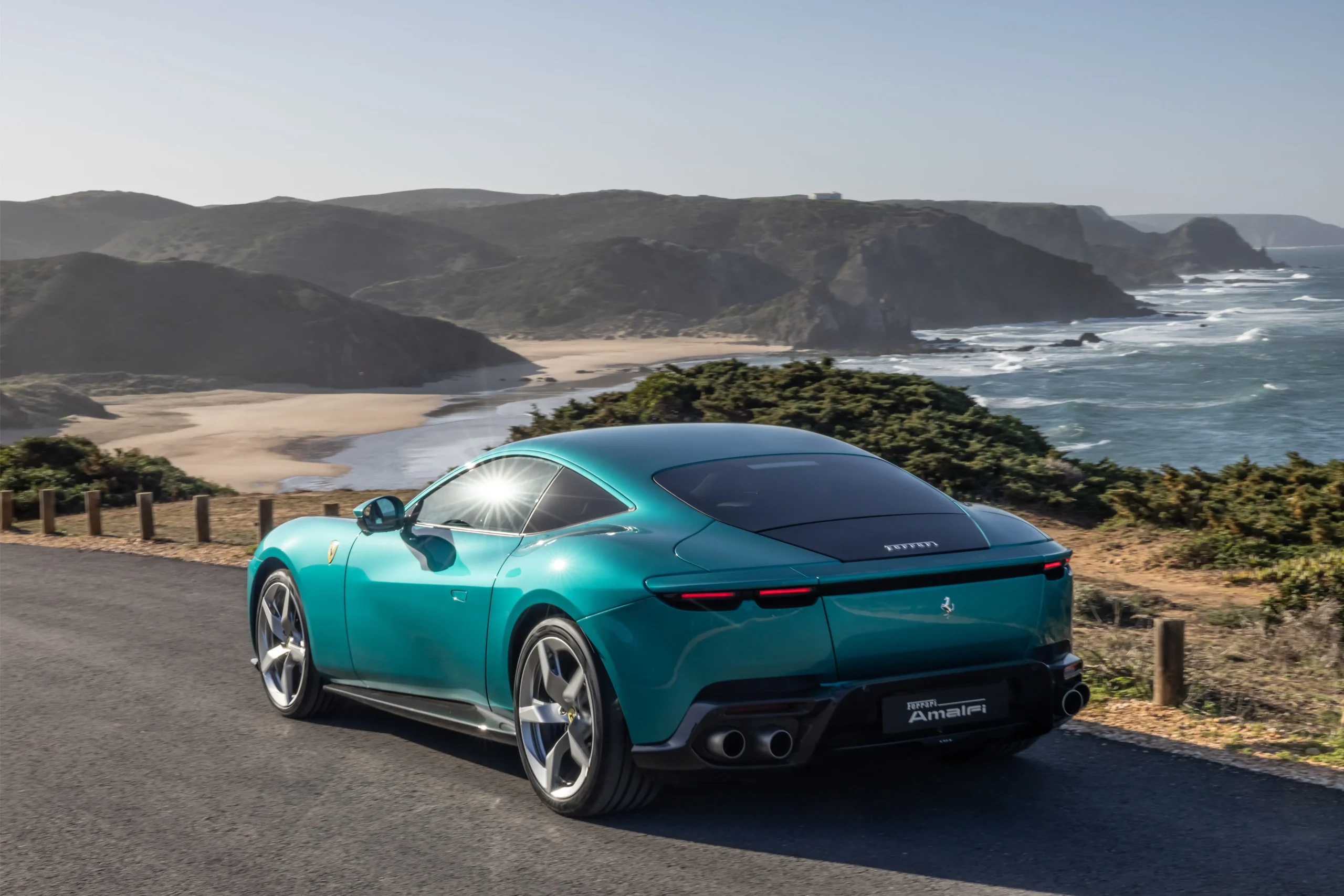
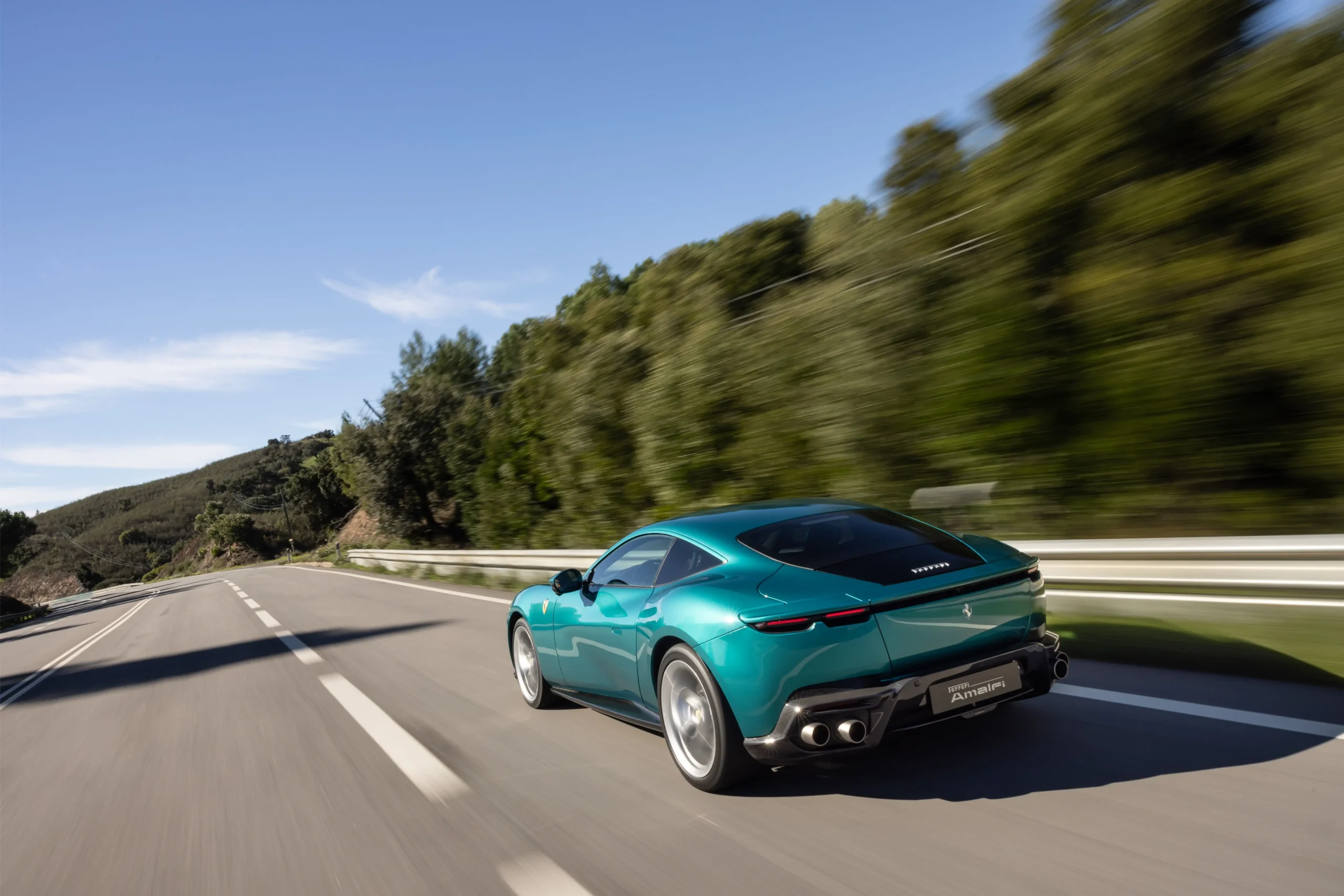
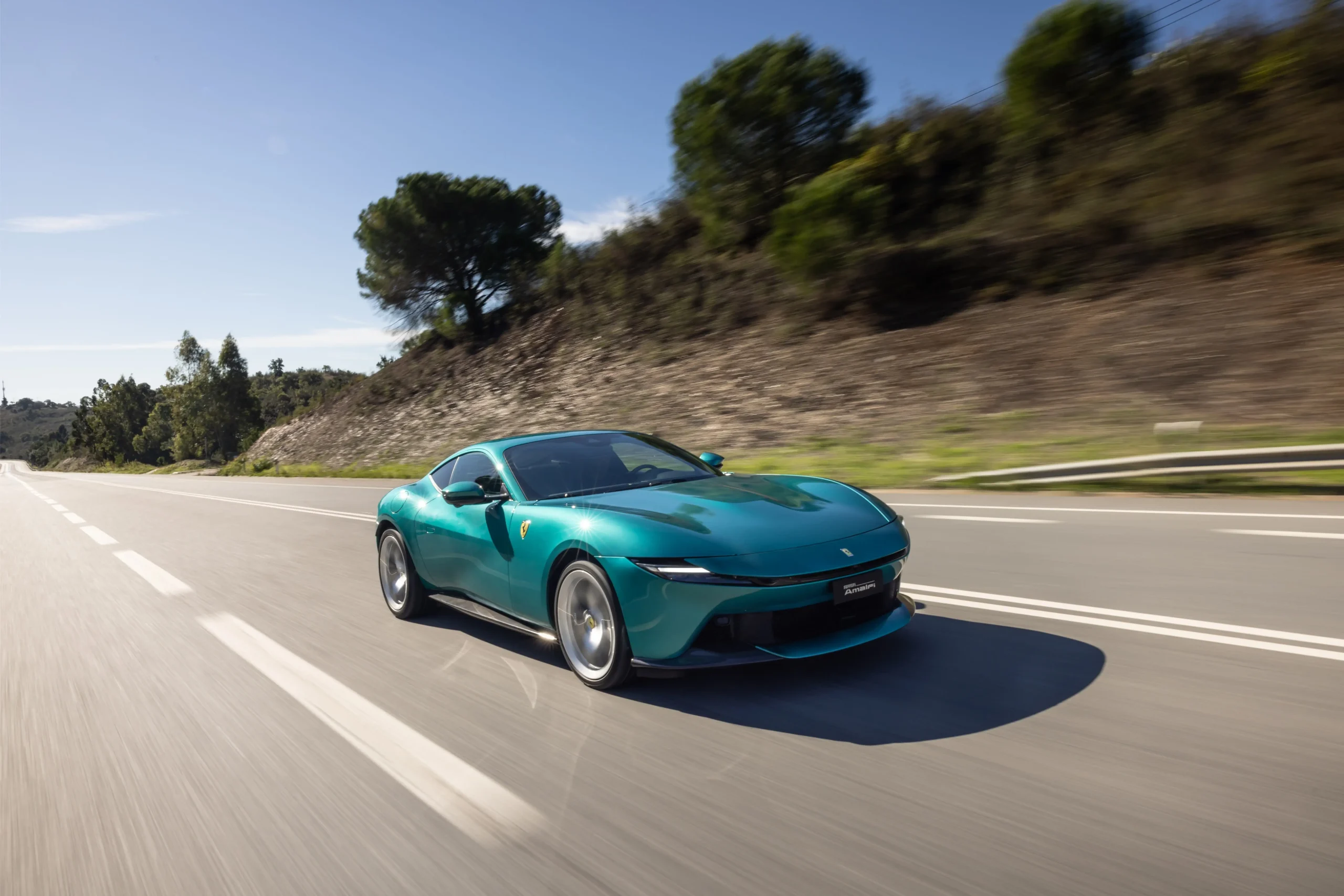
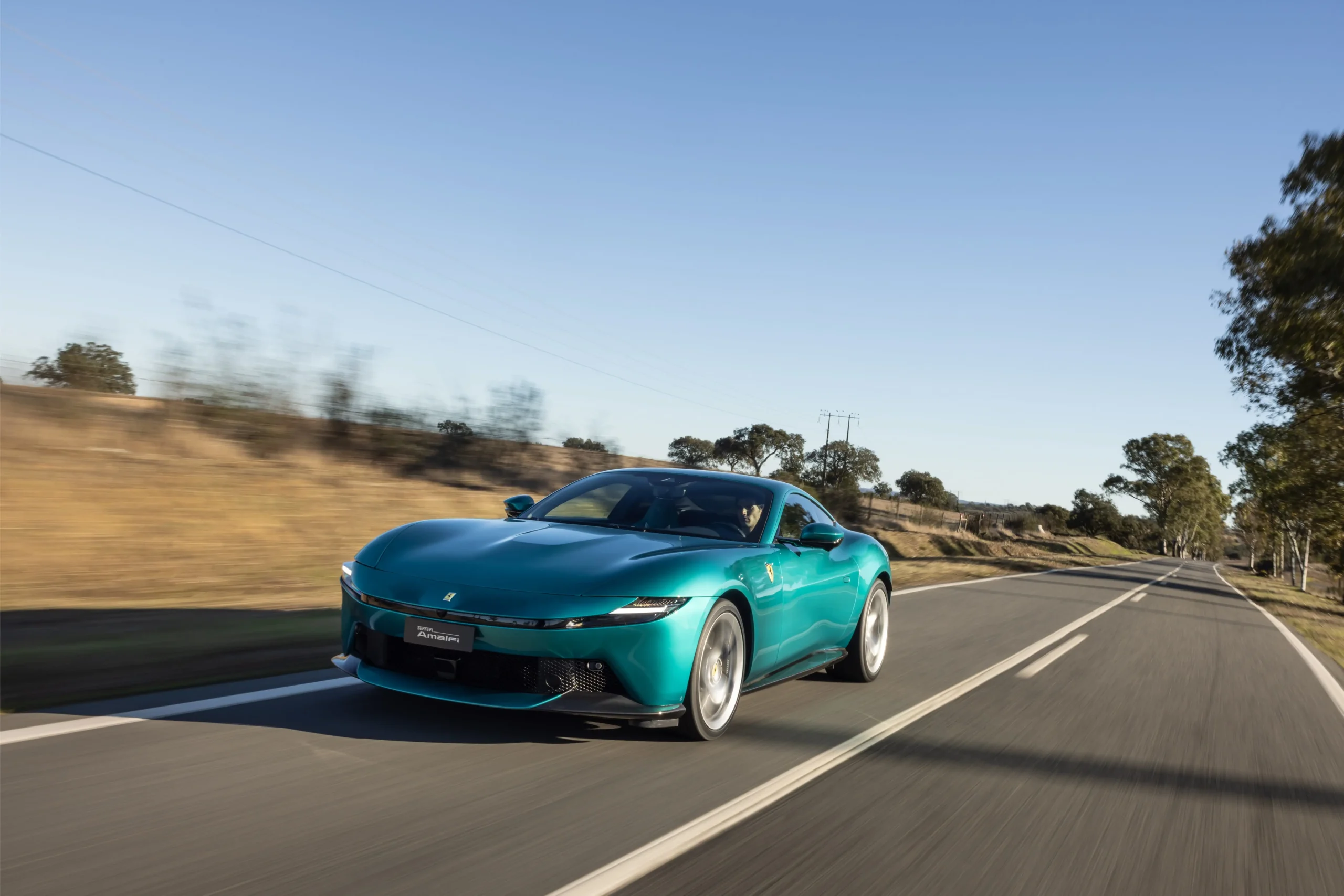
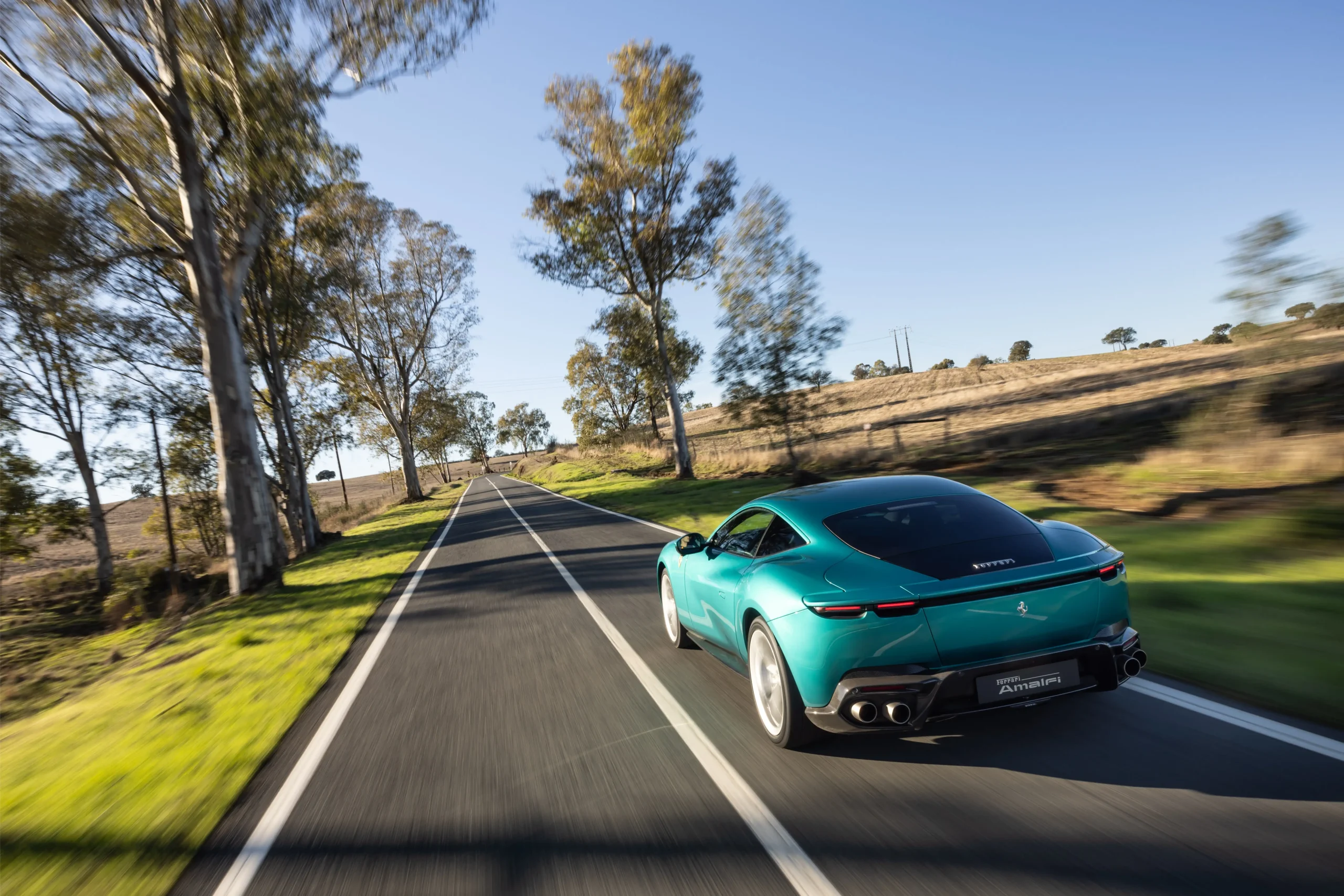
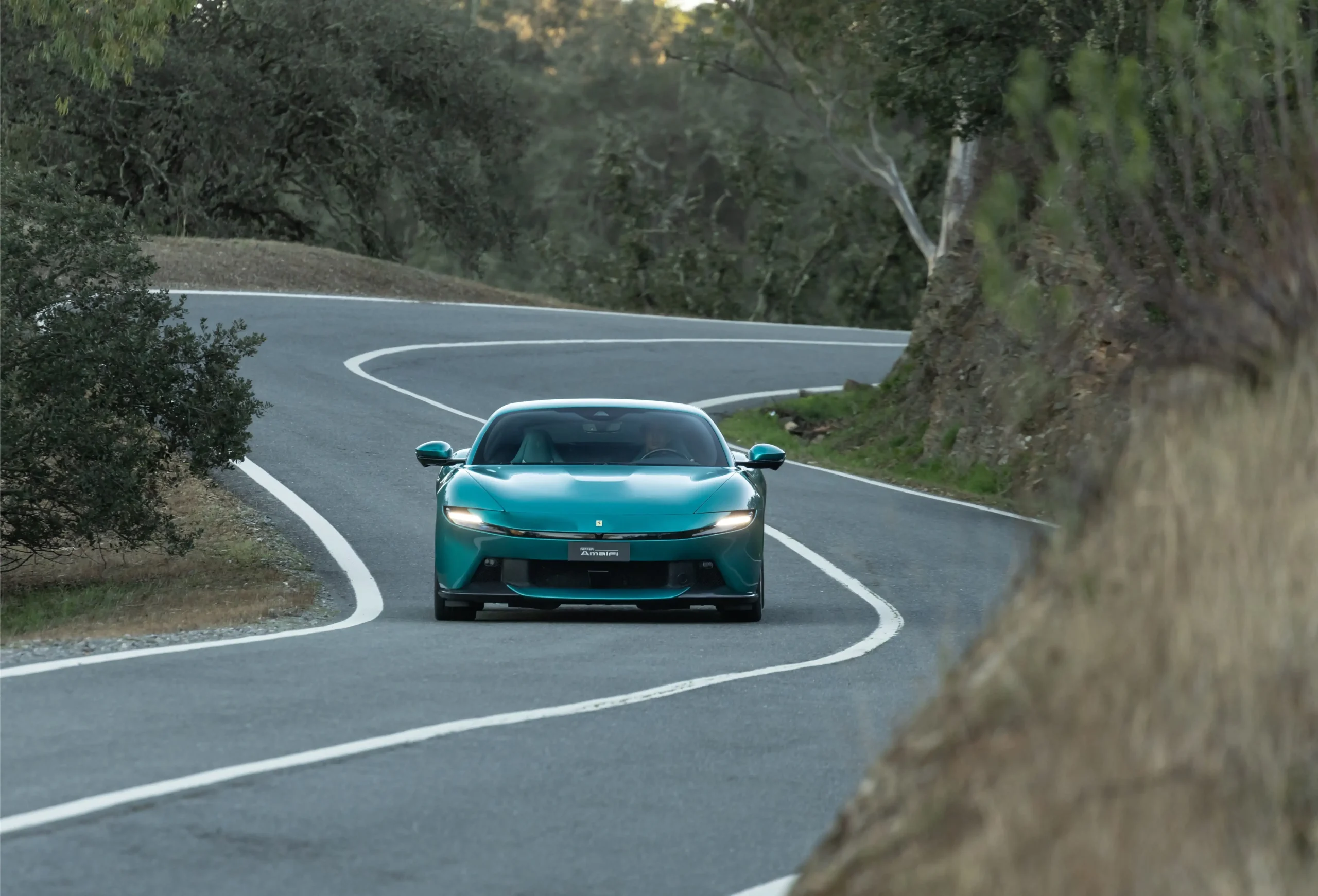
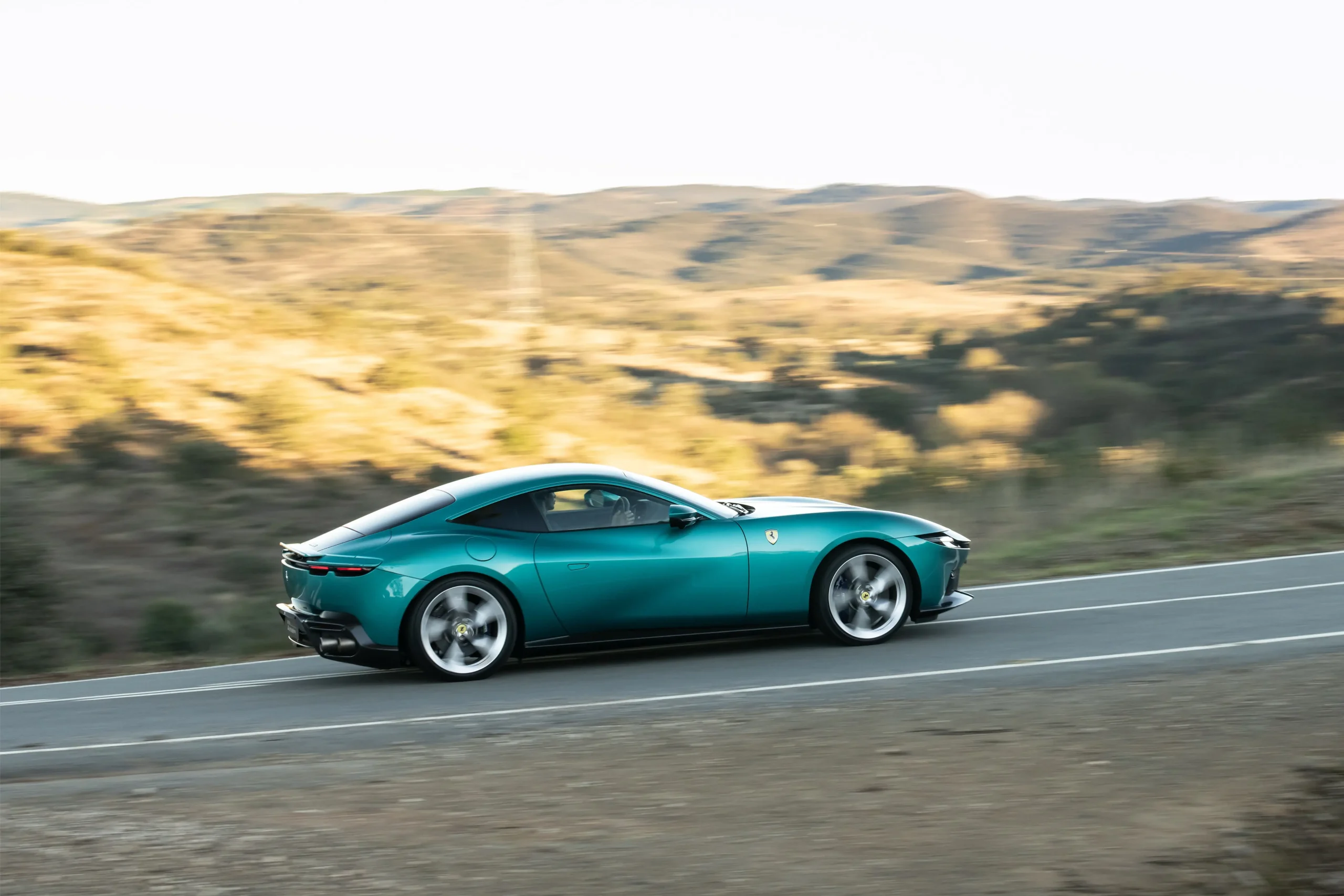
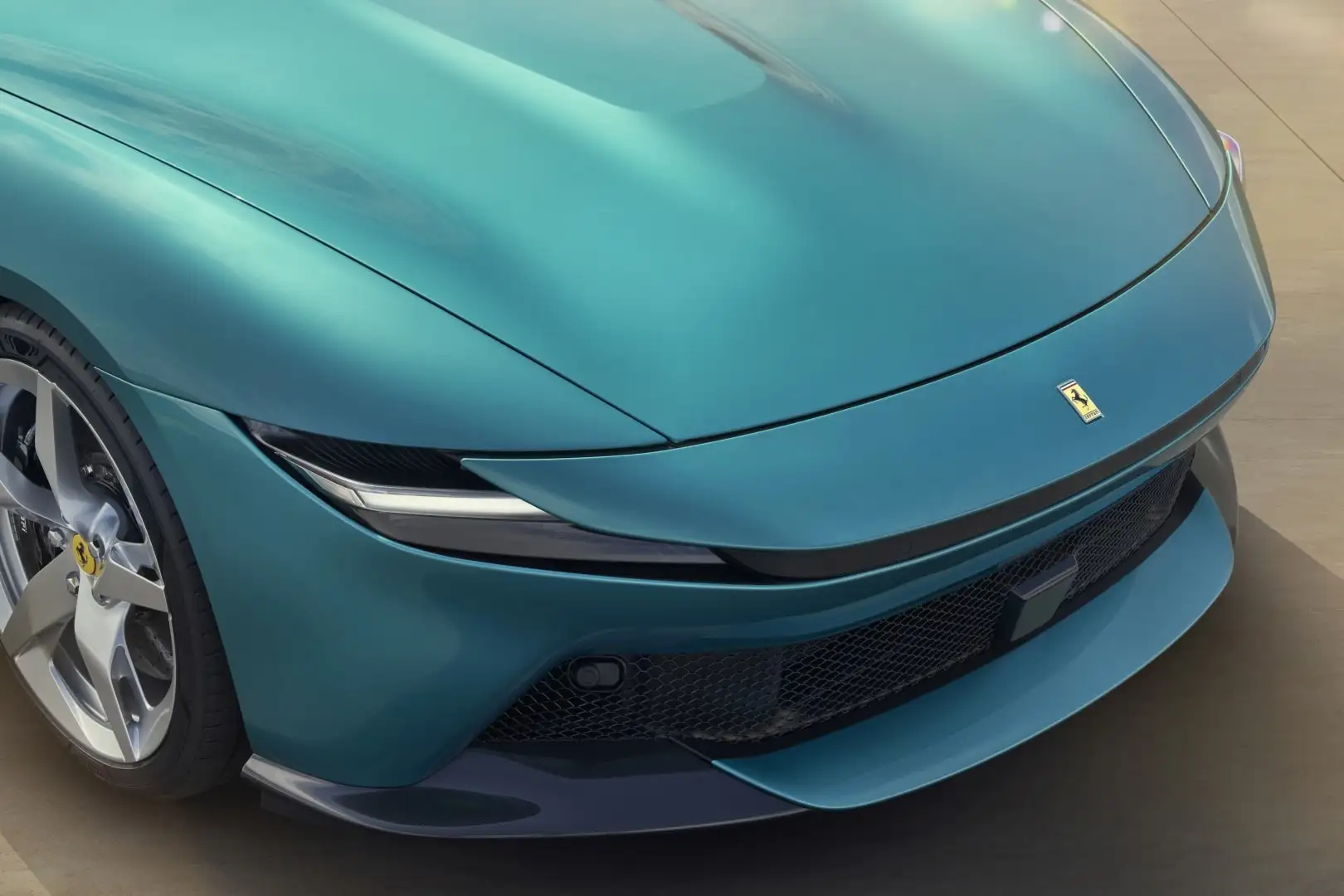
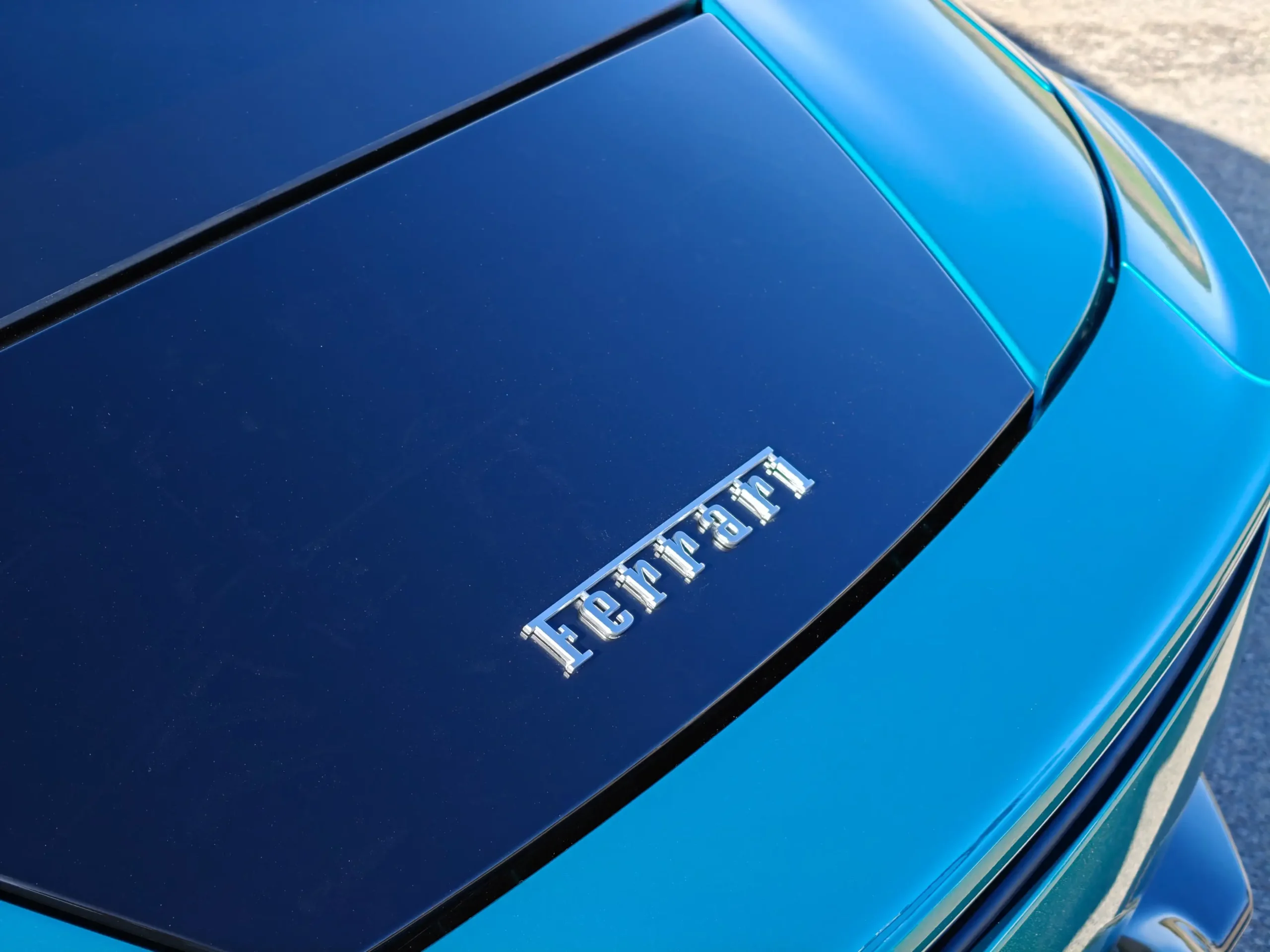
If you’ve been paying attention, you know Ferrari design has grown increasingly bold—and sometimes even challenging—in recent years. The Roma was a knockout in its own right, standing apart from every other modern Ferrari. The 2027 Amalfi, however, bears a clearer family resemblance to the rest of the lineup: the Purosangue, 12Cilindri, new 849 Testarossa, and F80. Yet it feels more like a cousin than a sibling, retaining its own distinct personality.
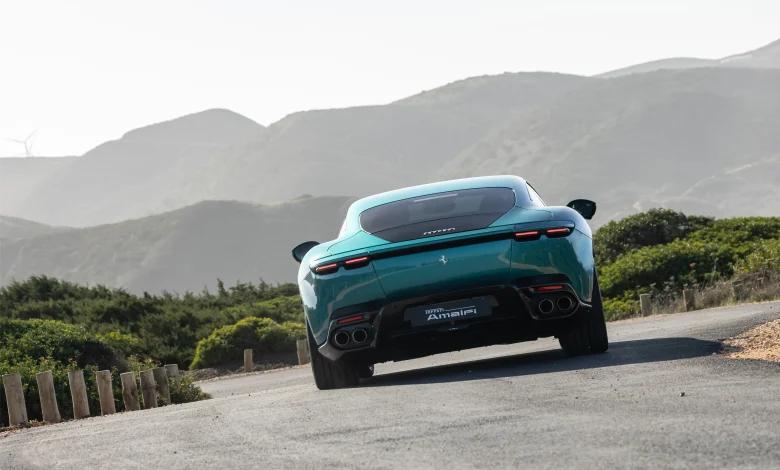
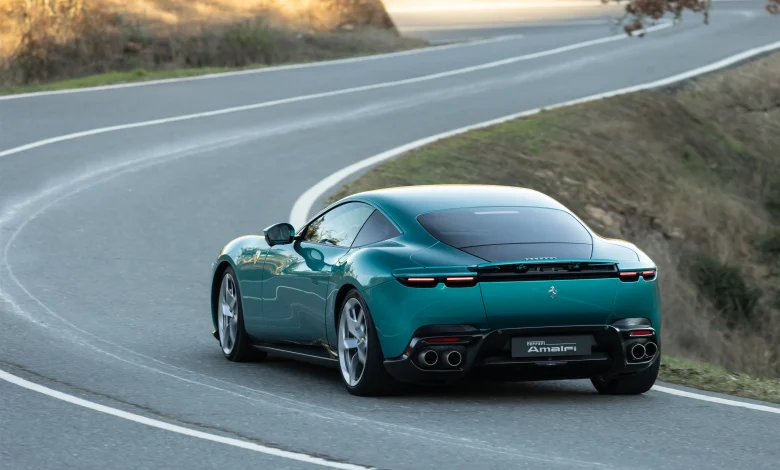
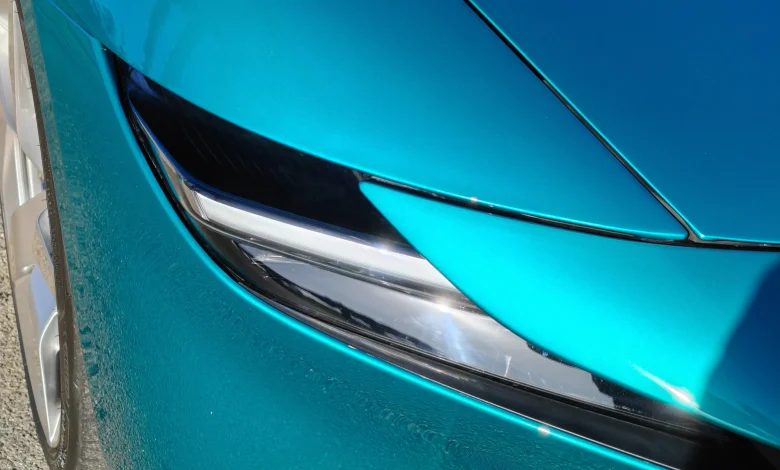
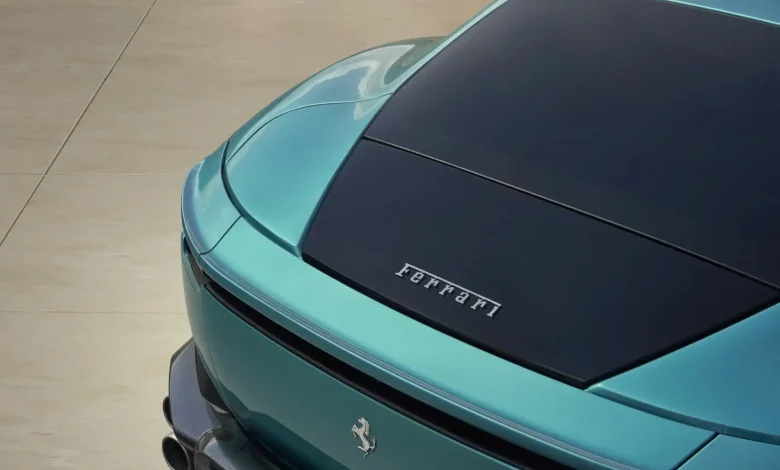
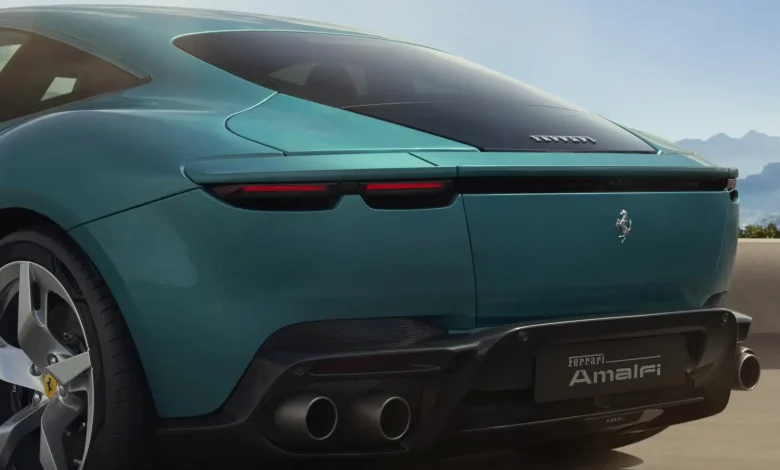
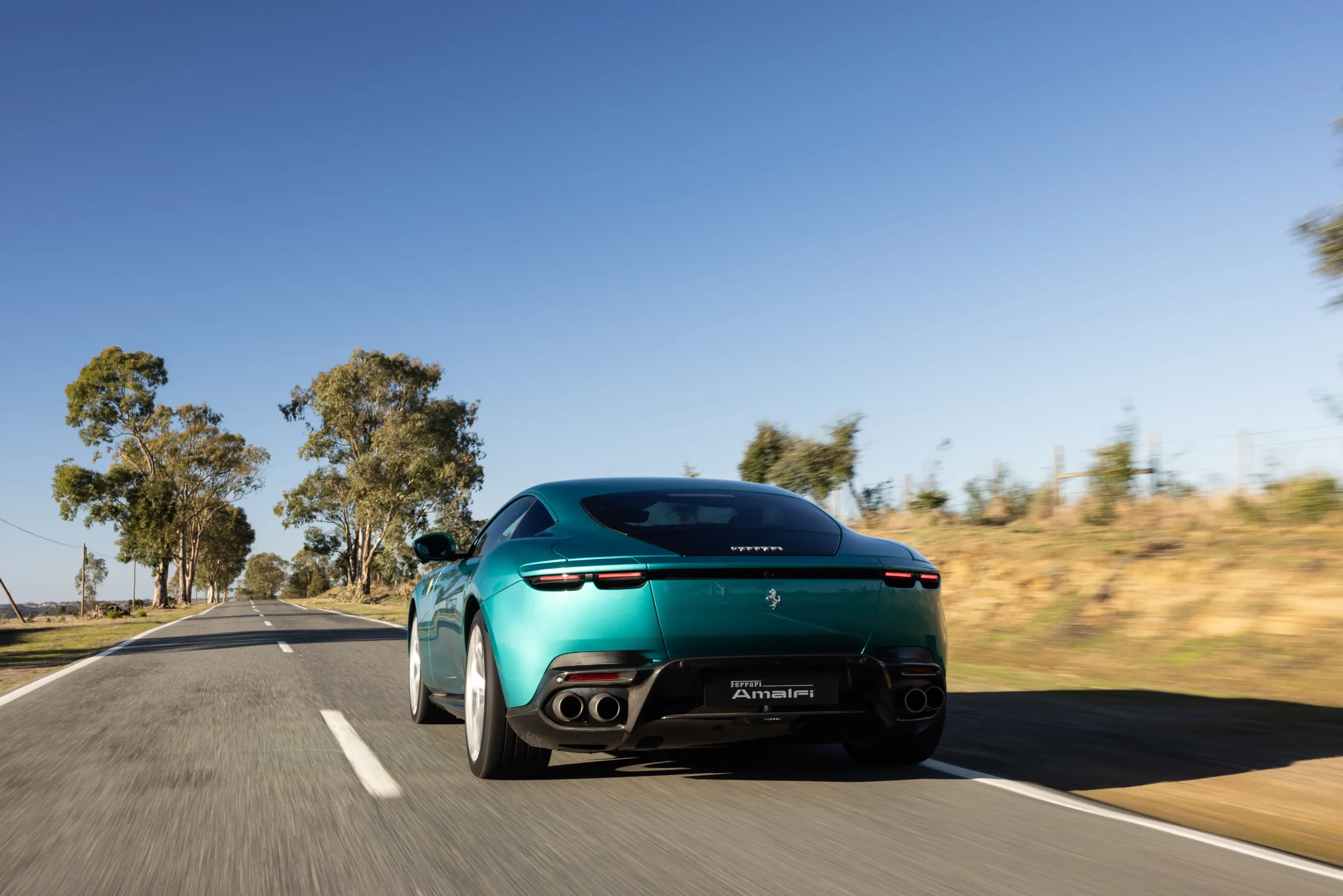
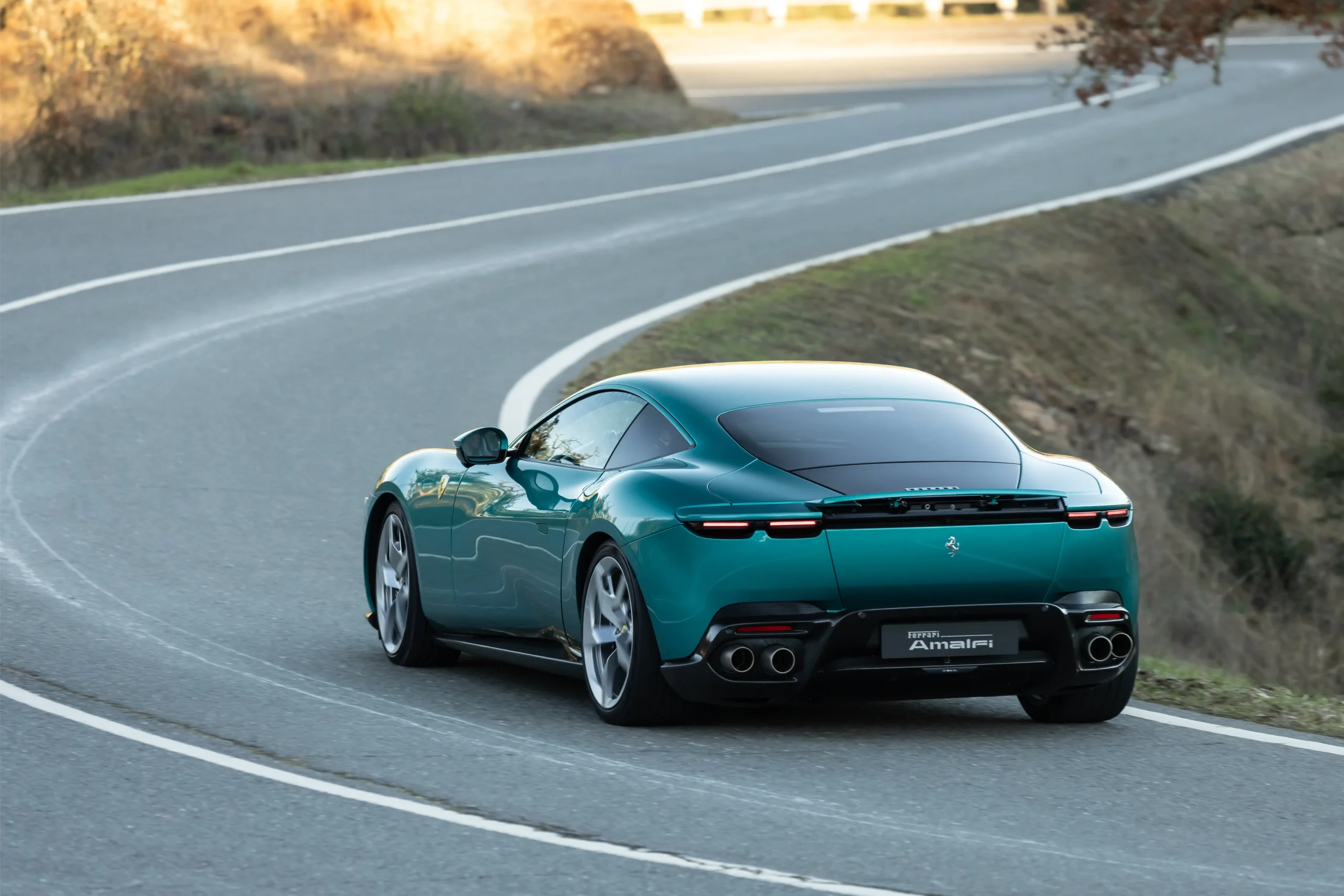
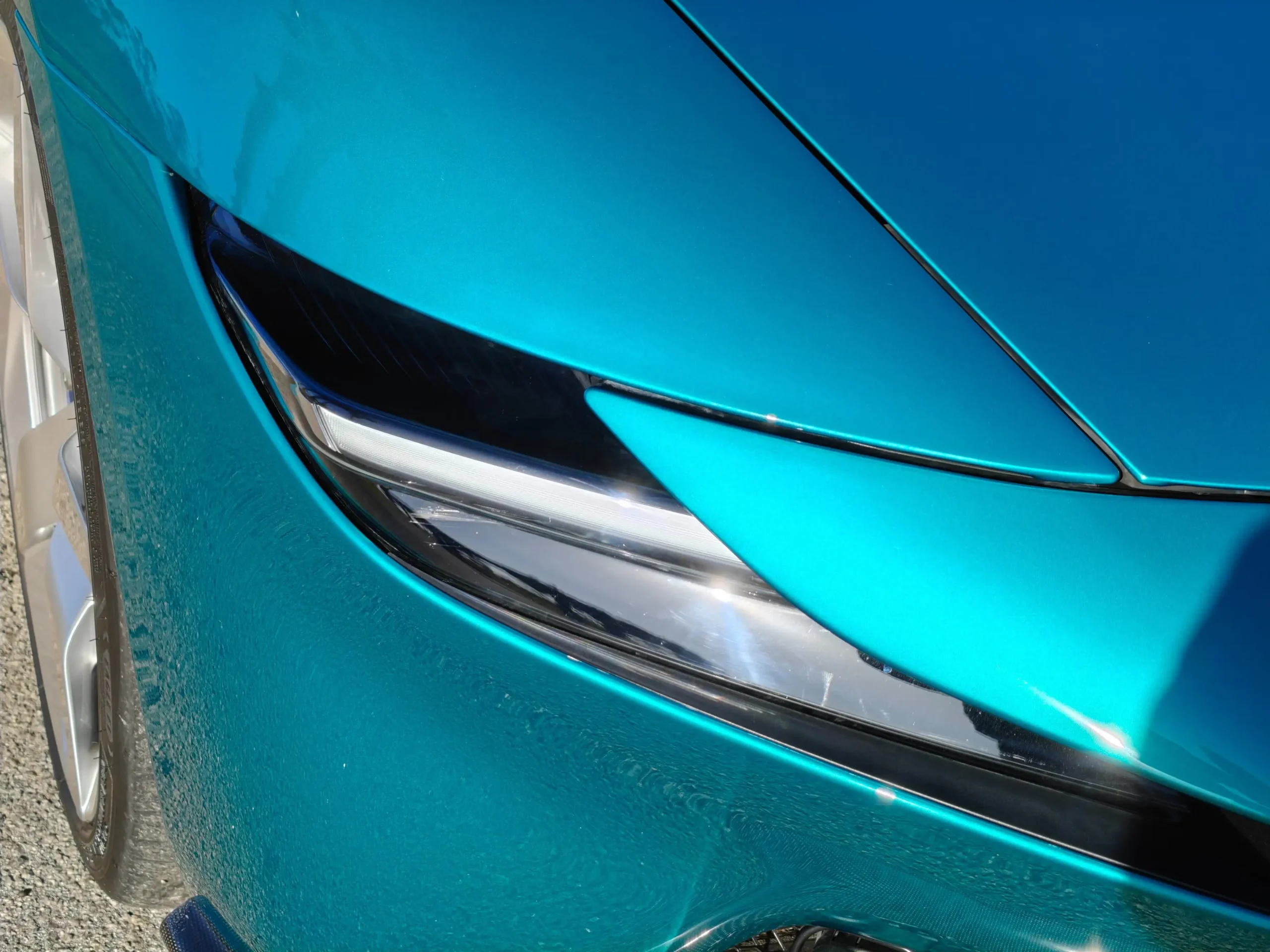
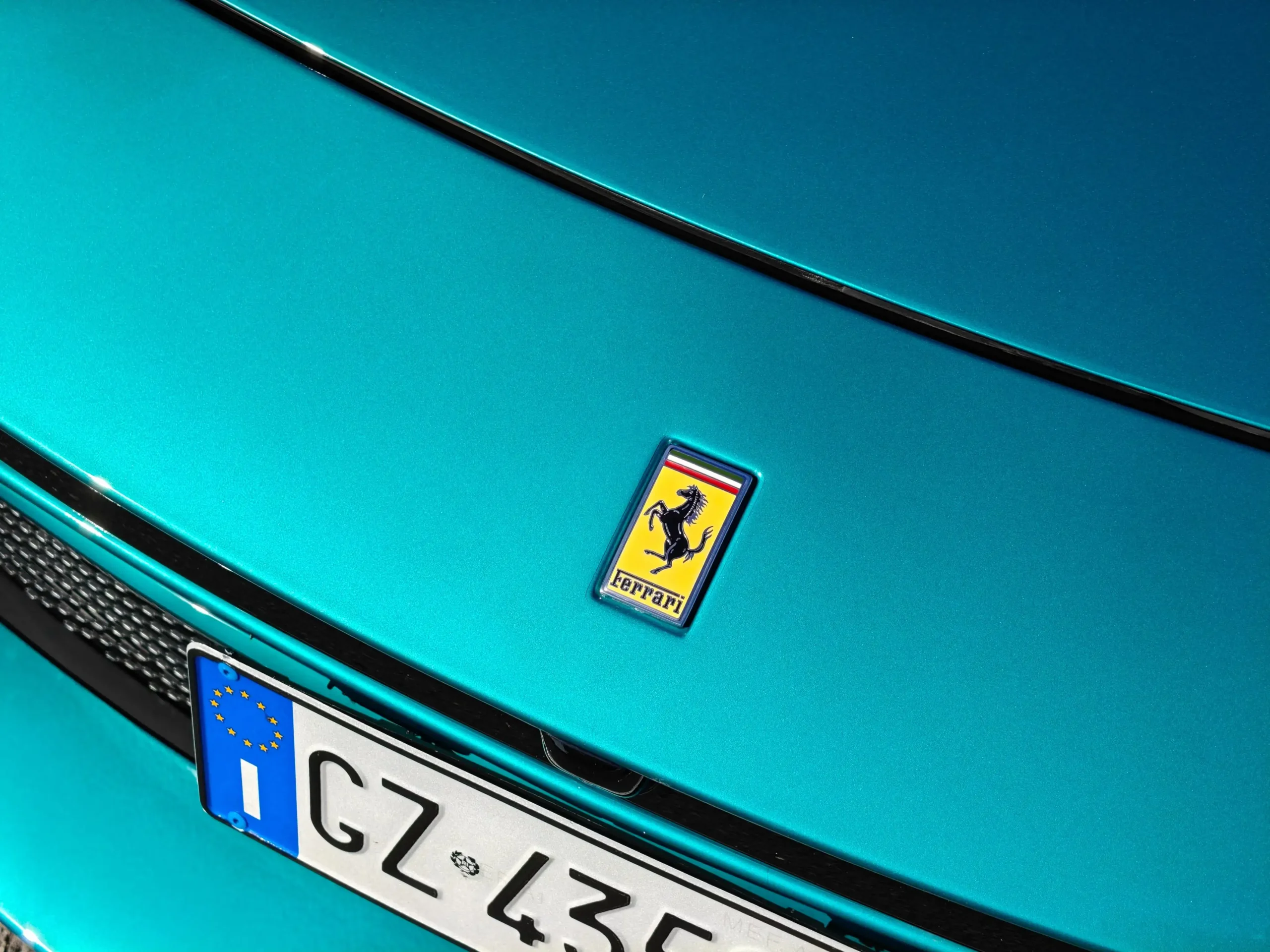
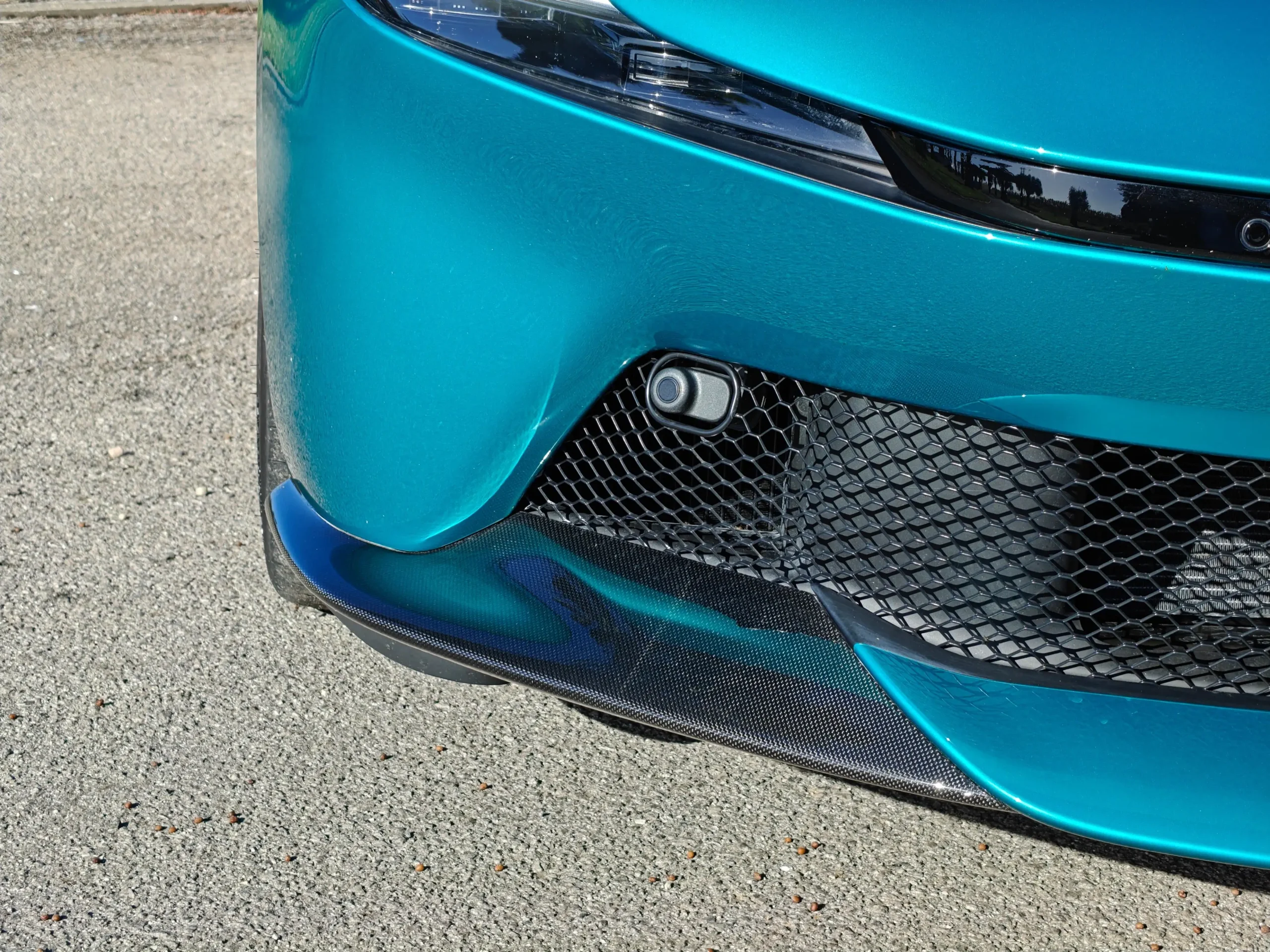
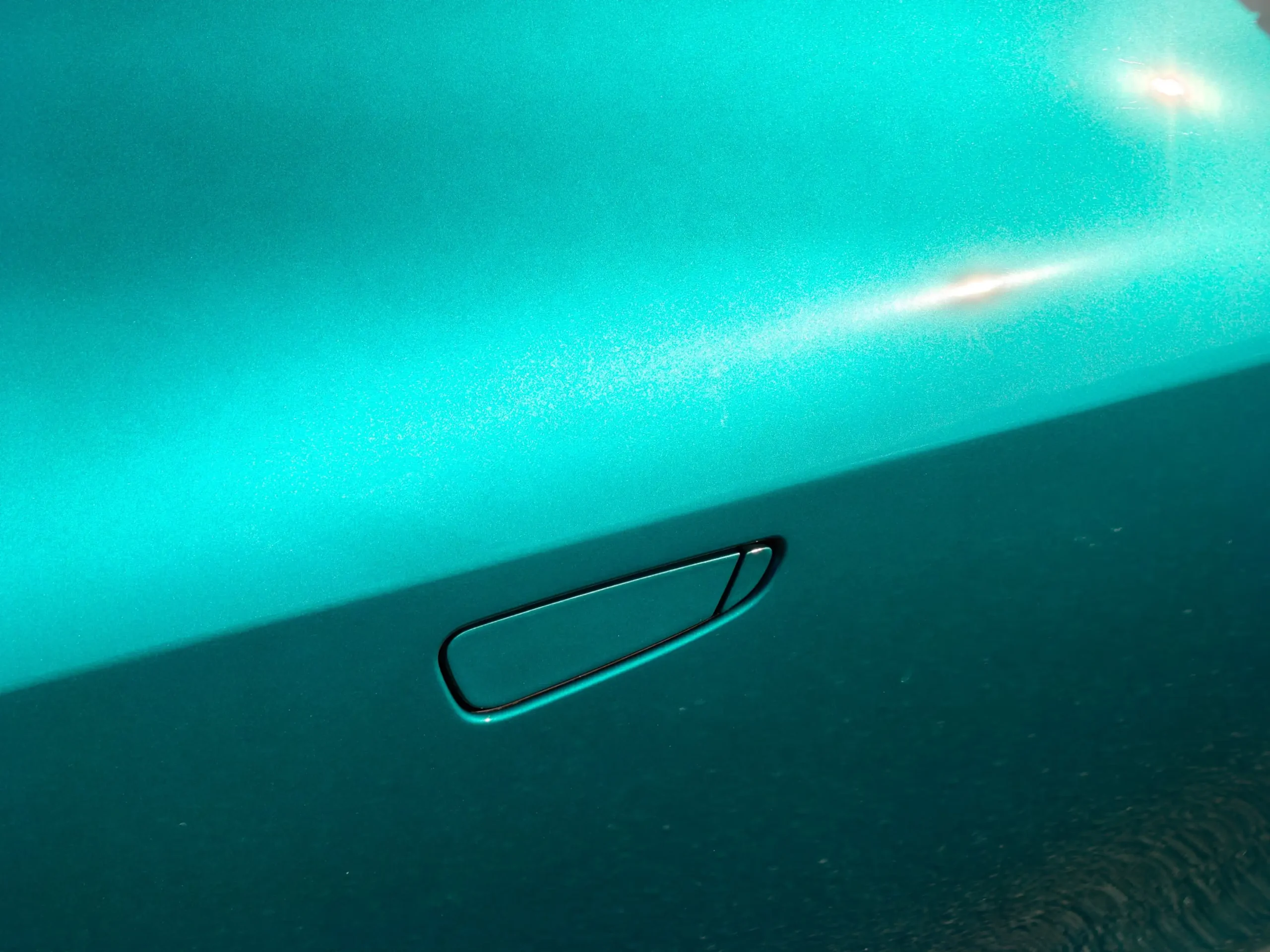
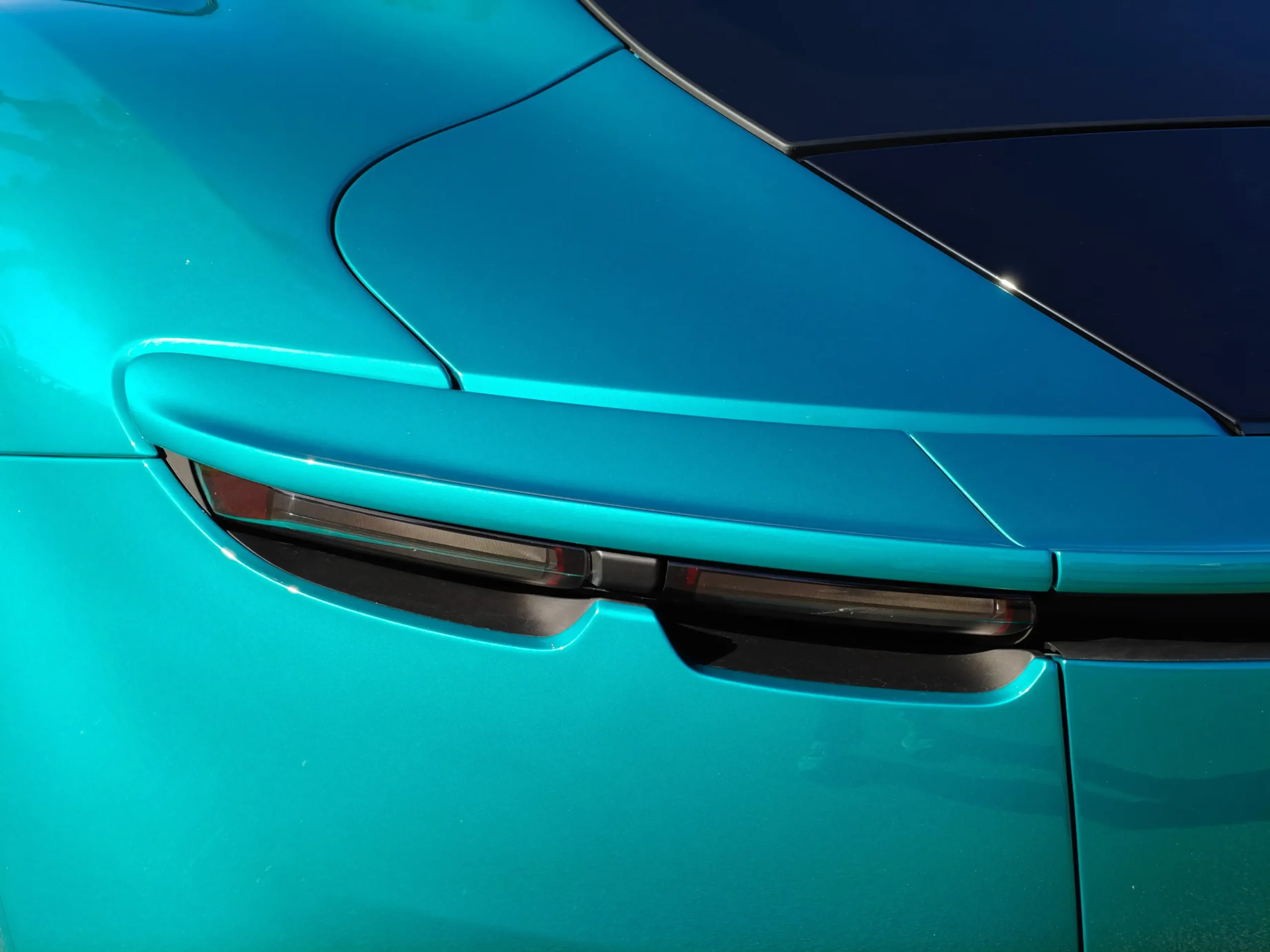
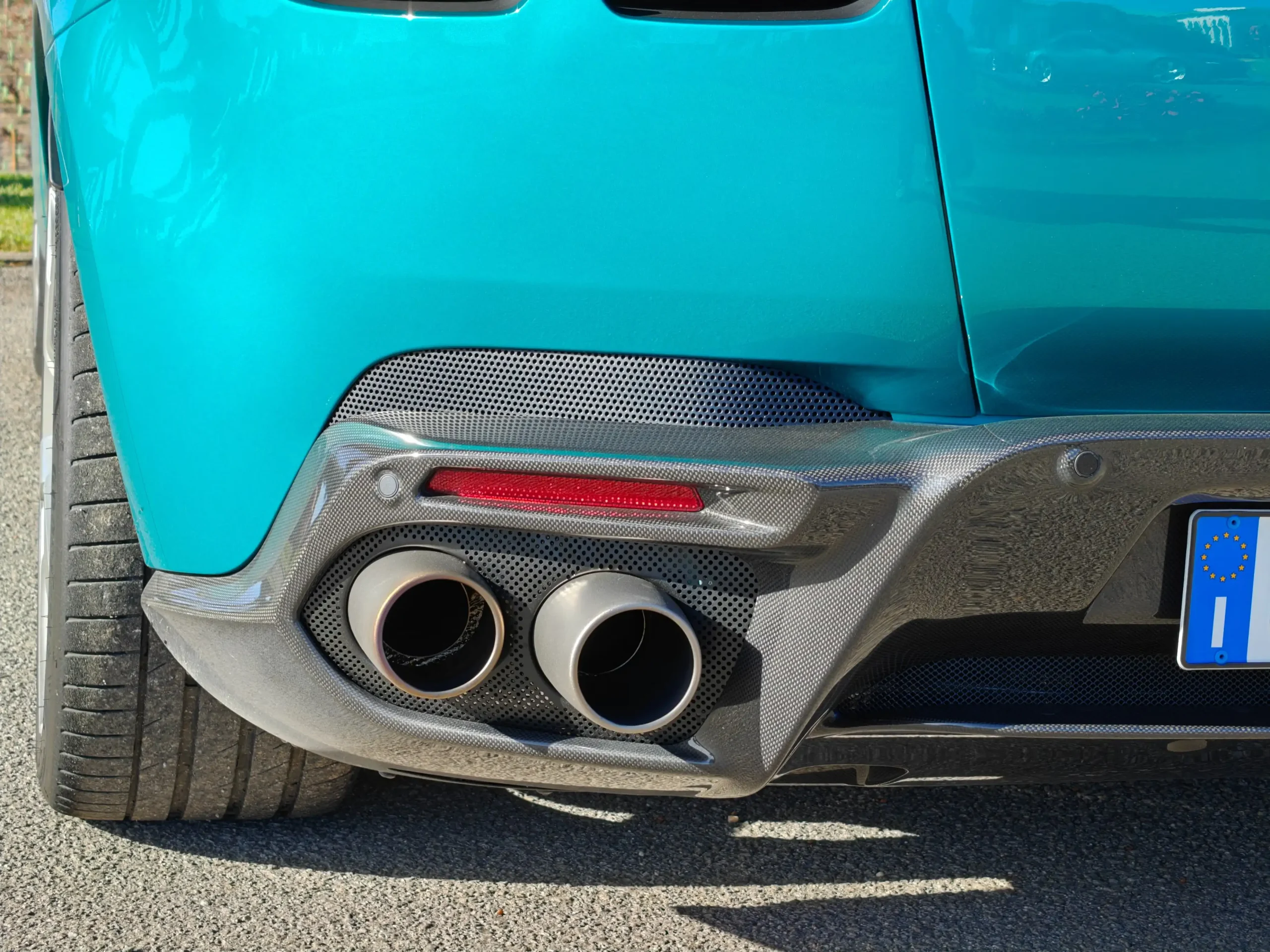
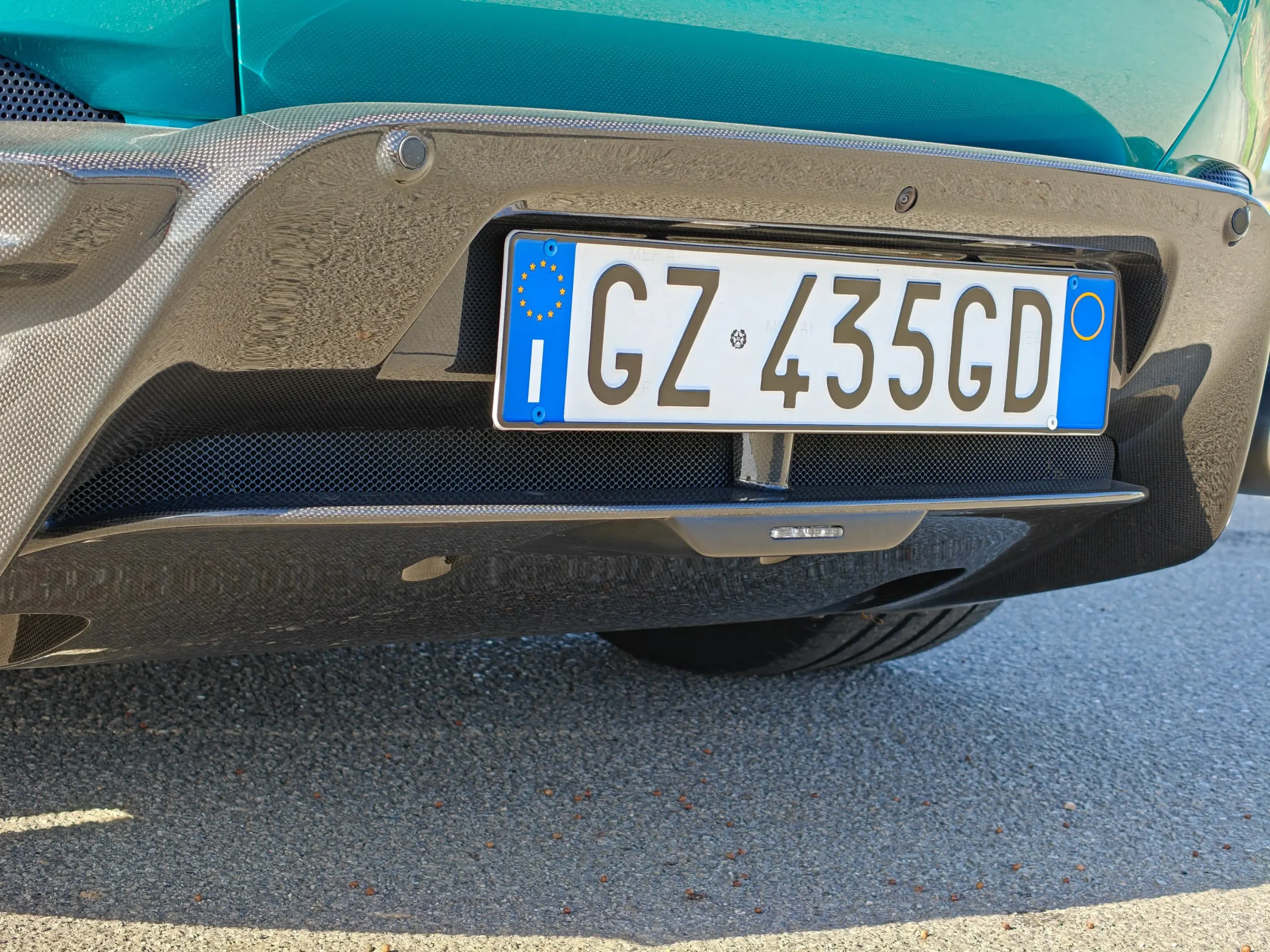
Ferrari’s design team started the Amalfi project with a single goal: a clean, pure GT shape—a Platonic ideal, if you will. Every necessary cut into that form—headlights, door handles, wheel openings—was a challenge for the designers’ eyes. To preserve as much of the pure form as possible, they cleverly integrated functional elements into the black stripes that run across the front and rear of the car. The headlights and front camera hide within the front groove, while the taillights, rear camera, and hatch release vanish into the rear stripe. Up front, the metal-mesh lower grille conceals the forward-facing radar and parking sensors, arguably the Amalfi’s most striking visual improvement over the Roma.
While the Roma and Amalfi are different enough to defy direct comparison, both are elegant in their own ways—different expressions of Ferrari’s evolving GT philosophy.
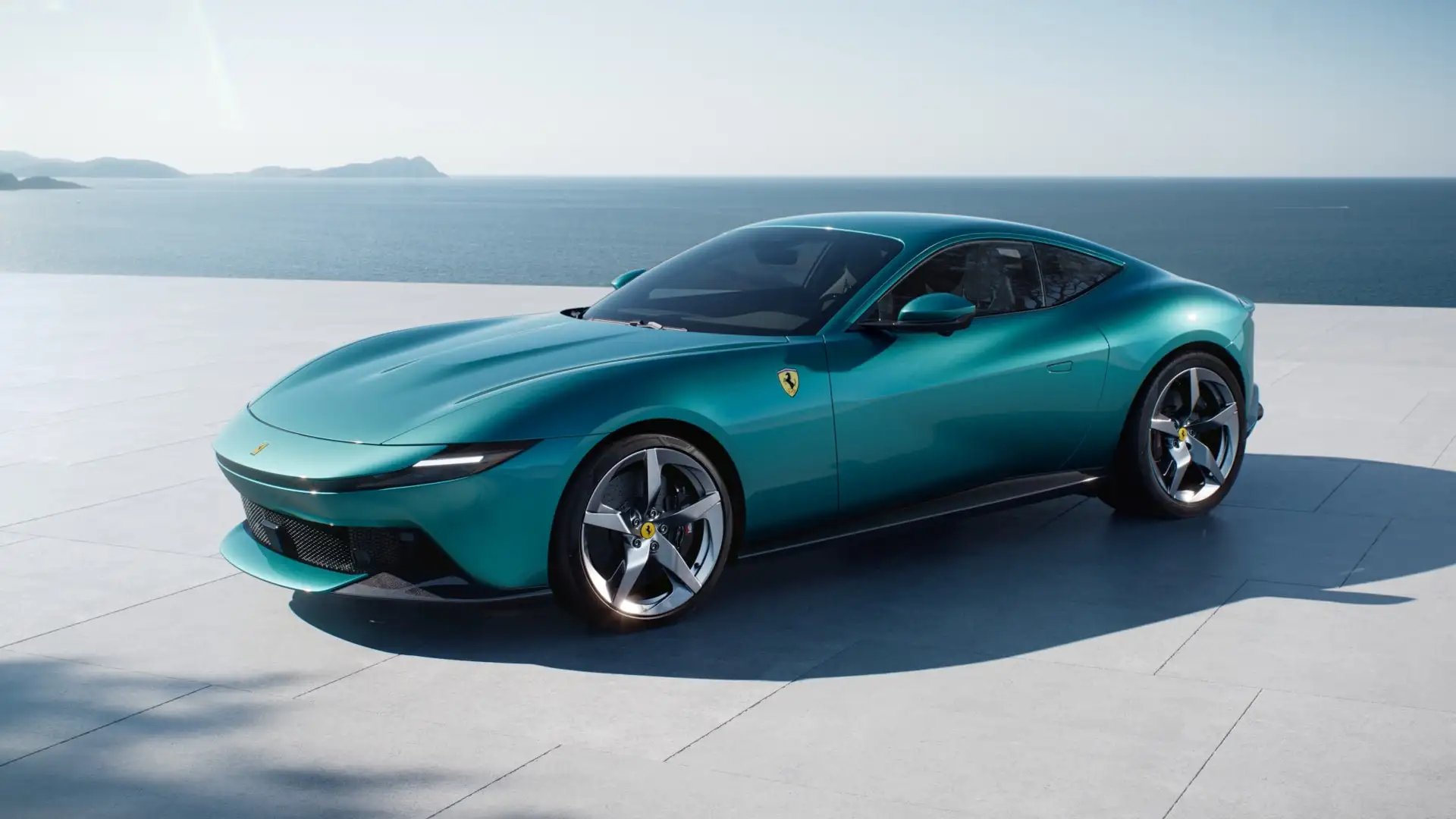
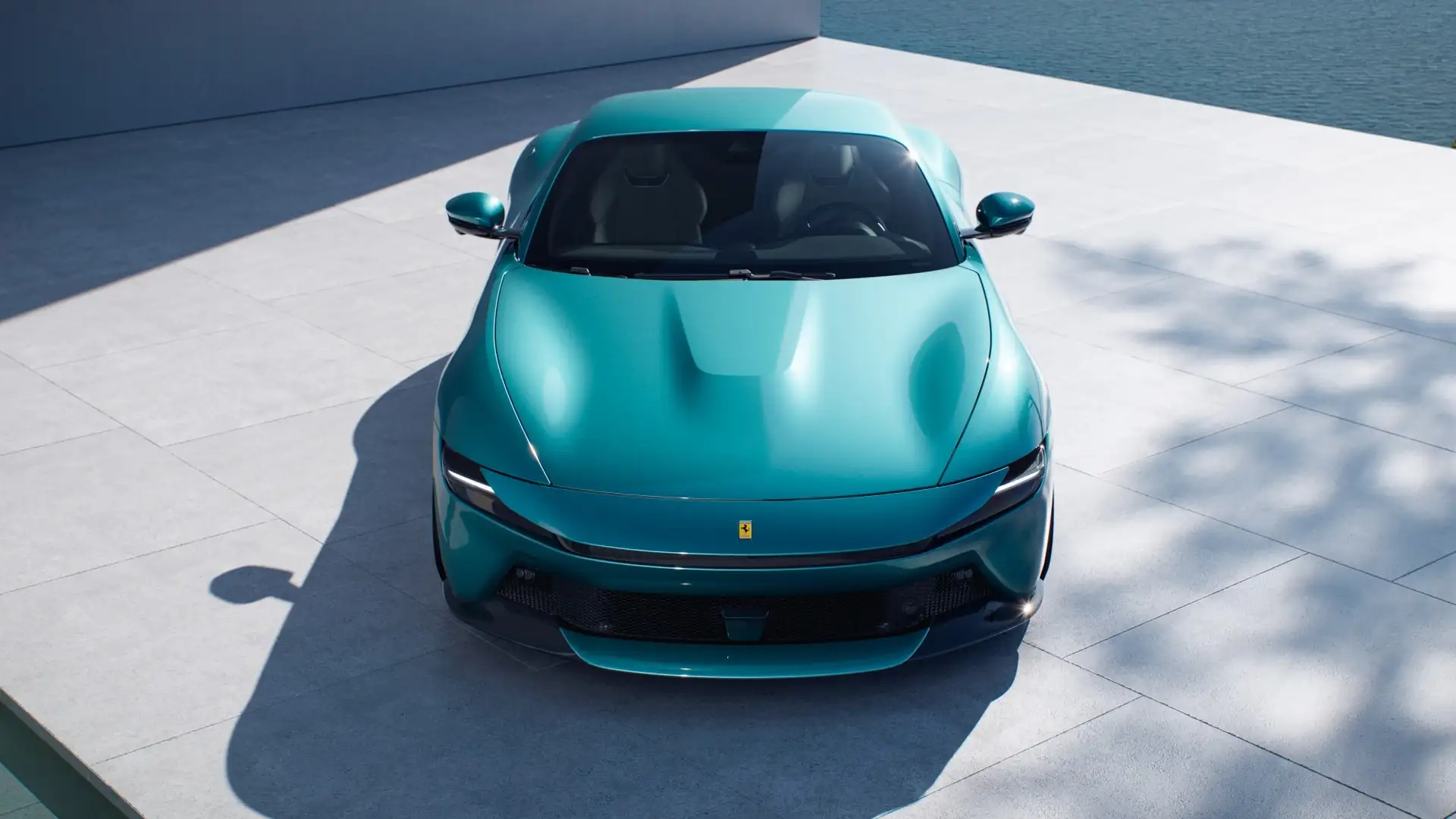
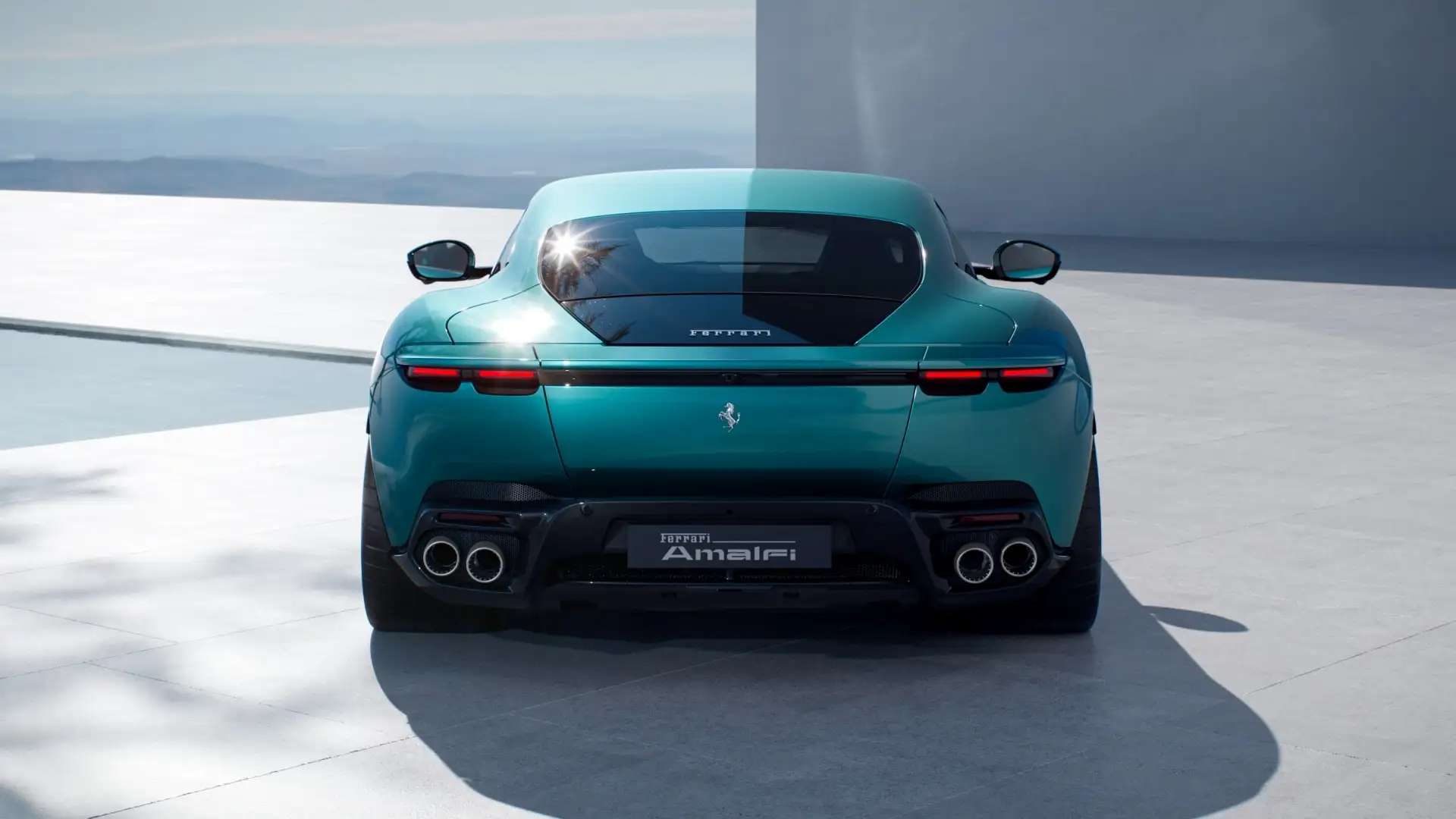
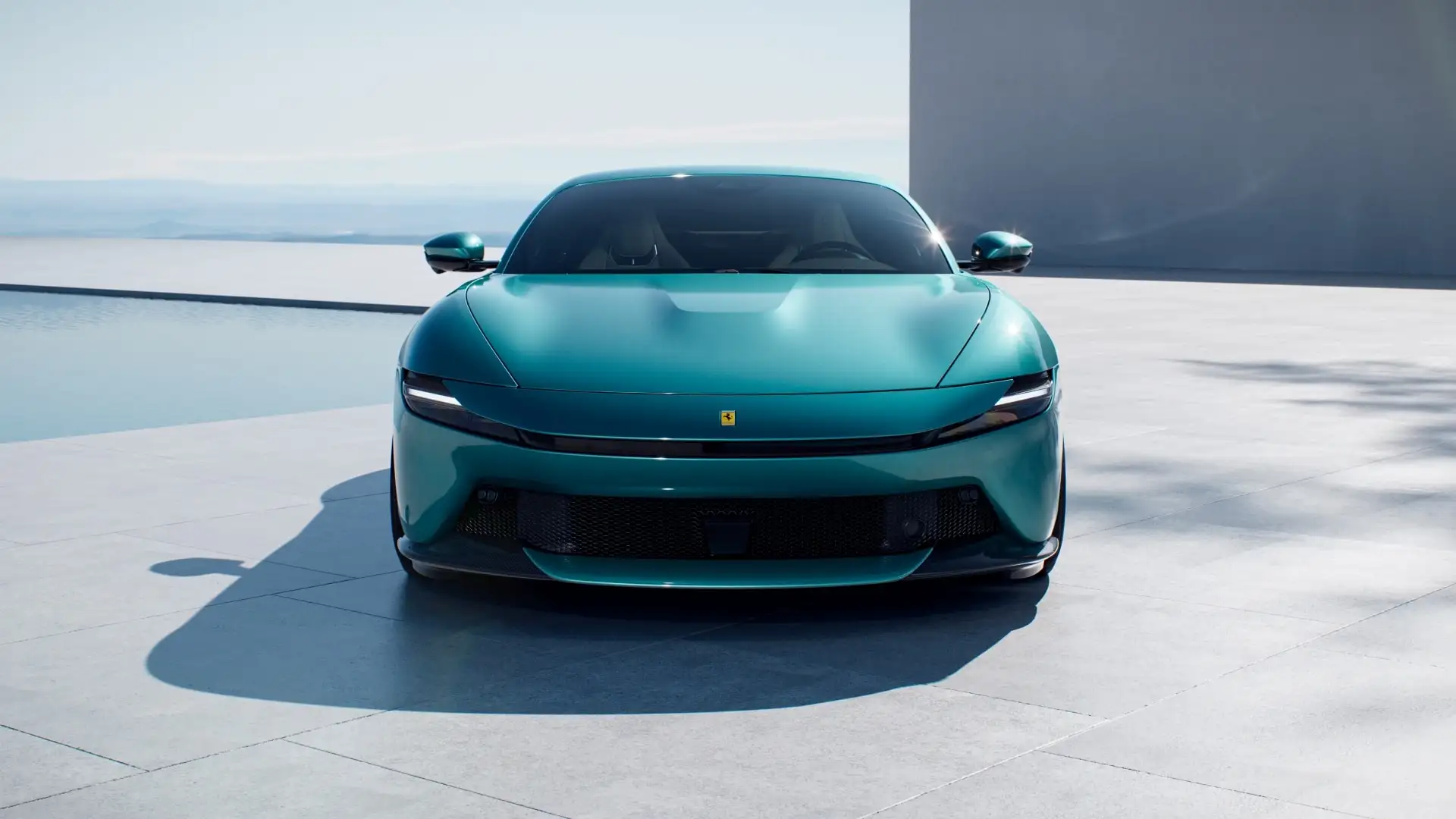
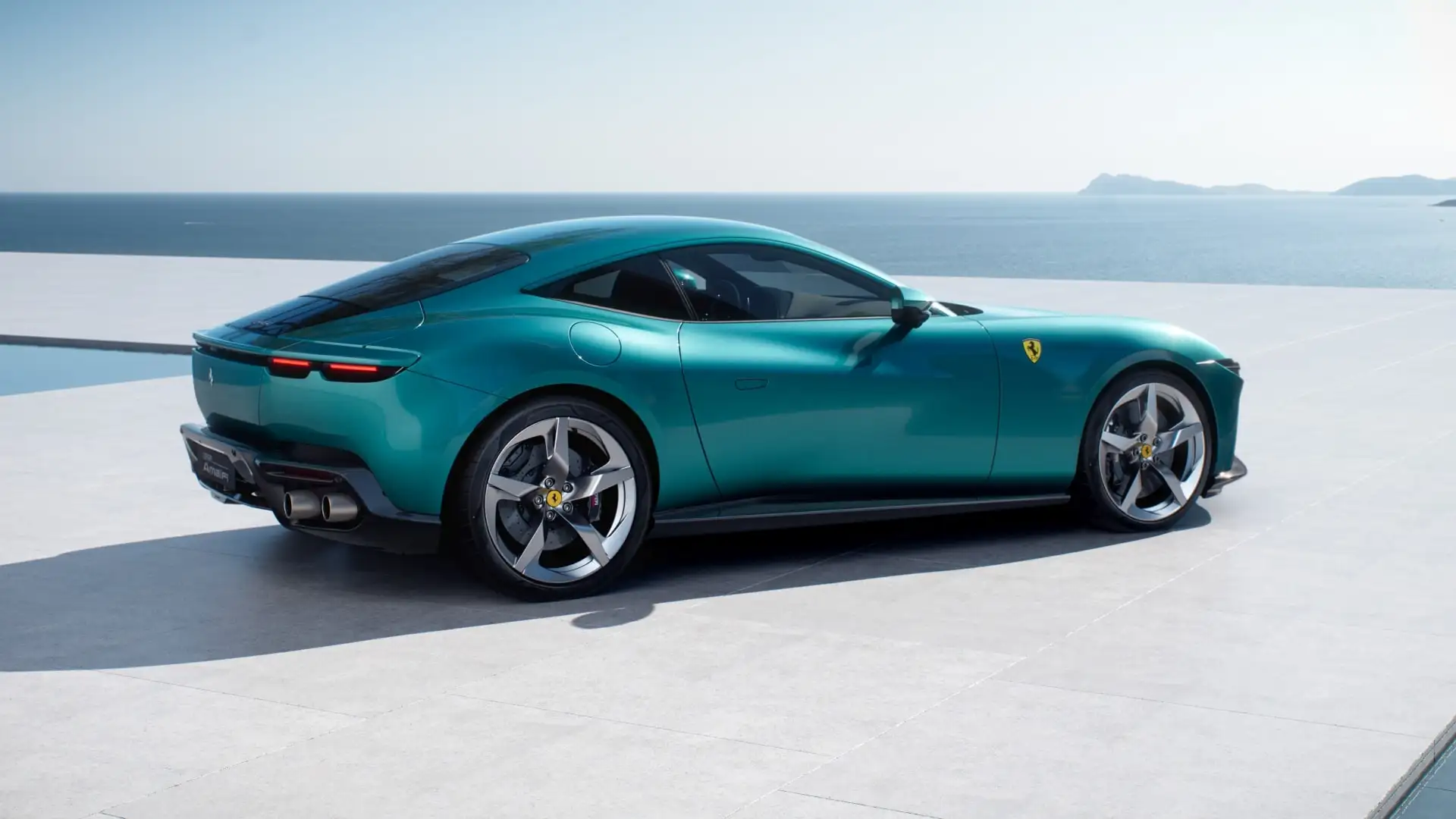
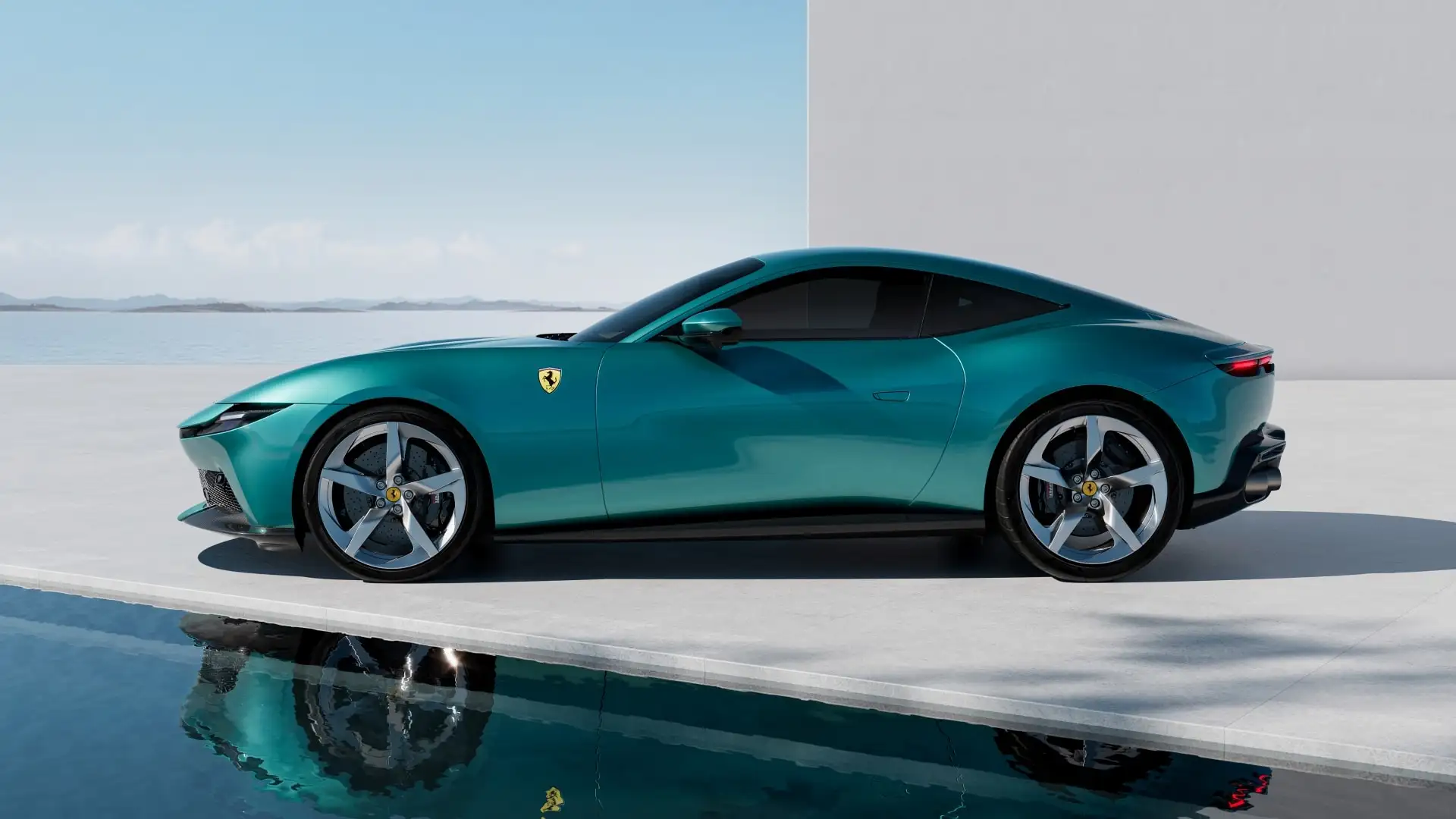
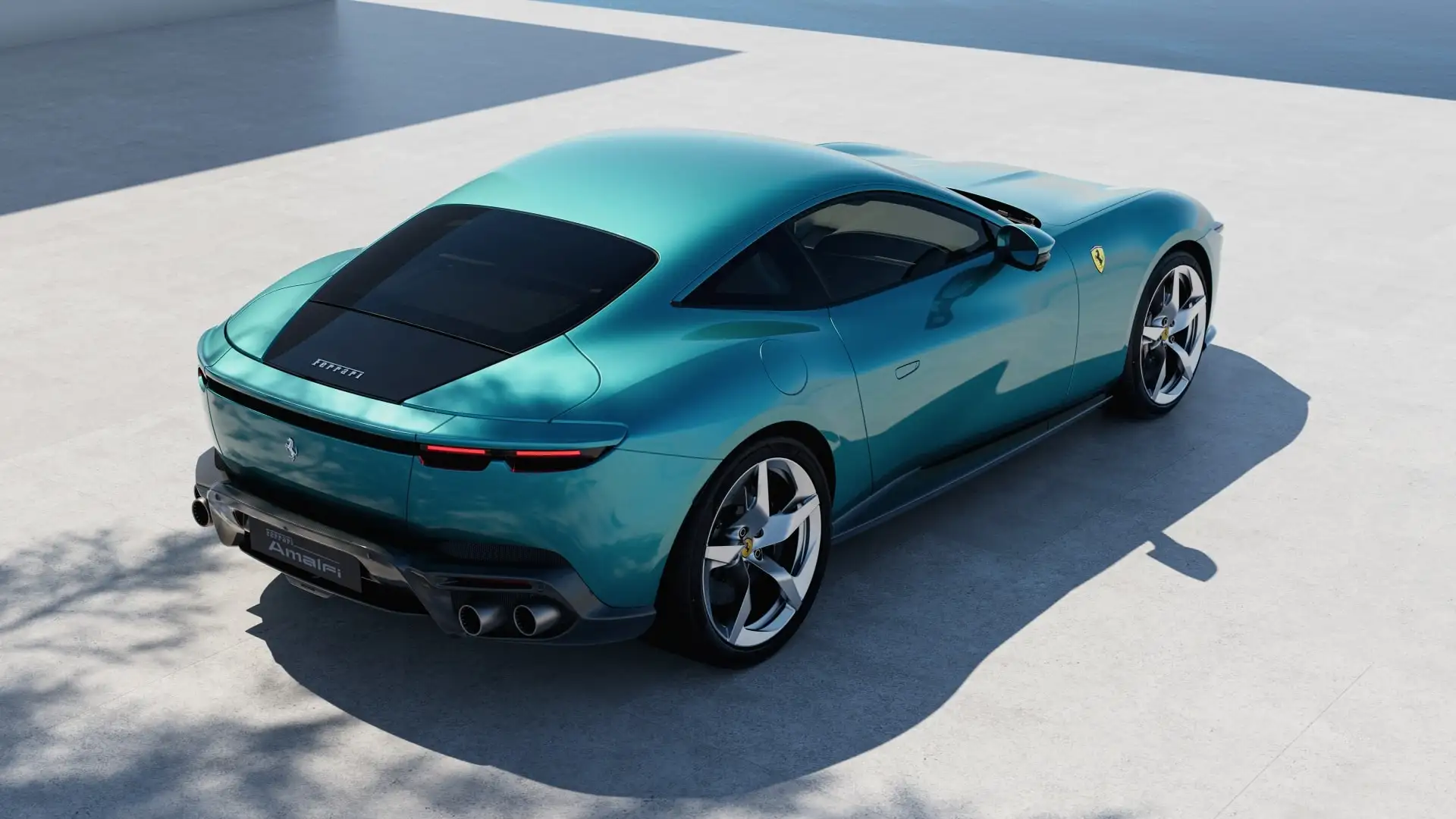
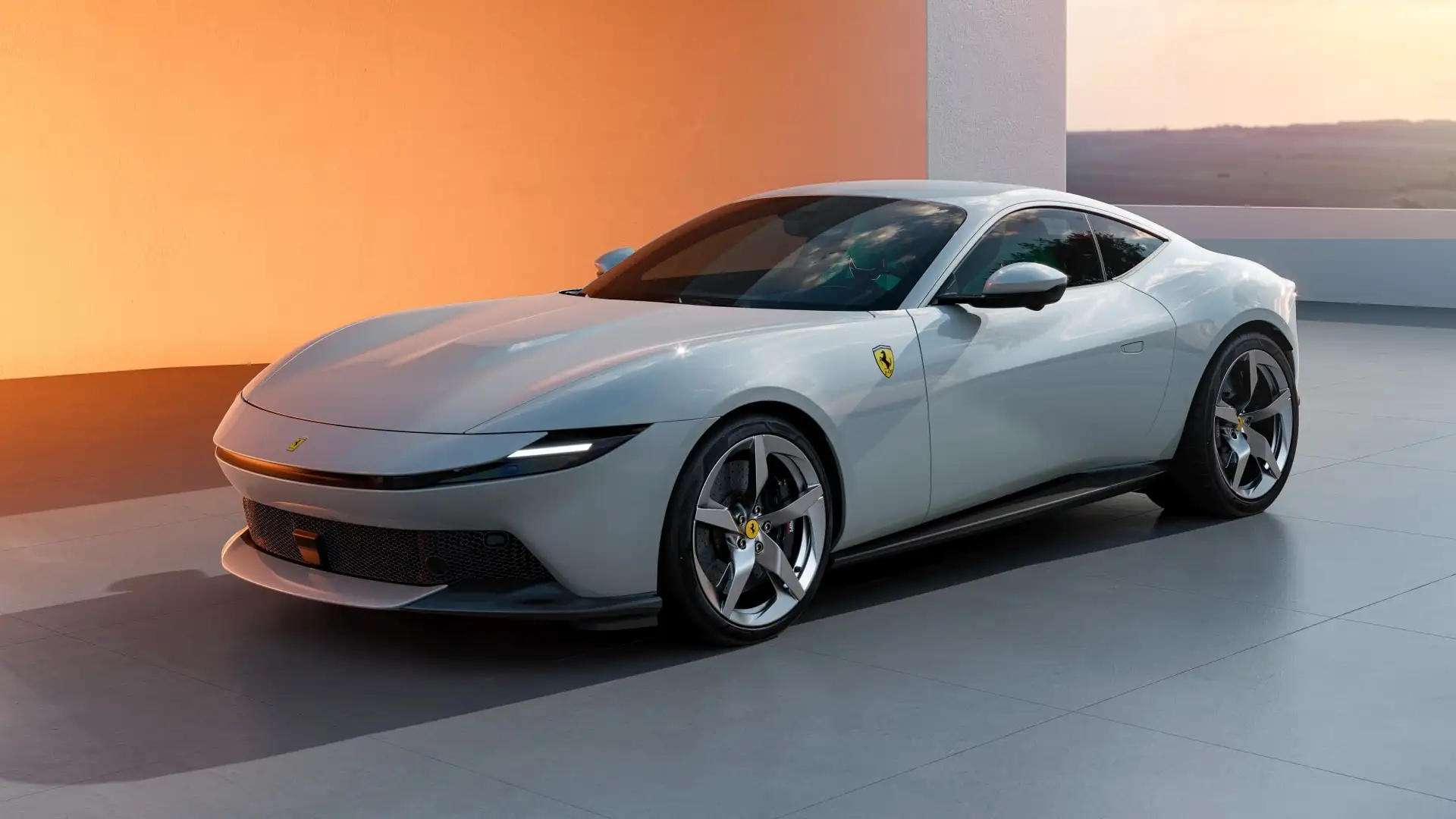
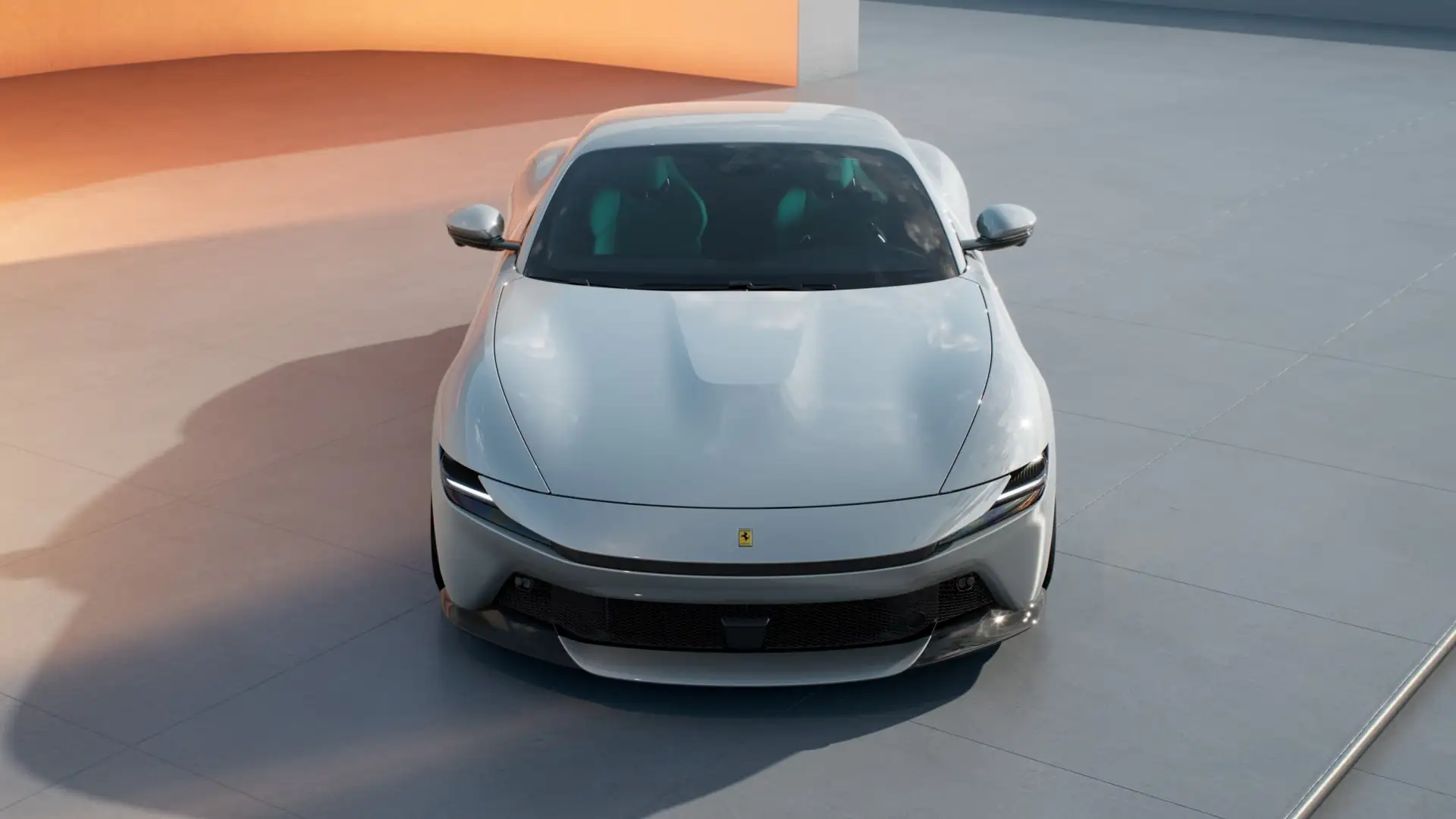
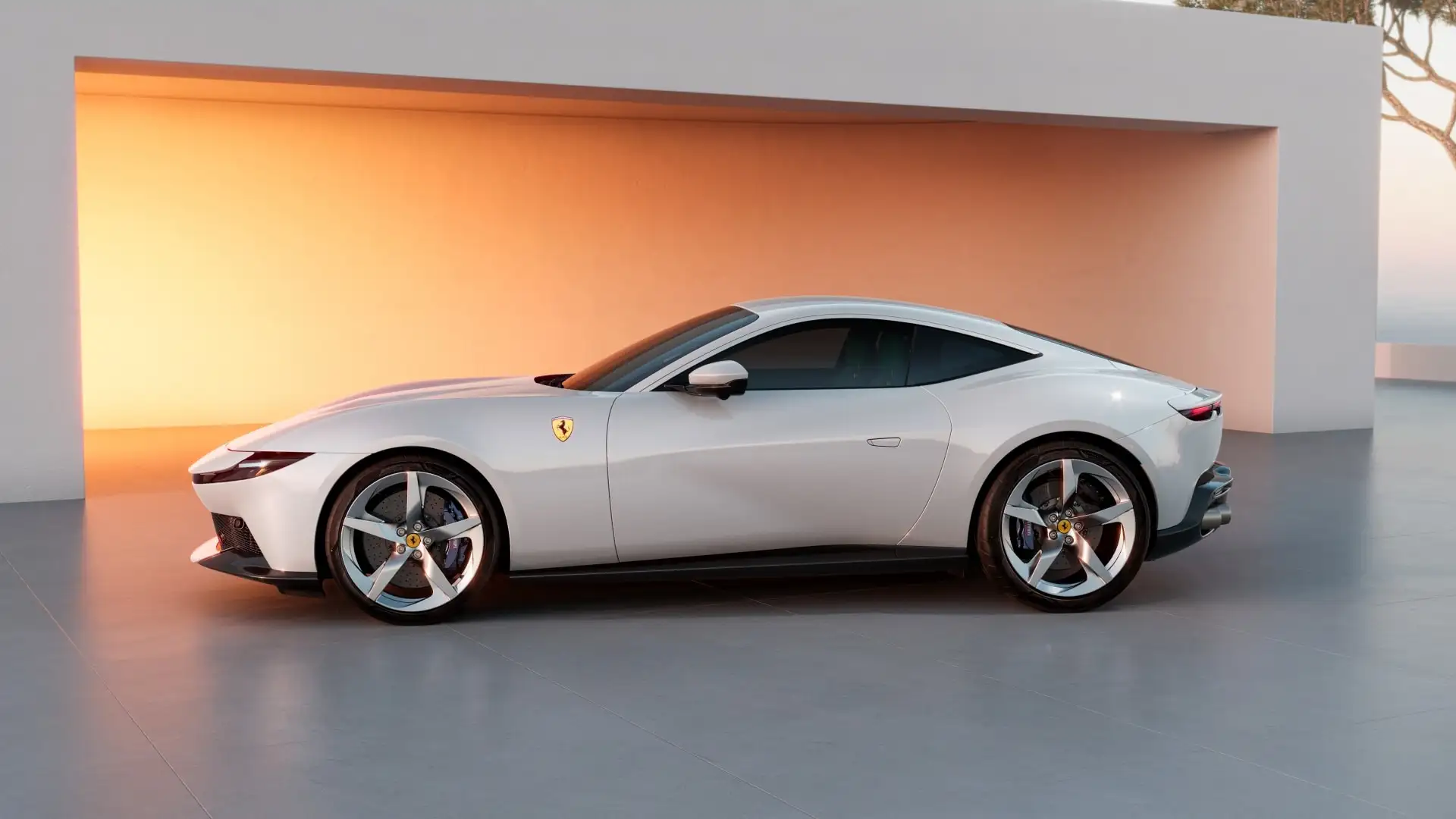
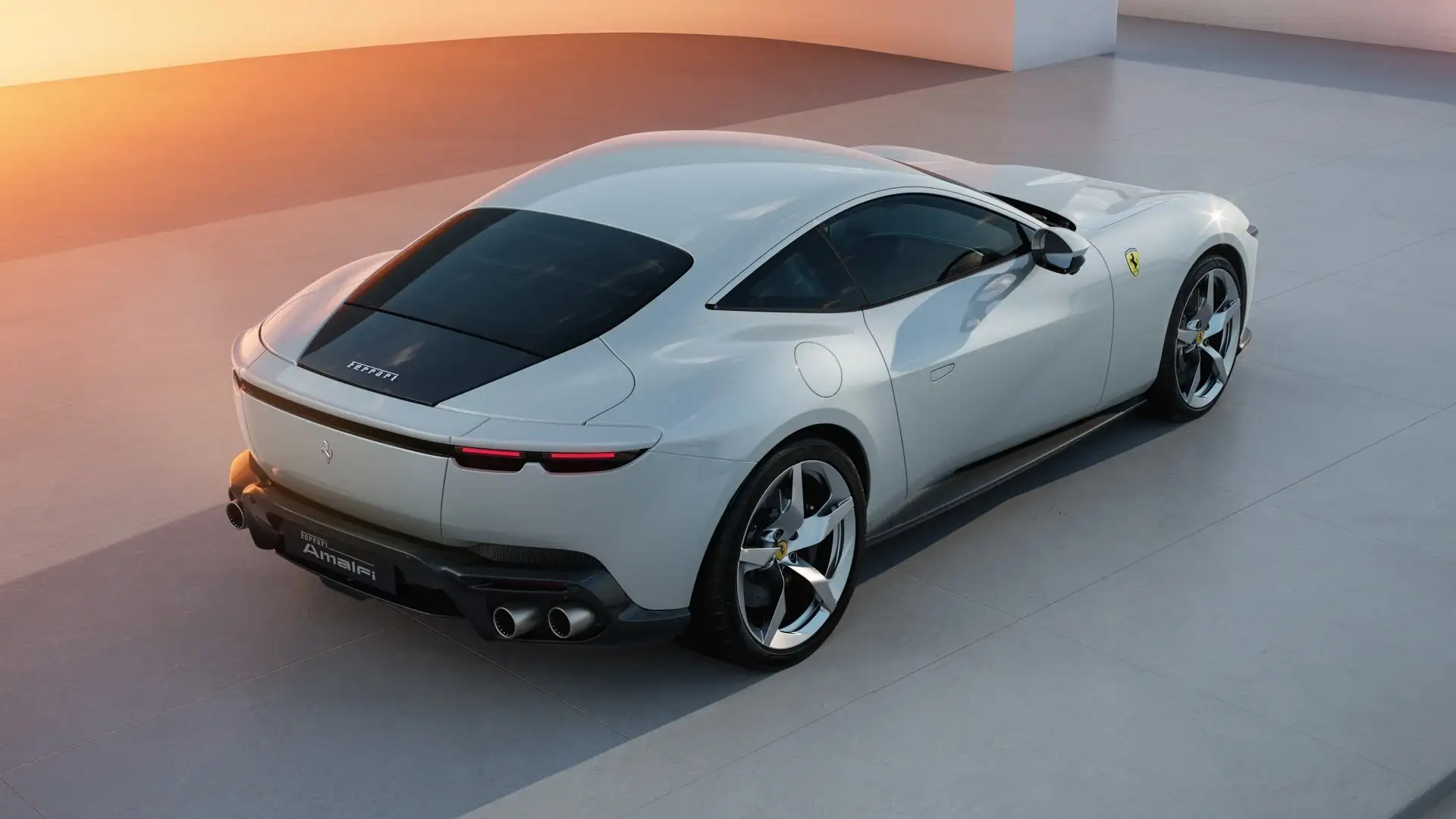
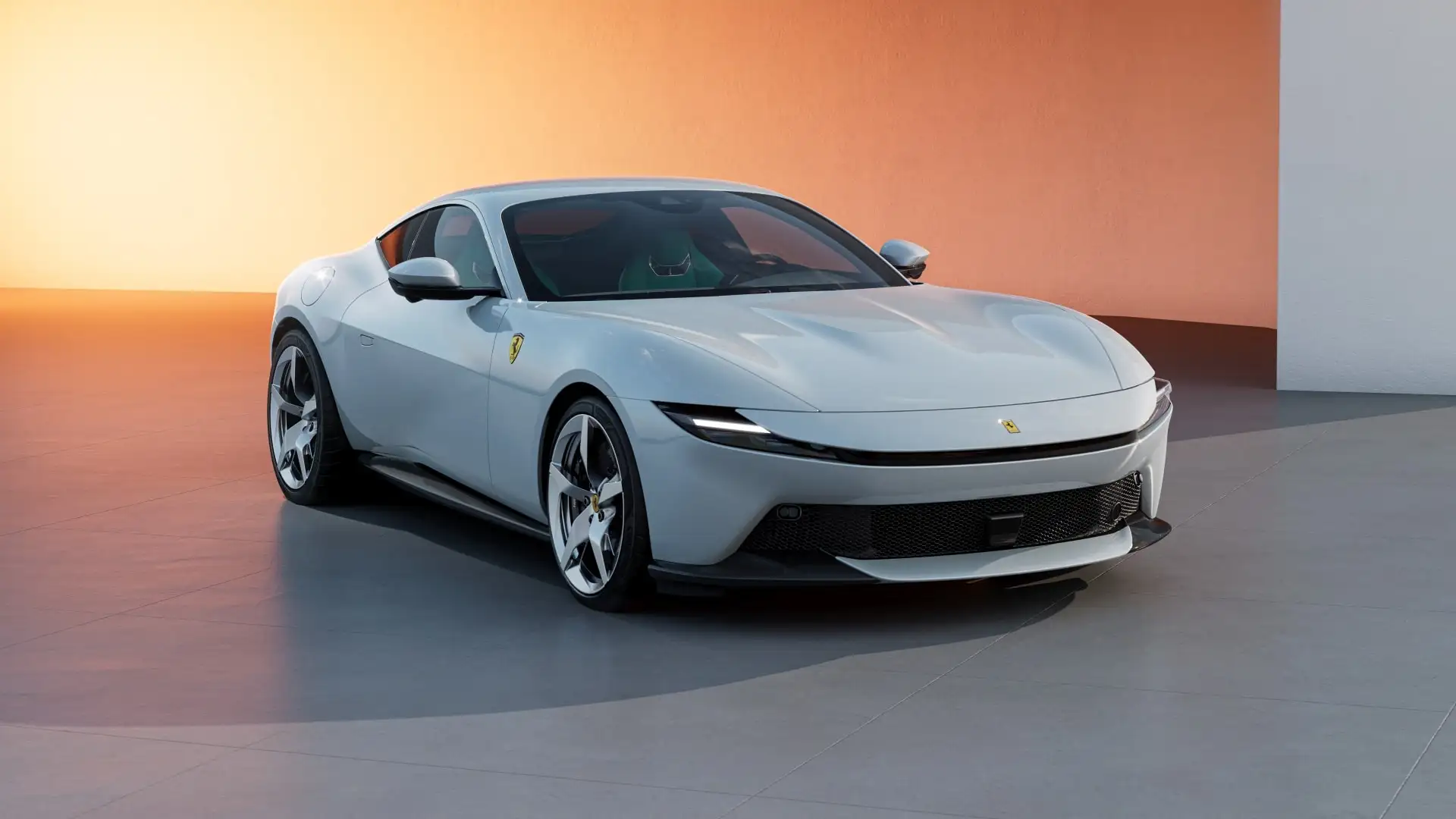
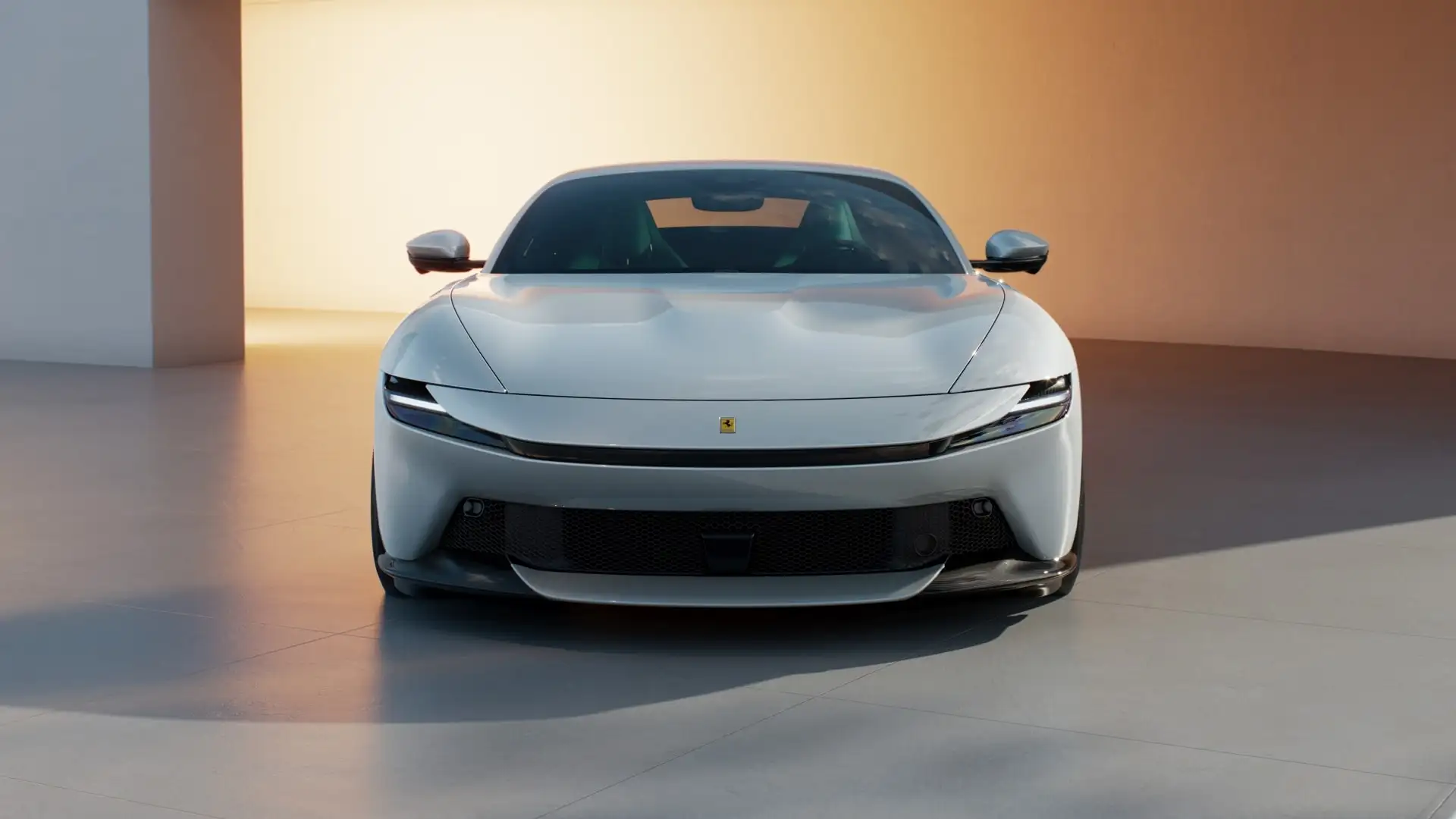
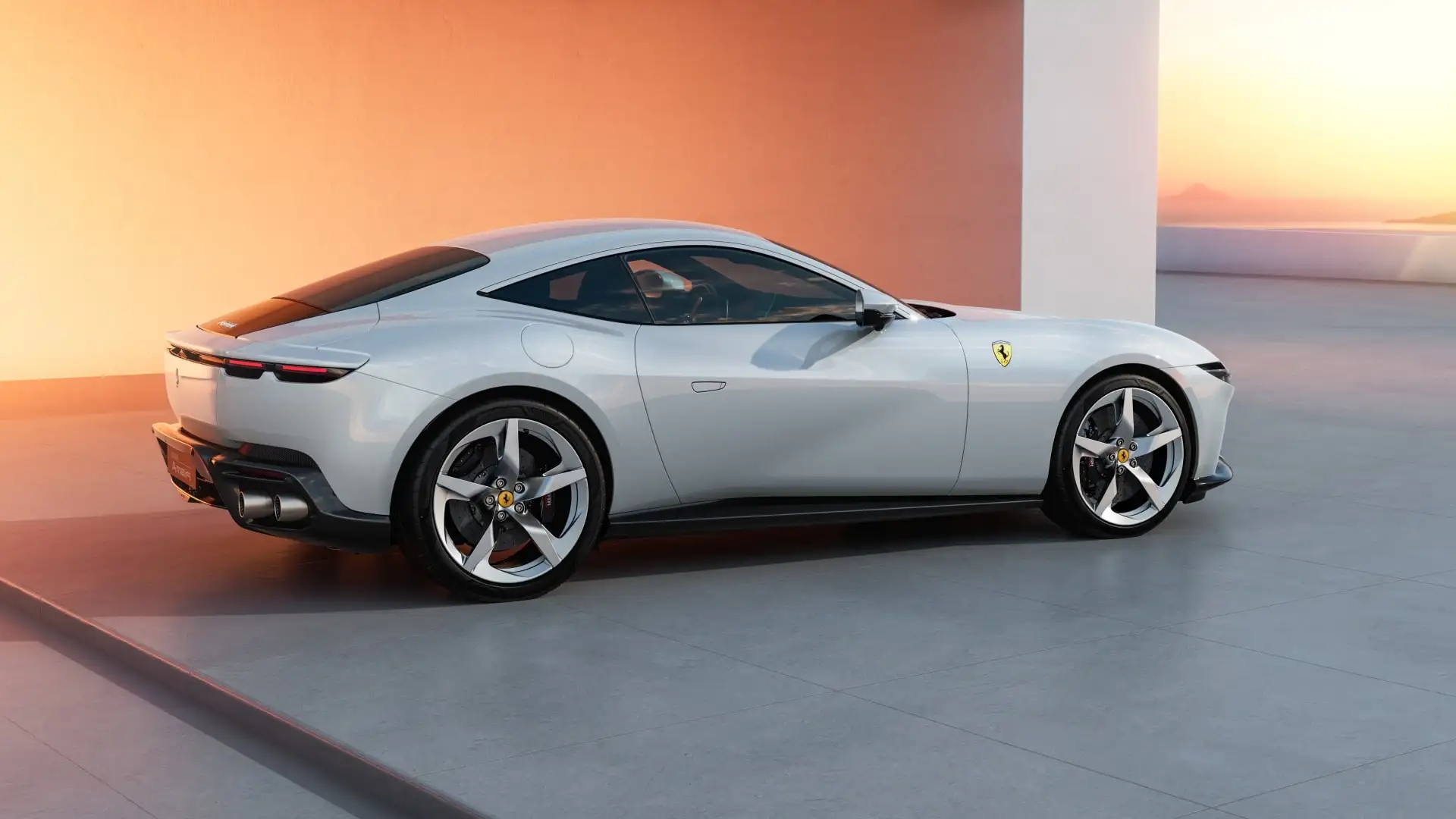
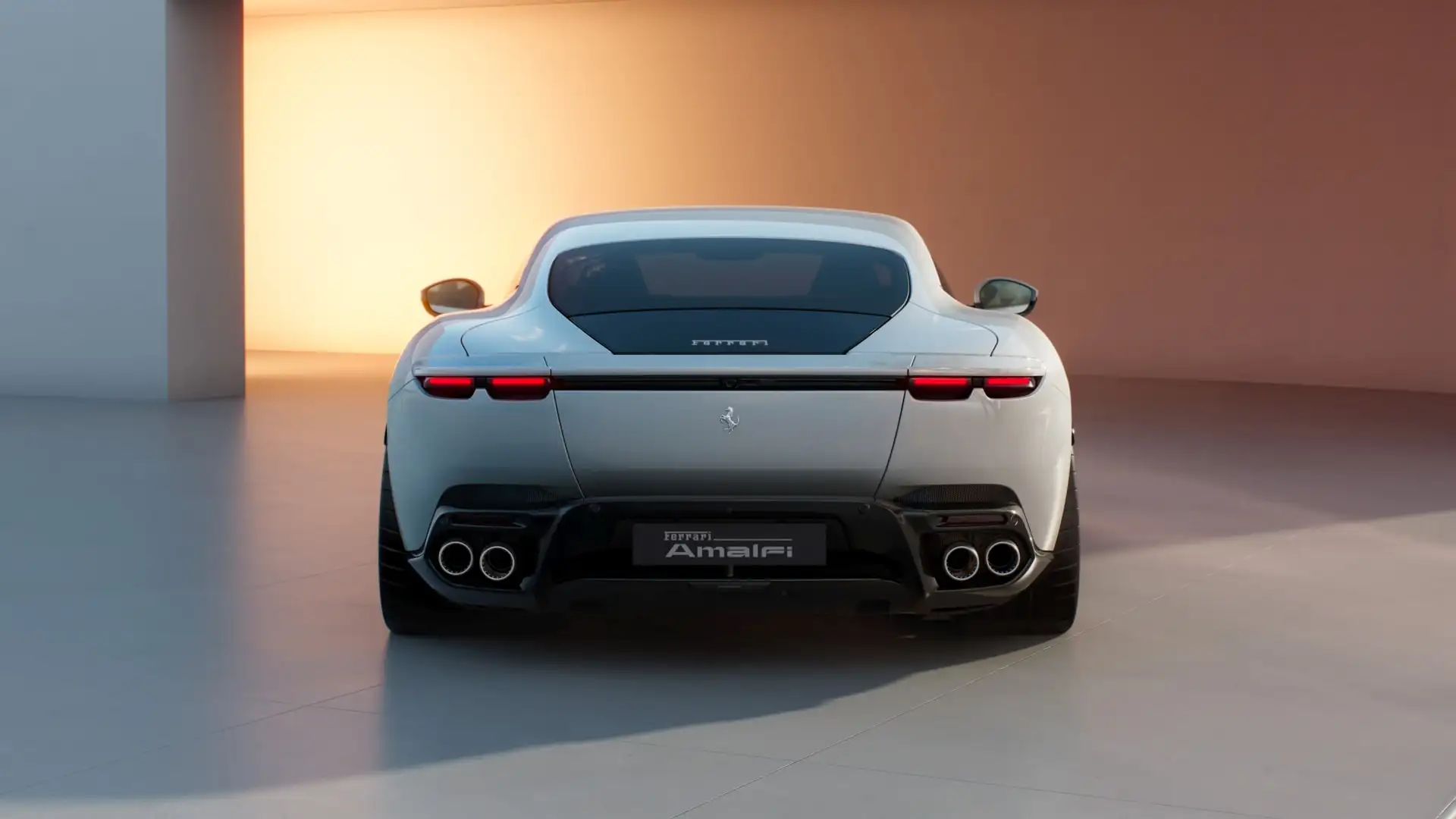
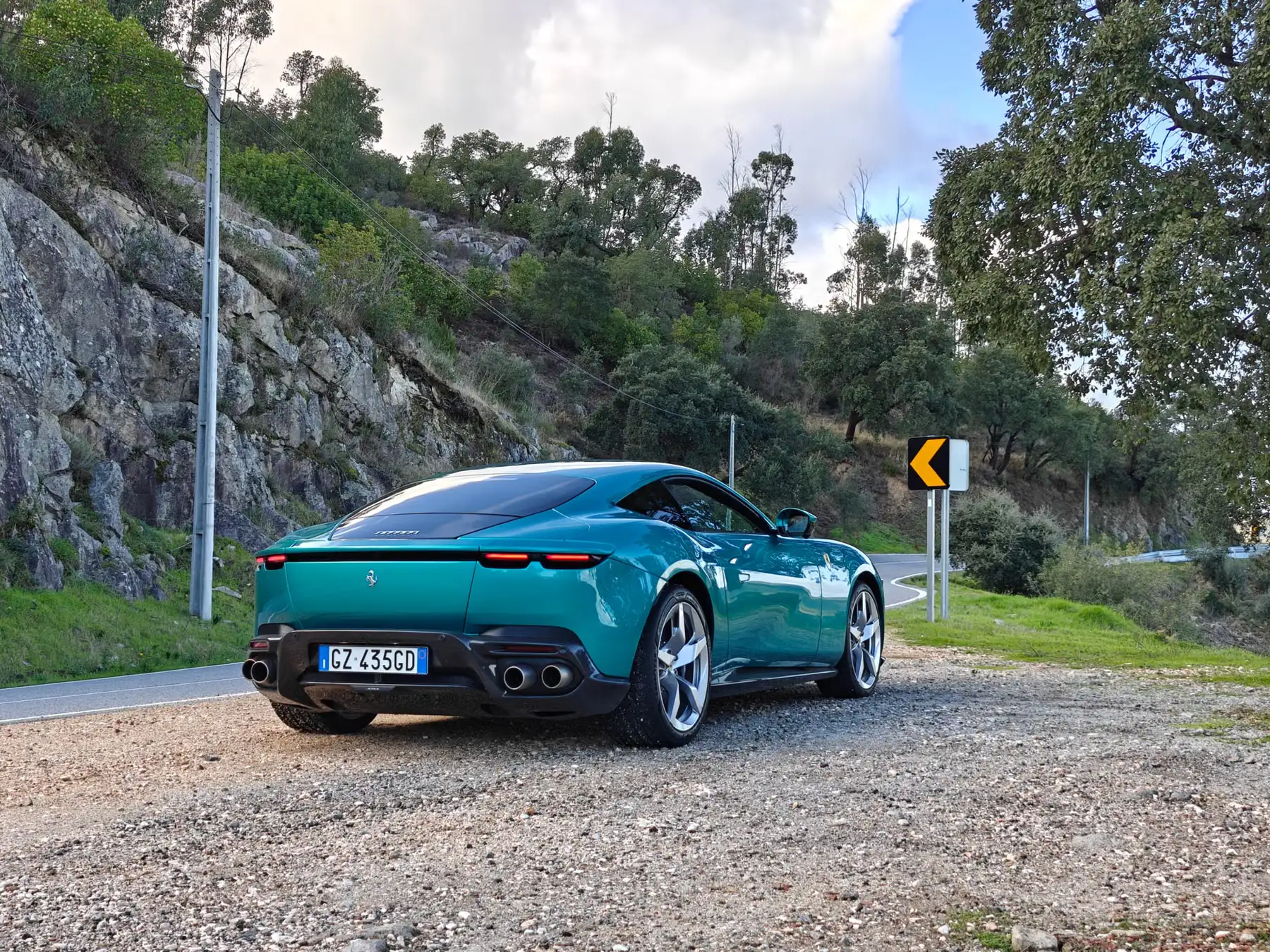
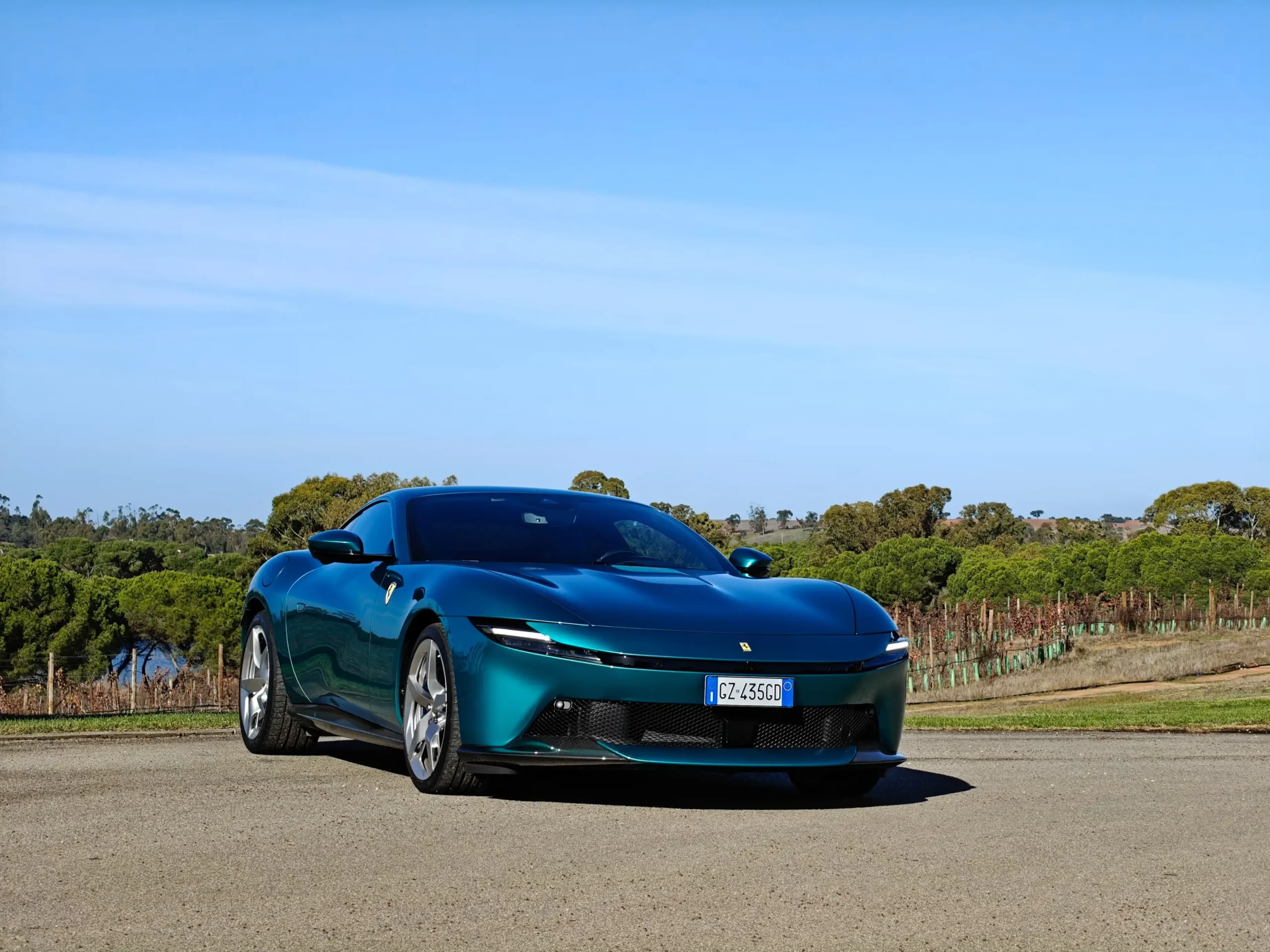
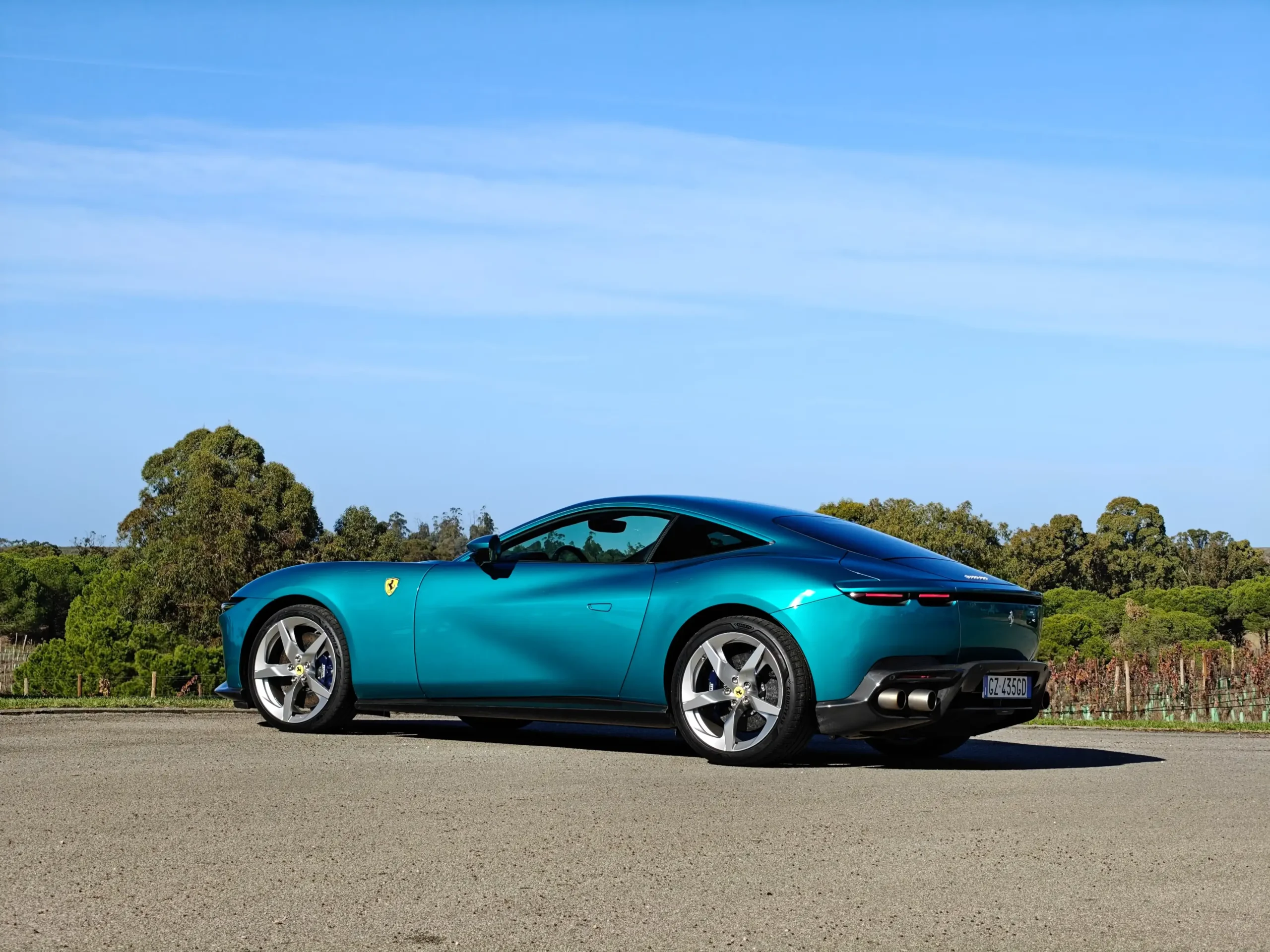
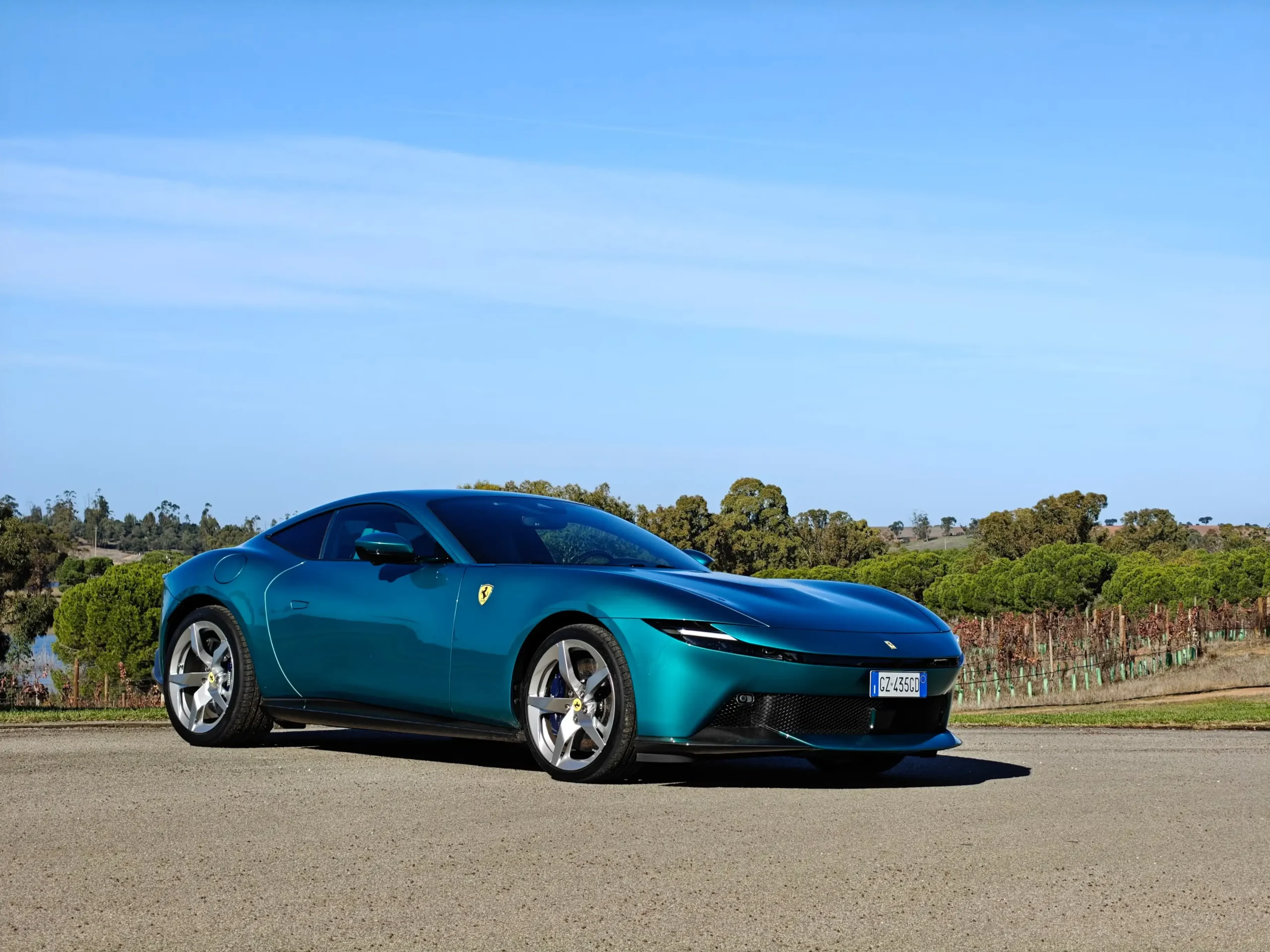
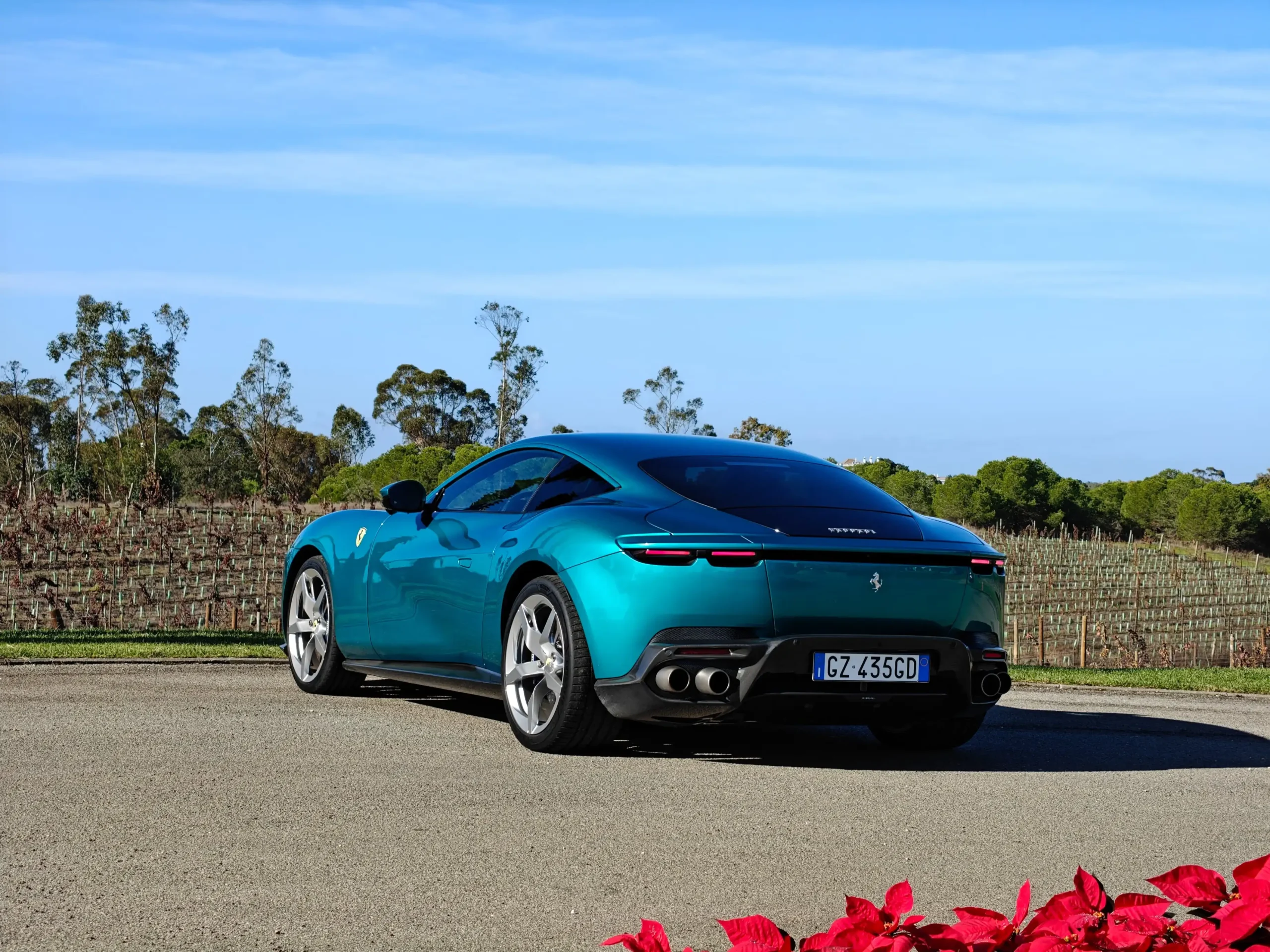
The 2027 Ferrari Amalfi takes a significant step forward in aerodynamics compared with the Roma. The most notable update is the active rear wing, which now offers three deployable positions instead of two. In its lowest setting, the wing sits flush with the body. The middle position raises it by 20 degrees, while the fully deployed 50-degree angle generates 242 pounds of downforce at 155 mph. Not F1-level numbers, but impressive for a luxury GT. That final position also increases overall drag by 4 percent, allowing the wing to double as an effective airbrake.
Up front, vents above the headlights channel air to various radiators, while twin underbody vortex generators—carried over from the Roma—help boost downforce. Two additional venturi channels direct cooling air to the front brakes, ensuring both performance and efficiency under spirited driving.
Internalized Complaints
We’ve always been fans of the Roma. As we once wrote, “stunning” is the only word that truly captures its exterior, and behind the wheel, it earned almost nothing but praise. Its split personality as both a GT and a sports car—leaning toward the “yeeha!” side—made it especially enjoyable.
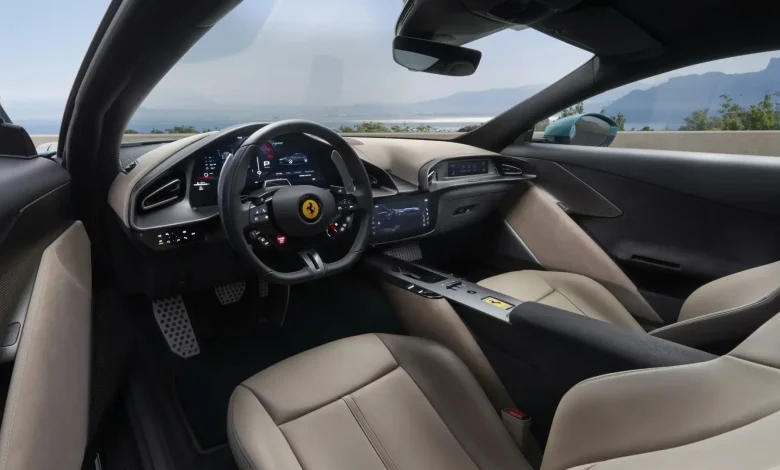
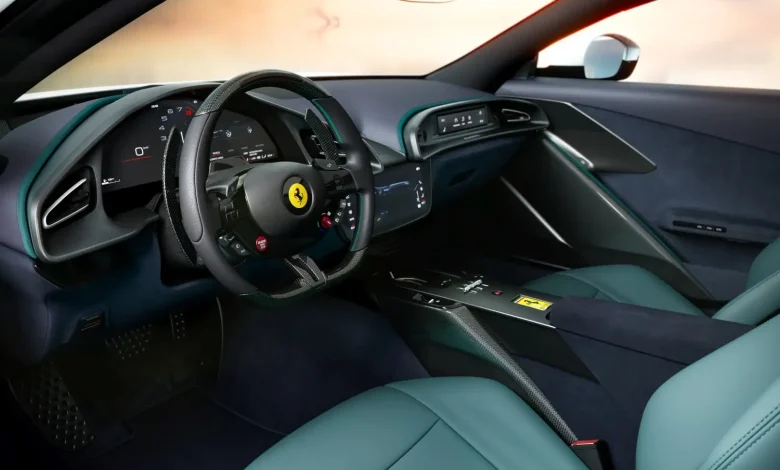
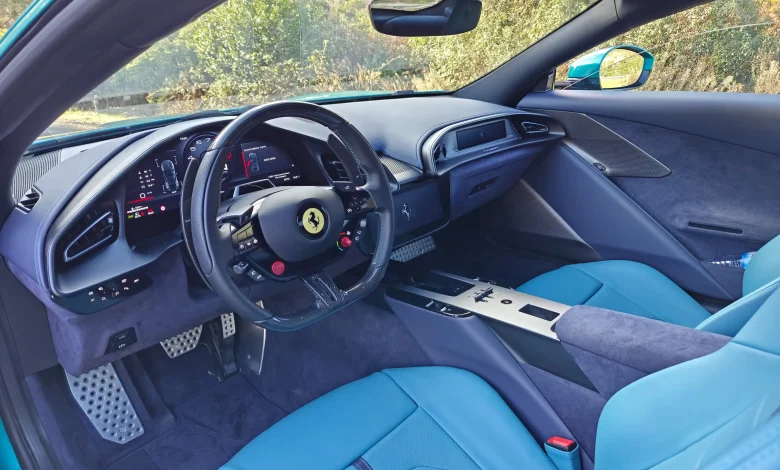
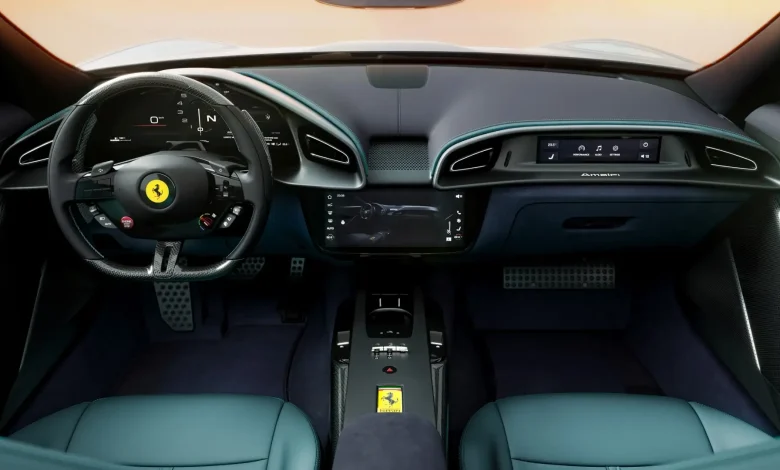
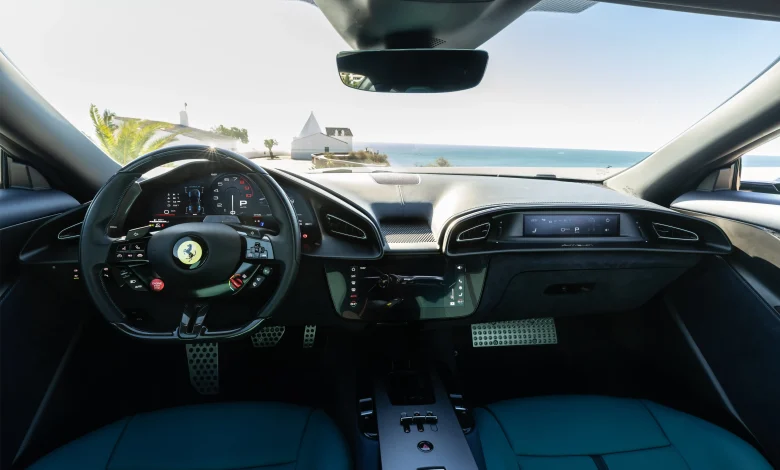
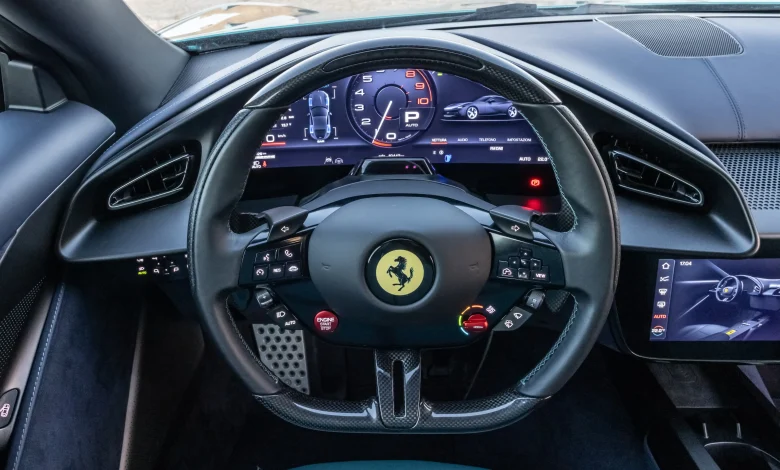
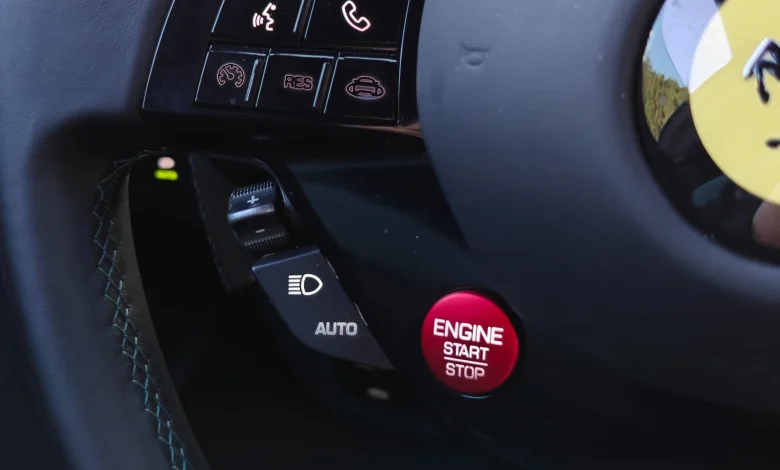
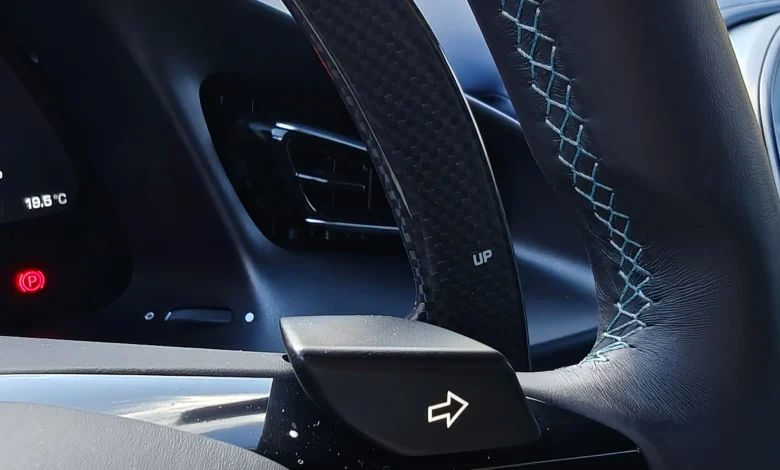
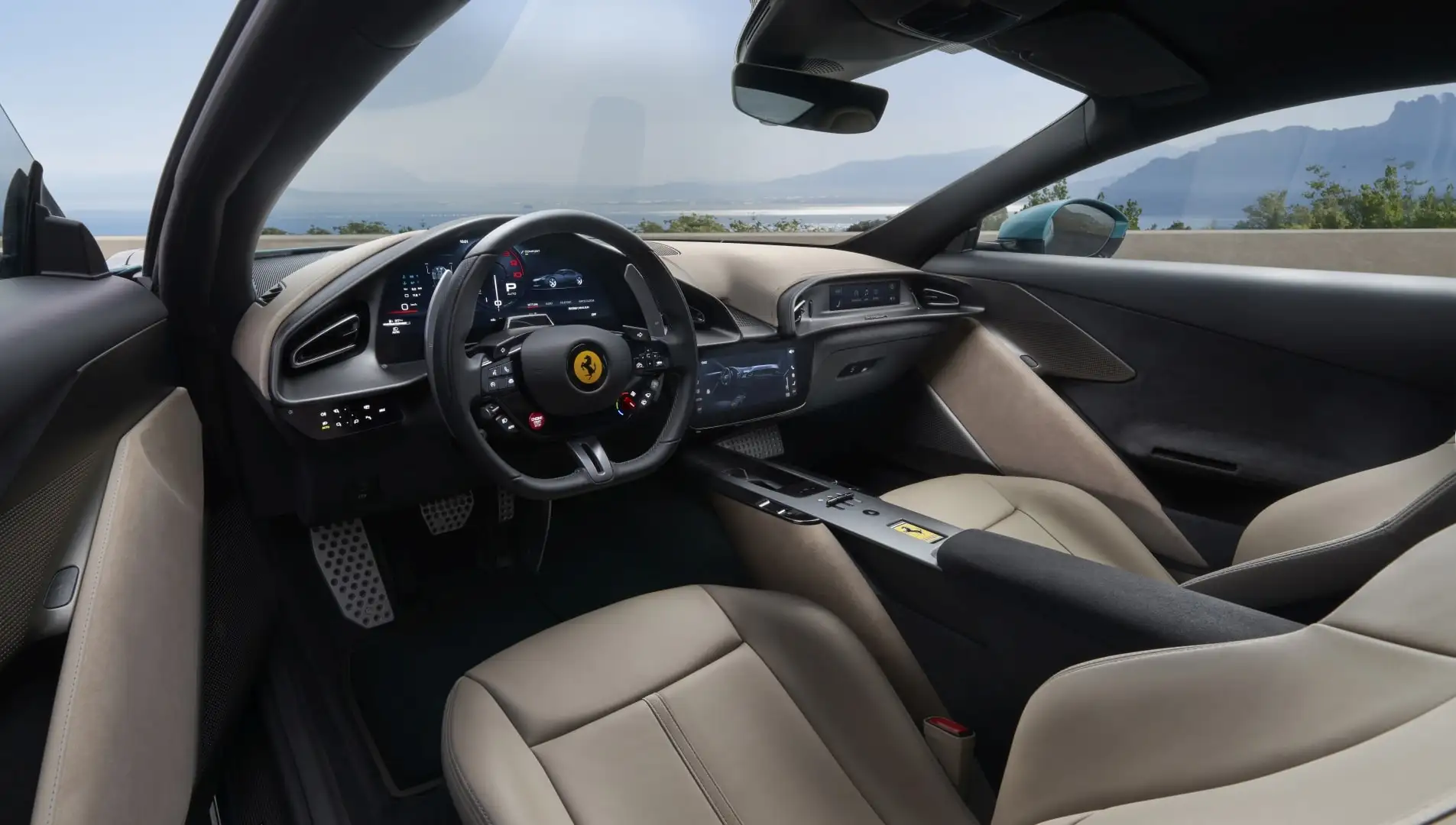
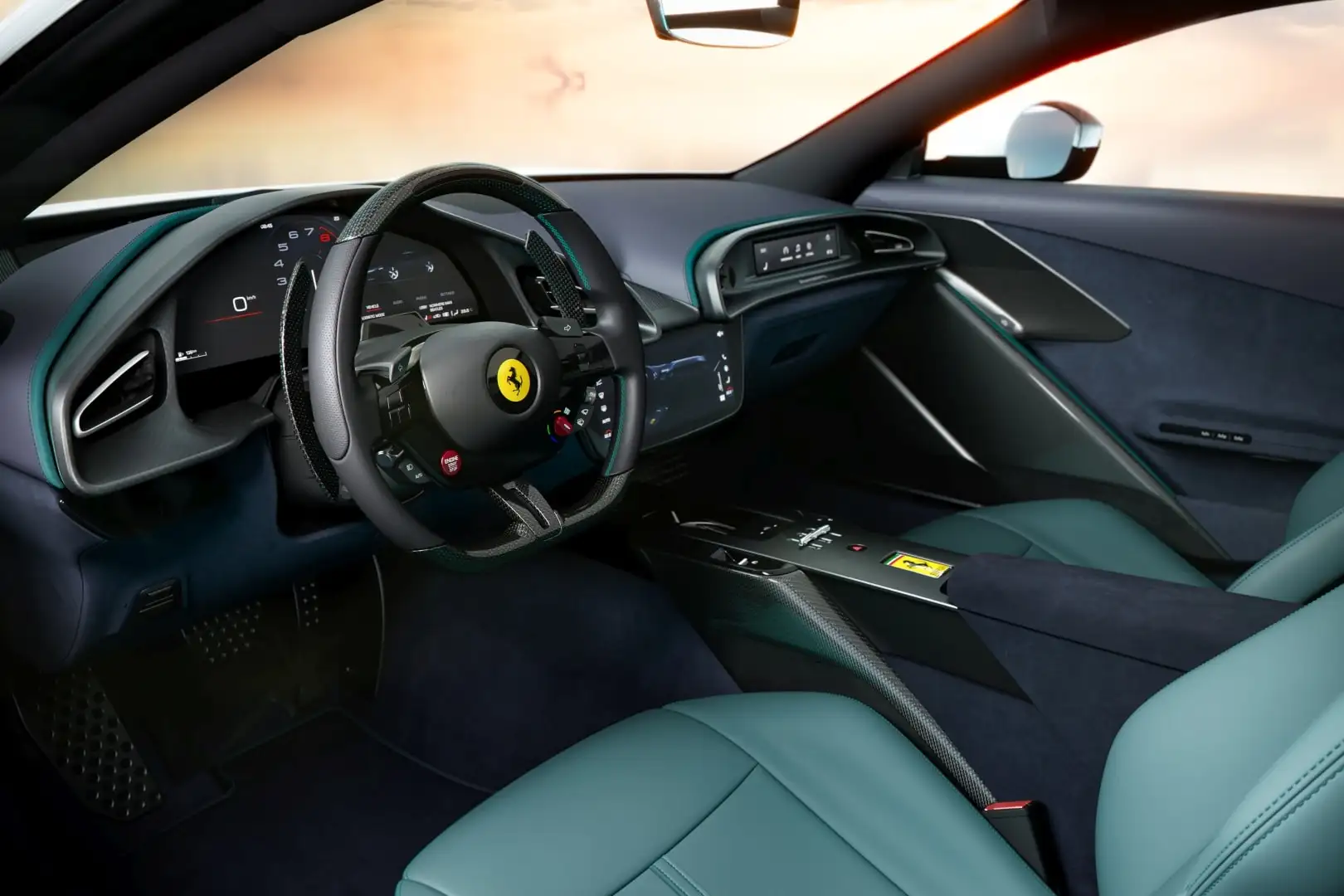
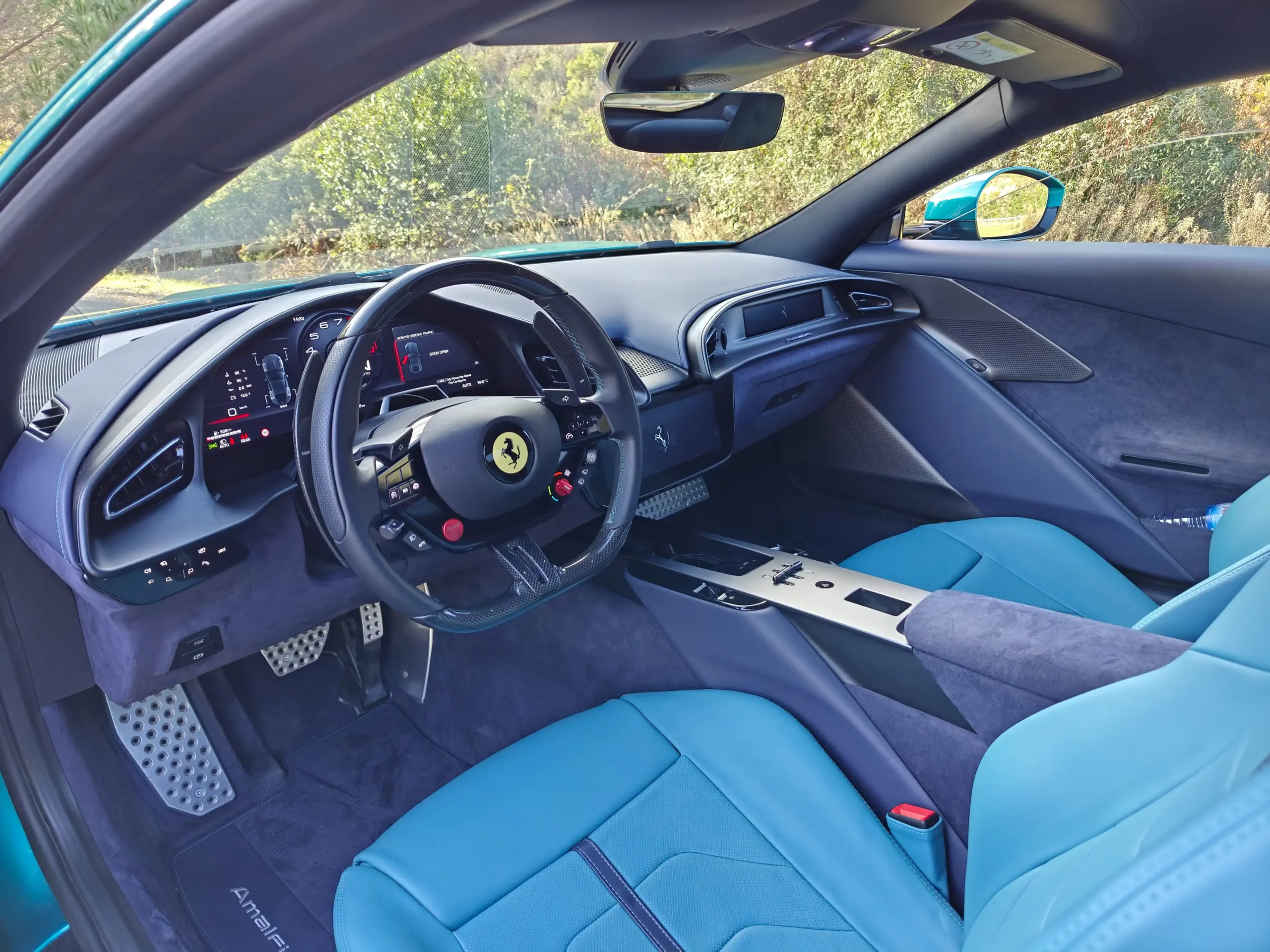
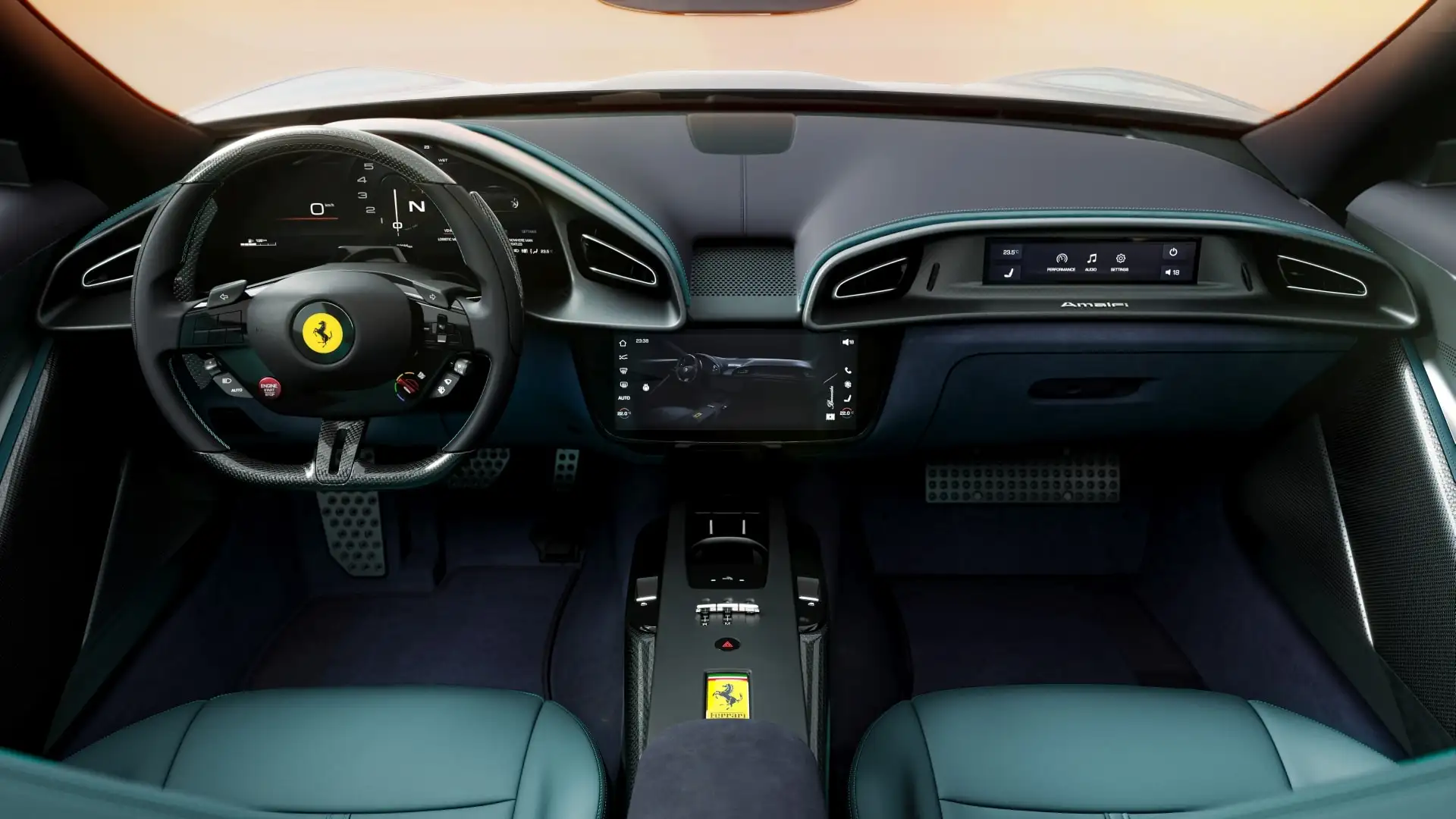
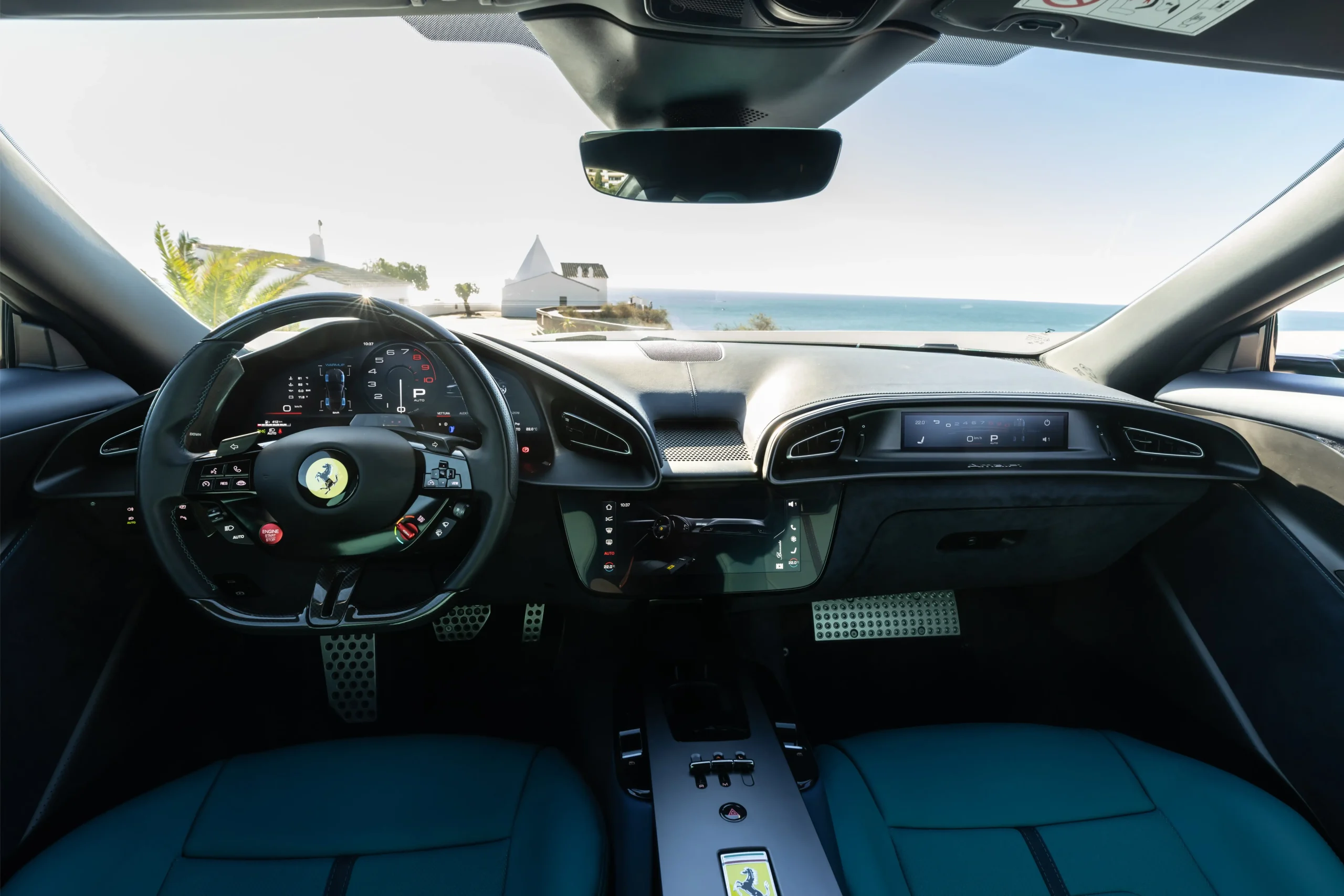
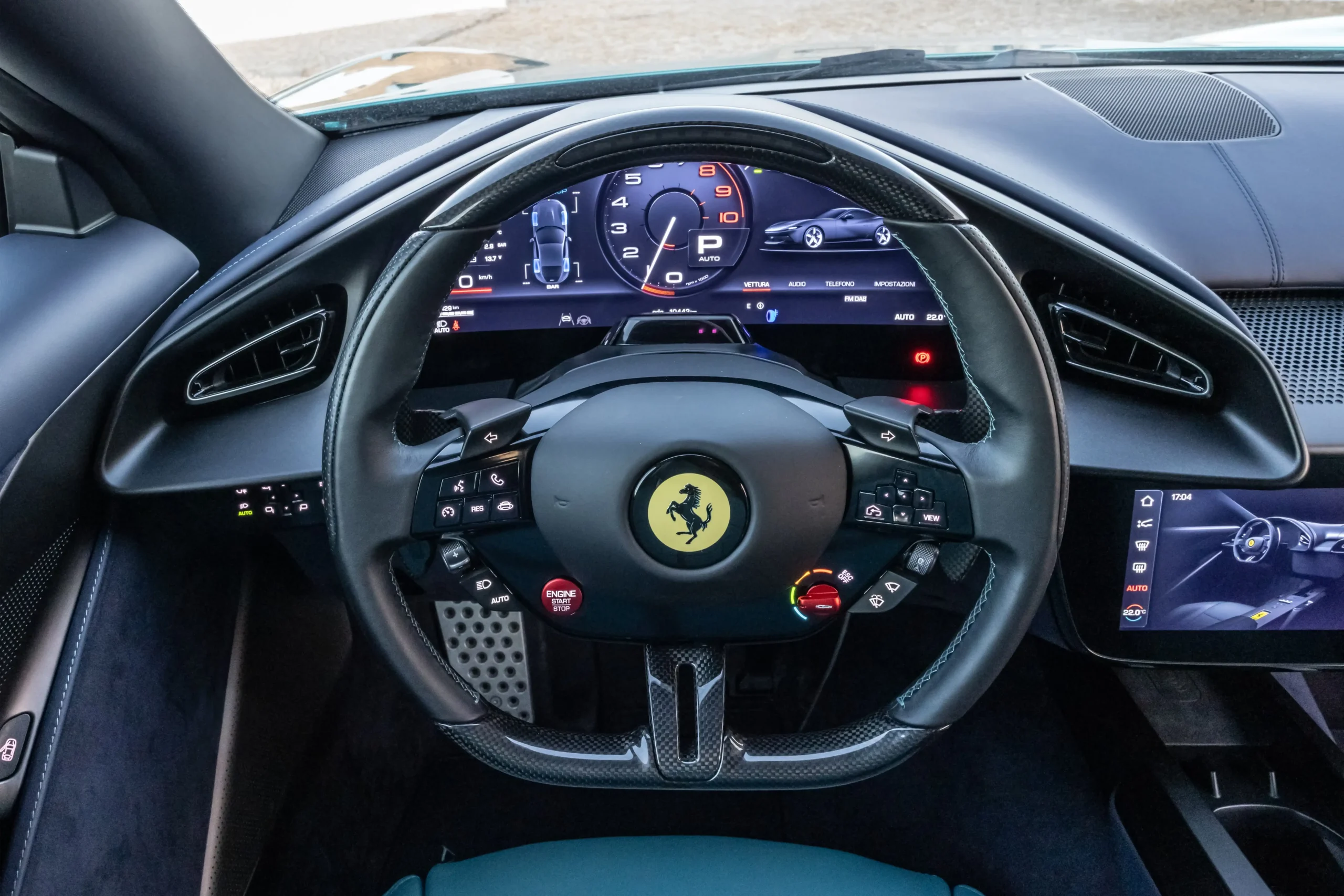
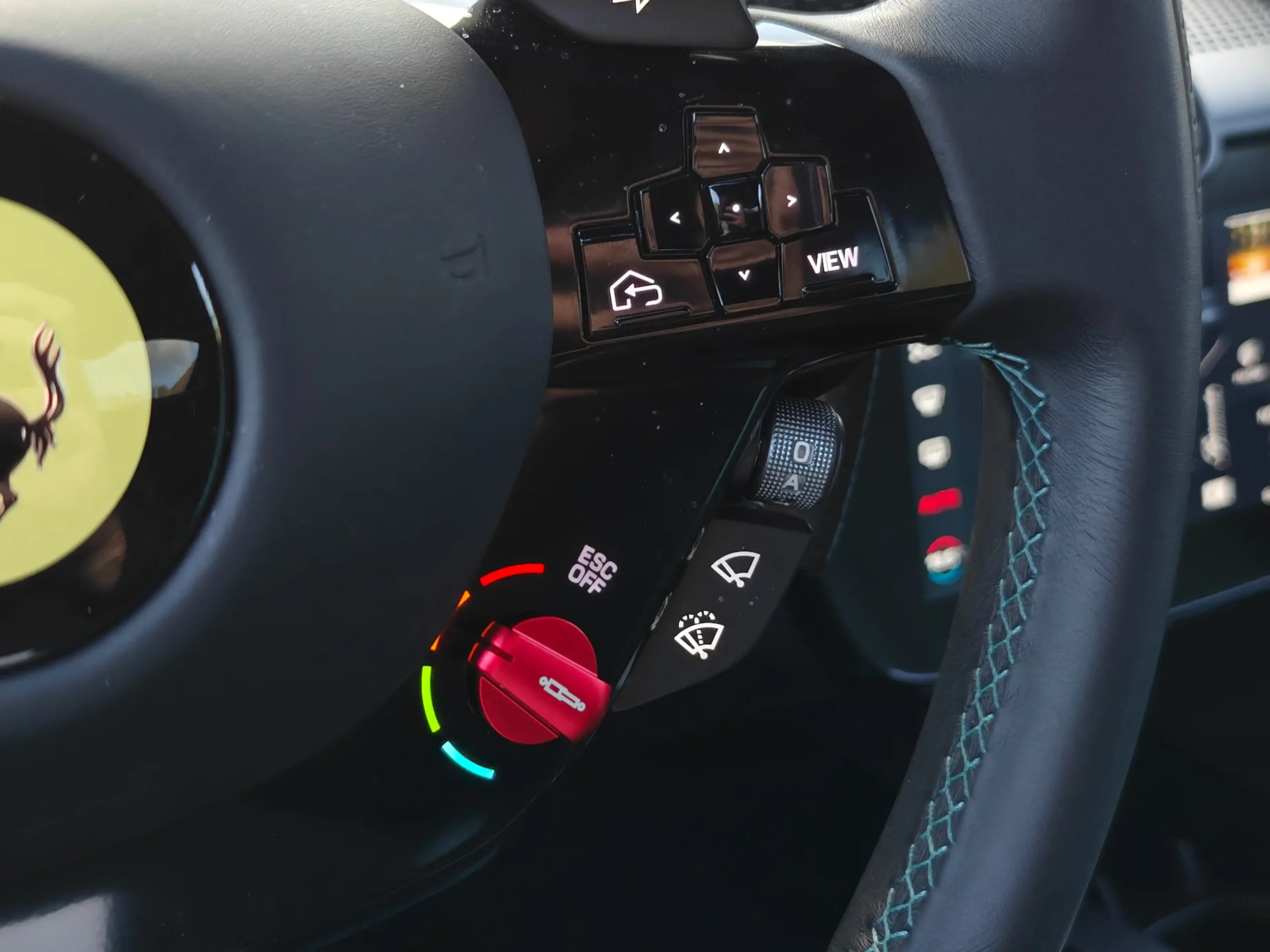
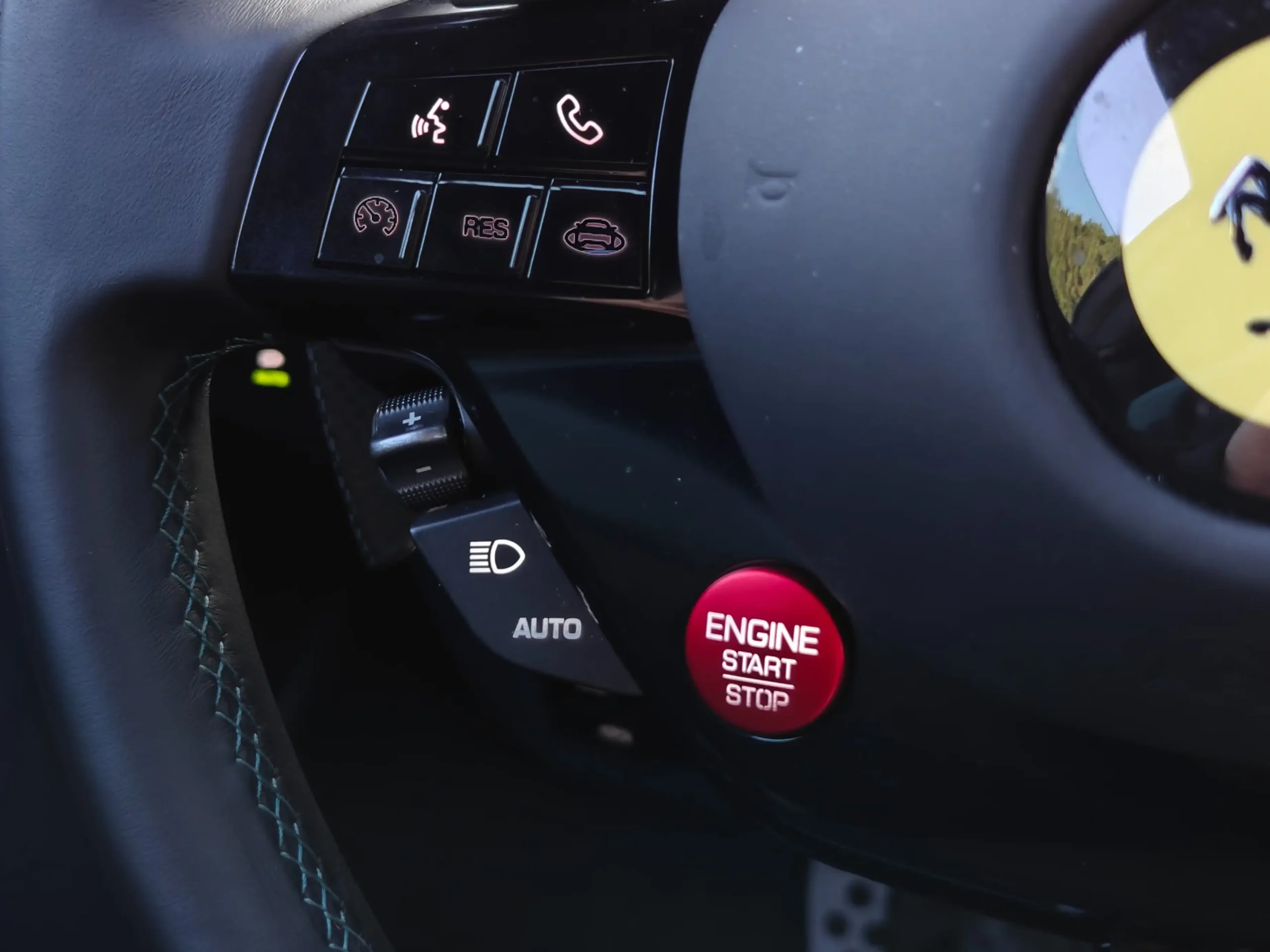
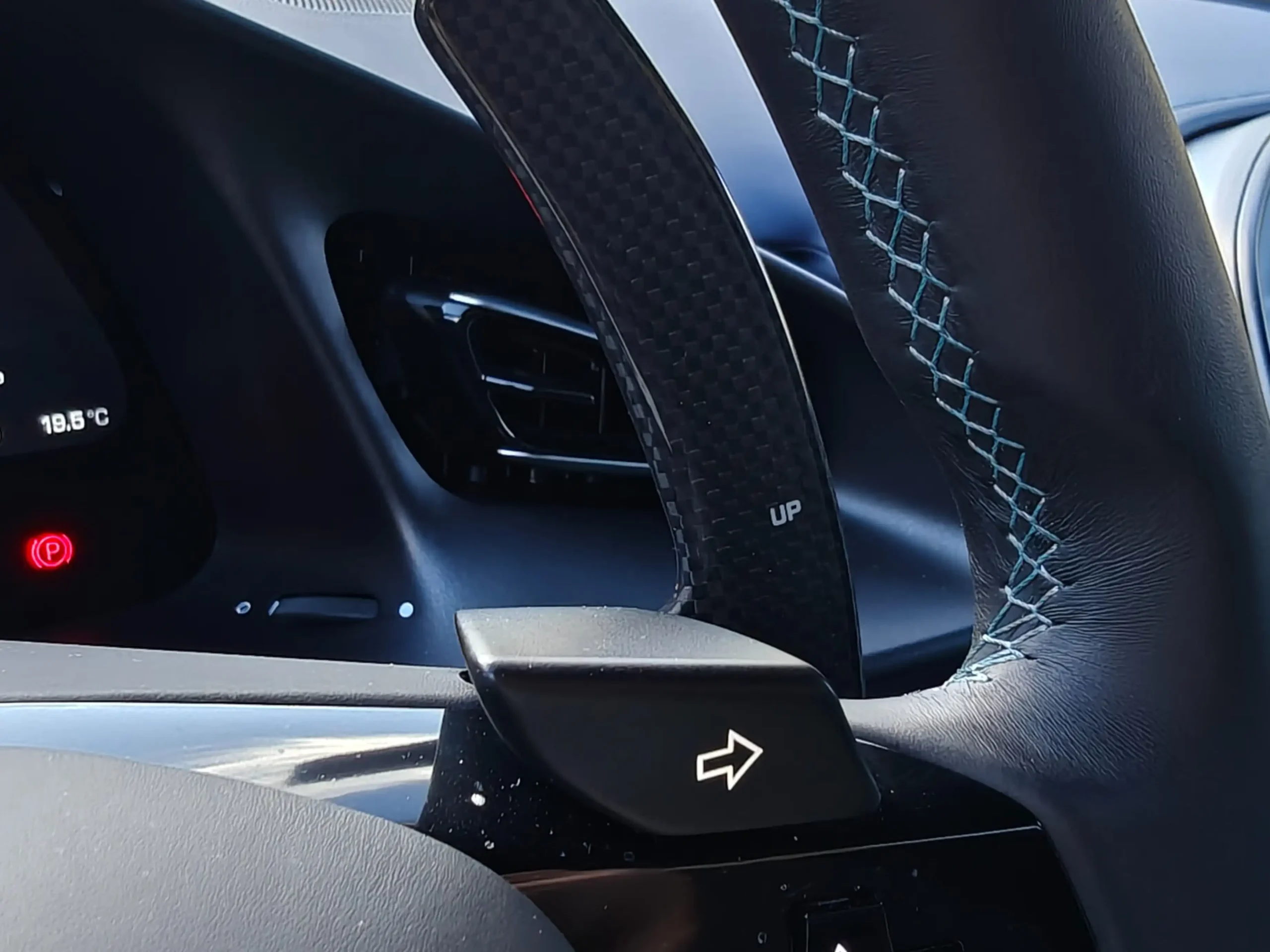
Our biggest gripe? The overabundance of touch-sensitive controls on the steering wheel and dashboard, including the virtual Start button and the finicky mirror controls. Ferrari acknowledges this was the top customer complaint, particularly regarding the digital Start button. The good news: physical buttons are back. The Amalfi features a traditional, bold red Start button on the wheel, a nod to almost every Ferrari since the F430. Mirror controls remain a carryover, but realistically, how often do you fiddle with those anyway?
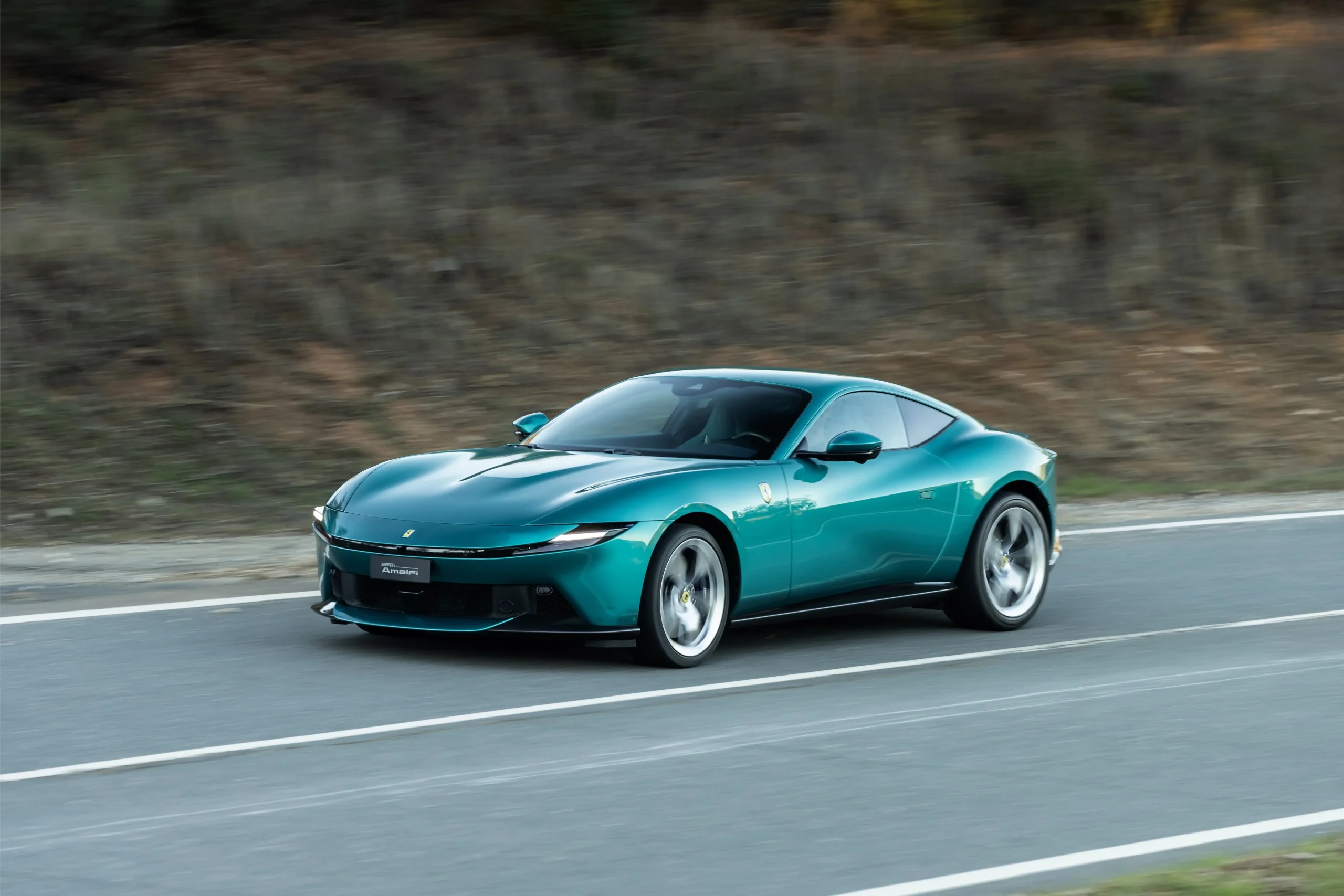
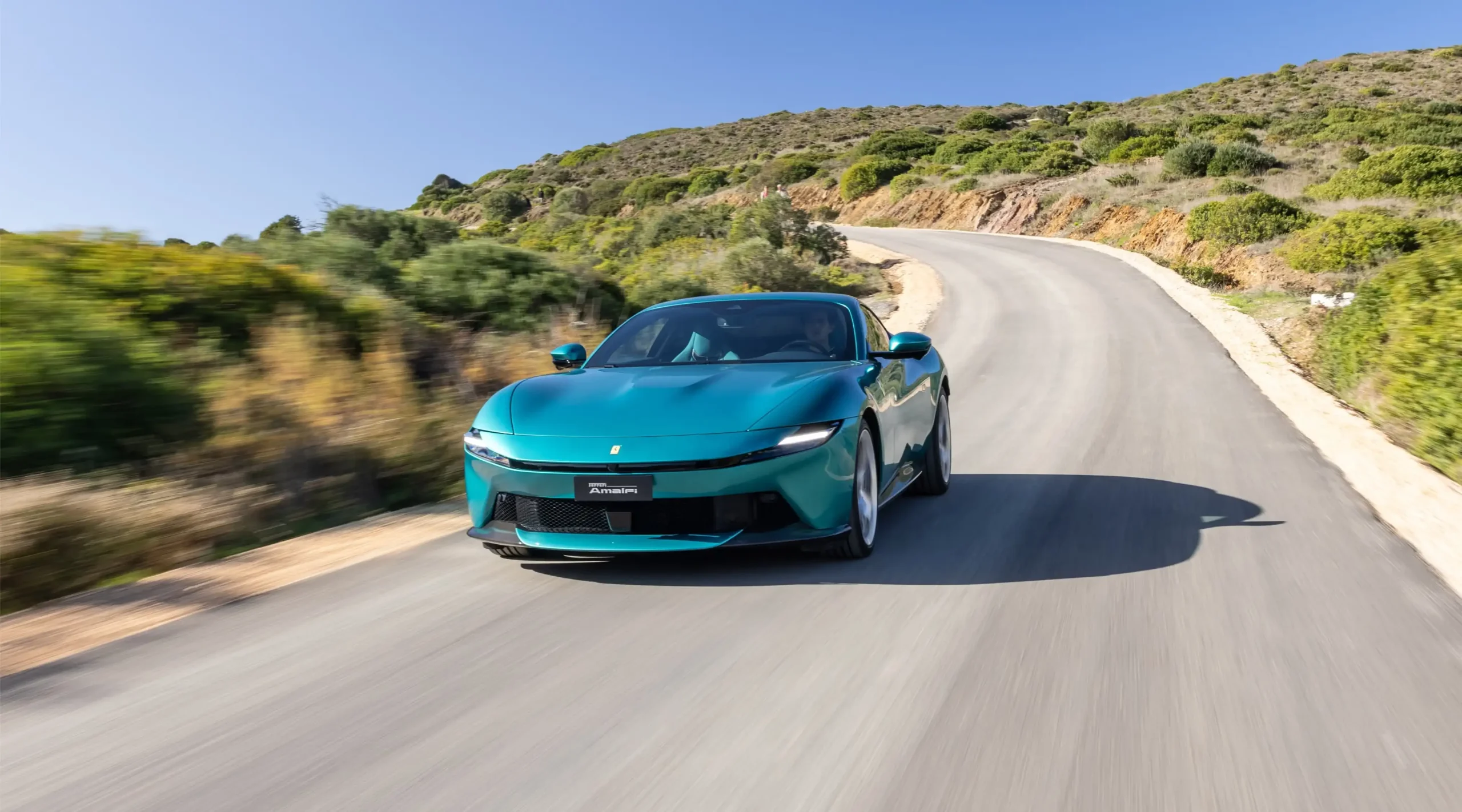
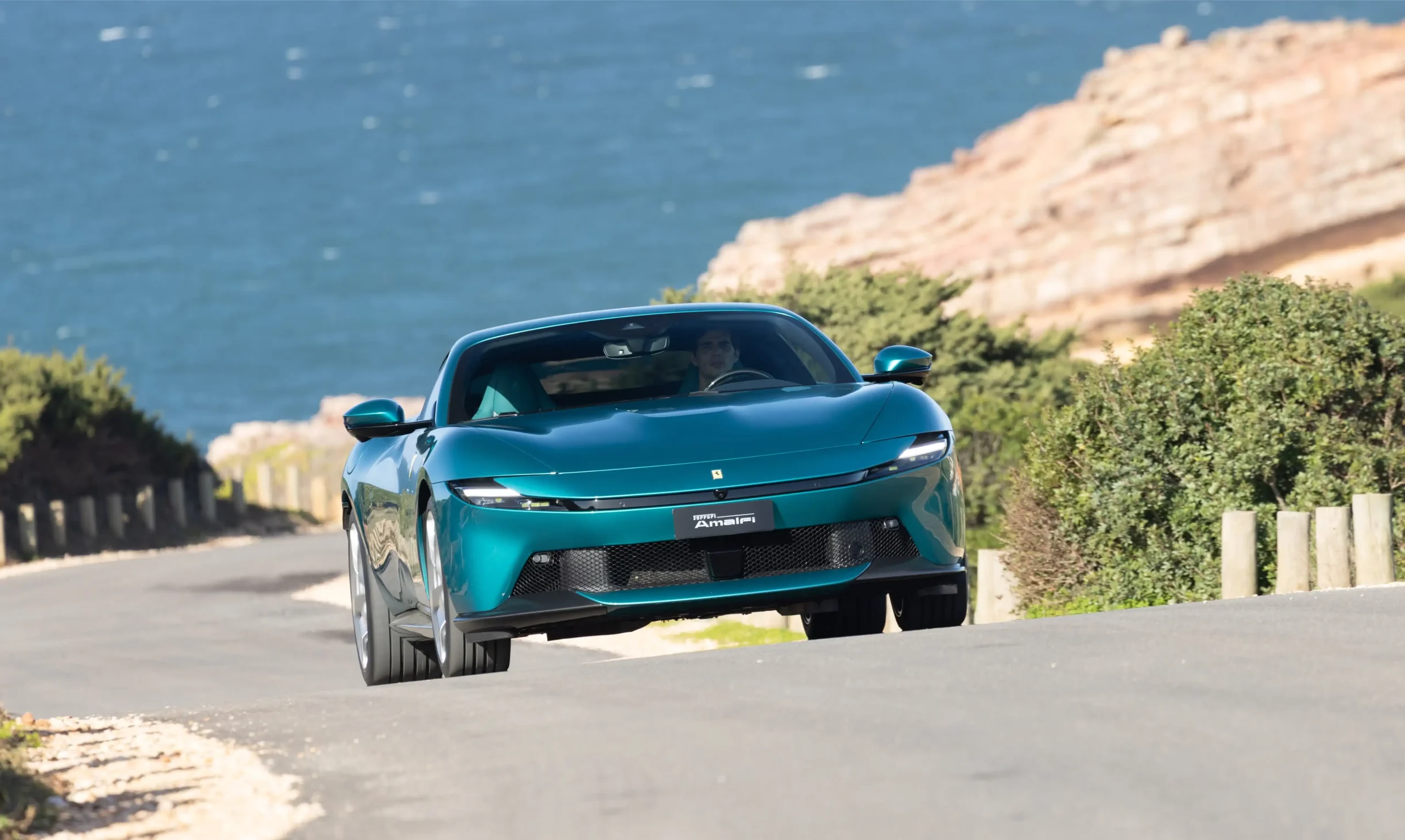
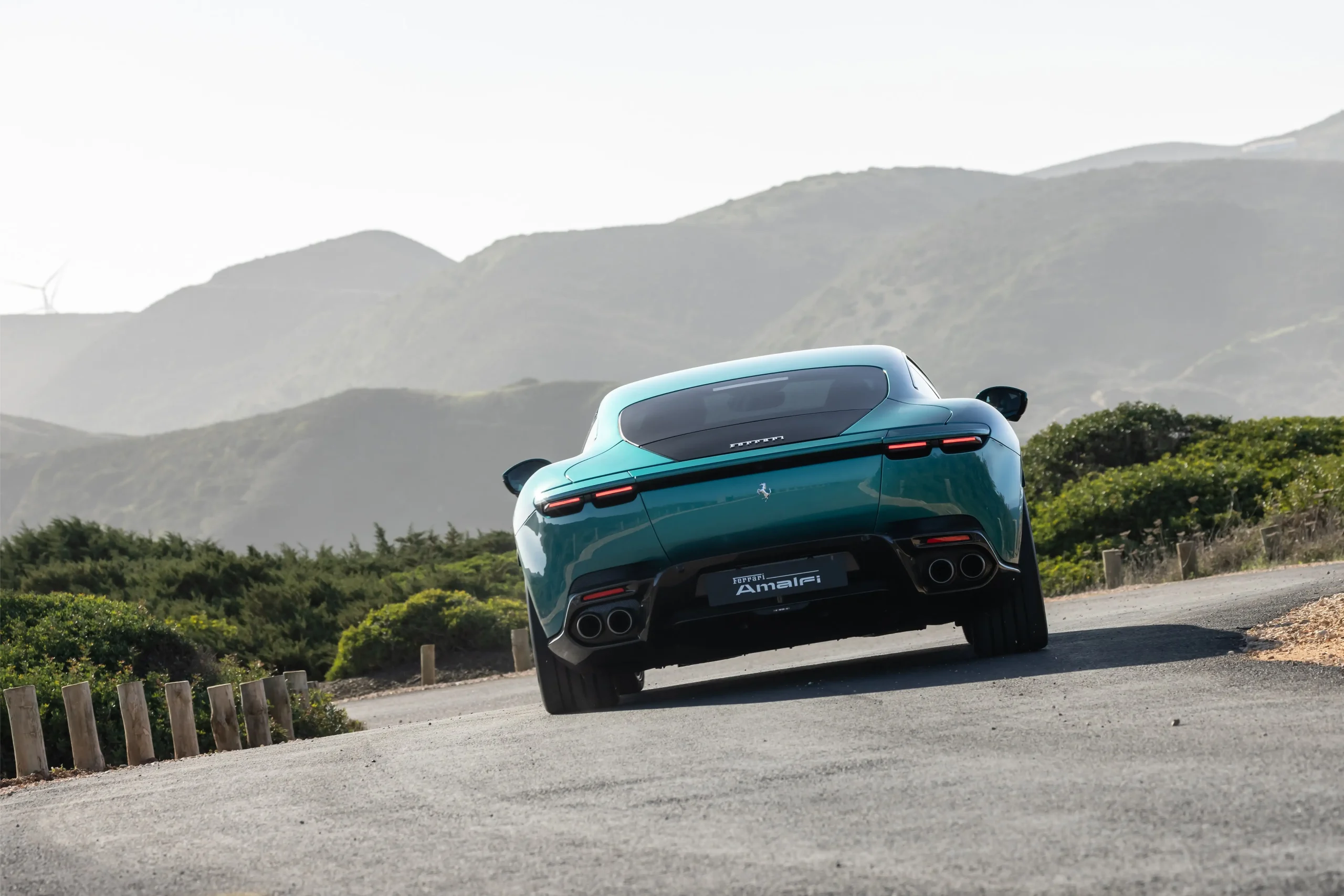
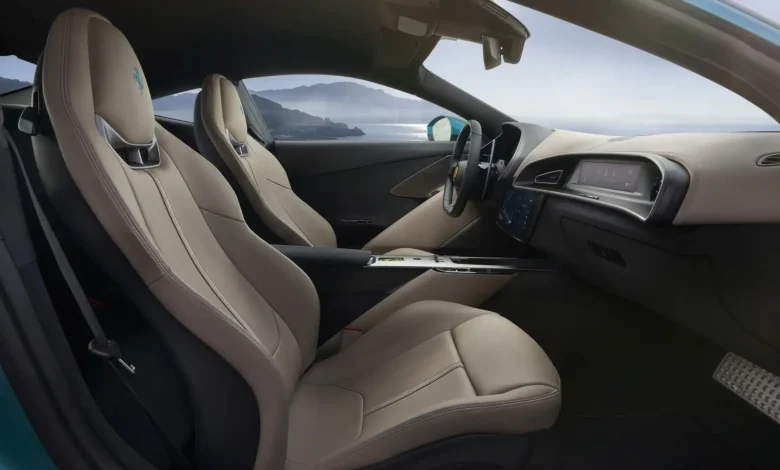
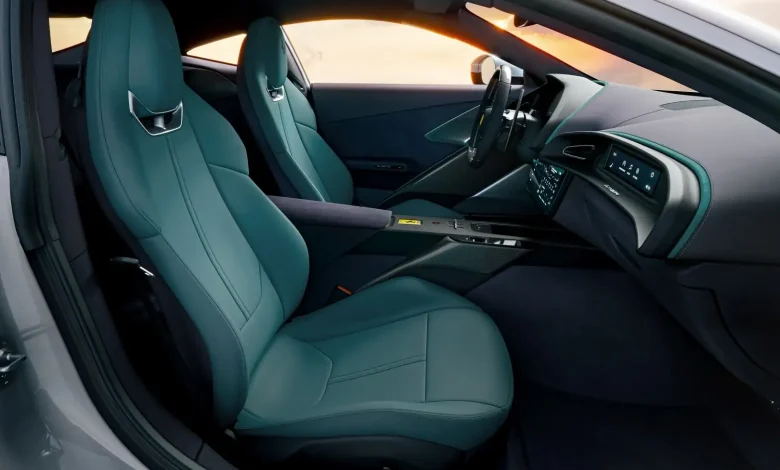
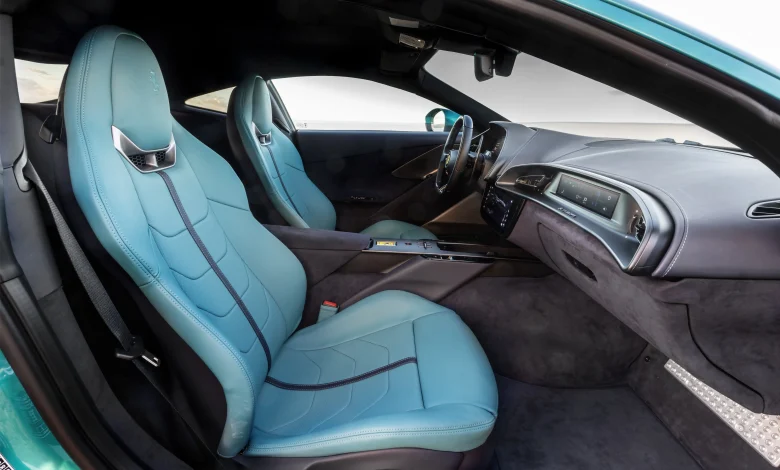
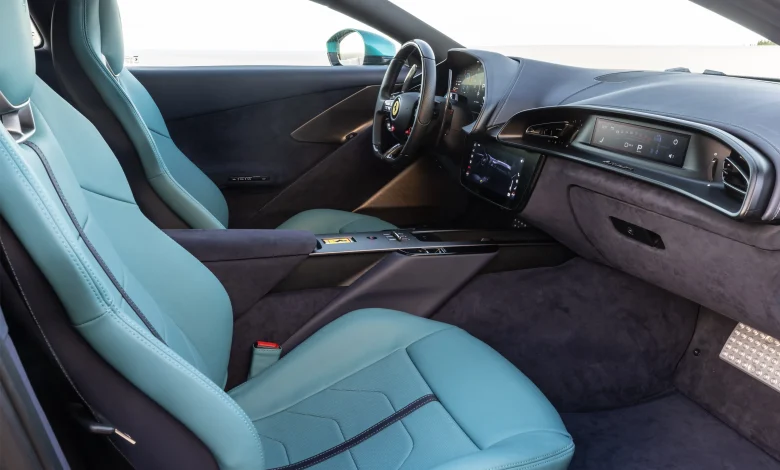
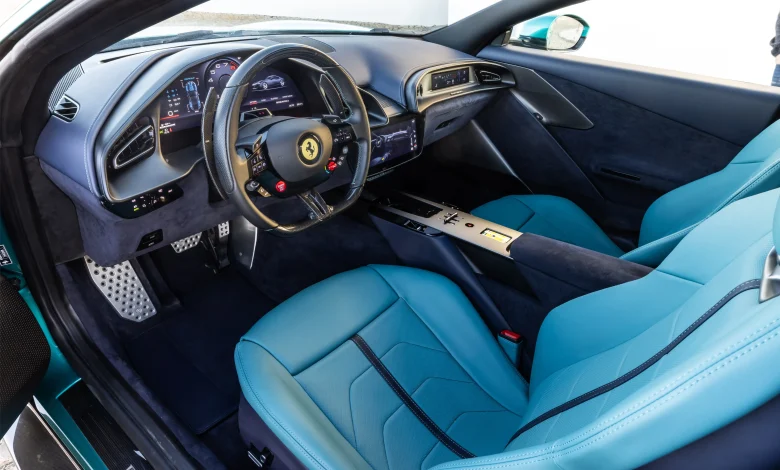
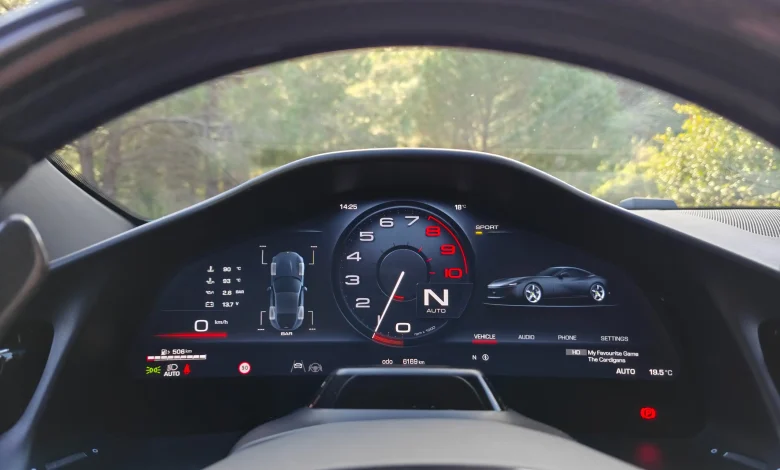
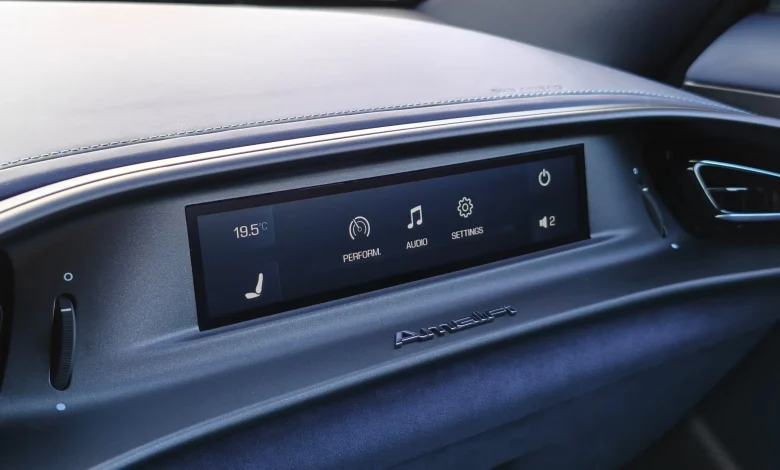
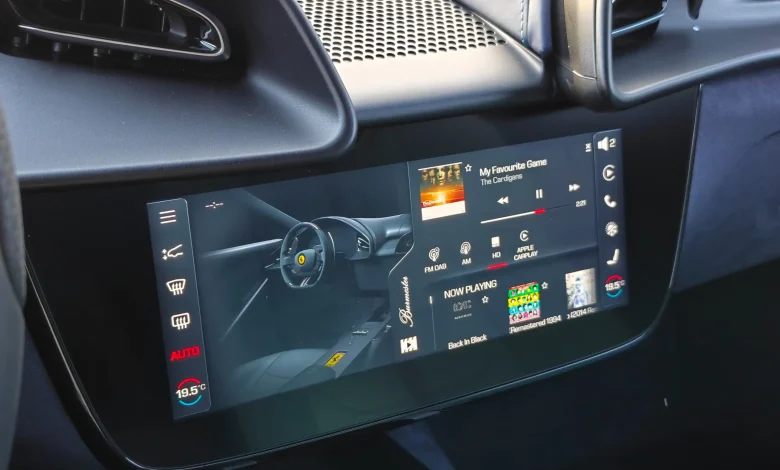
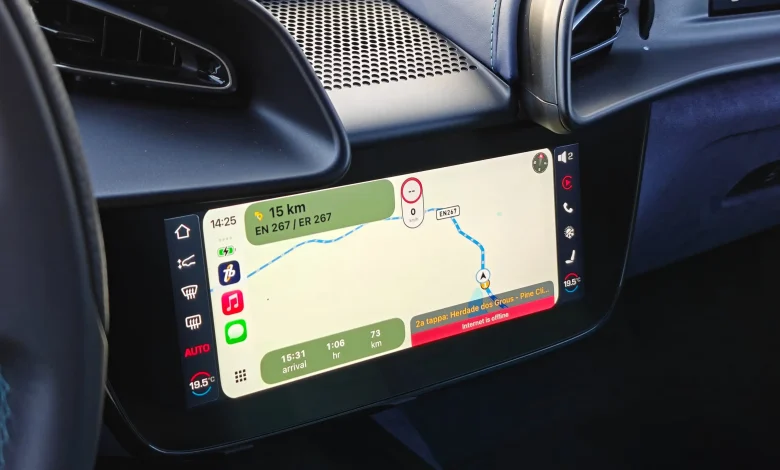
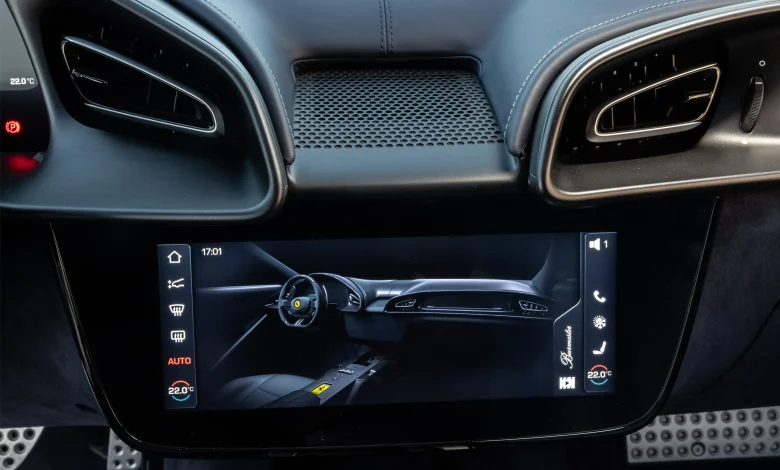
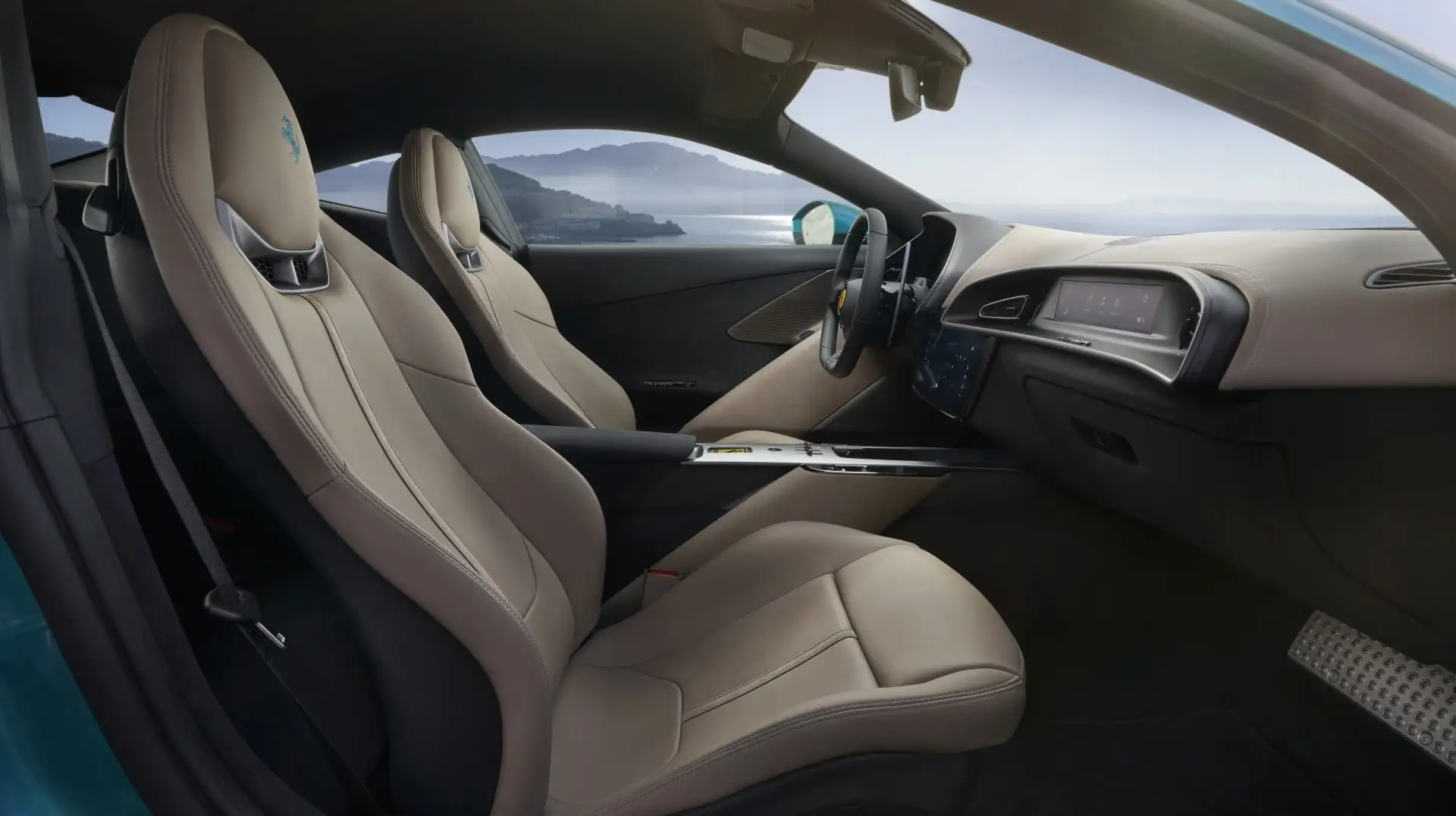
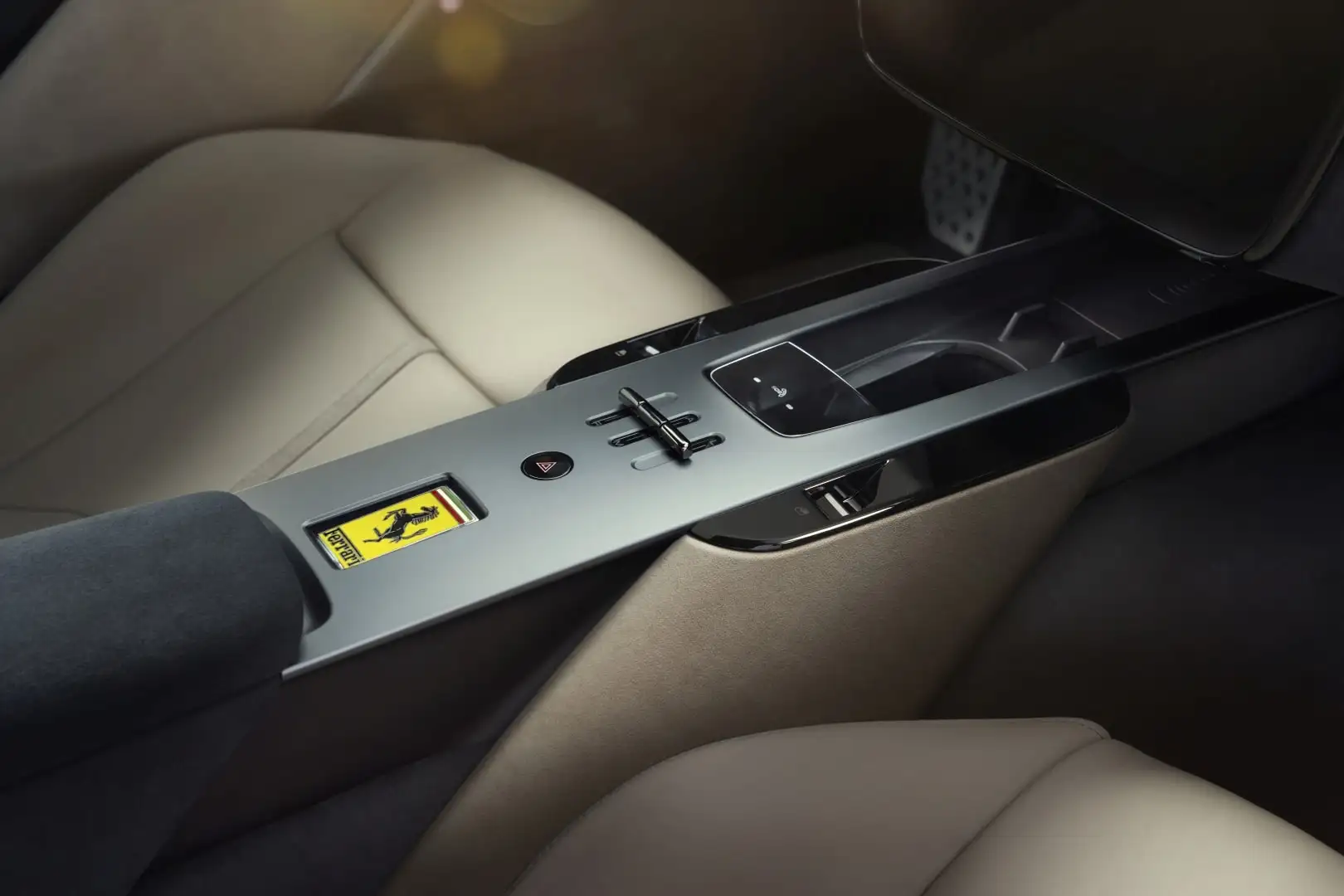
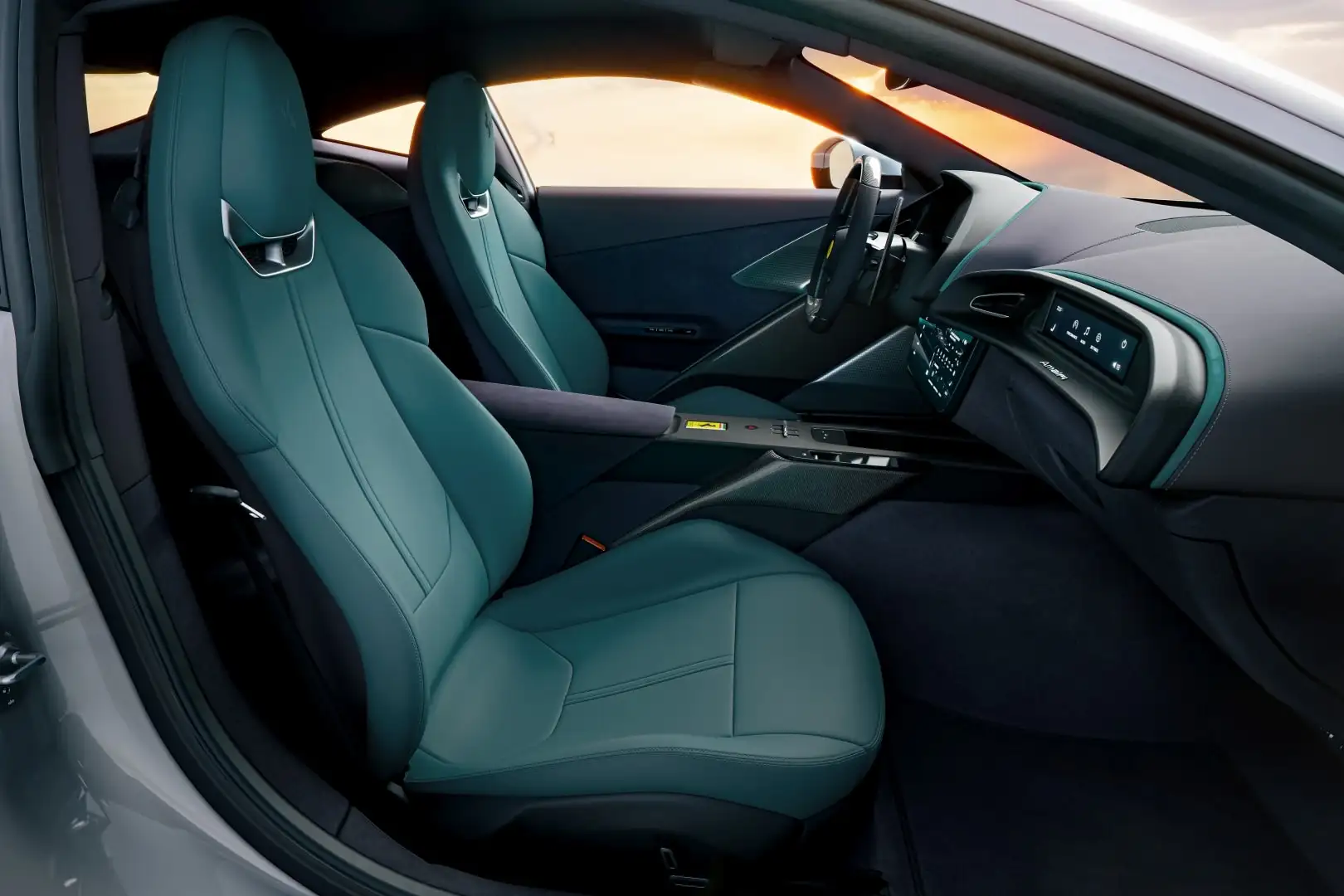
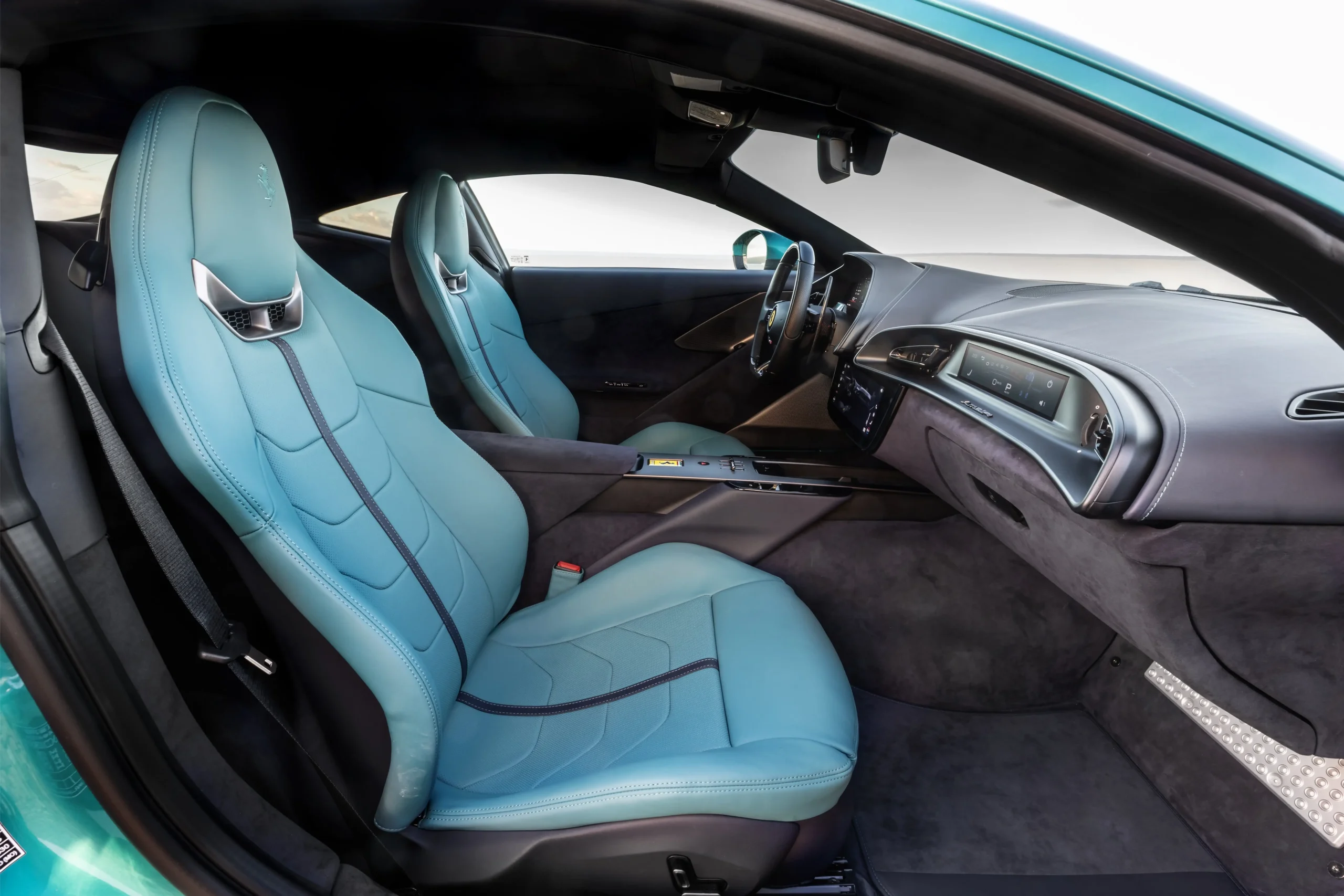
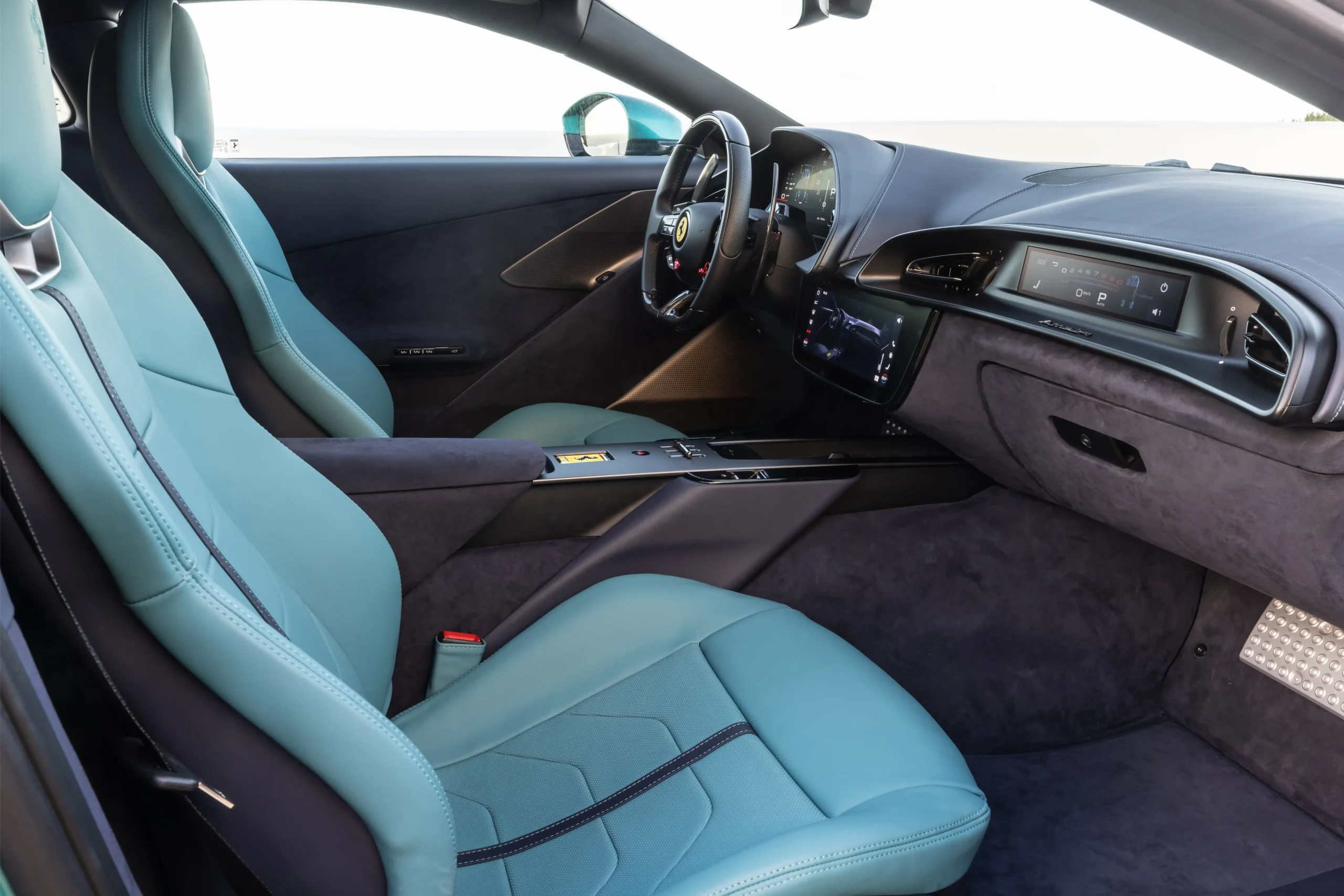
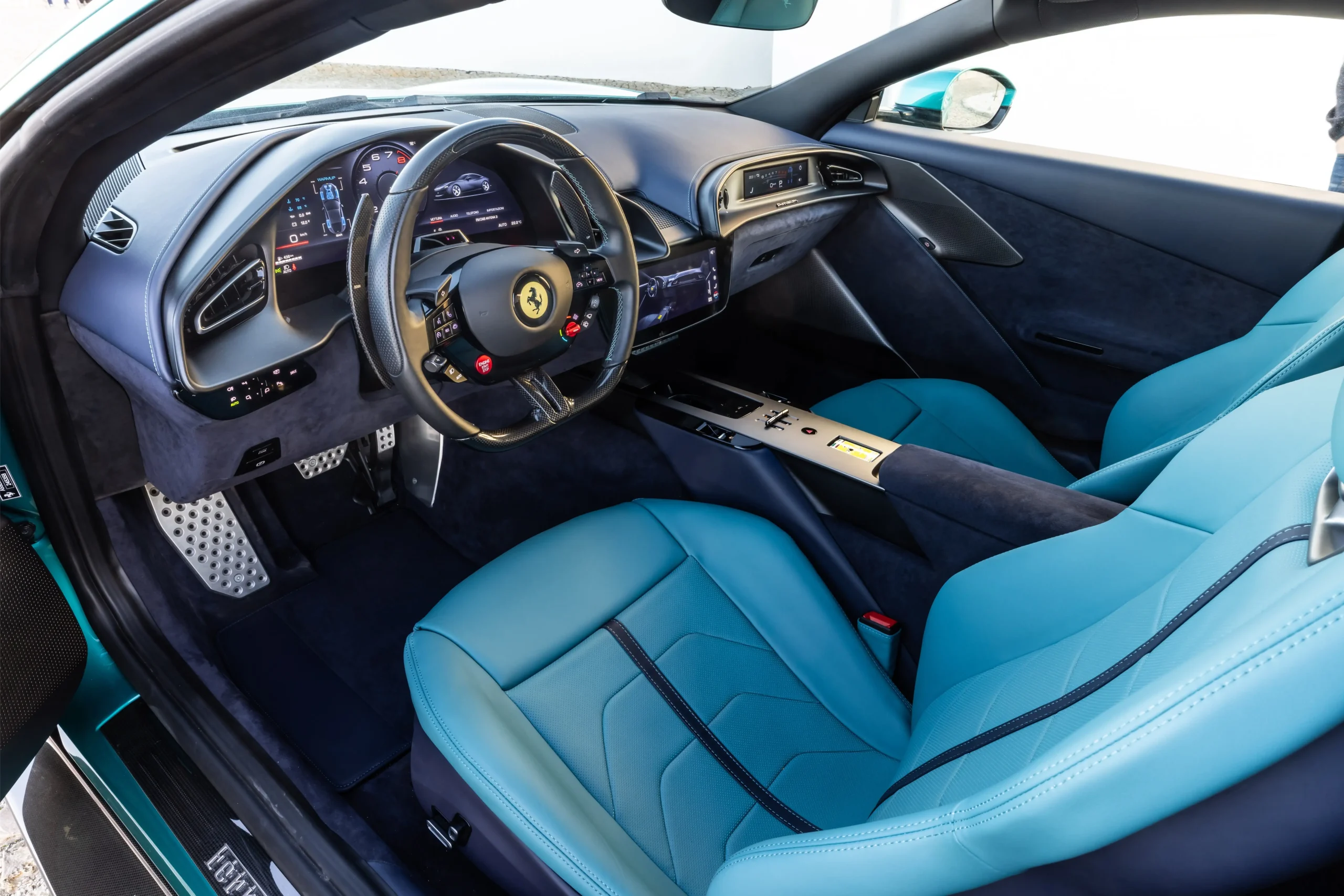
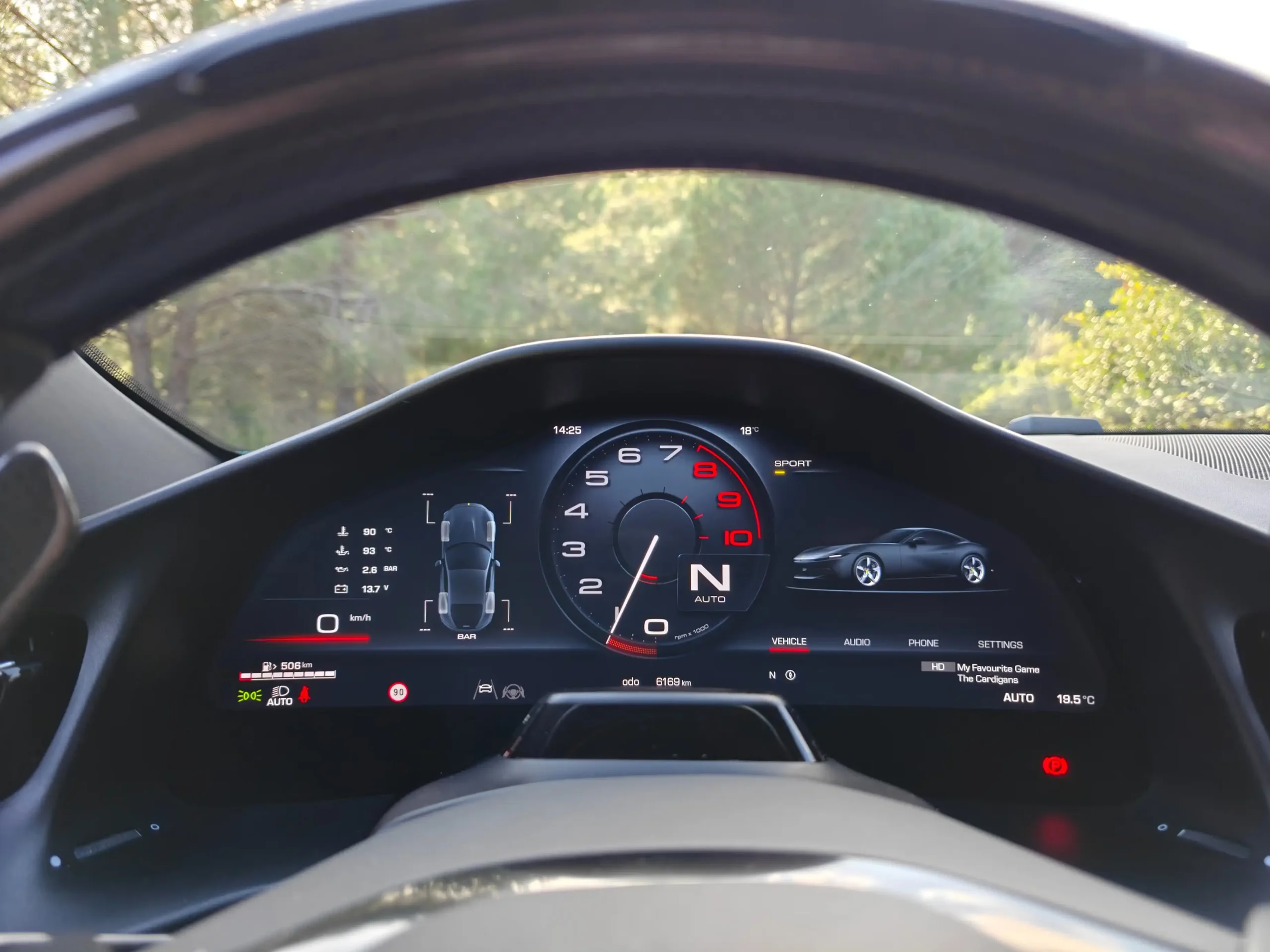
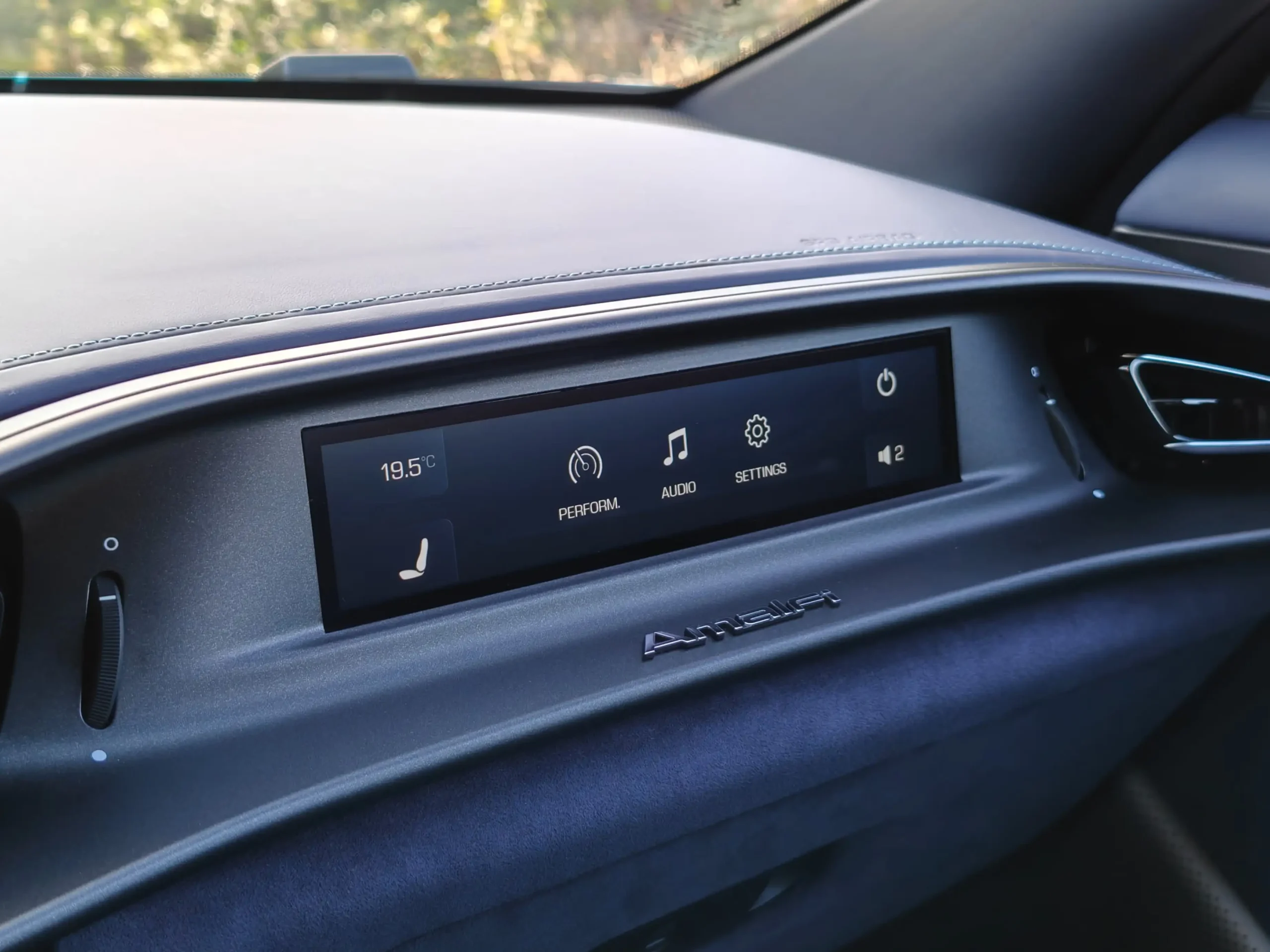
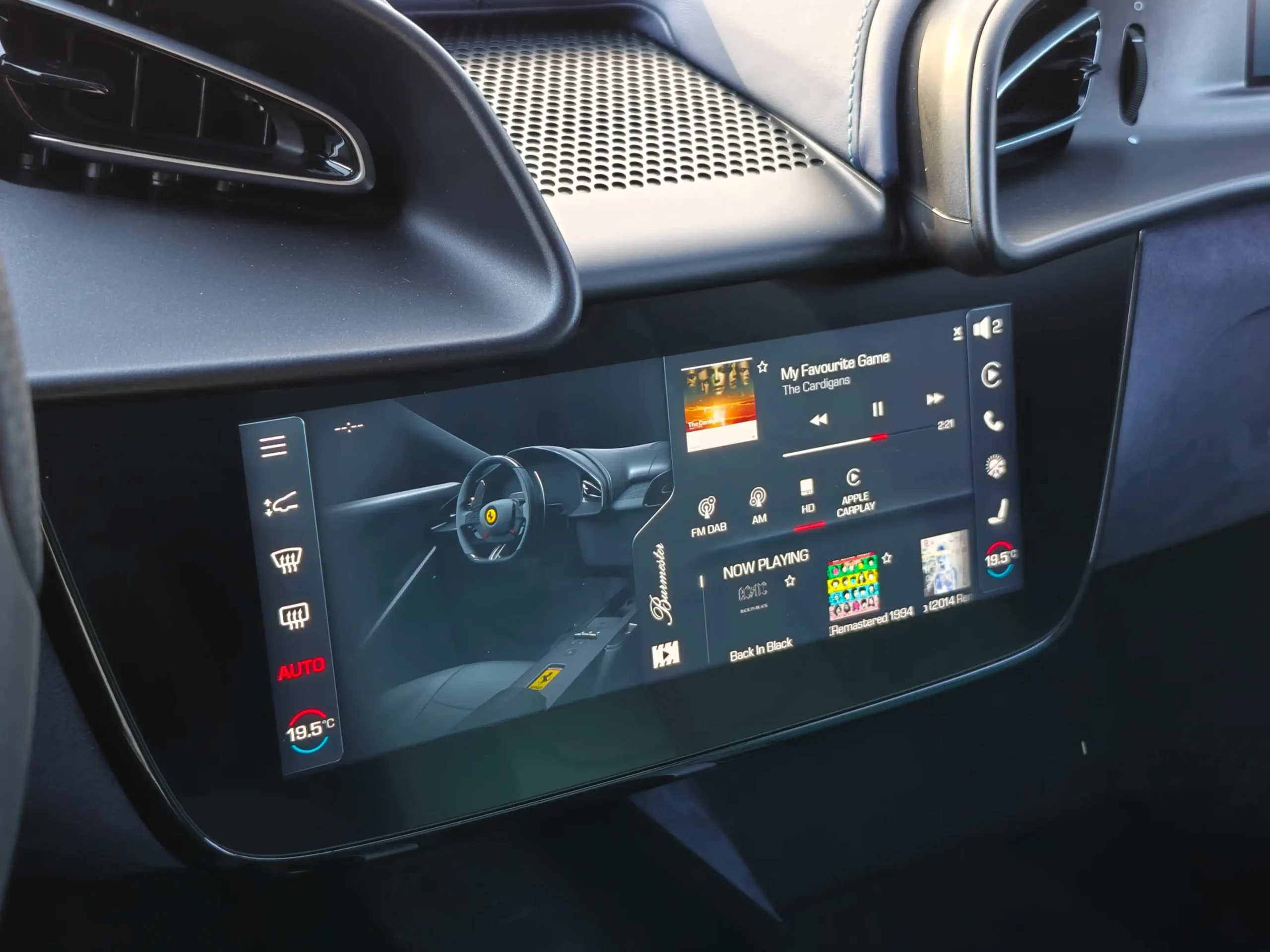
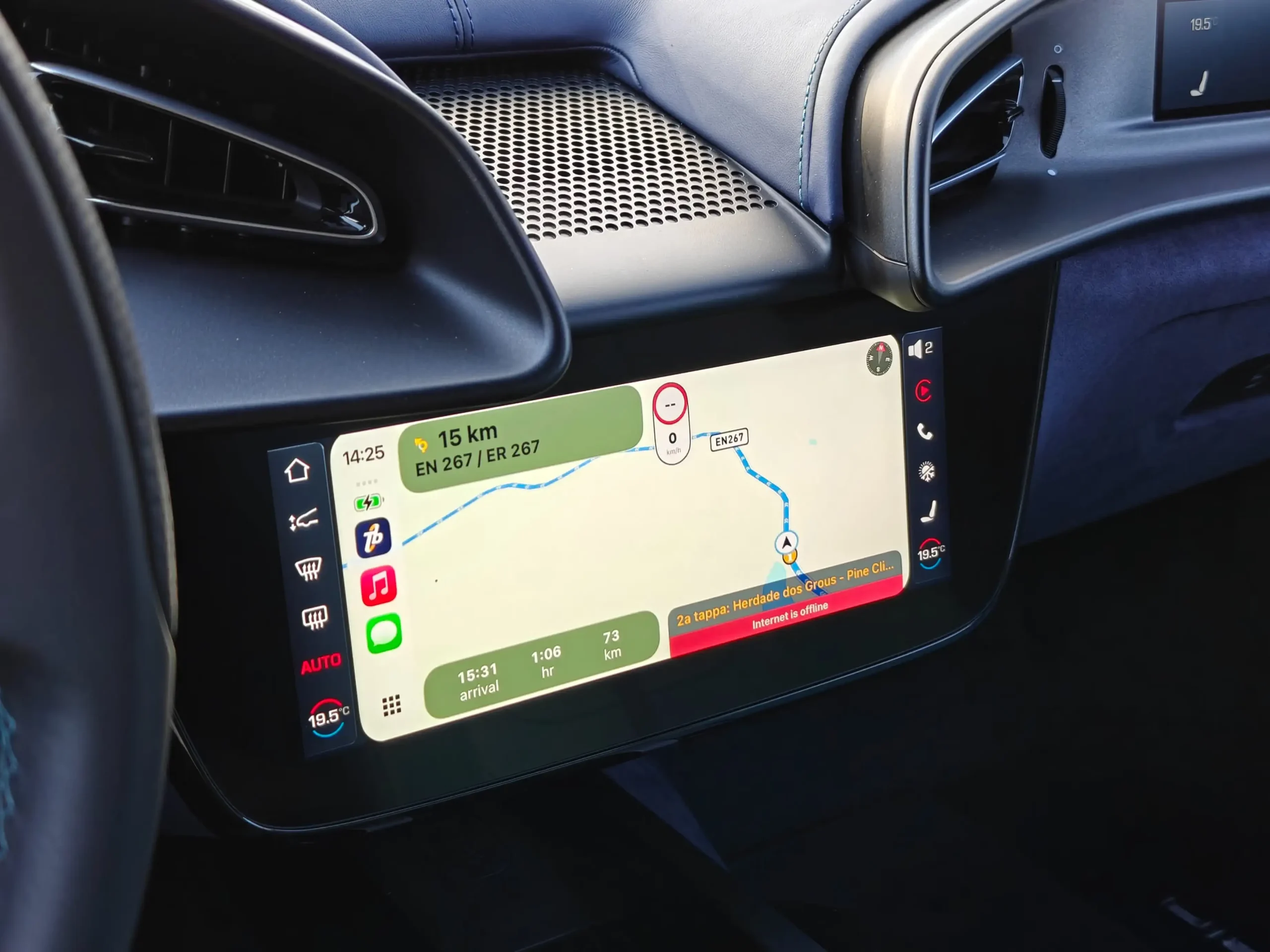
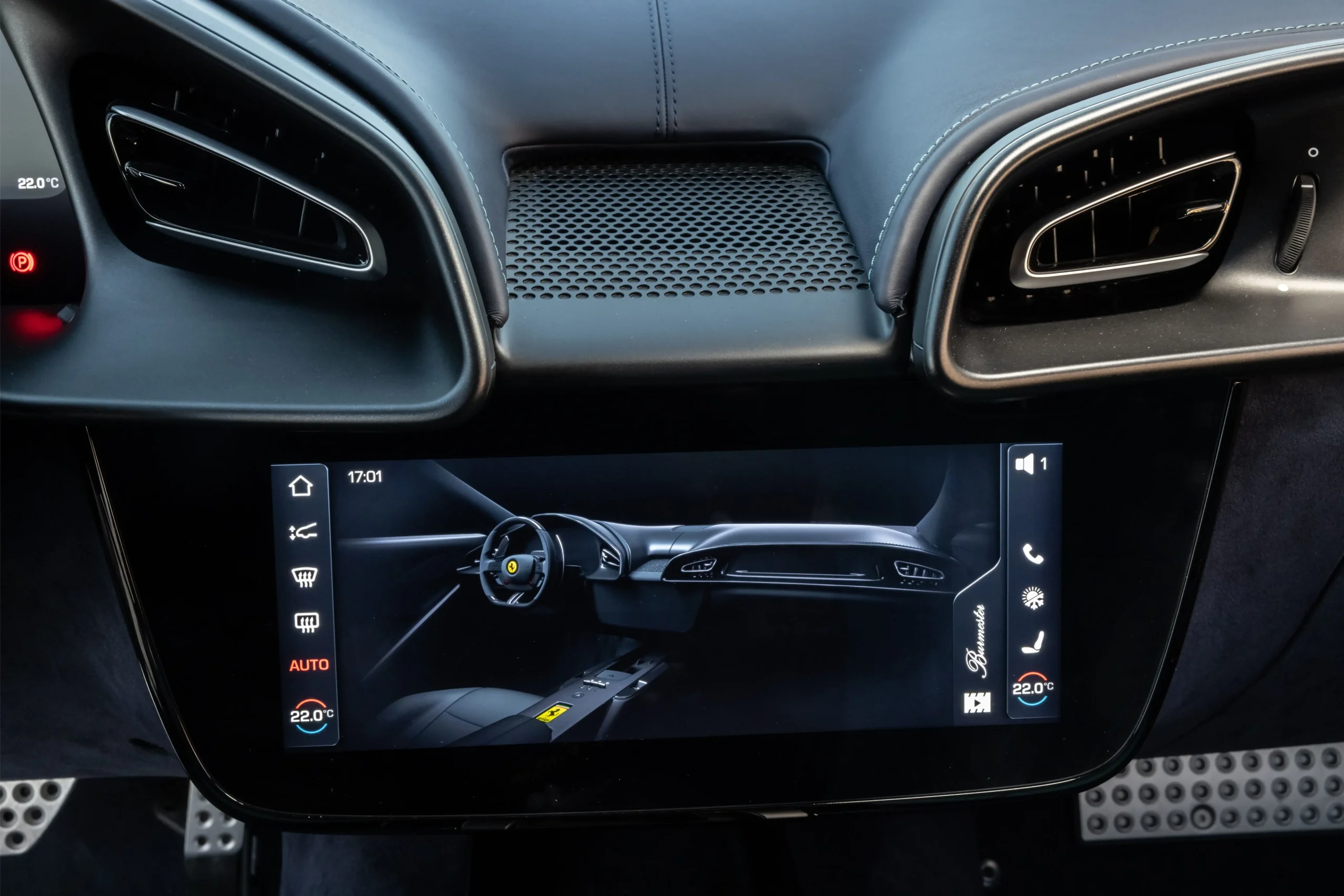
Ferrari has given the Amalfi’s interior a comprehensive and much-needed update. The centerpiece is the 10.6-inch central touchscreen, now rotated 90 degrees from its previous portrait orientation to a landscape layout. It’s been lowered beneath a central cut line that echoes the exterior’s signature black grooves, subtly de-emphasizing the display. Non-essential functions, like massaging seats, are now tucked into the screen, keeping the driver’s focus uncluttered.
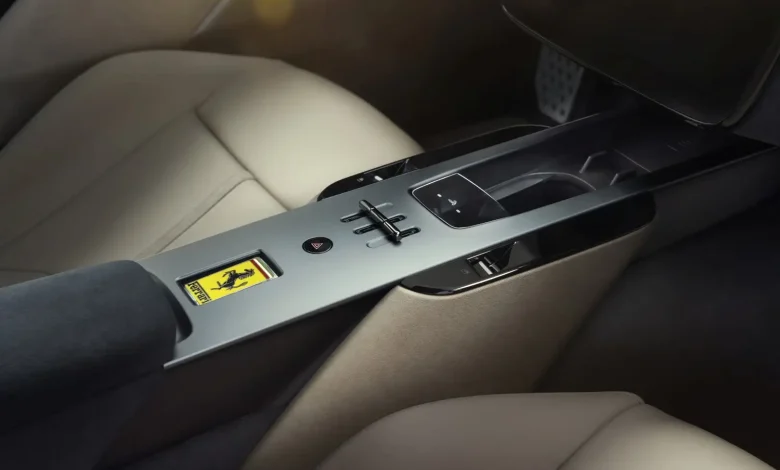
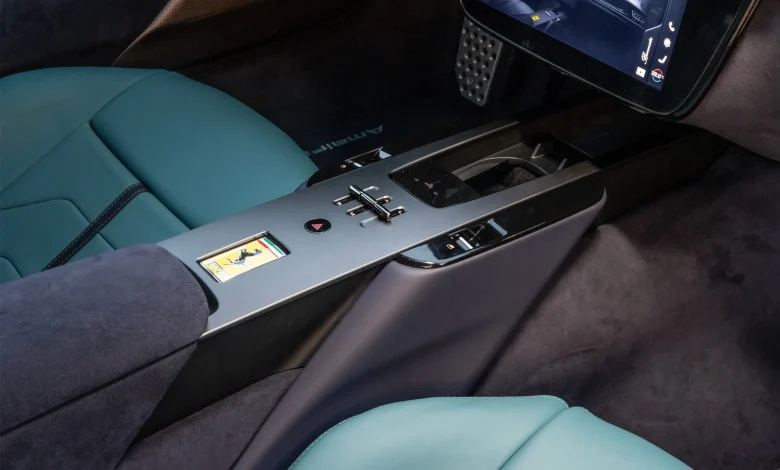
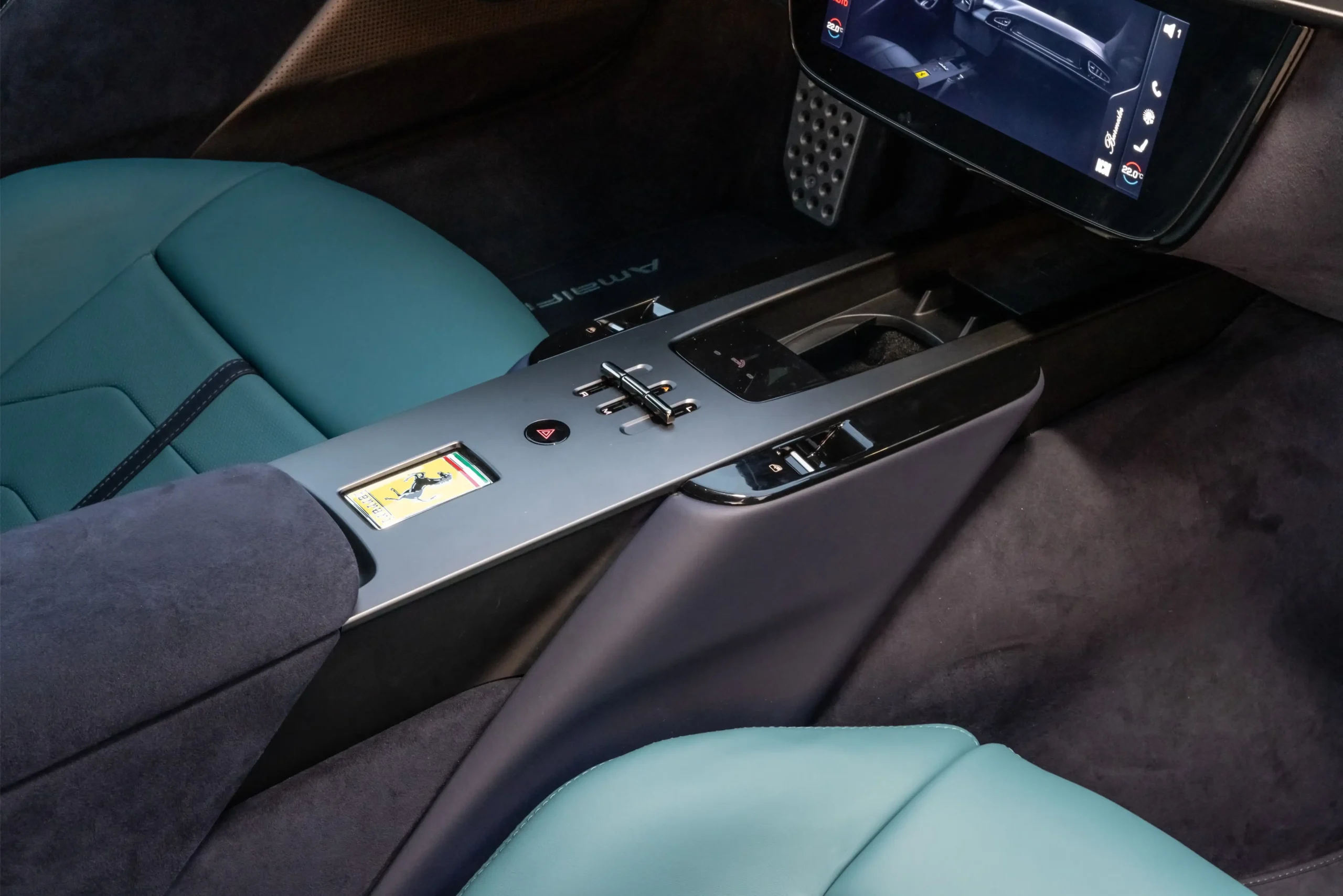
The passenger screen remains—a trend we continue to question (do Ferrari passengers not have smartphones?). On a brighter note, the driver and passenger are now separated by a beautifully milled and anodized aluminum divider, adding both elegance and a sense of purpose to the cabin layout.
Mechanical Changes
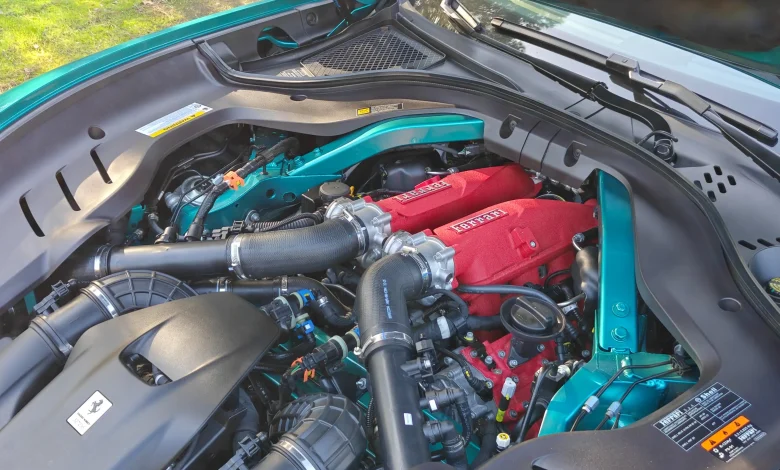
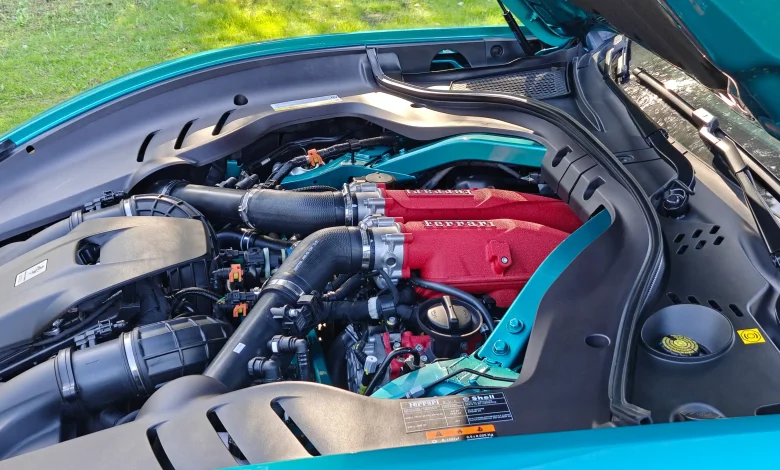
At the heart of the new Amalfi lies a 3.9-liter flat-plane-crank twin-turbo V-8, now producing 631 horsepower—19 more than the Roma—while torque remains a robust 561 lb-ft. The redline climbs 100 rpm to 7,600, and the engine feels noticeably freer thanks to several key upgrades. Both the Roma and Amalfi hit peak torque between 3,000 and 5,750 rpm, but the Amalfi reaches 3,000 rpm more quickly, enhancing responsiveness.
These improvements stem from an engine controller derived from the mid-engine 296, equal-length exhaust runners, and revised turbochargers capable of spinning up to 171,000 rpm, delivering a more immediate and exhilarating power delivery.
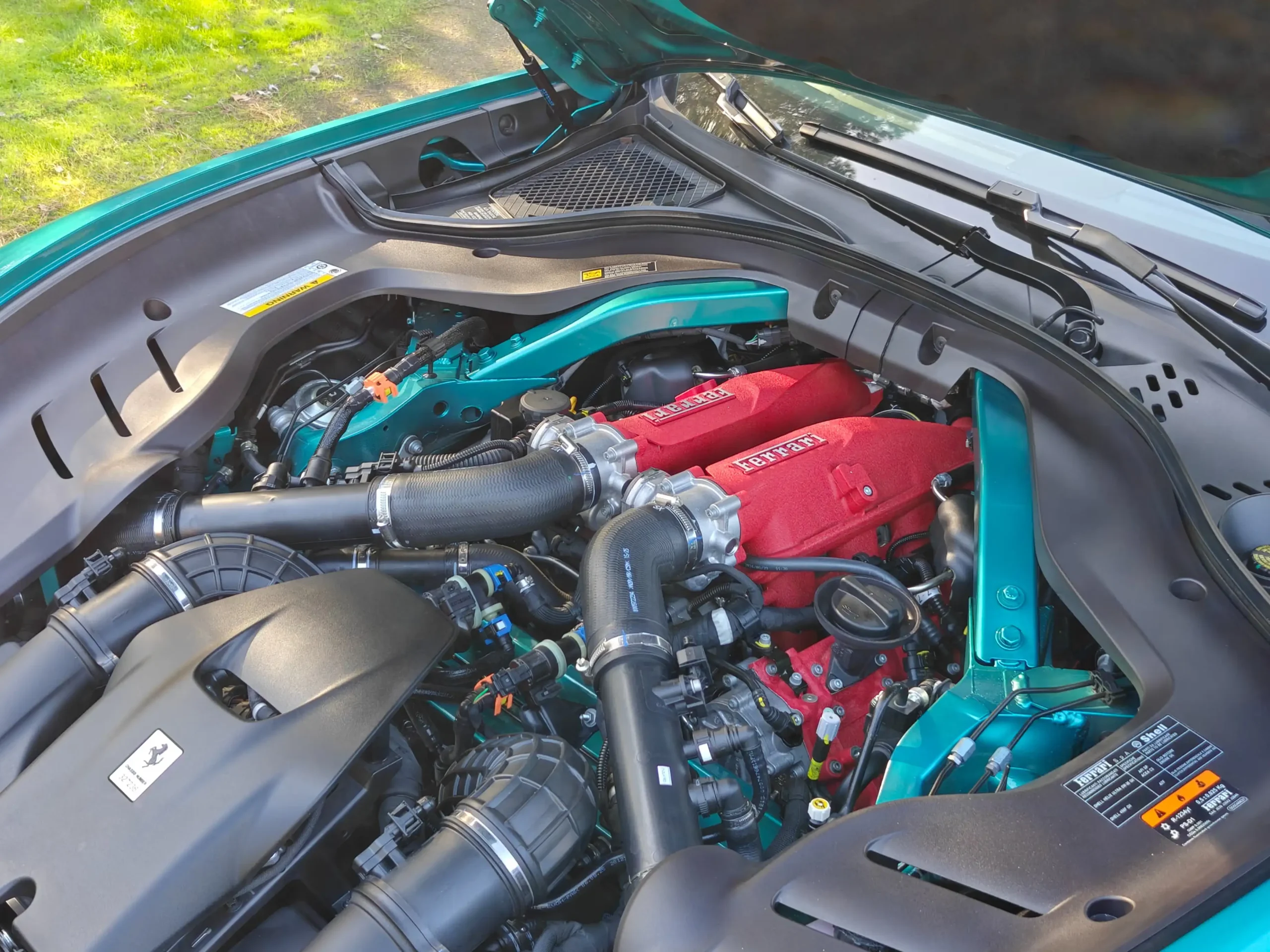
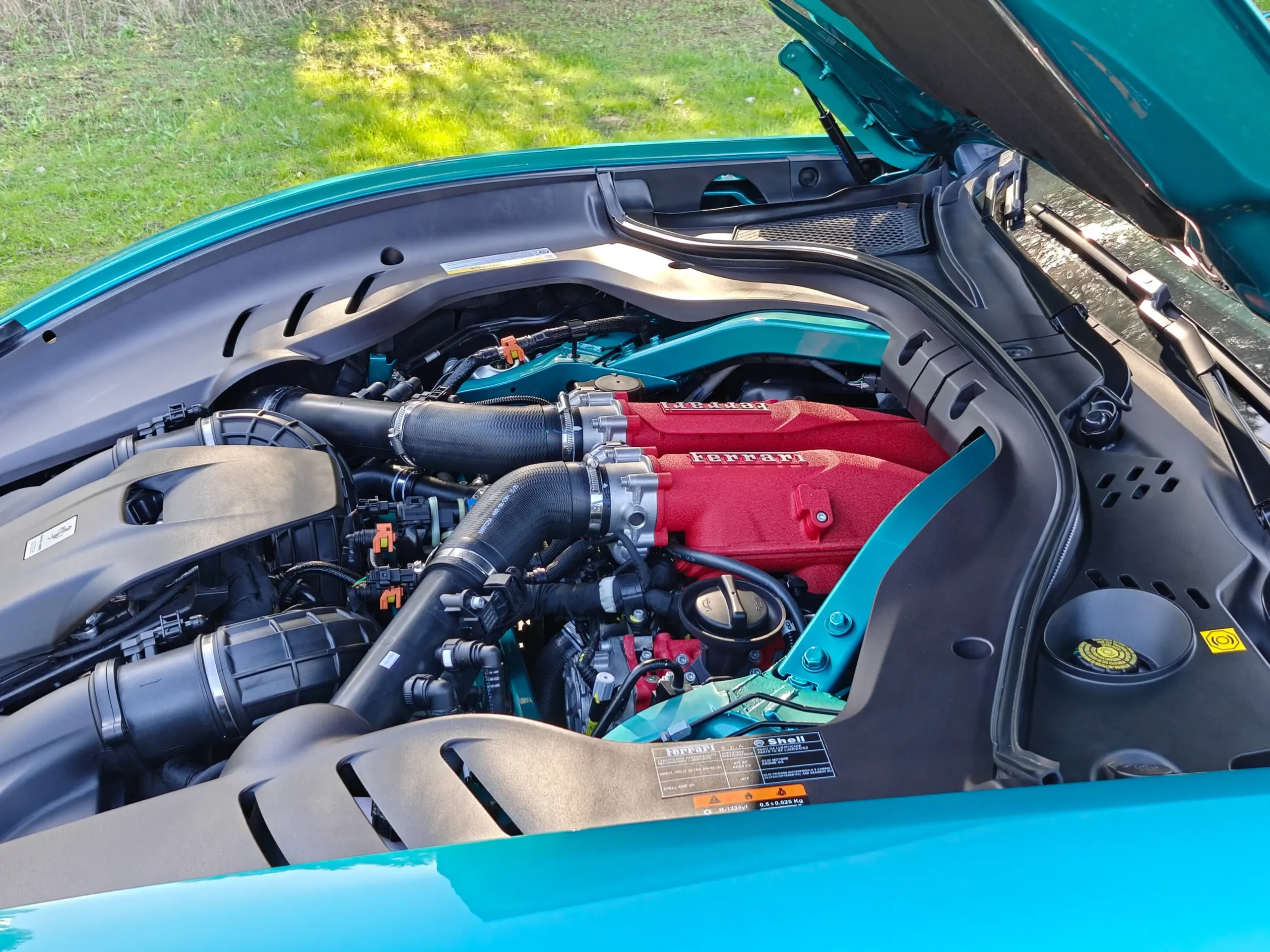
While we didn’t have the chance to test a Roma side by side, Ferrari claims the Amalfi sprints to 62 mph 0.1 second faster—in just 3.3 seconds—and reaches 124 mph in 9.0 seconds. Global noise regulations have slightly tamed the exhaust, but Ferrari ensures the cabin still enjoys plenty of satisfying V-8 growl. Despite the turbochargers, the engine sounds robust—quieter than before, but far from muted.
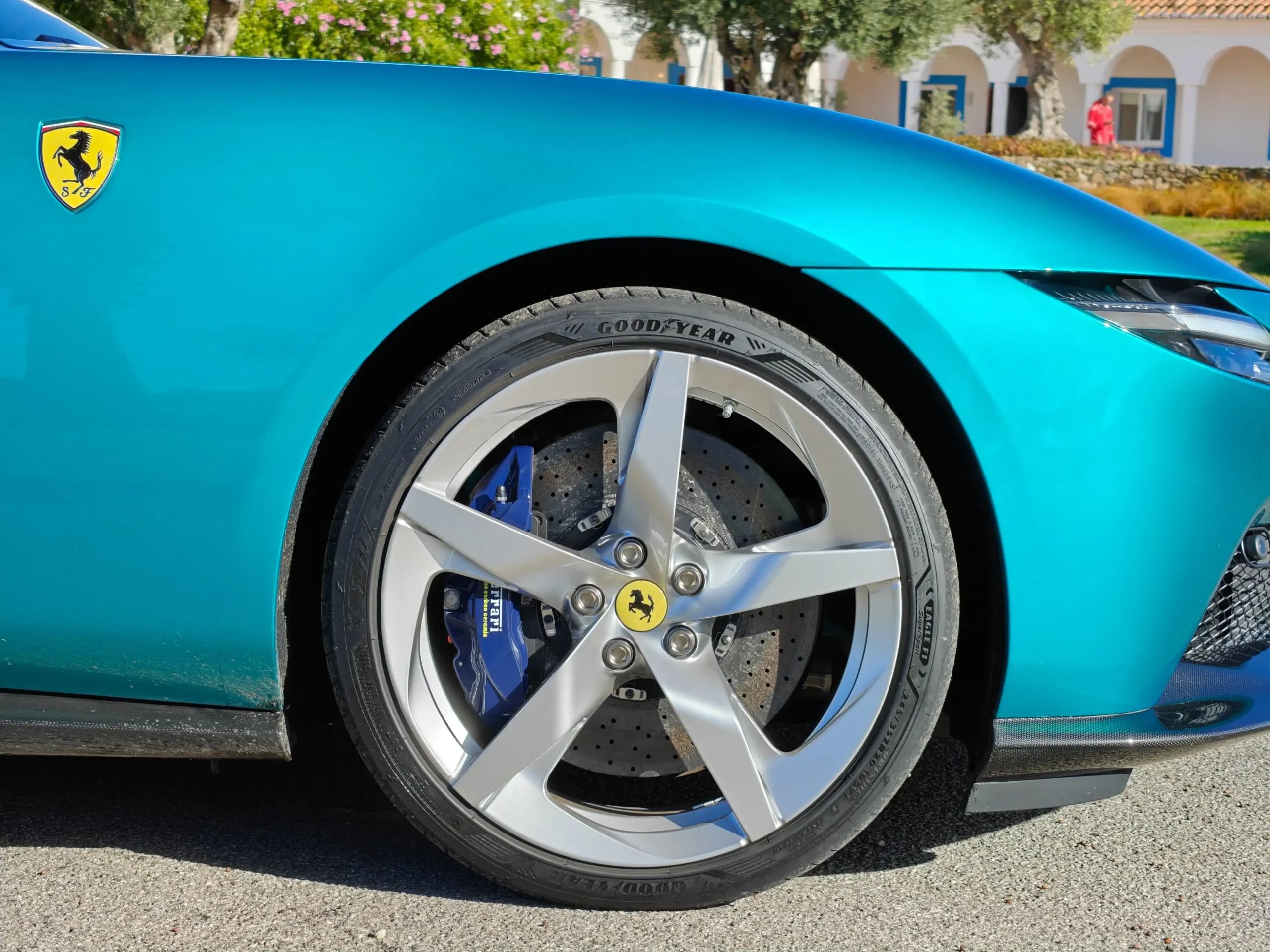
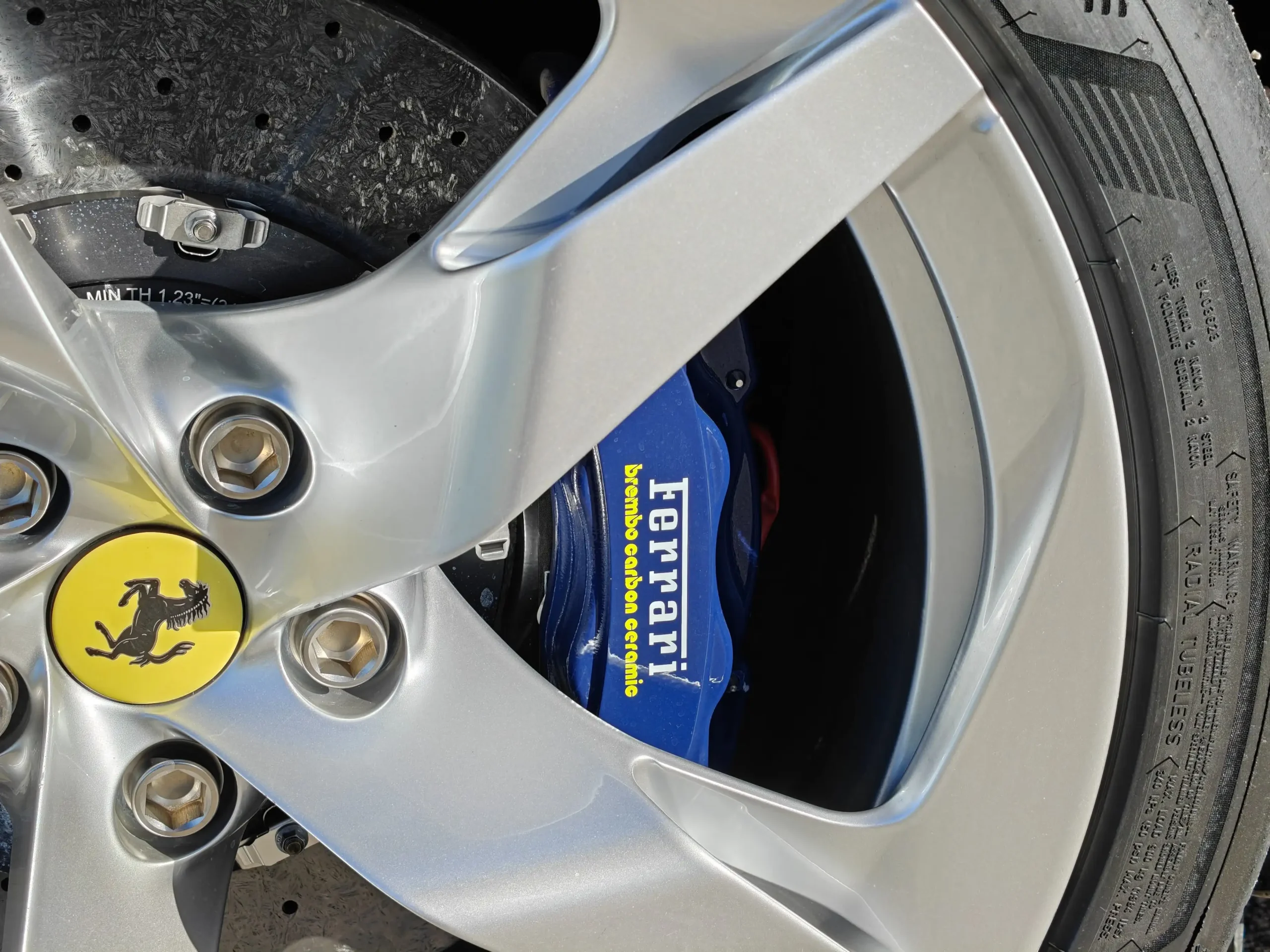
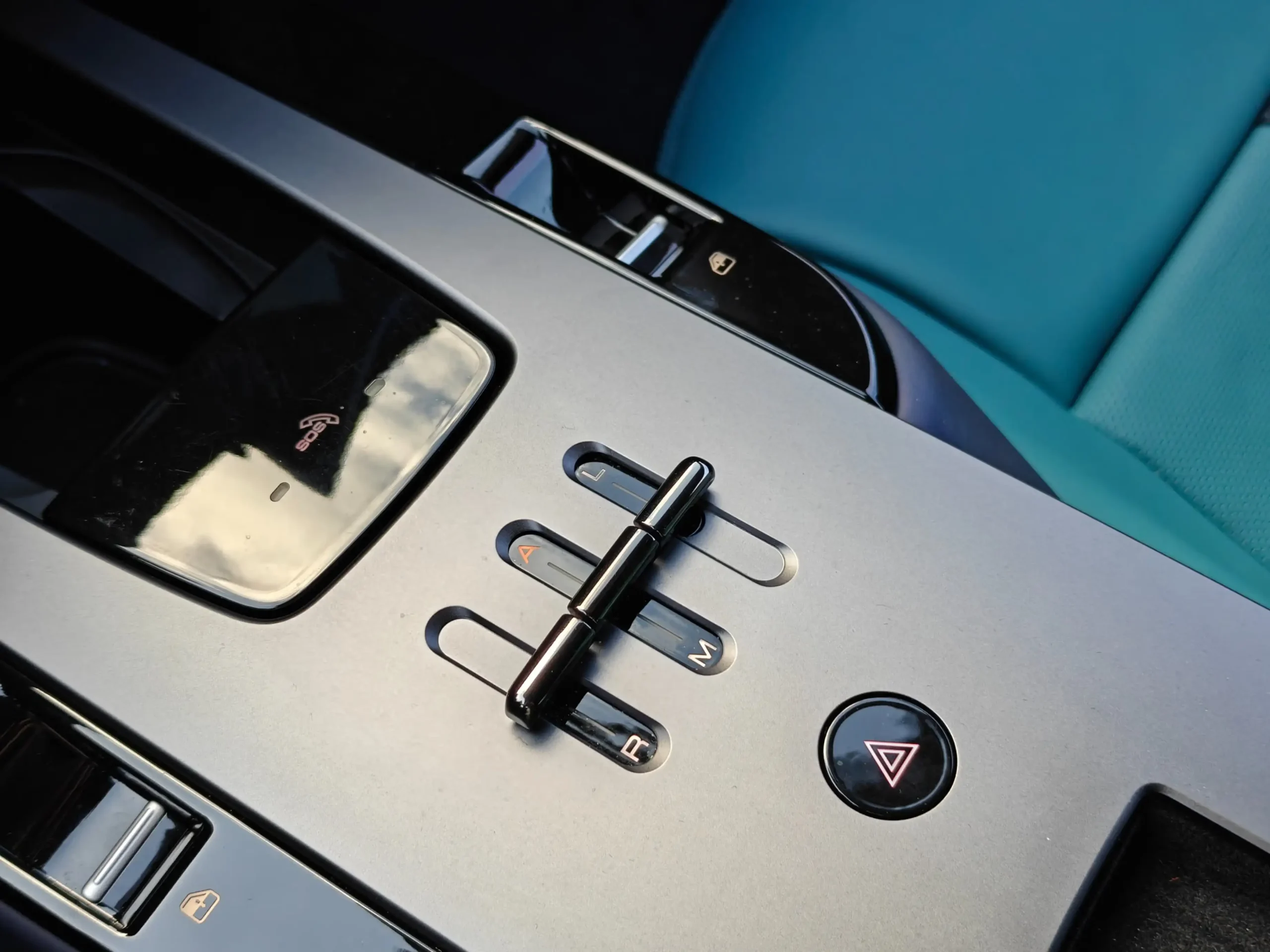
The Ferrari Amalfi massive Brembo brakes are now wire-activated, using technology derived from the 296 GT3 EVO race car. Ferrari’s updated Side Slip Control (SSC) 6.1 manages yaw and wheelspin, stepping in only when necessary. A new “Dynamic Enhancer” functions as a drift controller, giving drivers more playful control when desired. MagneRide dampers have been revised for a better balance of comfort and sportiness, and the car rides on new Goodyear Eagle F1 Supersport tires—245/35R20 up front and 285/35R20 at the rear—ensuring grip and responsiveness match the Amalfi’s enhanced performance.
The Drive
We spent over five hours behind the wheel of the Amalfi, exploring Portugal’s stunning Algarve region. Even a few feet of movement in a parking lot made it clear the engine is far more eager than the Roma’s, with the Amalfi straining at its bit in the best way.
Finding traffic-free stretches for proper testing took some patience, especially since rain the night before left the roads wet despite the sunny skies. After 45 minutes of trailing delivery vans and tractors, the moment we finally pressed the accelerator, the Amalfi oversteered sharply to the left, its nose pointing toward a ditch. Thankfully, the updated SSC 6.1 quickly brought it under control, preventing disaster.
At lunch, several fellow journalists shared the same experience in that exact spot, suggesting the new Goodyear Eagle F1 Supersport tires may struggle in wet conditions, while Ferrari’s Side Slip Control remains exceptionally capable.
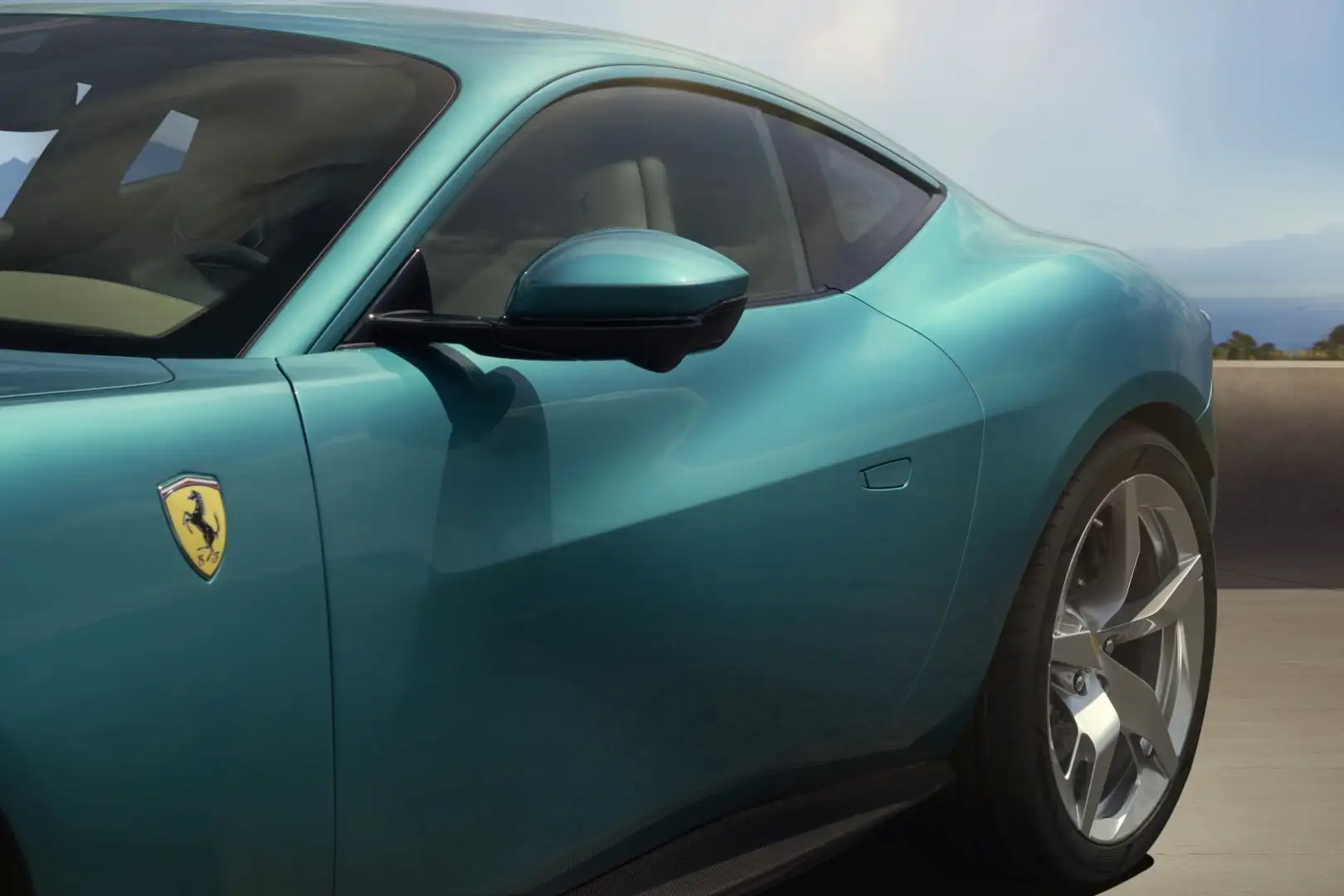
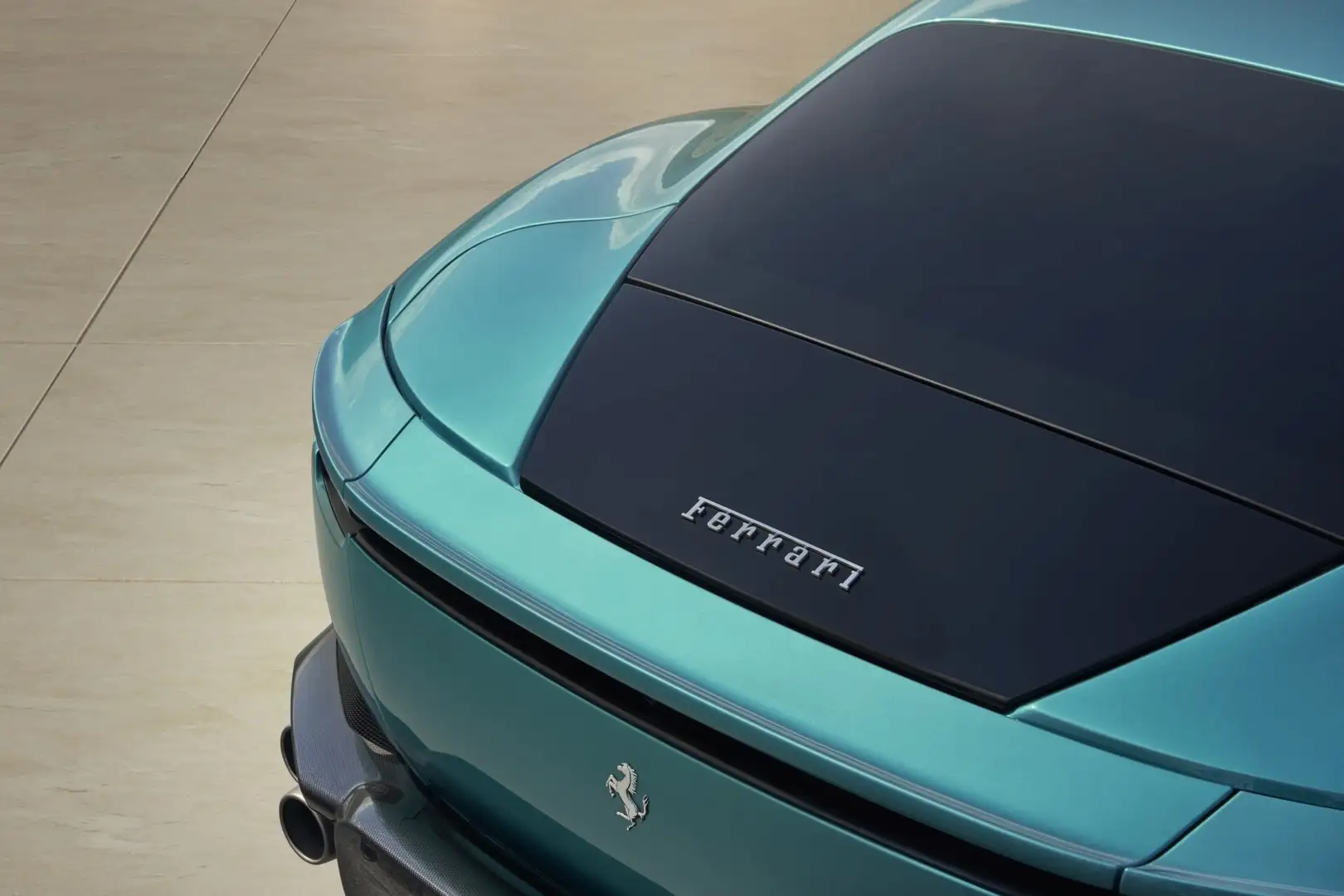
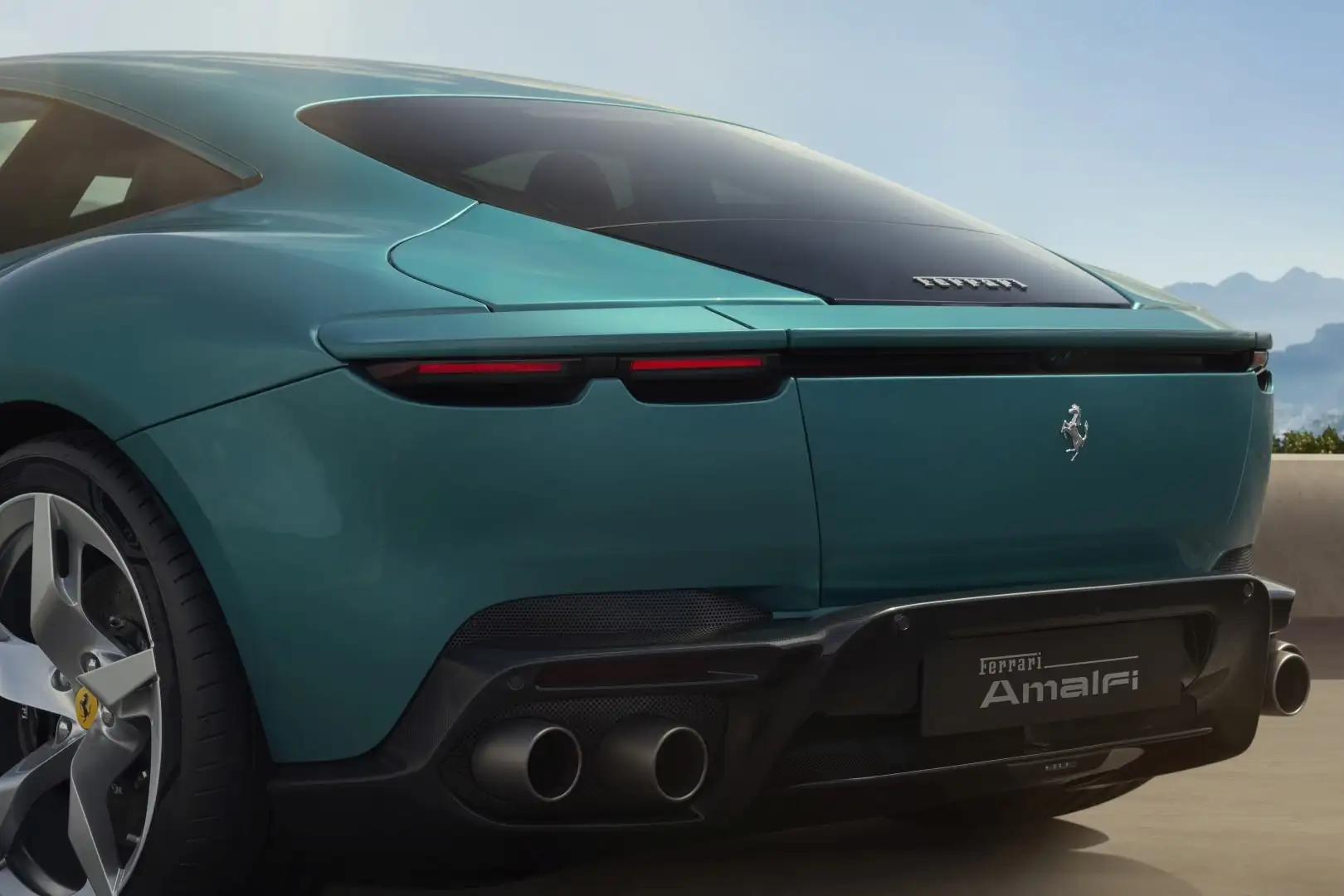
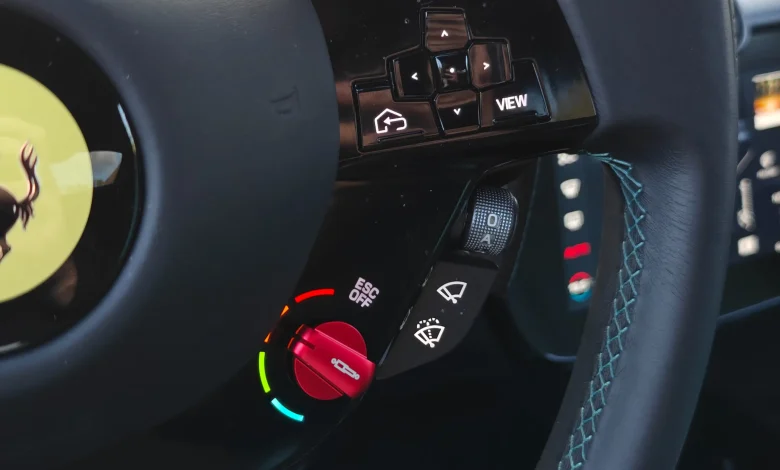
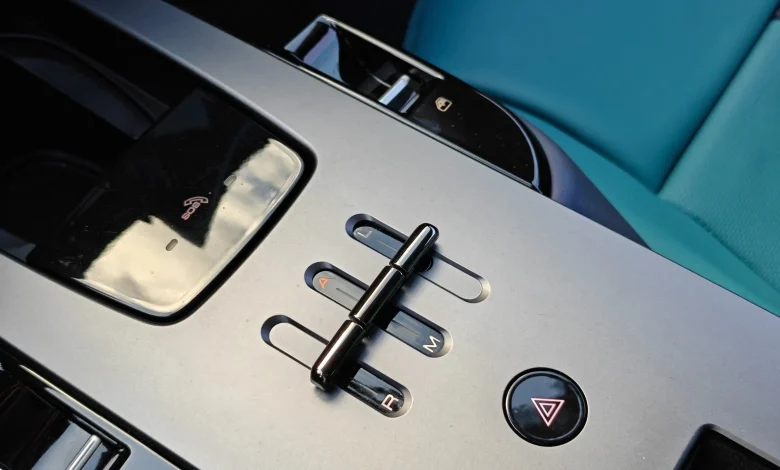
Once the sun dried the roads and we regained some confidence, the Ferrari Amalfi delivered everything we loved about the Roma—but dialed up a notch, maybe two. The Roma never lacked power, but in Comfort mode its dual-clutch transmission often nudged into eighth gear by 40 mph. Ferrari has reprogrammed that behavior (especially with stop/start off), and as you rotate the manettino—the steering-wheel-mounted dial switching from Comfort to Sport to Race to ESC Off—the transmission’s performance improves with every click.
It’s easy to compare Ferrari’s transaxle to Porsche’s lauded PDK, but familiarity can breed complacency. Driving more Porsches than Ferraris, we sometimes forget that Maranello’s dual-clutch gearbox is just as fast, if not crisper, in its shifts.
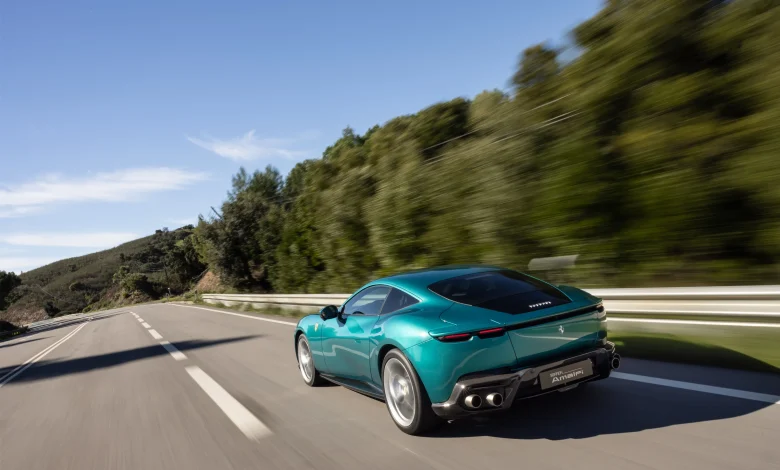
The rear tires effortlessly transmit the engine’s fury to the tarmac, gear after gear. We skipped launch control but enjoyed the way torque builds instantly. We hit 155 mph just to test the downforce claims, and the Amalfi remained rock-solid on its revised dampers. Brakes are excellent, nearly impossible to fault—though slightly more pedal travel could help with trail braking, that’s a minor quibble.
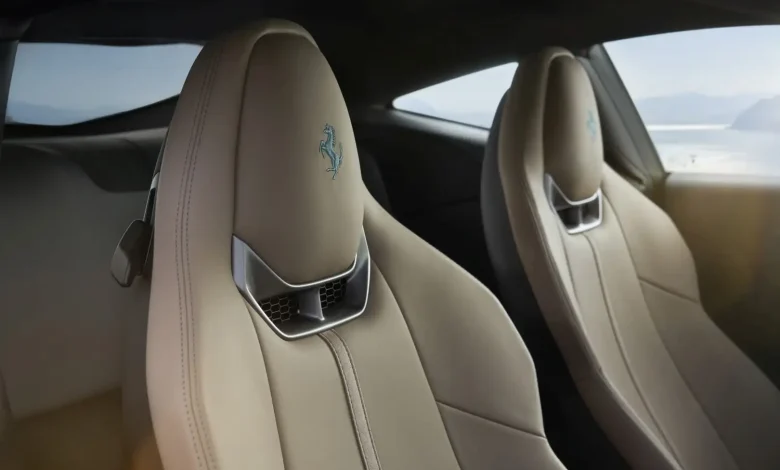
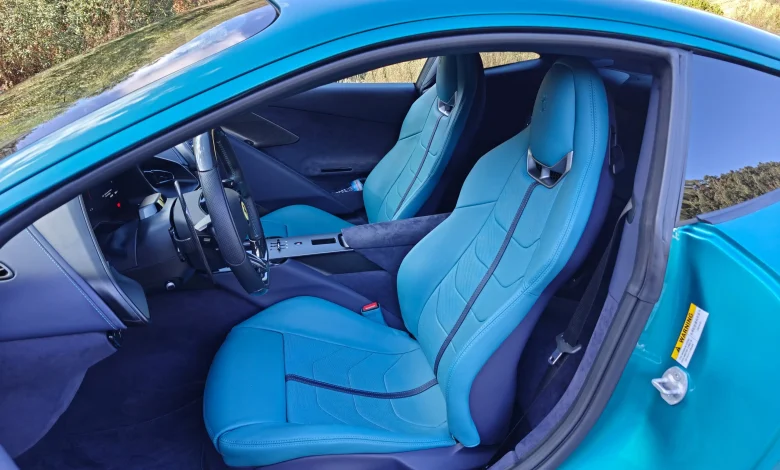
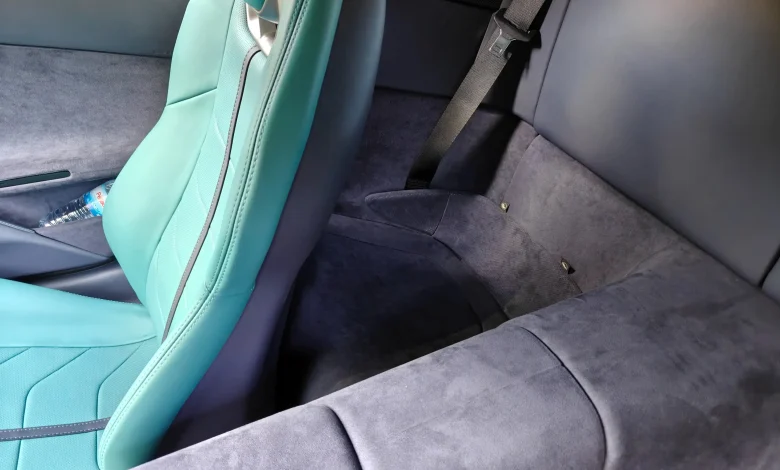
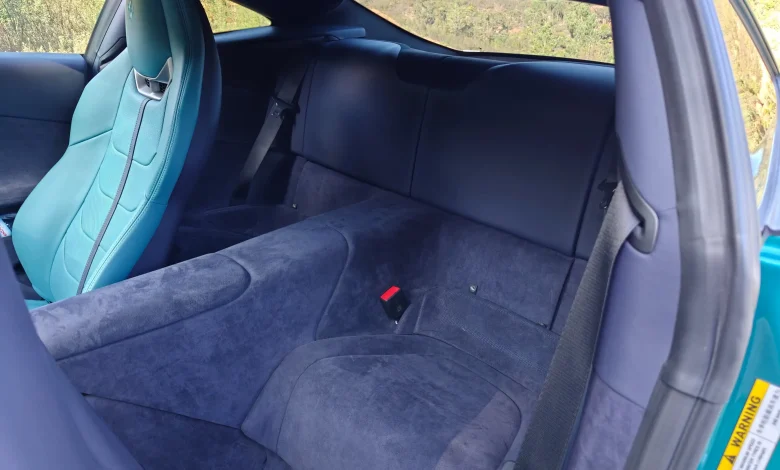
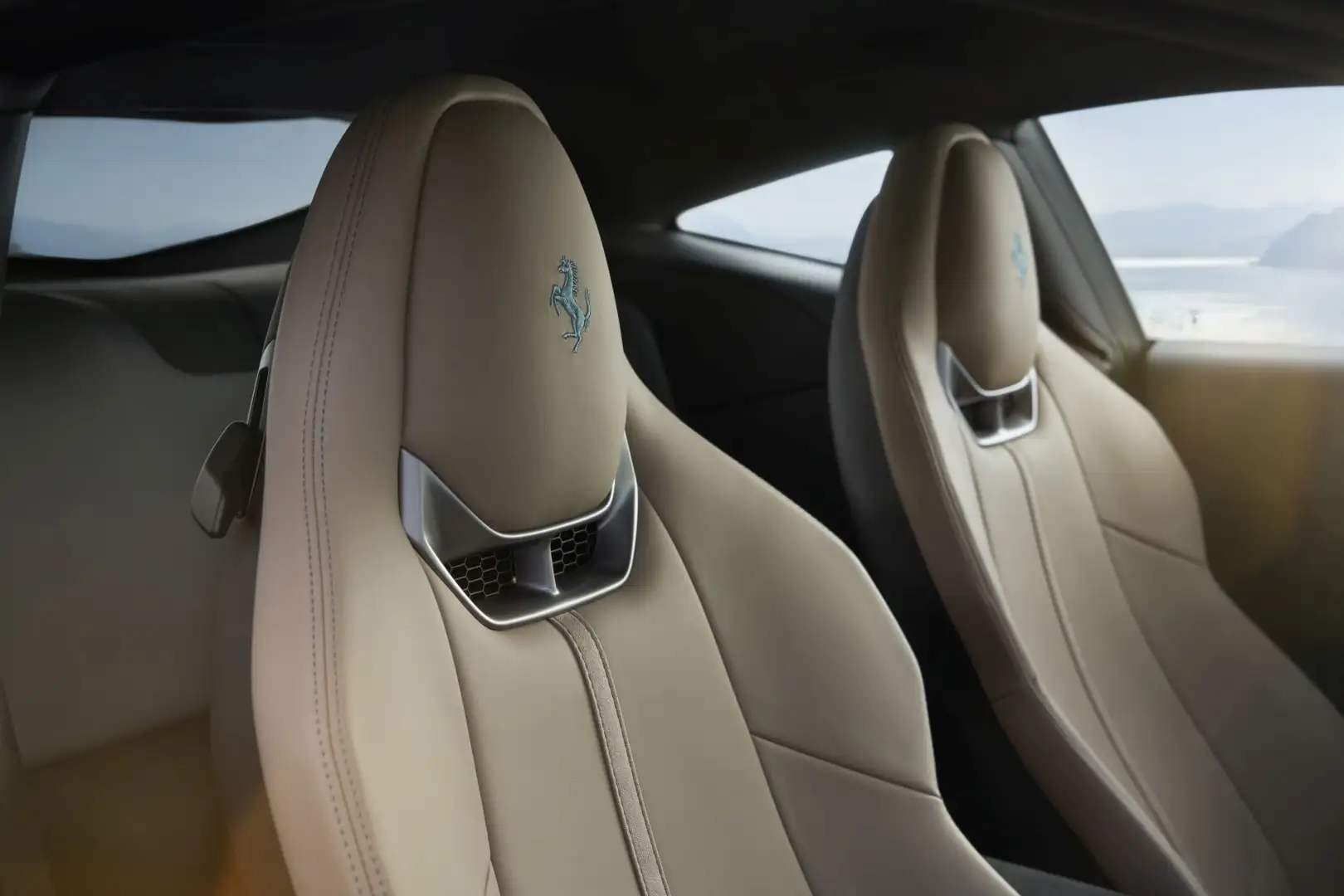
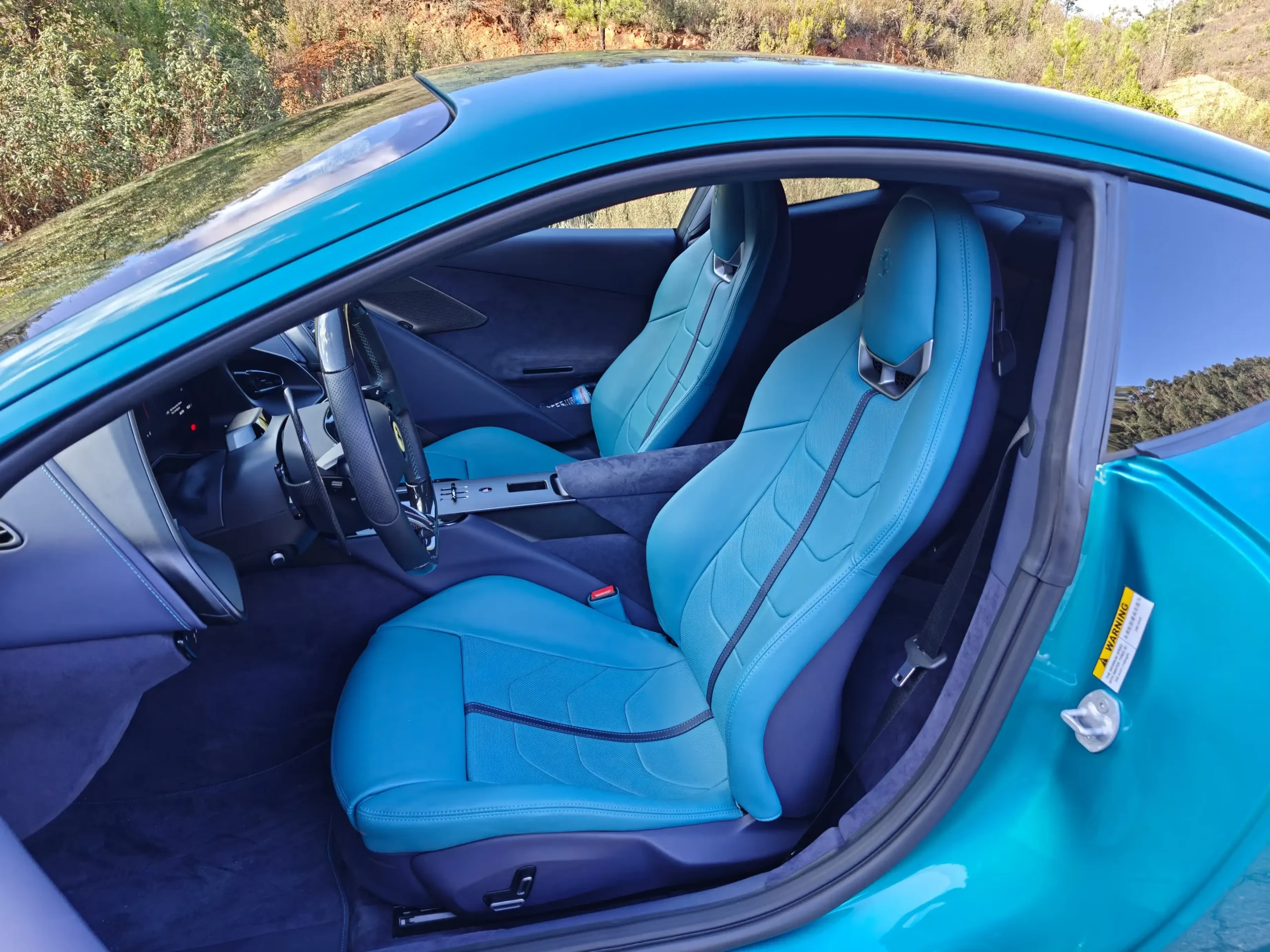
After a five-hour road loop, it’s clear the Ferrari Amalfi is a superb long-distance partner. The massaging seats certainly help, reinforcing its identity as a true super GT. And yes, Ferrari officially calls it a 2+ rather than a 2+2, acknowledging the rear seats’ limited utility without diminishing the car’s overall usability.
Switch into Sport or Race mode, and the Amalfi’s dual personality transforms it into a genuine sports car. The ride doesn’t change noticeably between the two, but Race mode lets the rear end get a little tail-happy when pushed, adding an element of controlled fun. Steering is quick and precise without ever feeling twitchy, and the dampers do an exceptional job smoothing out bumpy pavement. For particularly rough stretches, a dedicated Bumpy Road mode works in both Sport and Race, maintaining composure without dulling the car’s character.
Though the V-8 is front-mounted, it sits just behind the front wheels, giving the Amalfi a near-mid-engine weight distribution. The result is a balanced, even chassis with a hint of rear bias—an evolution of what we loved in the Roma. Compared with its predecessor, the Amalfi feels punchier, grips harder, and brakes more effectively. Simply put: it’s a sports car and a supercar in one—and we’re genuinely impressed.
Better Than the Competition?
Here’s the tricky question: who does the 2027 Ferrari Amalfi actually compete with? The obvious candidates are the 701-hp Porsche 911 Turbo S and the 577-hp Mercedes-AMG GT63 coupe. Both excel as grand tourers while masquerading as sports cars, offering blistering performance with comfort and refinement.
The key distinction is that the Amalfi is a pure rear-wheel-drive machine, while its German rivals rely on all-wheel drive to harness their power. This gives the Ferrari a level of agility and directional freedom that AWD cars can’t match, allowing the chassis to exploit the full friction circle for cornering rather than splitting it with longitudinal acceleration. Additionally, the Germans carry extra weight up front—from heavy differentials to, in the hybrid Porsche’s case, a 60-pound battery atop the steering rack—further emphasizing the Ferrari’s sharp, unburdened handling.
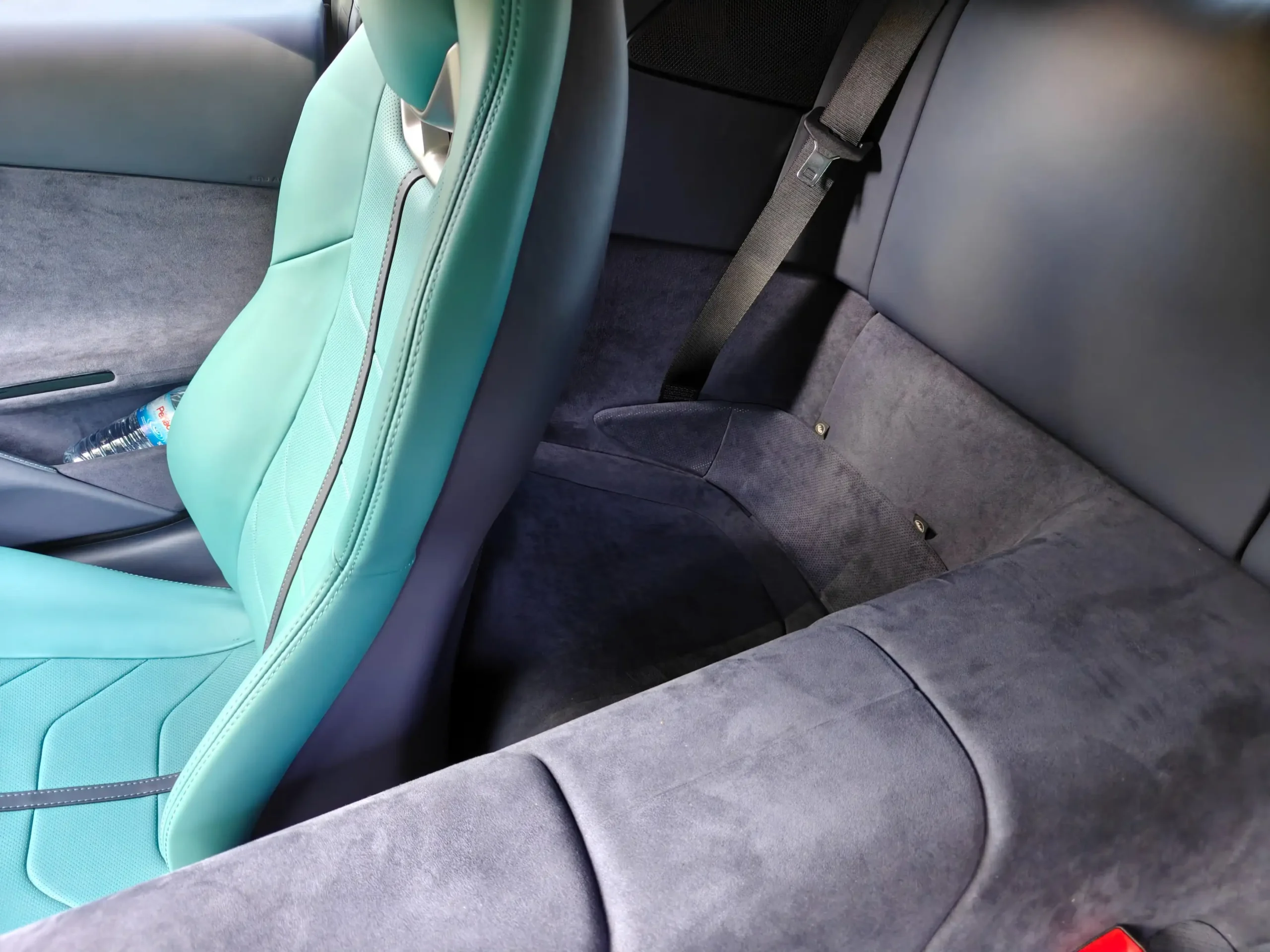
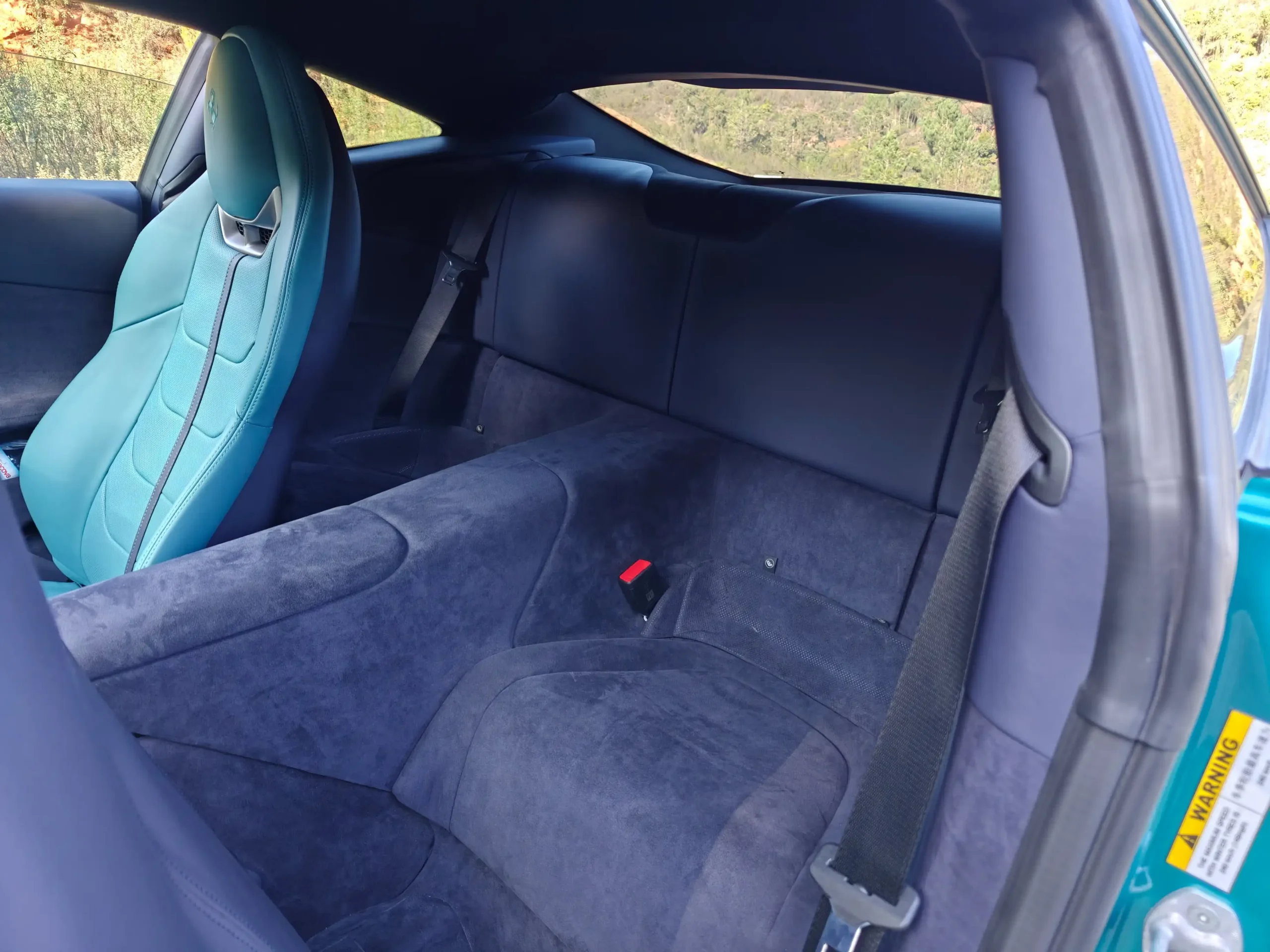
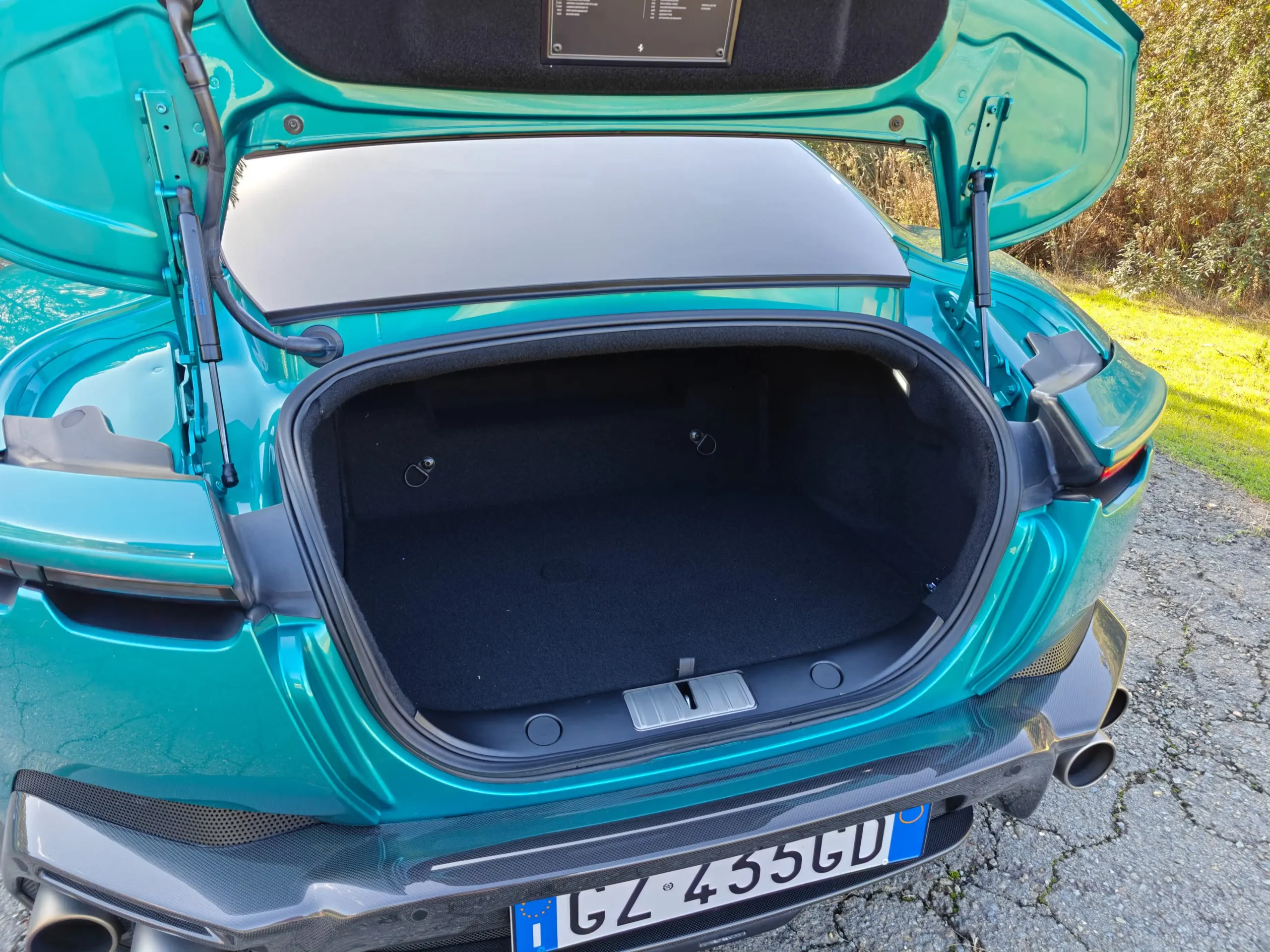
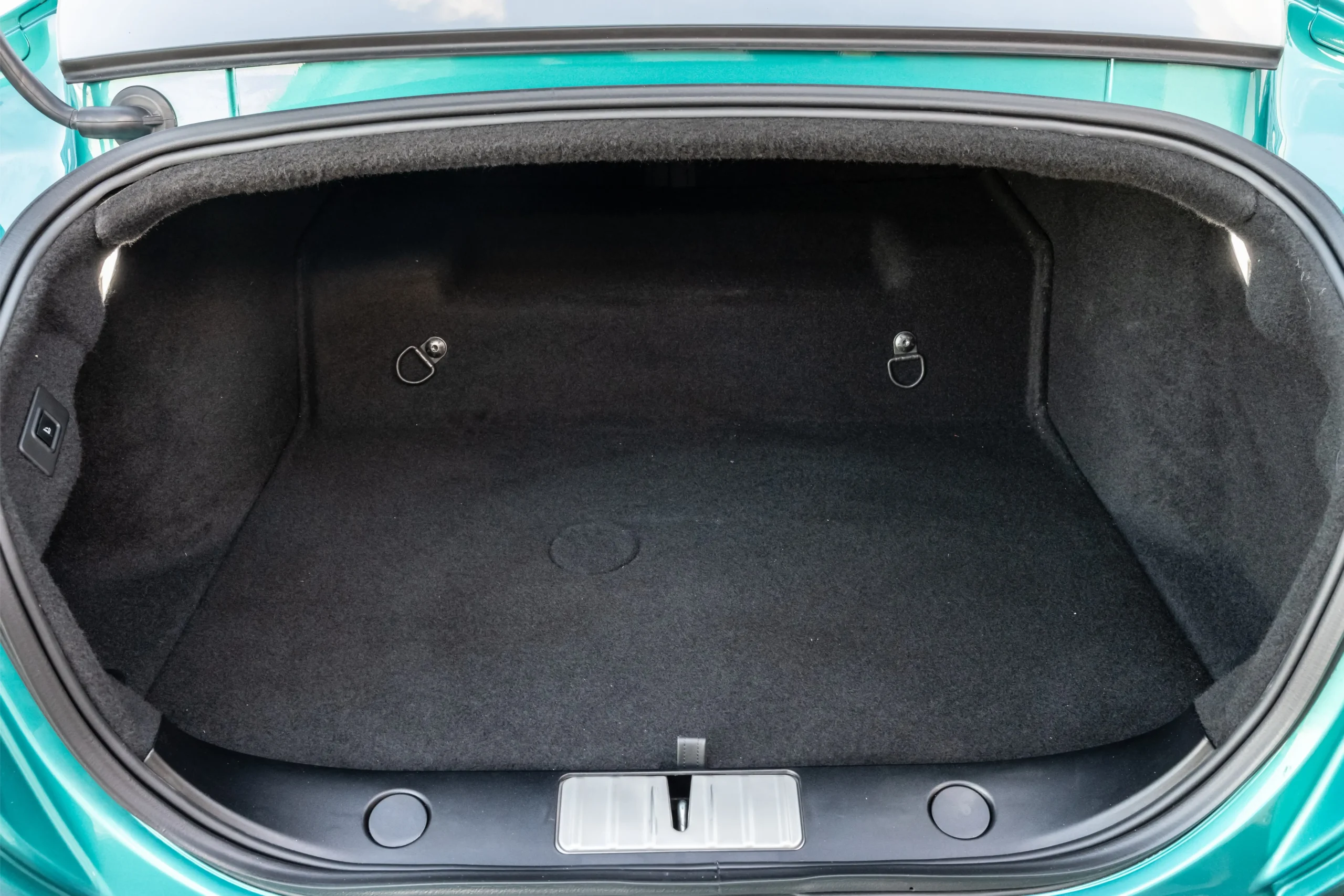
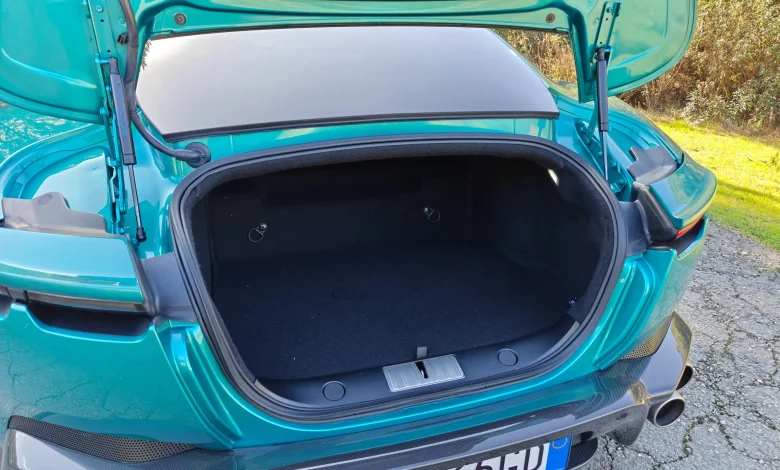
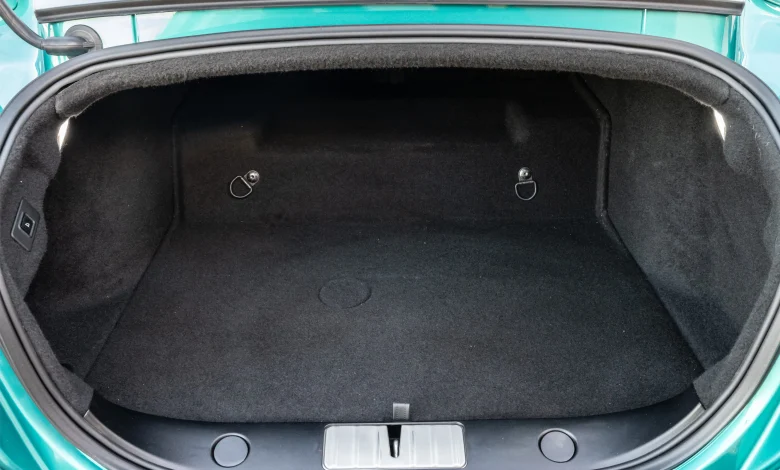
Two Aston Martins could potentially tango with the Amalfi: the 670-hp Vantage S and the 690-hp DB12 S. Dynamically, the Vantage feels like the closer match, though it lacks rear seats entirely. The Amalfi includes them—but only for luggage, which actually reinforces its grand touring credentials.
The DB12 S offers real rear seats but is larger and therefore less nimble, leaning more toward luxury than sporting prowess. It’s also a shame Lexus discontinued the LC500 before ever realizing plans to add turbochargers to its 5.0-liter V-8. As a result, the Ferrari Amalfi occupies a unique space in the market—one that blends performance, GT comfort, and the unmistakable allure of the Prancing Horse badge.
Are We Buying It?
The 2027 Ferrari Amalfi takes everything we loved about the Roma and amplifies it. With revised exterior and interior designs, the car transcends a simple midcycle refresh—enough to justify a new name. While the Amalfi may not deliver the same immediate knockout visual impact as the Roma, its vastly improved interior more than makes up for it.
Starting at $268,000, it’s easy to chuckle at the price tag, but for anyone shopping in this high-end segment, the Amalfi is worth every penny. From certain angles, the Roma might still edge it in looks, but the Amalfi more than holds its own. In short: it’s a perfect time to loosen your tie and enjoy the ride.
2027 Ferrari Amalfi Specifications
| Specification | Details |
|---|---|
| Base Price | $267,810 |
| Layout | Front-engine, RWD, 2+2-passenger, 2-door coupe |
| Engine | 3.9L twin-turbo V-8, 631 hp, 561 lb-ft torque, DOHC 32-valve, direct injection |
| Transmission | 8-speed dual-clutch automatic |
| Curb Weight | 3,650 lb (est) |
| Wheelbase | 105.1 in |
| Dimensions (L × W × H) | 183.5 × 77.7 × 51.2 in |
| 0–62 mph | 3.3 sec (est) |
| EPA Fuel Economy (City/Highway/Combined) | 17/22/19 mpg (est) |
| EPA Range (Combined) | 401 miles (est) |
| On Sale | Q1 2027 |