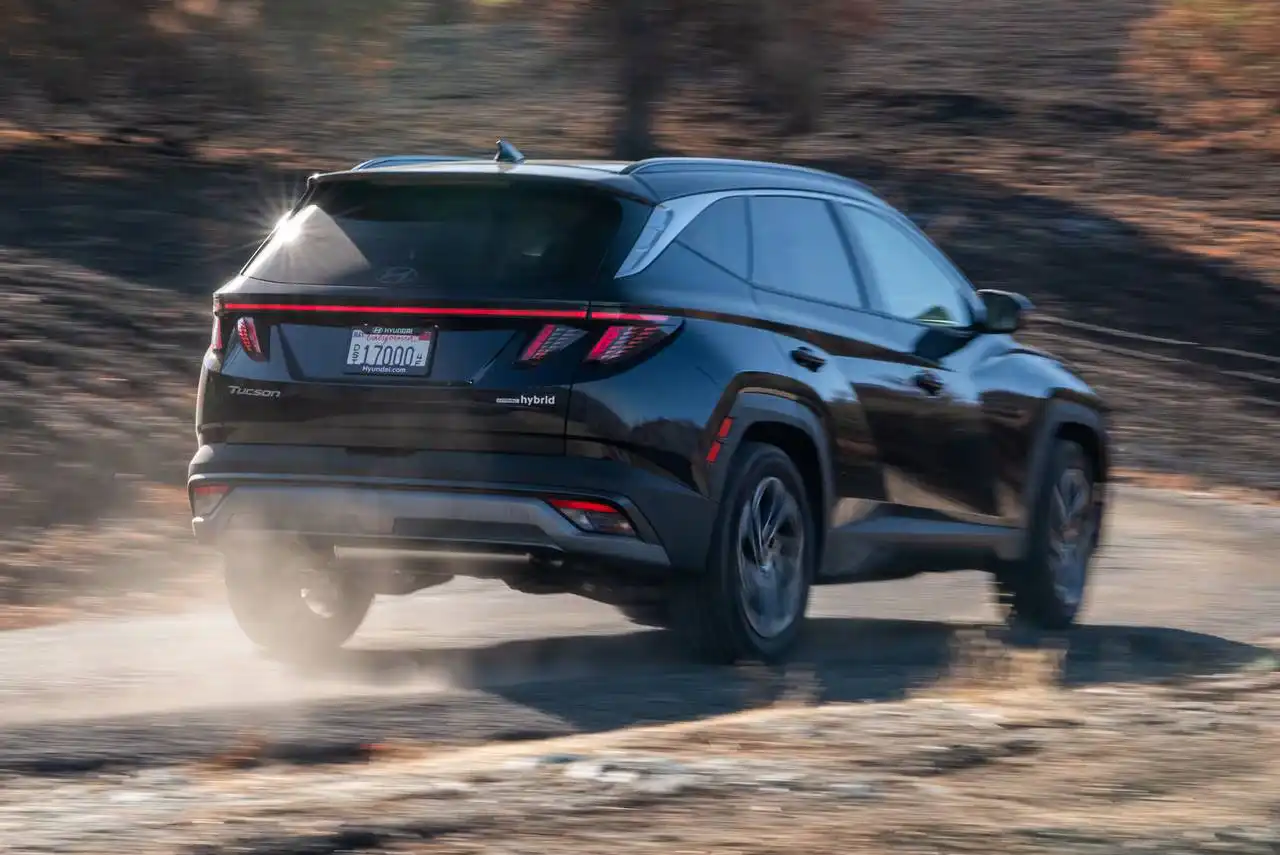
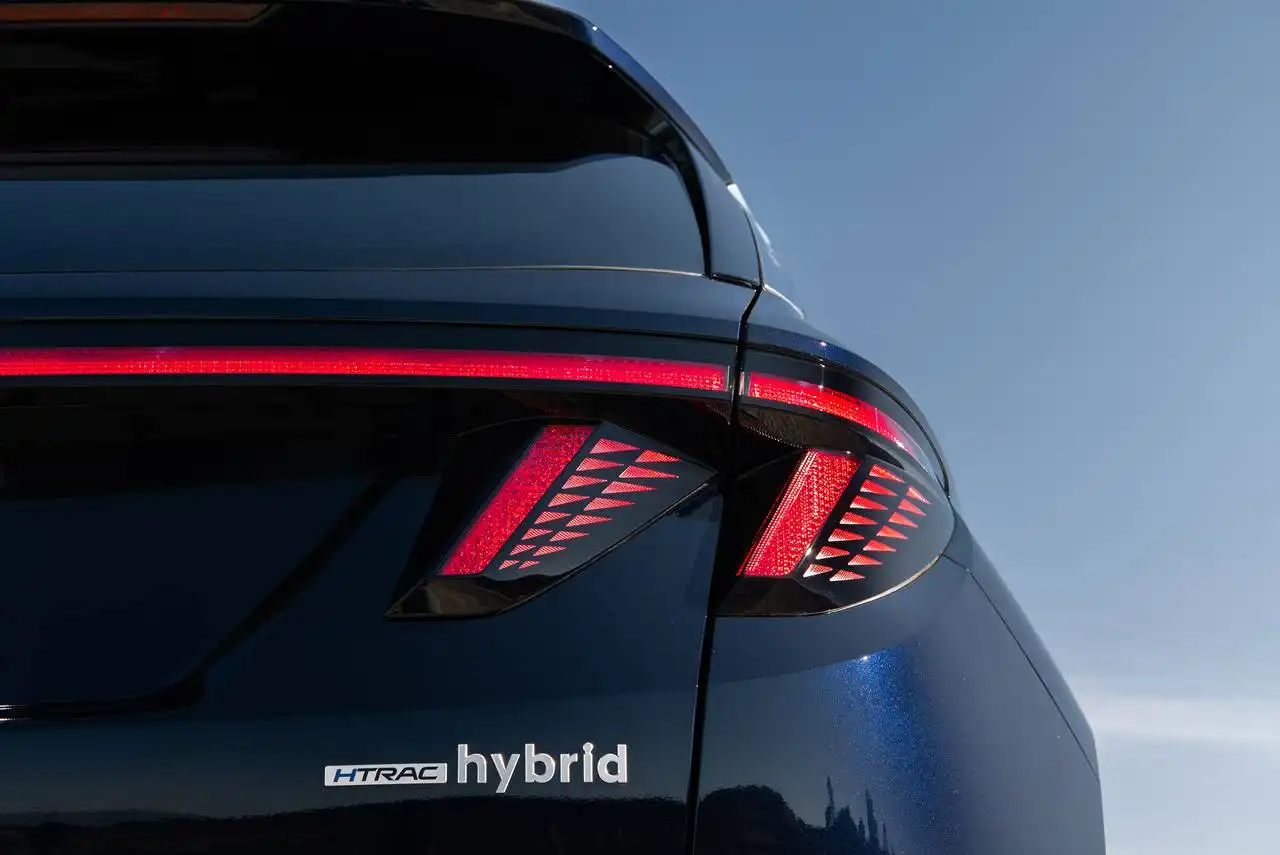
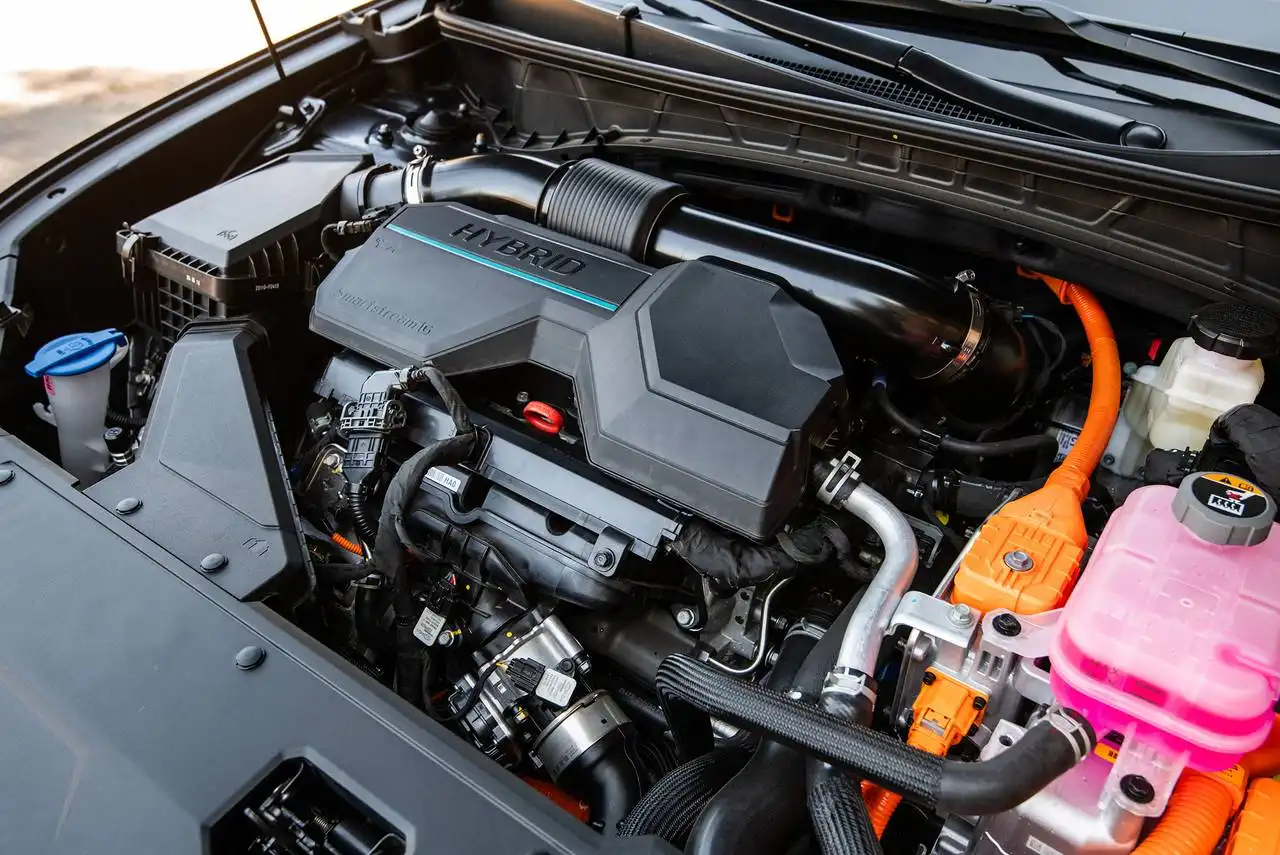
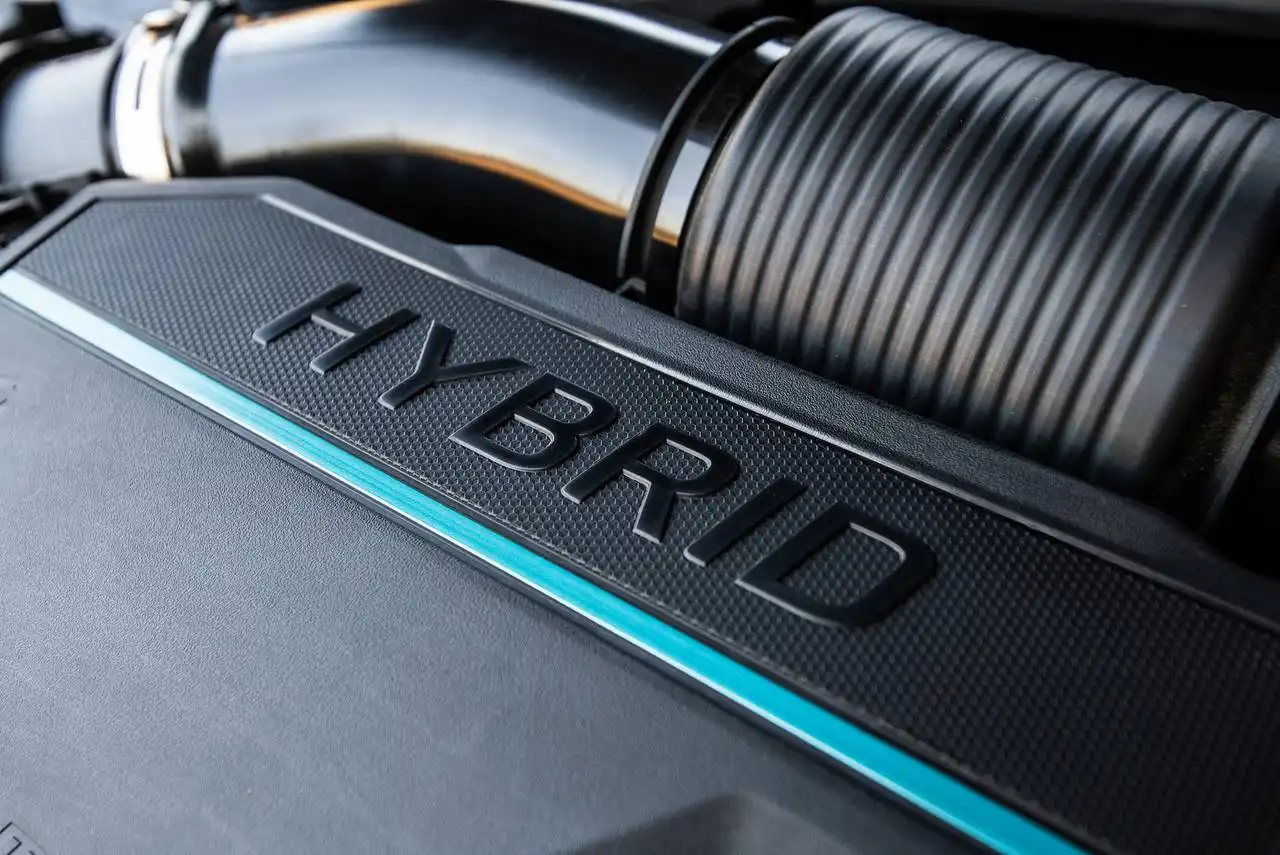
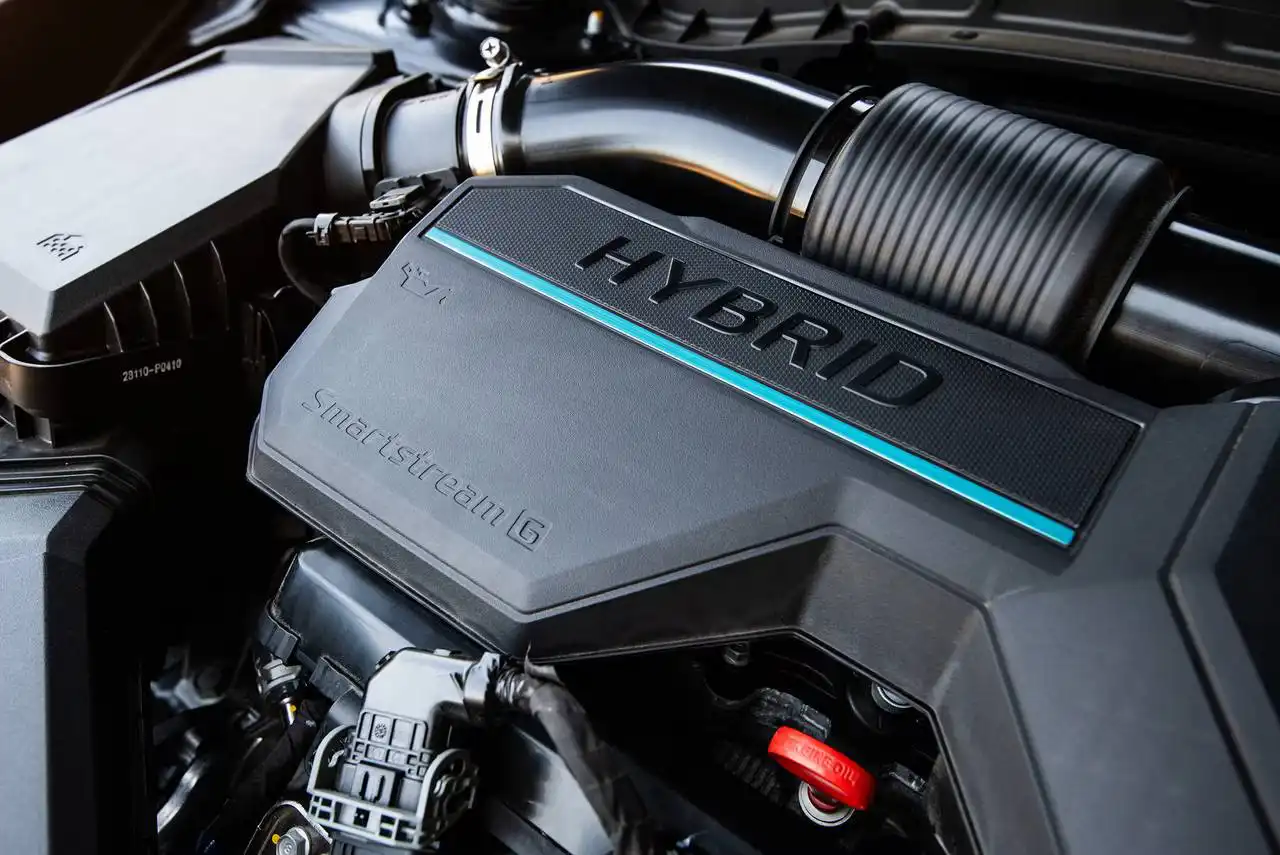
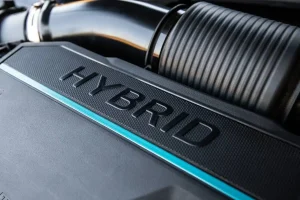
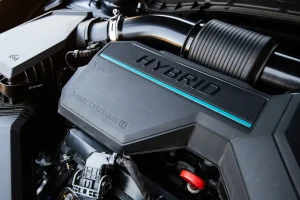
- Two hybrid models available
- Practical, tech-forward cabin
- Good safety scores
- Weak, unrefined gas powertrain
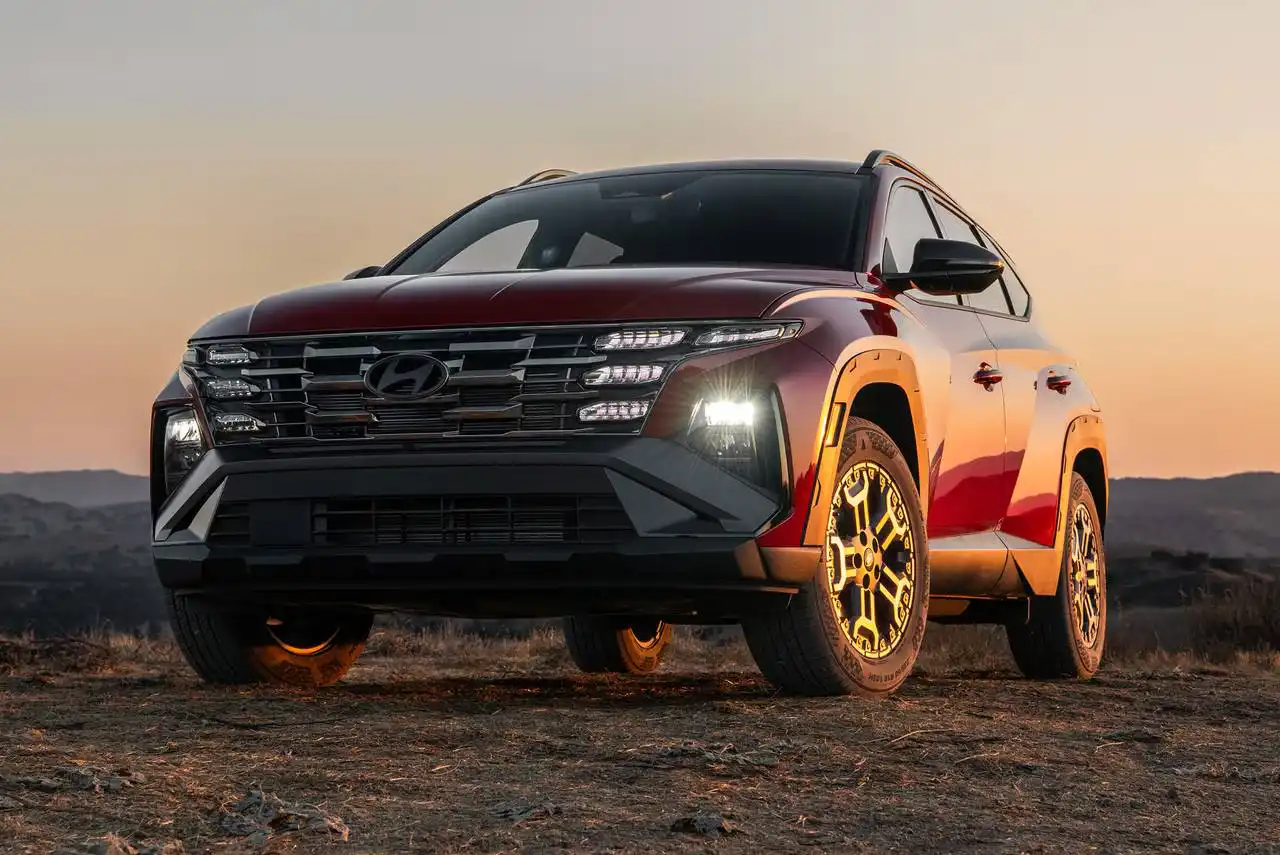
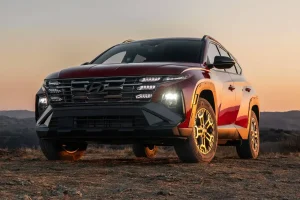
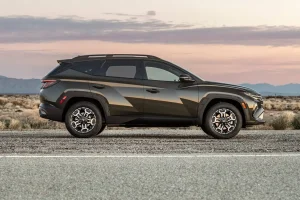
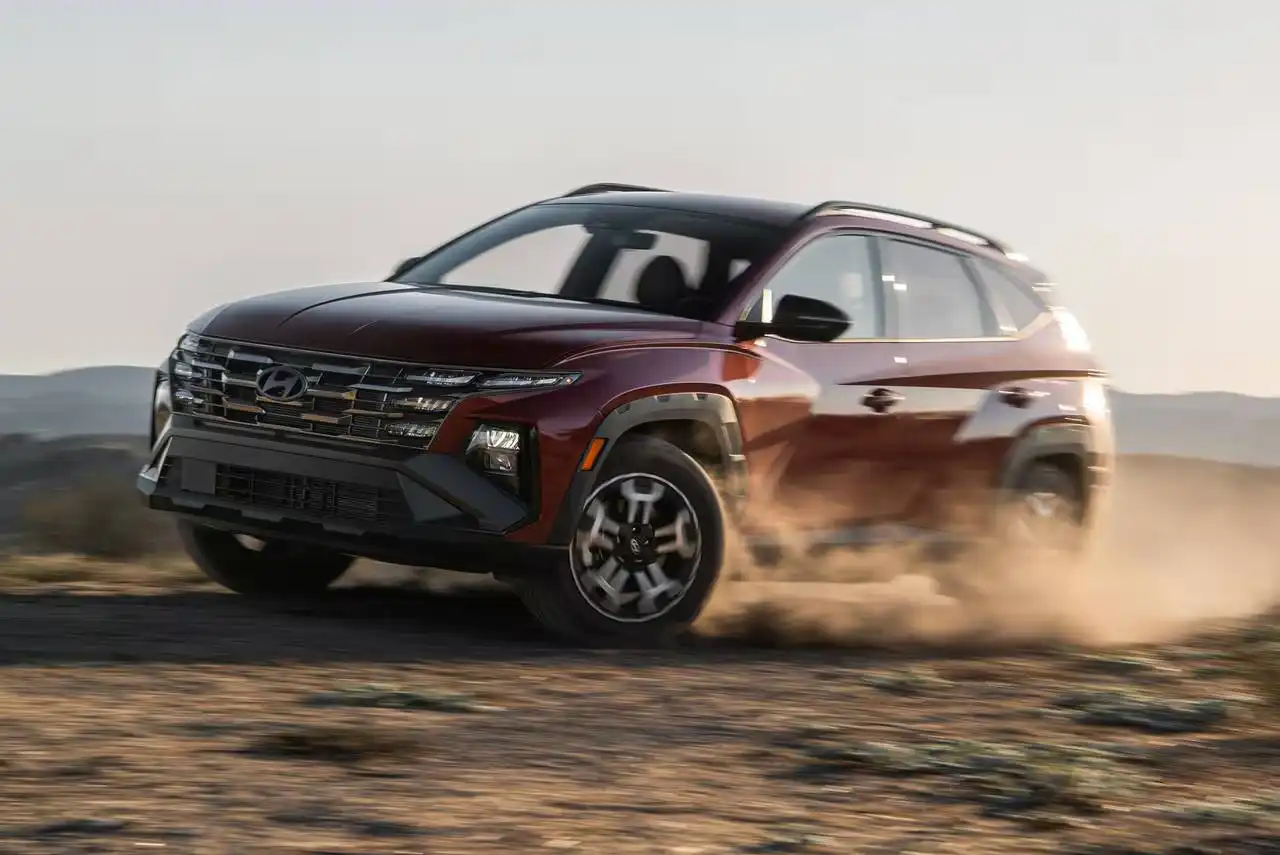
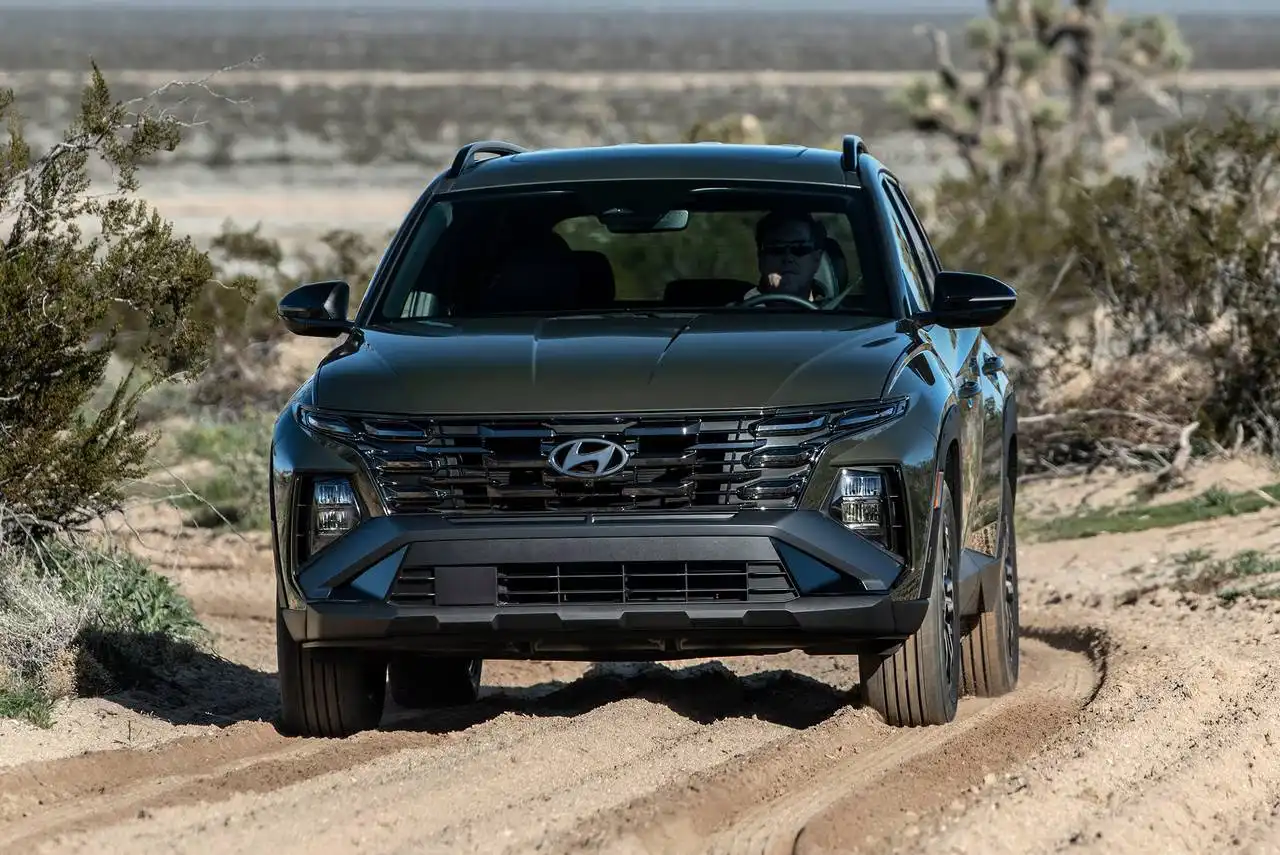
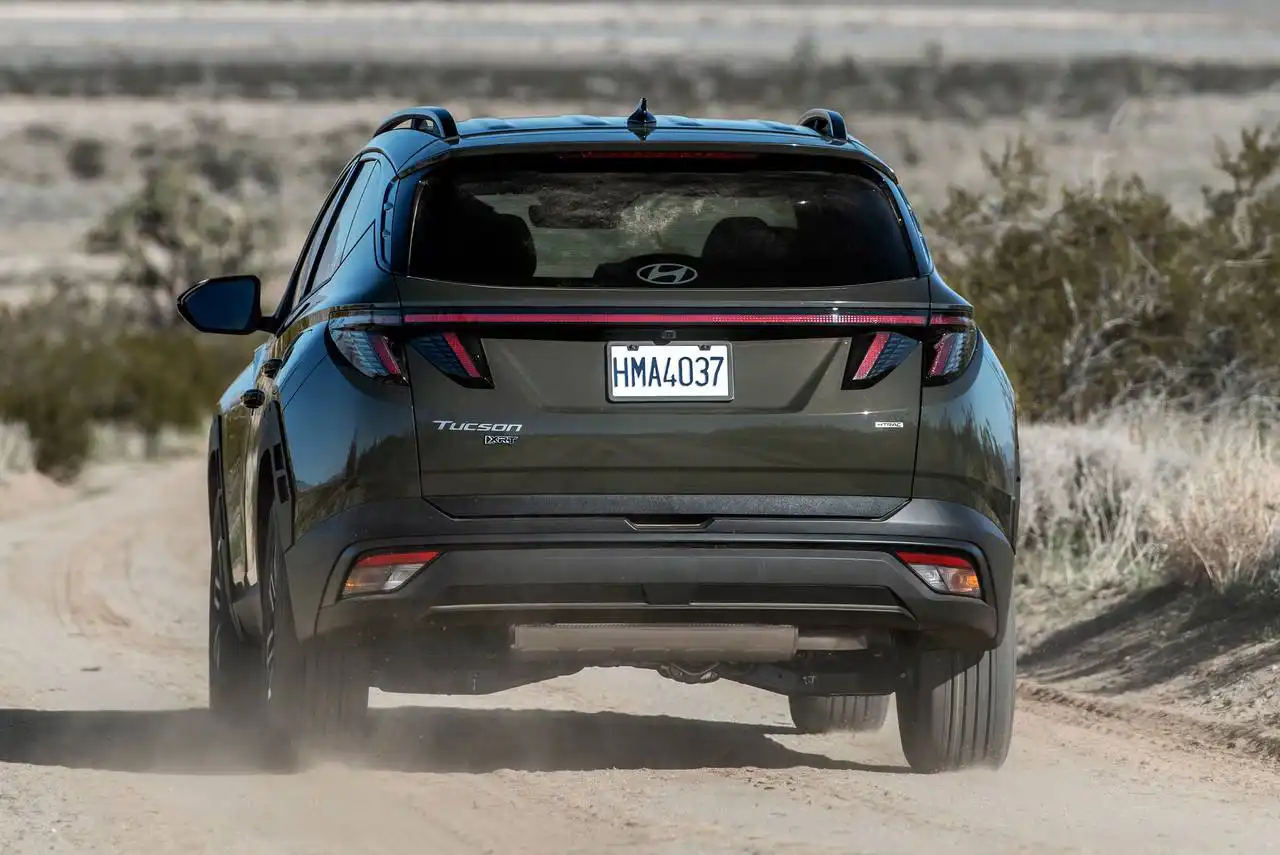
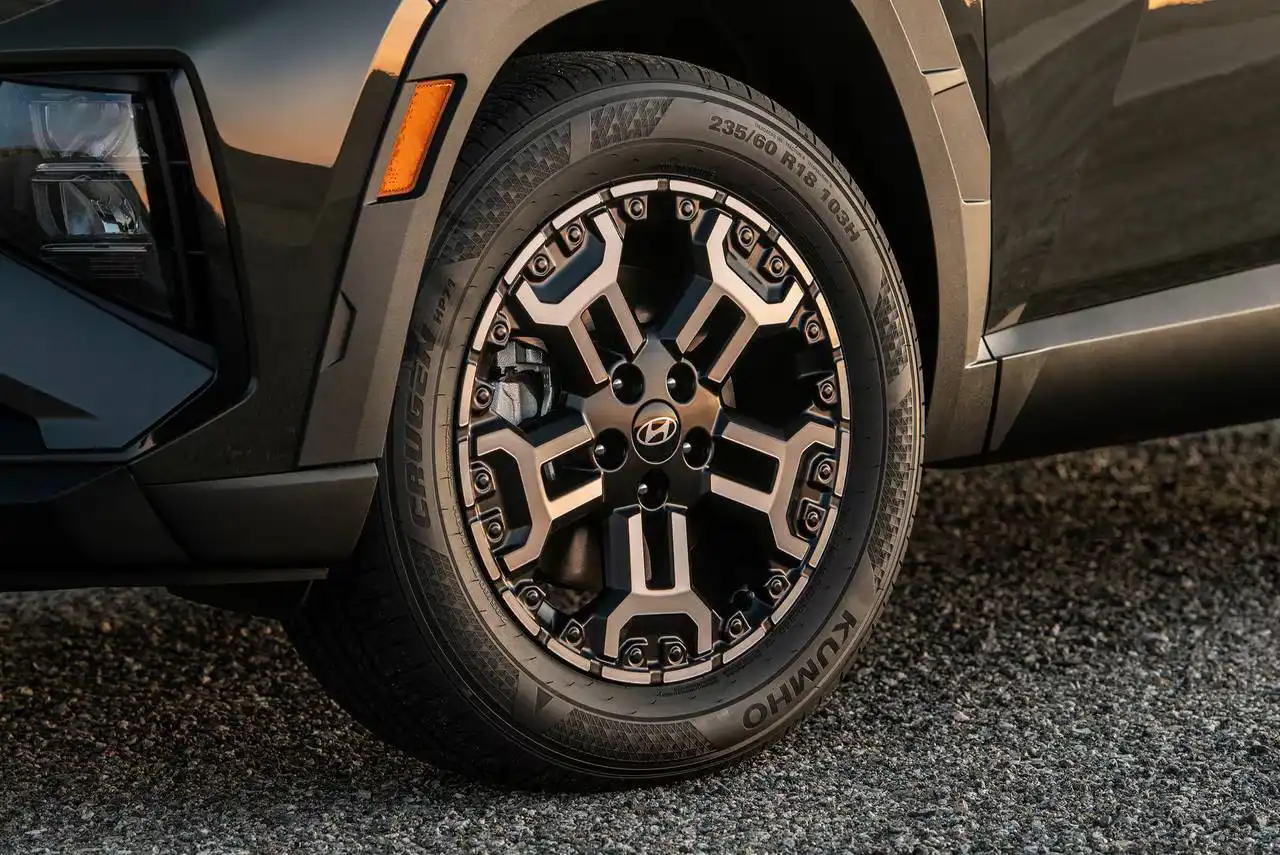
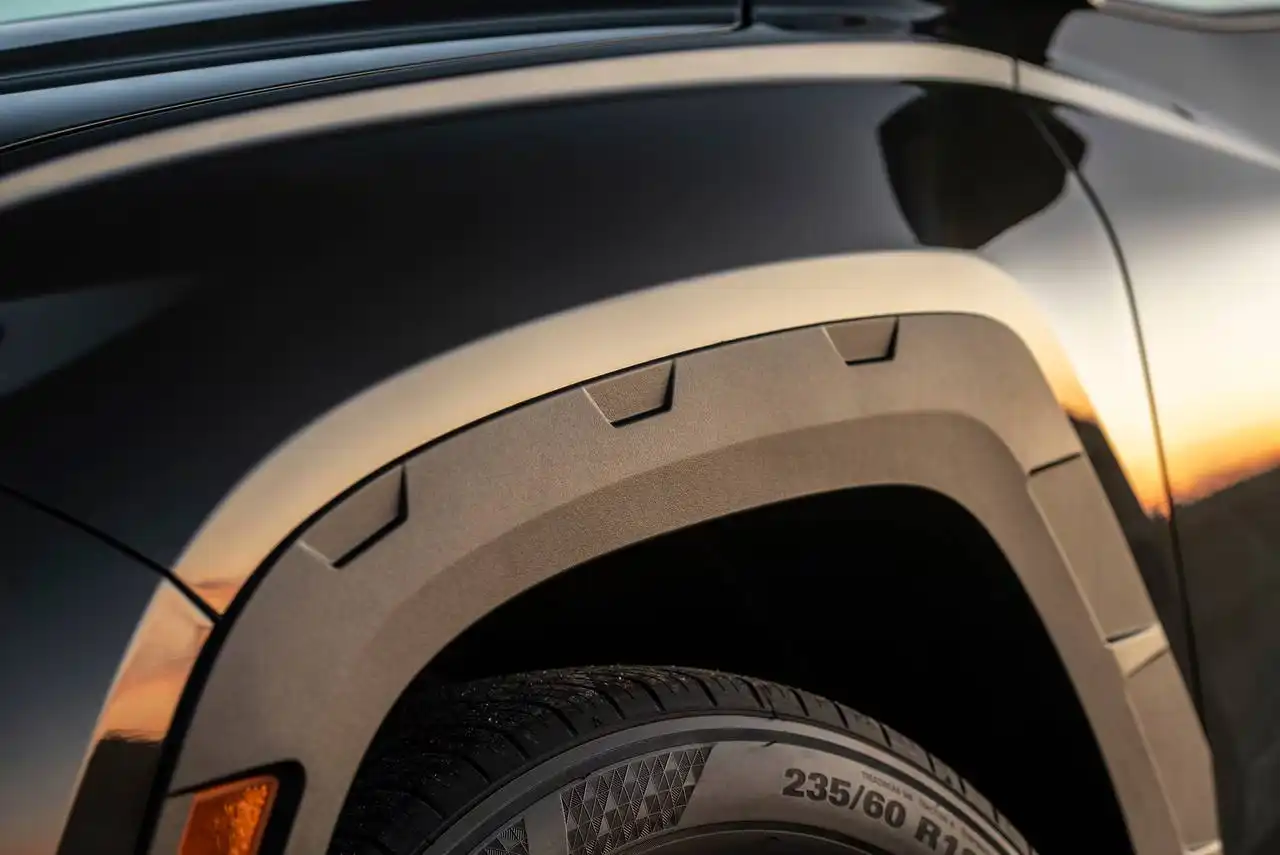
- XRT’s limited off-road chops
- Ride quality could be better
2026 Hyundai Tucson – Overview
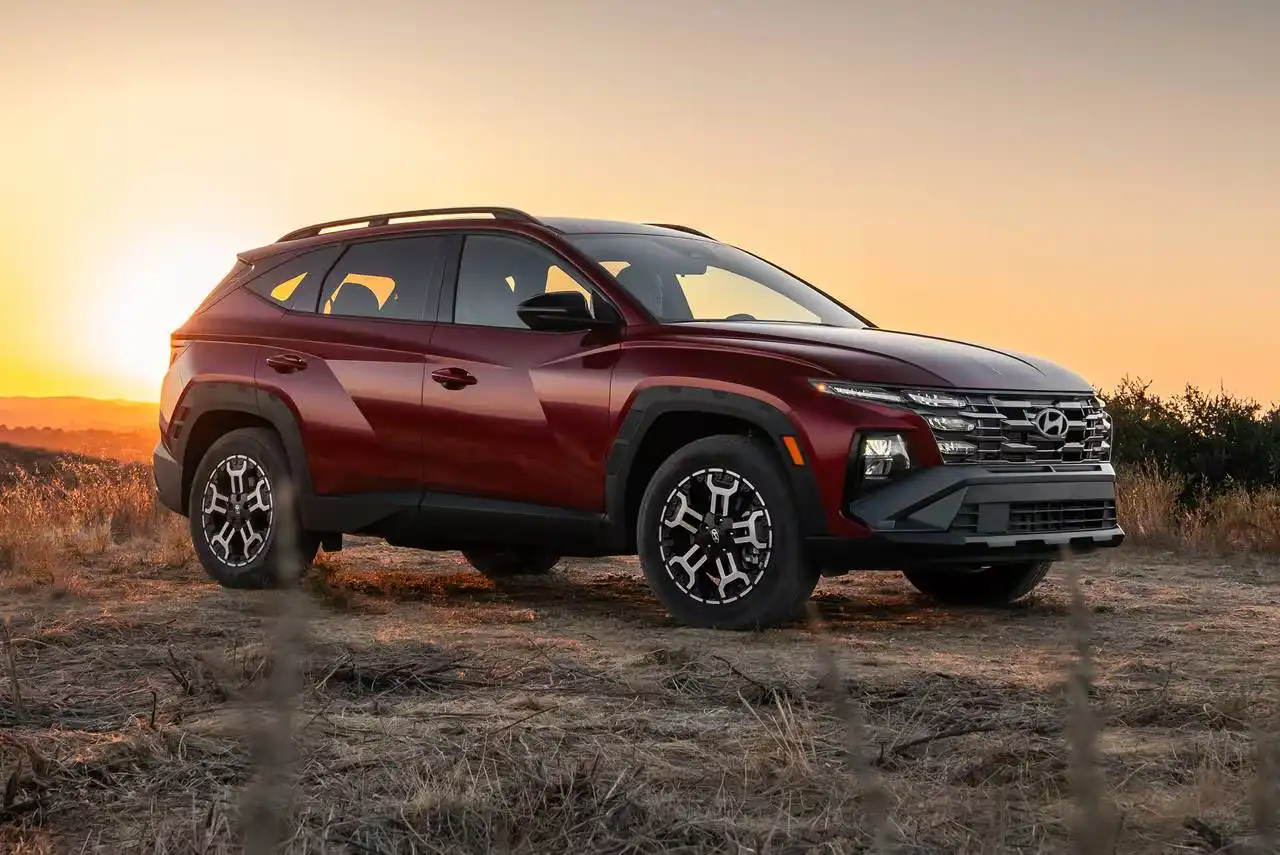
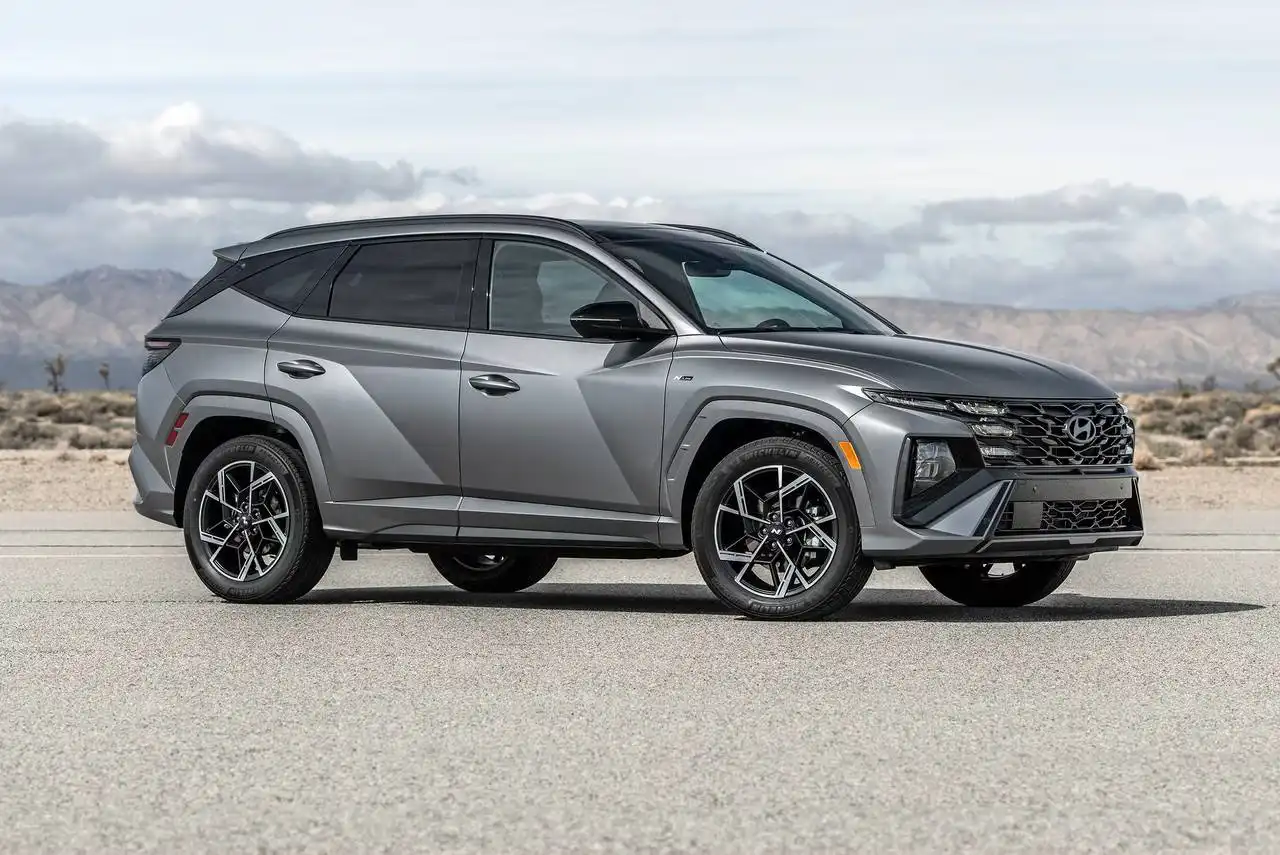
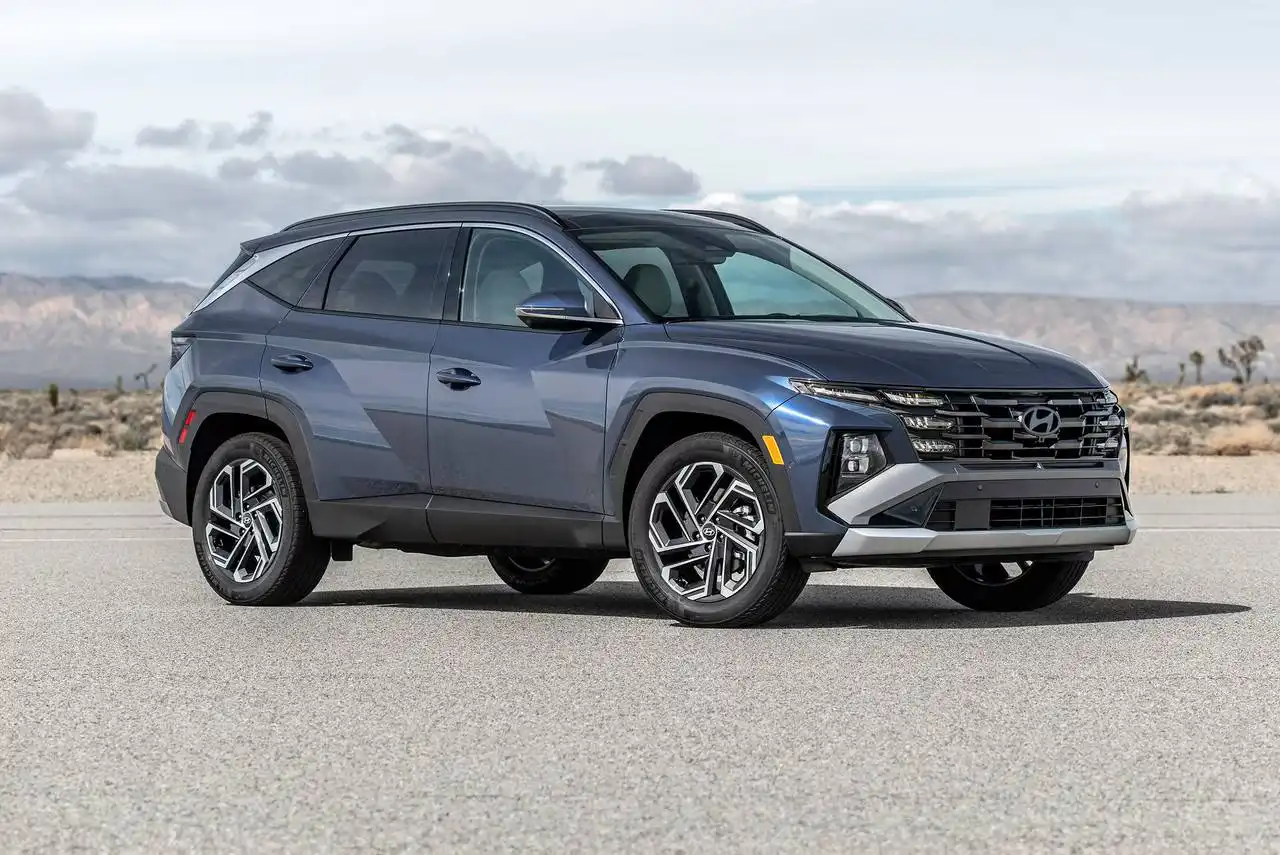
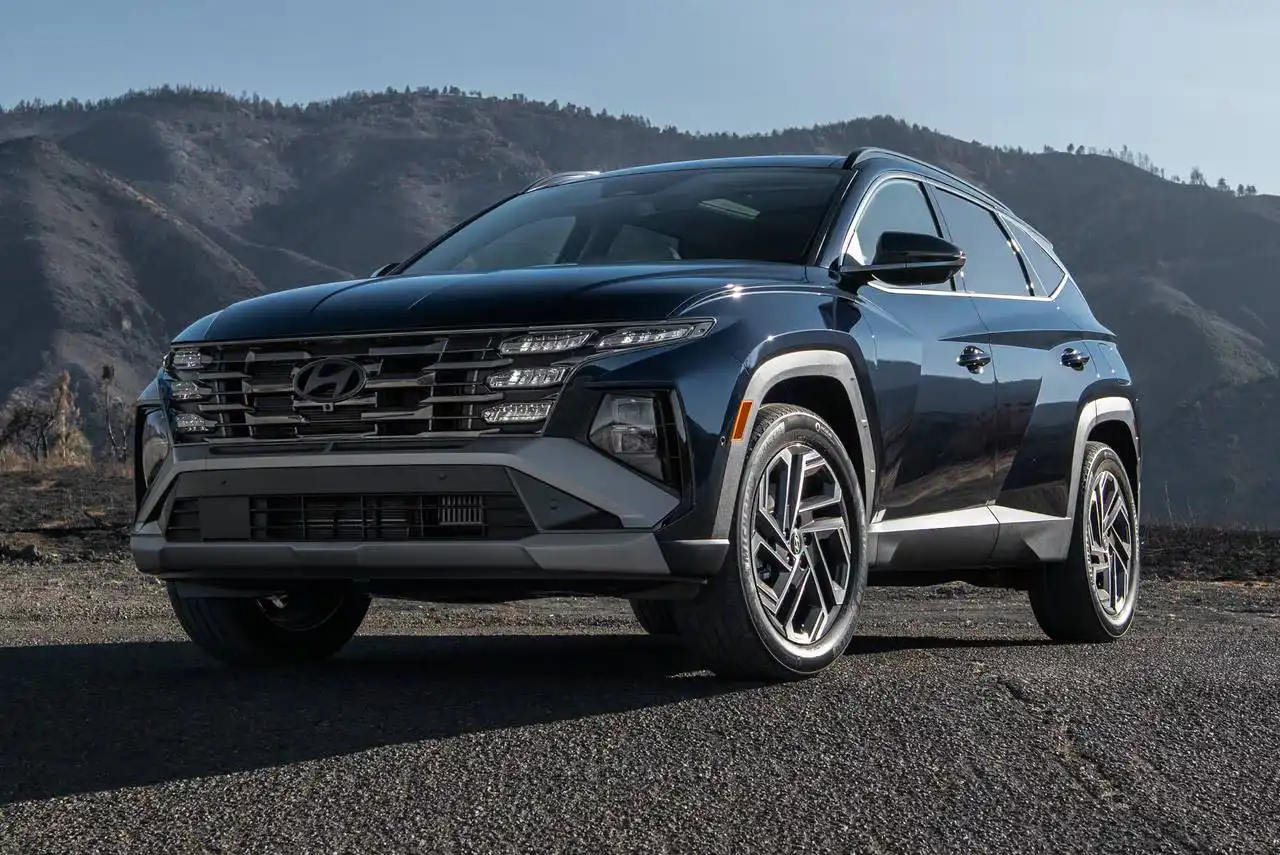
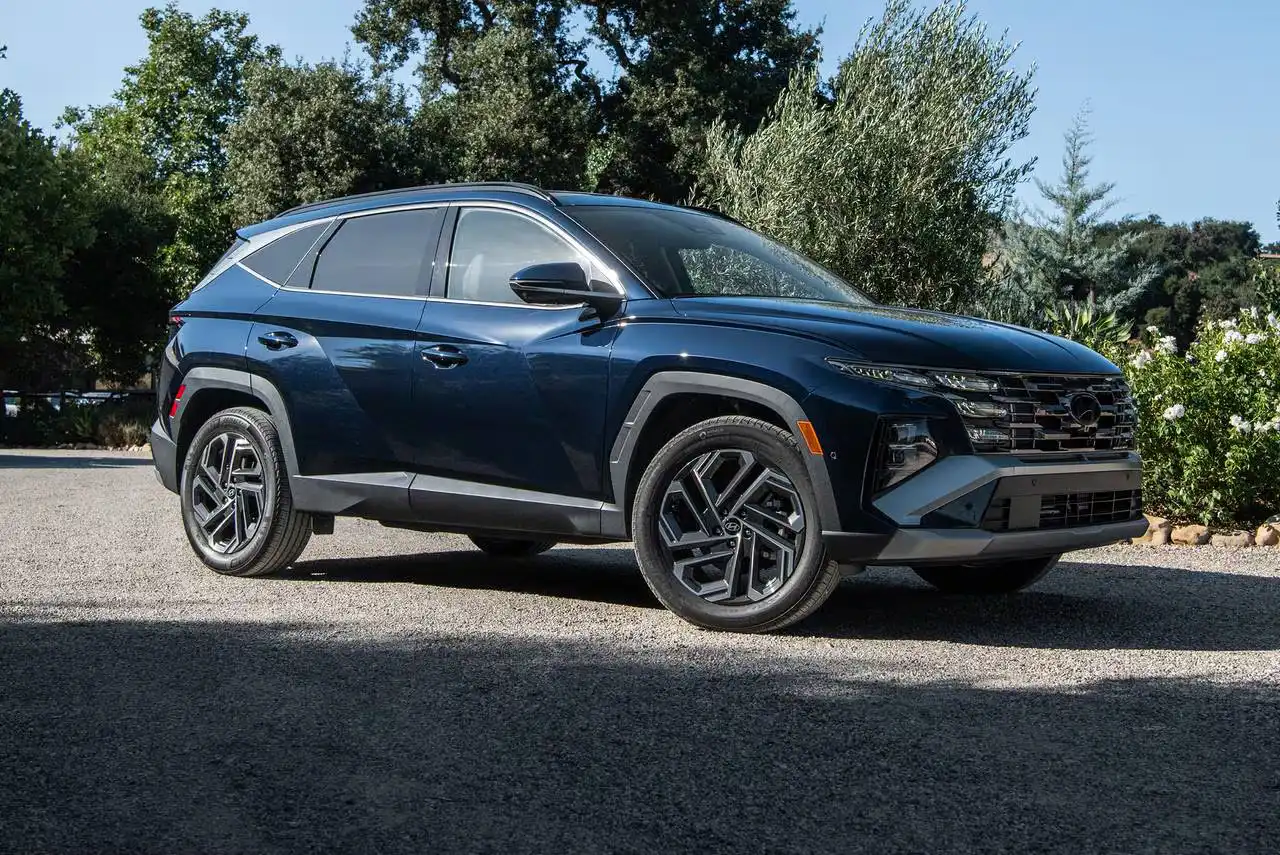
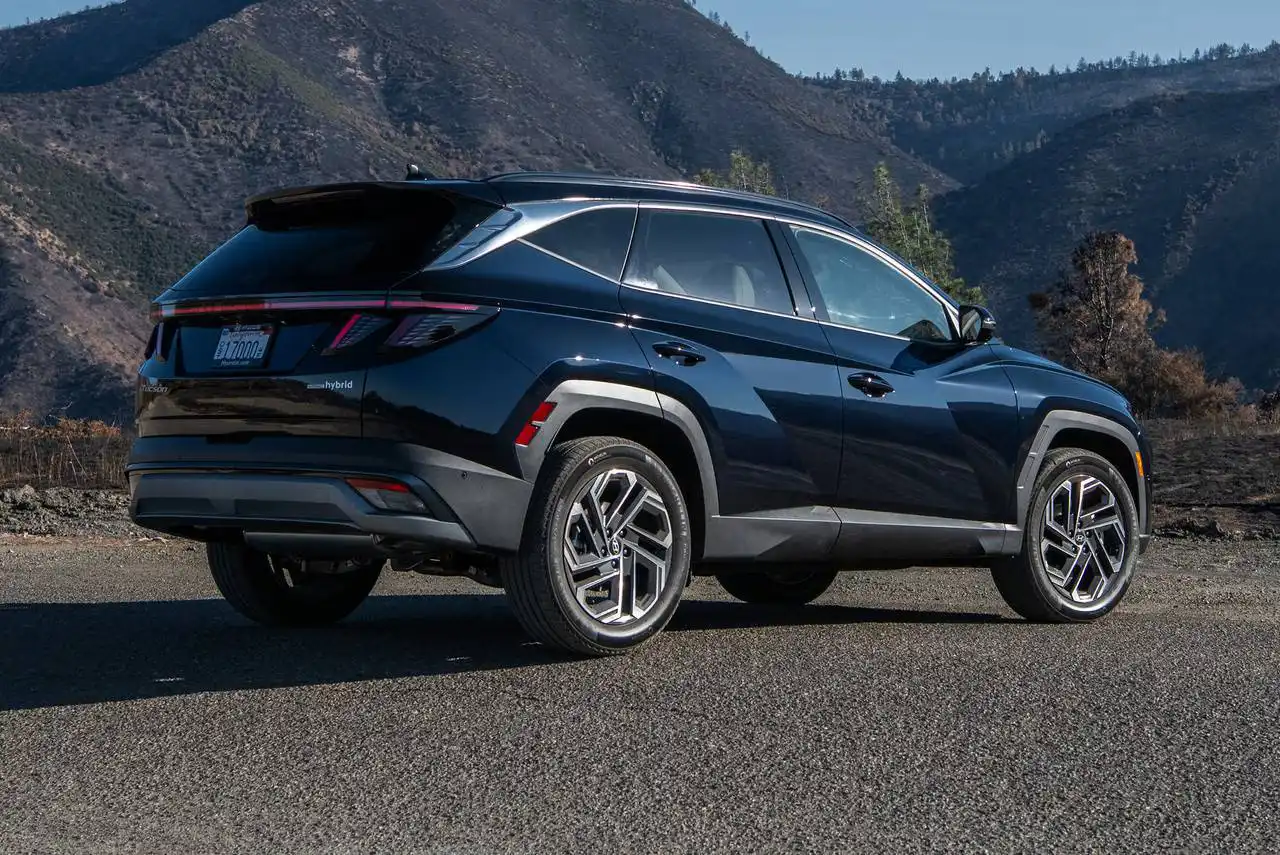
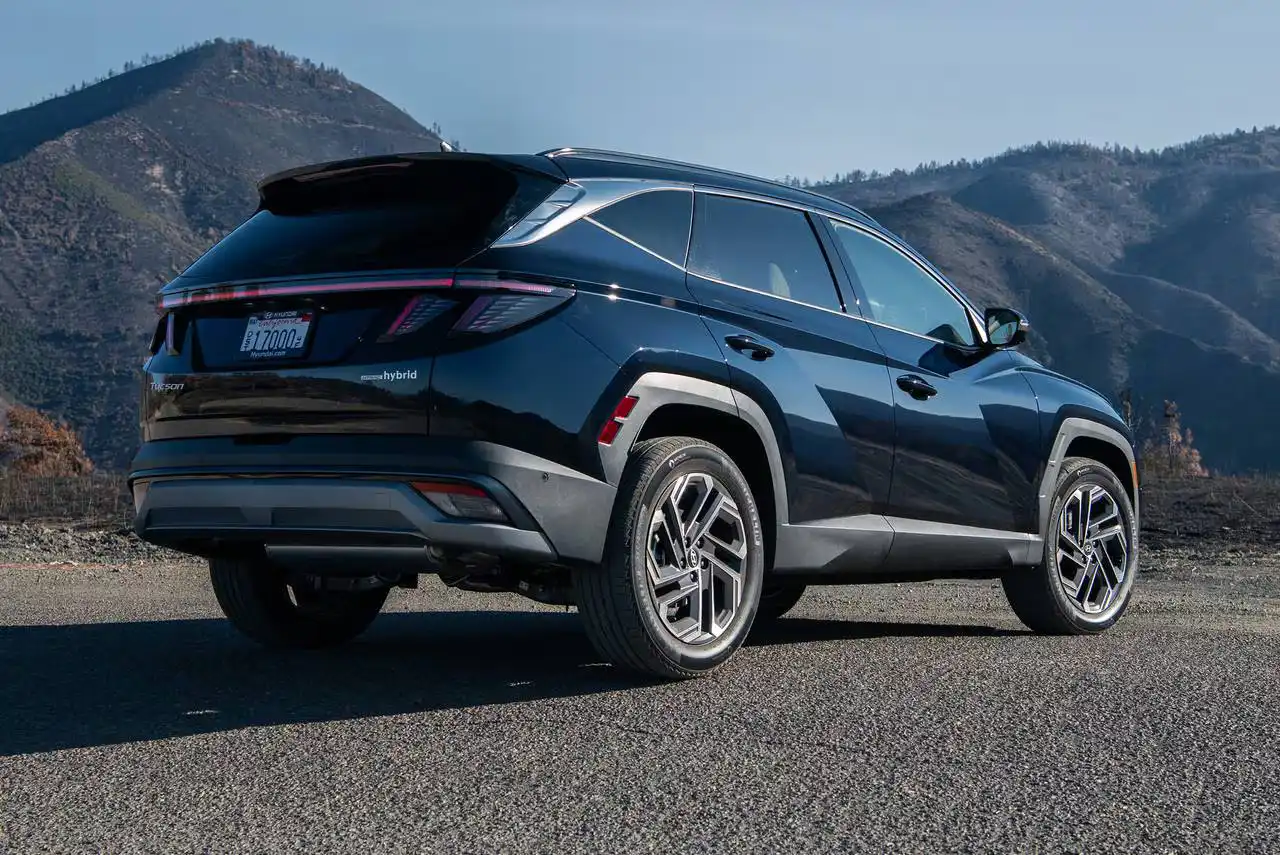
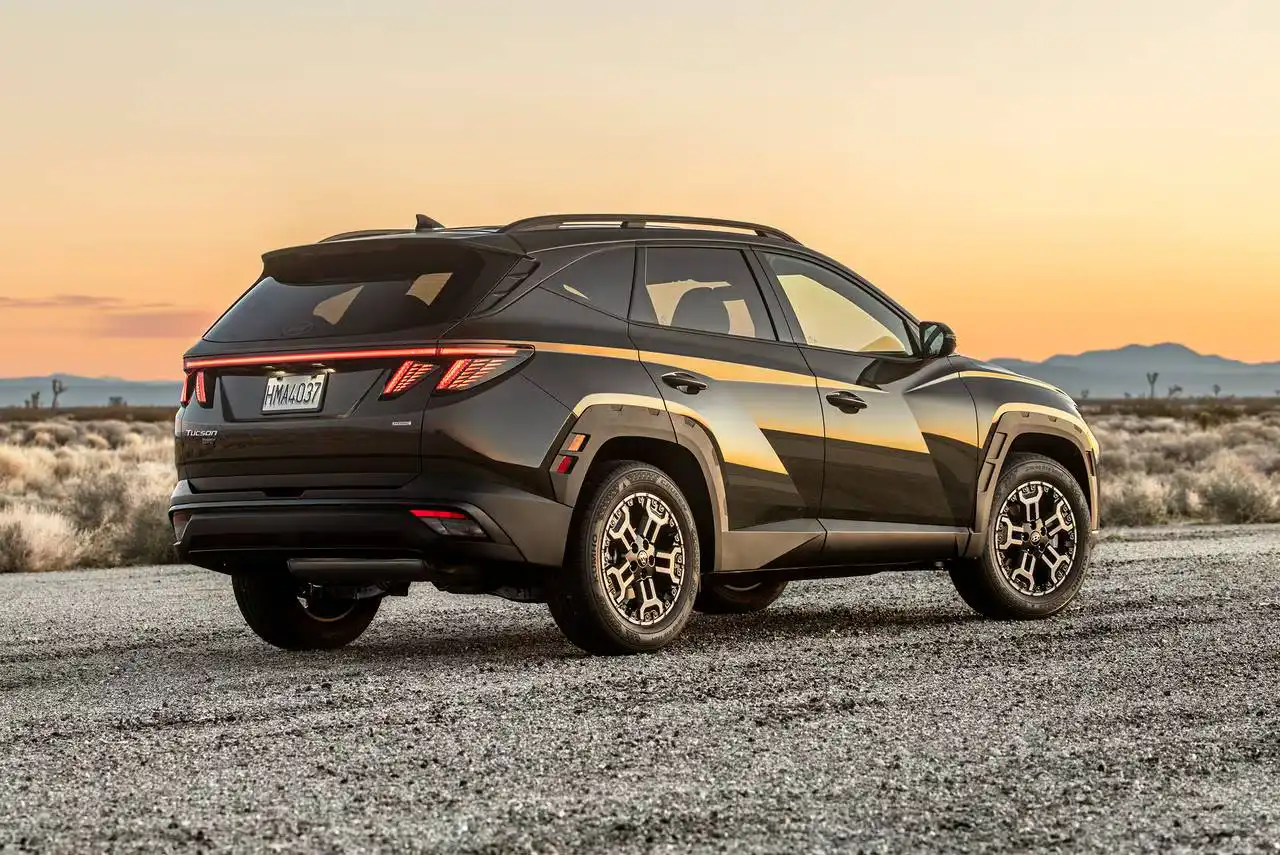
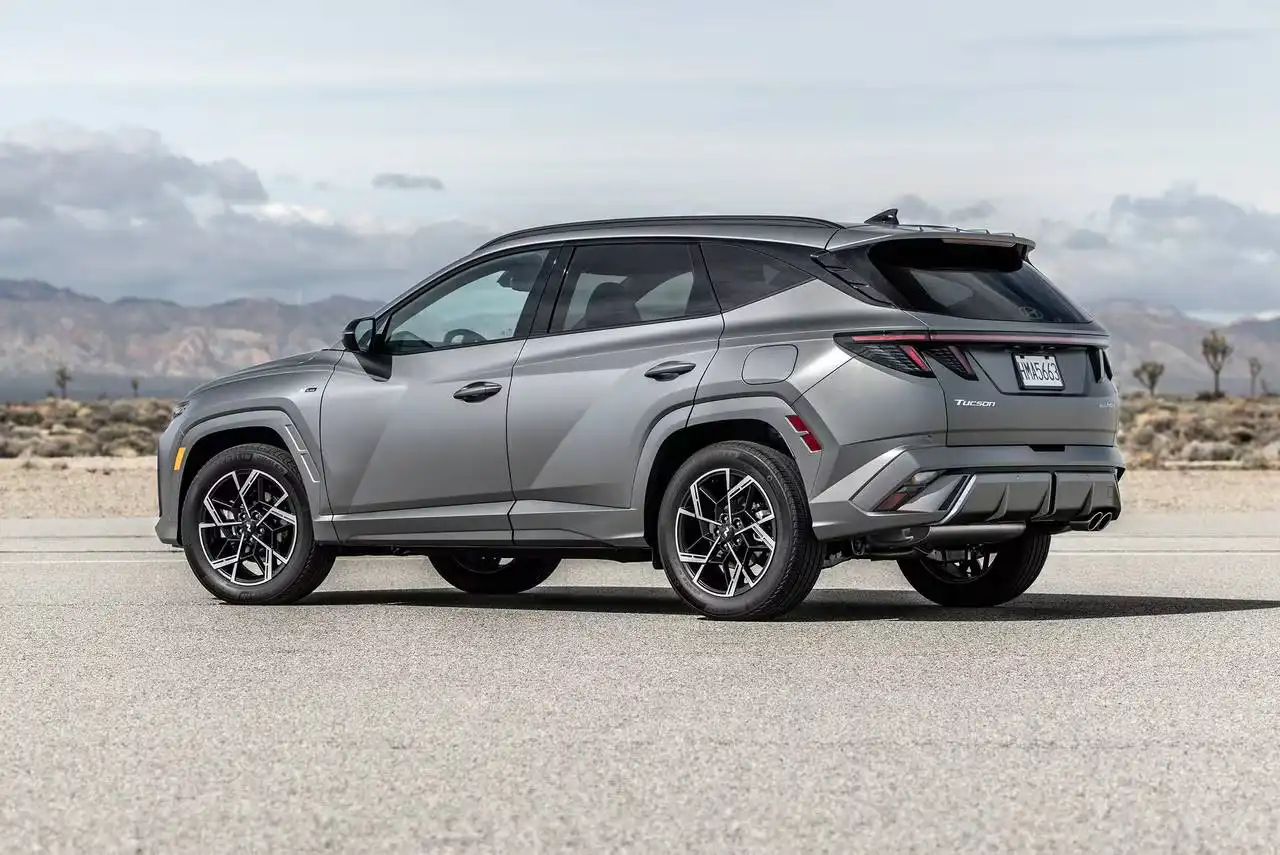
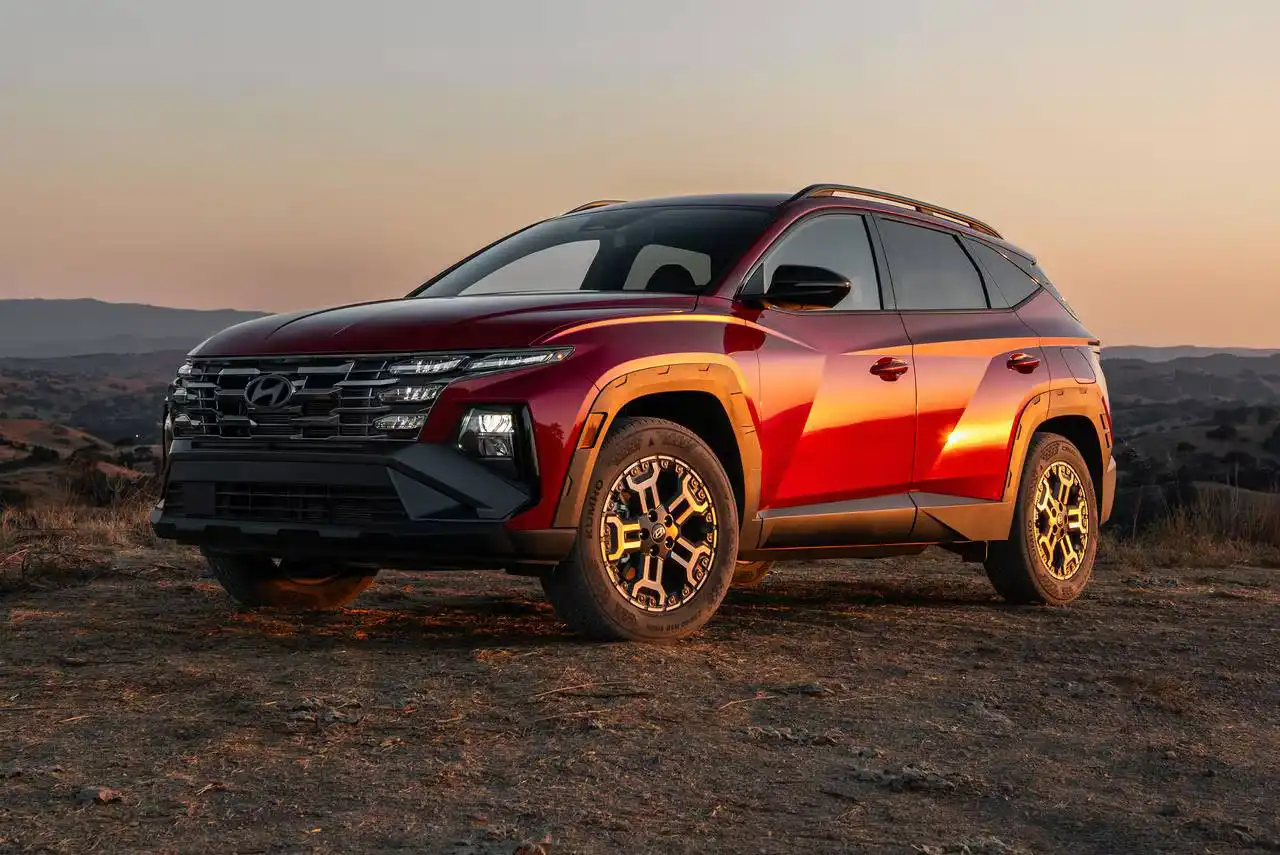
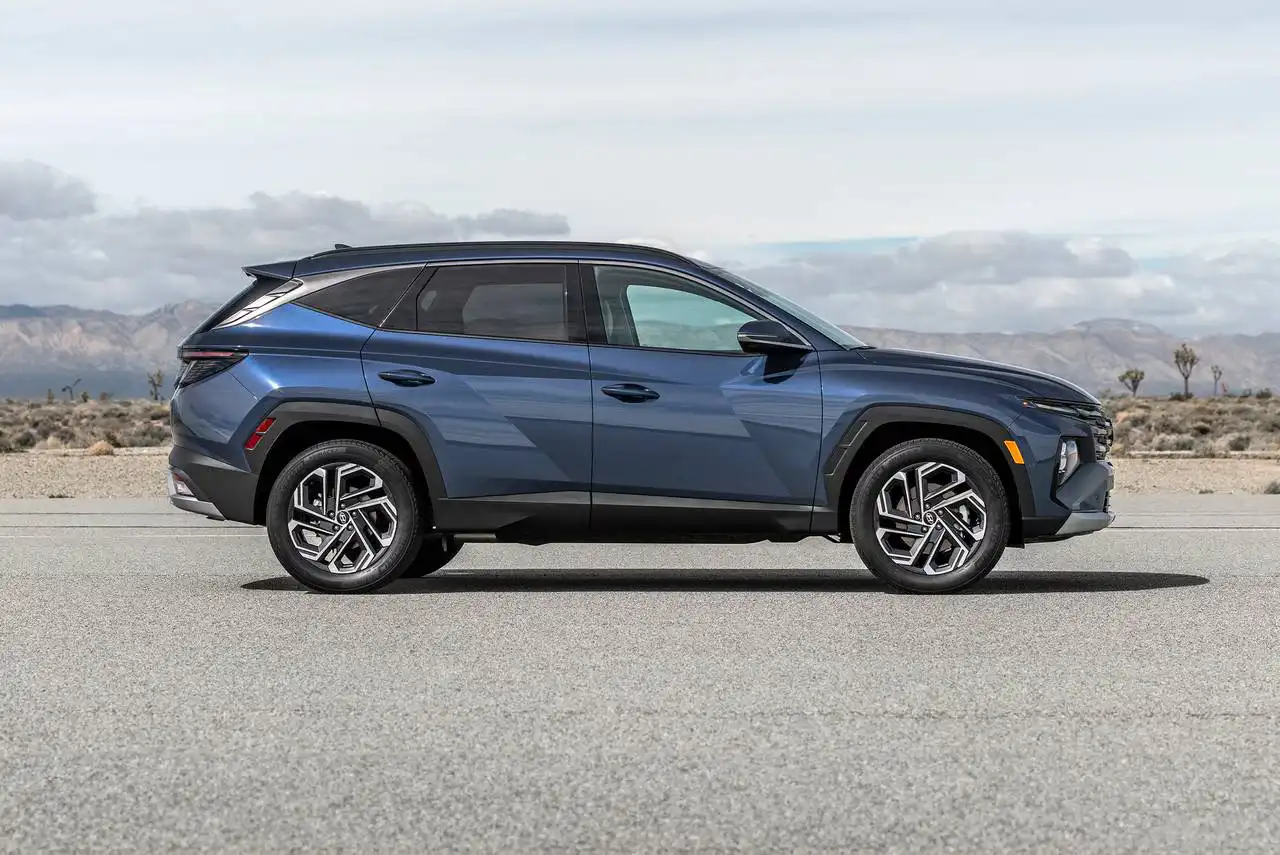
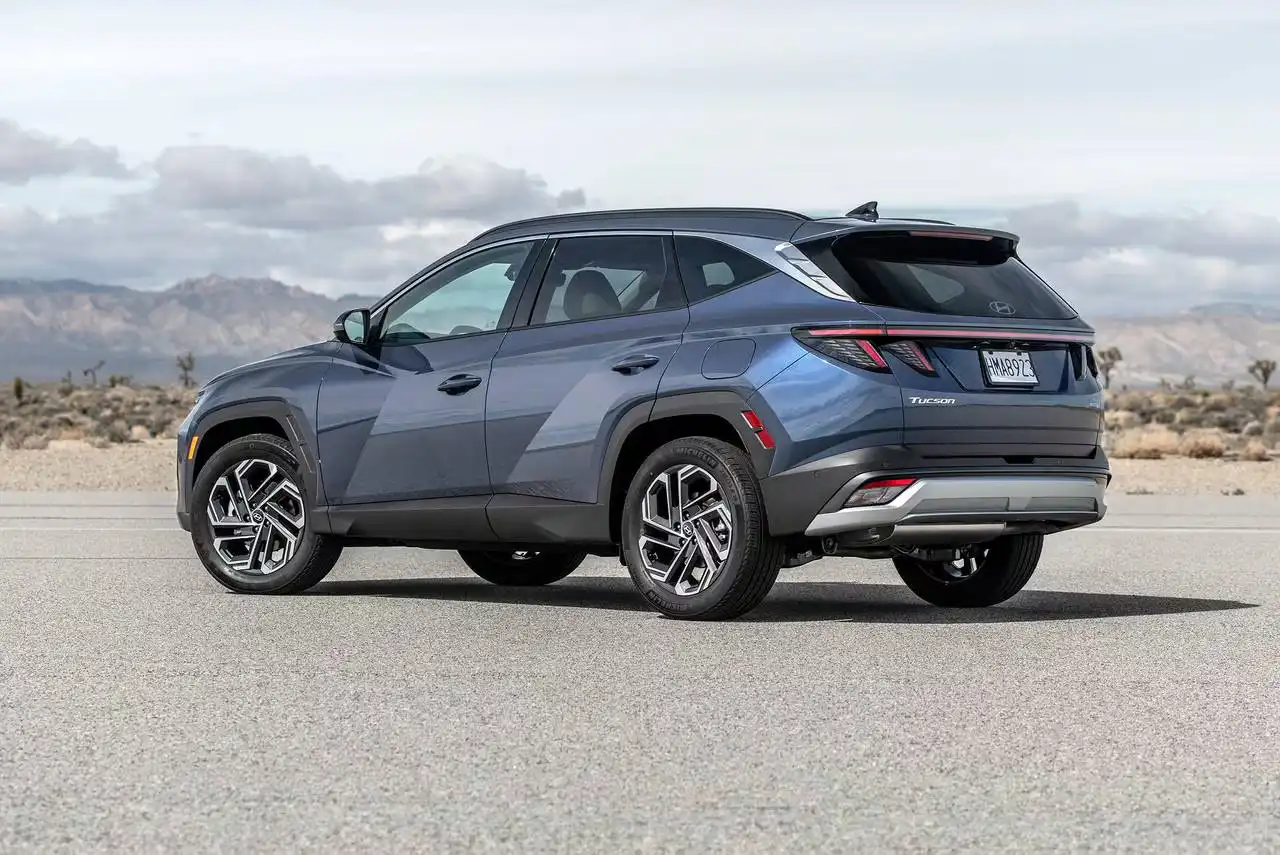
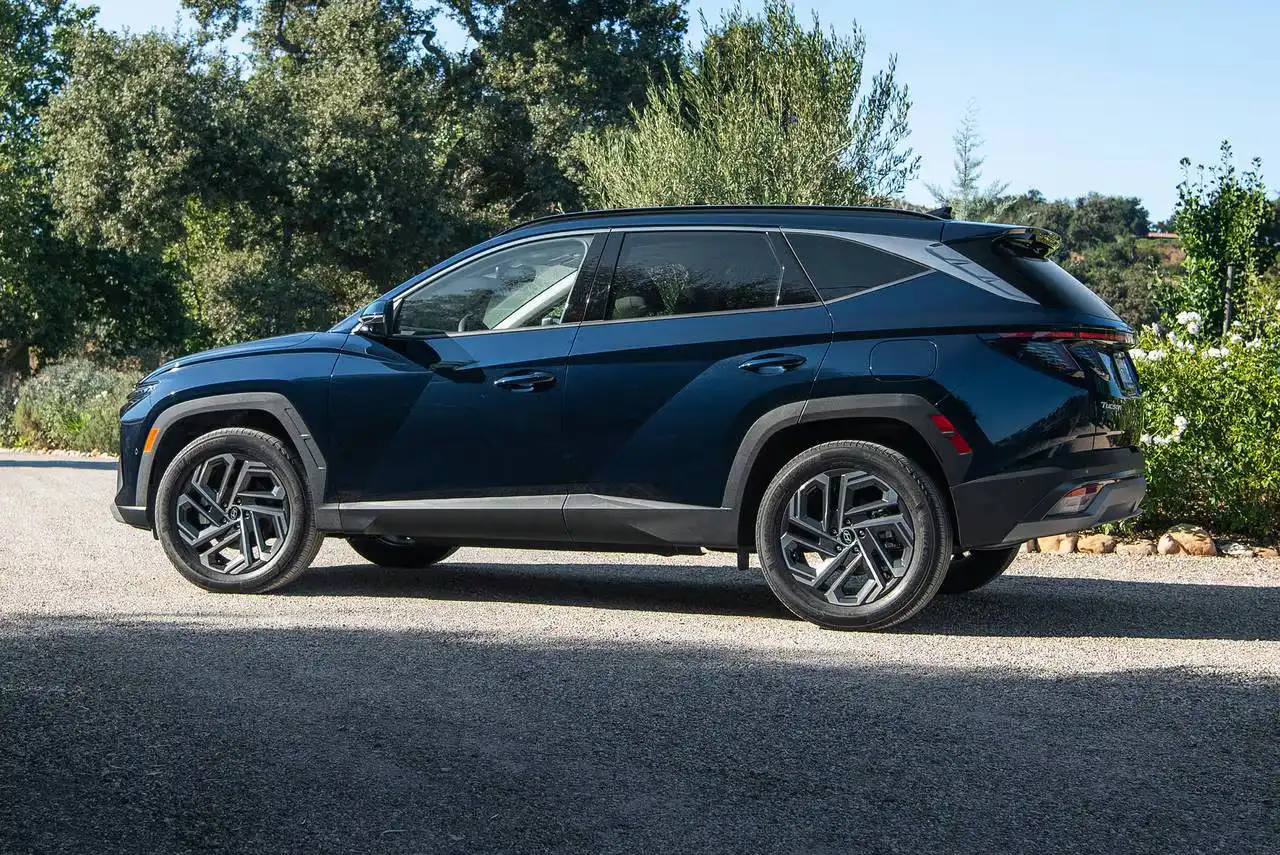
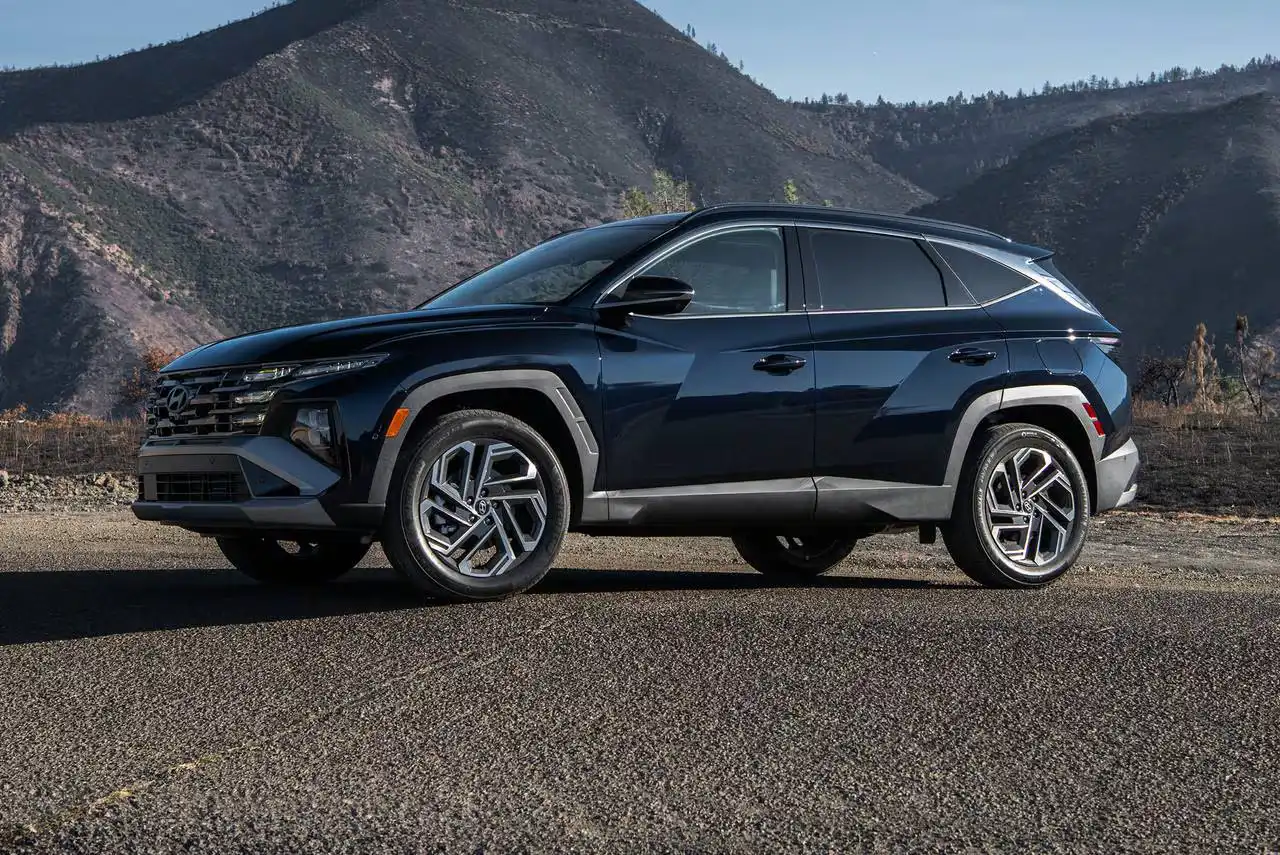
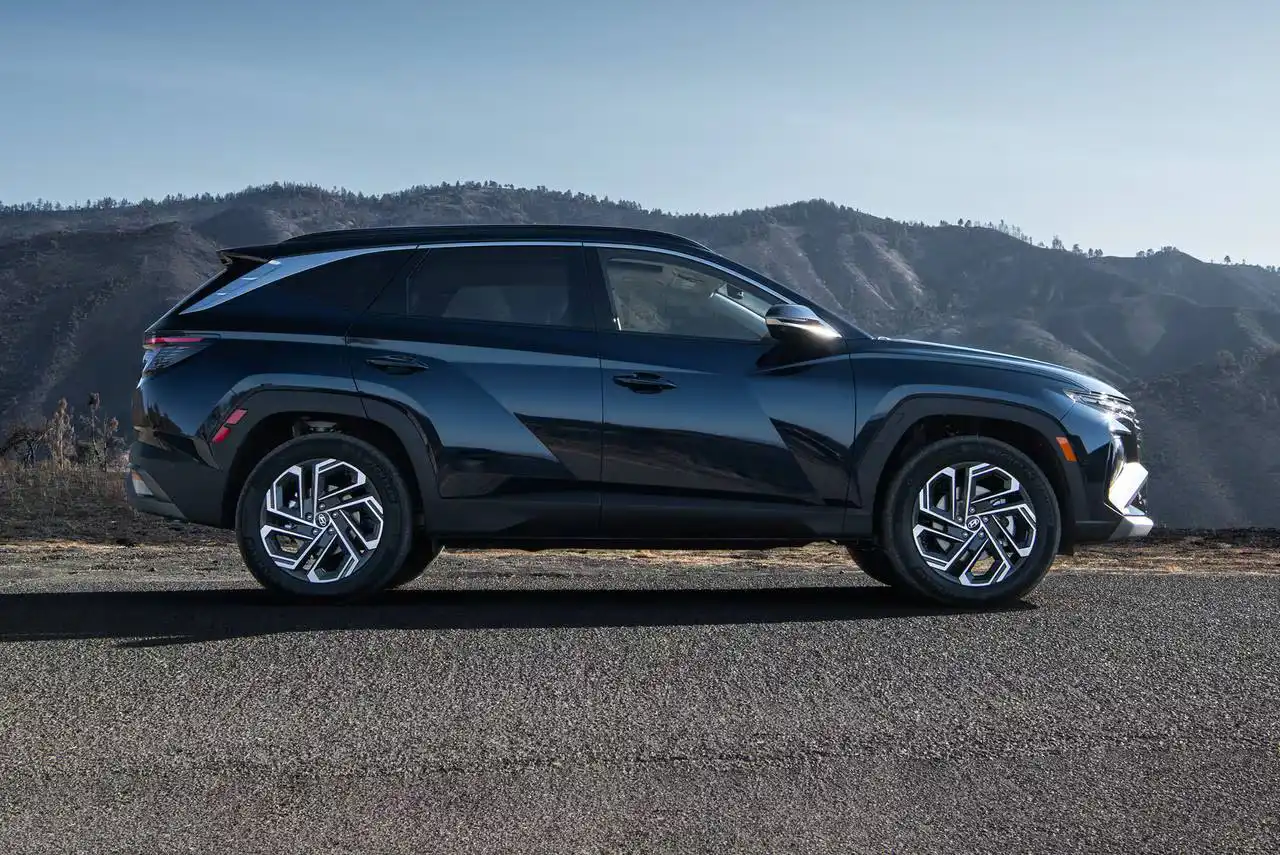
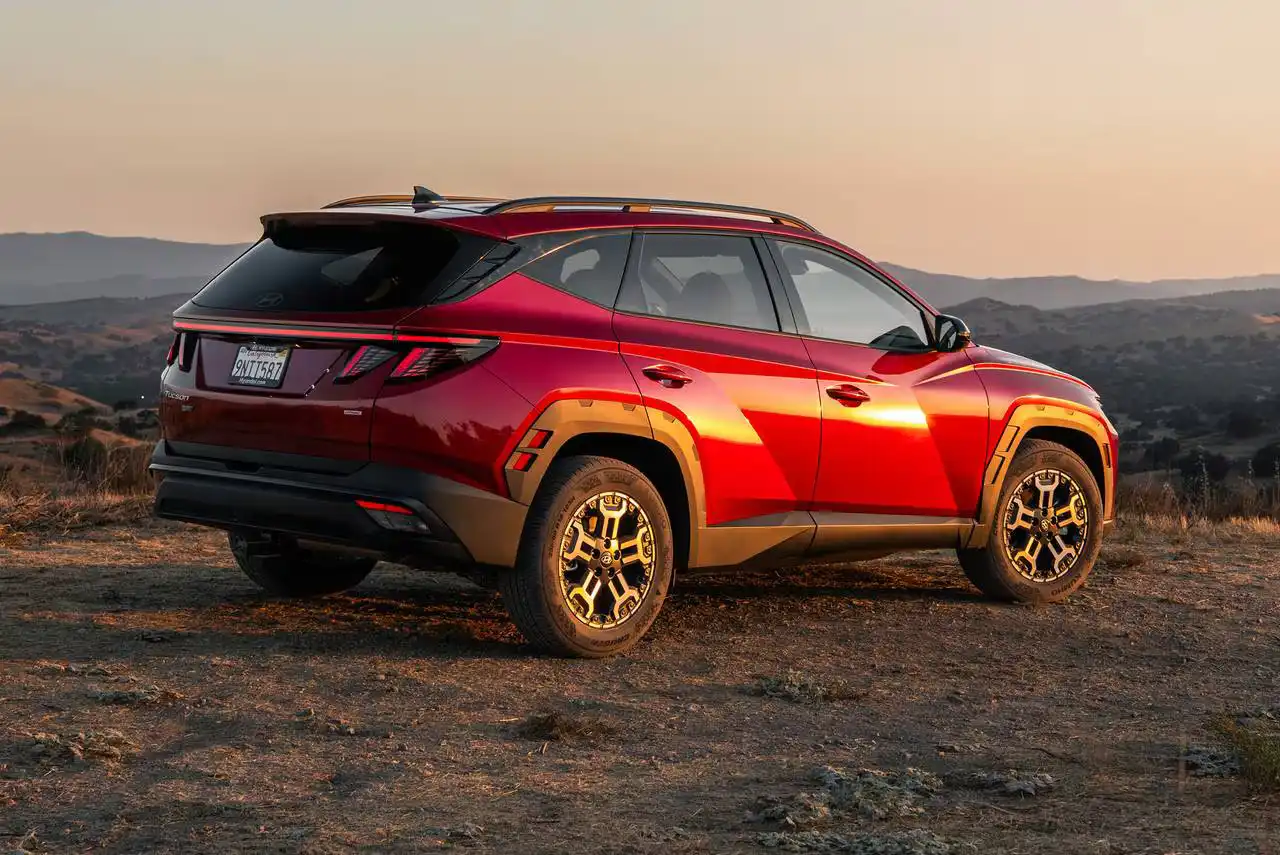
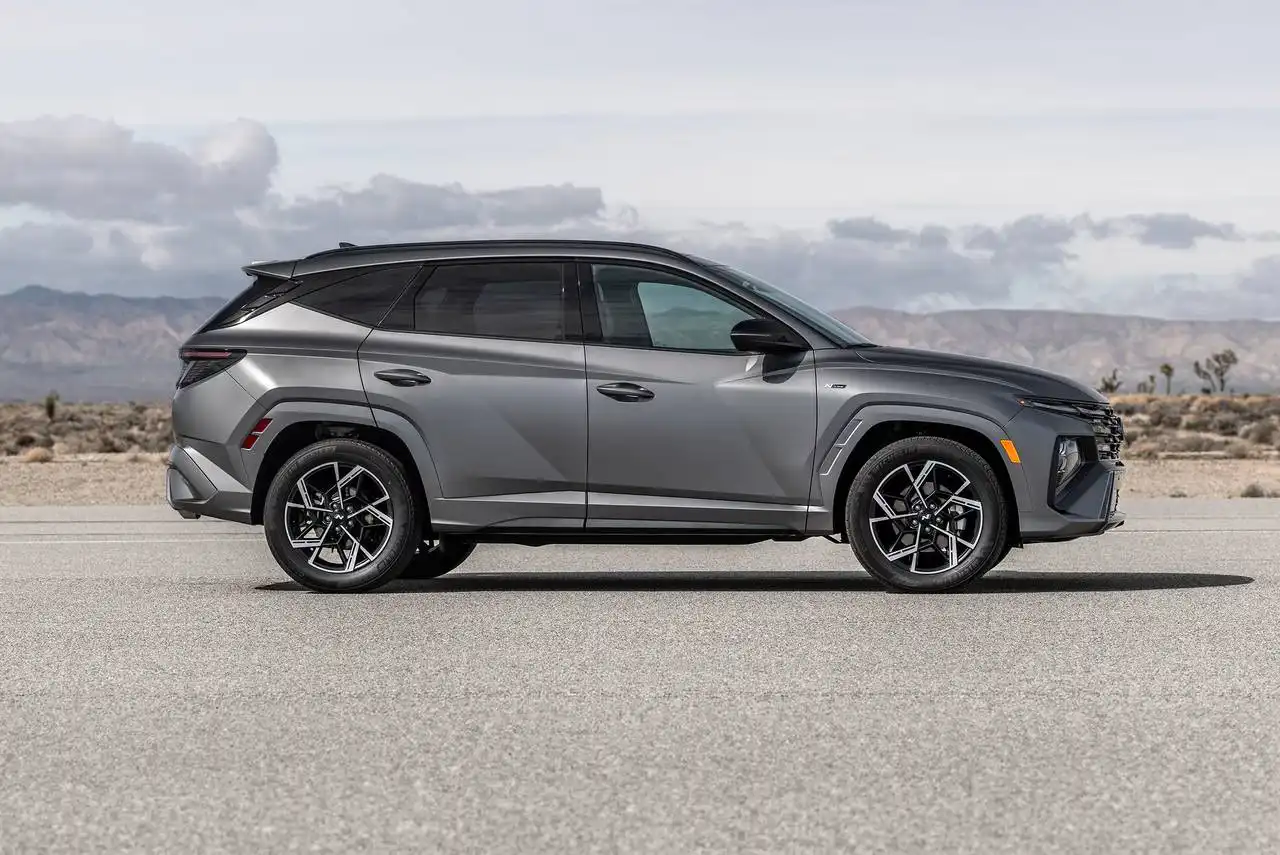
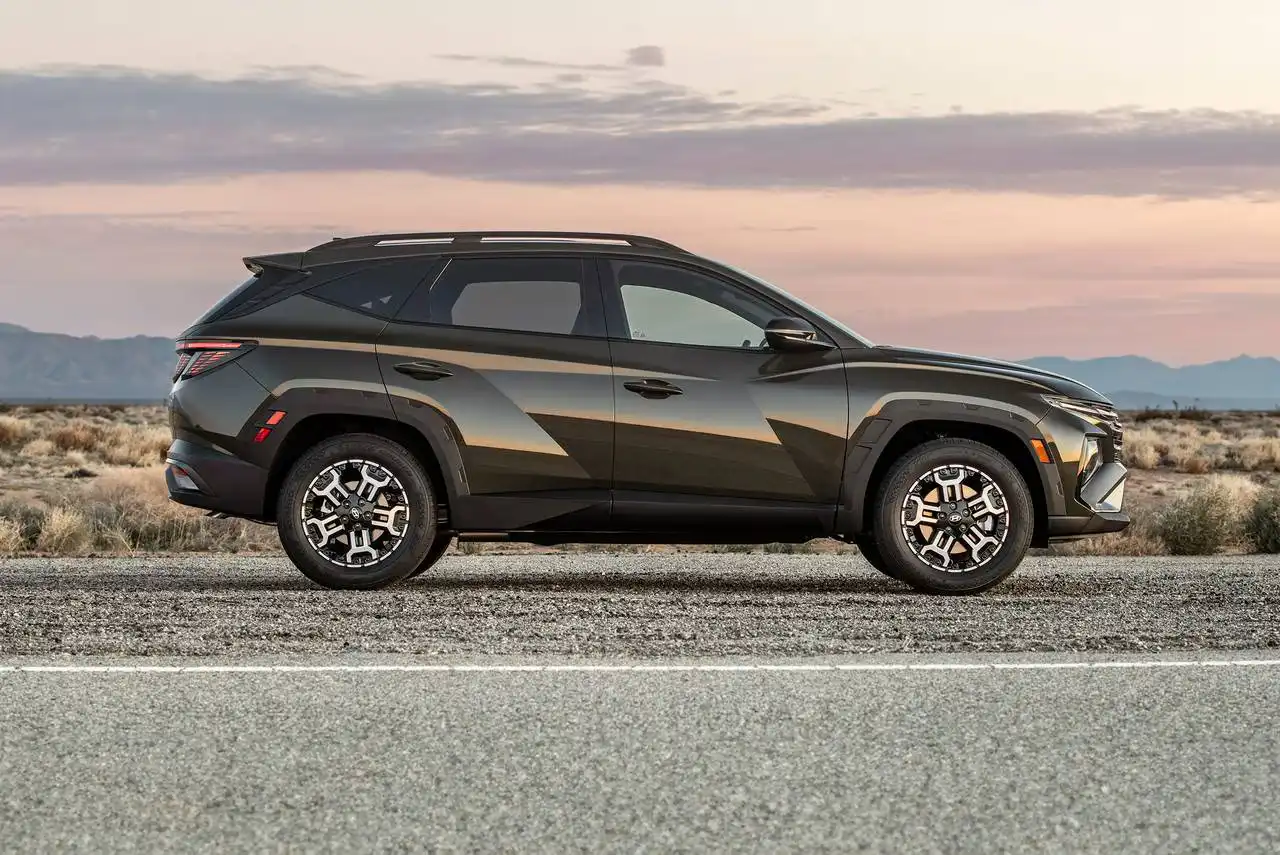
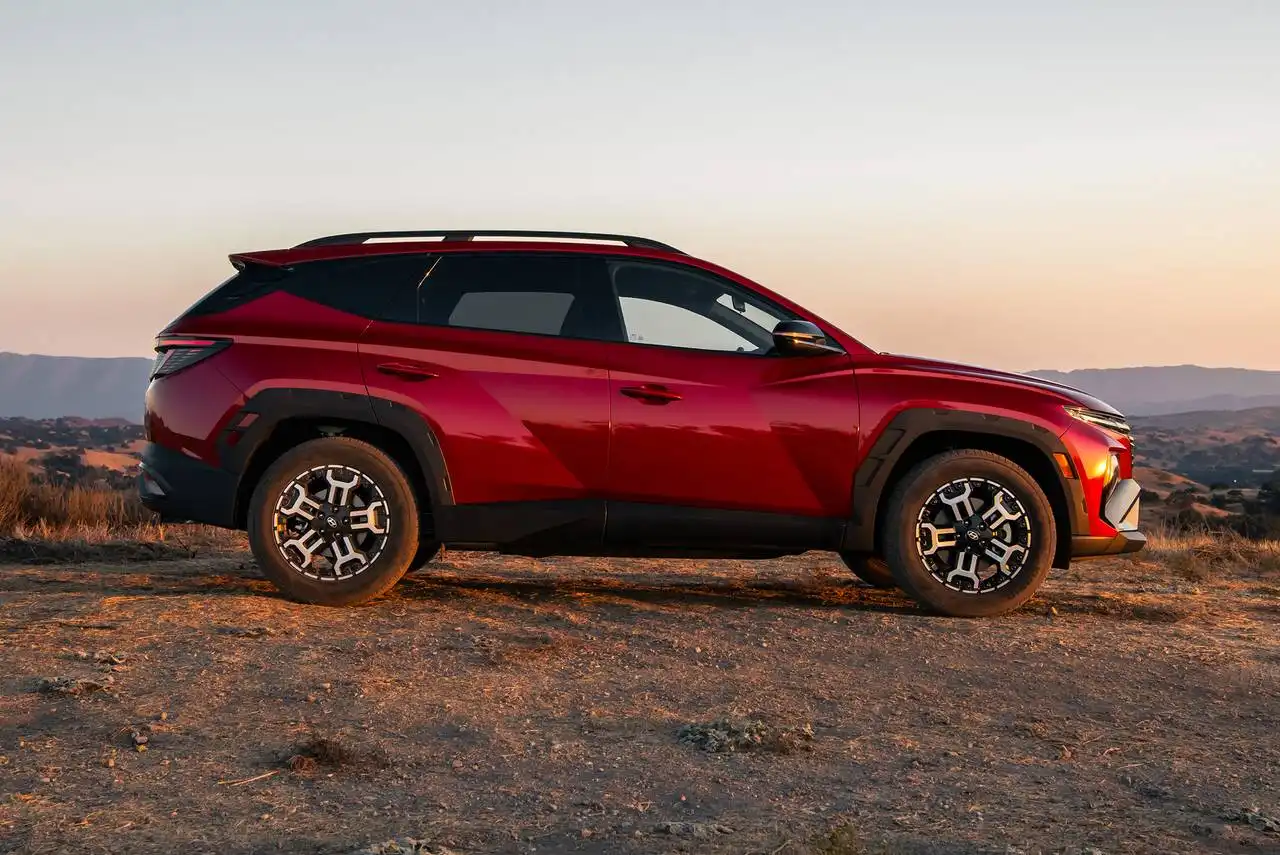
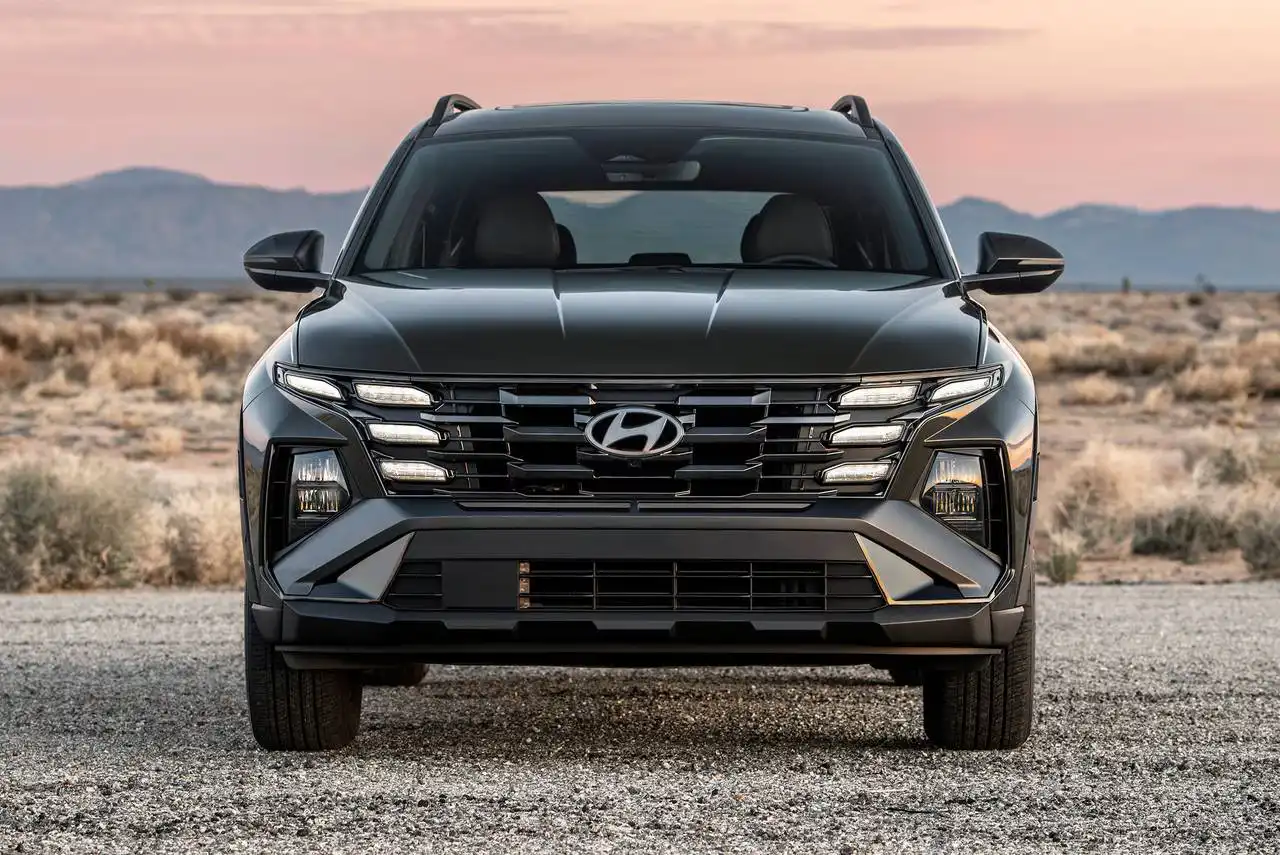
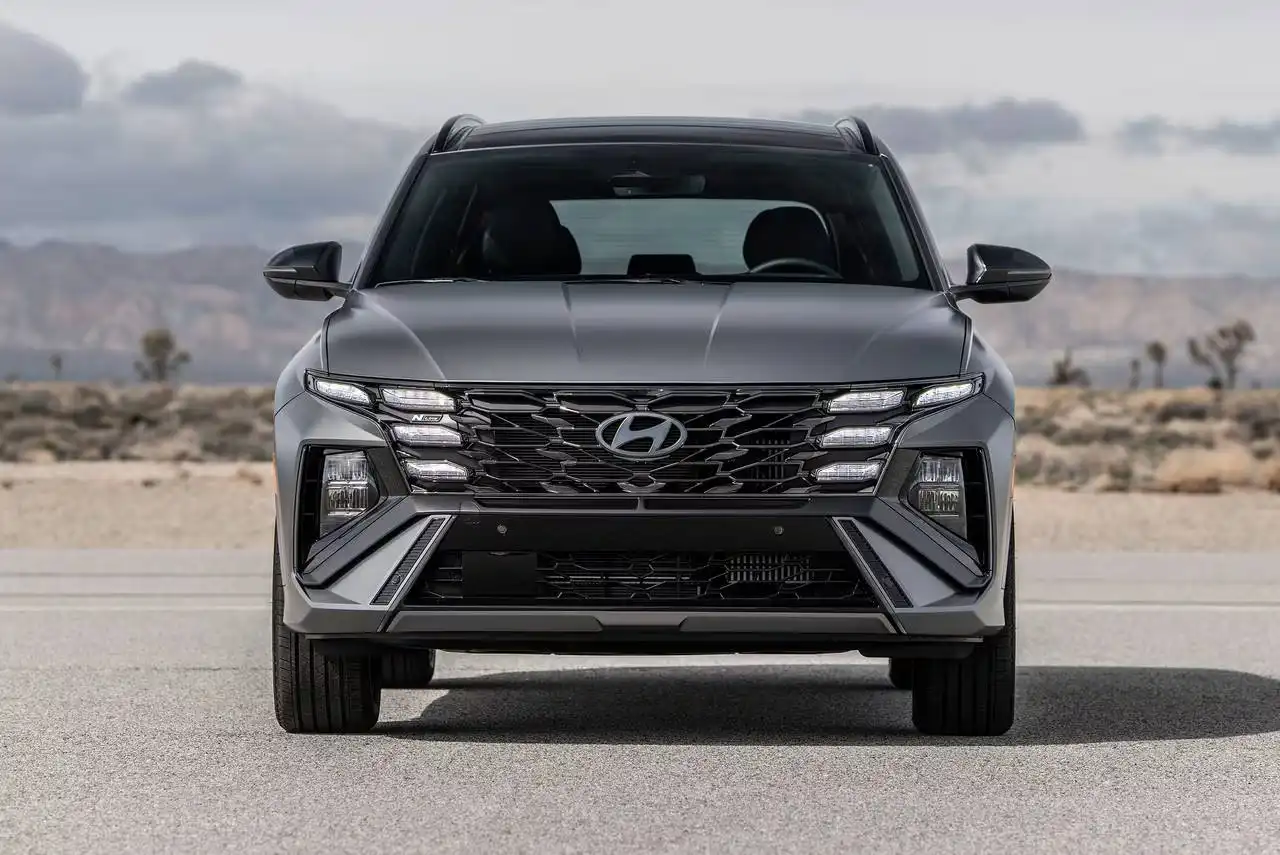
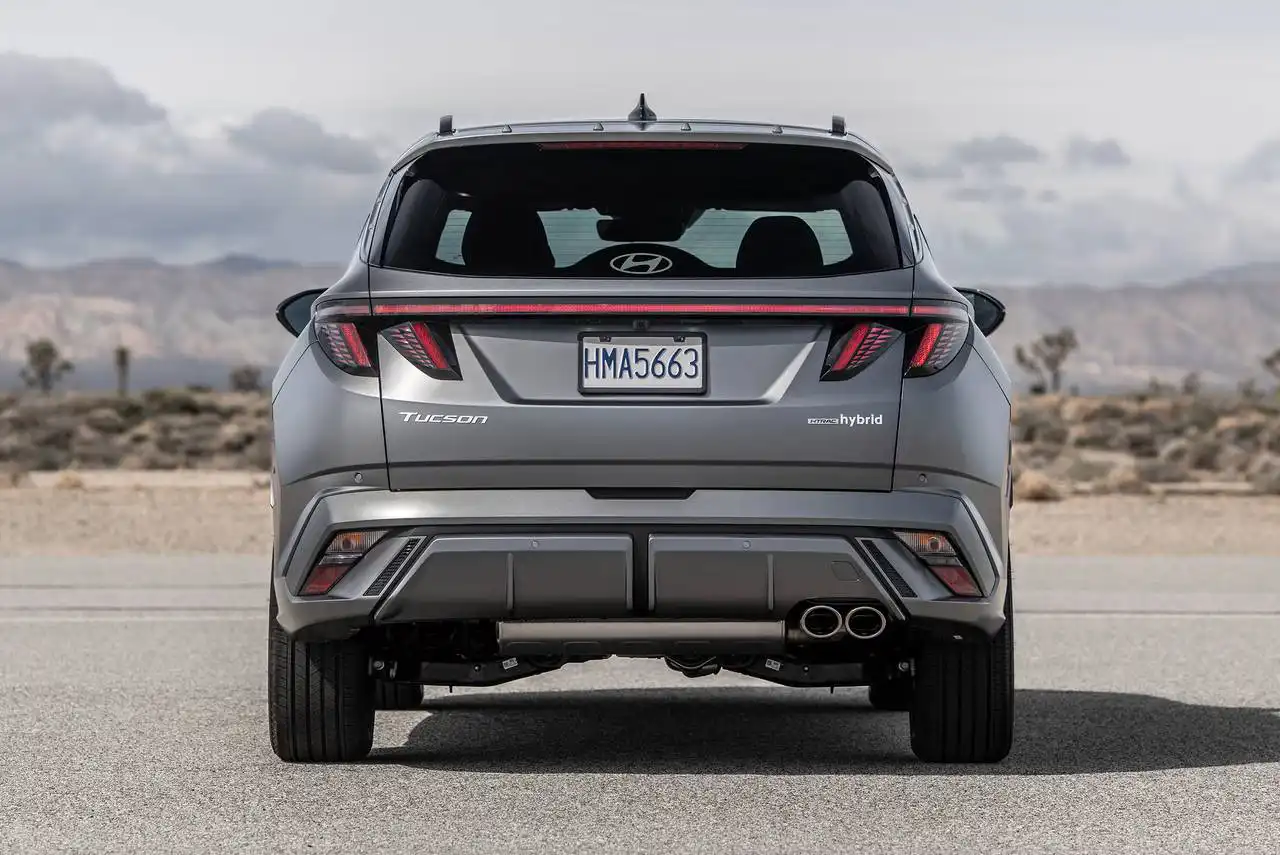
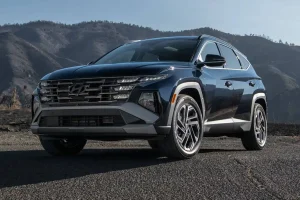
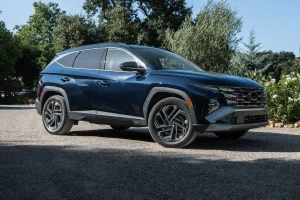
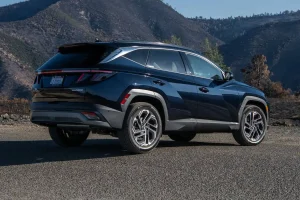
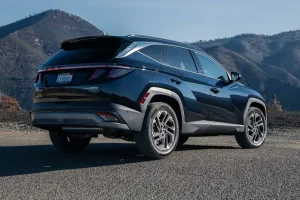
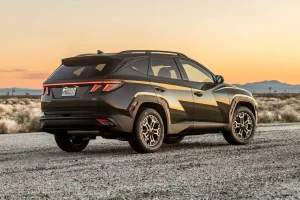
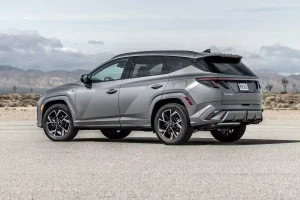
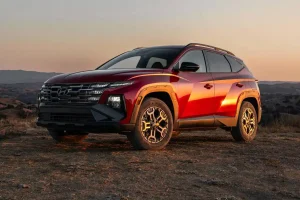
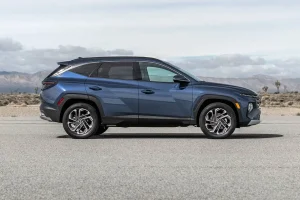
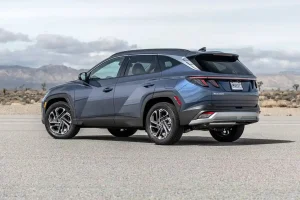
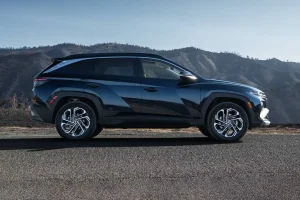
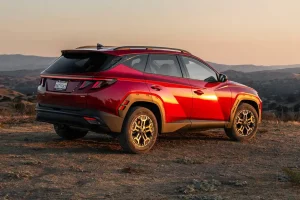
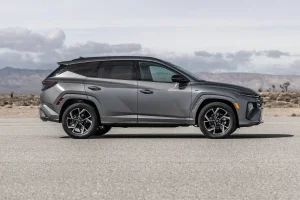
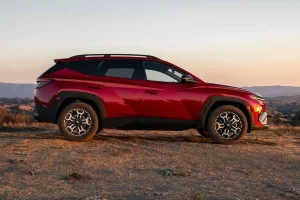
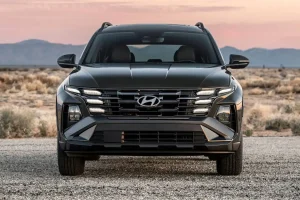
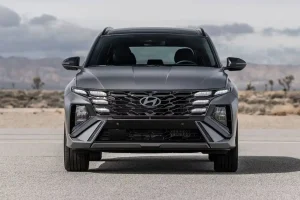
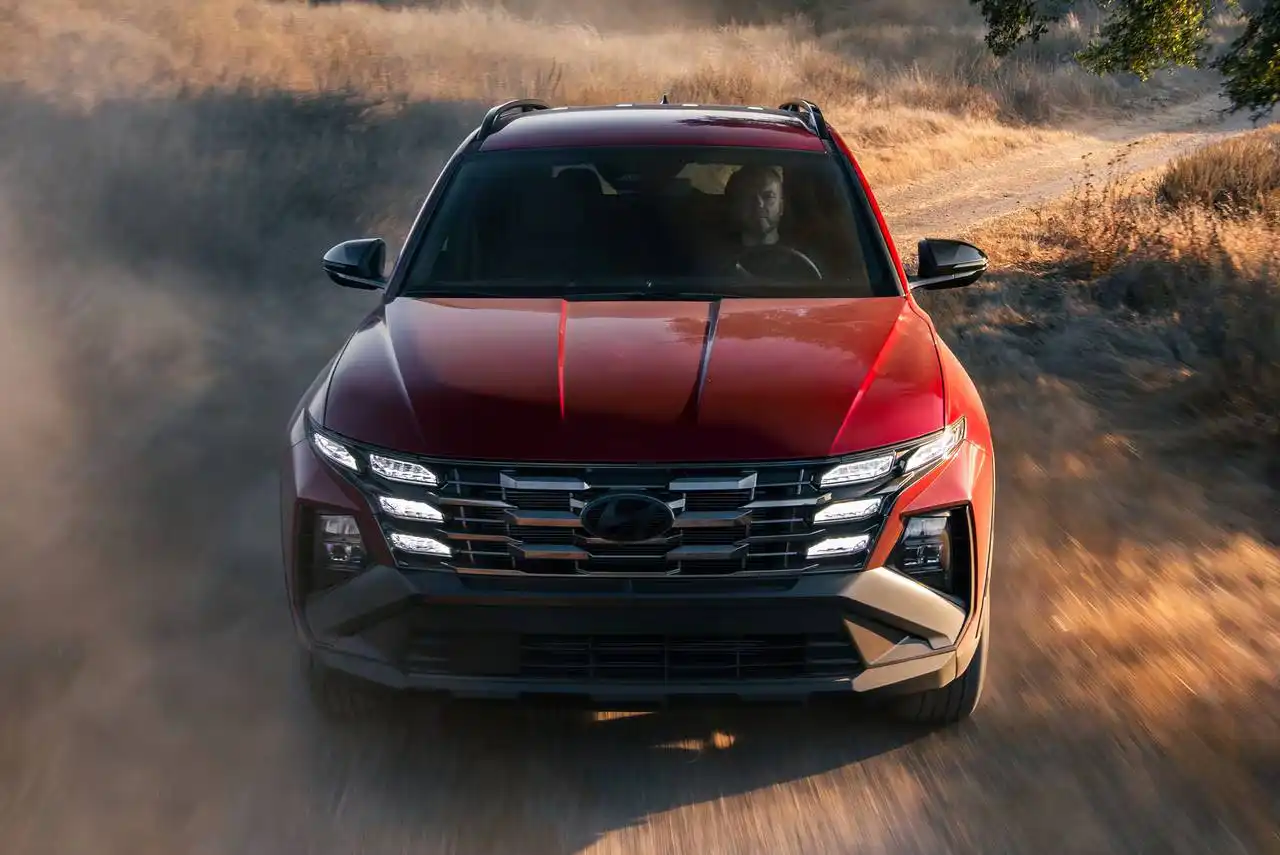
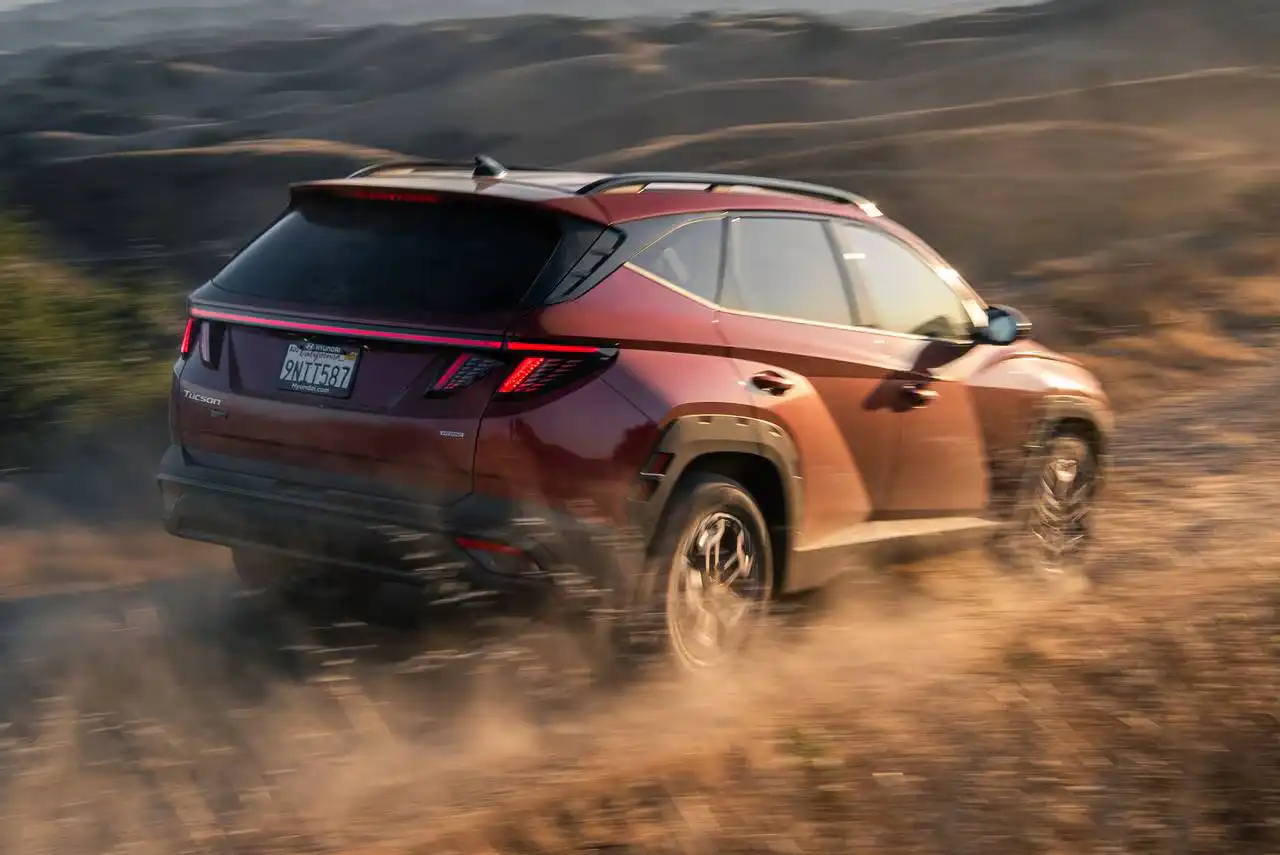
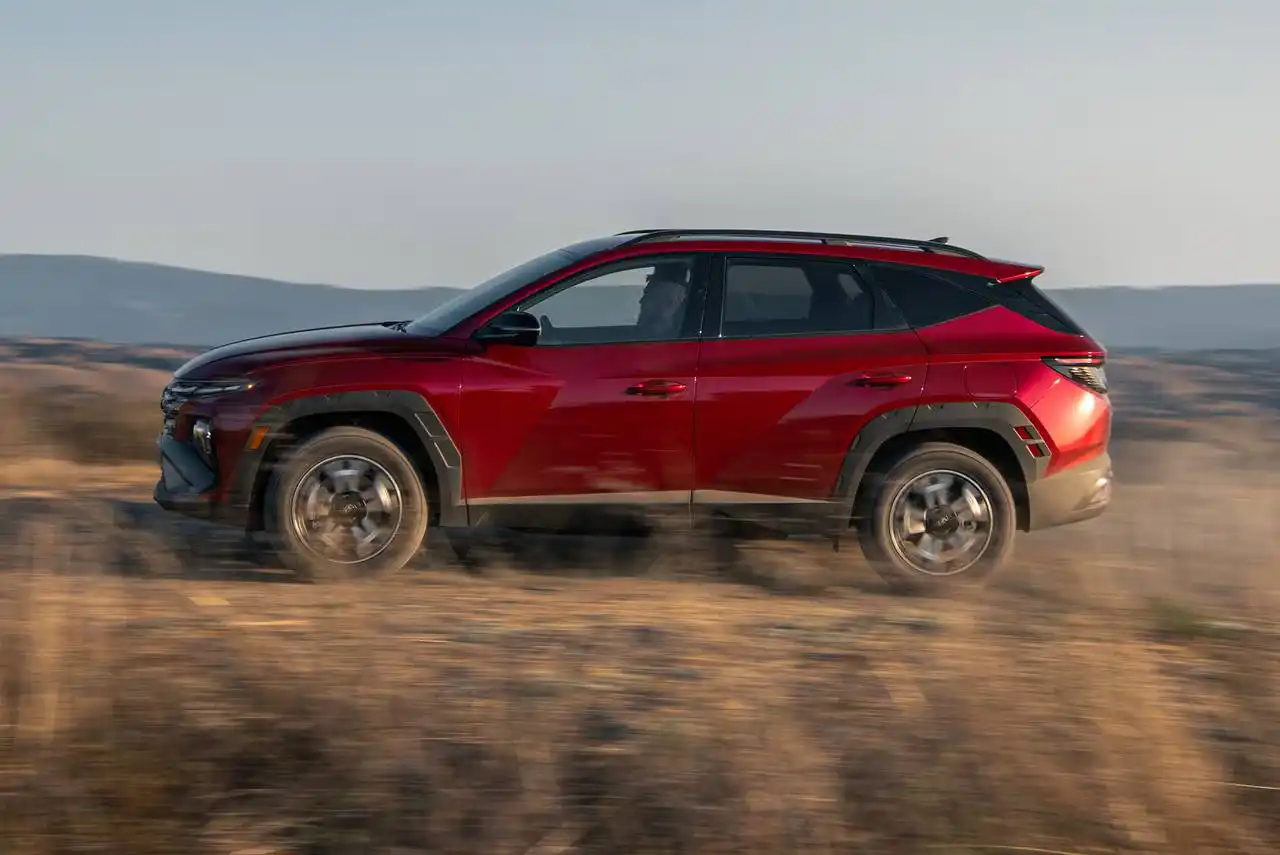
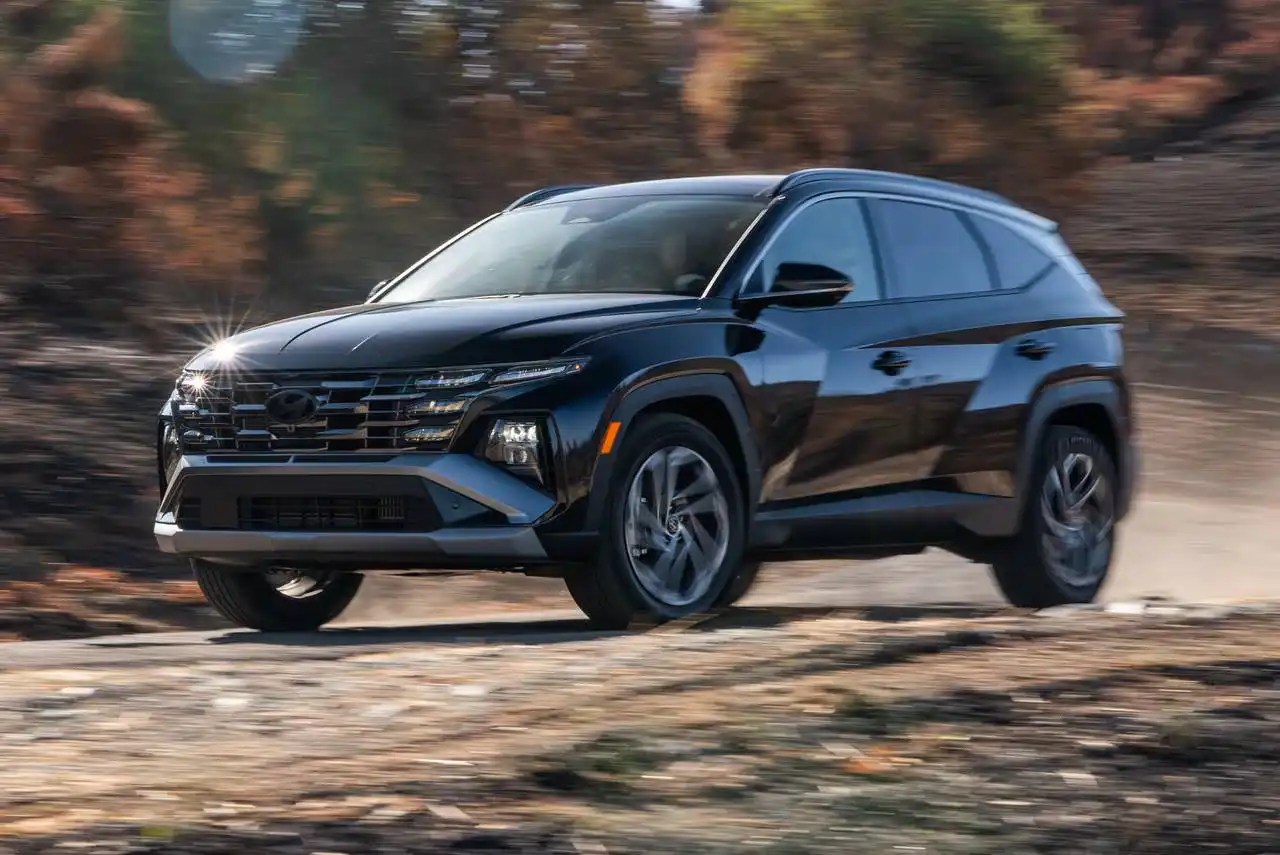
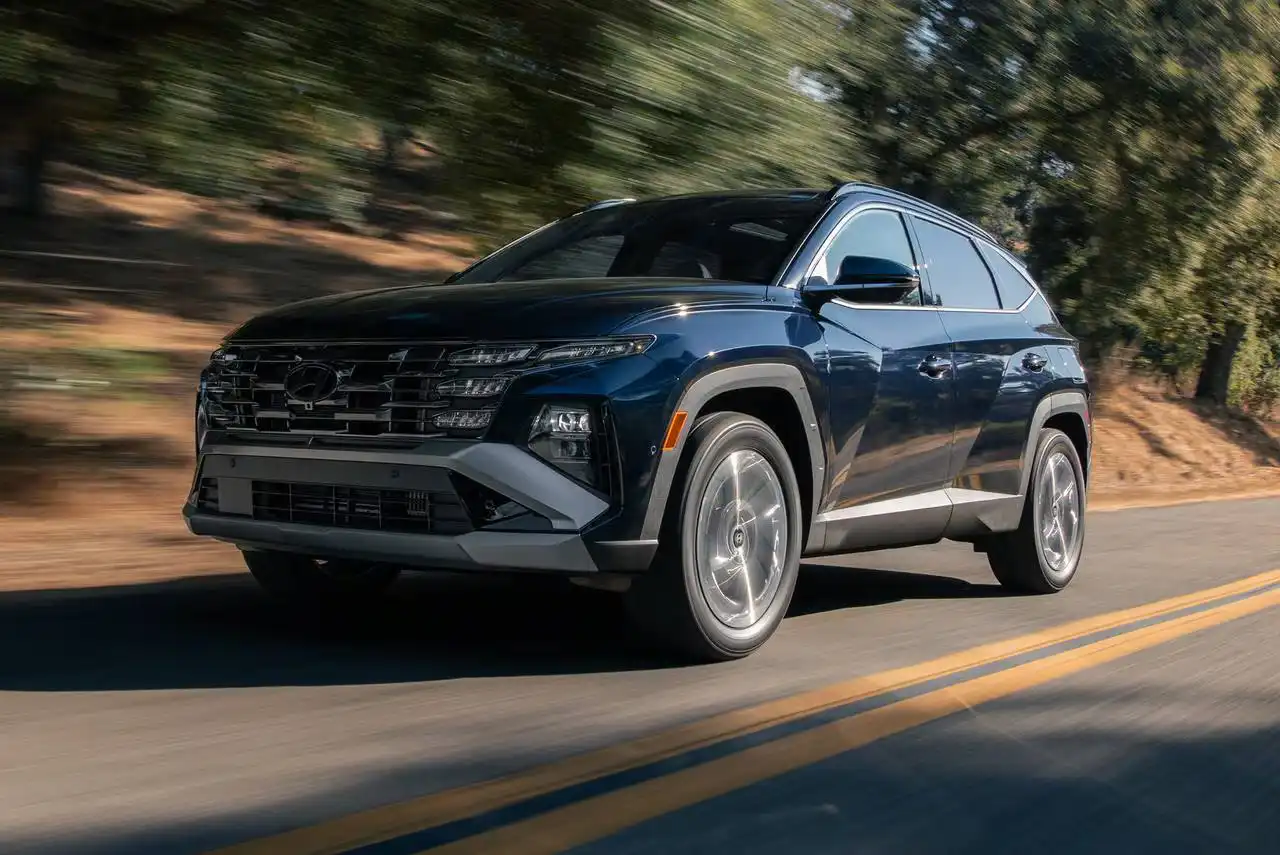
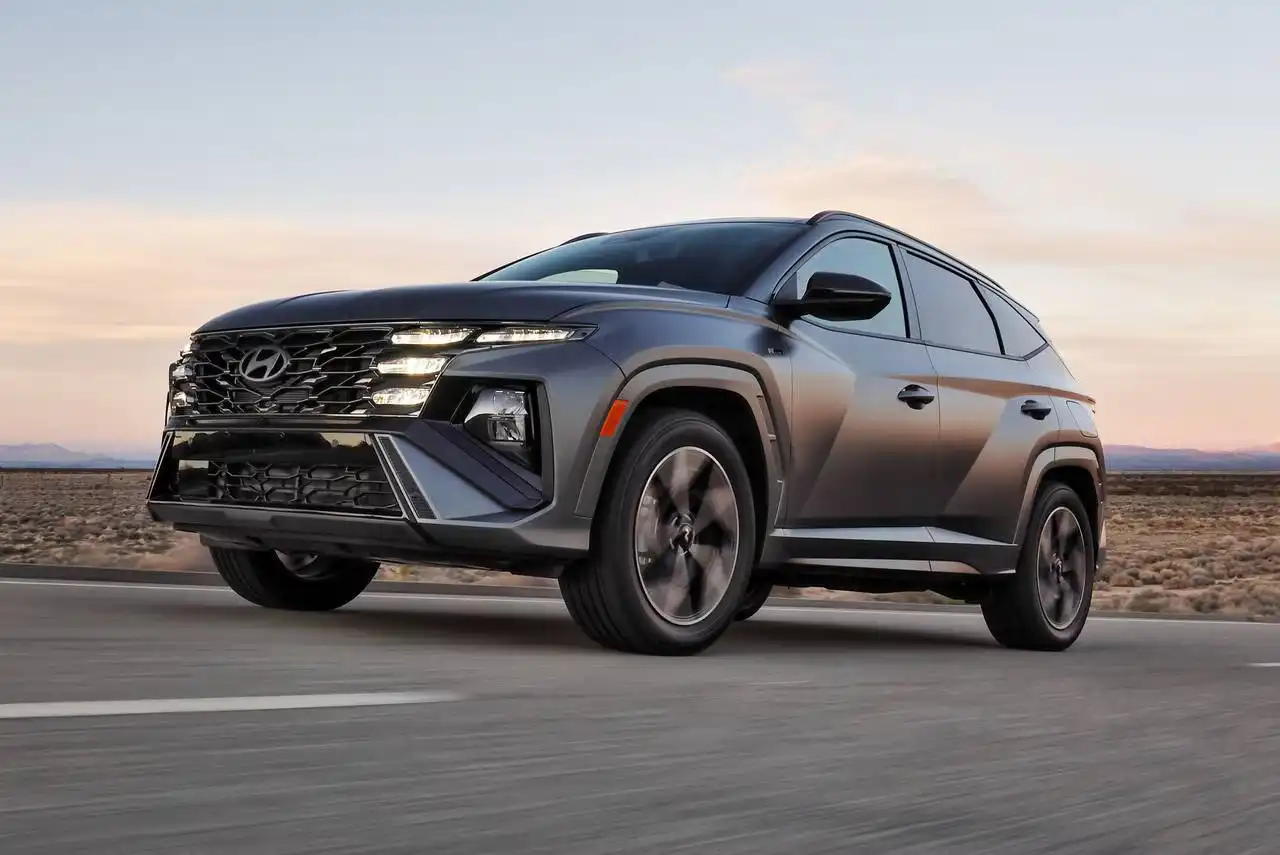
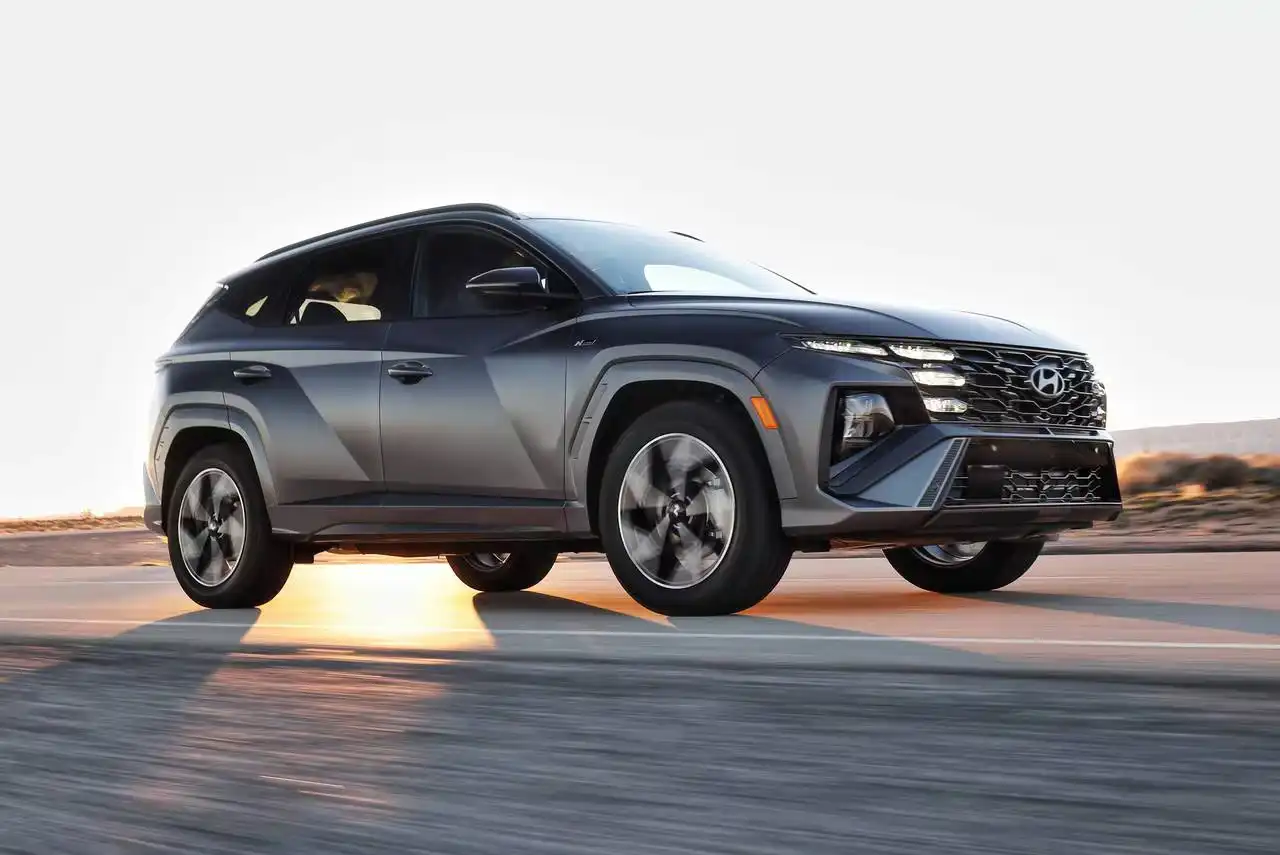
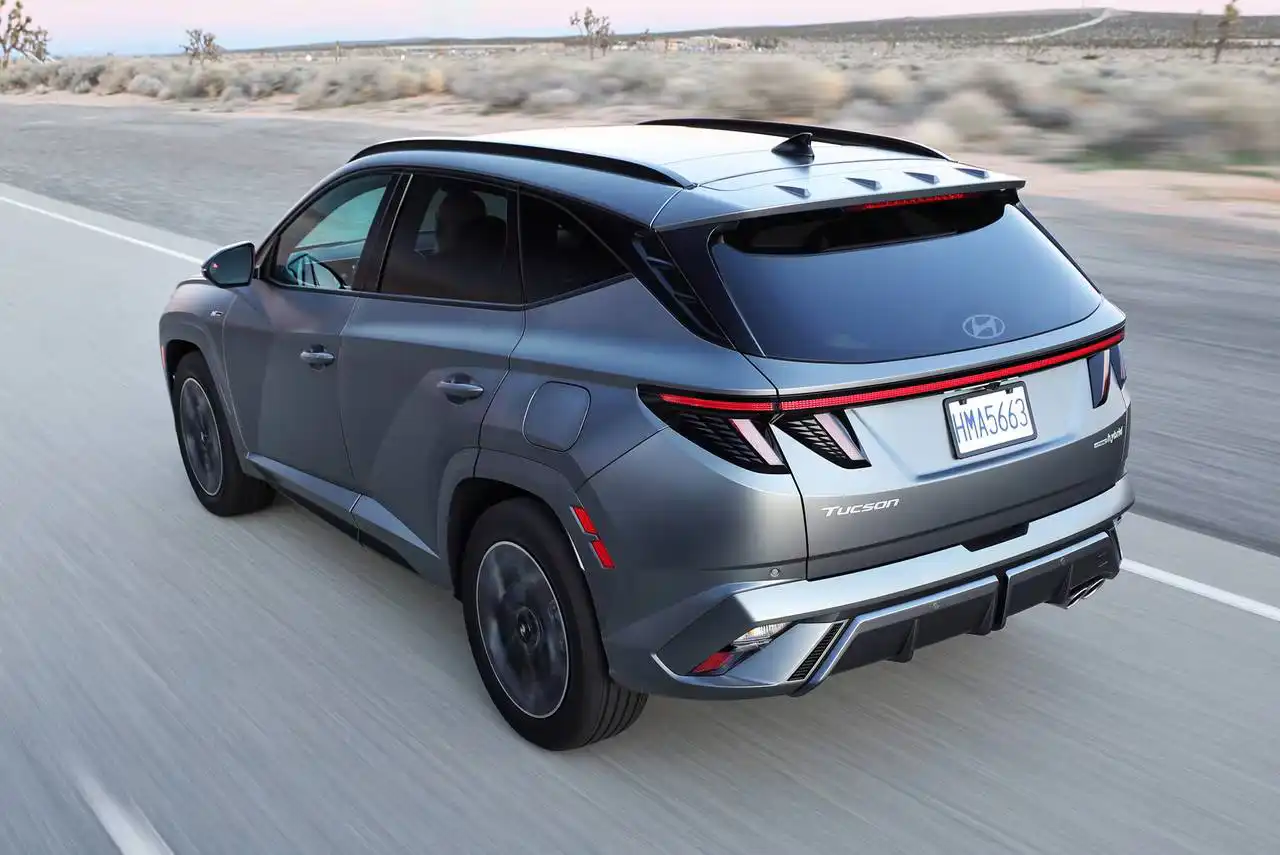
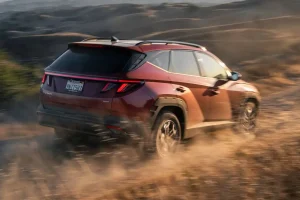
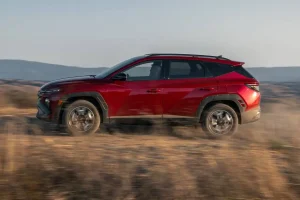
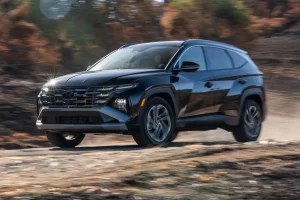
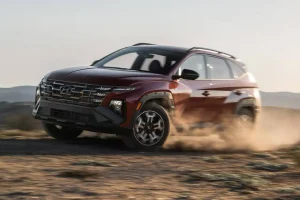
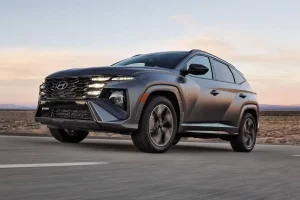
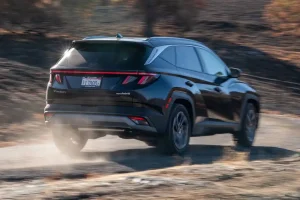
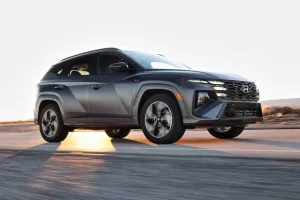
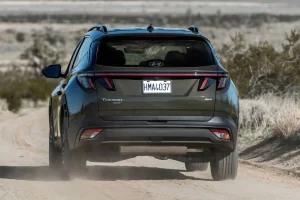
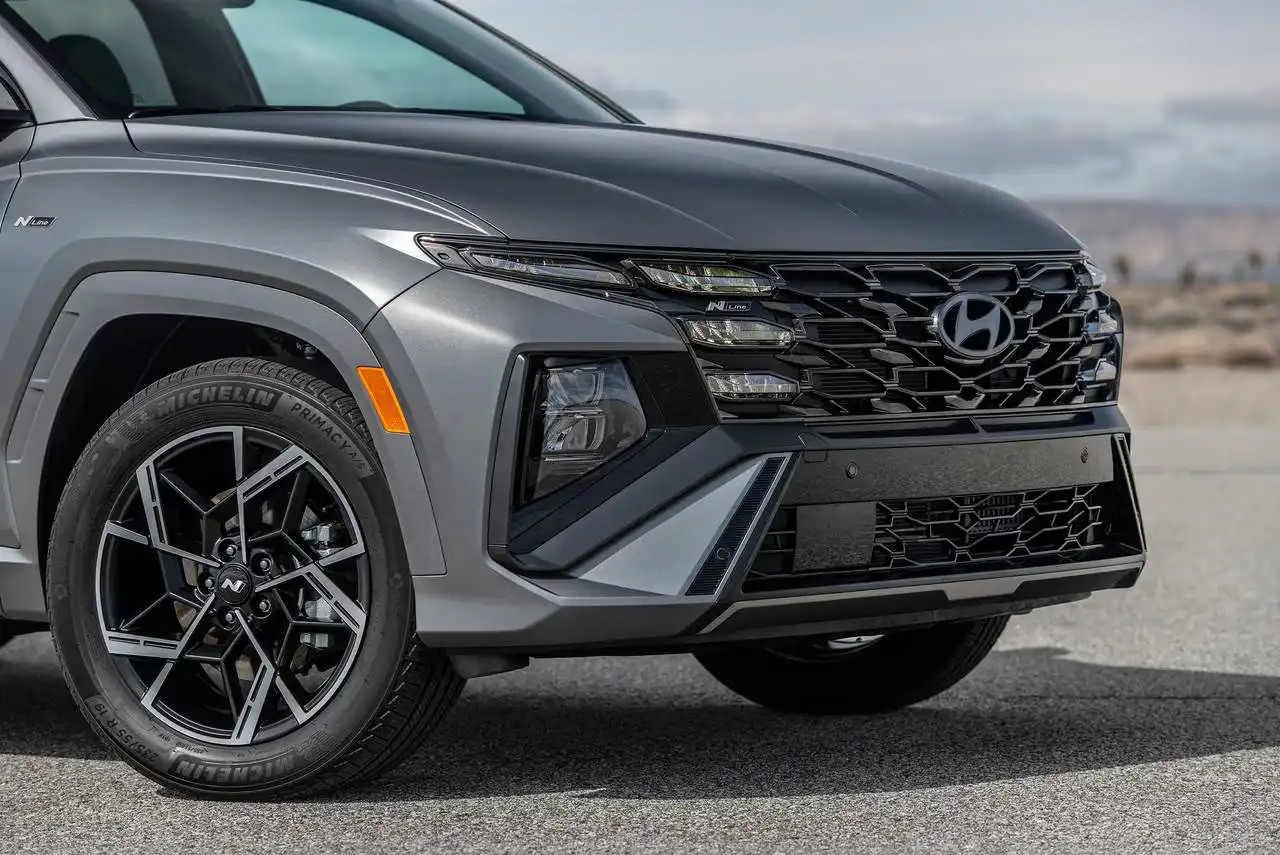
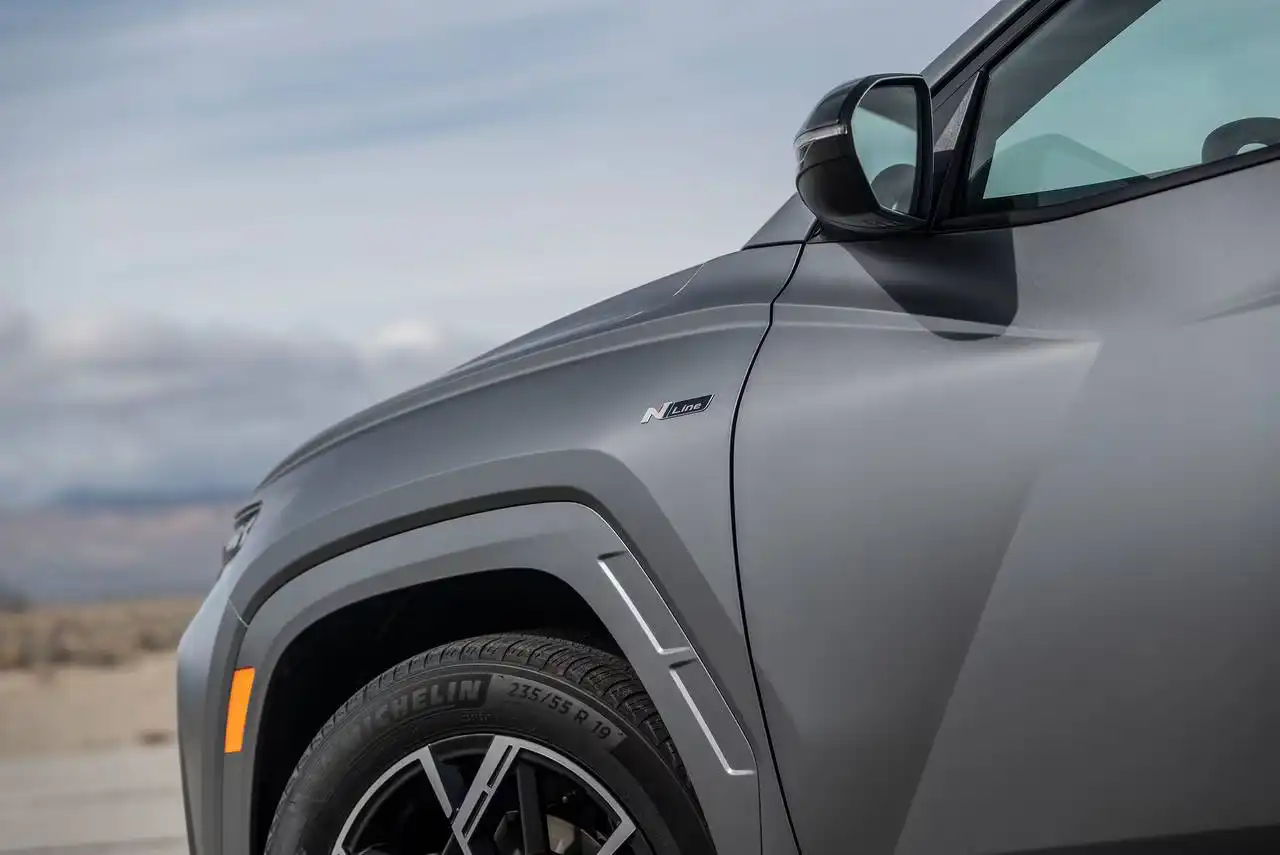
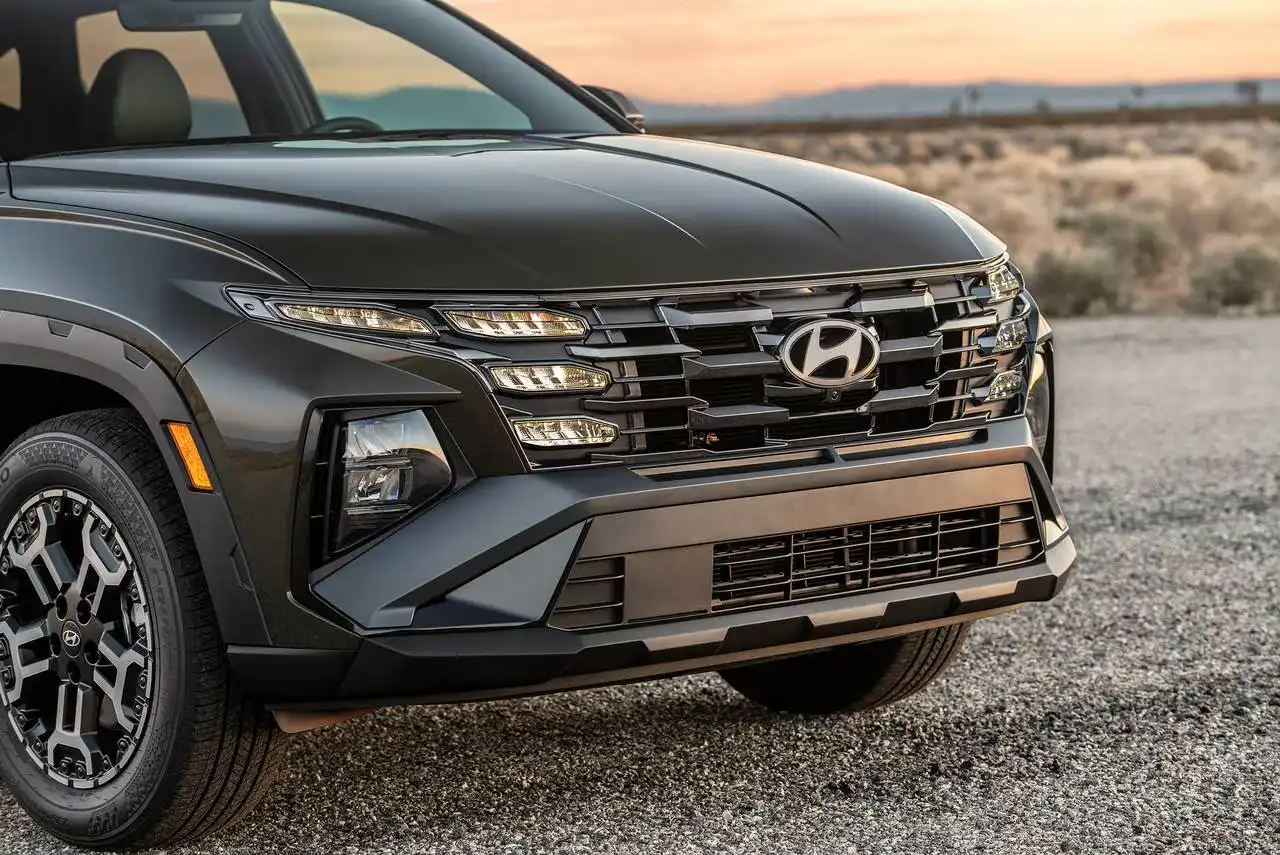
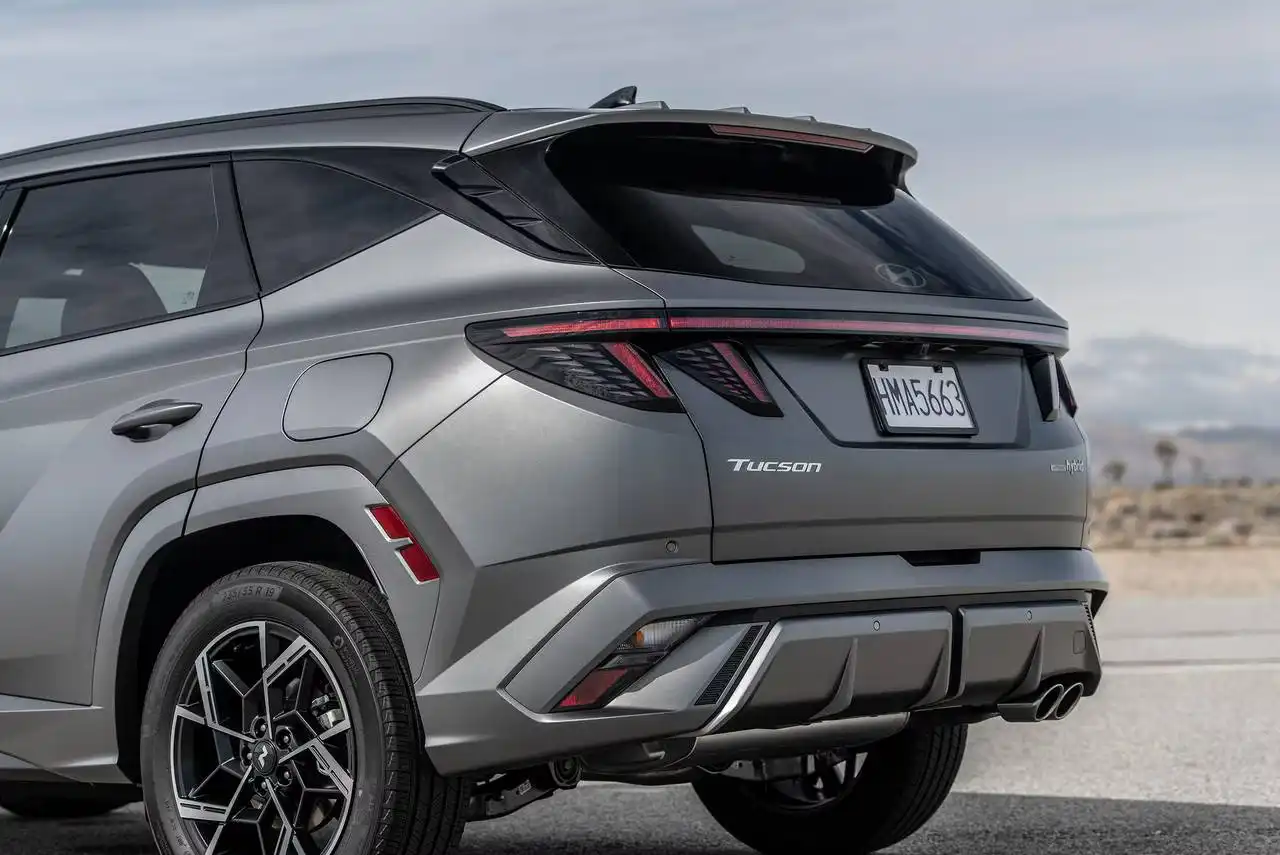
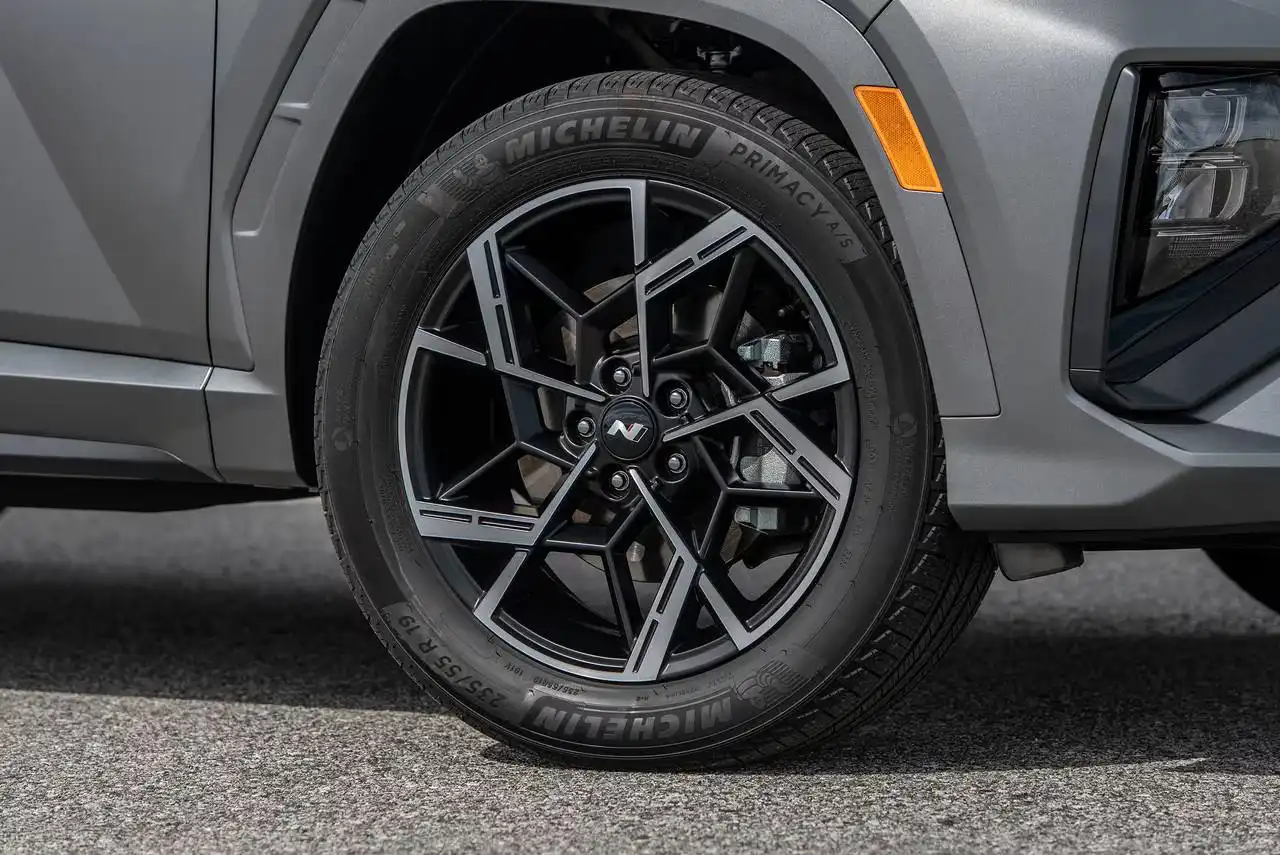
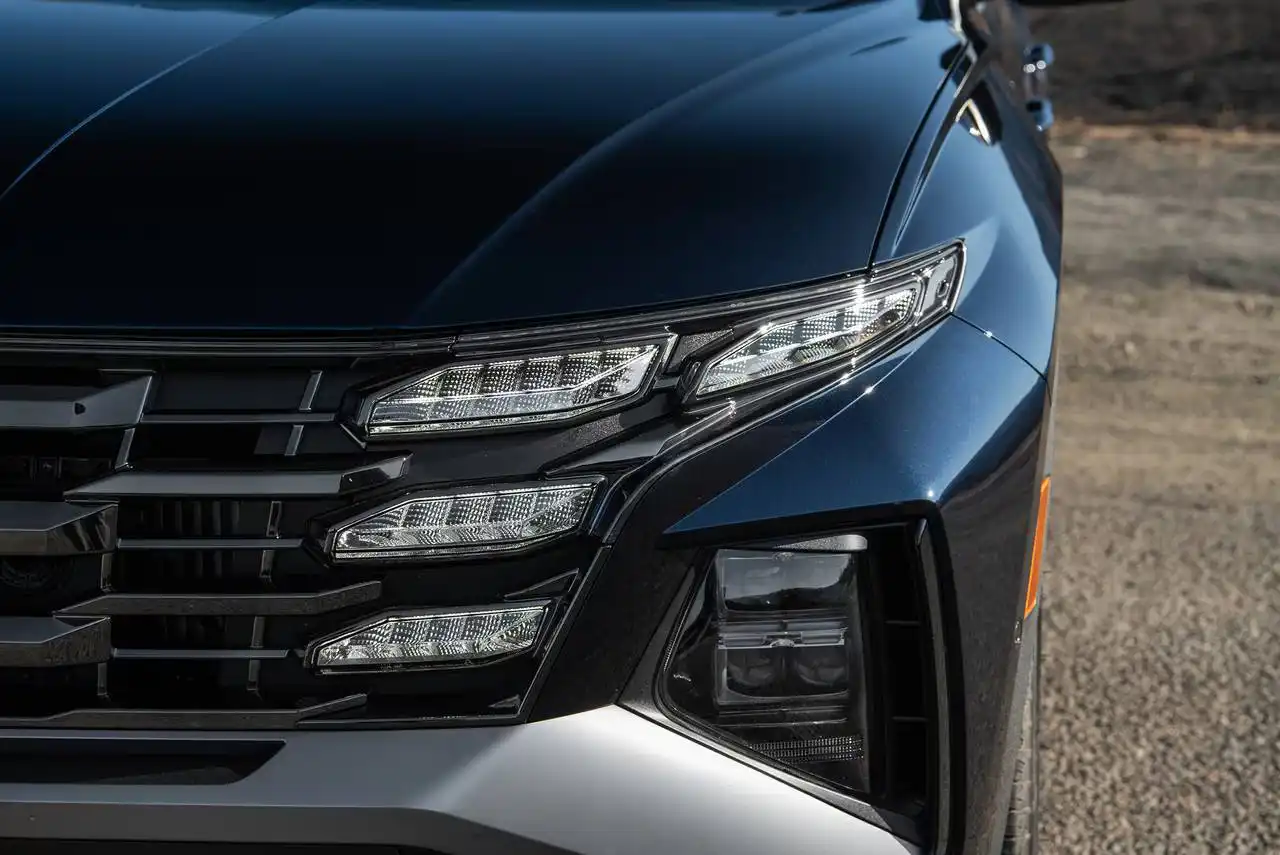
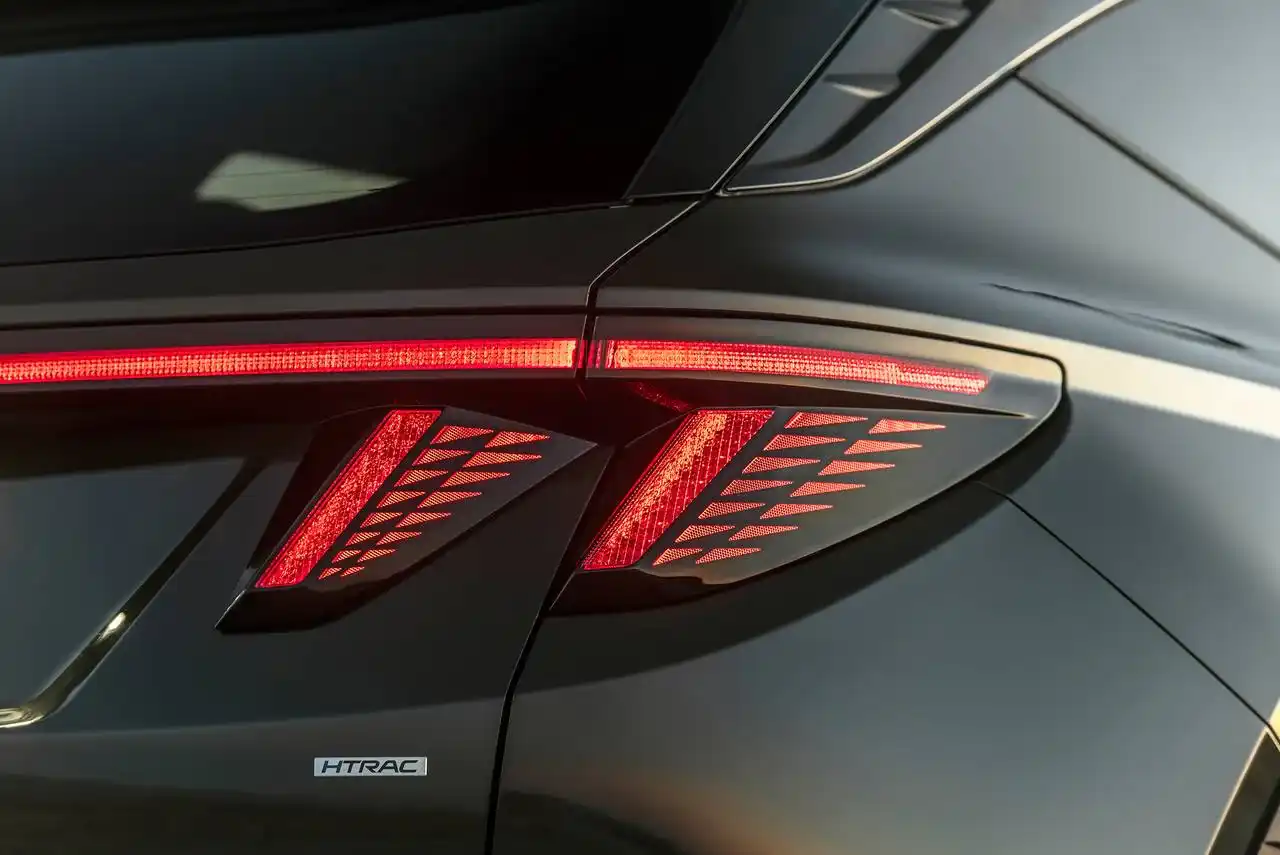
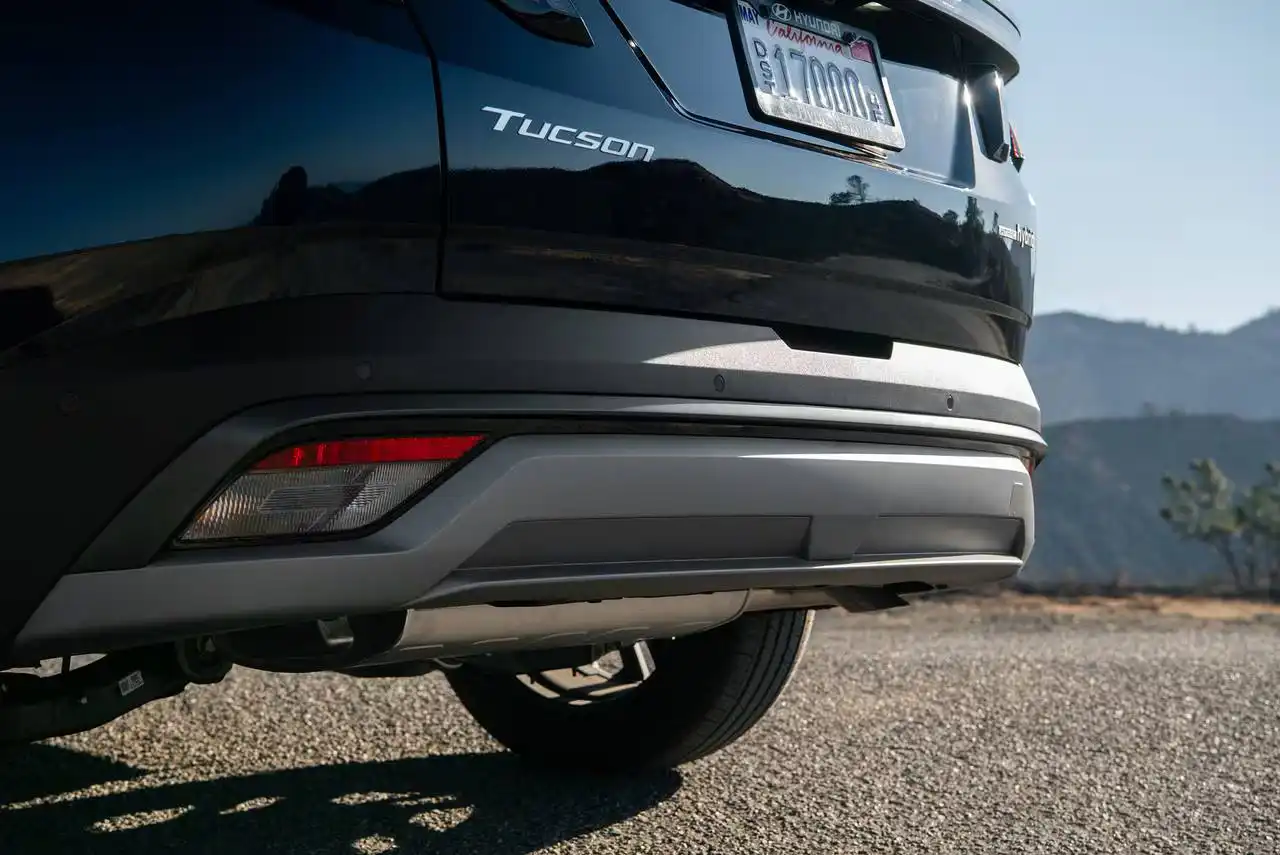
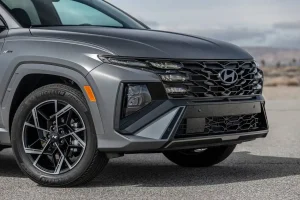
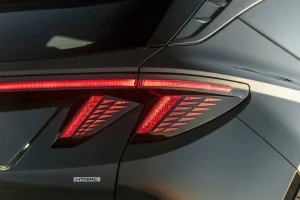
Stylish and impressively refined, the 2026 Hyundai Tucson easily turns heads—though its driving dynamics aren’t quite as engaging as those of competitors like Honda, Mazda, and Volkswagen. Under the hood sits a 187-hp four-cylinder engine powering the front wheels, with all-wheel drive offered as an upgrade. Its acceleration is modest, but those craving more punch may prefer the separately reviewed Tucson Hybrid.
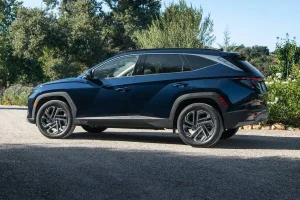
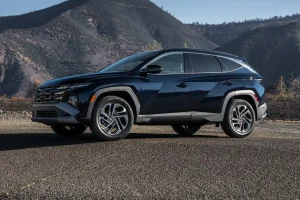
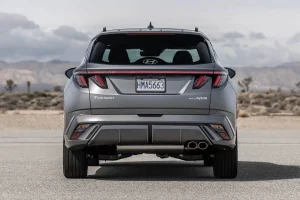
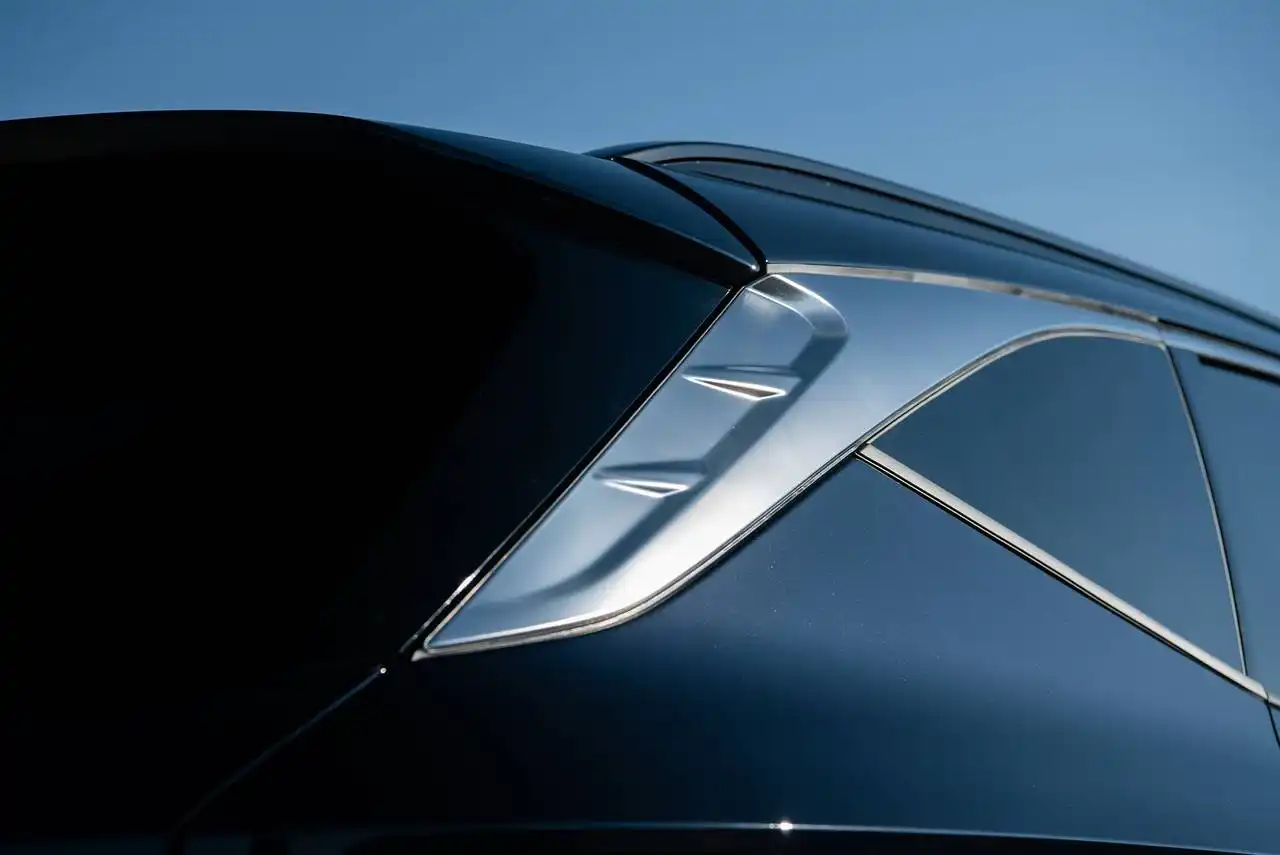
What the Tucson lacks in excitement, it makes up for in design and practicality. Its sleek exterior is matched by a spacious cabin that outshines many compact SUV rivals. Hyundai also loads the interior with modern tech, including available features such as adaptive cruise control with lane-centering and a wide digital panel that integrates both the instrument cluster and infotainment display.
When Is the 2026 Hyundai Tucson Coming Out?
Hyundai is expected to release the 2026 Tucson in late 2025, with availability expanding globally by early 2026. Pre-orders typically open a few months before dealership arrivals.
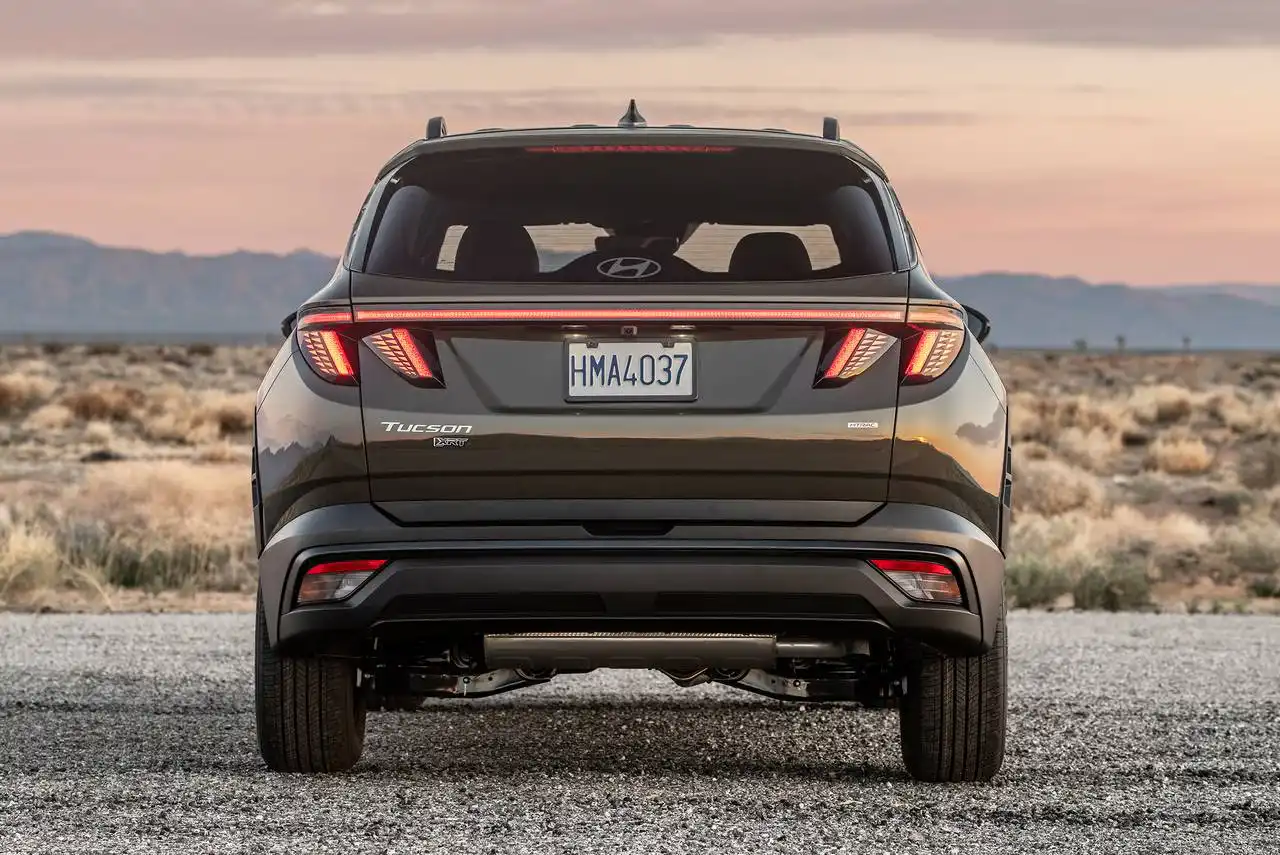

What’s New for 2026 Hyundai Tucson?
After receiving a refresh just a year ago, the Tucson enters 2026 with no major updates. The model remains largely unchanged, still benefiting from its recent styling and feature enhancements.
Pricing and Which One to Buy
The 2026 Hyundai Tucson ranges from $30,800 to $40,775, depending on trim level and options.
| Trim | Starting MSRP (est.) |
|---|---|
|
SE
|
$30,800
|
| SEL |
$32,150
|
| XRT |
$34,825
|
| SEL Convenience |
$35,150
|
| SEL Premium |
$35,150
|
|
Limited
|
$40,775
|
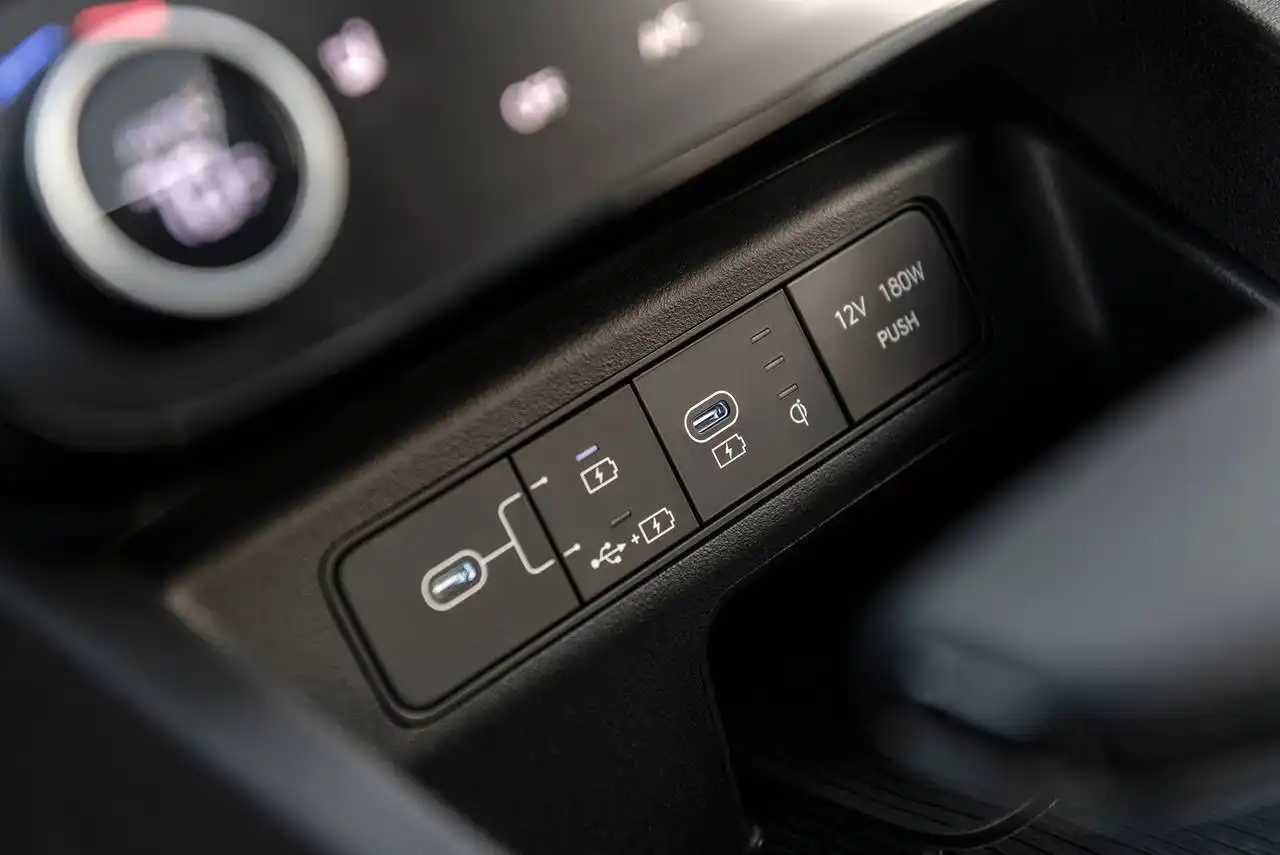
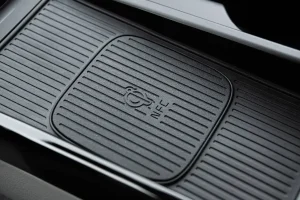
For the best balance of value and features, the mid-tier SEL trim is our pick. It comes equipped with a power liftgate, power-adjustable driver’s seat, heated front seats, wireless phone charging, and dual-zone automatic climate control. Adding the Premium package is money well spent, bringing upgrades such as enhanced driver-assistance technology, a sunroof, integrated navigation, and a fully digital instrument cluster. All-wheel drive remains an available option across the entire lineup.
Engine, Transmission, and Performance
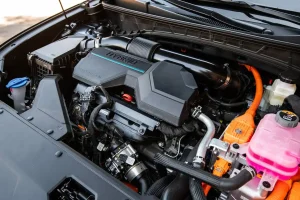
The 2026 Hyundai Tucson comes standard with a 187-hp 2.5-liter four-cylinder engine paired to an eight-speed automatic transmission, with the choice of front- or all-wheel drive. Power delivery is adequate for everyday commuting and highway merging, but drivers seeking stronger acceleration may find themselves wanting more.
Although not engineered for sporty thrills, the Tucson handles with confidence, offering precise-enough steering and a comfortable, well-controlled ride. Its most impressive trait, however, is its refinement. The cabin remains exceptionally quiet at cruising speeds, giving the Tucson a near-luxury feel that stands out in the compact SUV segment.




0–60 MPH Times
In our testing, an all-wheel-drive Tucson Limited reached 60 mph in a modest 8.8 seconds. The hybrid and plug-in hybrid variants (reviewed separately) deliver noticeably quicker acceleration, but neither matches the punchy performance of a Toyota RAV4 Prime.
Towing and Payload Capacity
Every 2026 Hyundai Tucson is capable of towing up to 2000 pounds, provided it’s equipped with the optional trailer hitch.
Fuel Economy and Real-World MPG
According to EPA estimates, front-wheel-drive 2026 Hyundai Tucson models return 25 mpg city, 33 mpg highway, and 28 mpg combined. Opting for all-wheel drive lowers those figures slightly to 24 mpg city, 30 mpg highway, and 26 mpg combined.
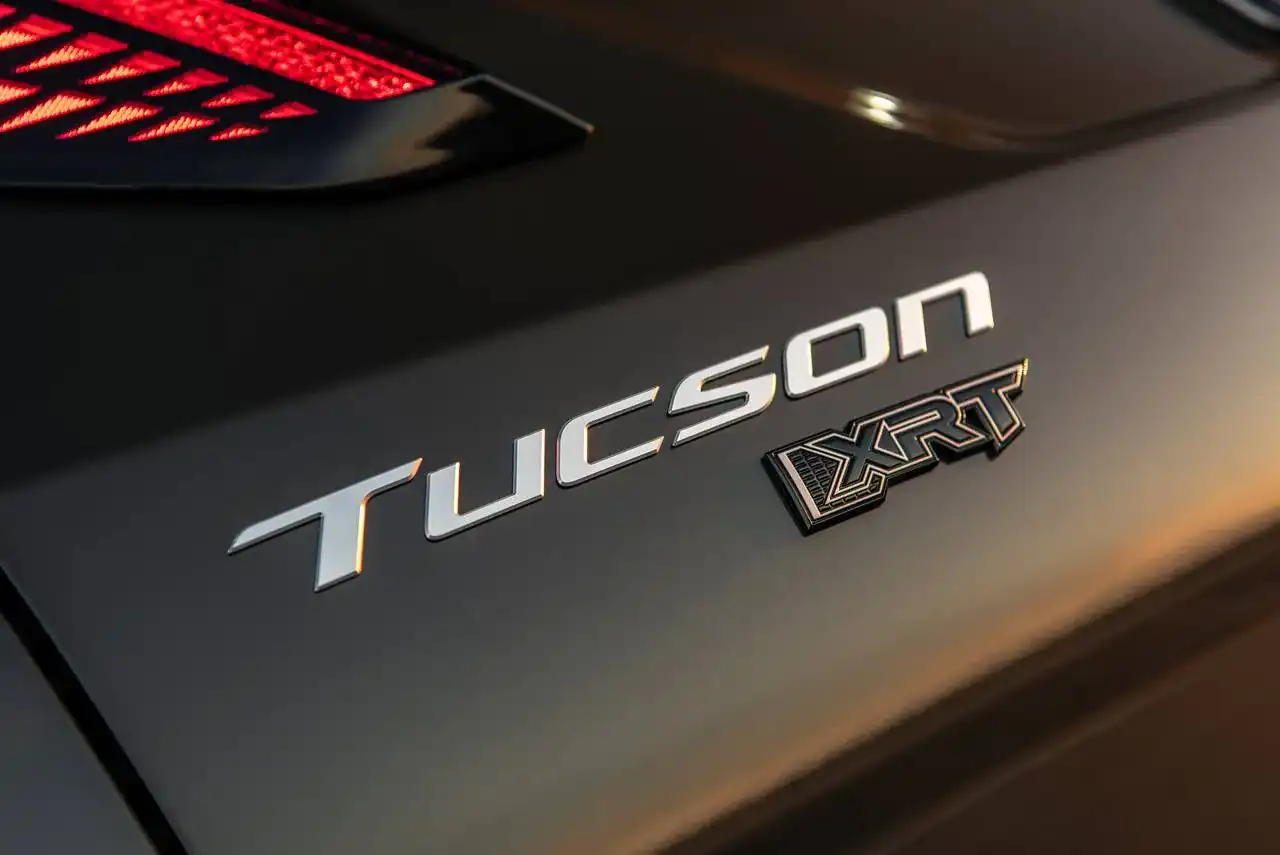
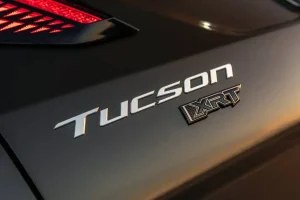
However, in our own 75-mph highway test, the Tucson XRT managed a less impressive 26 mpg, falling short of expectations. For additional details on the Tucson’s fuel-efficiency ratings, visit the EPA’s website.
Interior, Comfort, and Cargo
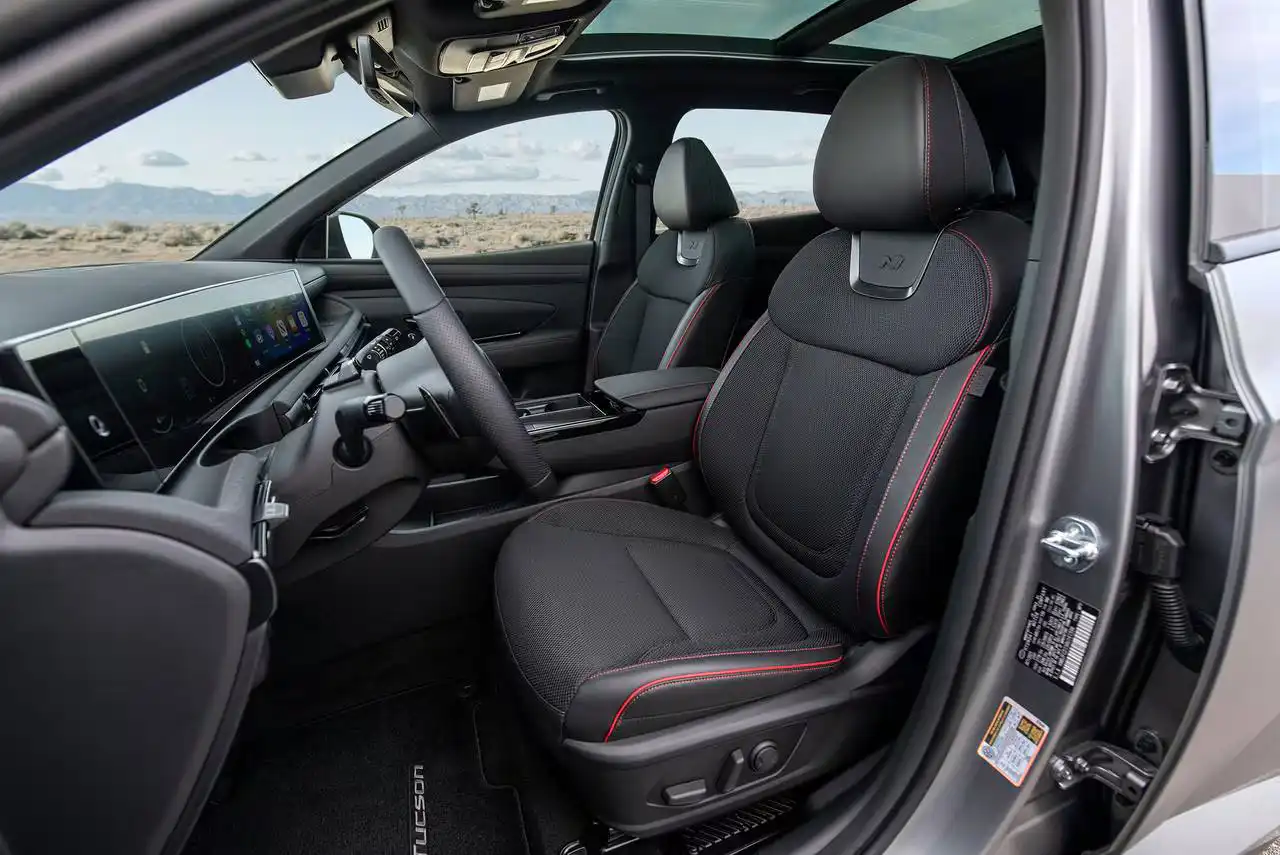
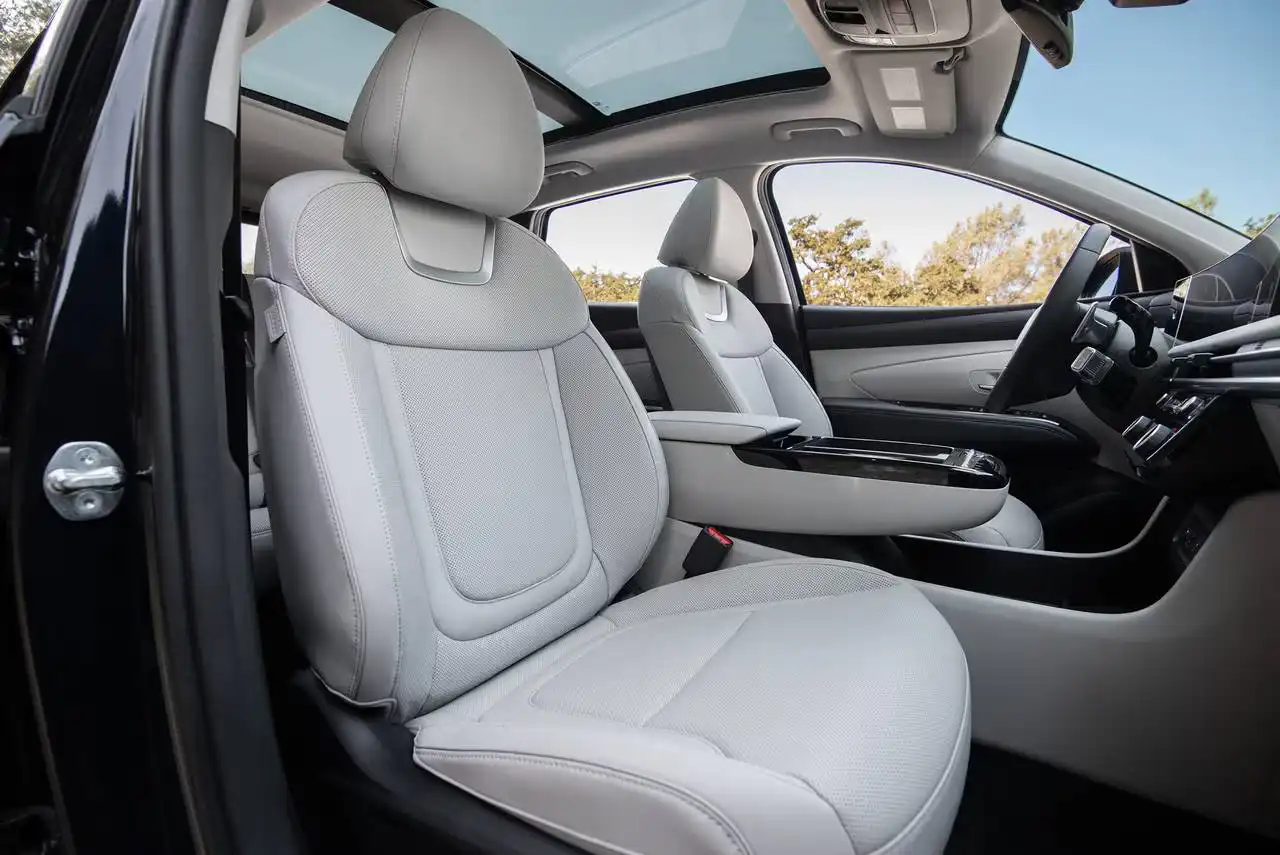
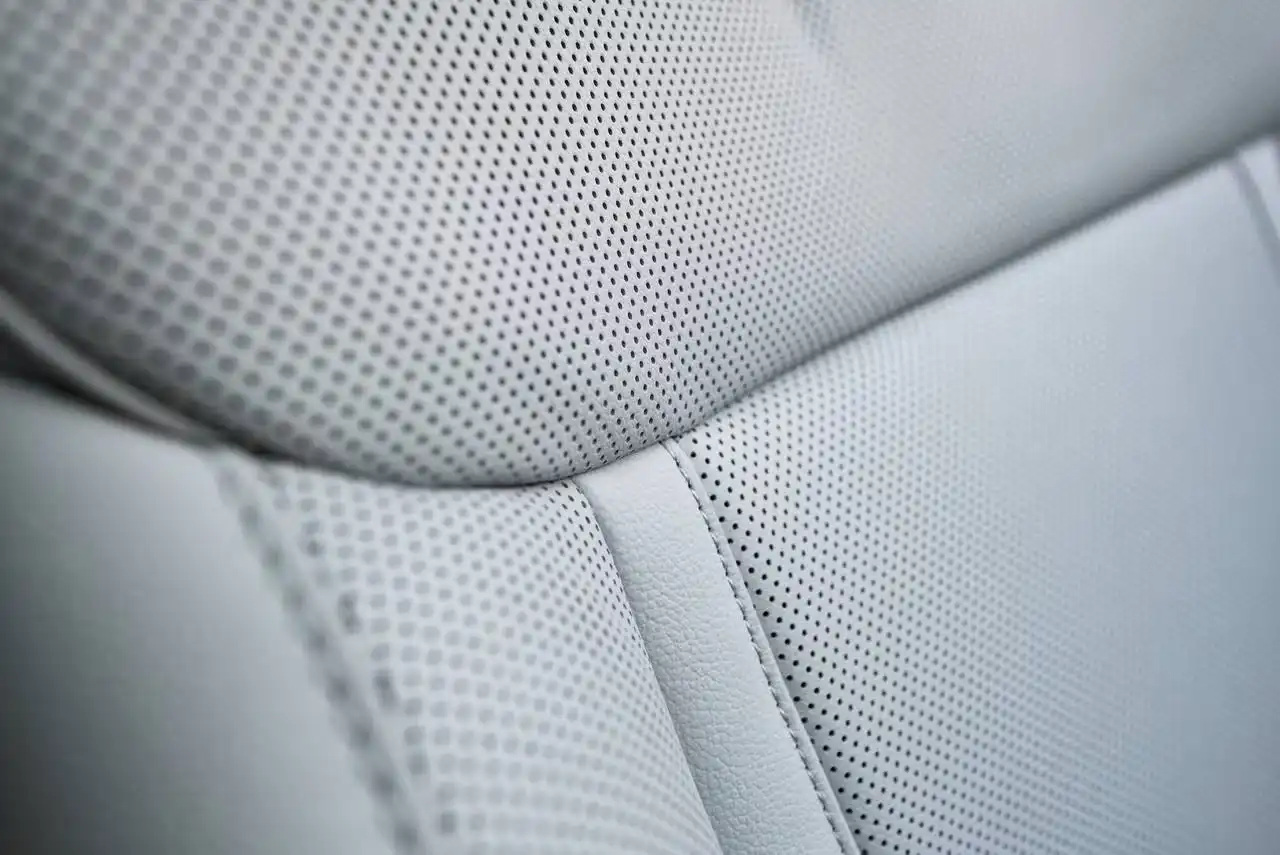
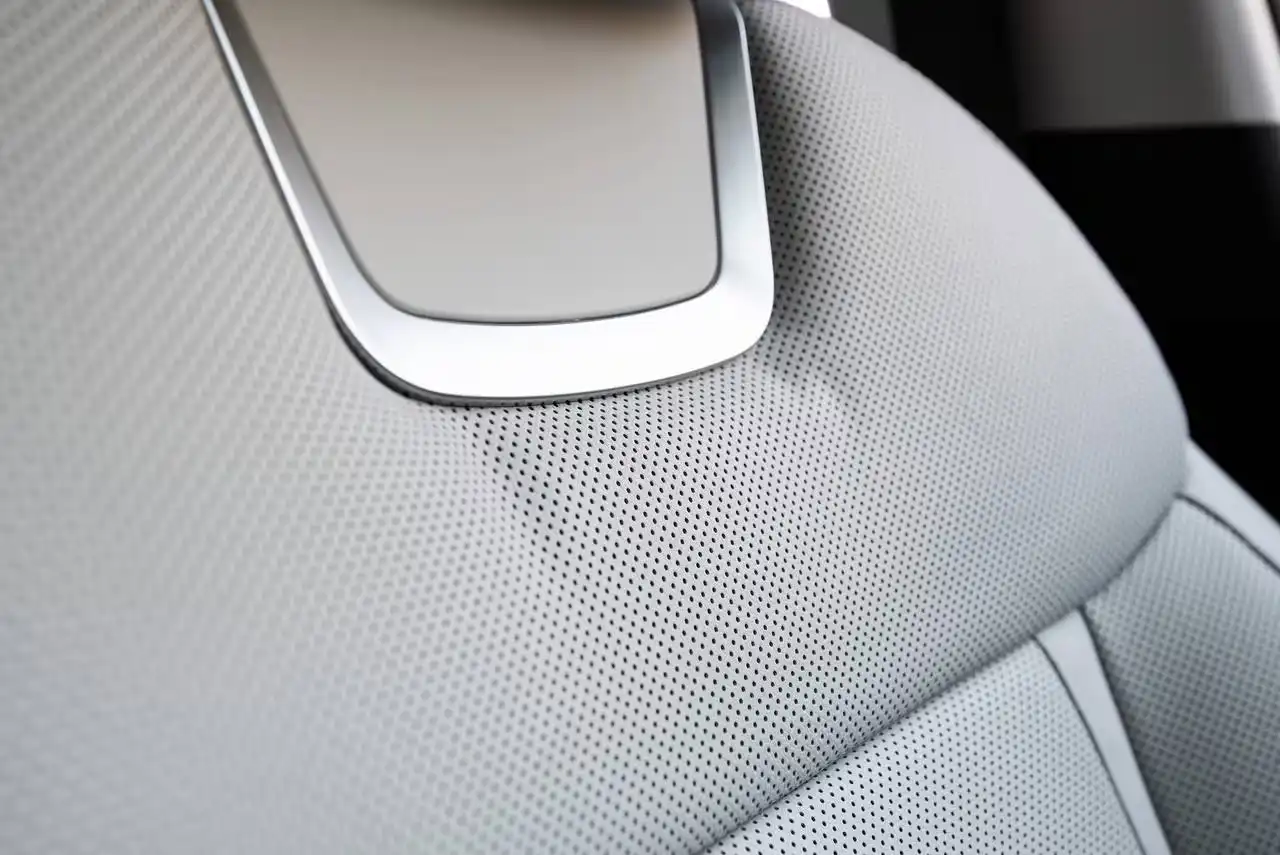
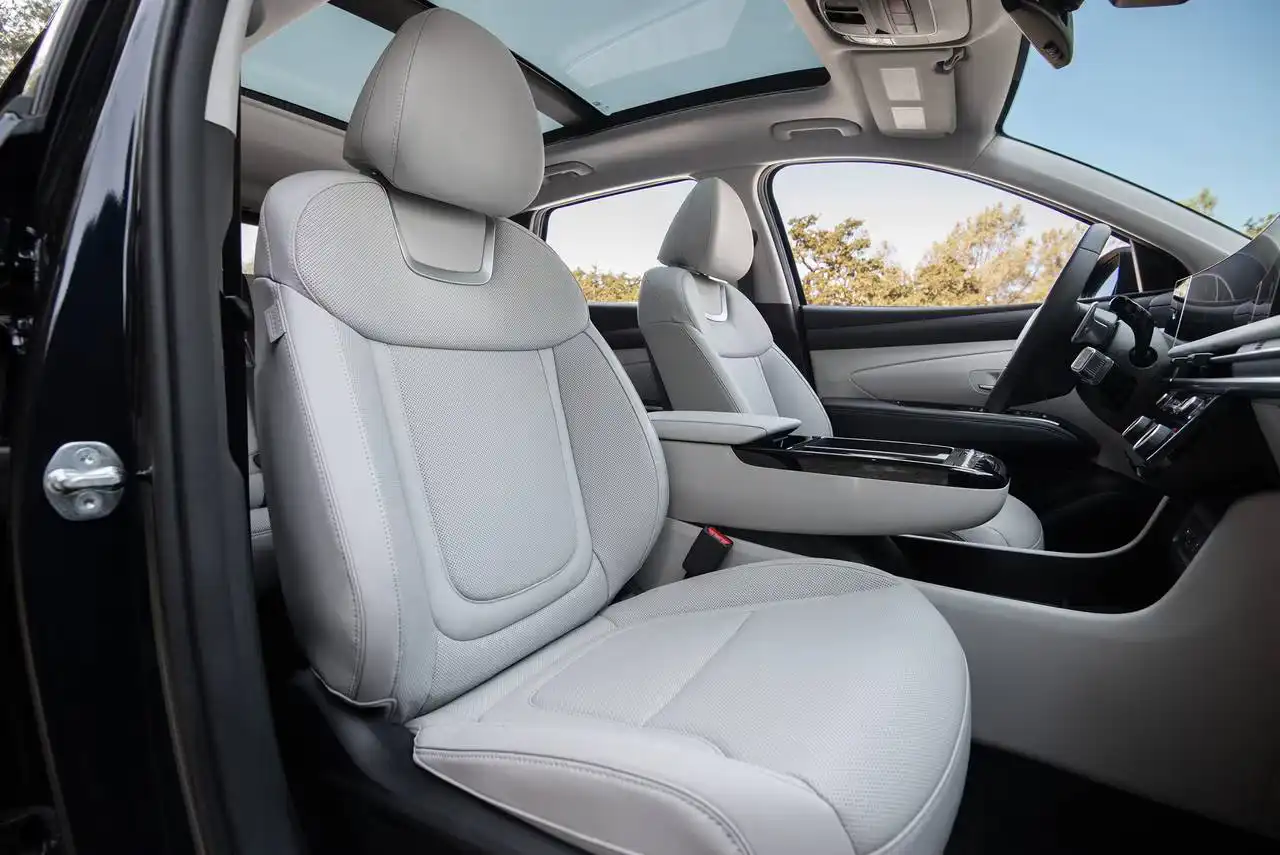
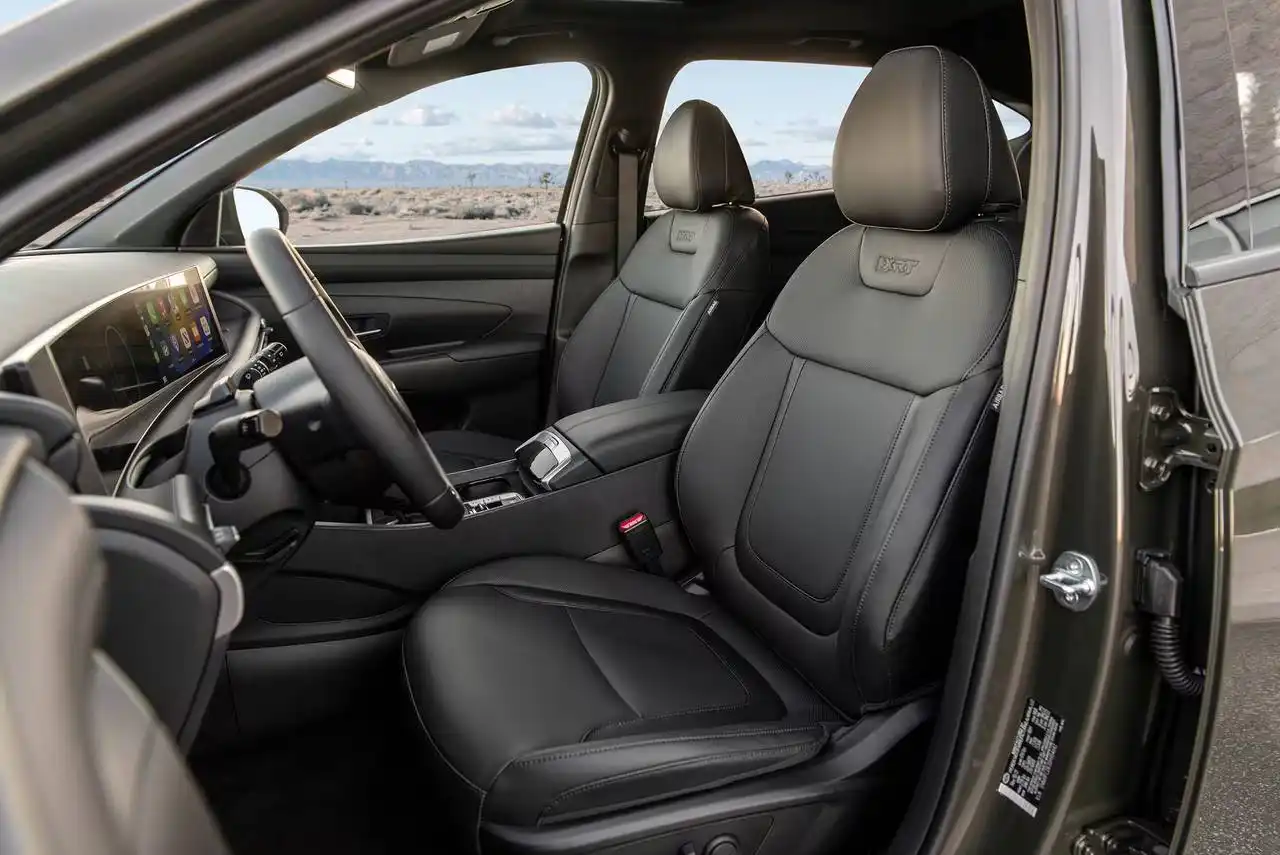
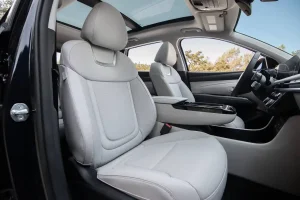
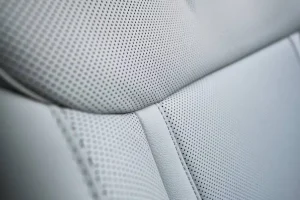
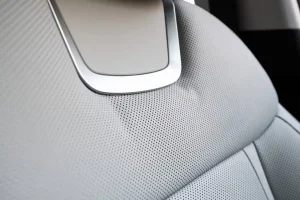
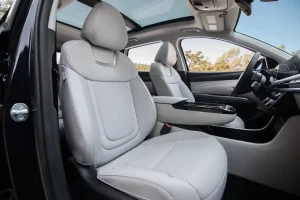
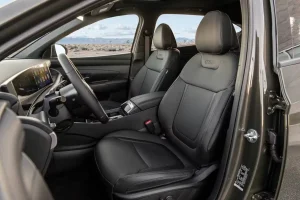
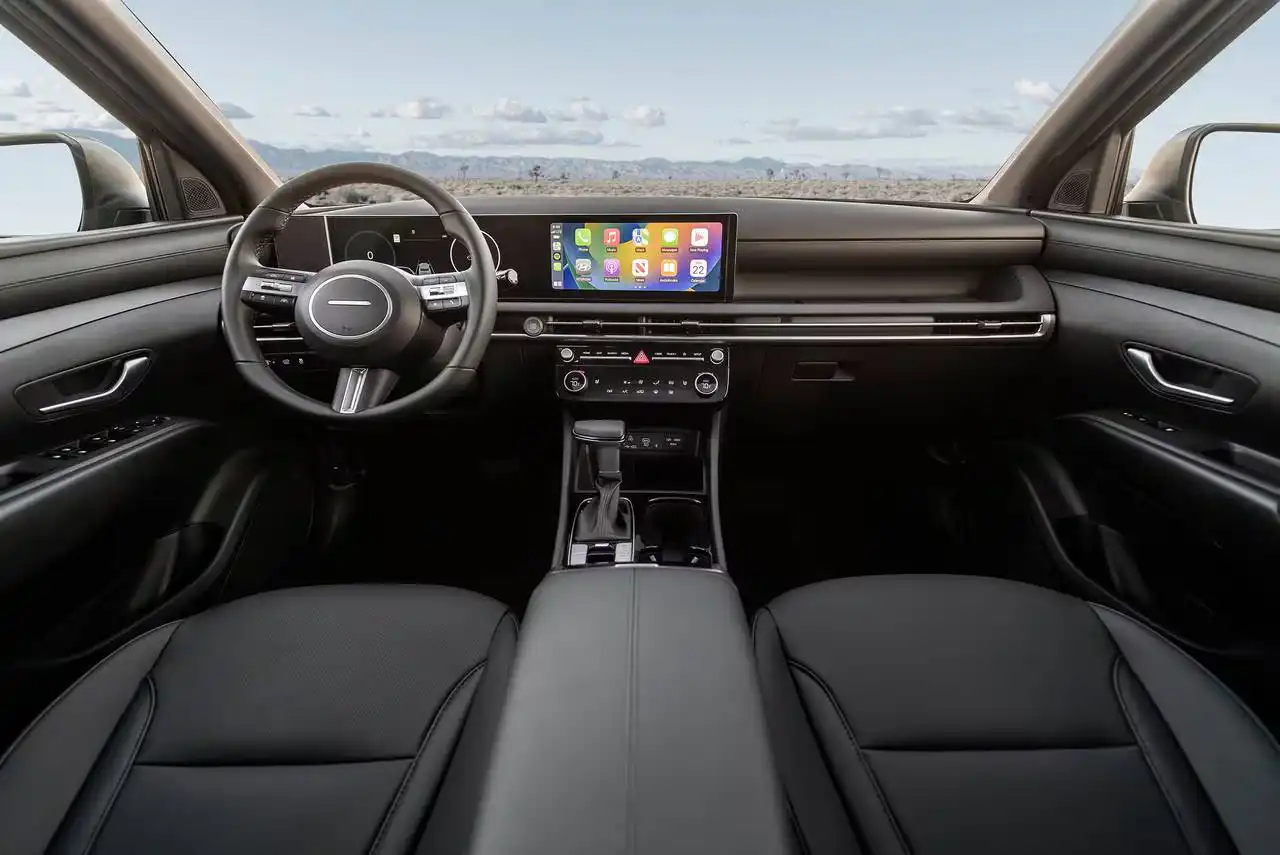
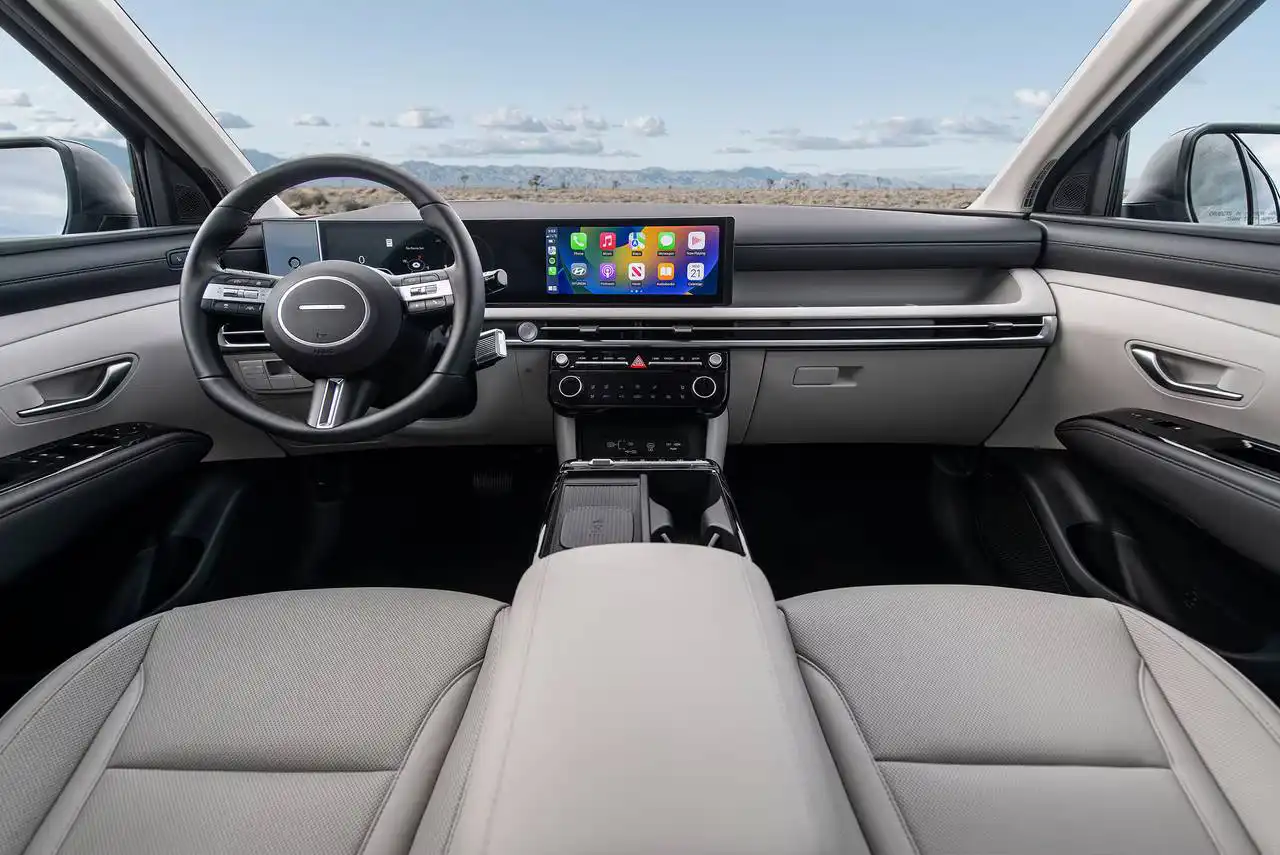
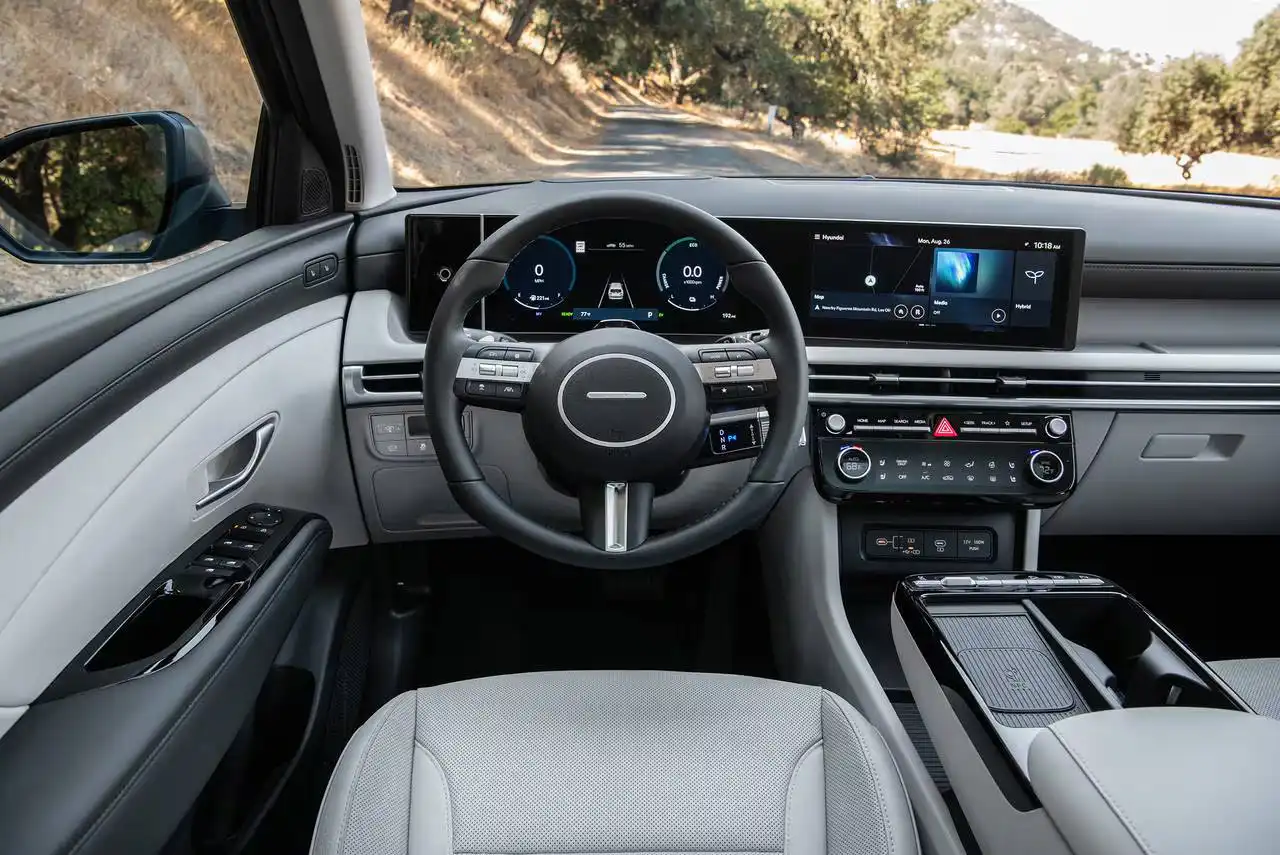
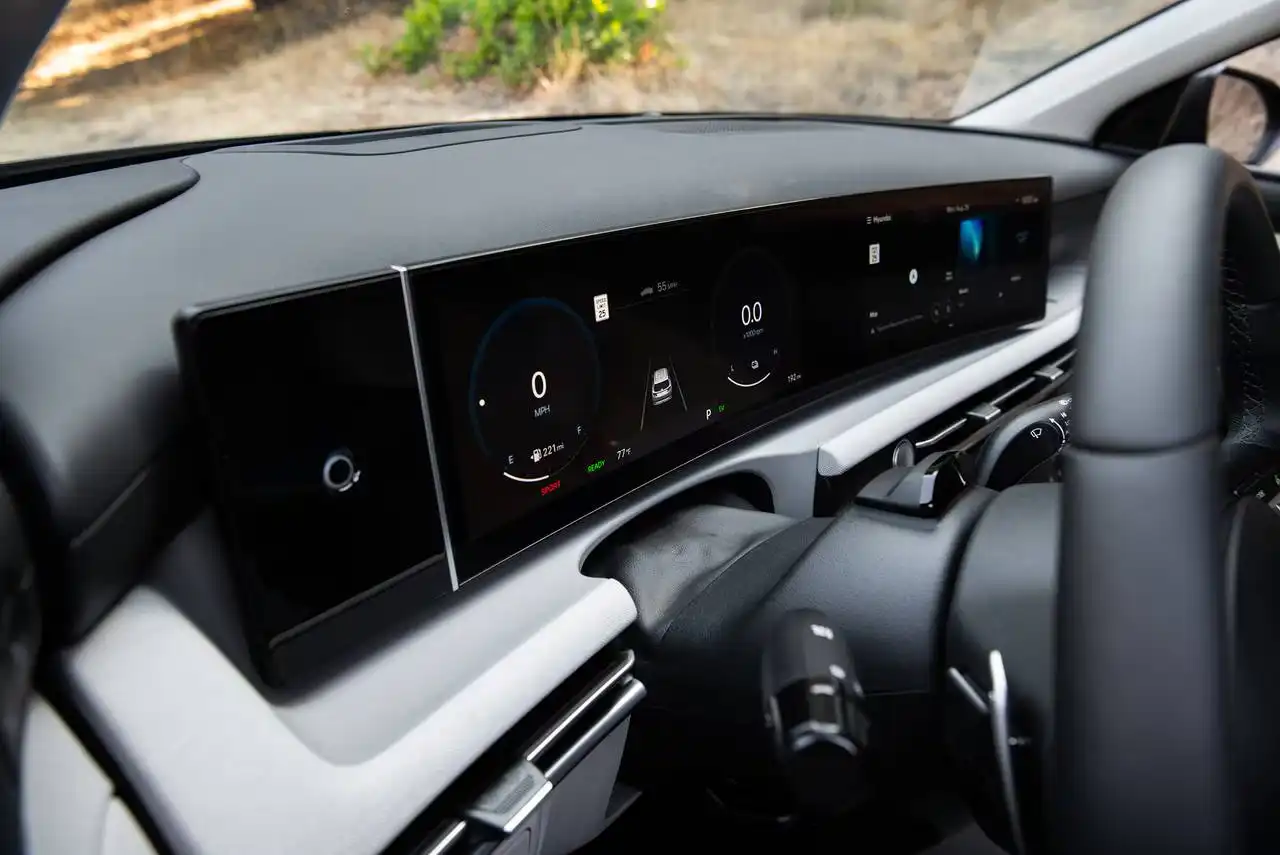
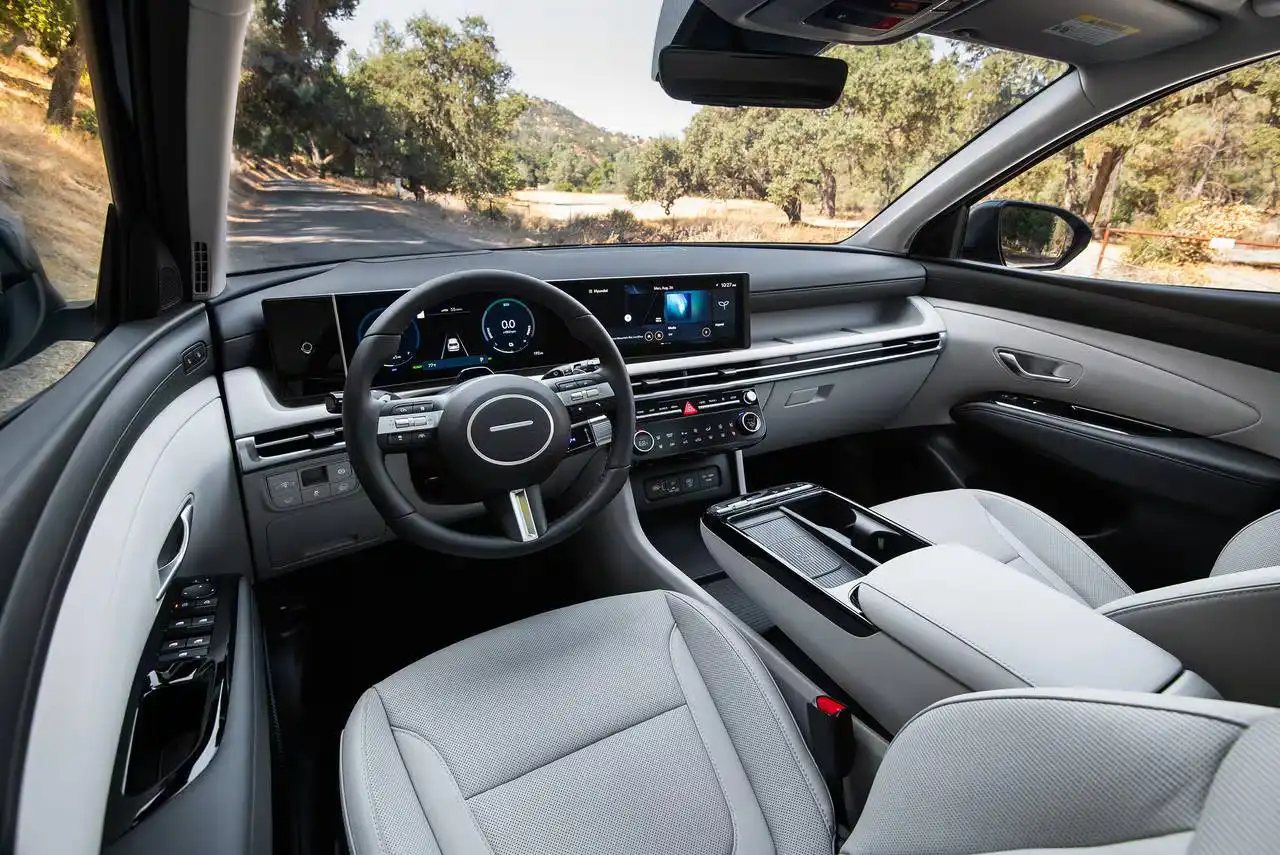
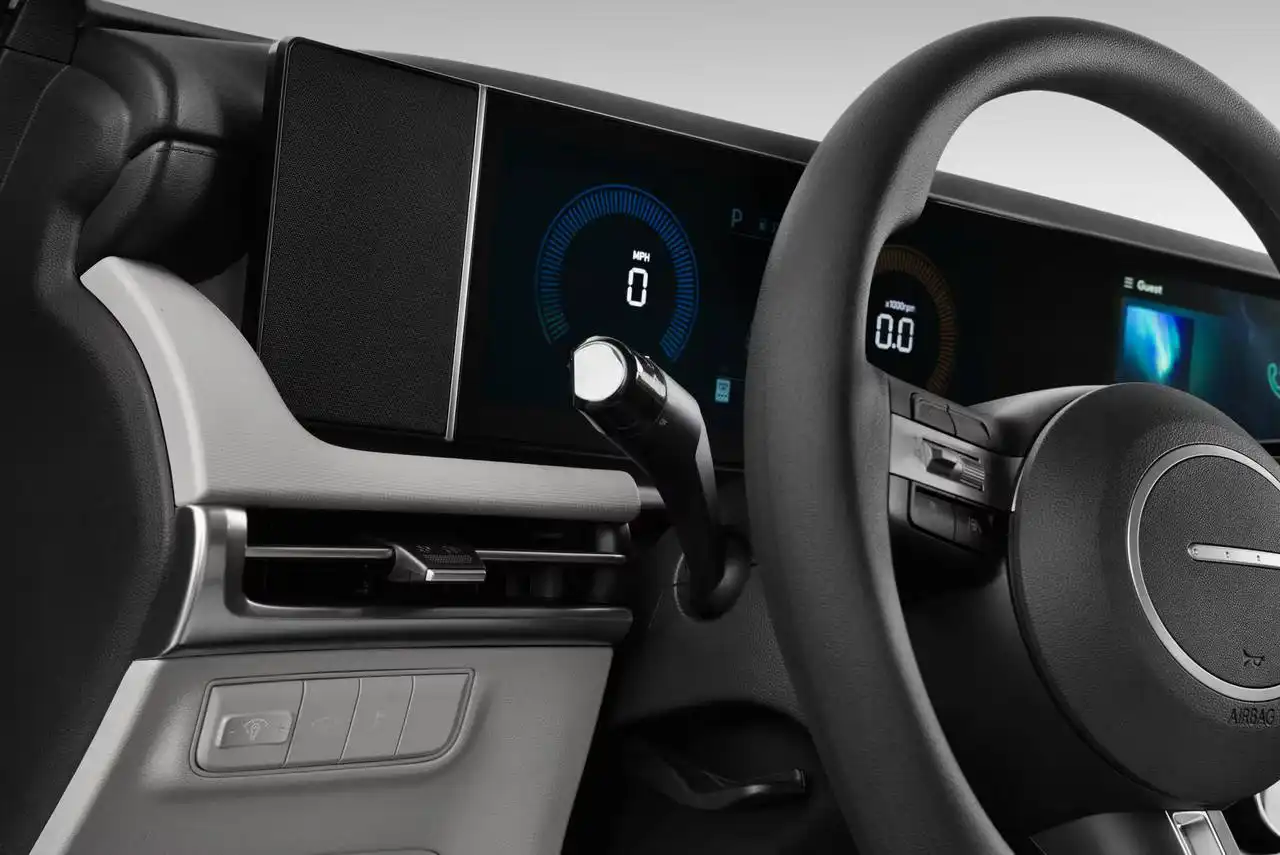
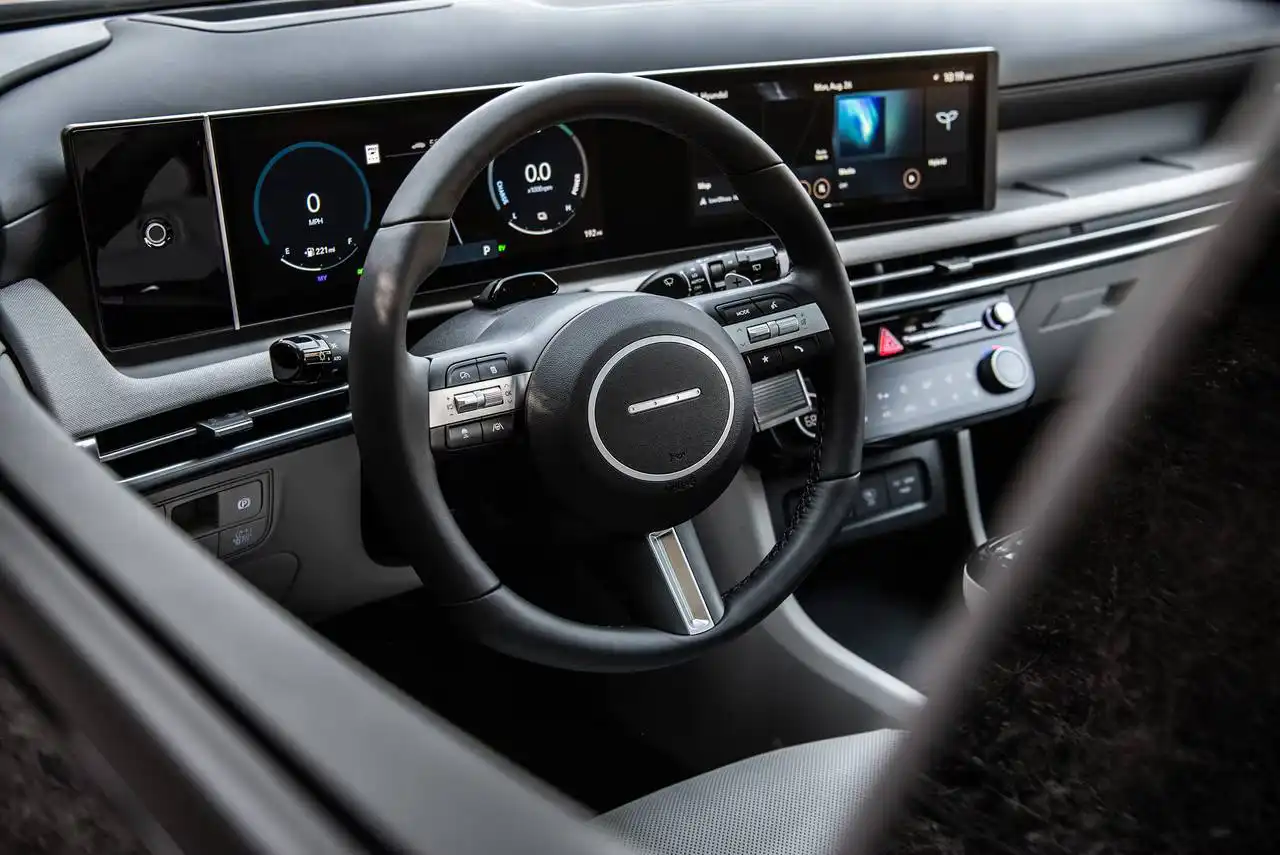
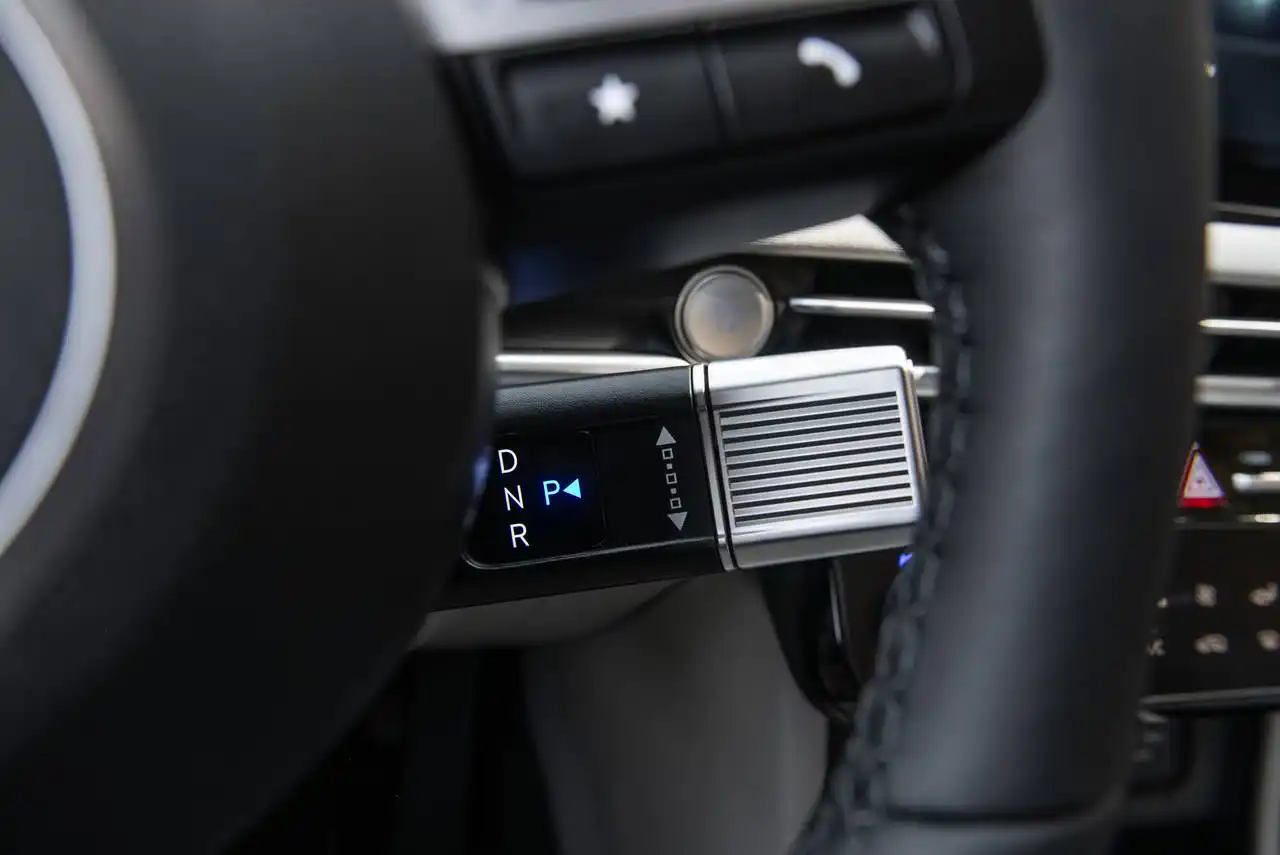
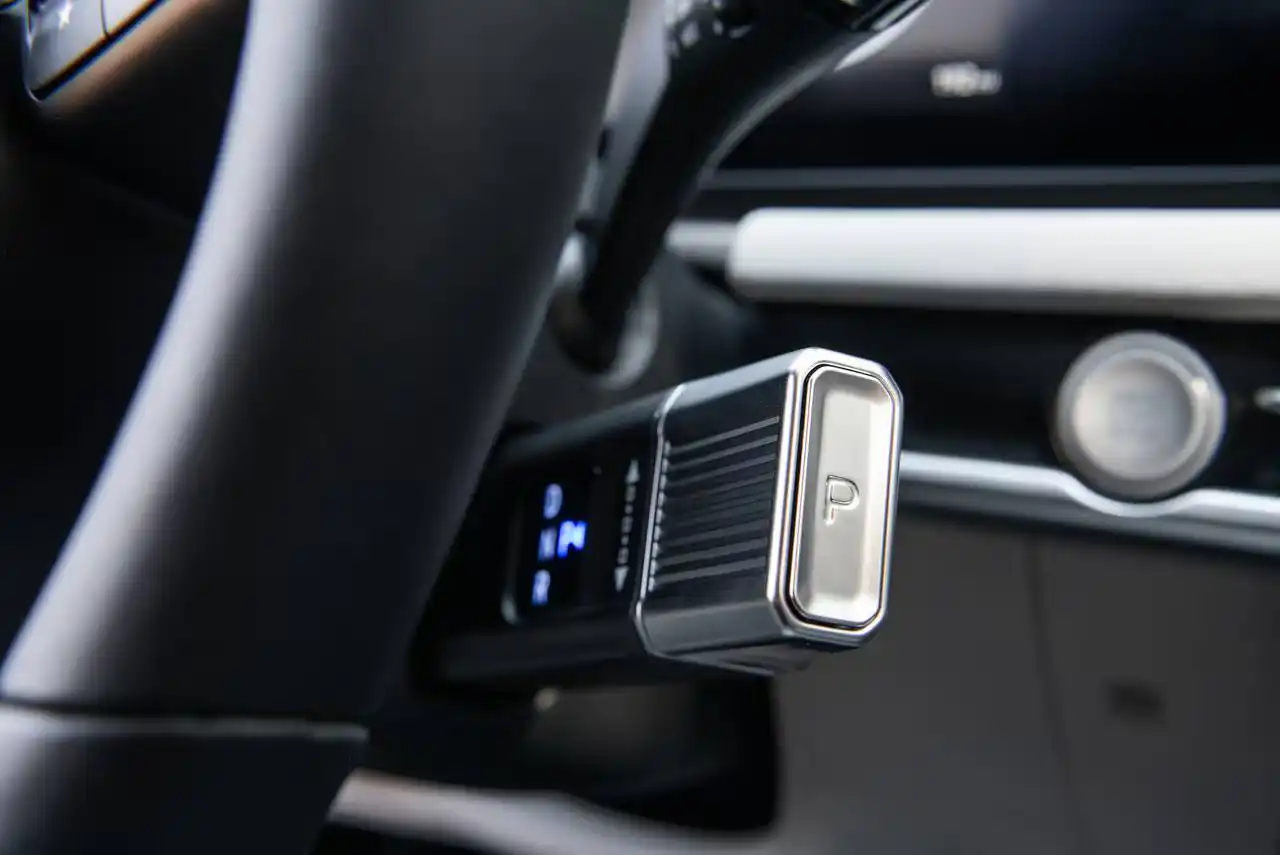
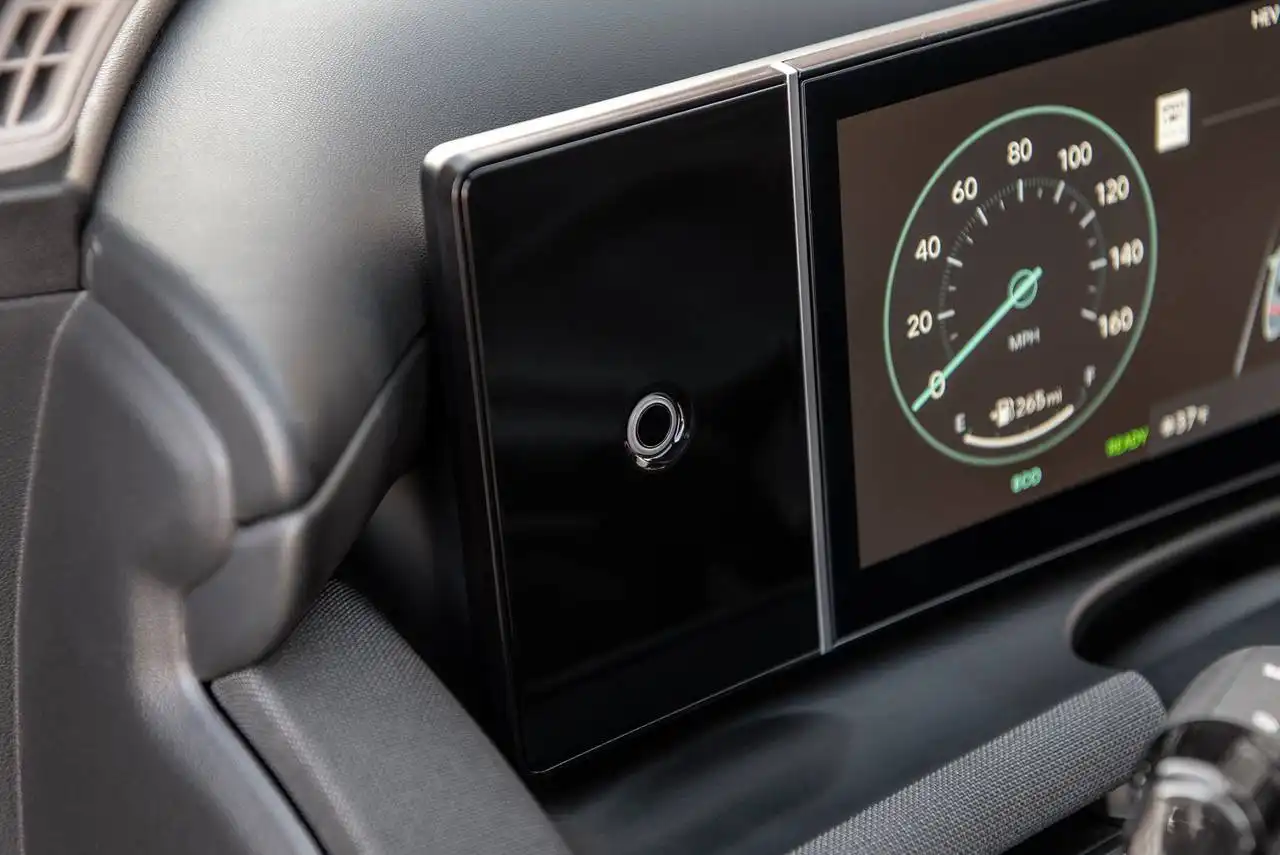
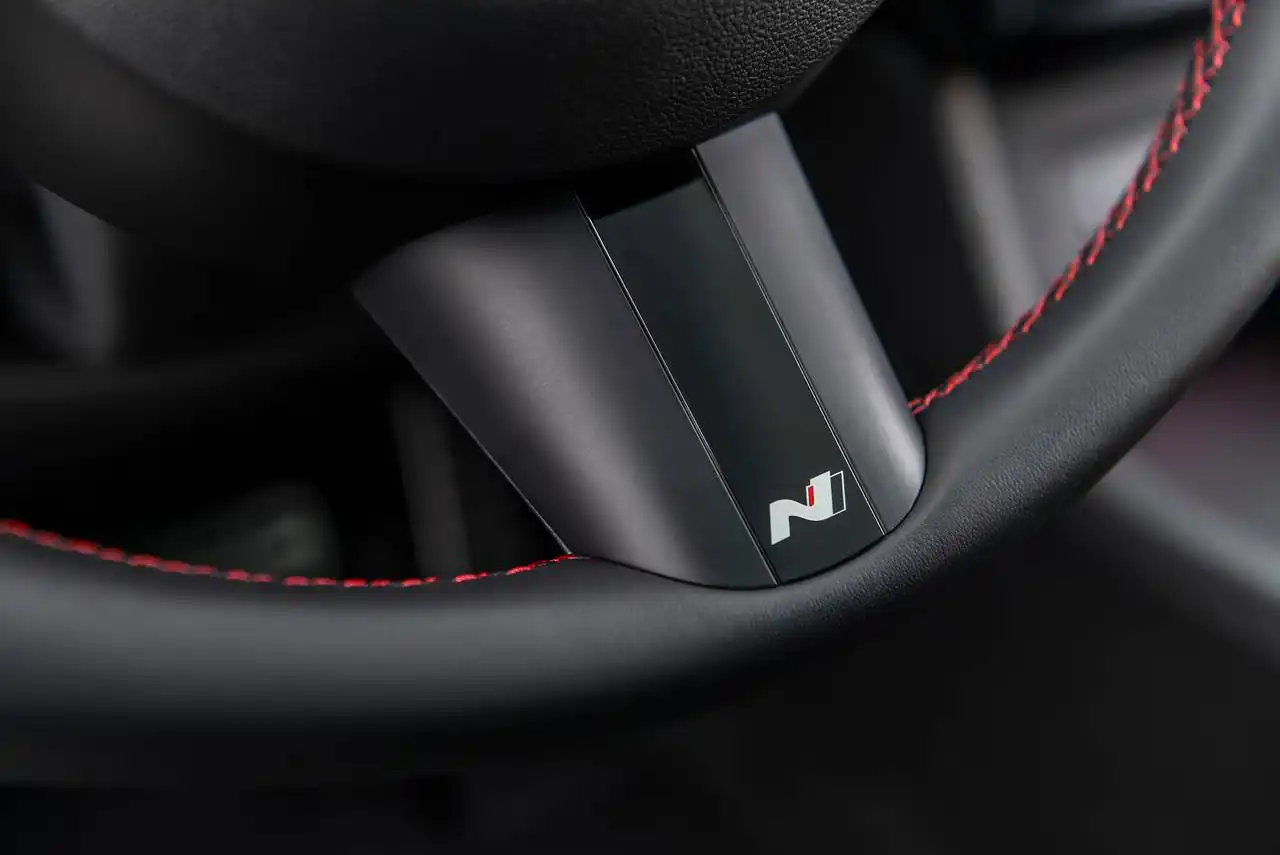
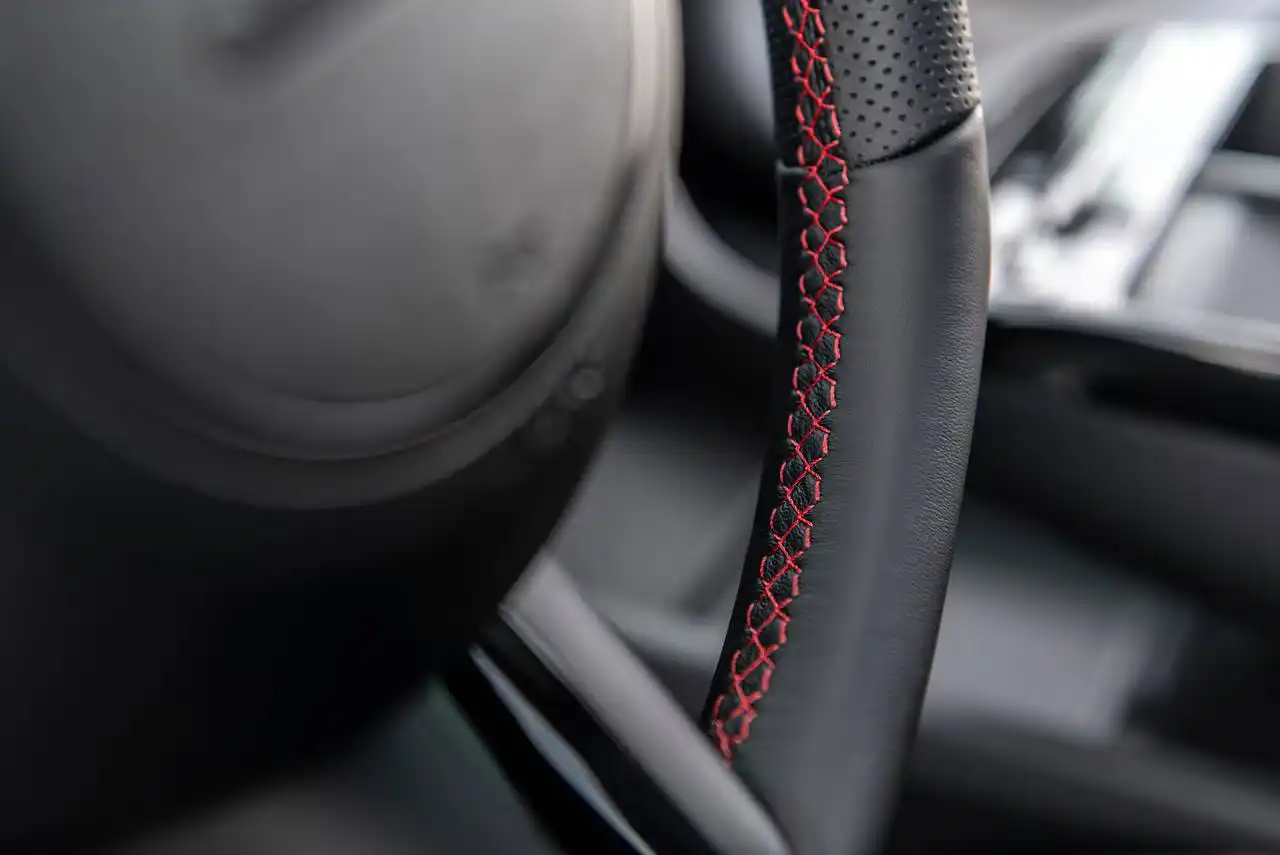
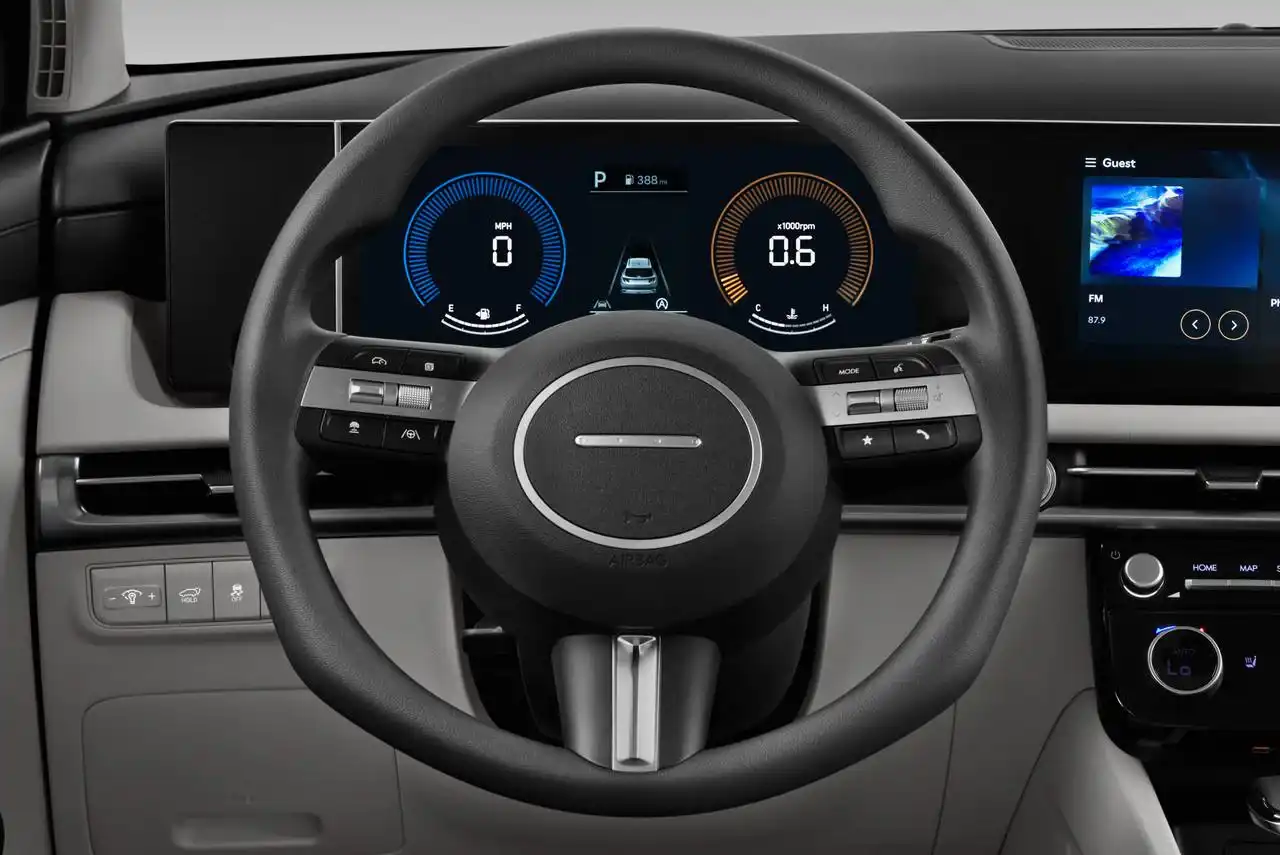
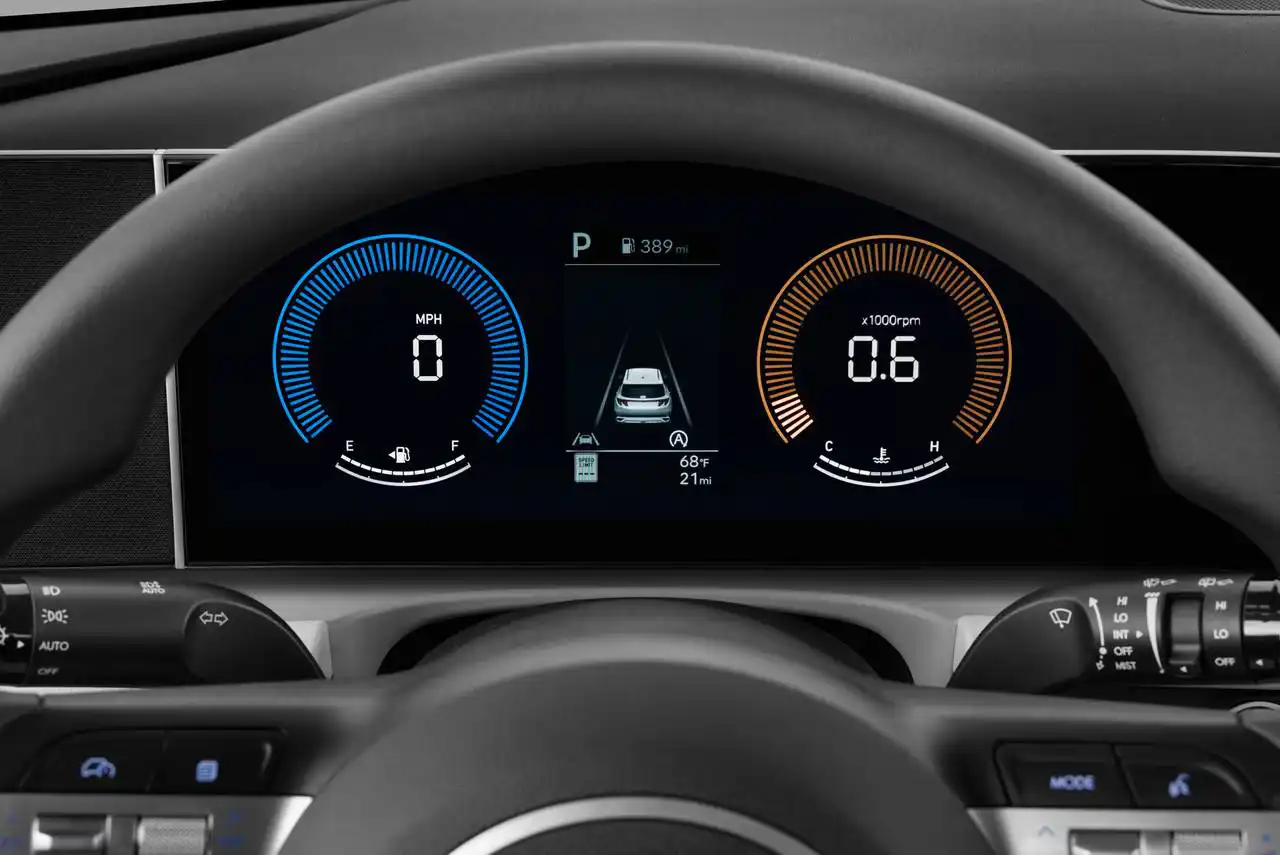
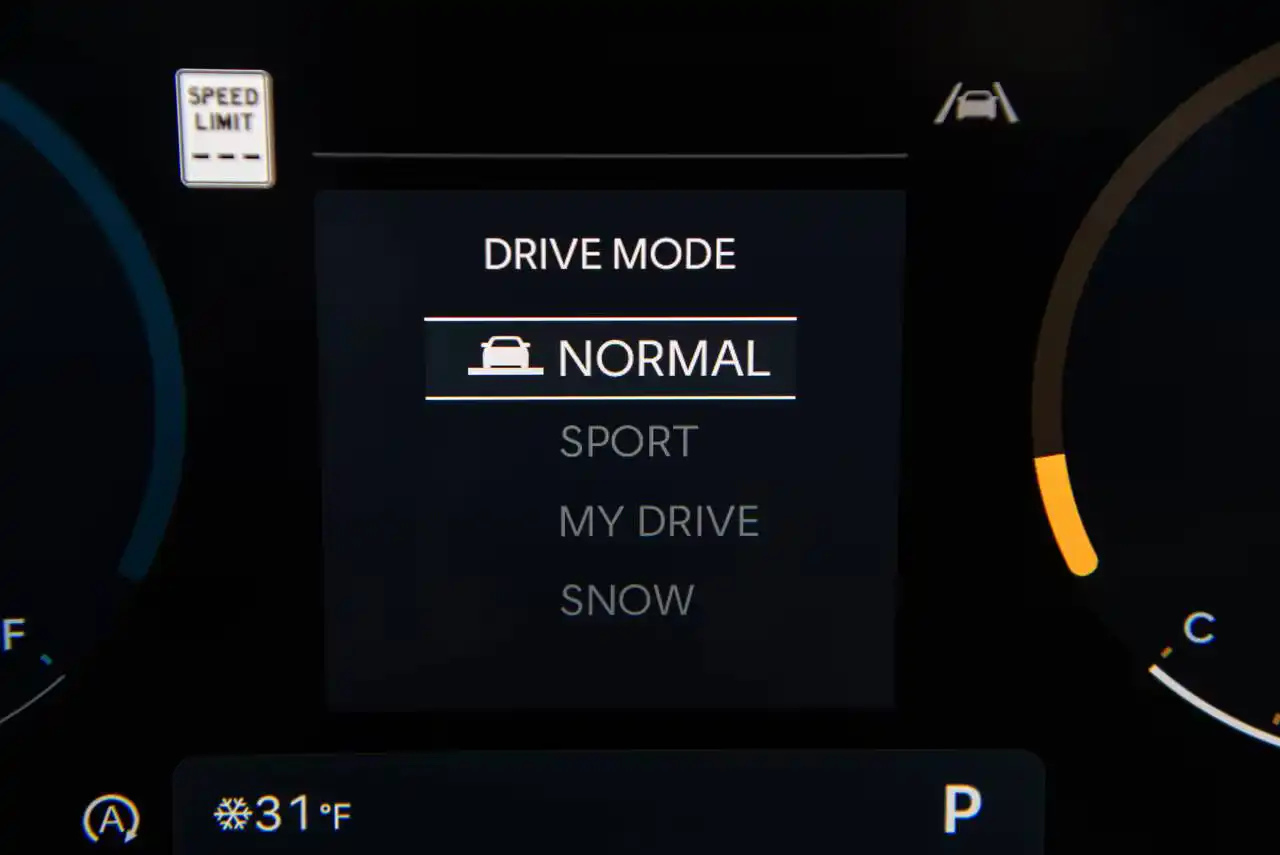
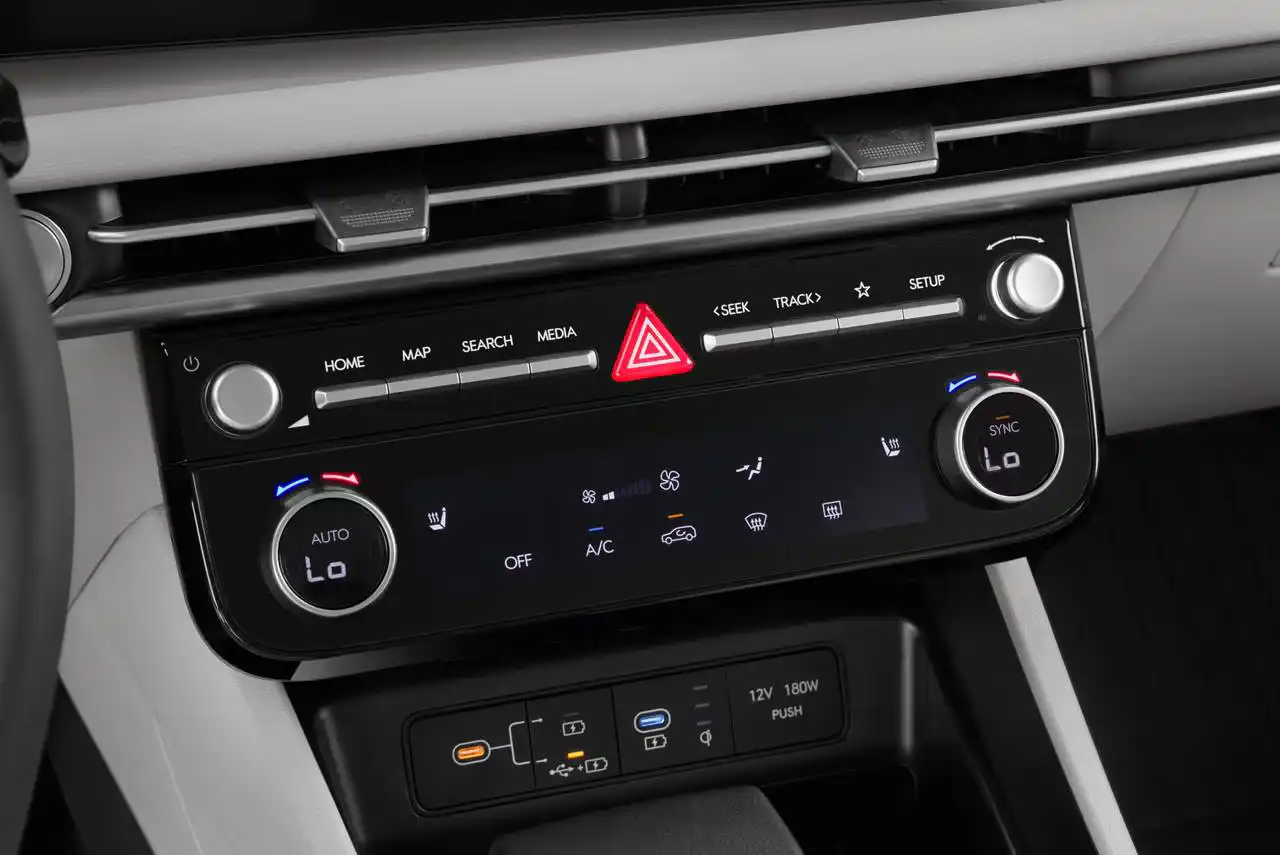
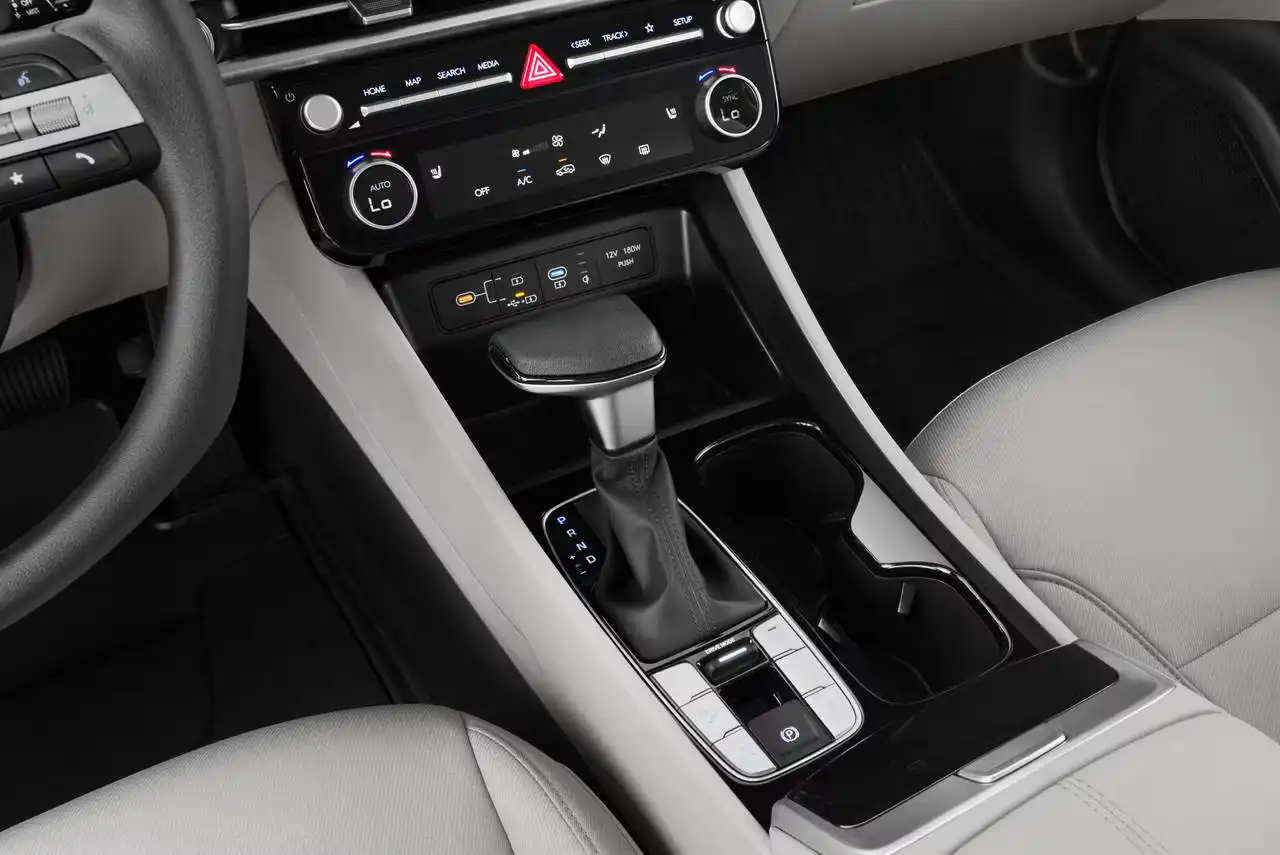
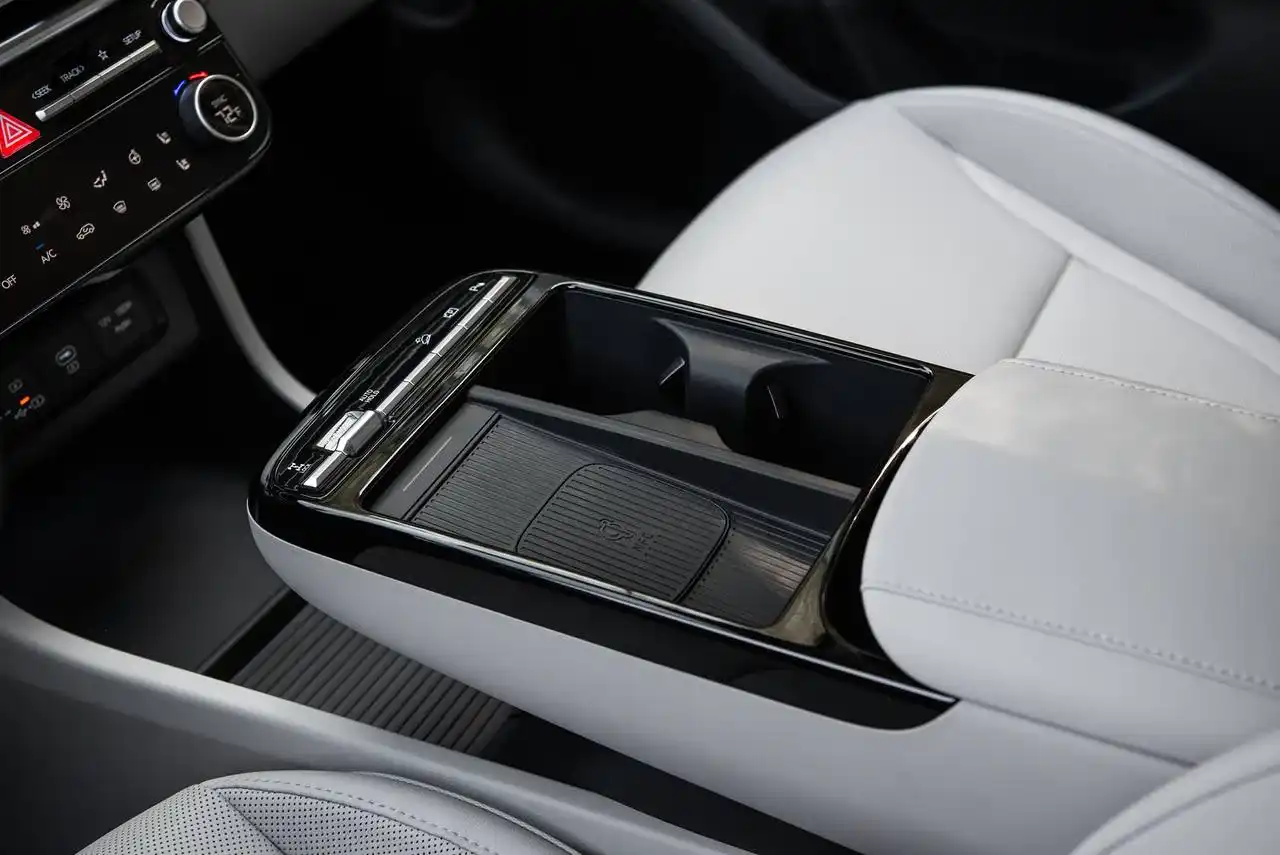
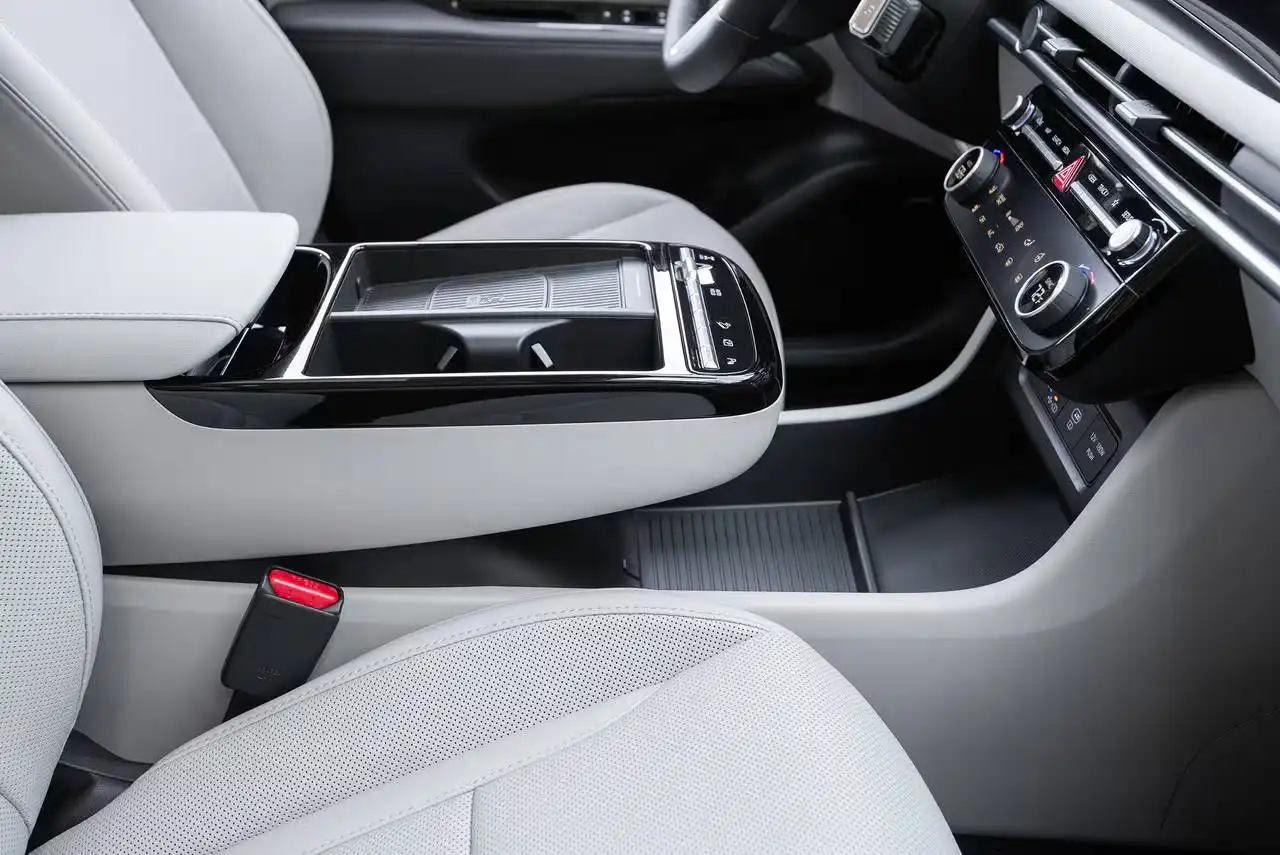
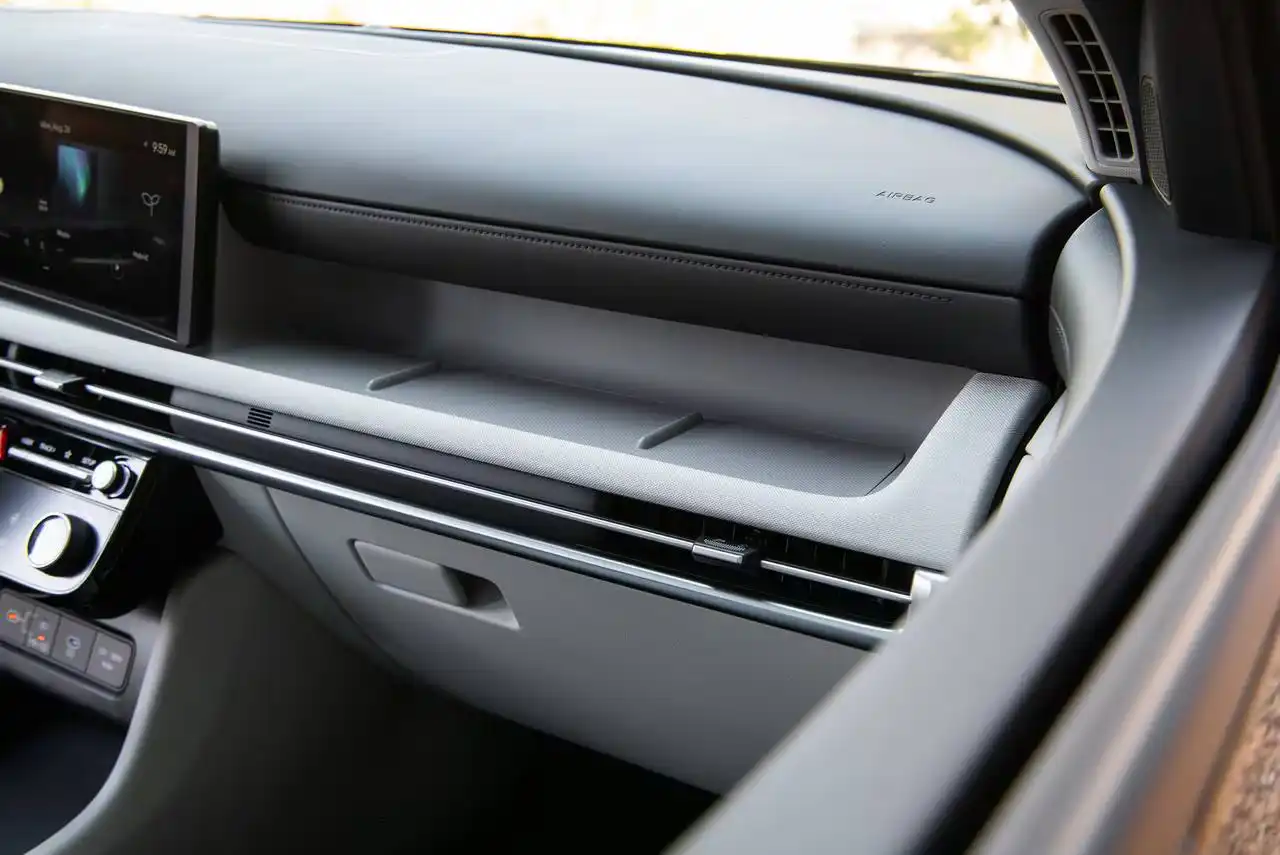
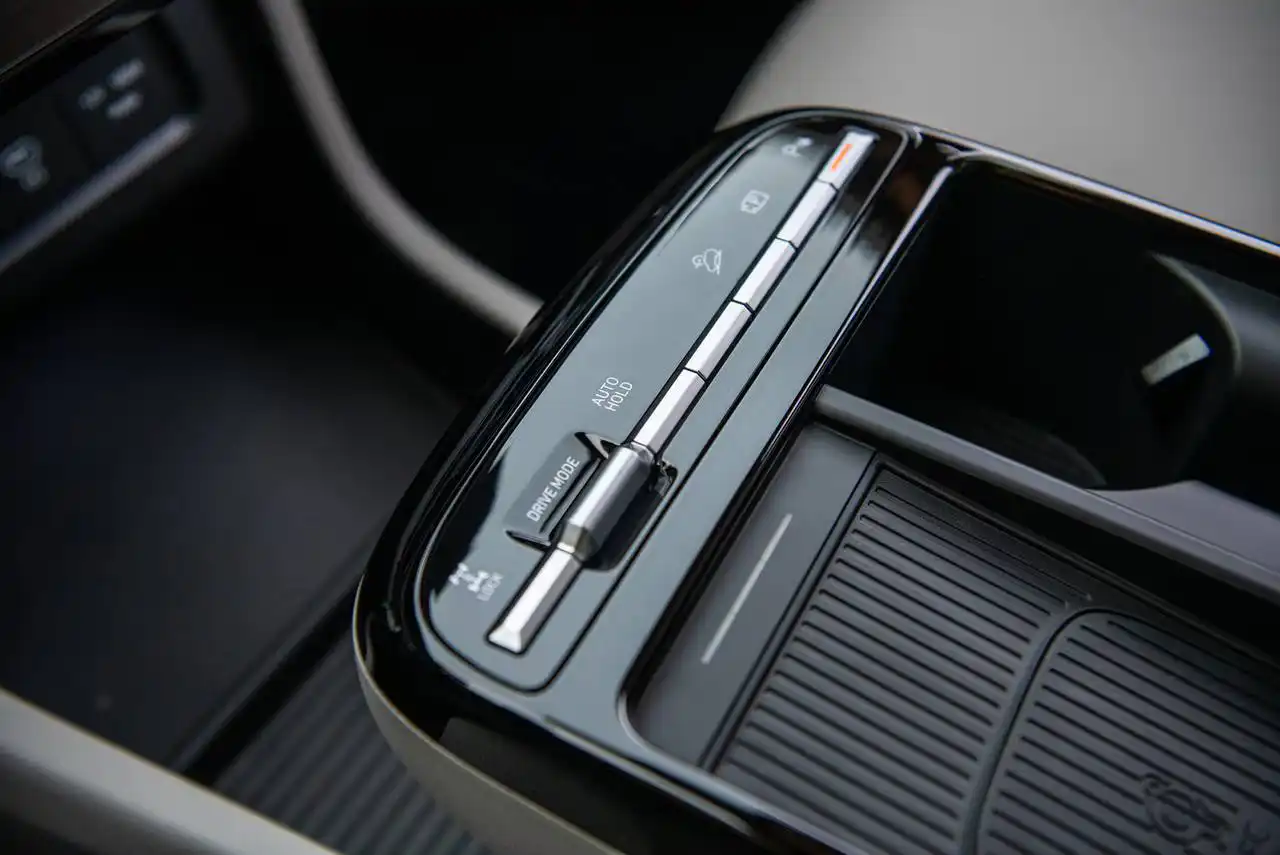
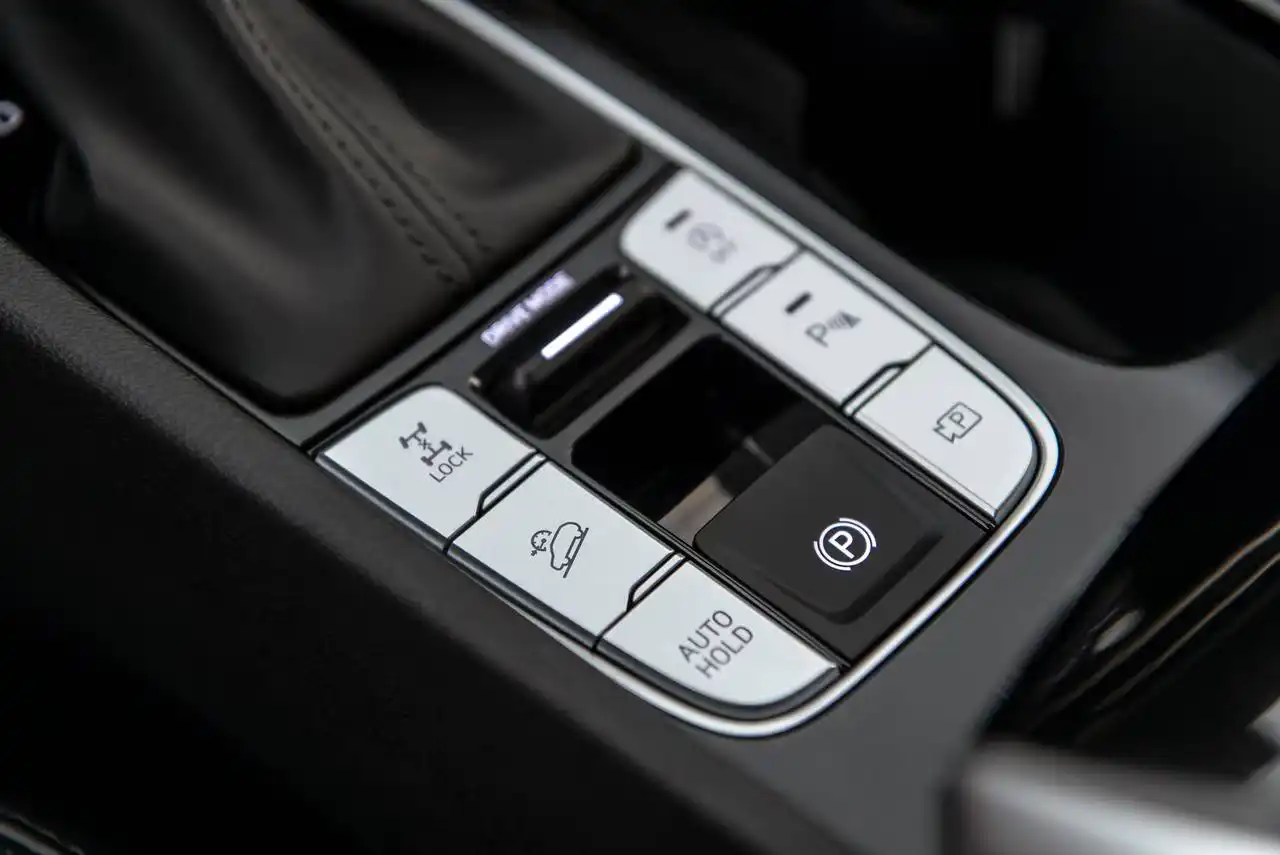
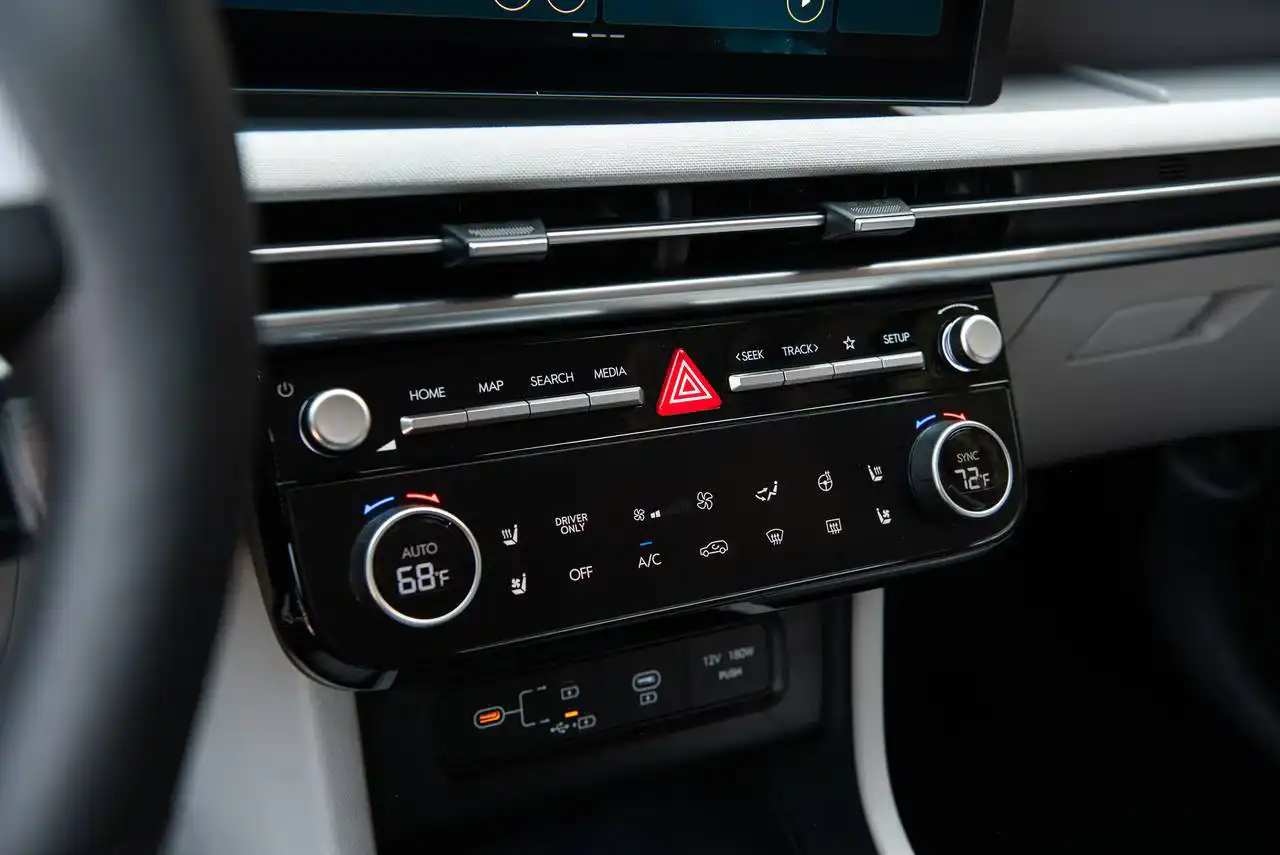
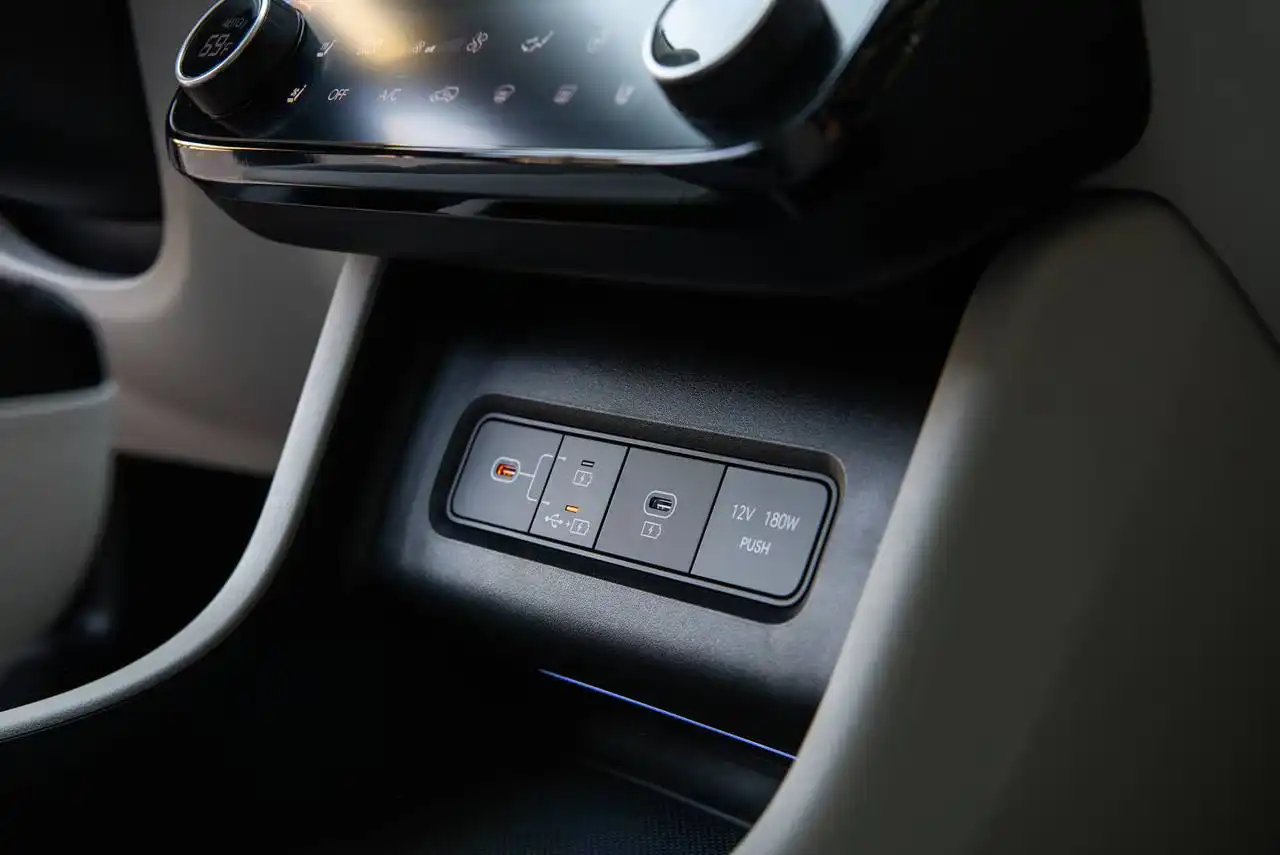
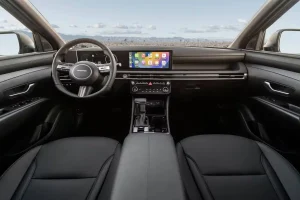
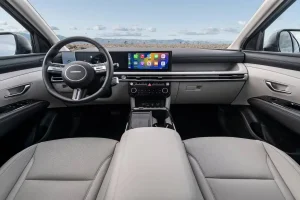
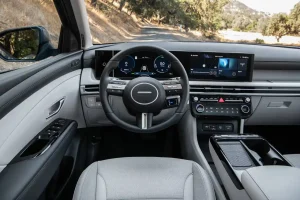
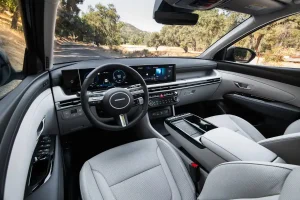
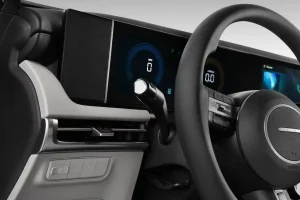
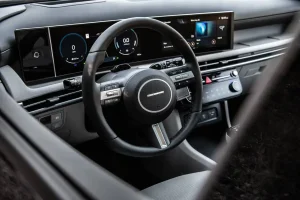
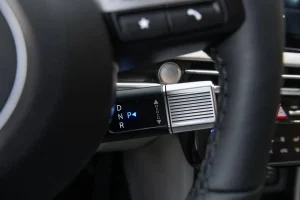
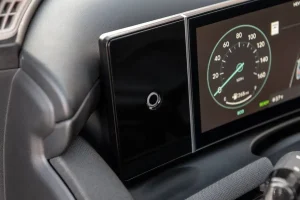
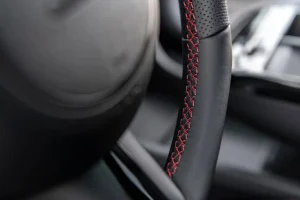
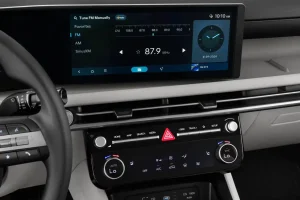
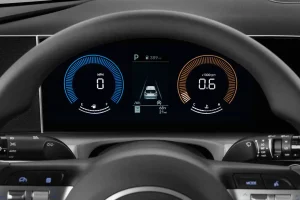
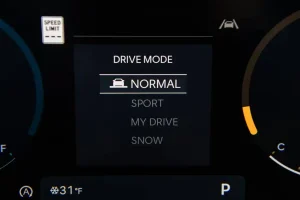
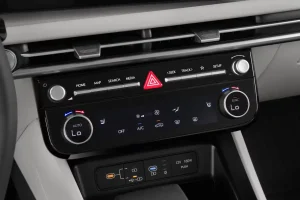
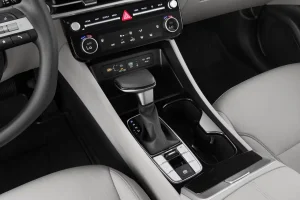
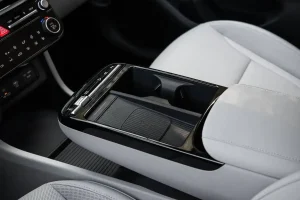
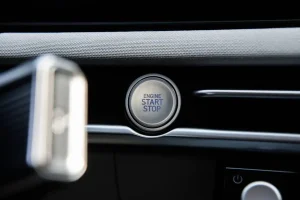
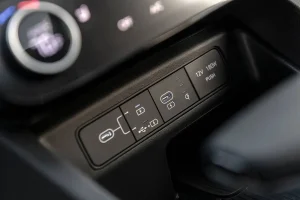
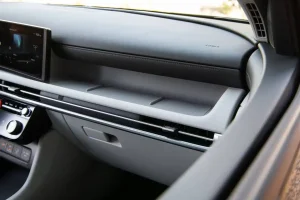
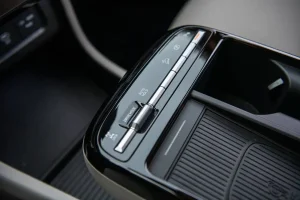
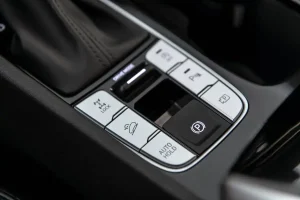
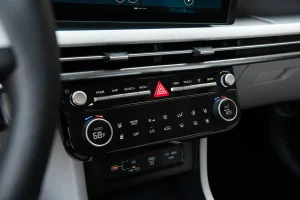
Inside, the 2026 Hyundai Tucson features a clean, contemporary cabin layout highlighted by a digital gauge cluster, a column-mounted shifter, and a dedicated climate-control panel with real physical buttons. Hyundai’s recent success in interior design—seen in models like the Palisade, Sonata, and Elantra—continues here, with the Tucson offering an ergonomically designed space filled with quality materials and upscale touches.
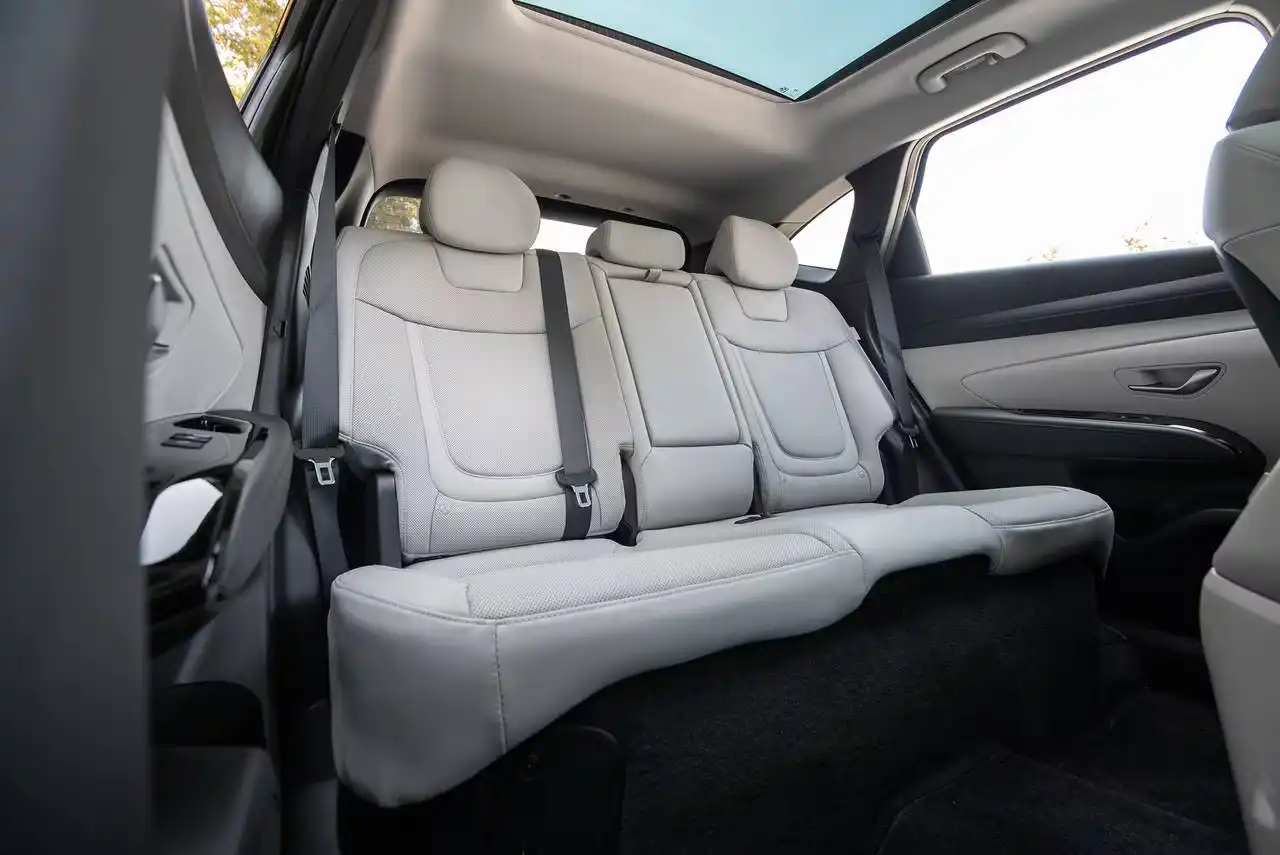
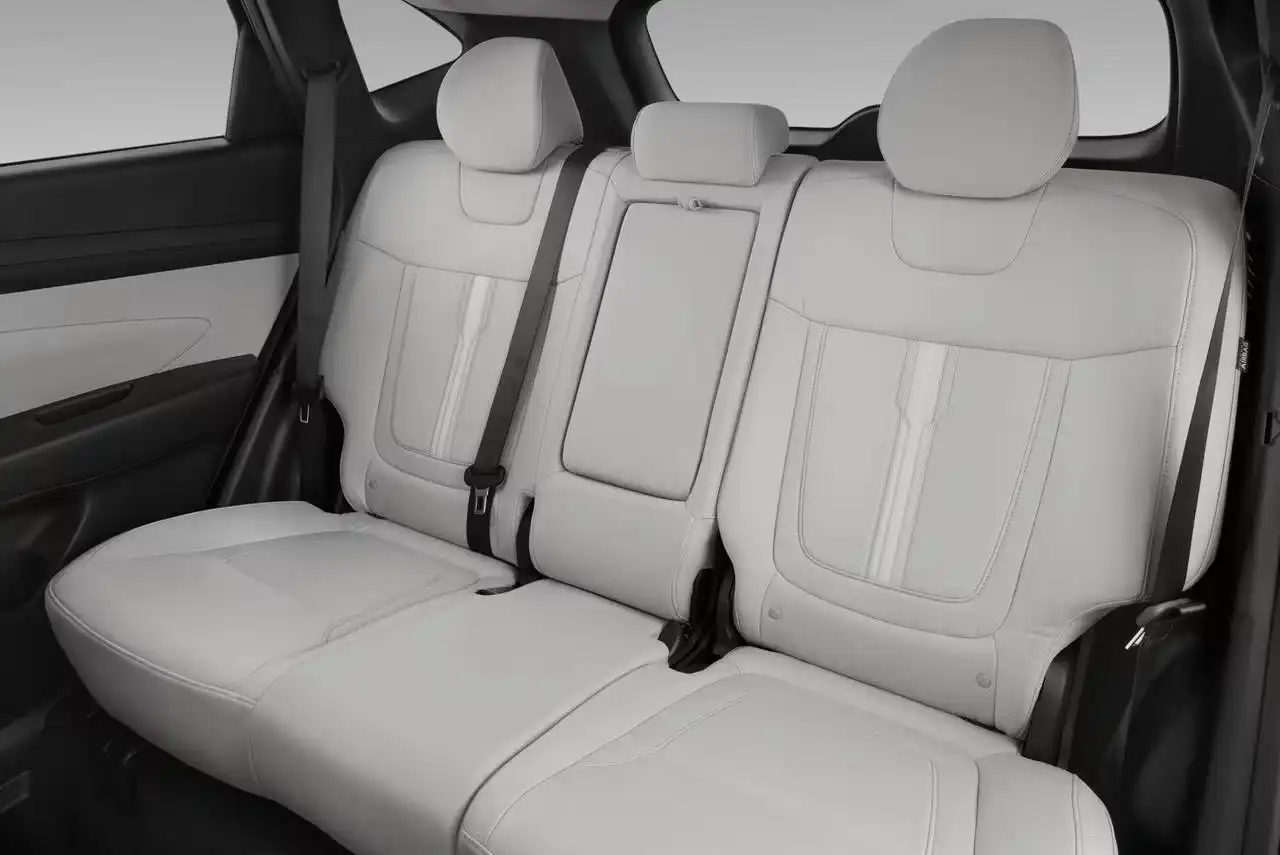
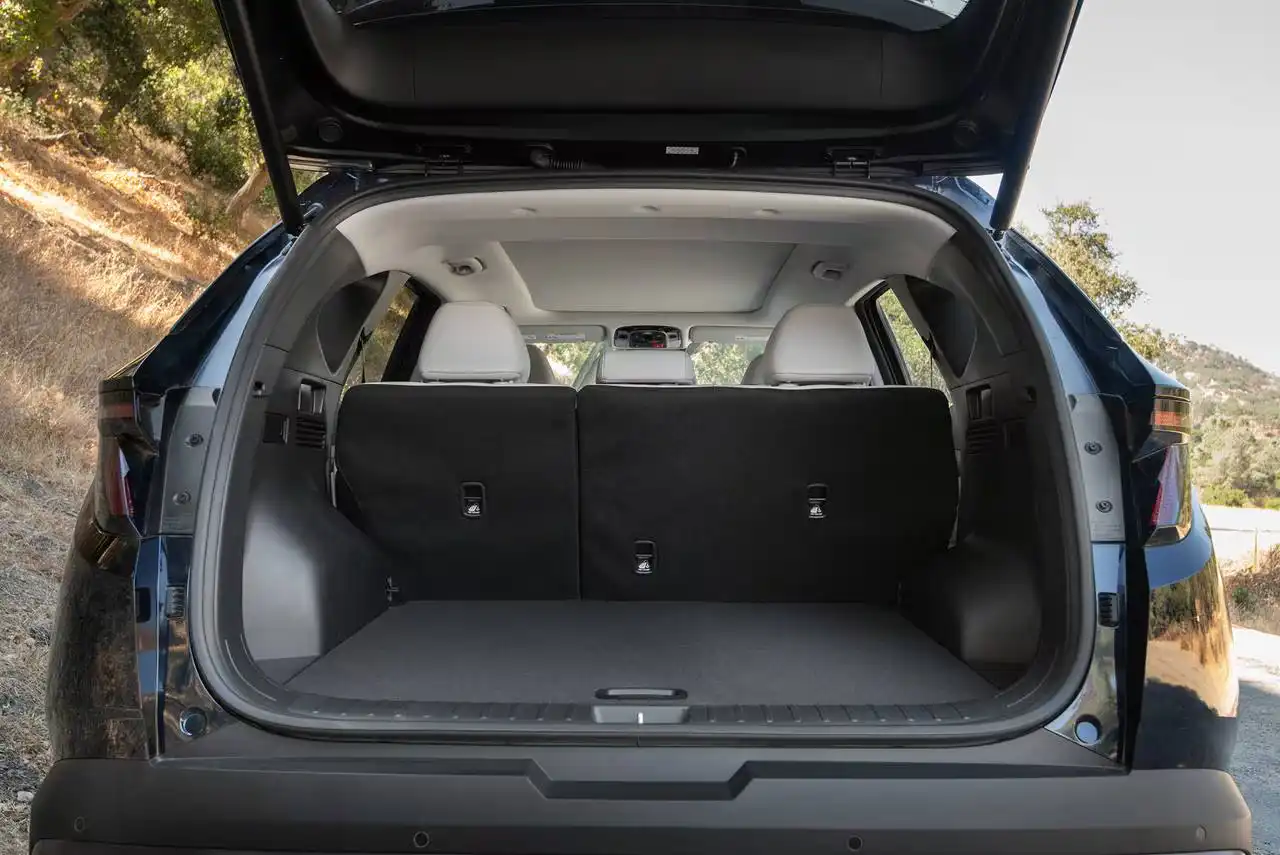
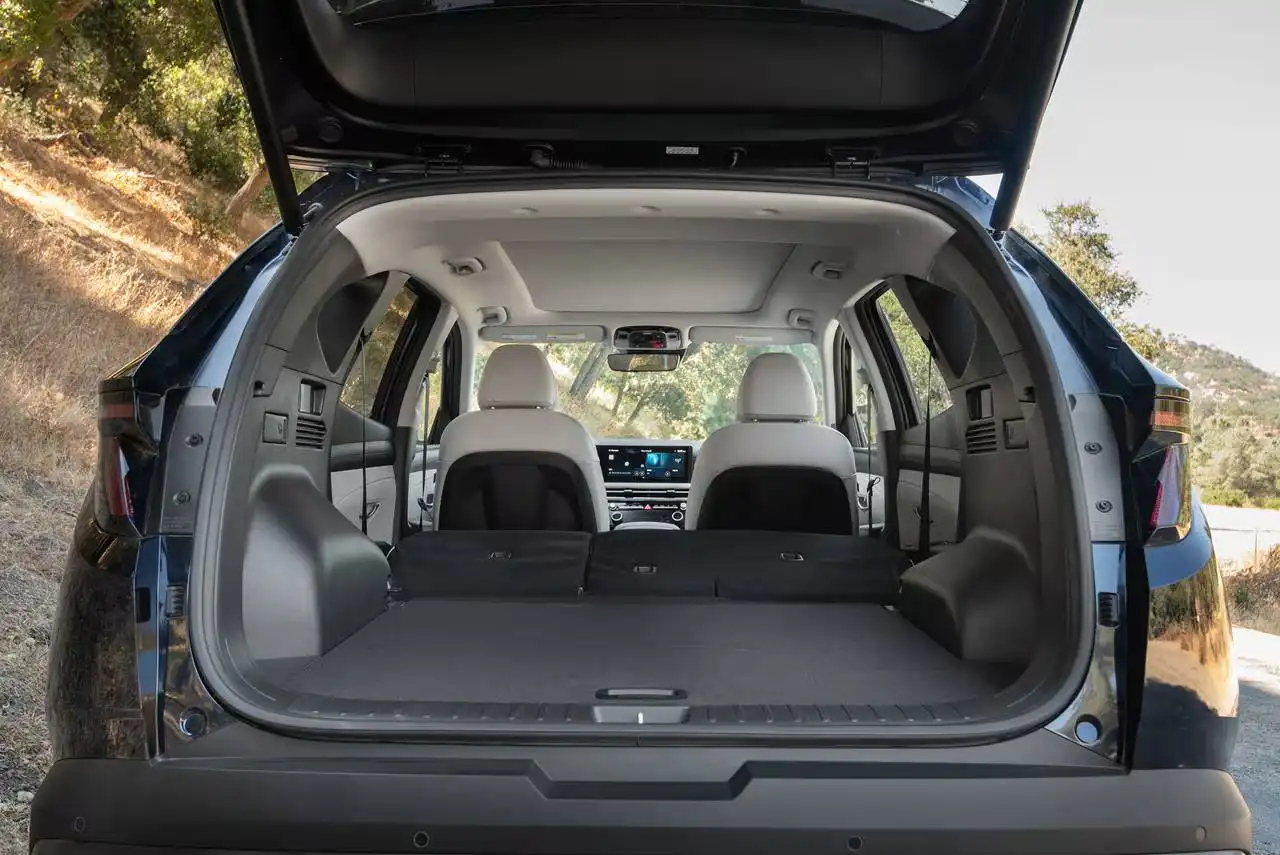
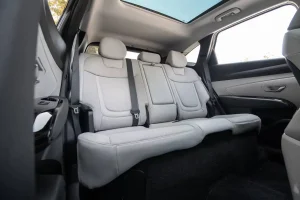
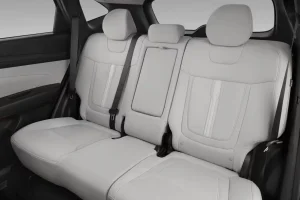
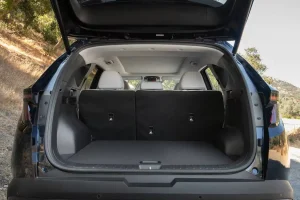
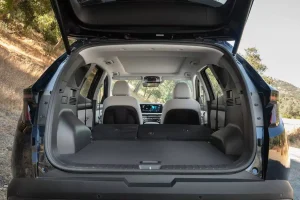
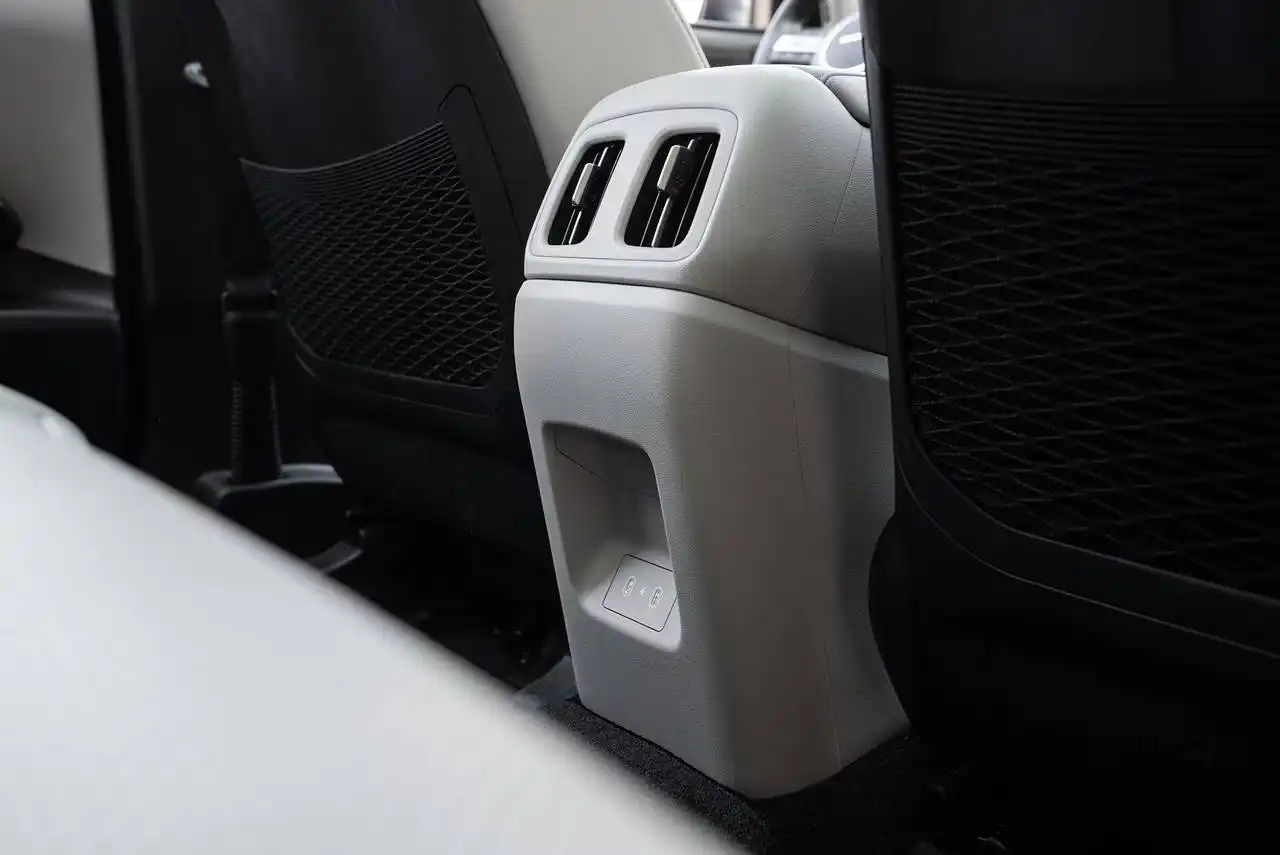
Passenger comfort is a standout, thanks to a roomy rear seat and one of the segment’s more generous cargo areas. In our testing, the Tucson accommodated nine carry-on suitcases behind the rear seats and expanded to 22 bags with the second row folded flat, making it more practical than many of its compact SUV competitors.

Infotainment and Connectivity
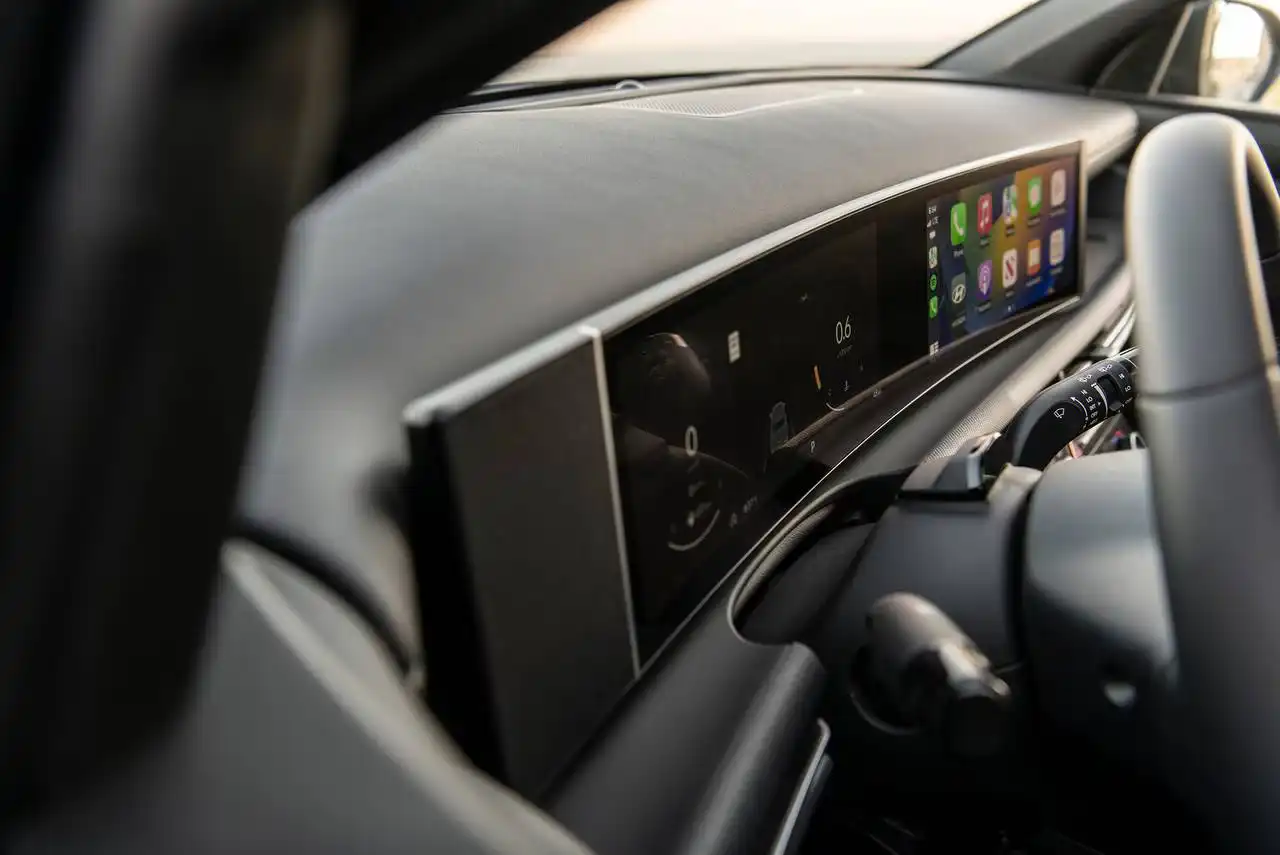
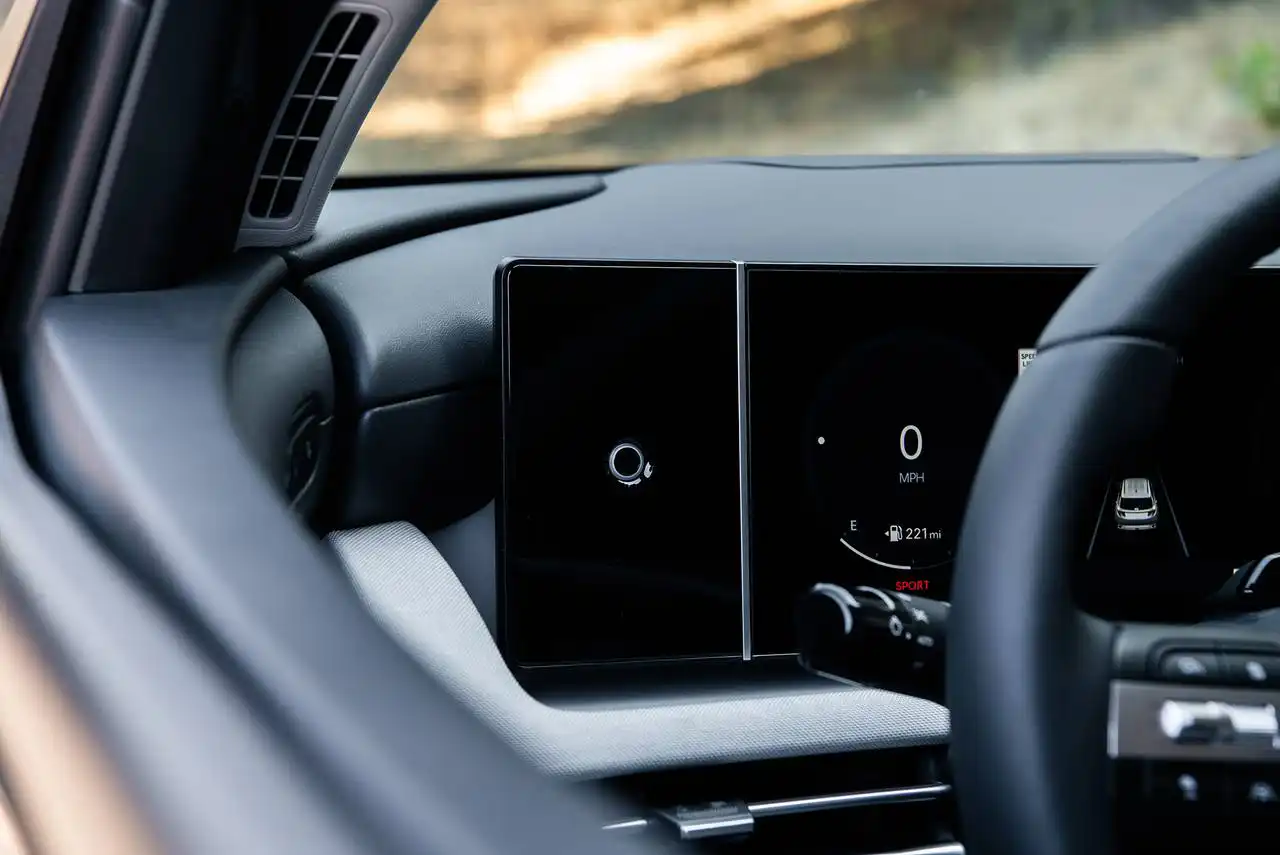
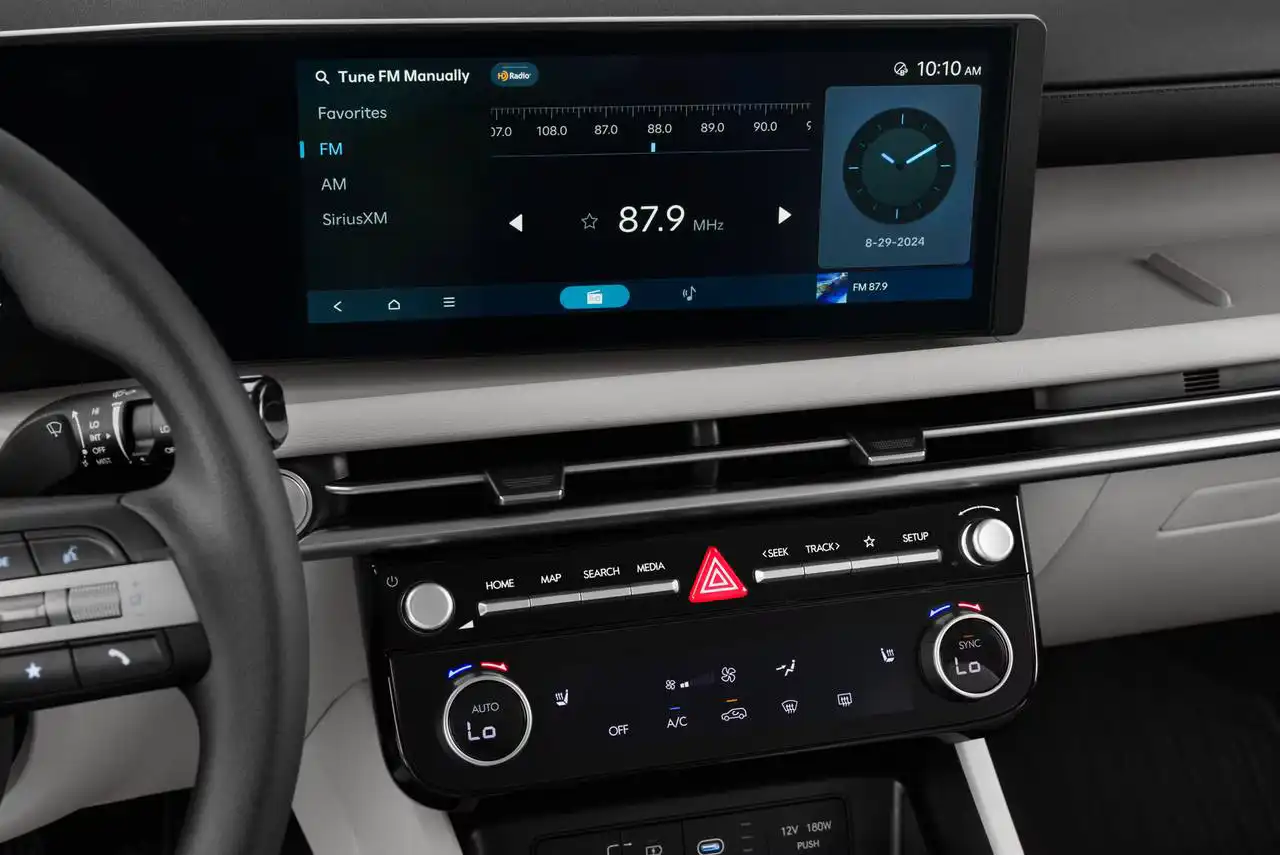
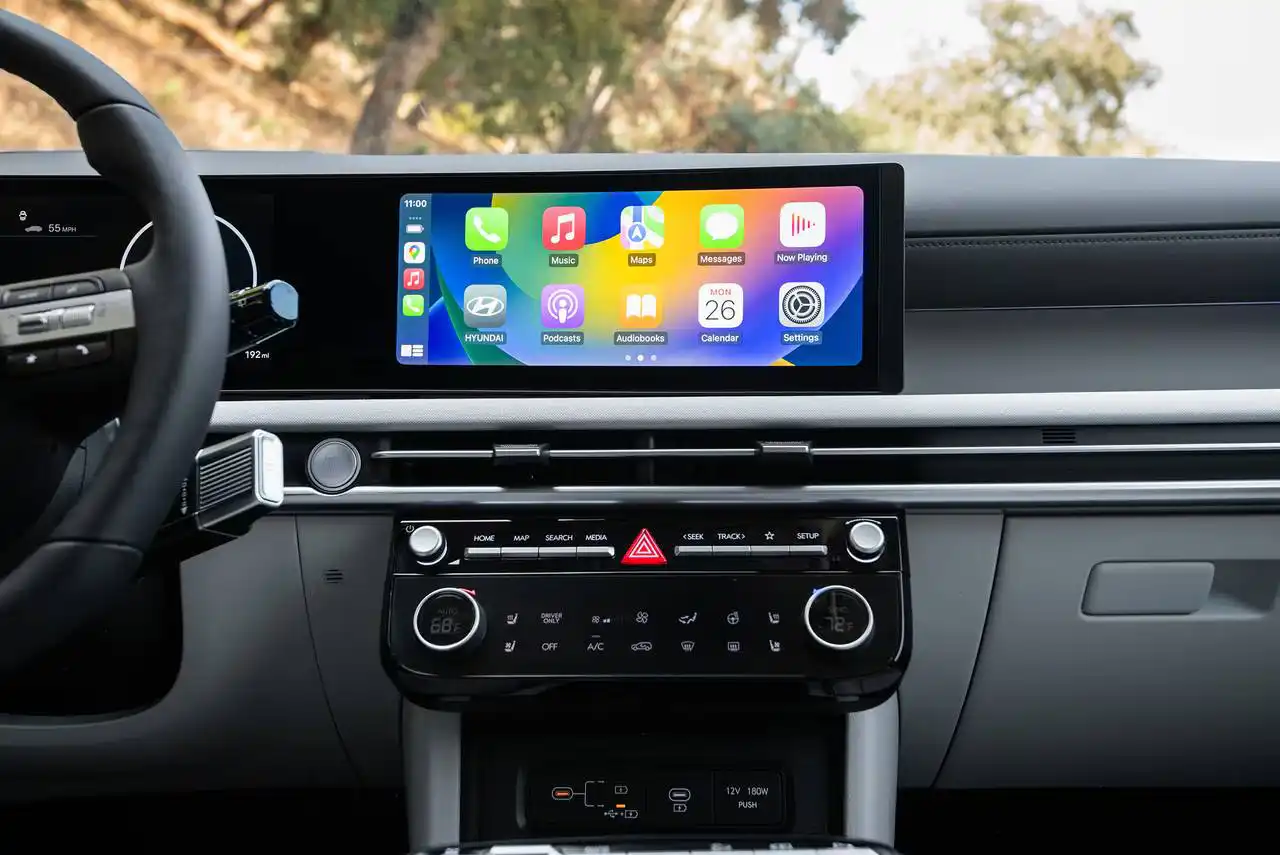
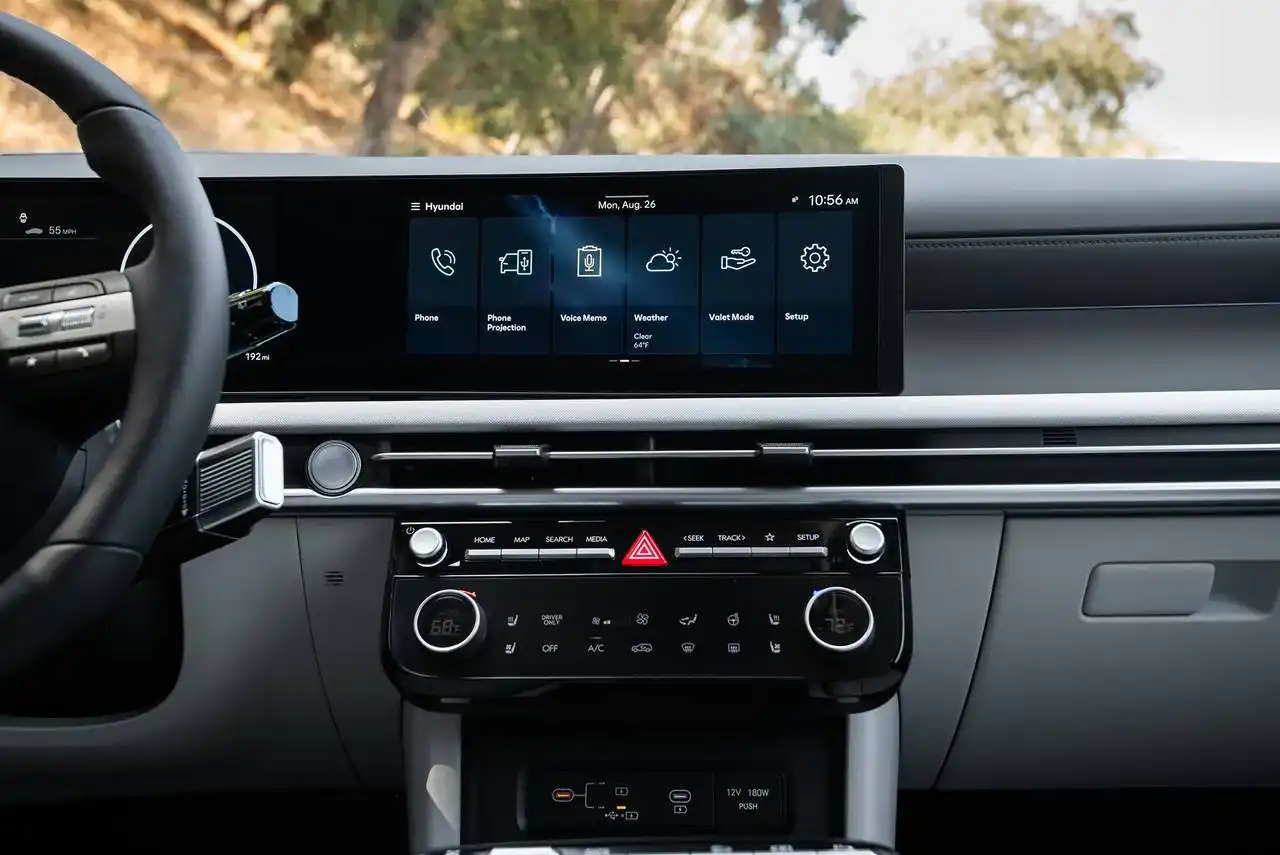
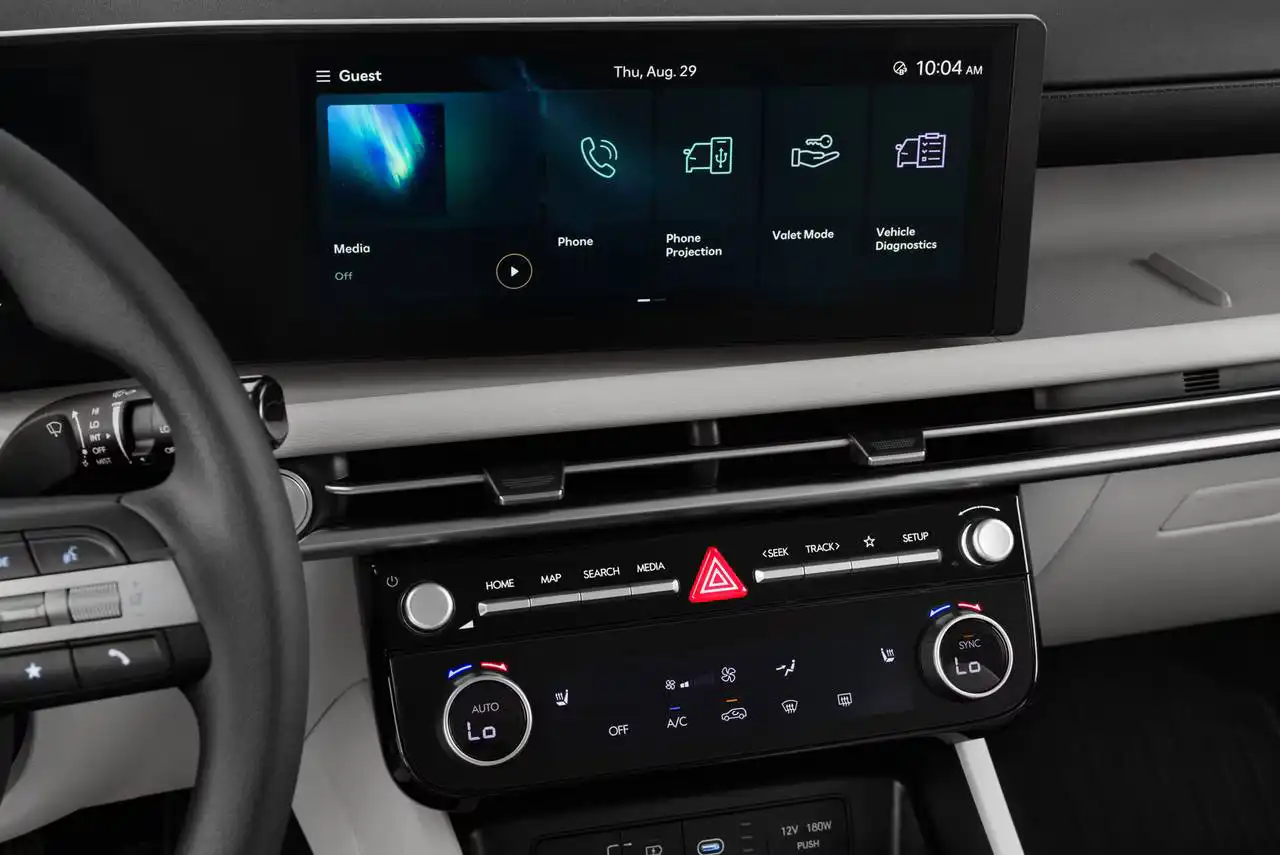
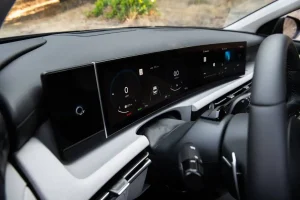
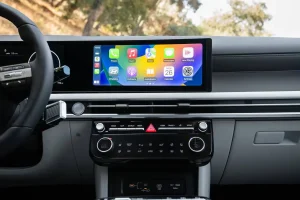
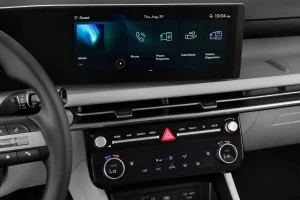
A standard 12.3-inch infotainment display anchors the 2026 Hyundai Tucson tech suite, but buyers can opt for a wider, more dramatic setup that merges two digital screens into one seamless panel spanning much of the dashboard. One screen serves as the fully digital instrument cluster, while the other controls navigation, audio, settings, and other key functions.
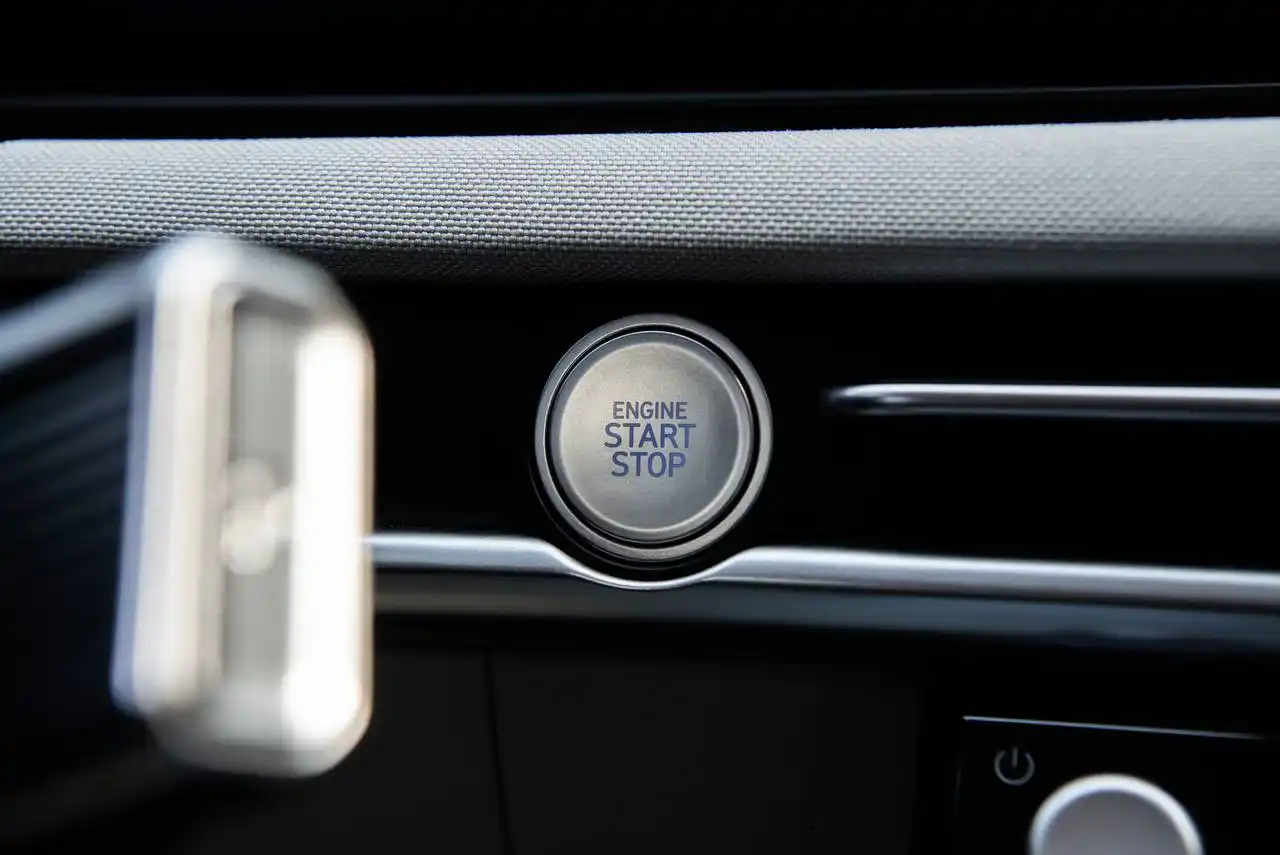
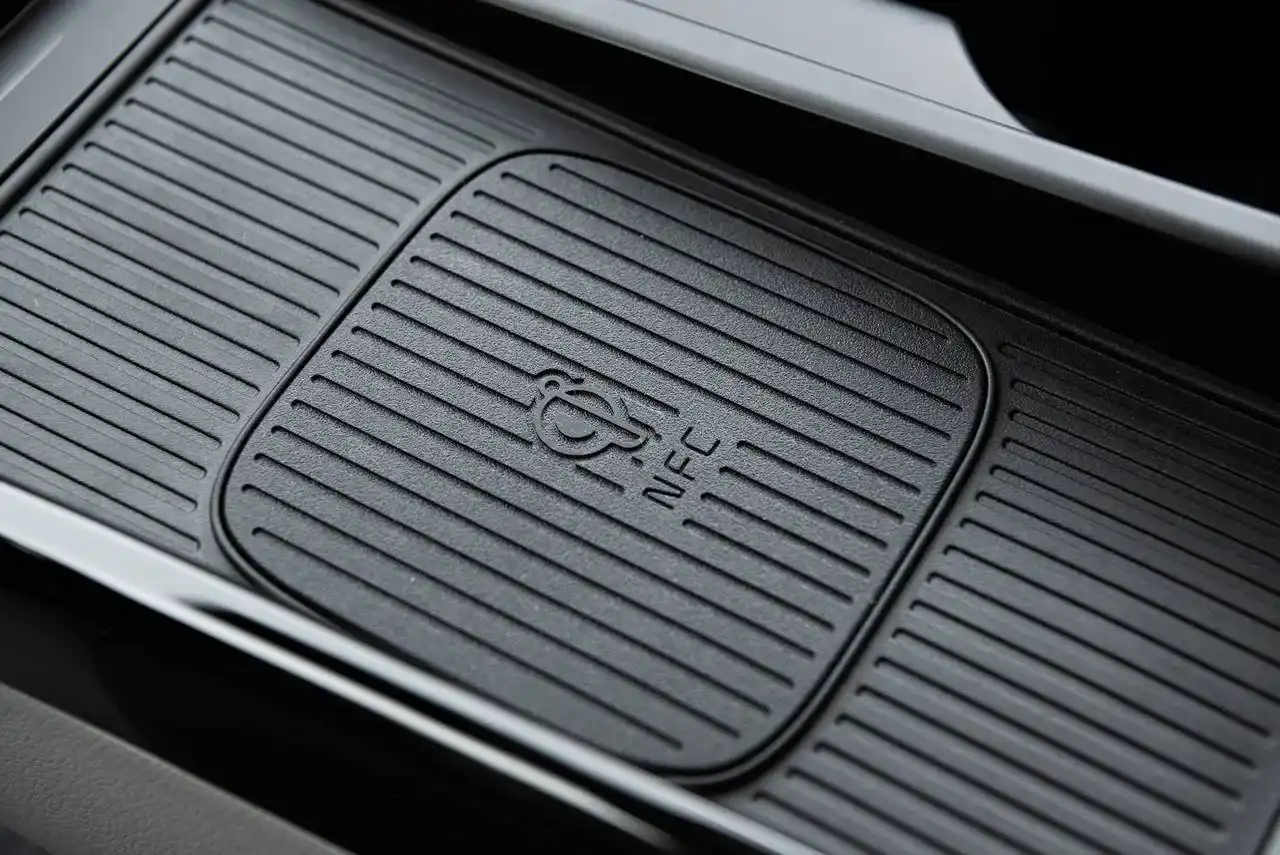
Apple CarPlay and Android Auto come standard on all trims, and every model includes wireless smartphone integration. Options such as SiriusXM satellite radio and an upgraded Bose premium audio system are available for those seeking enhanced entertainment. Hyundai’s Digital Key app adds even more convenience, allowing owners to unlock, lock, and remotely start the Tucson using their smartphone.








Safety and Driver-Assistance Features
The 2026 Hyundai Tucson offers an extensive suite of driver-assistance technologies, many of which come standard across the lineup. For full crash-test information, buyers can refer to safety ratings from the National Highway Traffic Safety Administration (NHTSA) and the Insurance Institute for Highway Safety (IIHS).
Key safety features include:
-
Standard automated emergency braking with pedestrian detection
-
Standard lane-departure warning and lane-keeping assist
-
Available adaptive cruise control with lane-centering capability
Warranty and Maintenance Coverage
Among compact SUVs, only the Tucson’s close relative—the Kia Sportage—matches its impressive warranty protection. Even so, Hyundai maintains an edge thanks to a more generous complimentary maintenance plan, giving Tucson owners added long-term value.
Warranty highlights include:
-
Five-year/60,000-mile limited warranty
-
Ten-year/100,000-mile powertrain warranty
-
Three-year/36,000-mile complimentary scheduled maintenance
2026 Hyundai Tucson Specifications (Estimated)
| Category | Specification |
|---|---|
| Engine Options | 2.5L I4, 1.6T Hybrid, 1.6T Plug-In Hybrid |
| Horsepower | 187–265 hp |
| Transmission | 6- or 8-speed automatic |
| Drivetrain | FWD or AWD |
| 0–60 MPH | 6.8–8.8 seconds |
| Fuel Economy | Up to 38 MPG (Hybrid) |
| Electric Range | 30–35 miles (PHEV) |
| Seating Capacity | 5 |
| Cargo Volume | Up to 74.8 cu ft |
| Touchscreen | 12.3 inches |
| Warranty | 10-year / 100K-mile powertrain |
Final Verdict
The 2026 Hyundai Tucson continues to be one of the best values in the compact SUV category. With updated styling, improved tech, refined hybrid options, and unbeatable warranty coverage, the Tucson delivers a well-rounded package for families, commuters, and tech-savvy buyers. While the base engine isn’t the strongest, the hybrid and PHEV versions provide excellent performance and efficiency. Overall, the 2026 Tucson is more competitive and compelling than ever.






2026 Hyundai Tucson Video