- Bigger displays
- Good safety scores expected
- Spacious cabin
- Least efficient Tucson
- Engines likely to remain the same
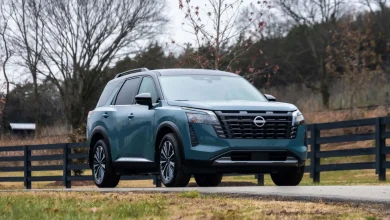
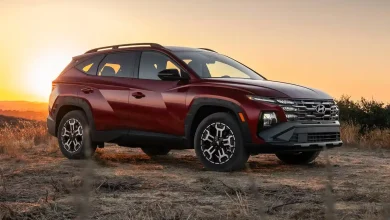
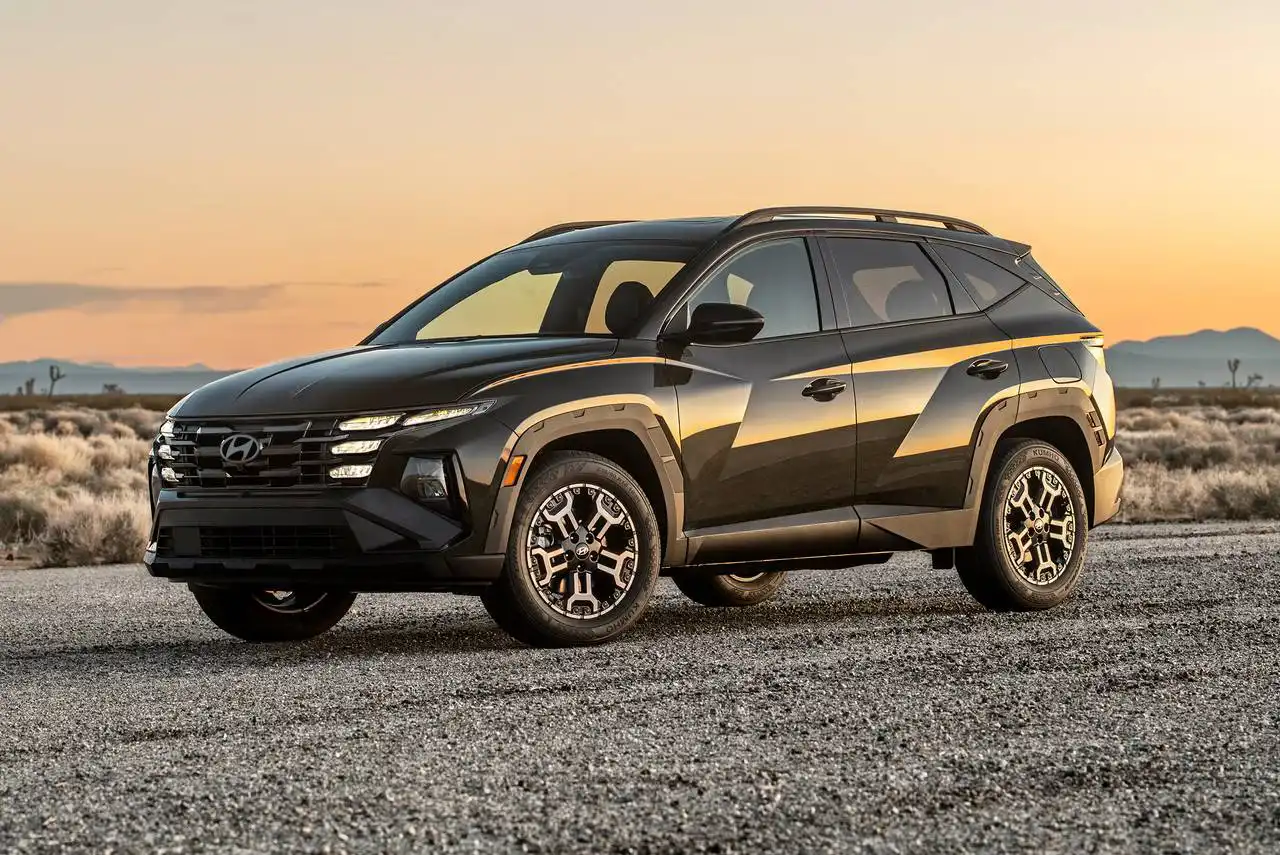
2025 Hyundai Tucson – Overview
The 2025 Hyundai Tucson isn’t just stylish—it’s also one of the most practical choices in the compact SUV segment. Its roomy cabin and generous cargo space outshine many competitors, making it a strong option for families and commuters alike. Under the hood, a 187-hp four-cylinder engine comes standard with front-wheel drive, while all-wheel drive is available as an upgrade. Though acceleration is modest, the Tucson excels in delivering a smooth, comfortable ride.
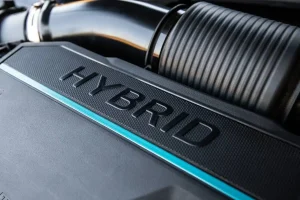
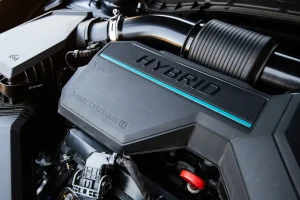
For those seeking more power, Hyundai also offers hybrid and plug-in hybrid versions (reviewed separately), both of which feel livelier than the standard model. Still, the Tucson doesn’t quite match the sporty handling of rivals like the Honda CR-V, Mazda CX-50, or Volkswagen Tiguan. Instead, it caters to drivers who prioritize easygoing commutes and relaxed road trips. Higher trims, in particular, elevate the experience with upscale materials, modern conveniences, and a host of advanced tech features.
When Is the 2025 Hyundai Tucson Coming Out?
Hyundai began rolling out the 2025 Tucson in many markets in the latter half of 2024 and early 2025. In the U.S., it is generally available now, with the hybrid and plug-in hybrid variants arriving slightly later in the lineup.
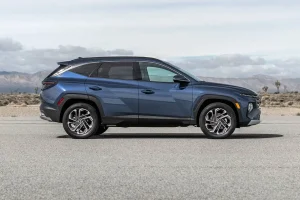
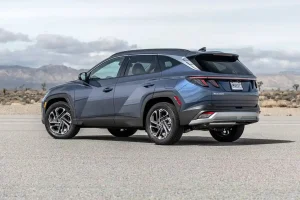
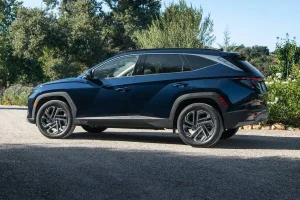
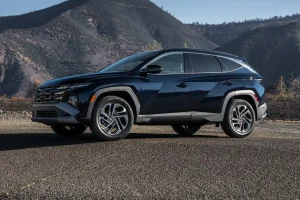
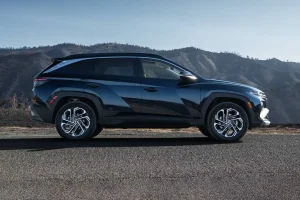
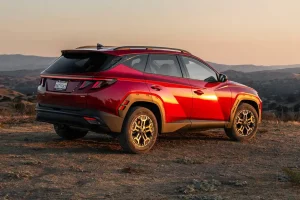
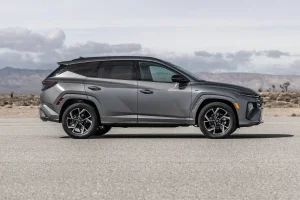
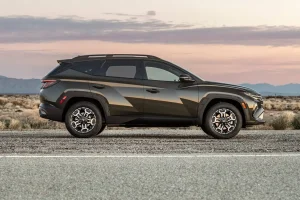
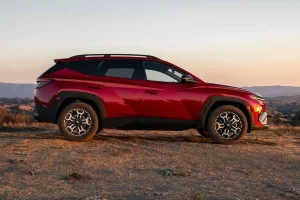
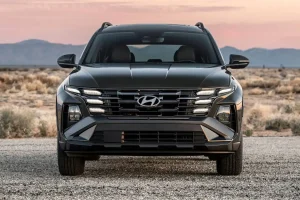
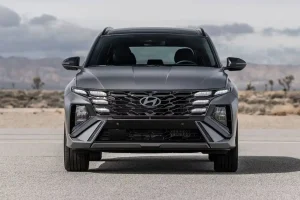
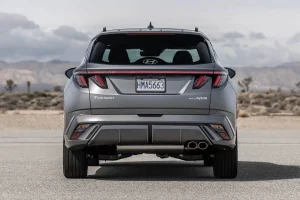

What’s New for 2025 Hyundai Tucson?
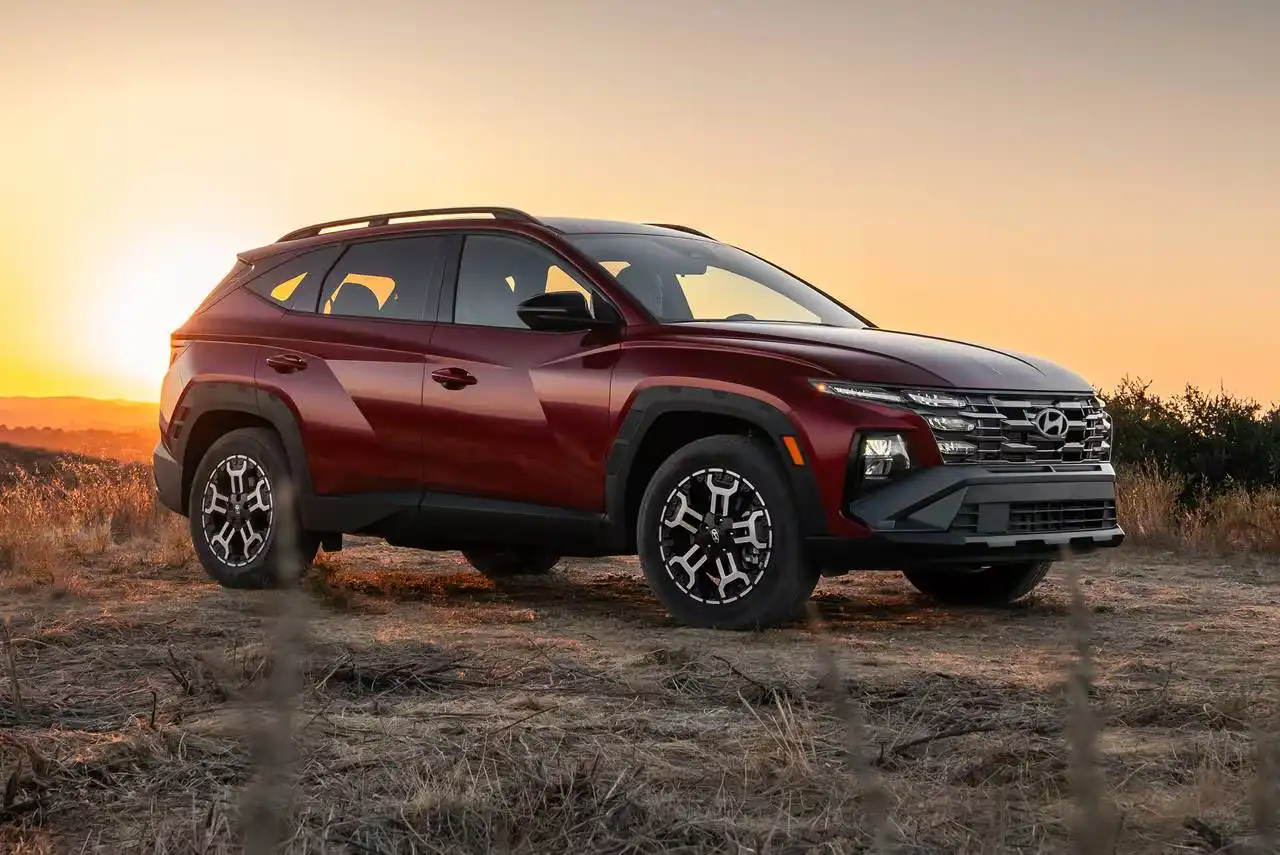
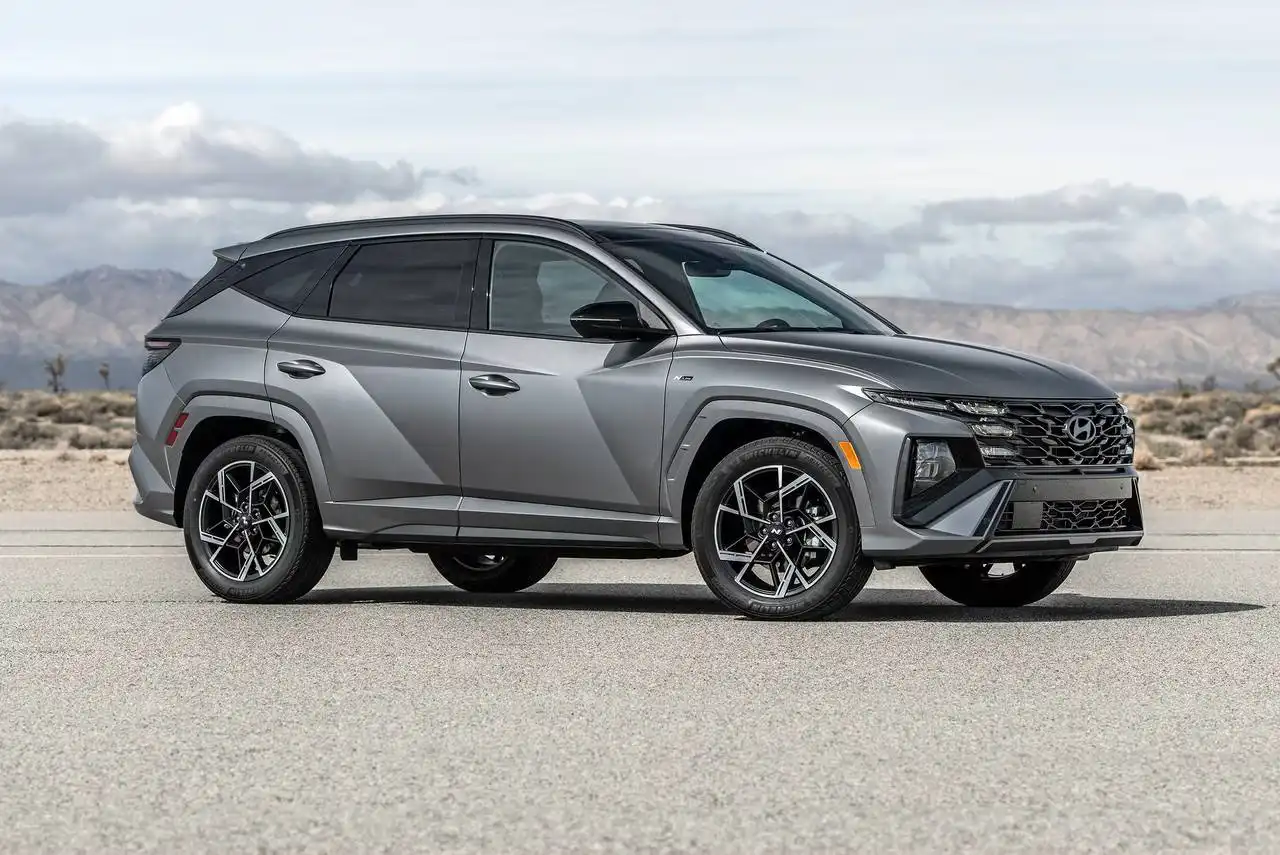
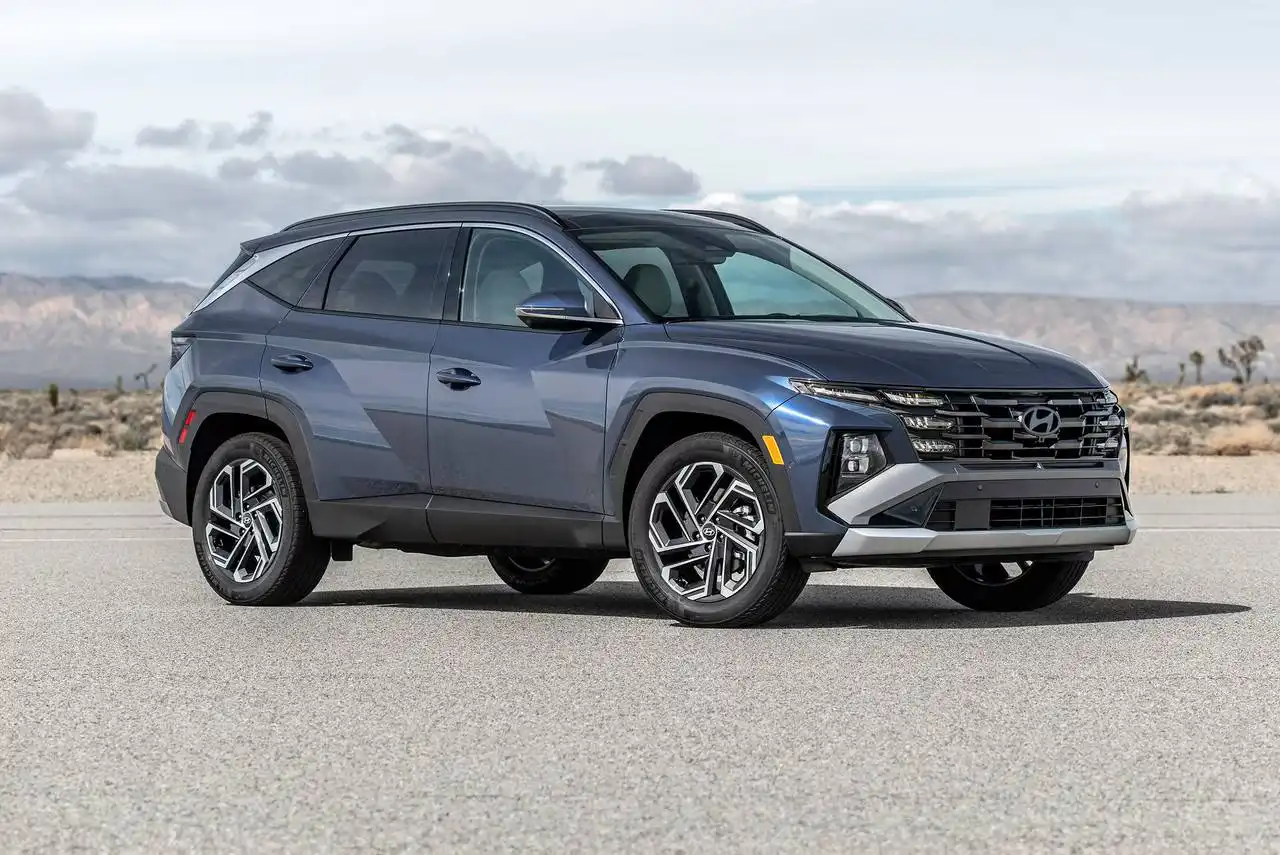
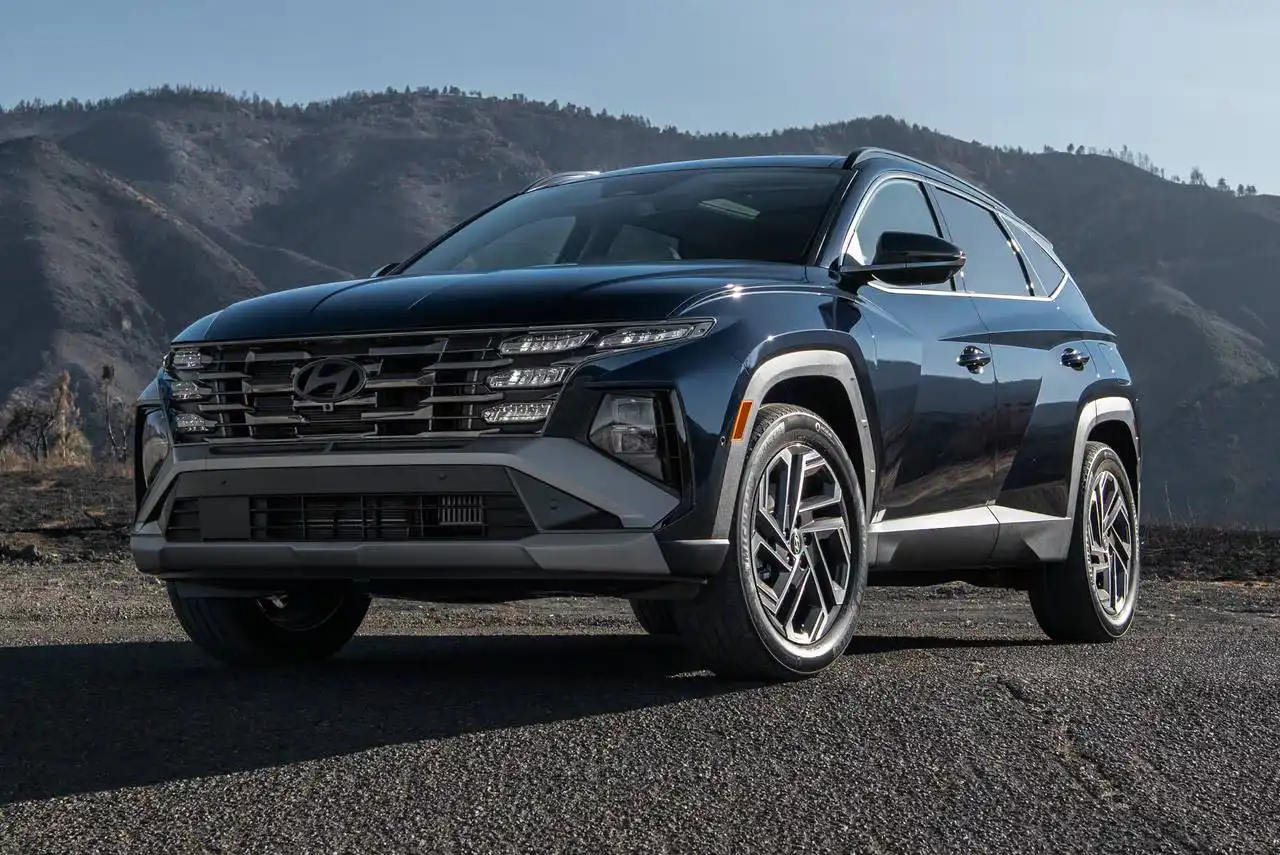
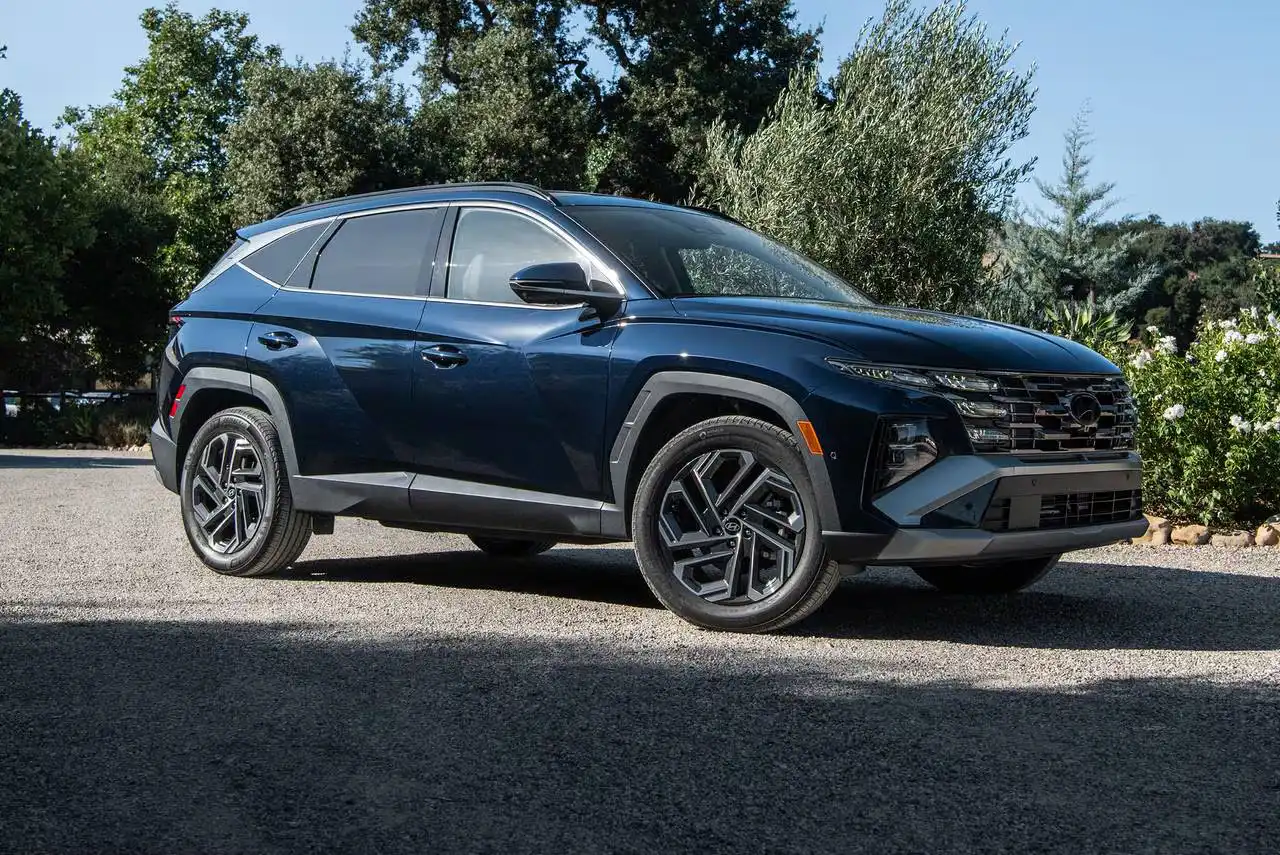
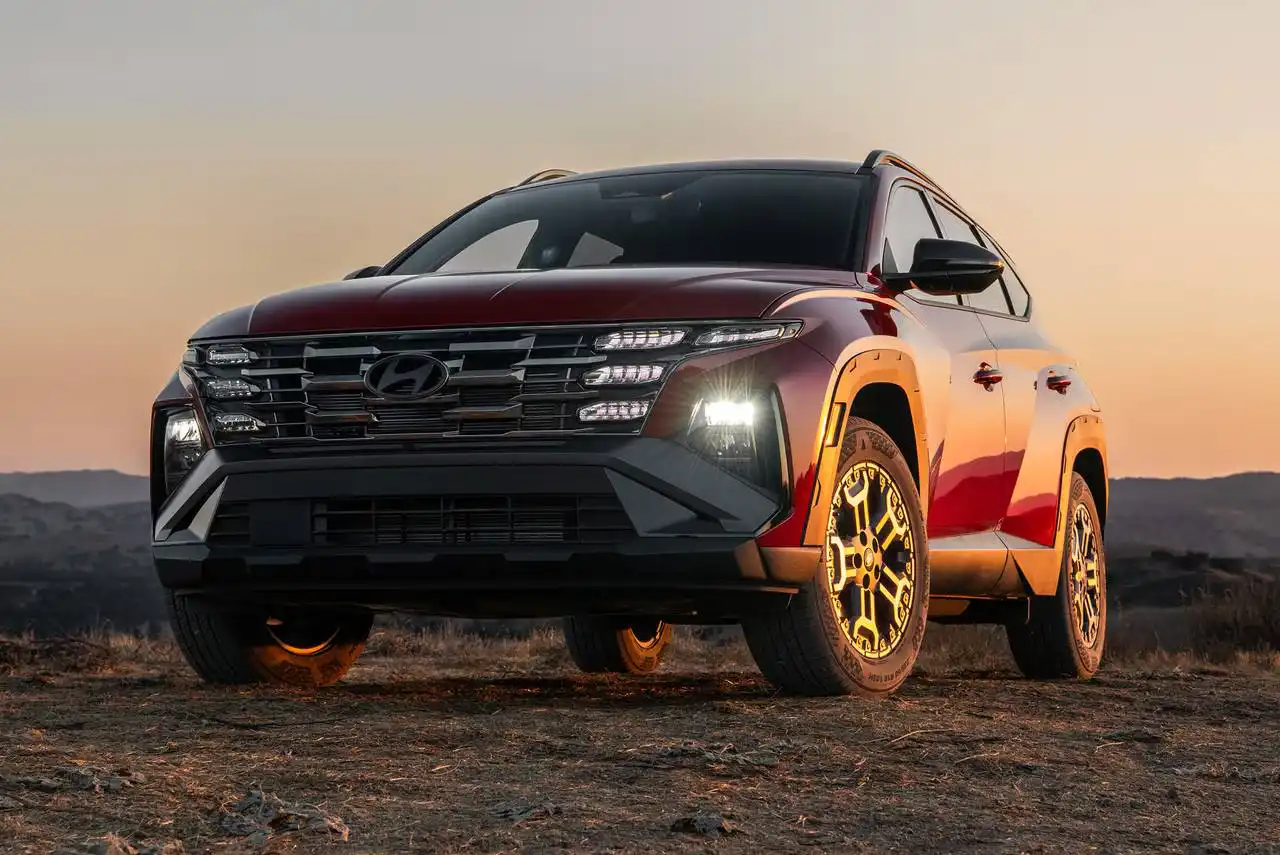
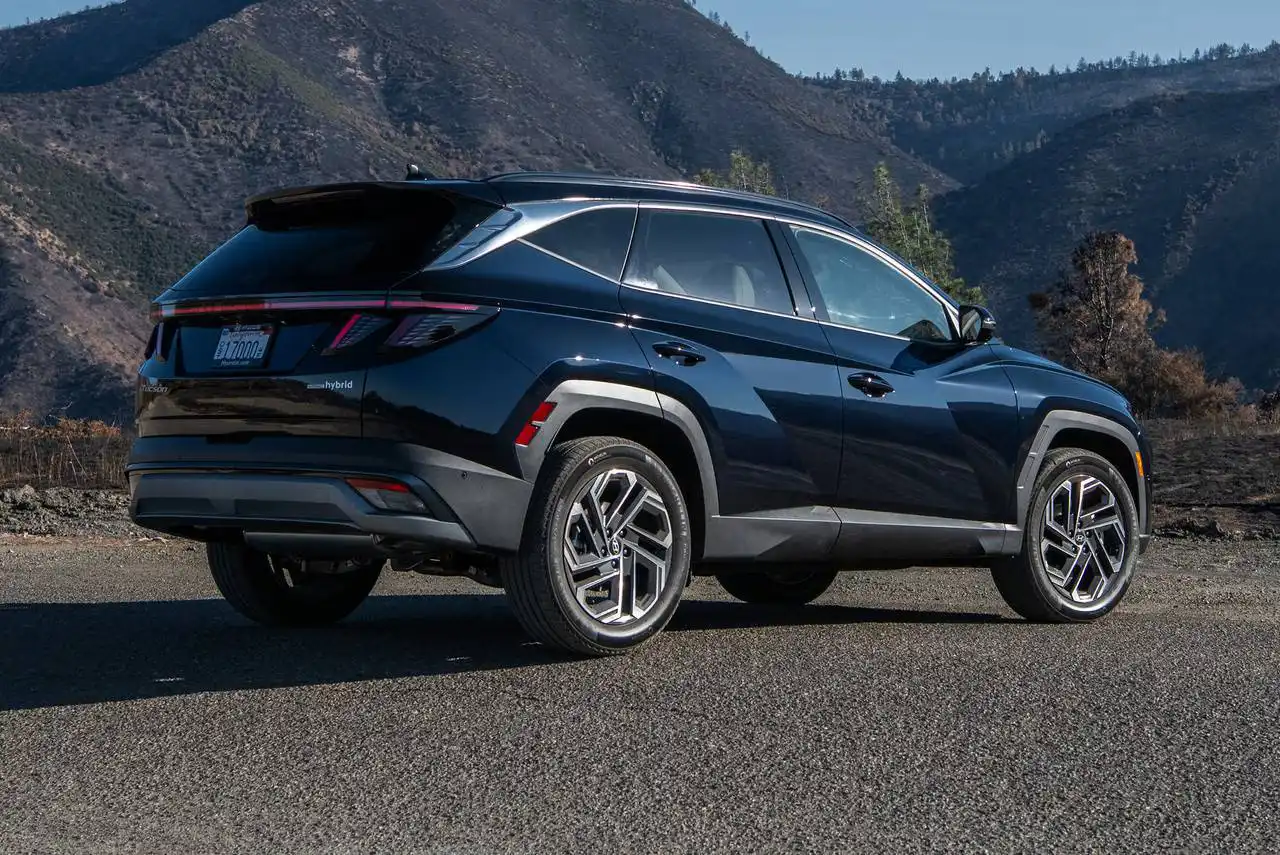
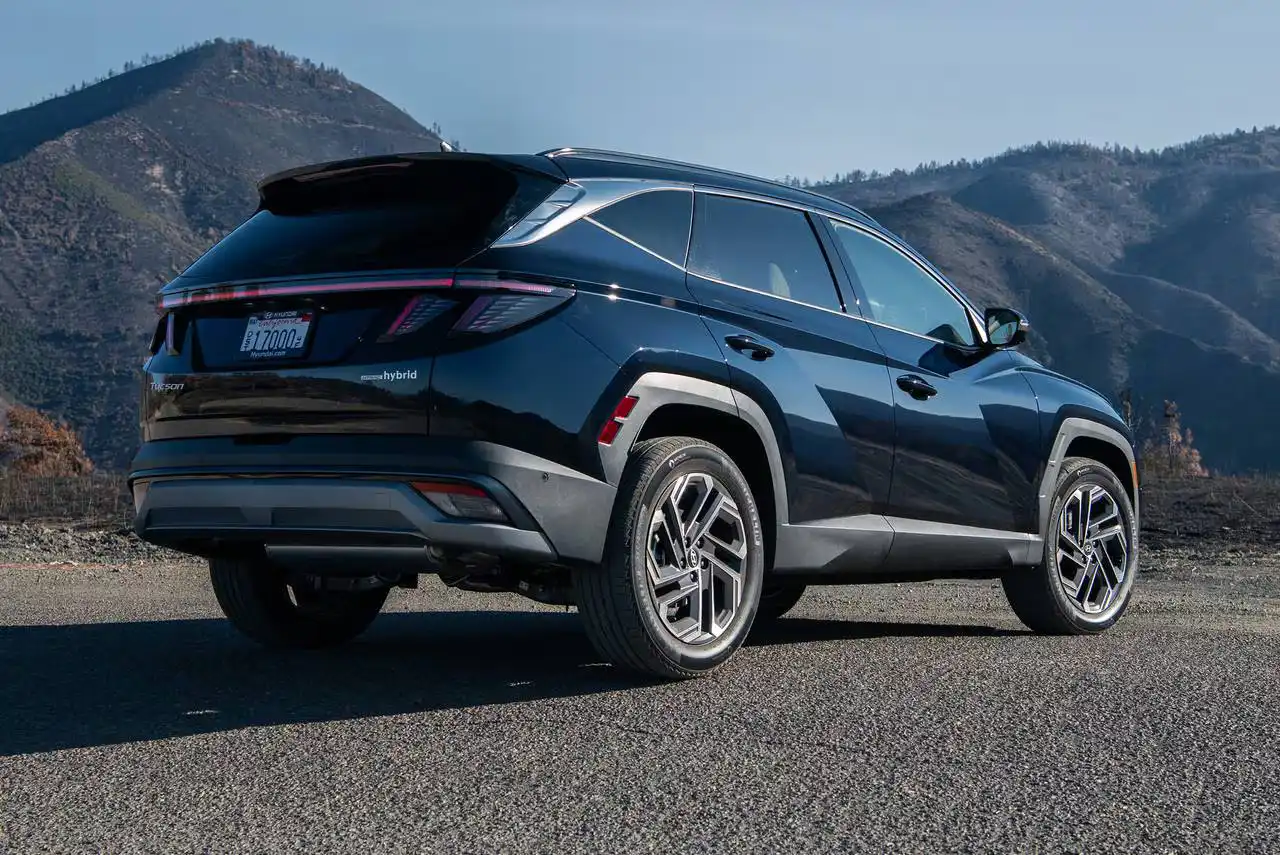
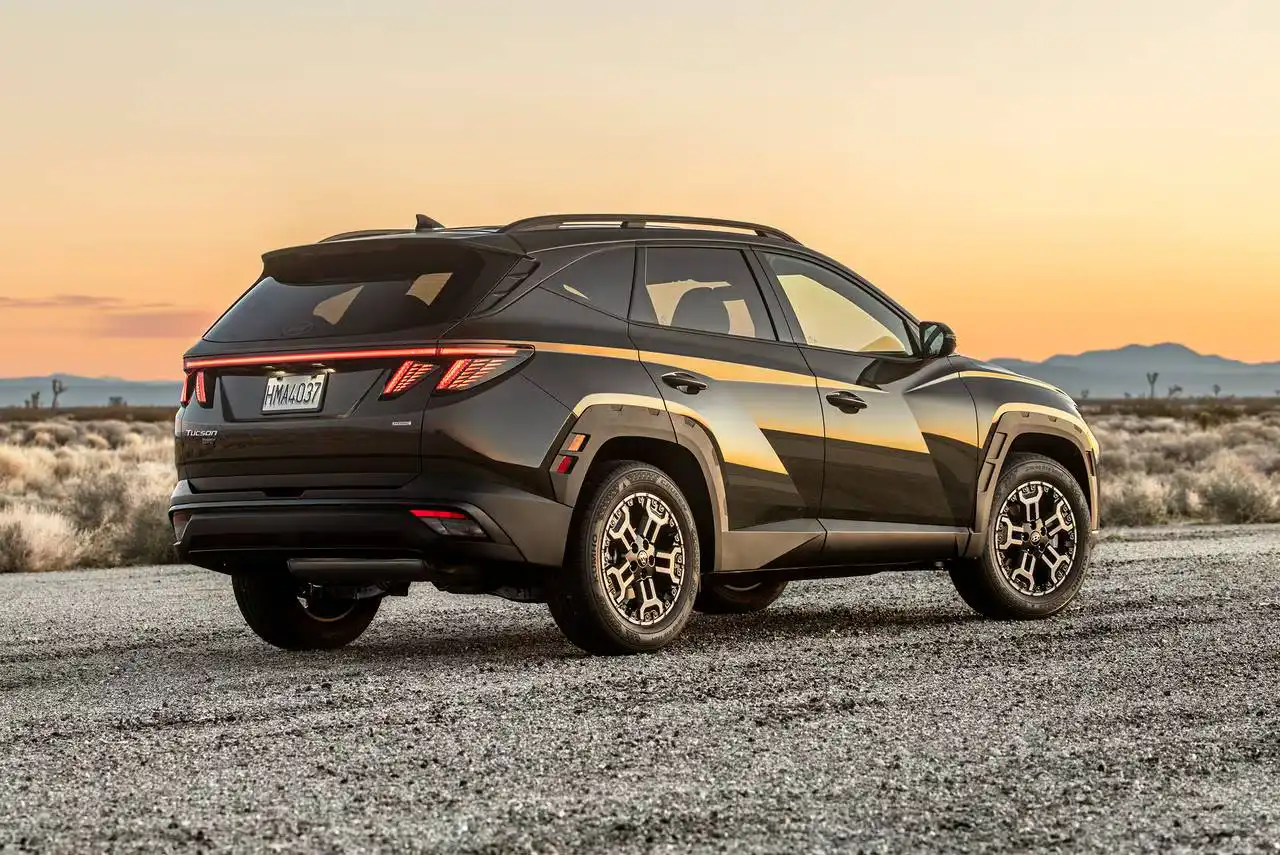
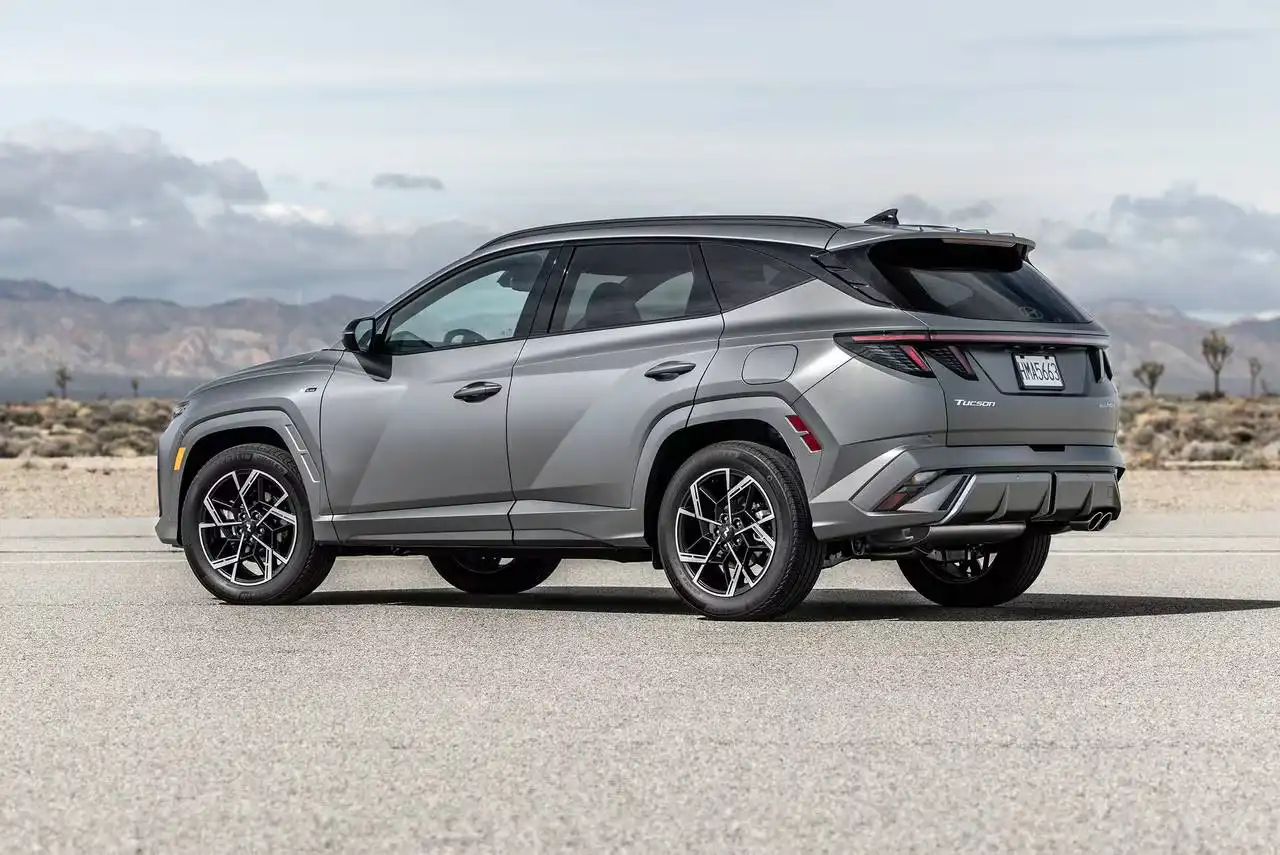
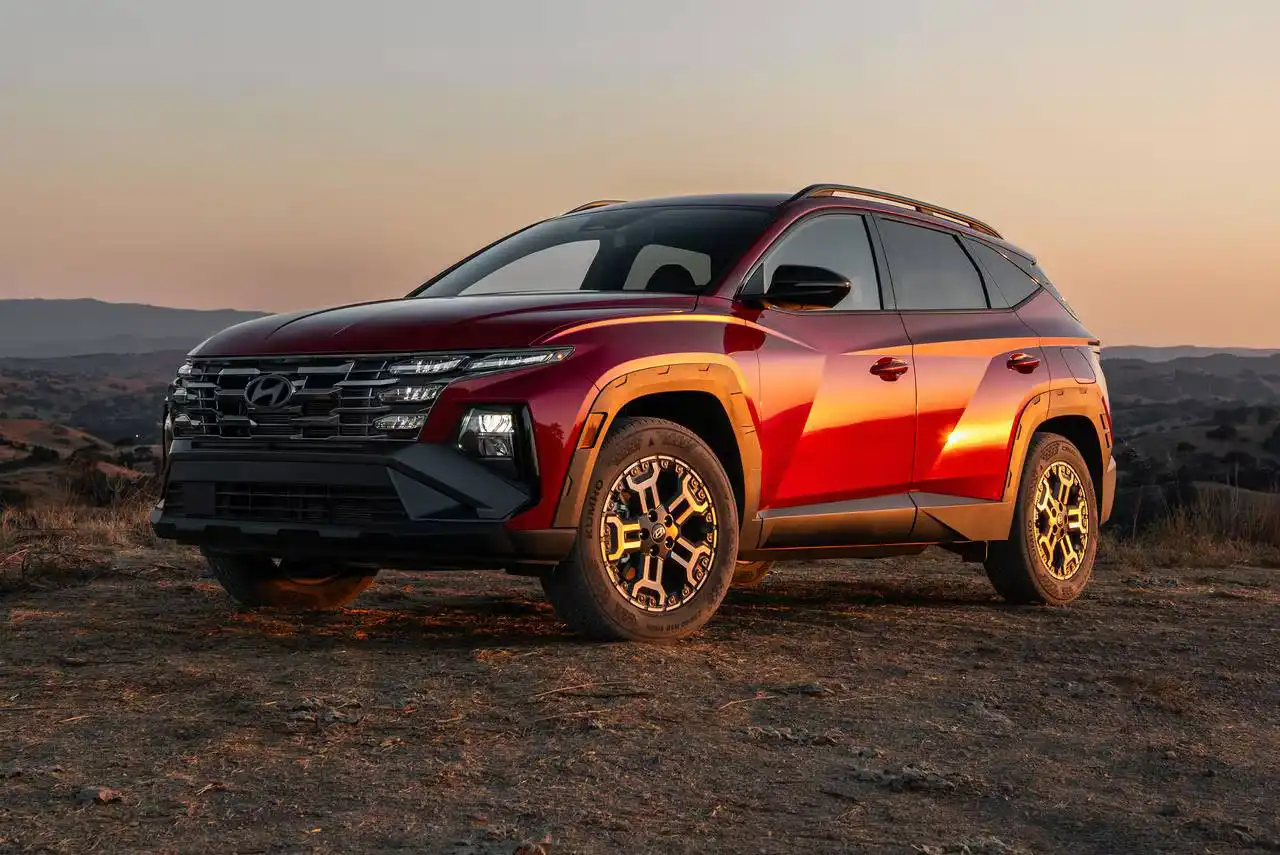
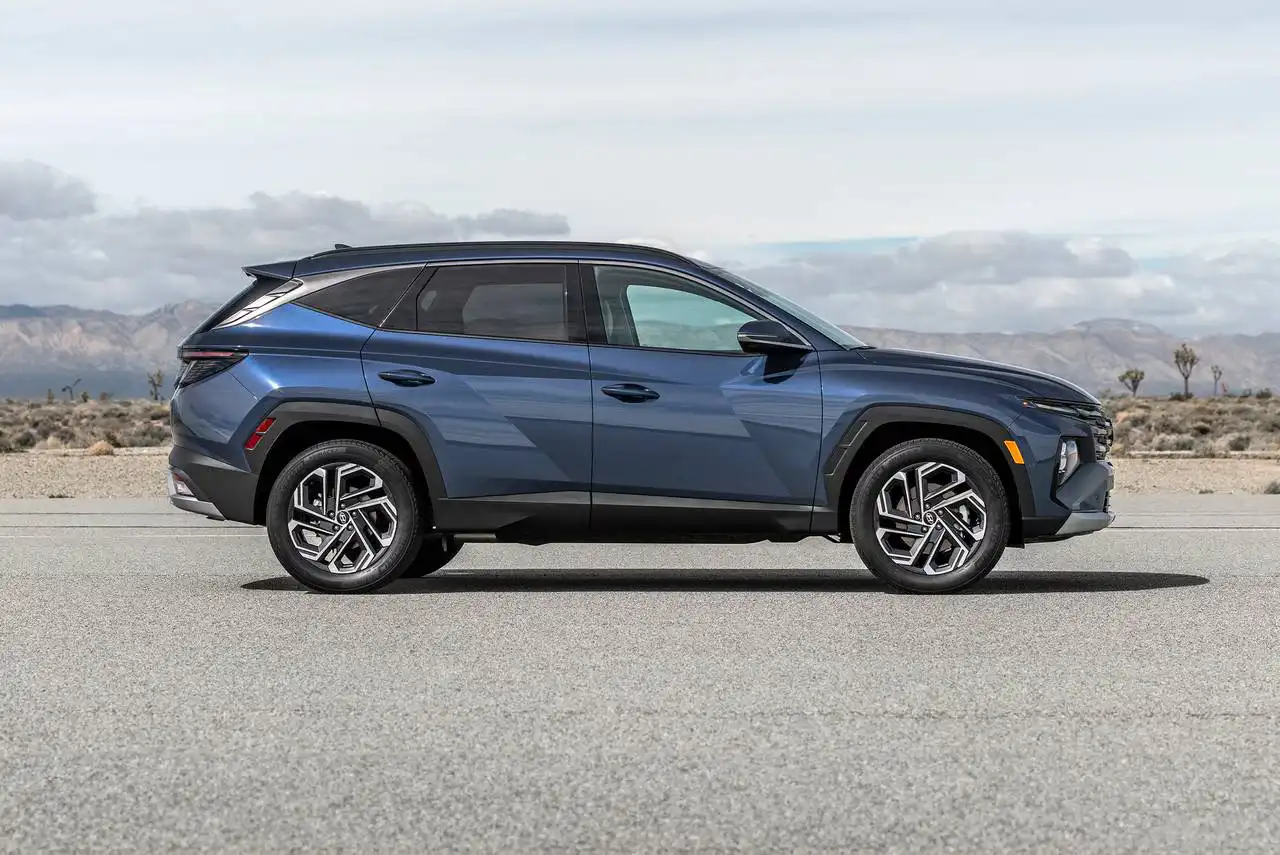
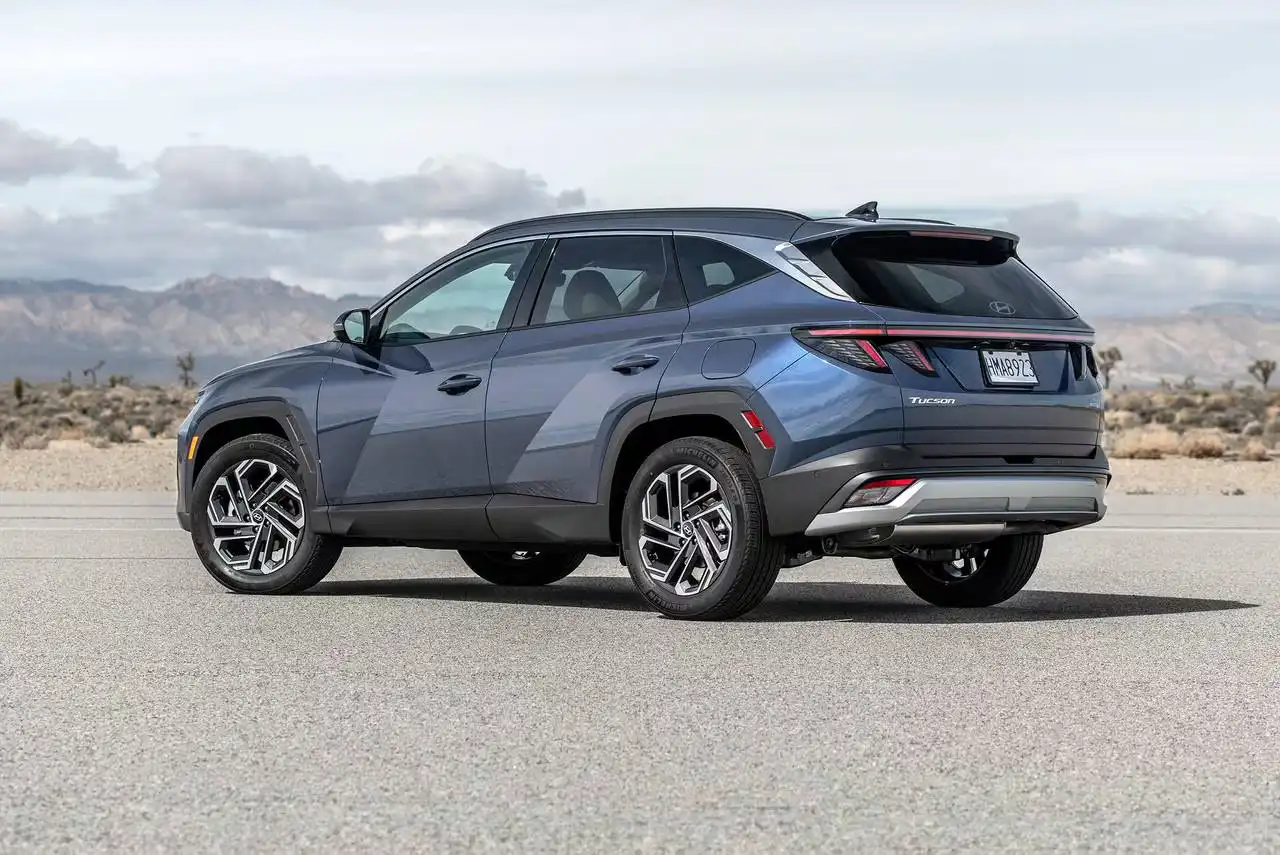
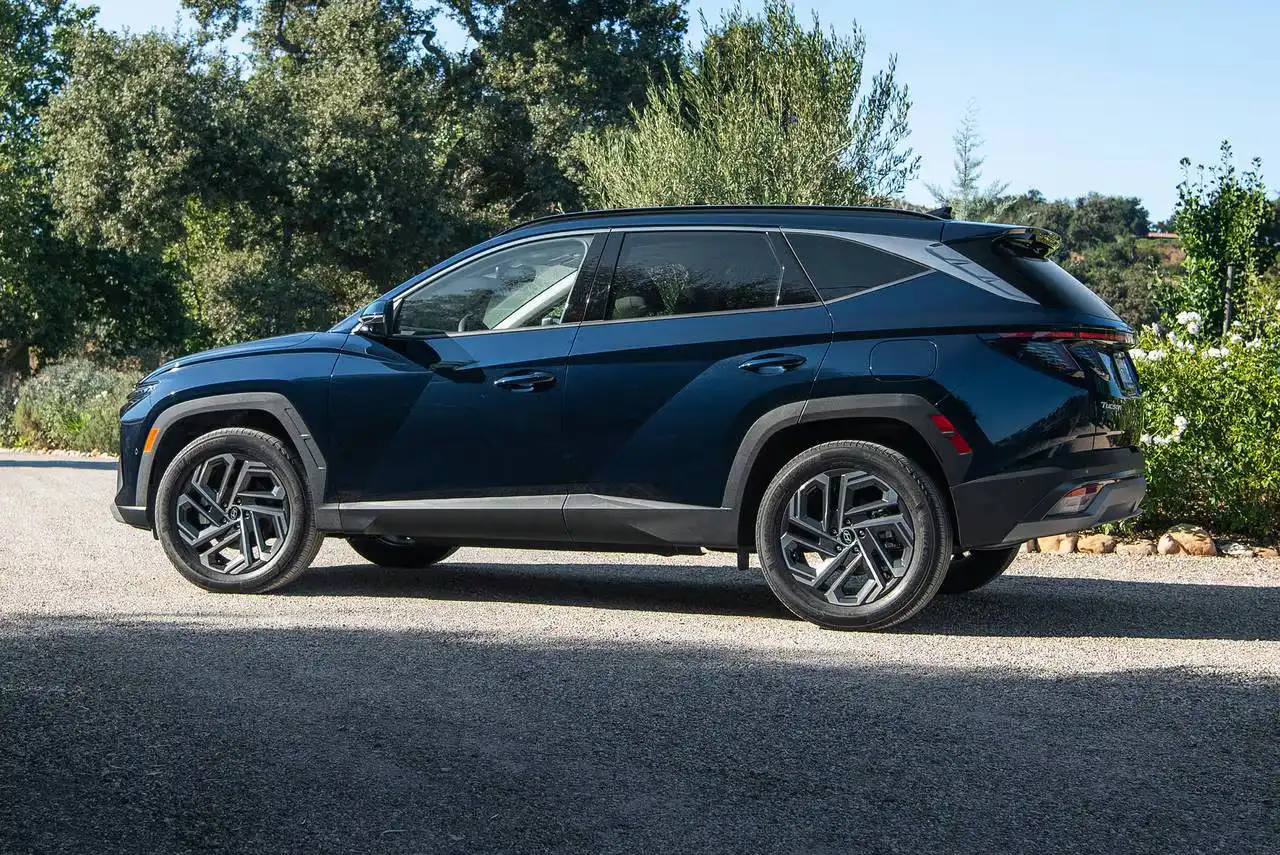
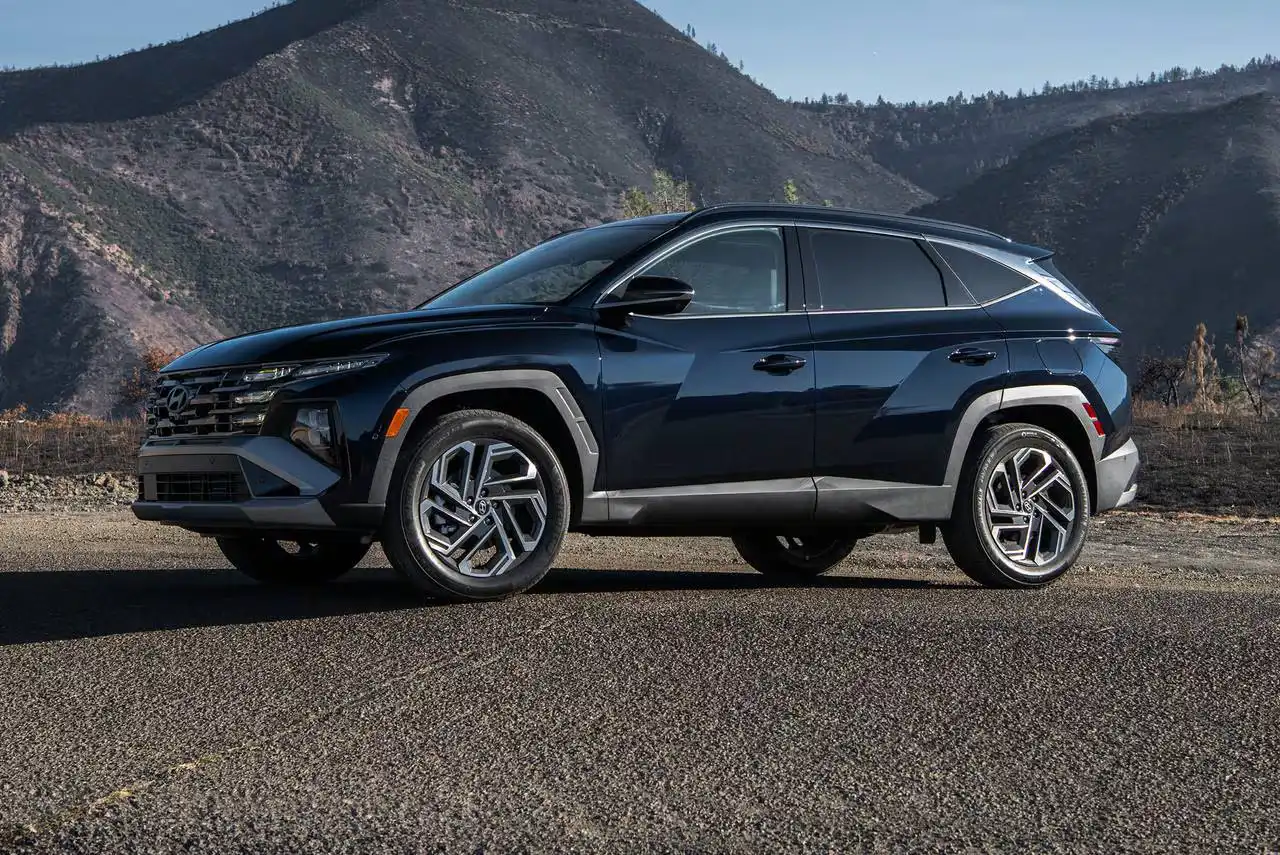
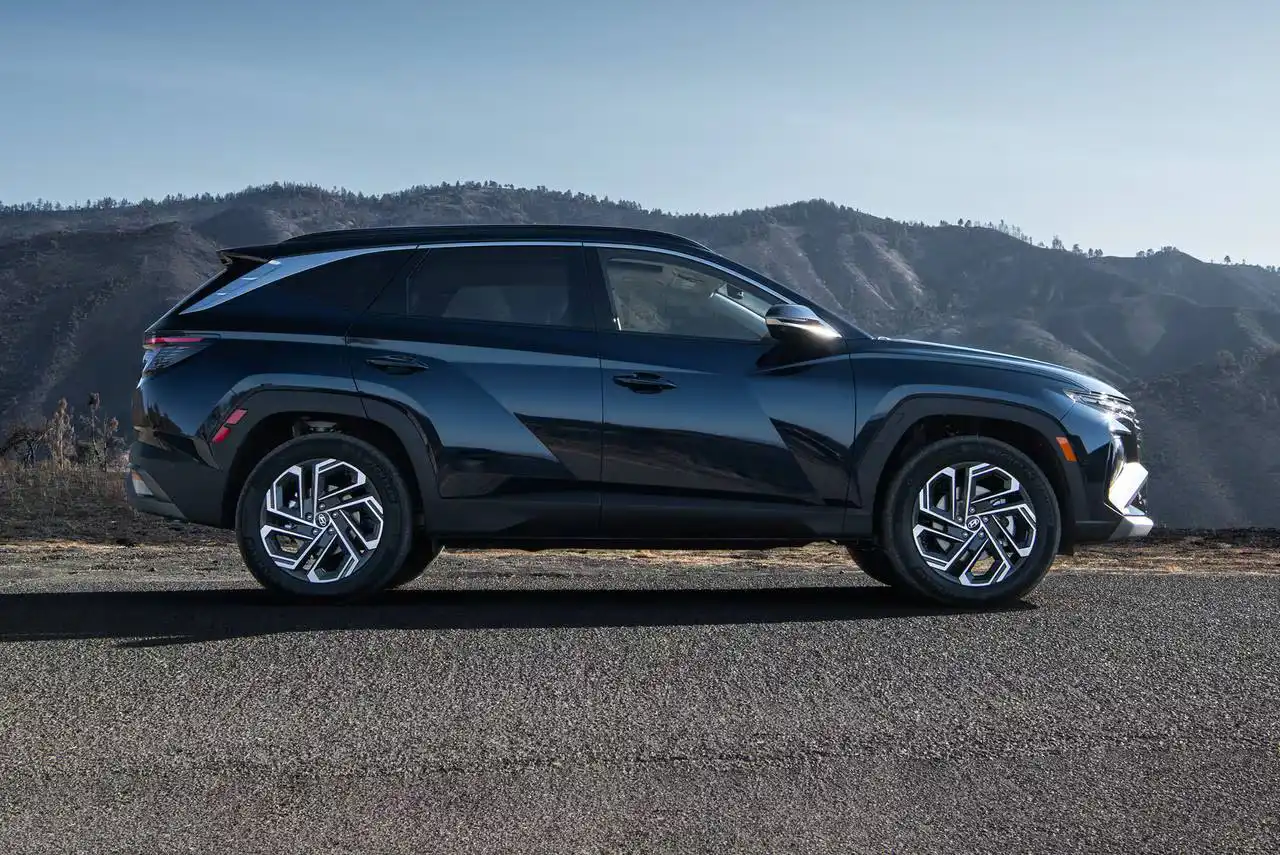
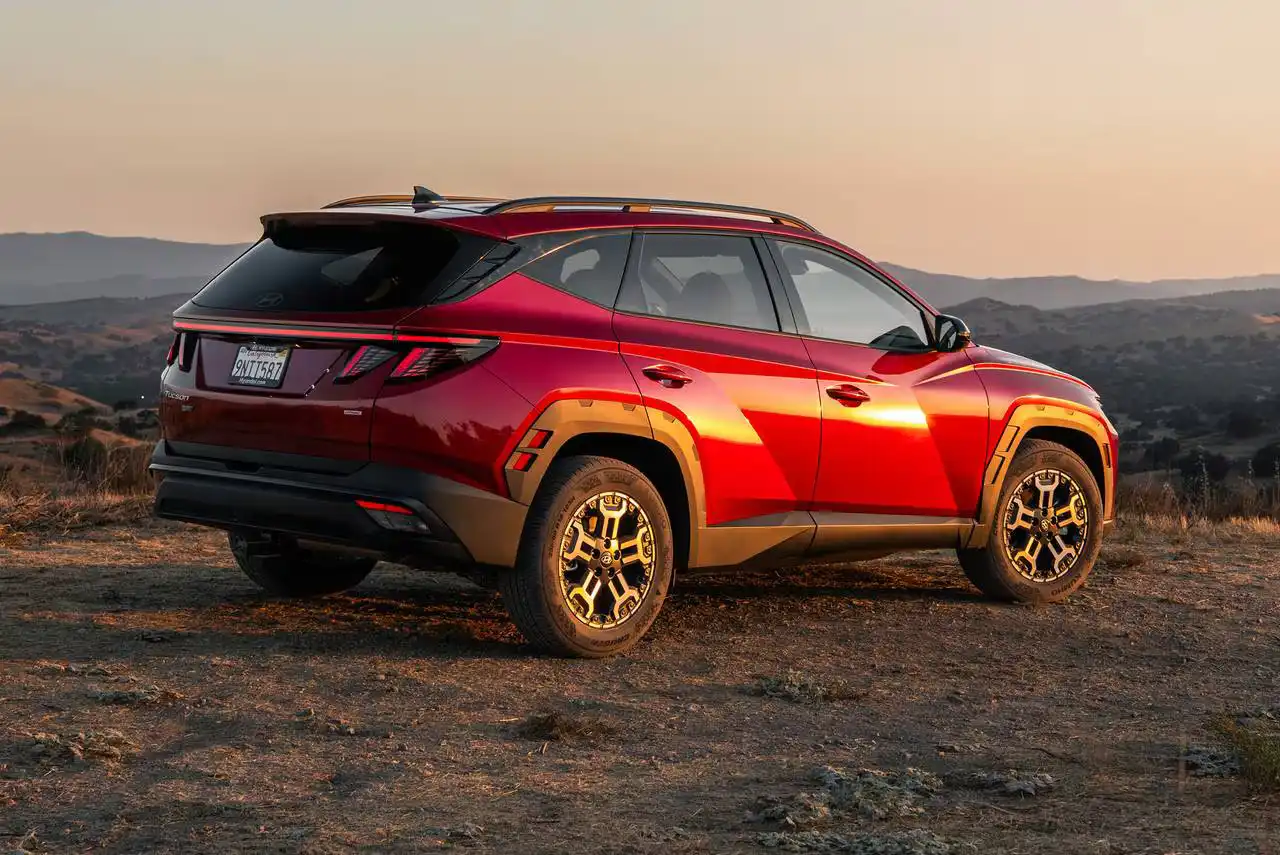
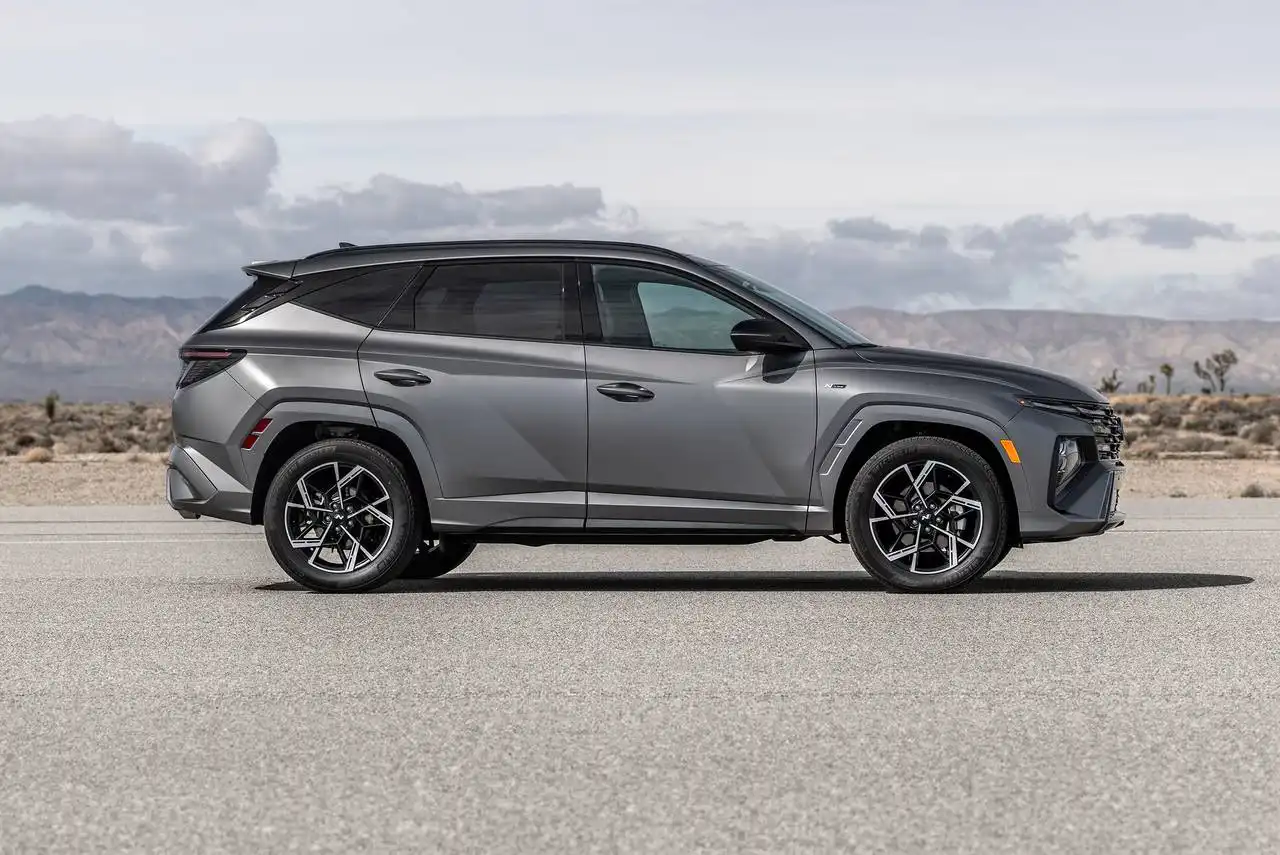
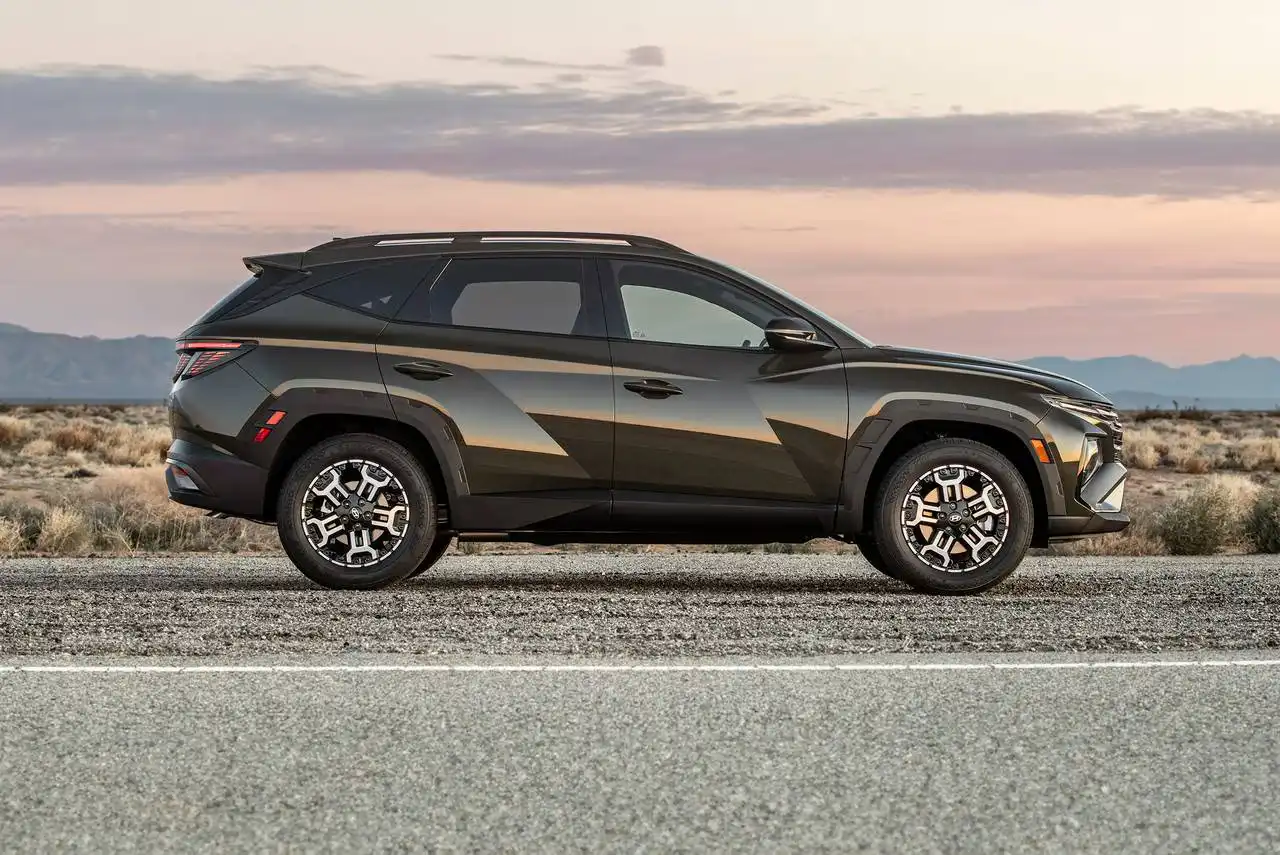
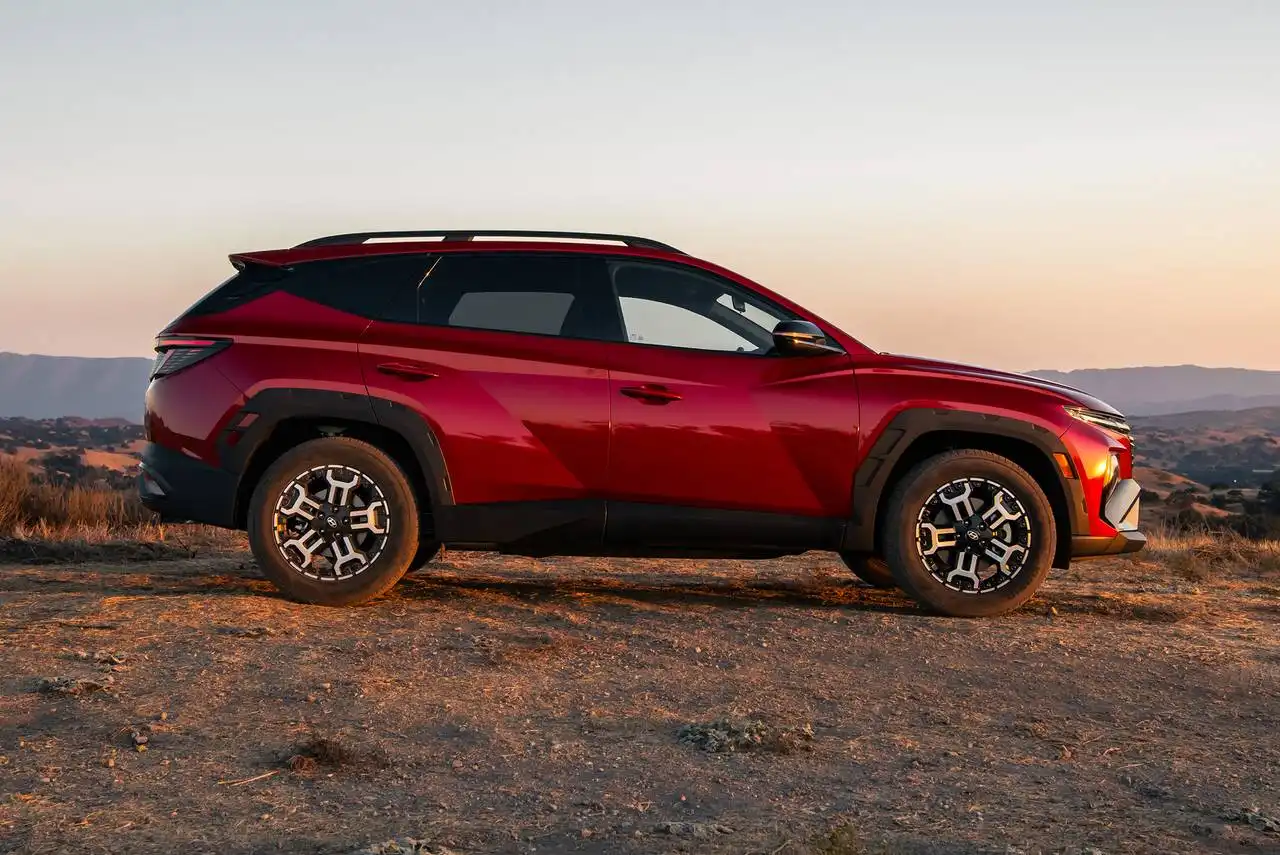
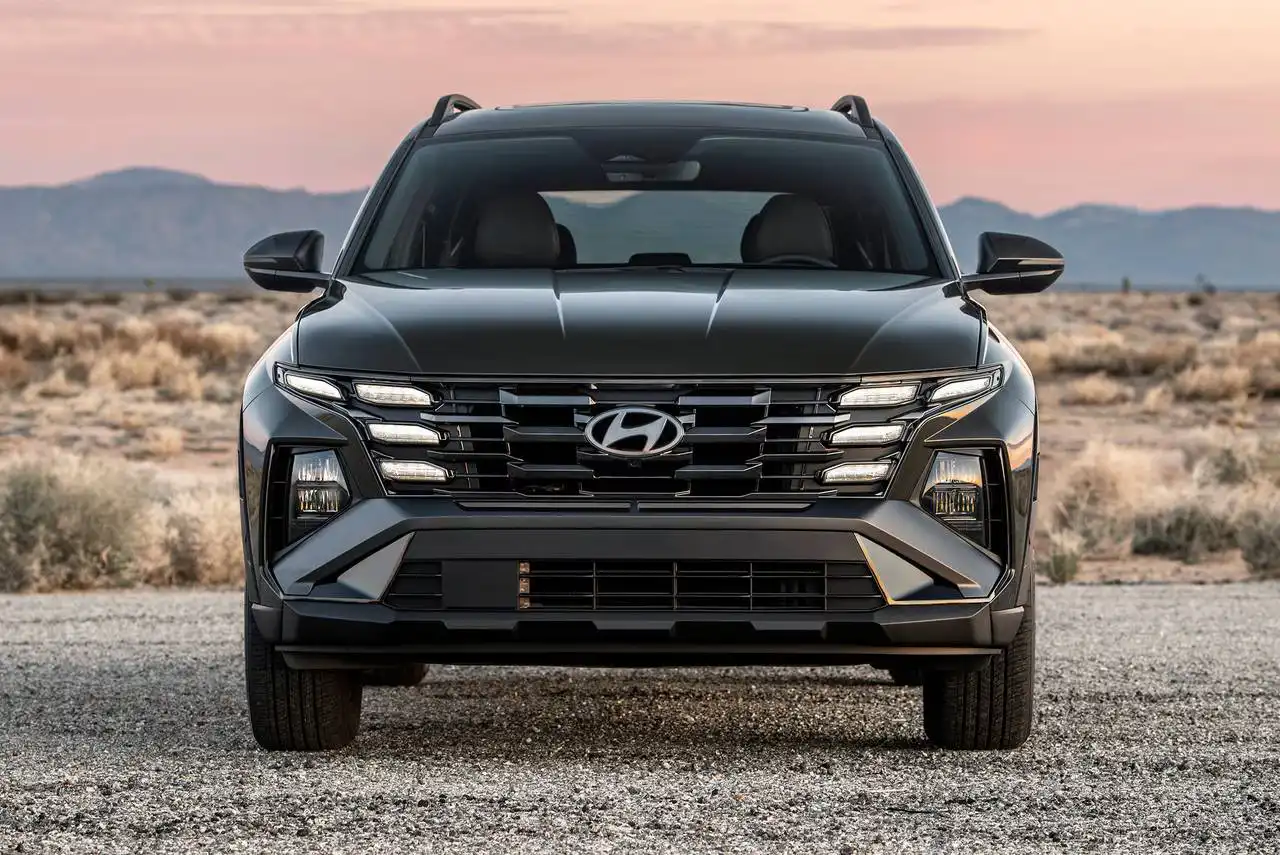
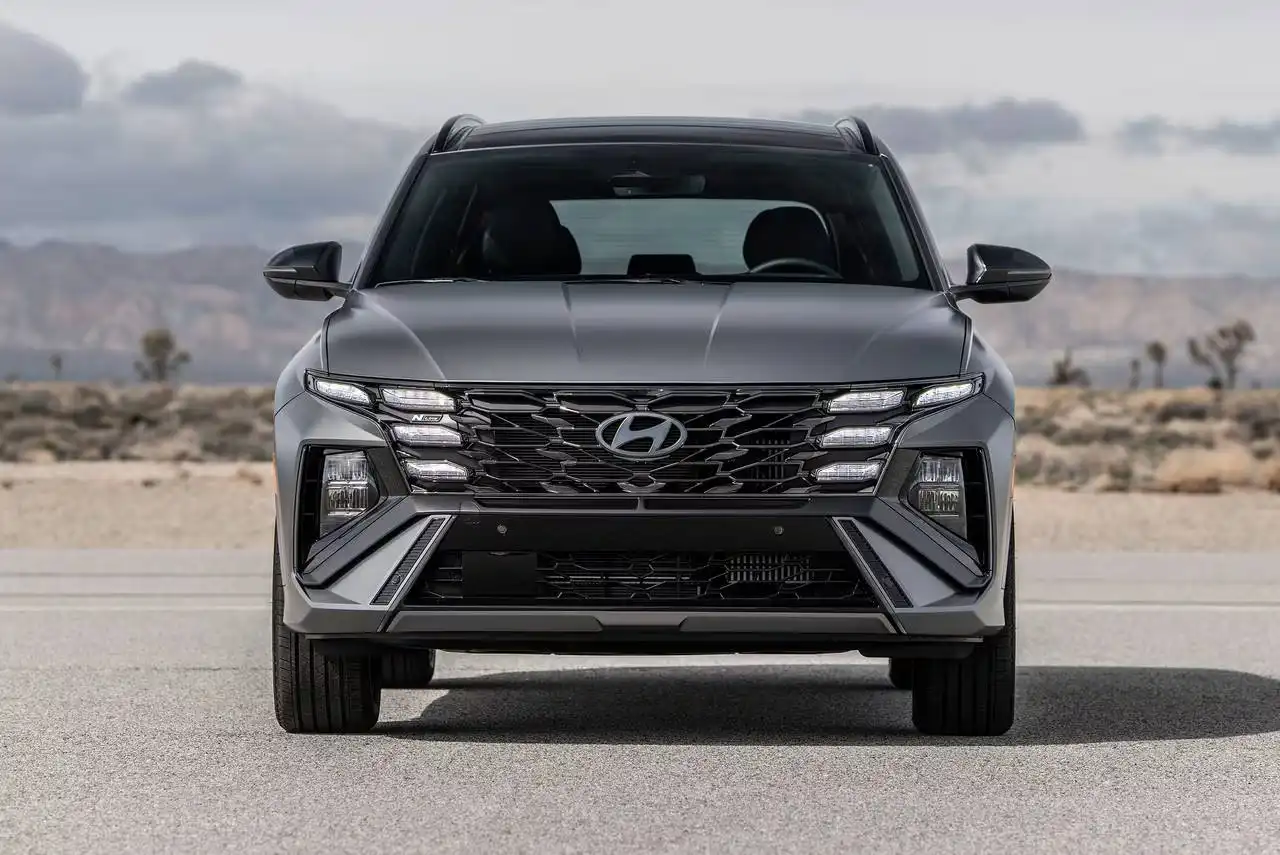
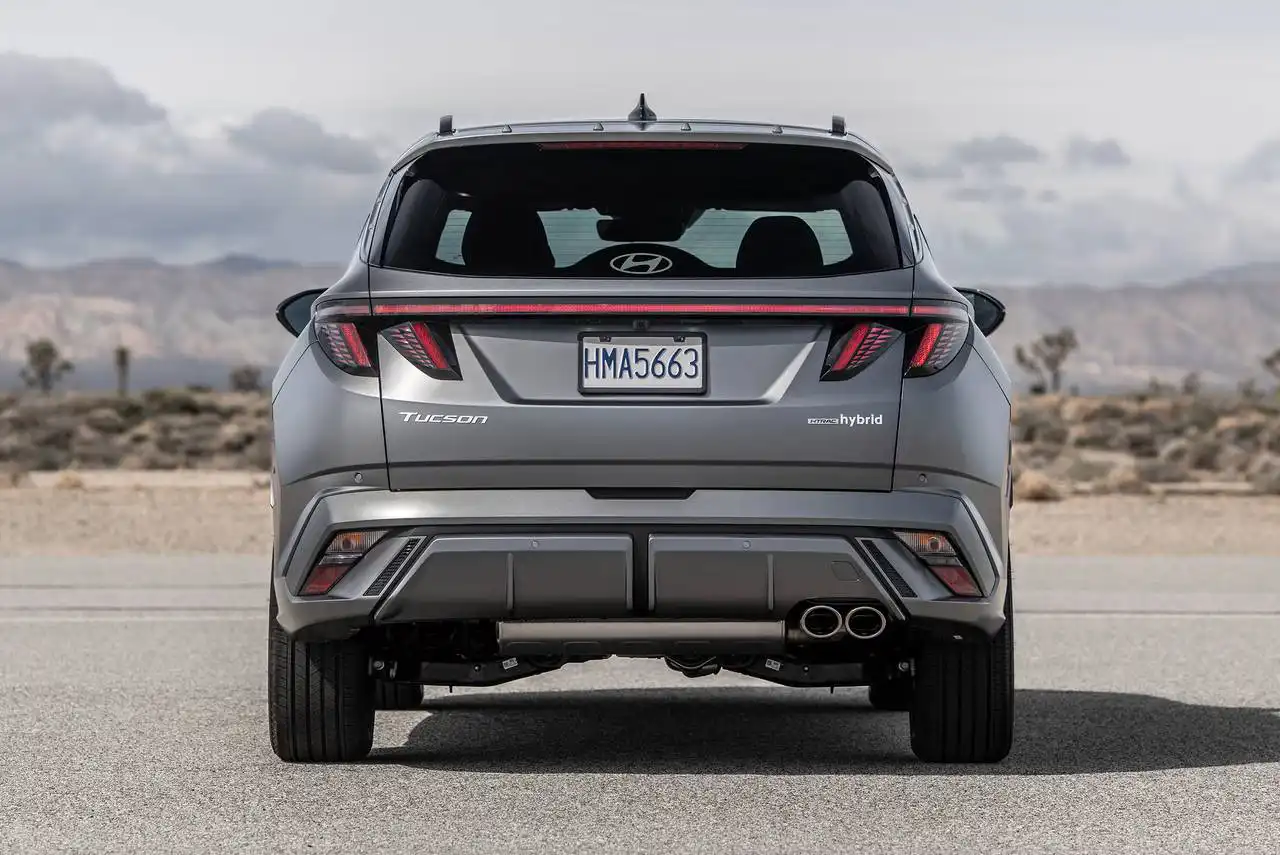
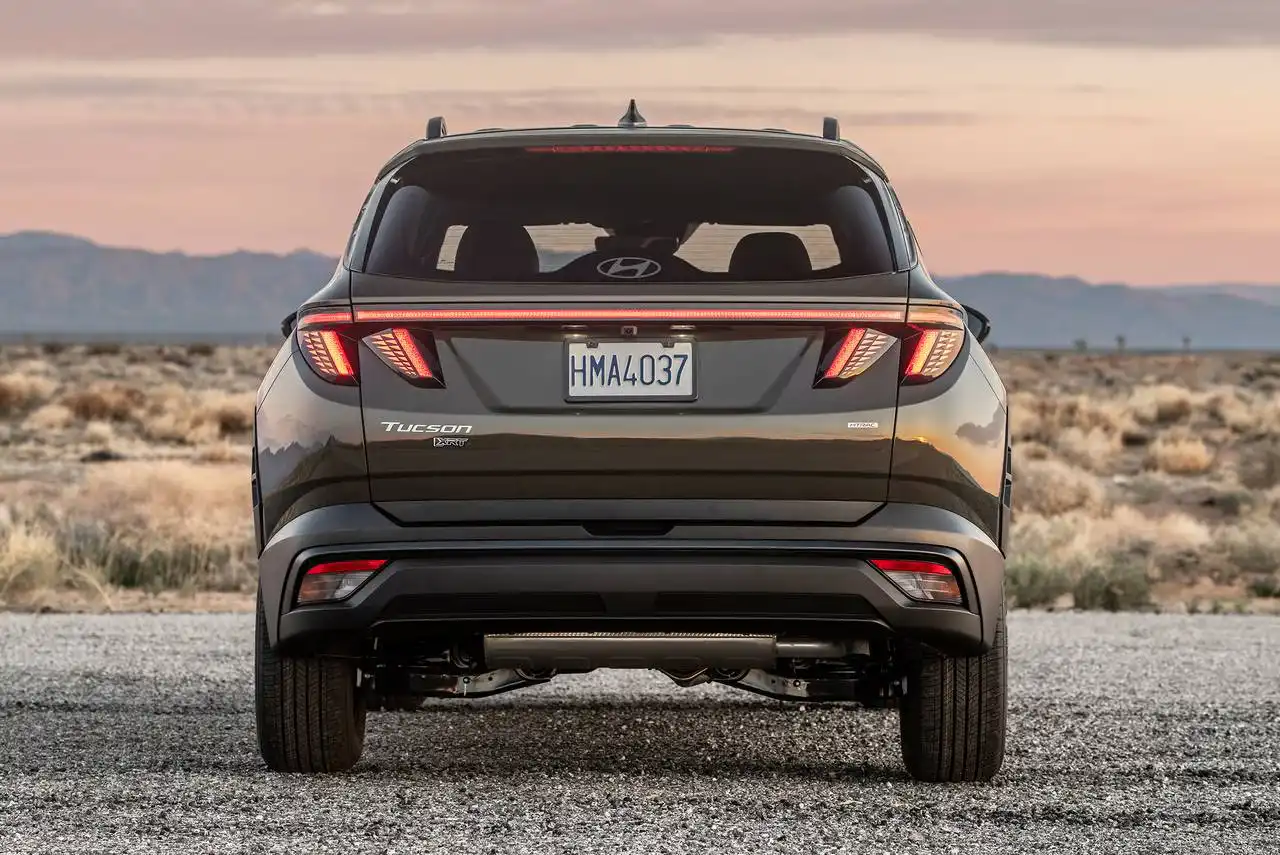
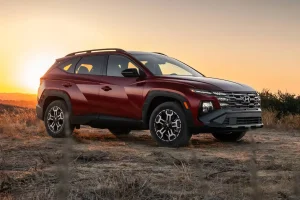
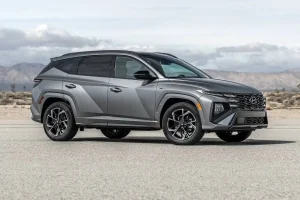
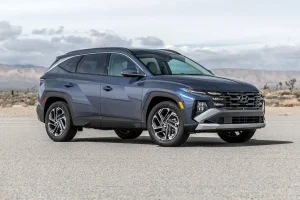
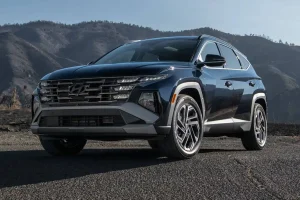
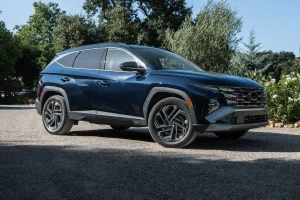
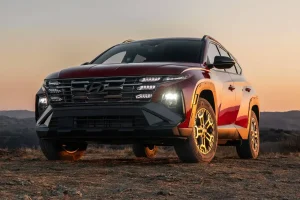
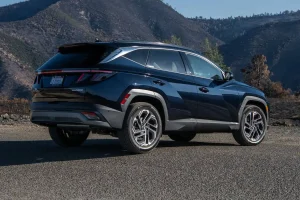
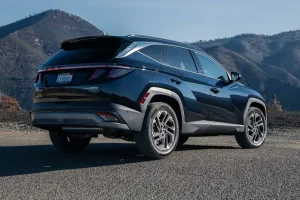
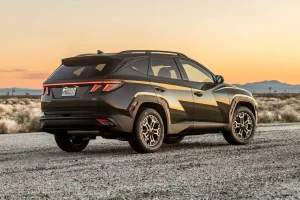
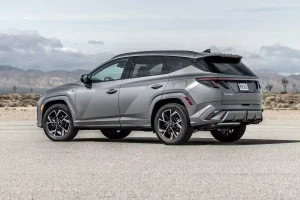
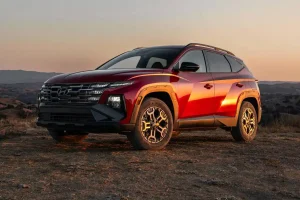
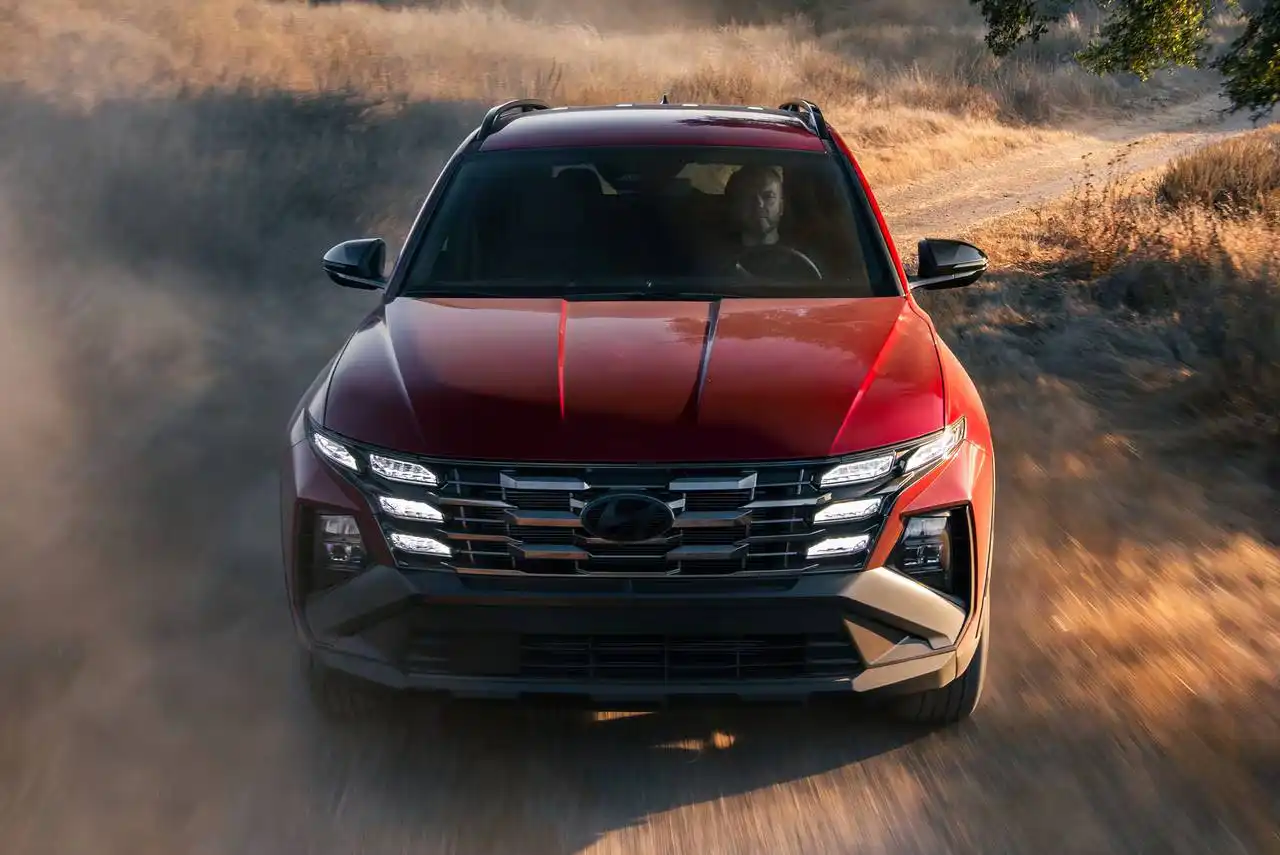
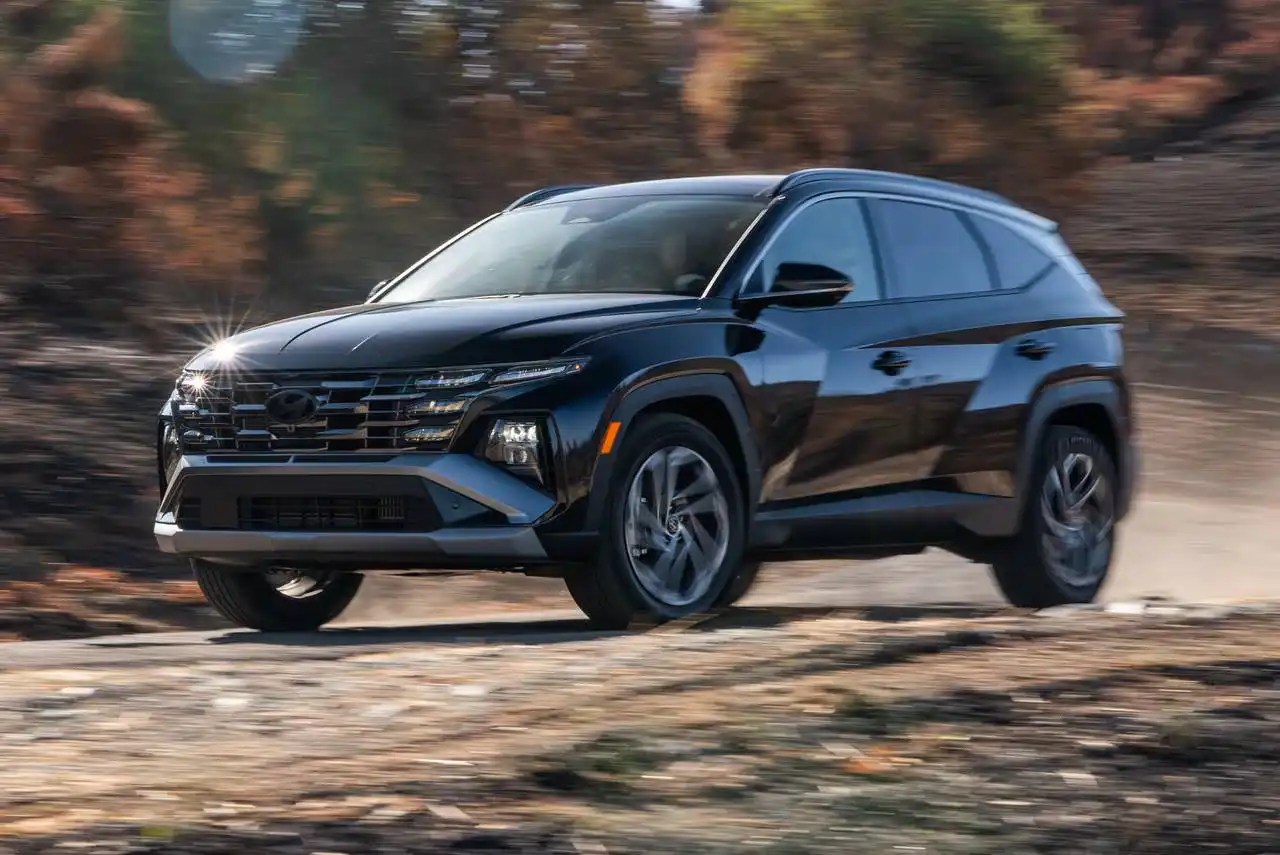
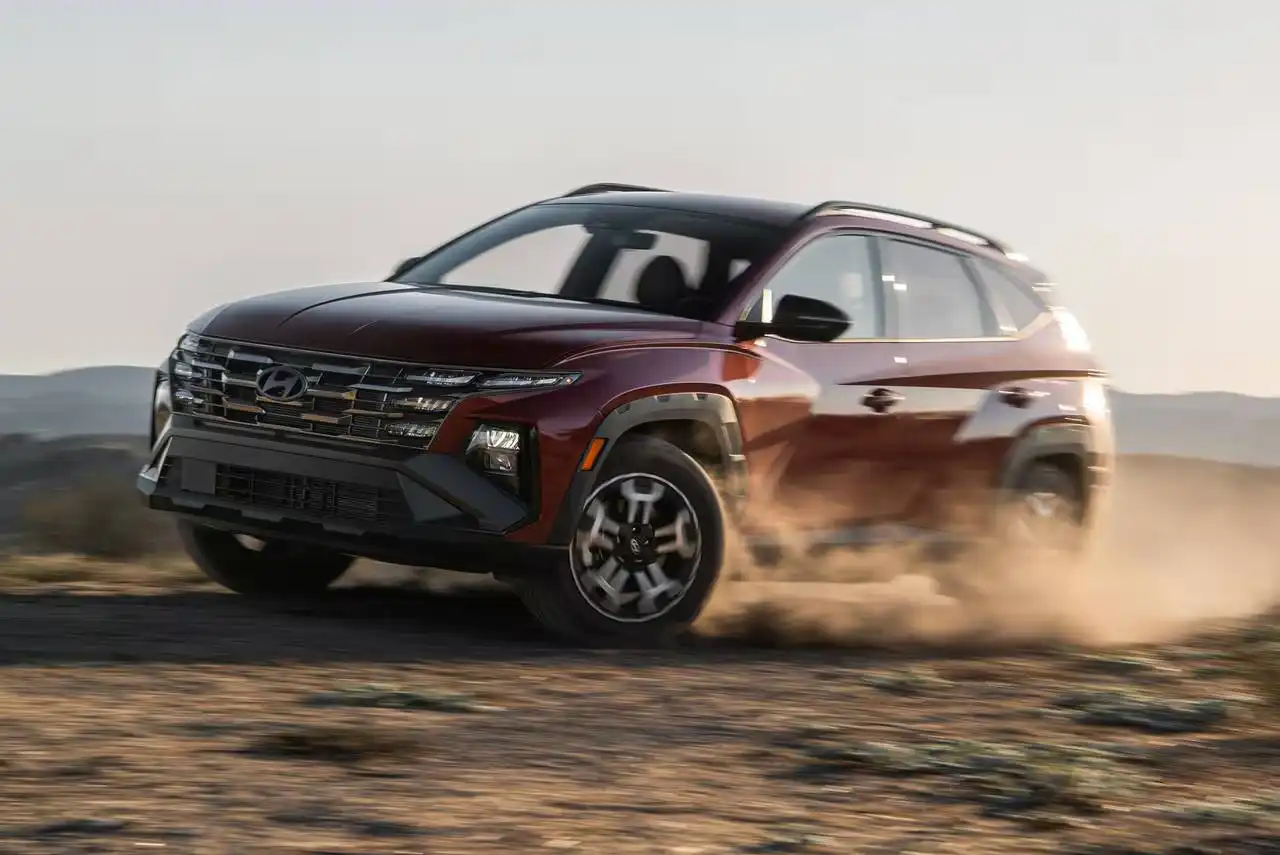
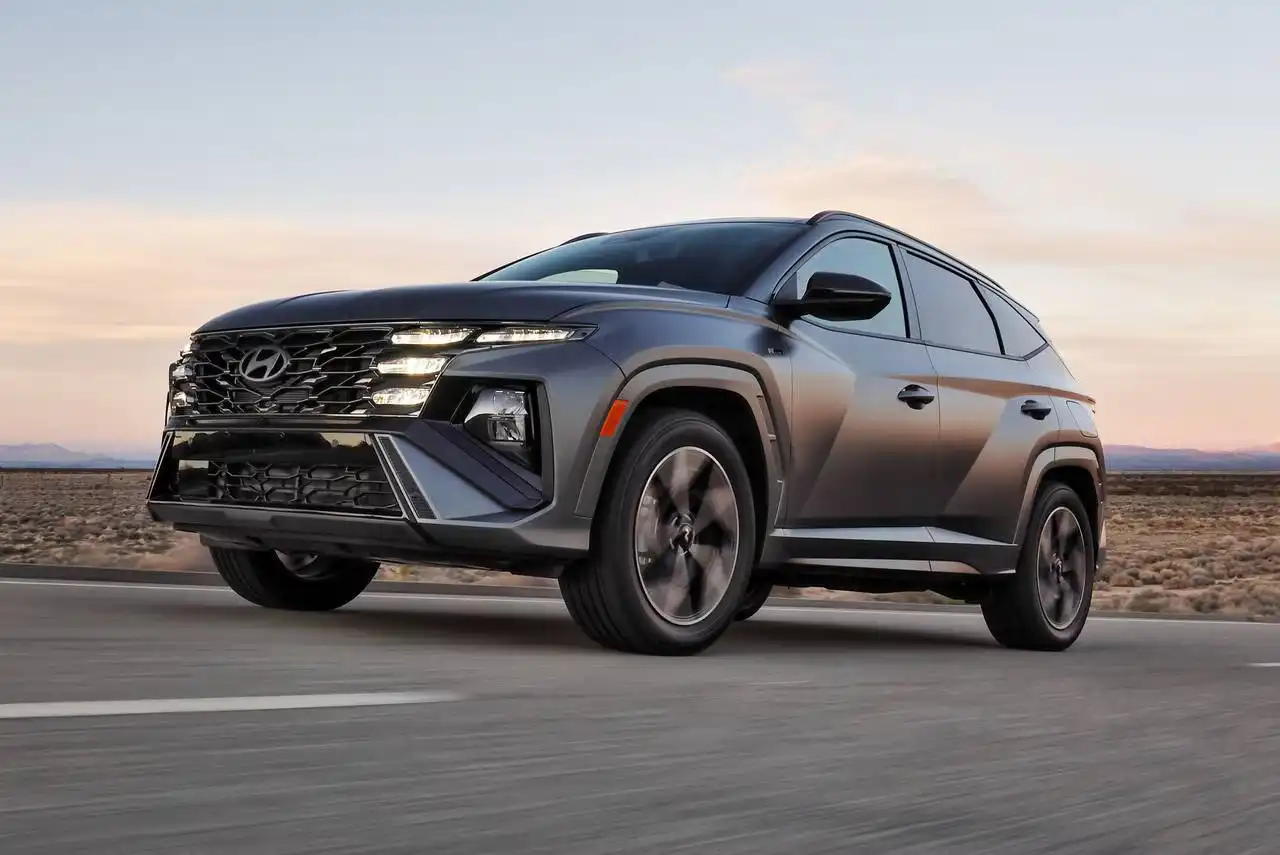
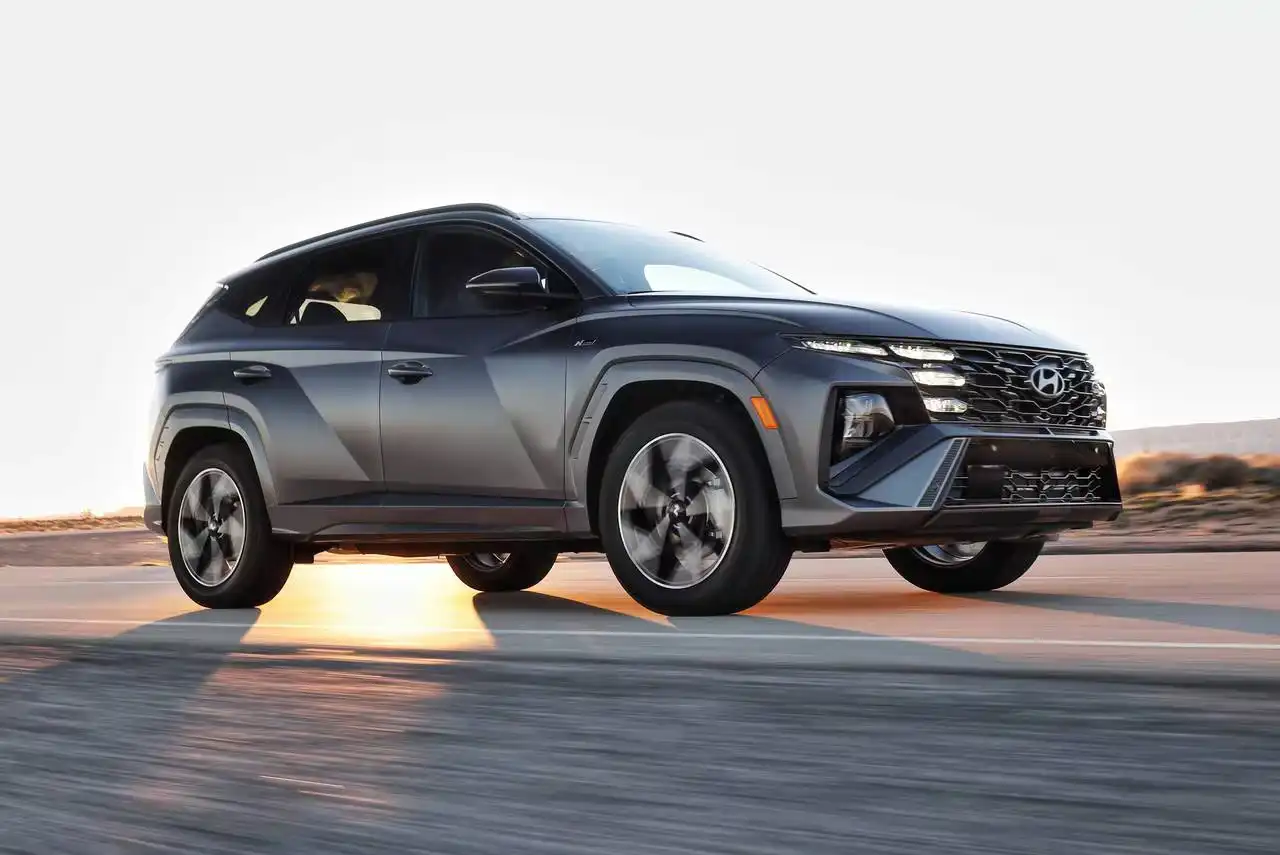
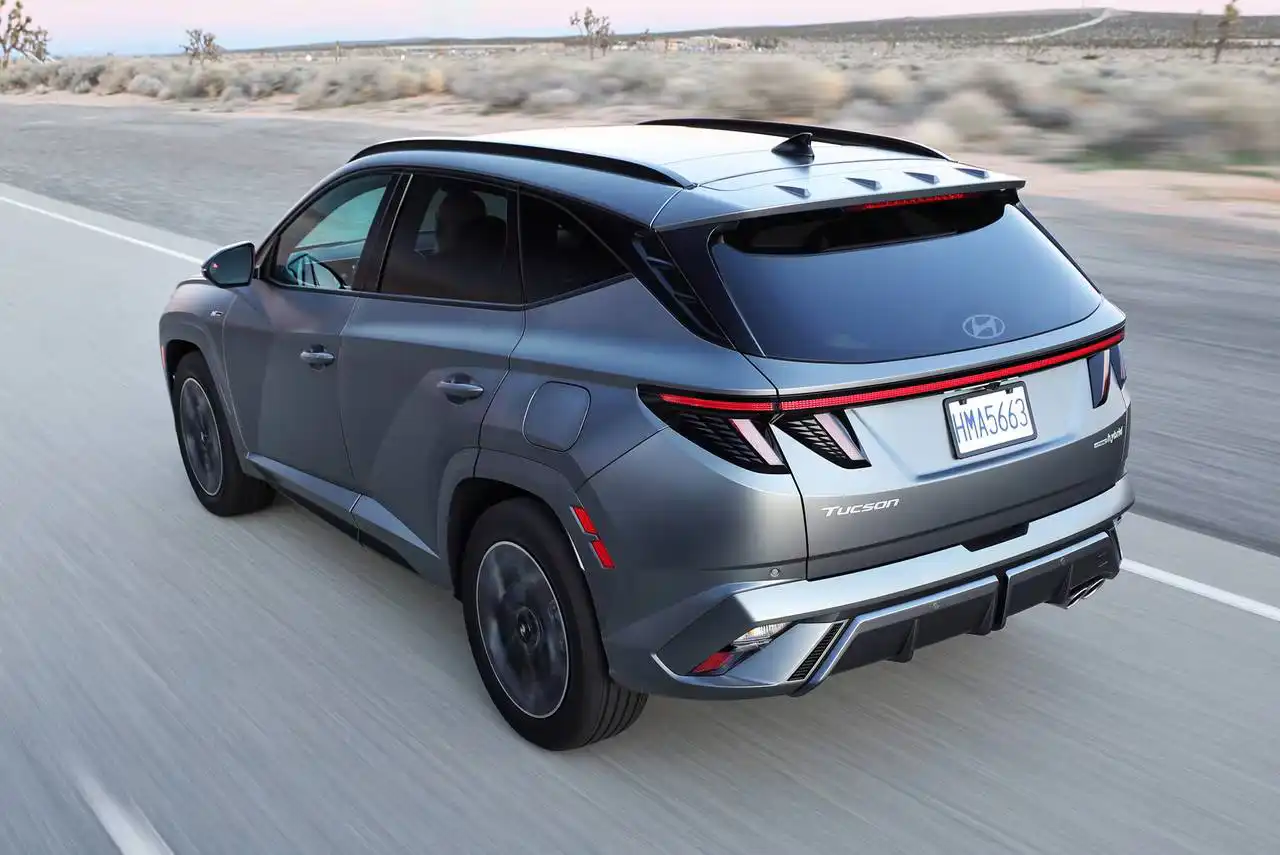
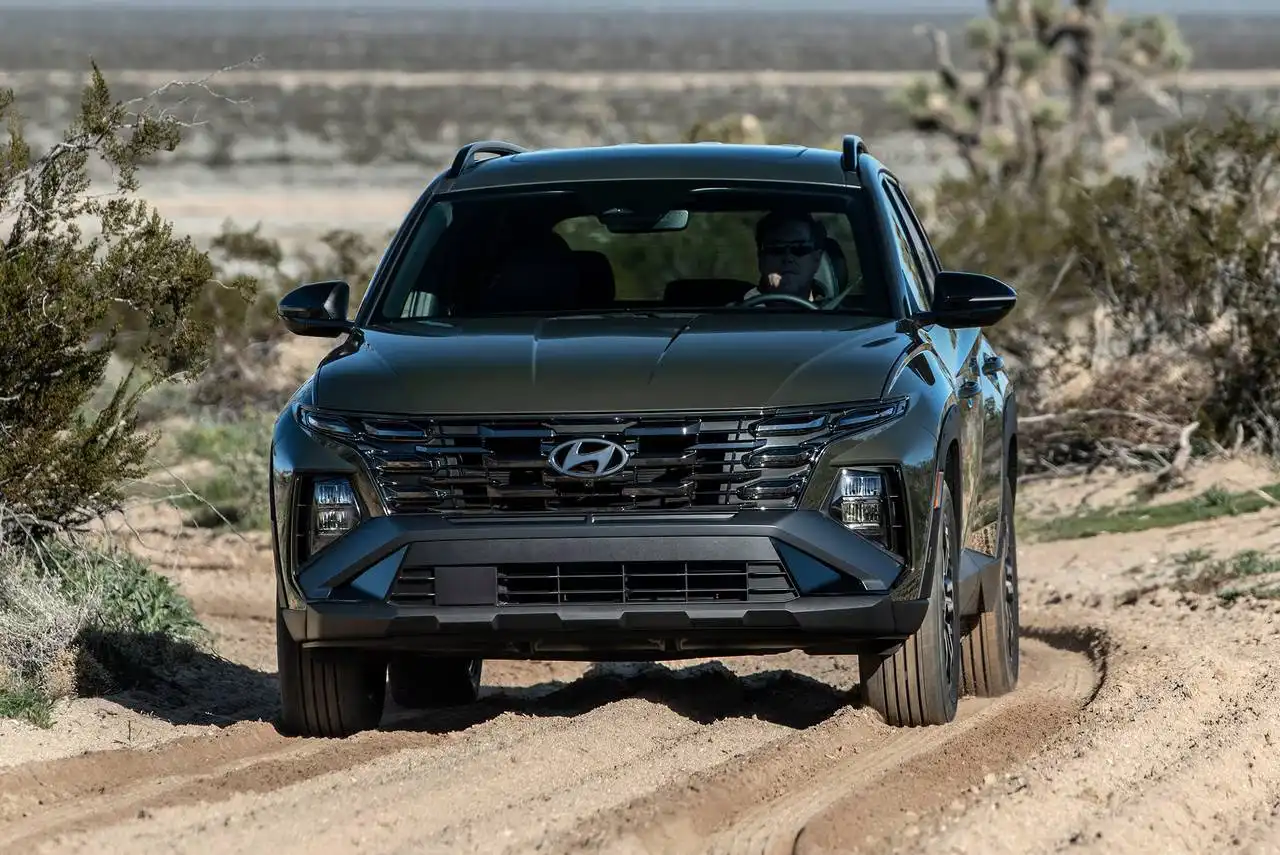
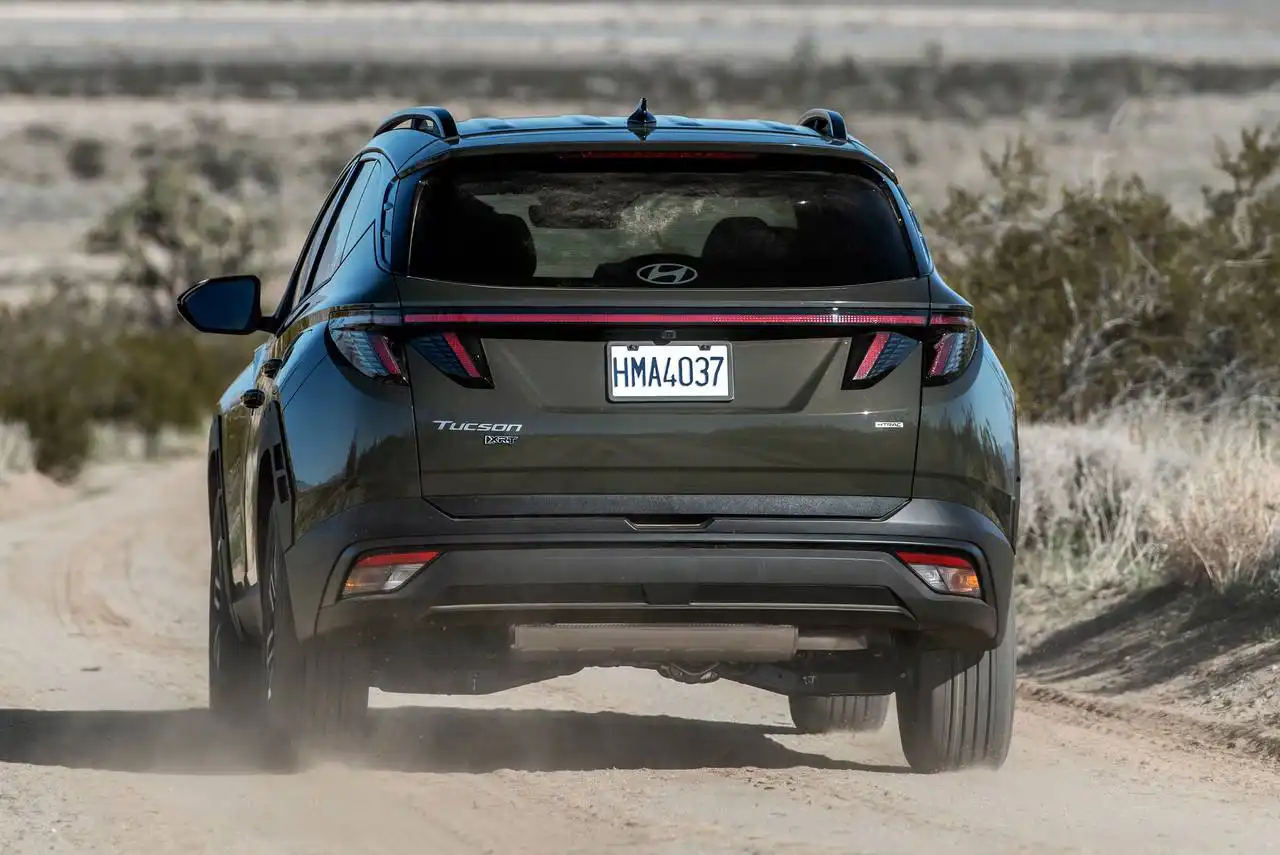
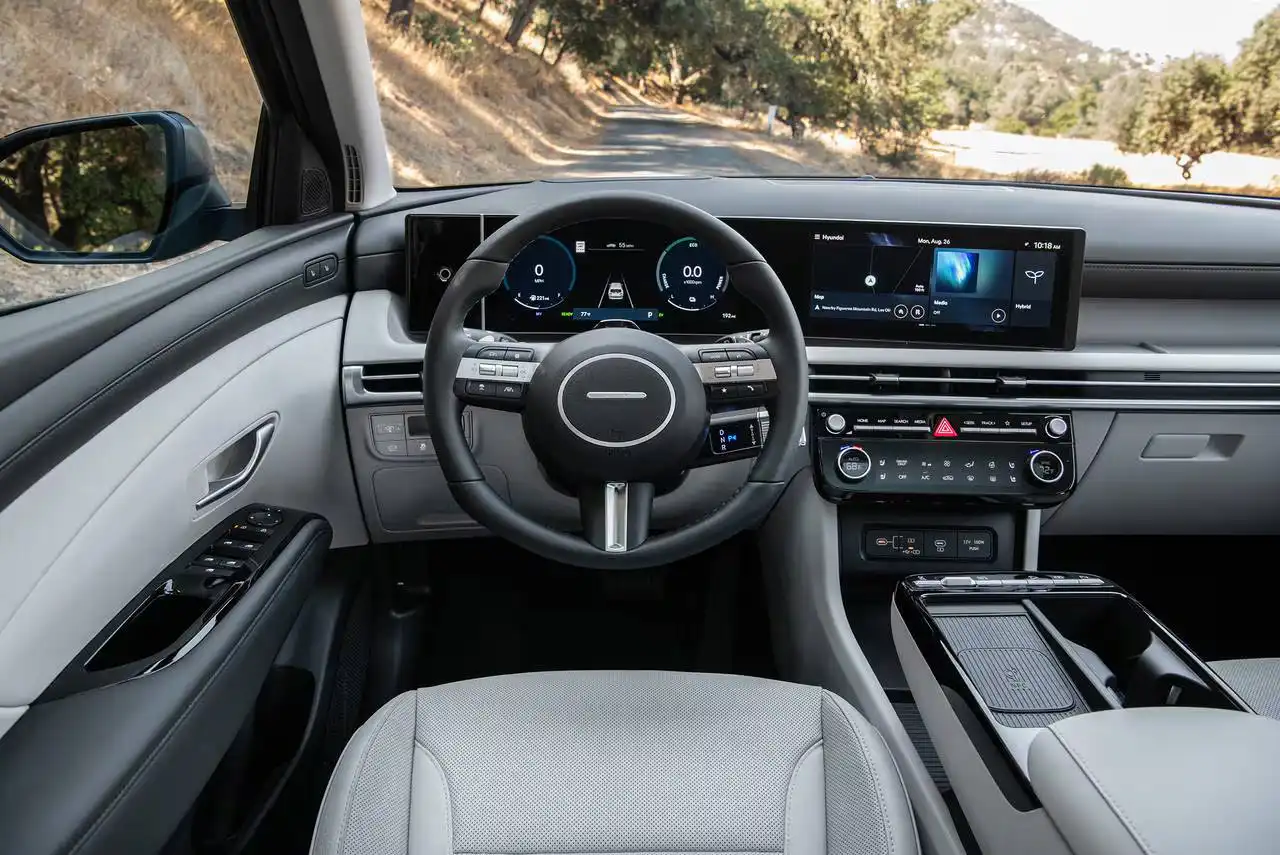
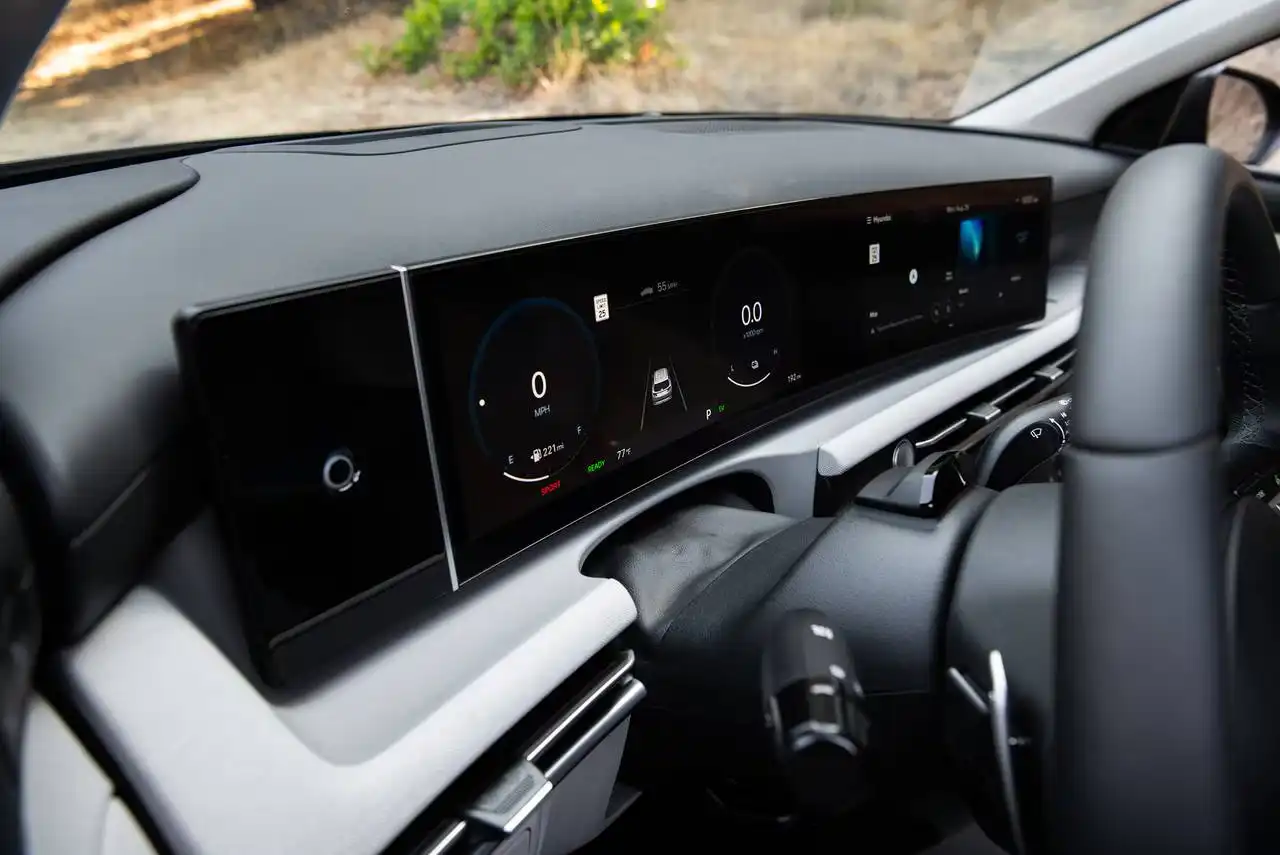
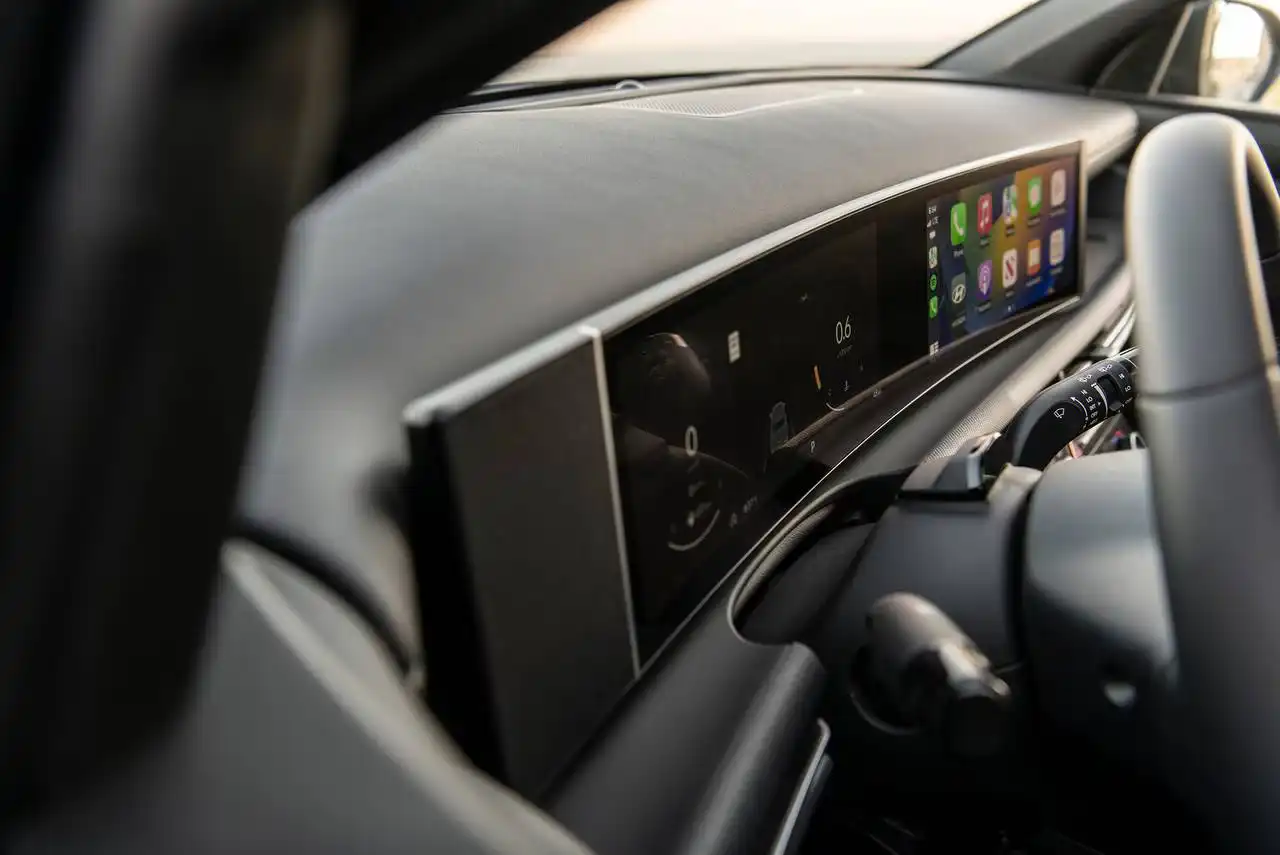
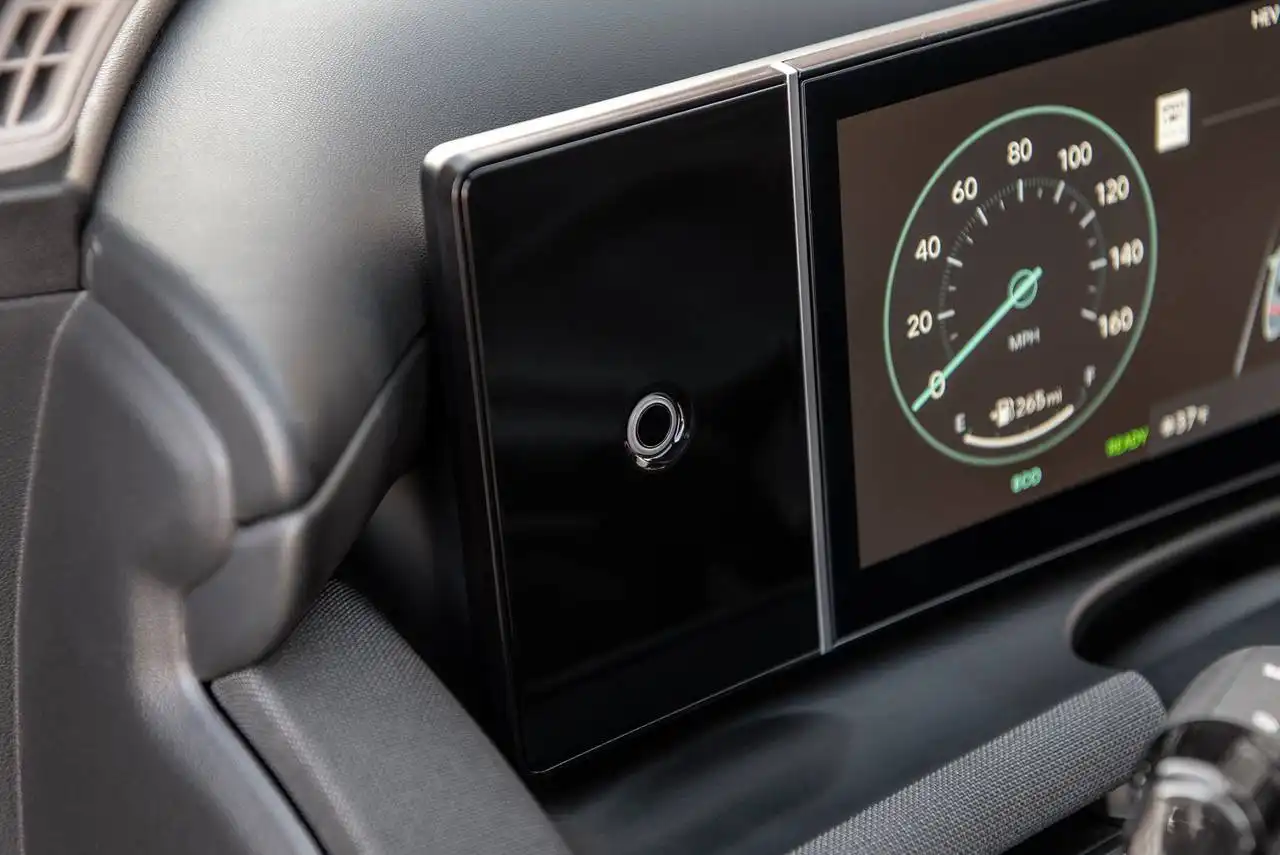
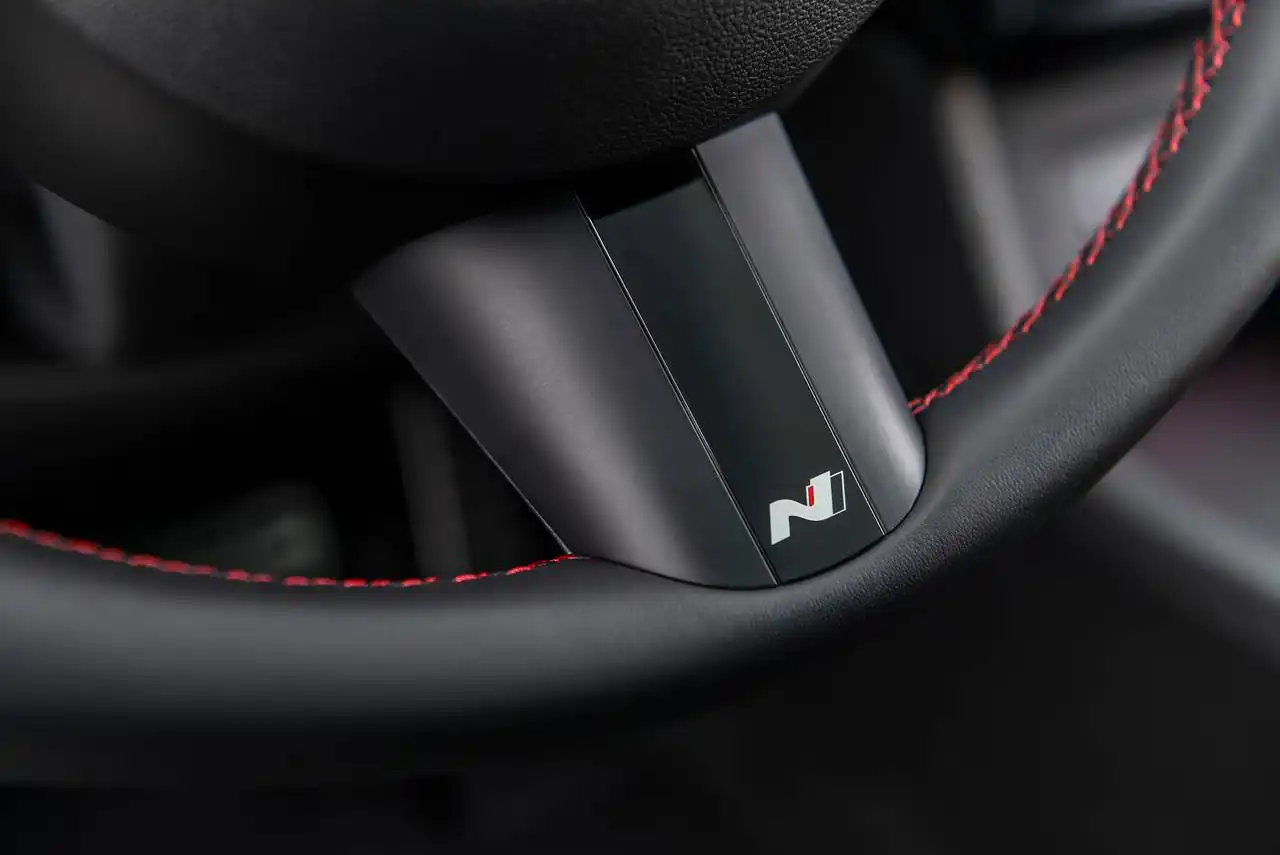
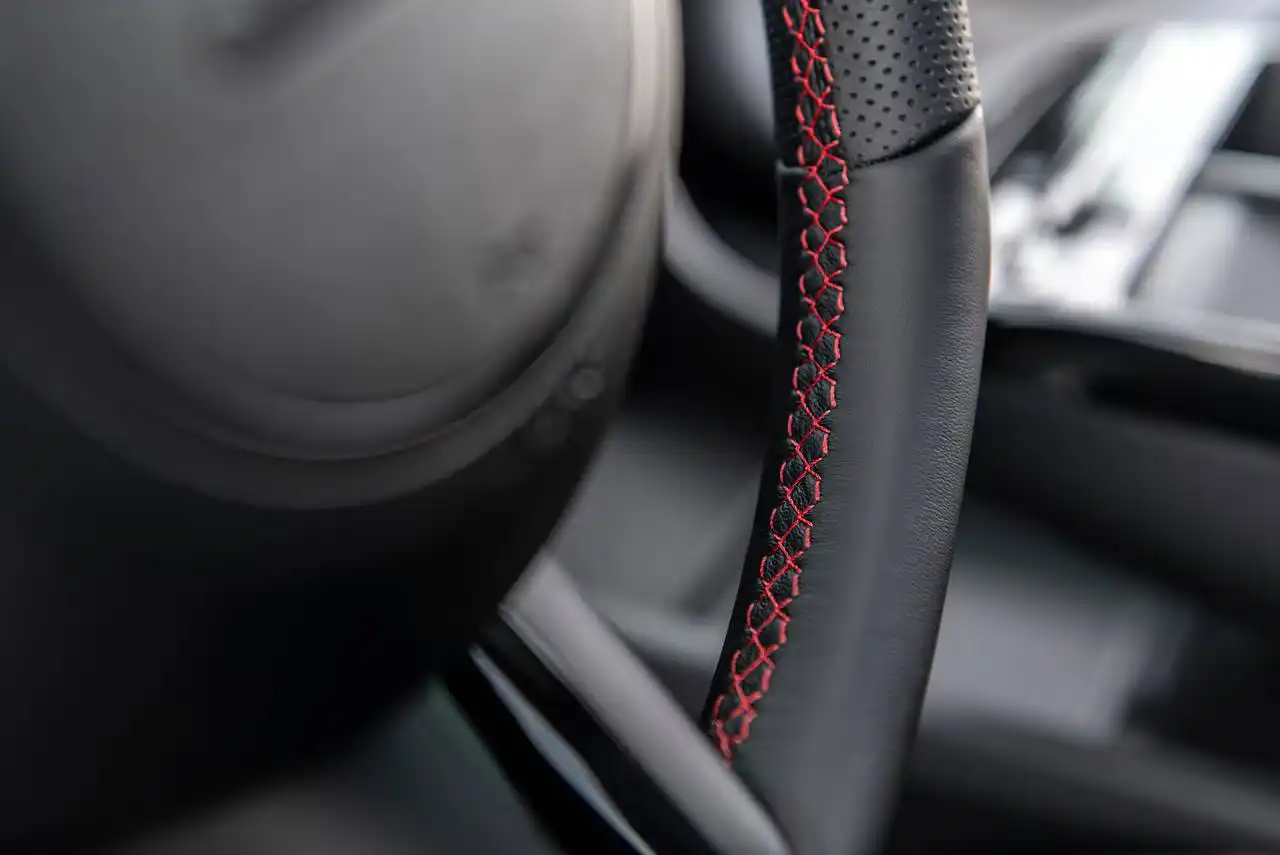
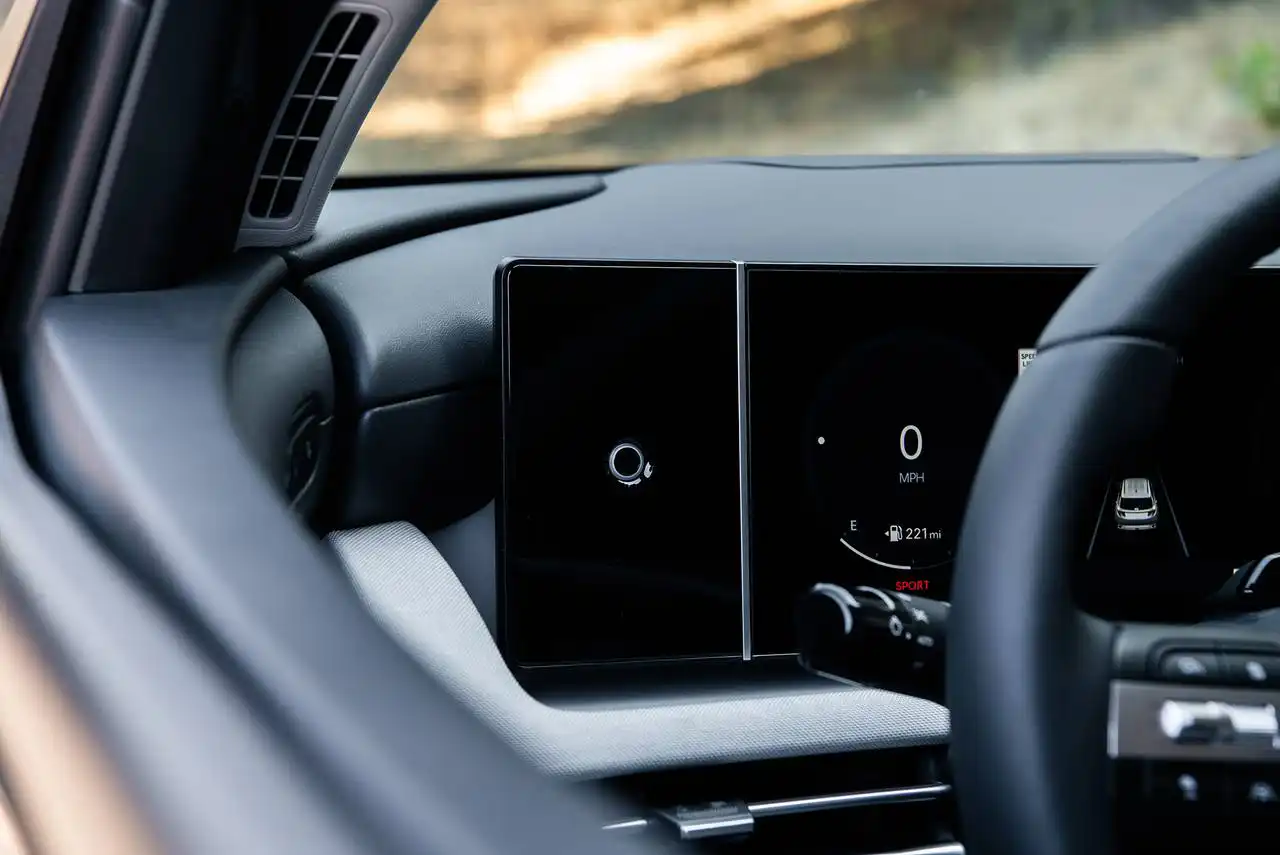
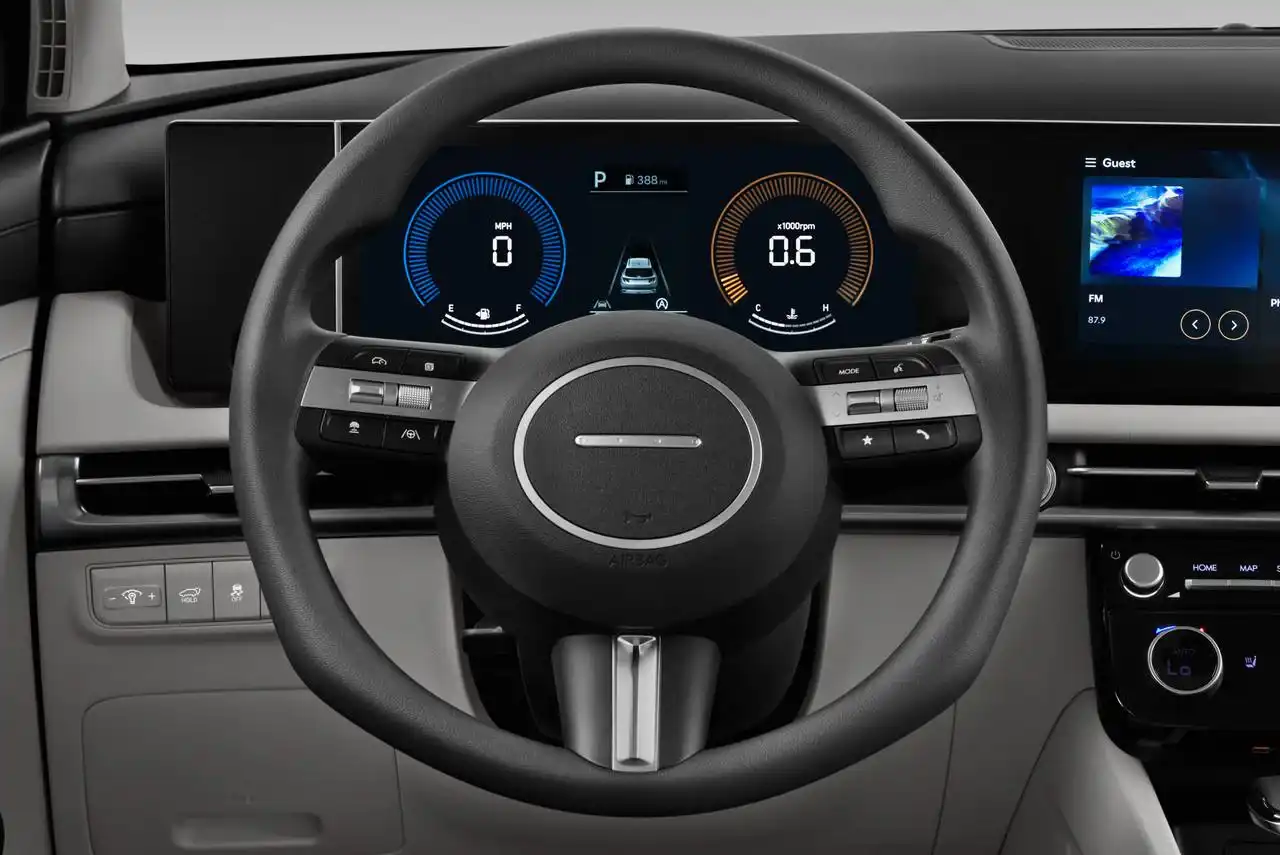
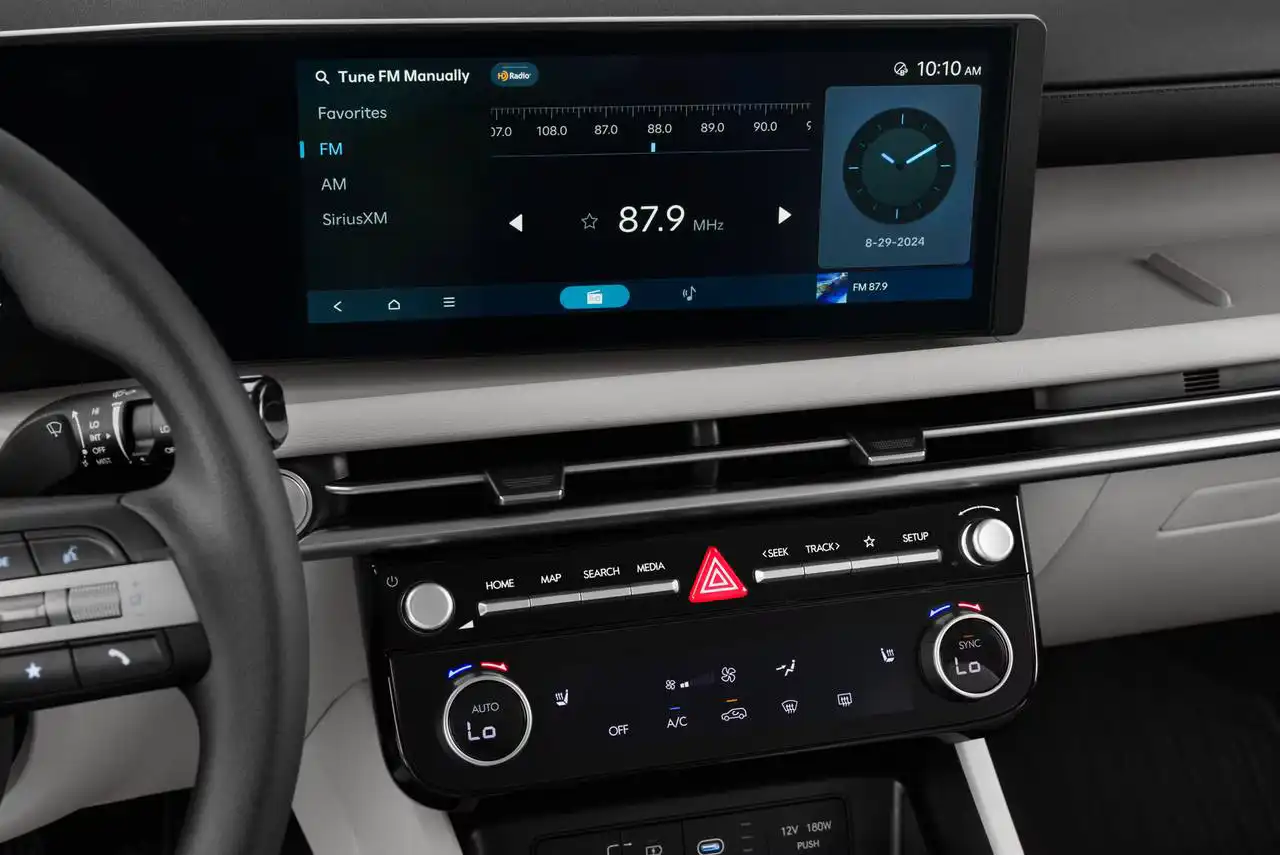
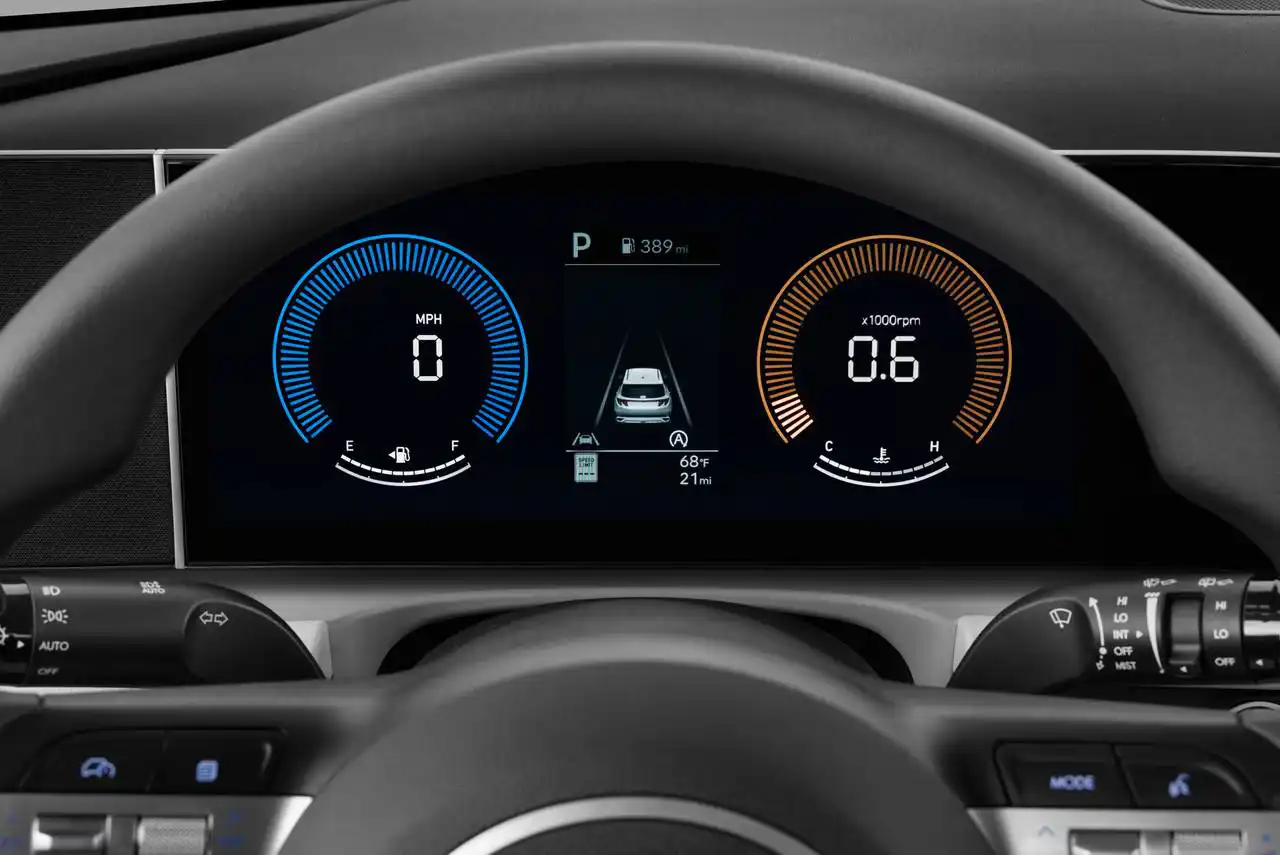
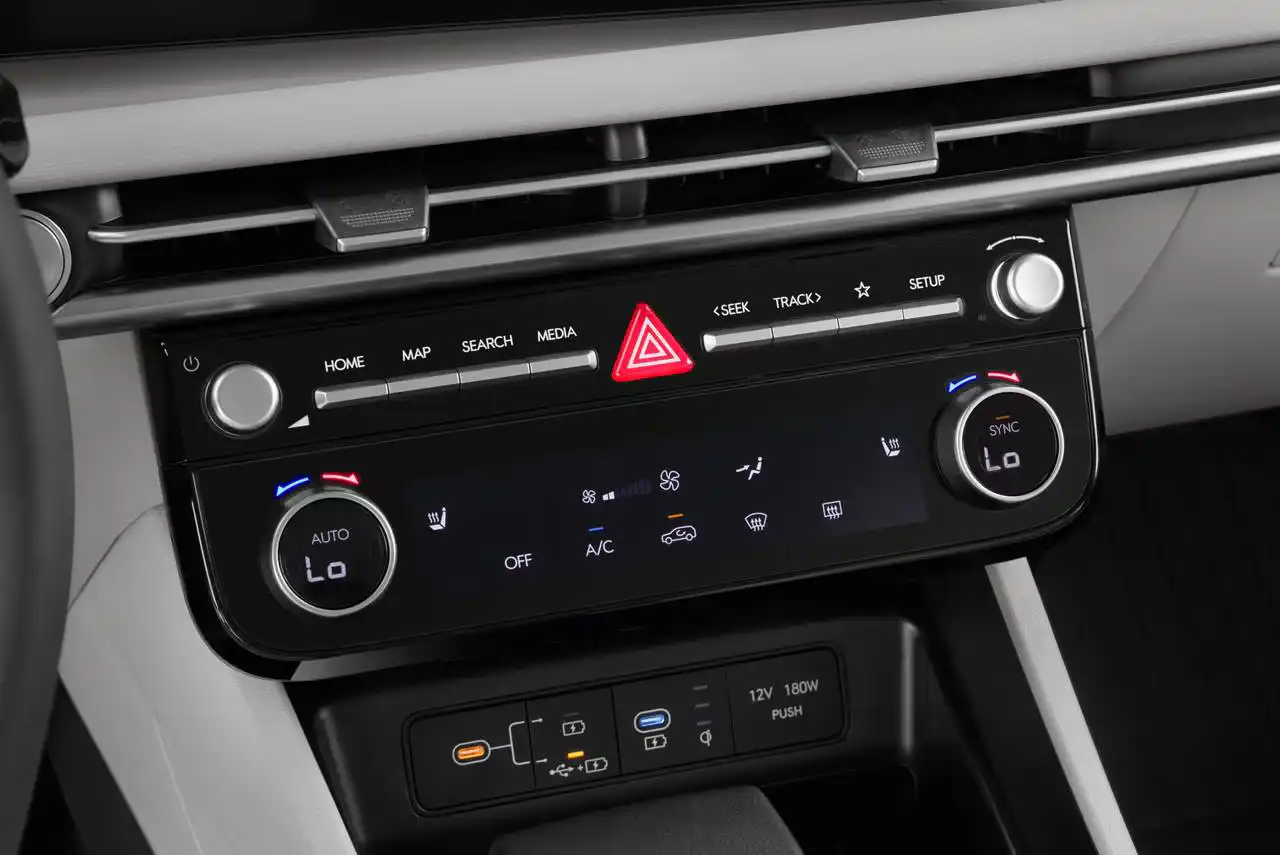
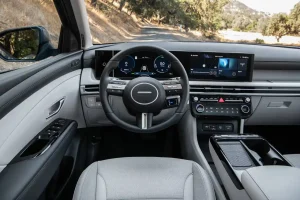
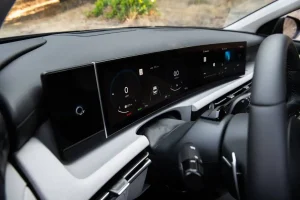
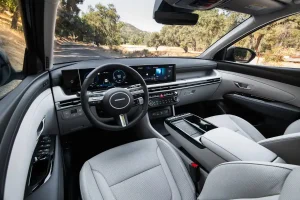
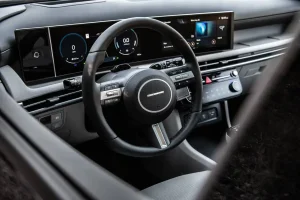
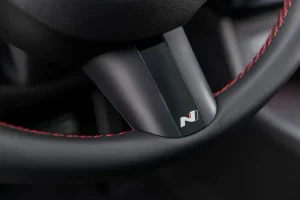
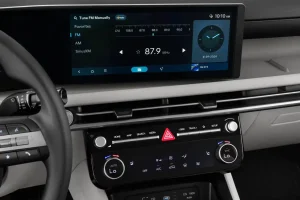
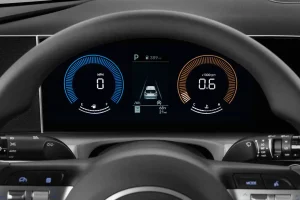
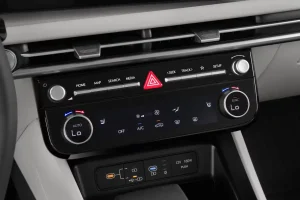
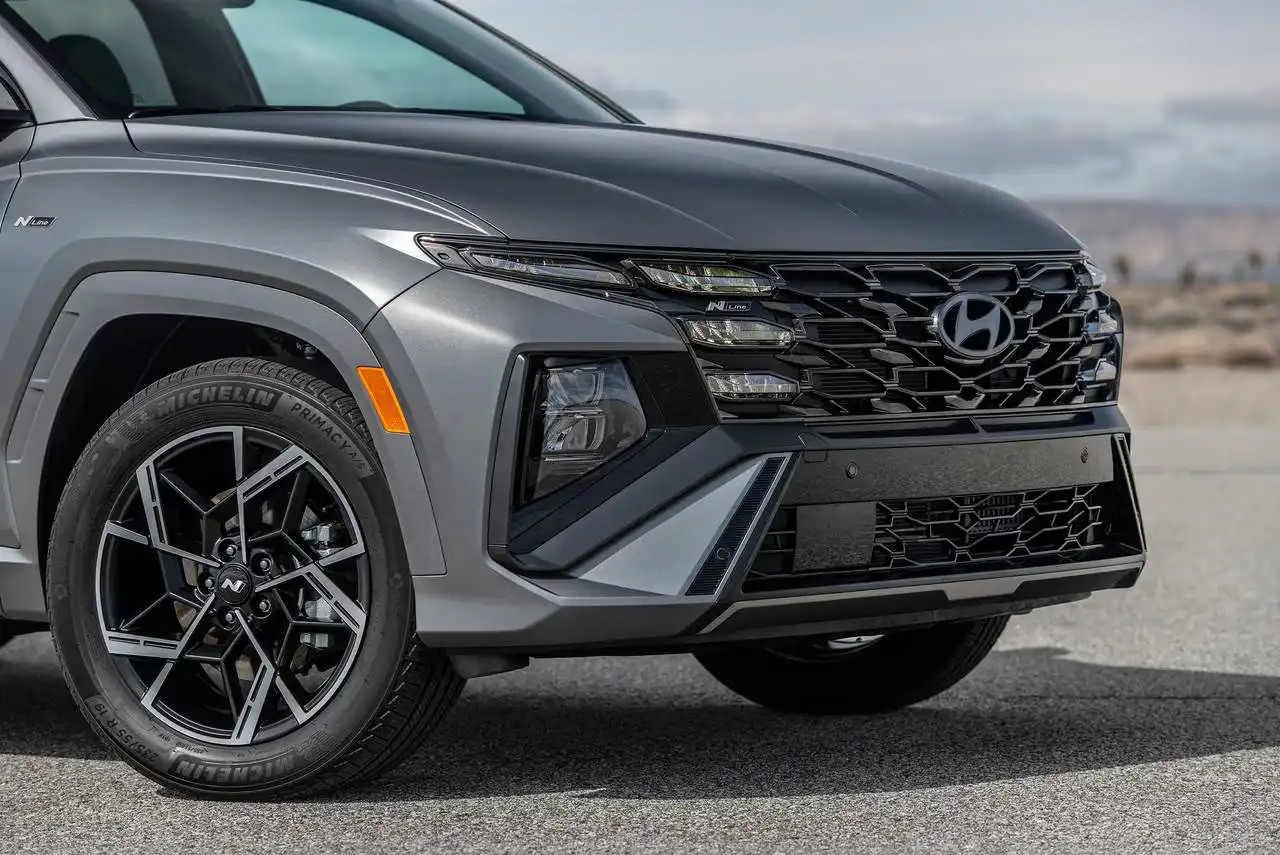
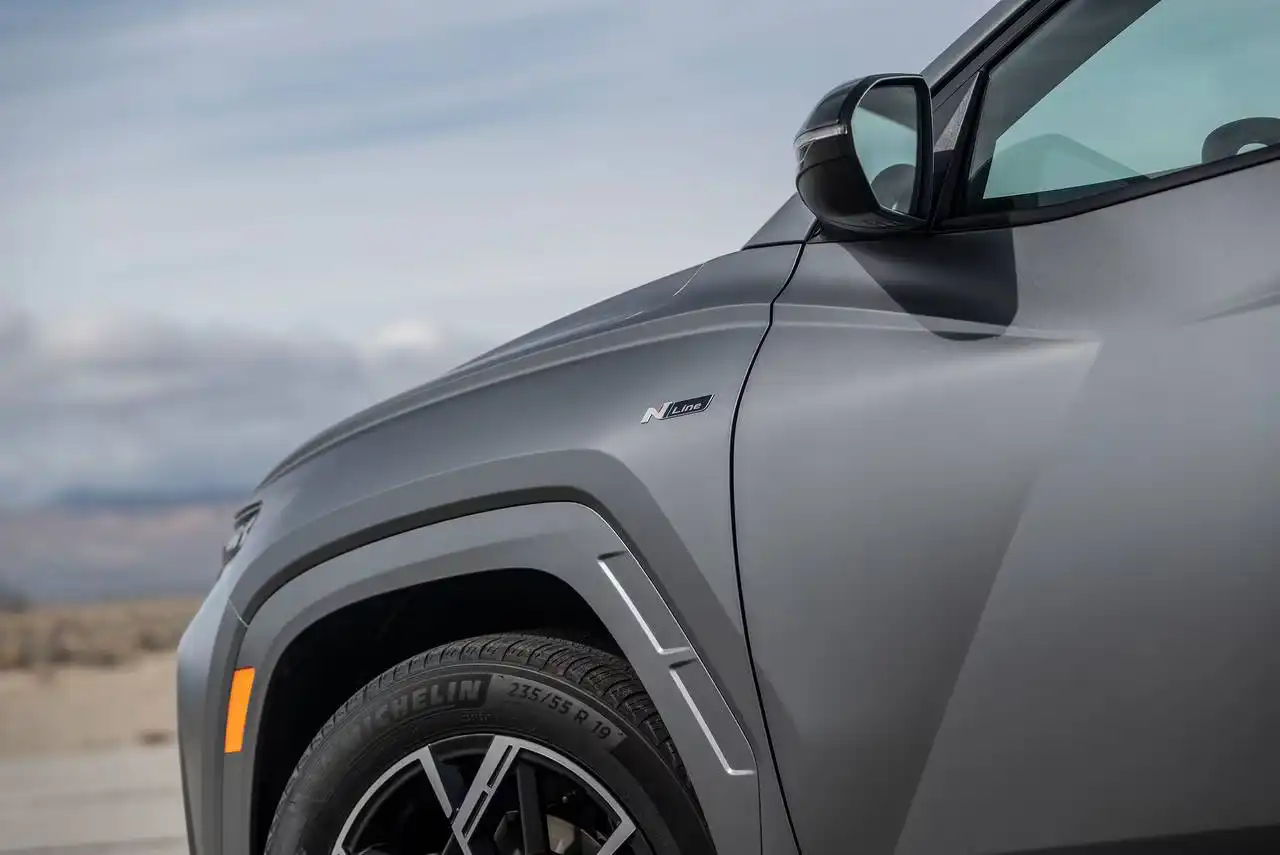
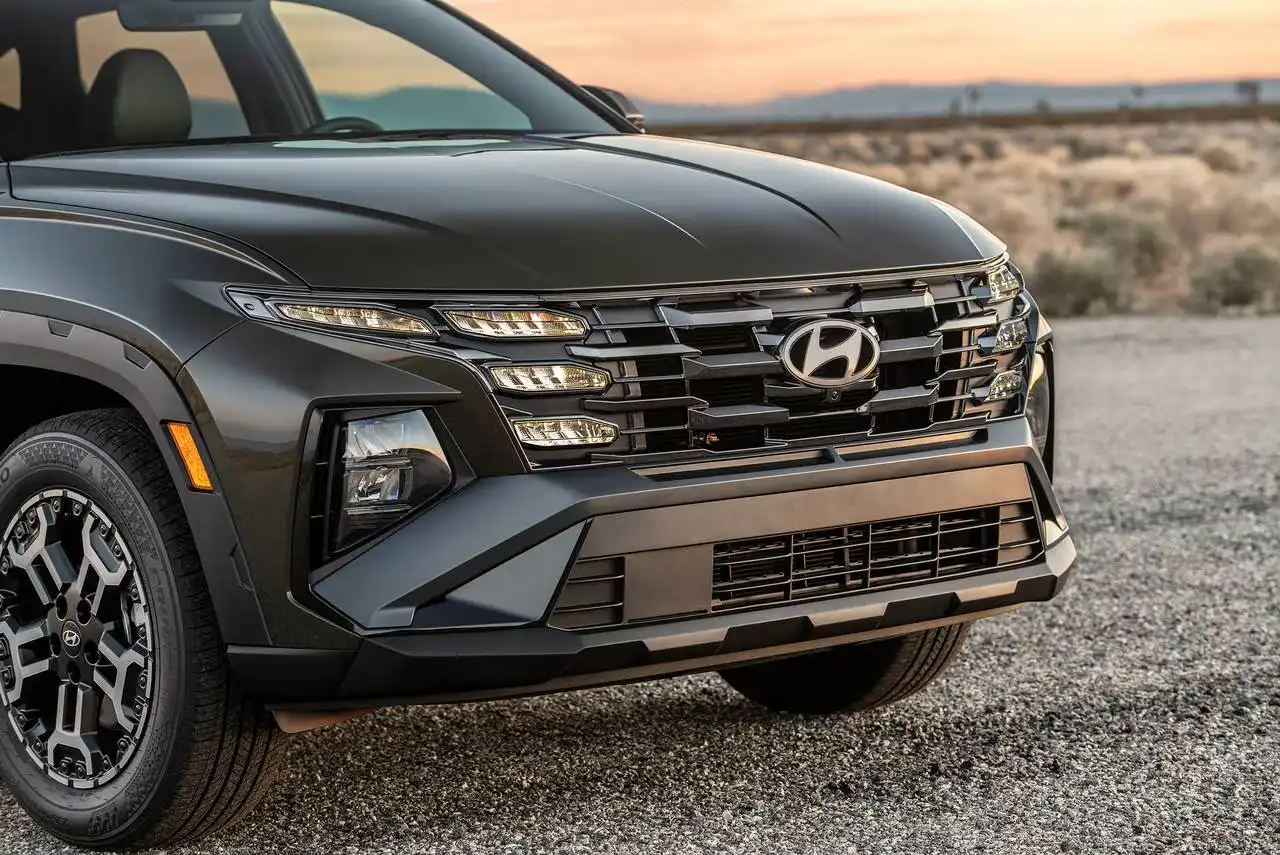
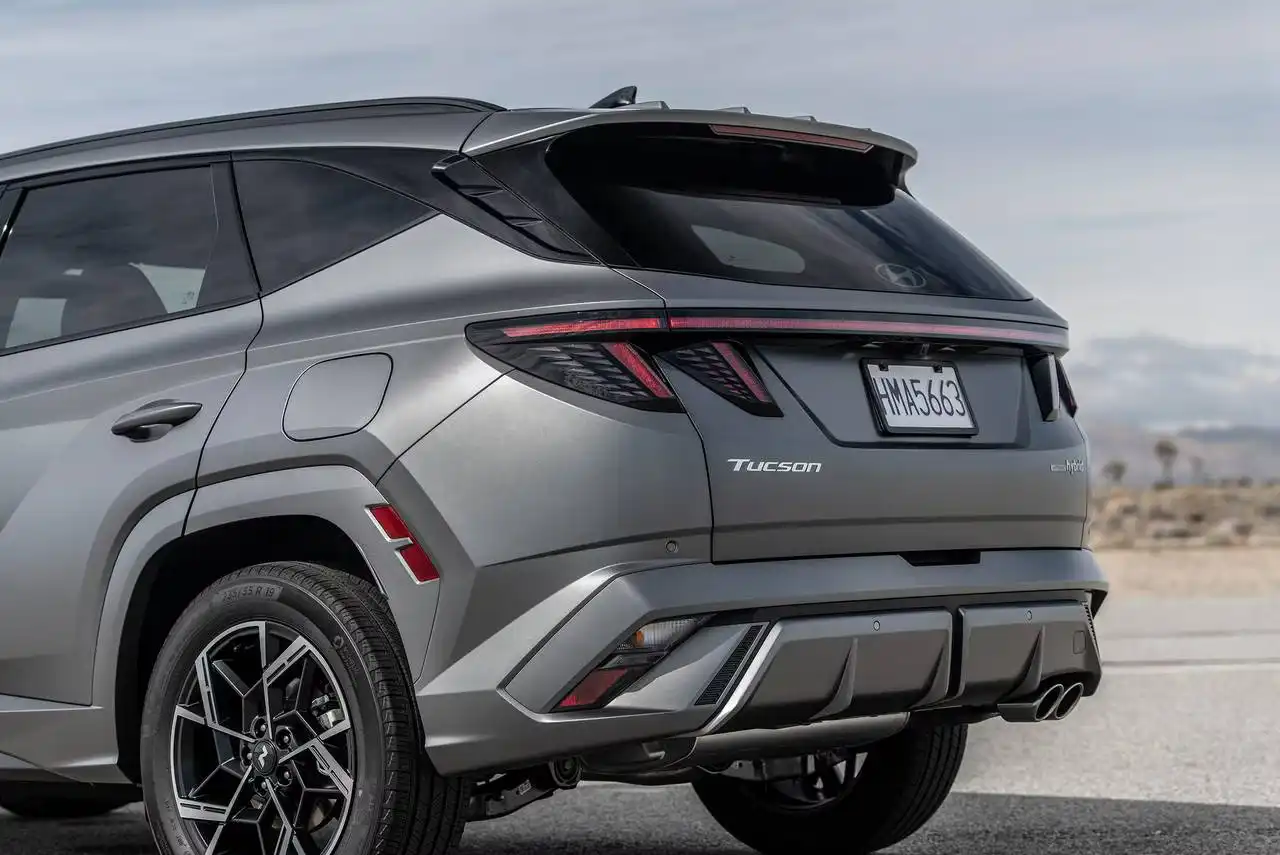
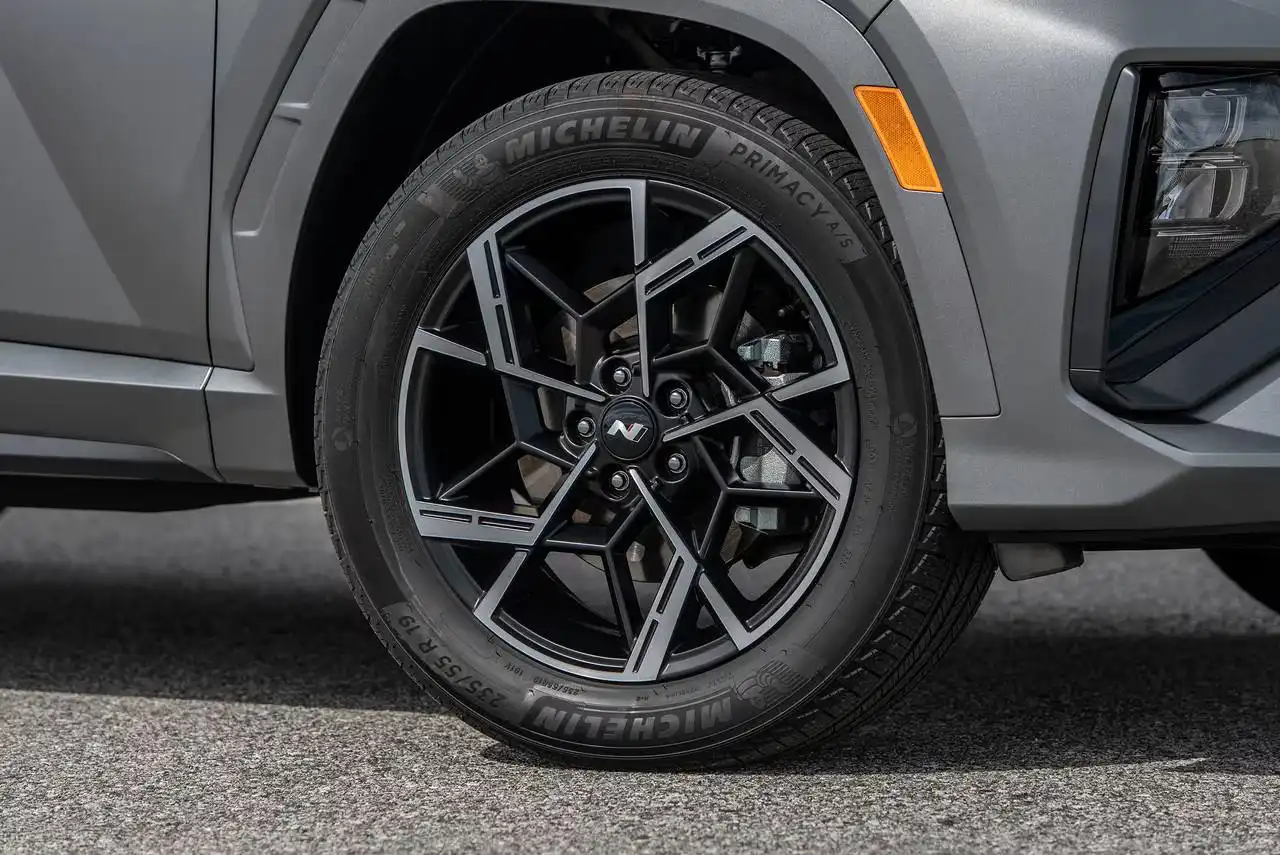
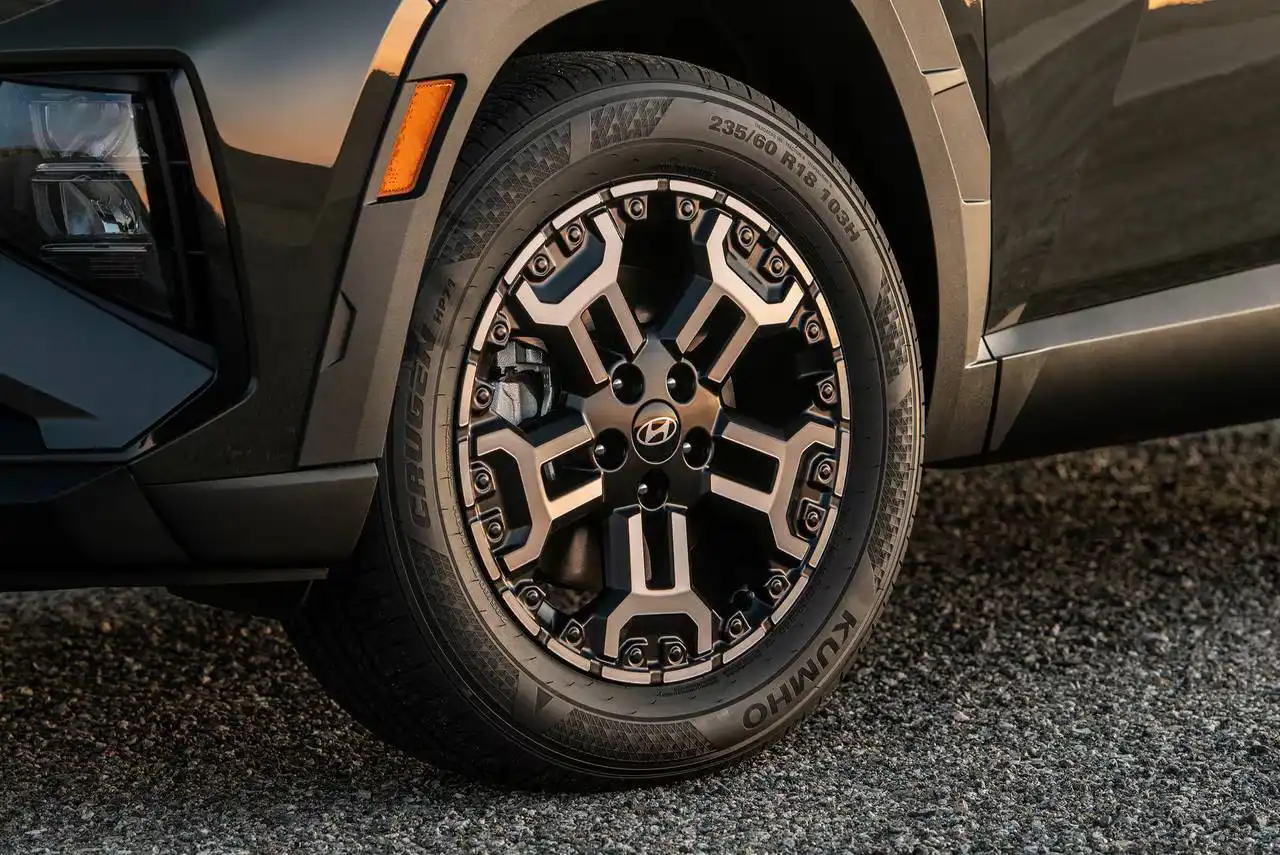
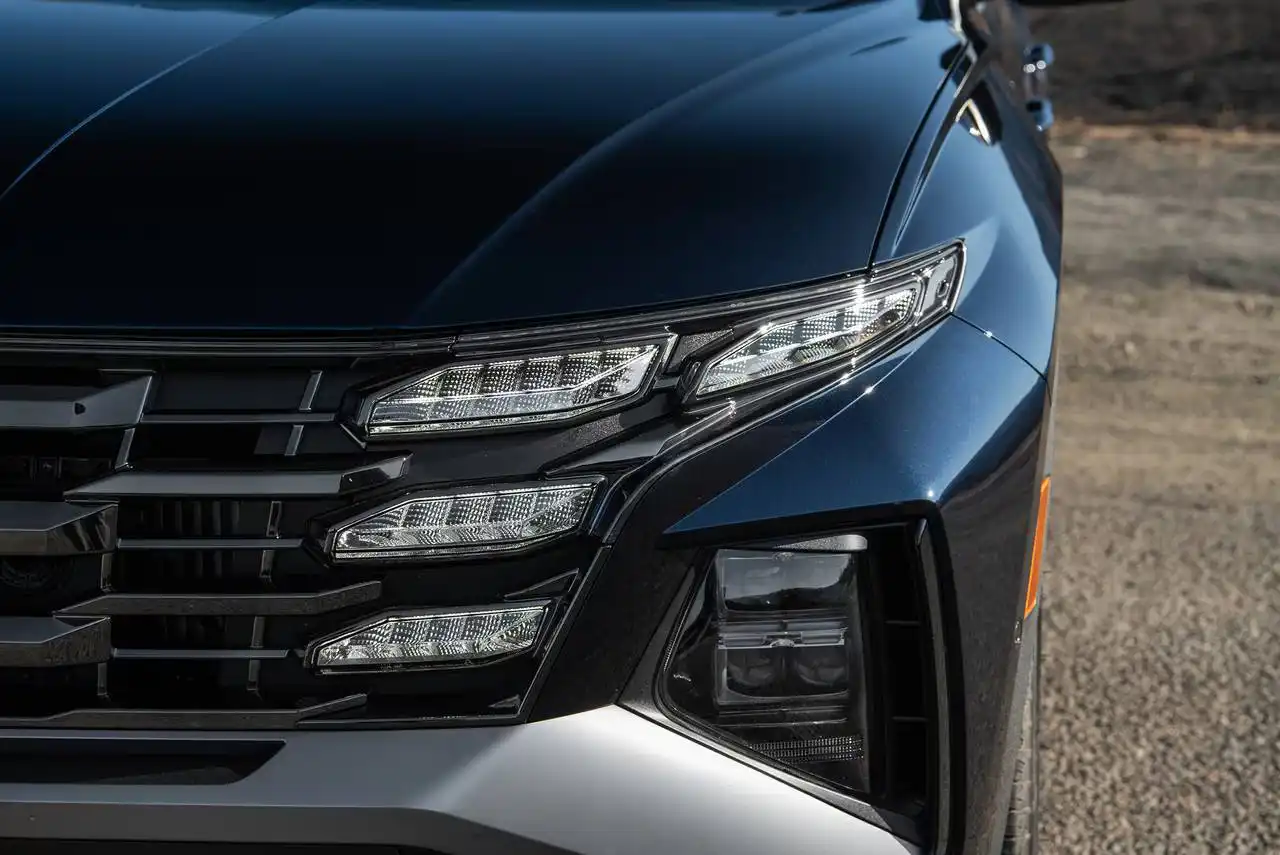
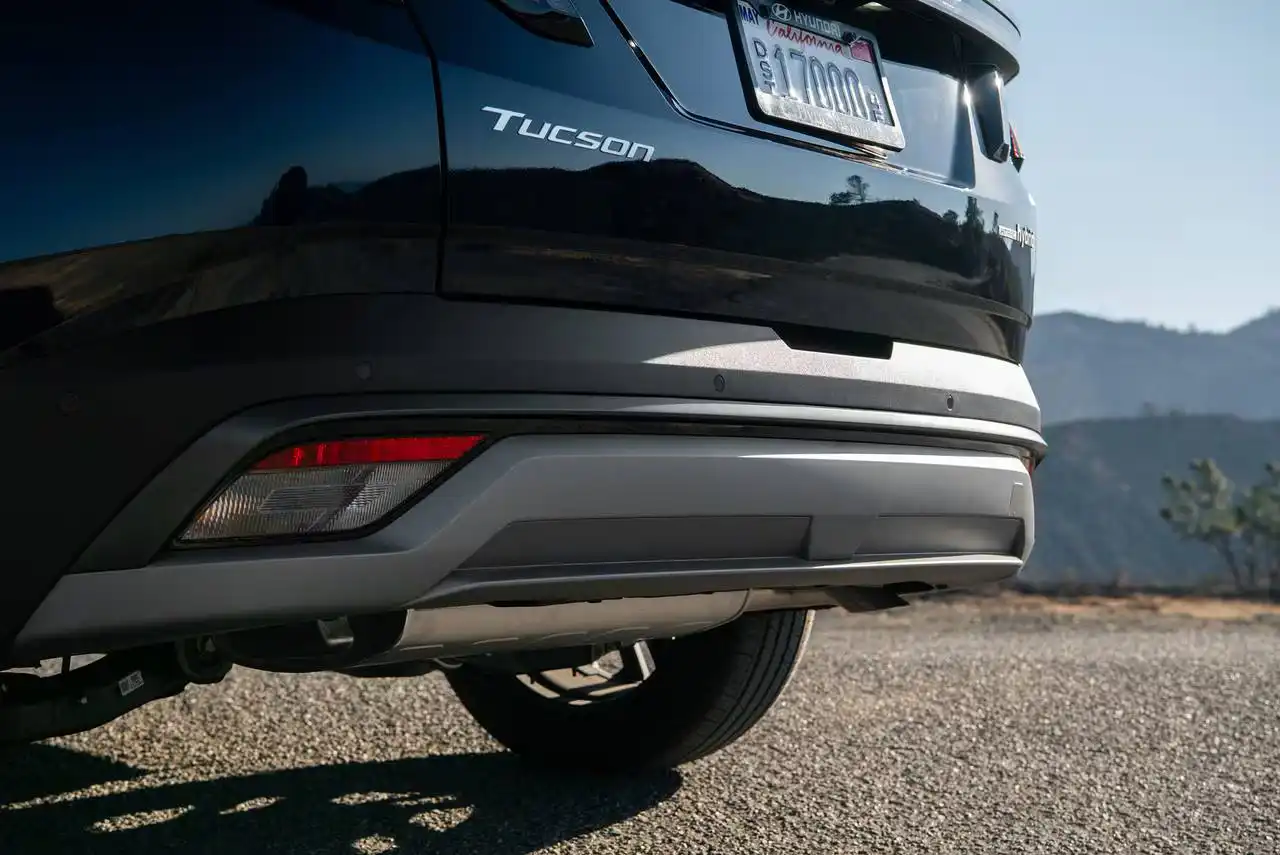
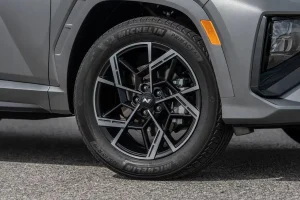
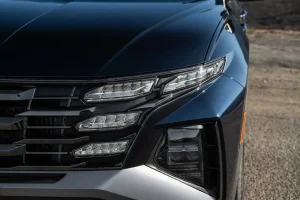
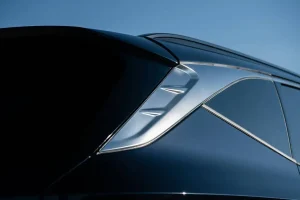
For 2025, the Hyundai Tucson gets a fresh look as it enters its fourth year on the market. The exterior has been updated with a redesigned grille, revised bumpers, and new wheel options. Inside, the biggest change is a revamped infotainment system: higher trims now feature a dual-screen setup, pairing a digital gauge cluster with an infotainment display housed together in a sleek rectangular panel on the dashboard. Base models, meanwhile, come with a 12.3-inch central touchscreen paired with traditional analog gauges. Hyundai has also introduced a new steering wheel design and a refined climate control interface, giving the cabin a more modern, polished feel.
Pricing and Which One to Buy
The 2025 Hyundai Tucson is priced from $30,200 and can climb to $40,140, depending on trim level and options.
| Trim | Starting MSRP (est.) |
|---|---|
|
SE
|
$30,200
|
| SEL |
$32,060
|
| XRT |
$34,510
|
| SEL Convenience |
$34,510
|
|
Limited
|
$40,140
|
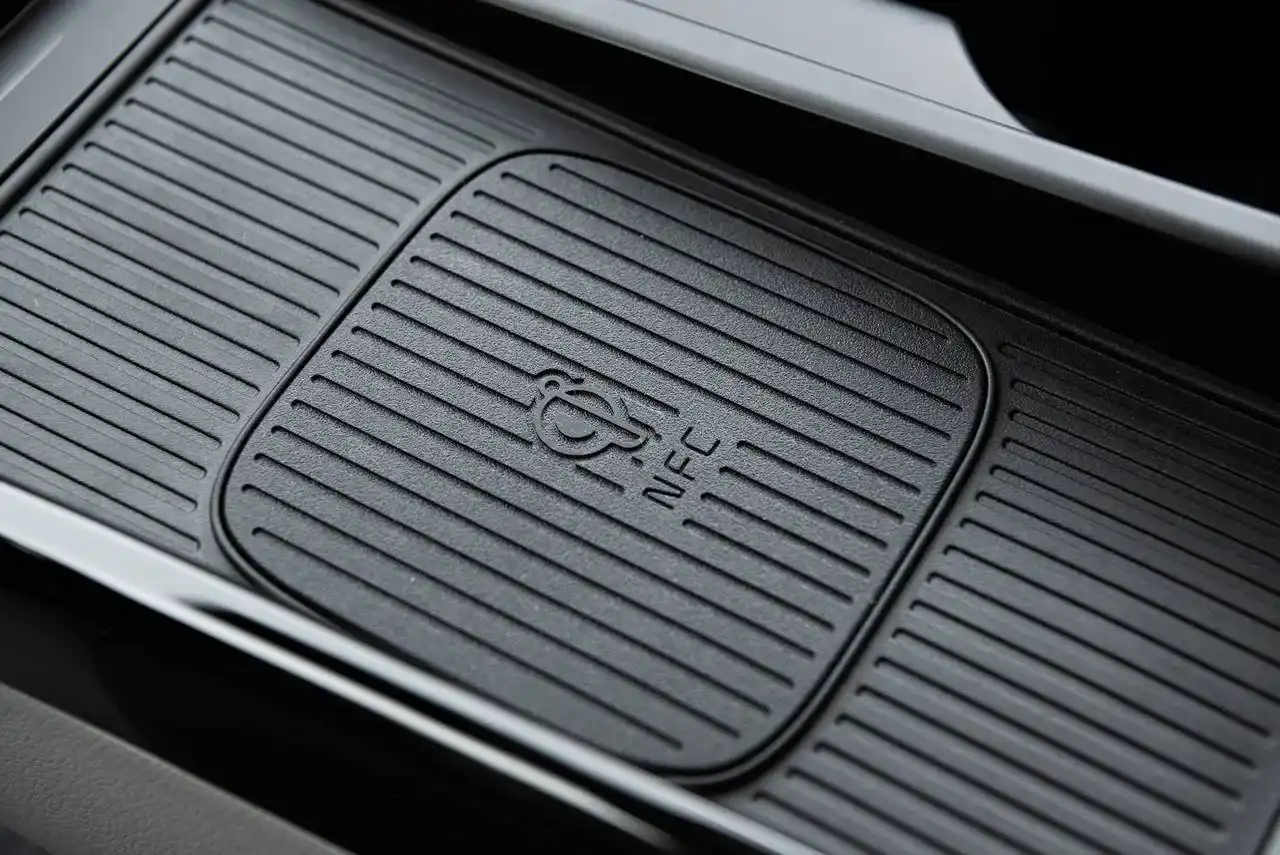
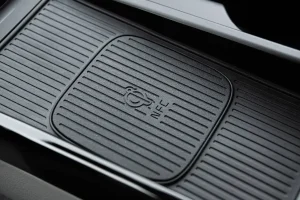
For the best balance of value and features, the mid-range SEL trim is the sweet spot. It comes equipped with conveniences like a power liftgate, power-adjustable driver’s seat, heated front seats, a wireless charging pad, and dual-zone automatic climate control. For buyers looking to enhance comfort and tech even further, the $2,450 Convenience package is worth considering—it adds built-in navigation, a digital gauge cluster, a sunroof, and extra driver-assist features. Regardless of trim, all-wheel drive is available for an additional $1,500.
Engine, Transmission, and Performance
The 2025 Hyundai Tucson comes standard with a 187-hp 2.5-liter four-cylinder engine, paired with an eight-speed automatic transmission and either front- or all-wheel drive. Power delivery is adequate for city driving and highway merges, though drivers seeking stronger acceleration may find themselves wanting more.
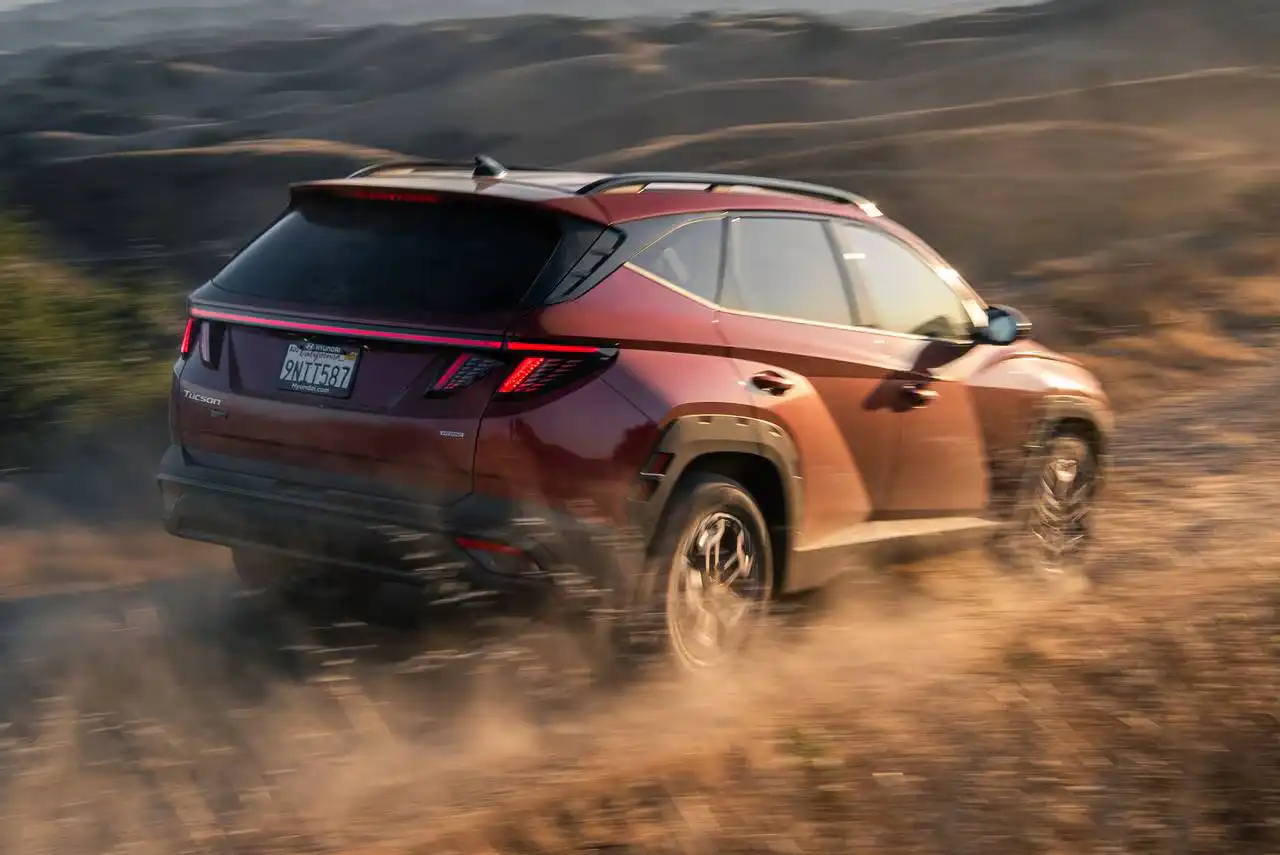
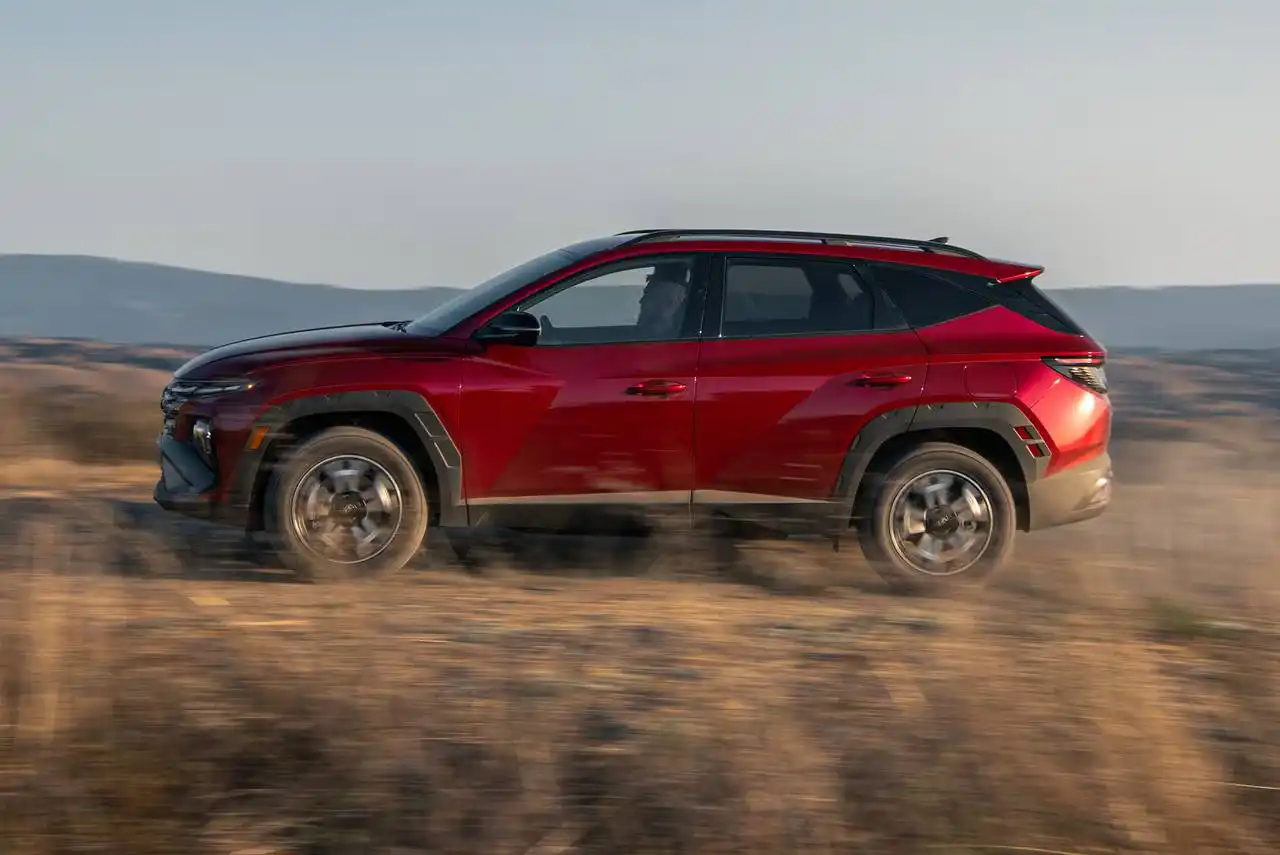
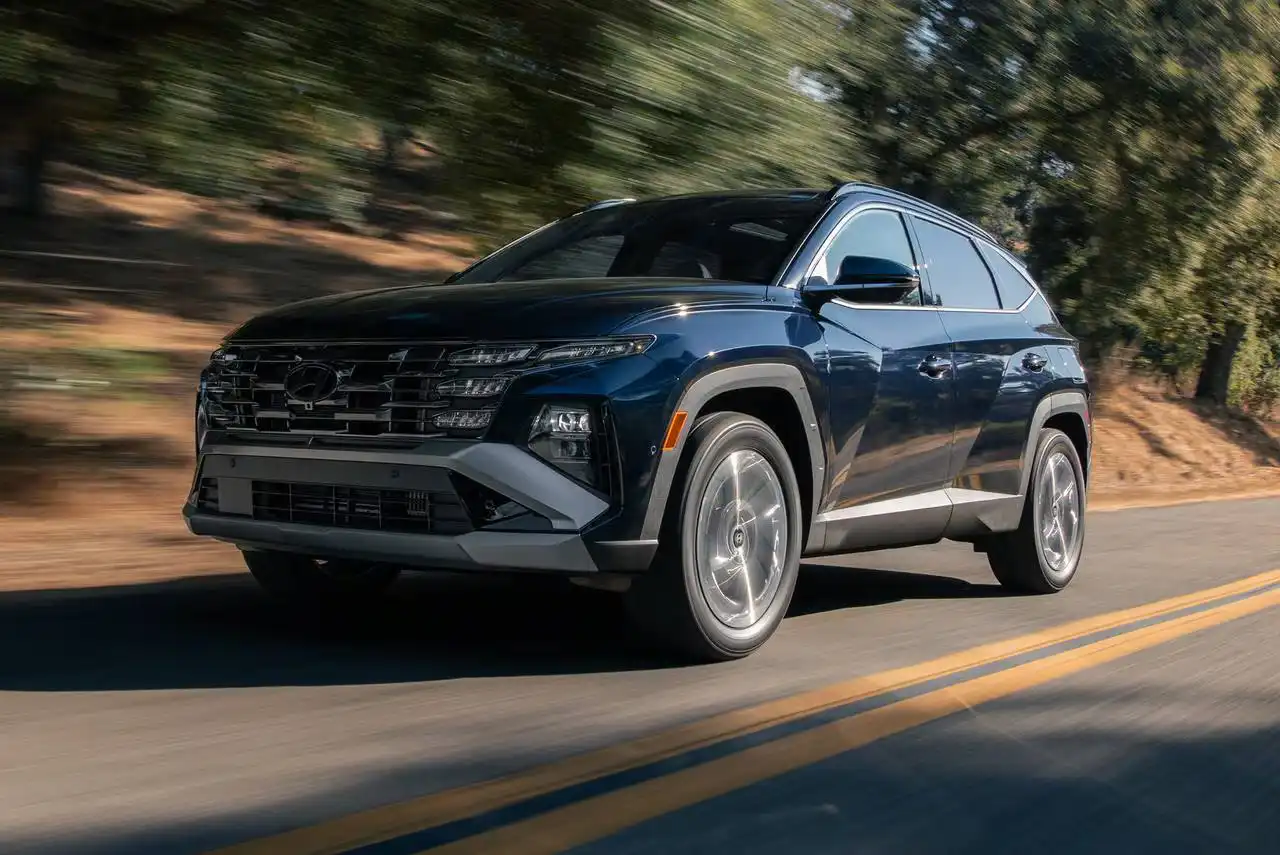
While it’s not built for sporty thrills, the Tucson impresses with confident handling, precise steering, and a smooth, composed ride. What really sets it apart, however, is its refinement: the cabin remains impressively quiet at cruising speeds, giving the SUV a touch of luxury-like calmness that’s uncommon in this segment.

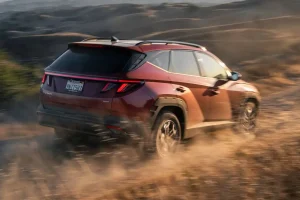
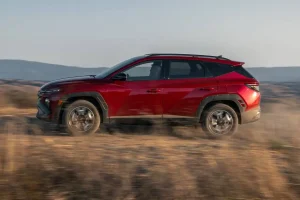
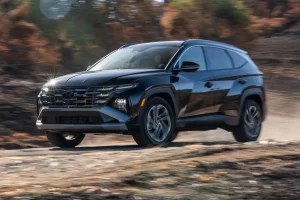

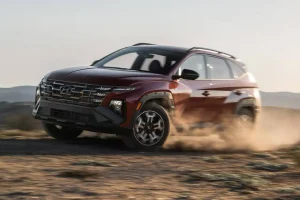
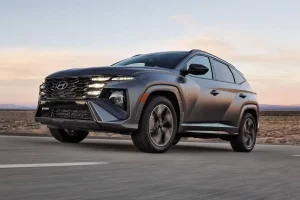
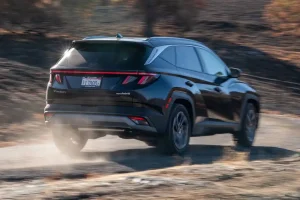
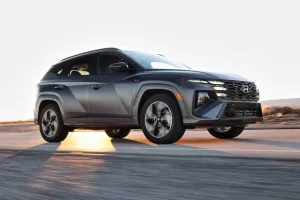


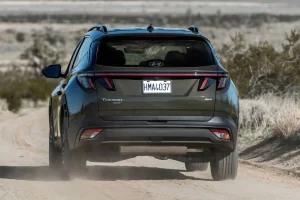
0–60 MPH Times
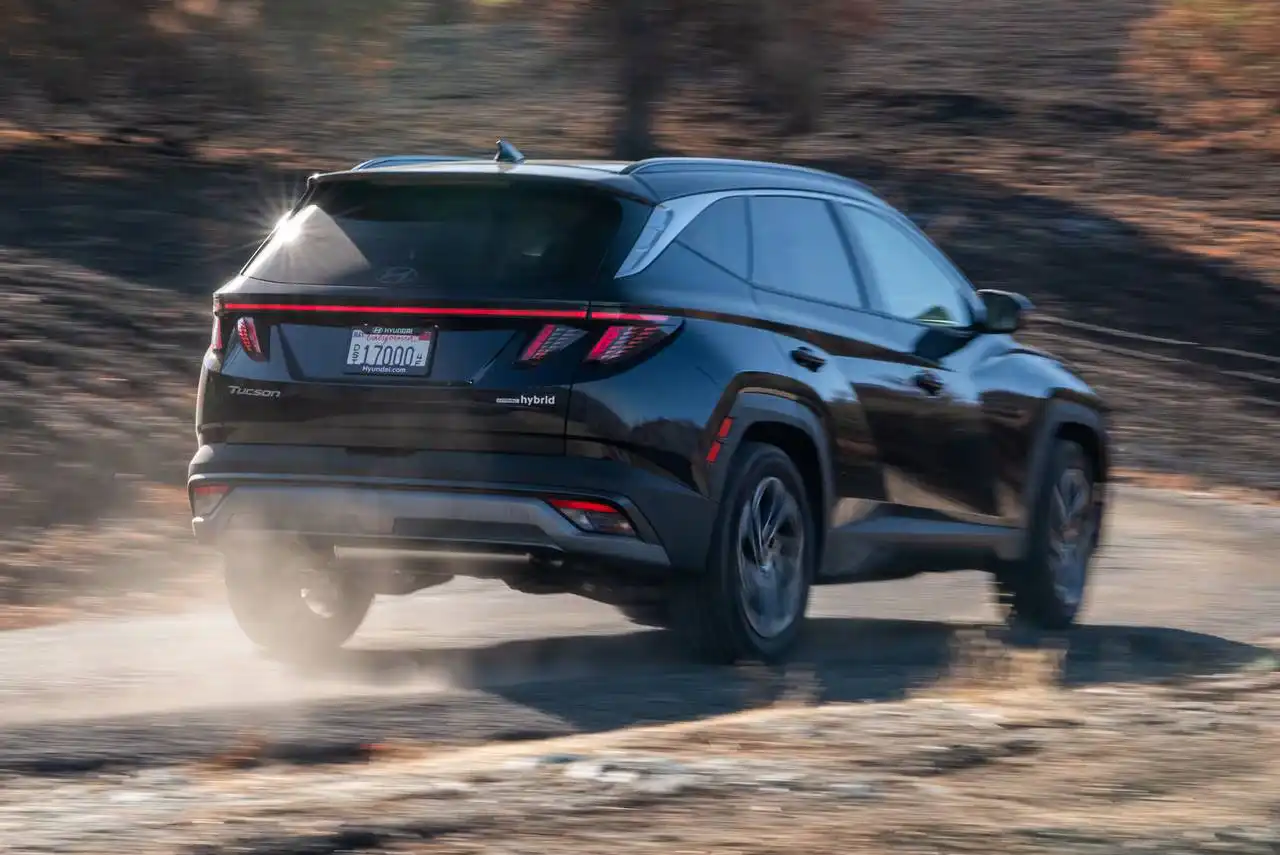
In testing, the all-wheel-drive Tucson Limited reached 60 mph in 8.8 seconds, which places it on the slower side among compact SUVs. The hybrid and plug-in hybrid variants—reviewed separately—deliver livelier performance, but even they don’t match the brisk acceleration of rivals like the Toyota RAV4 Prime.
Fuel Economy and Real-World MPG
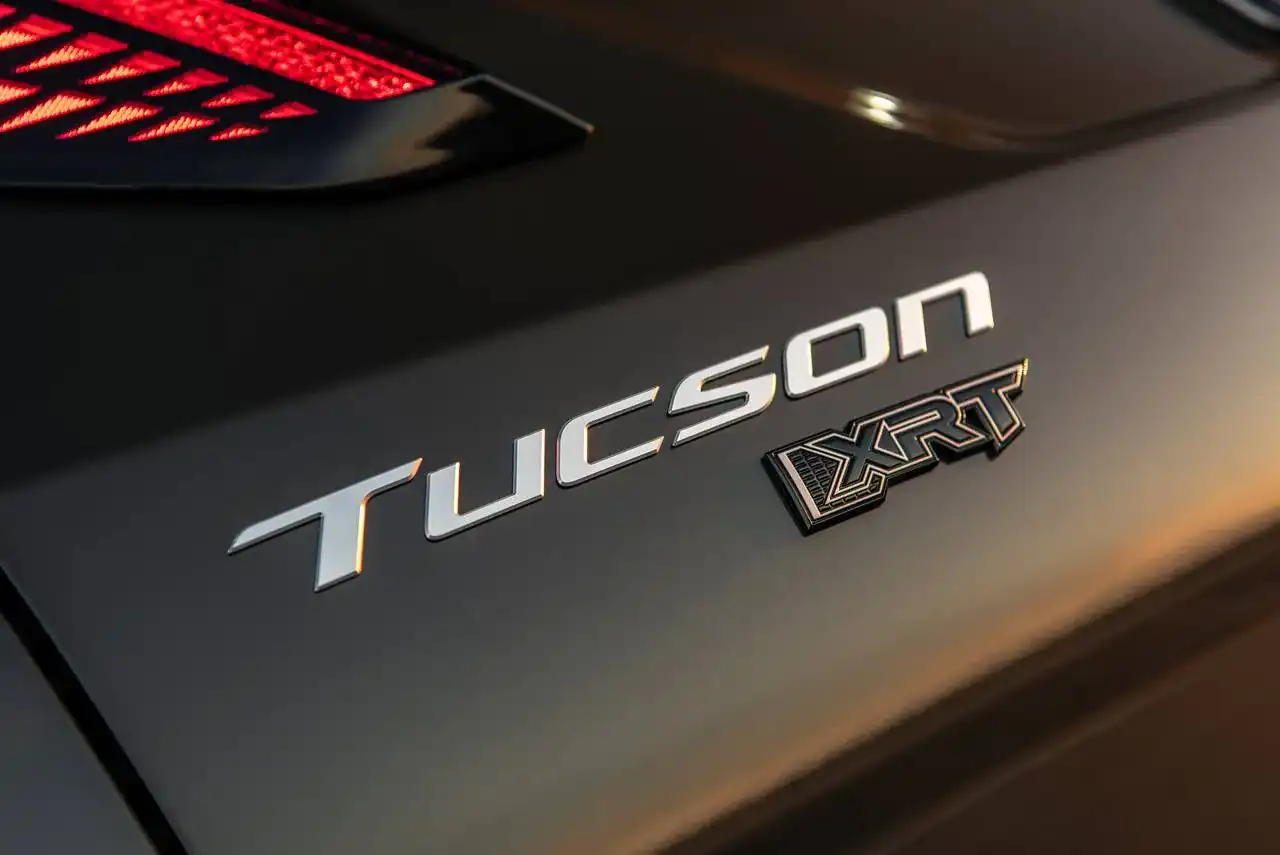
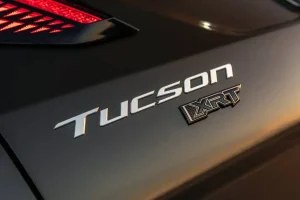
The EPA rates the 2025 Hyundai Tucson at up to 25 mpg in the city and 32 mpg on the highway with front-wheel drive. In real-world testing, however, a Tucson XRT managed just 26 mpg on our 75-mph highway route, falling short of the EPA’s estimates. For the latest official ratings and detailed fuel-economy information, visit the EPA’s website.
Interior, Comfort, and Cargo
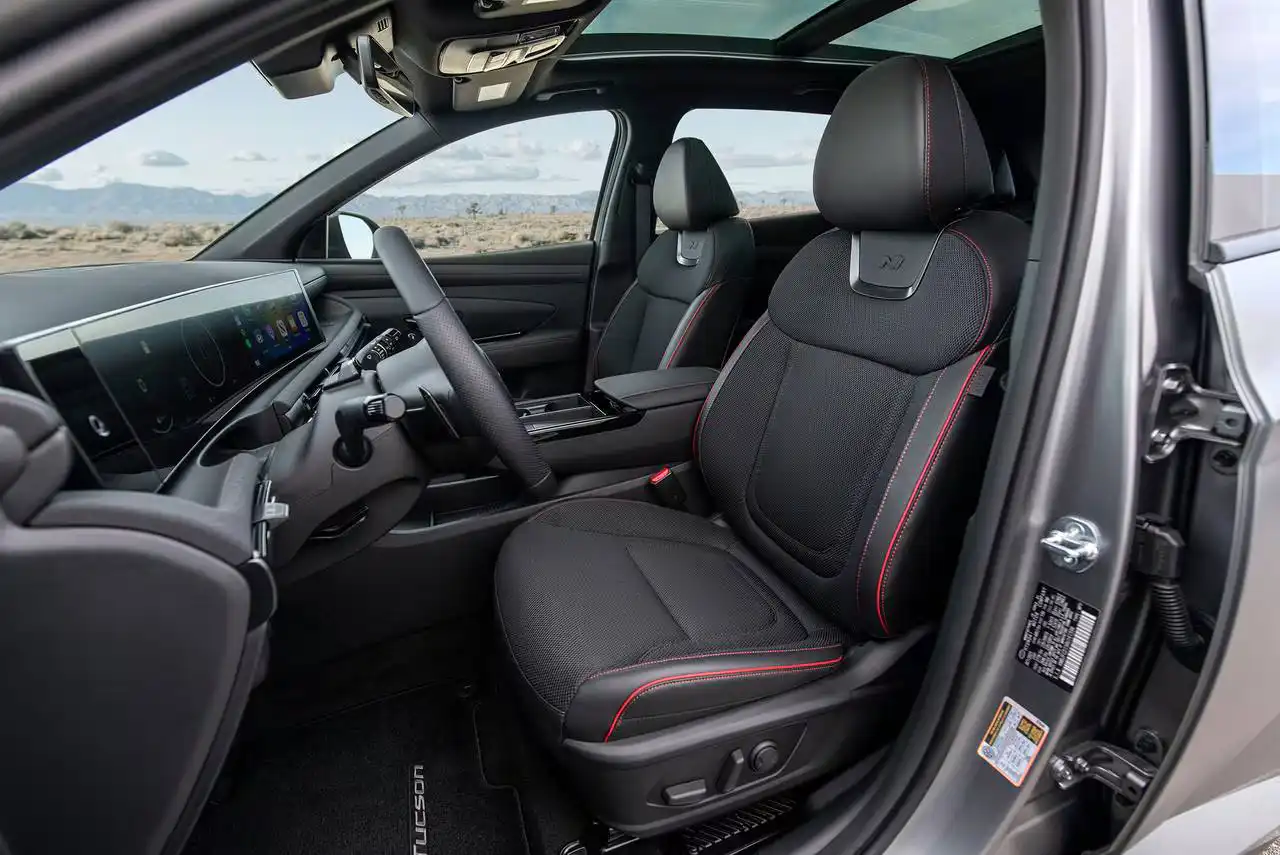
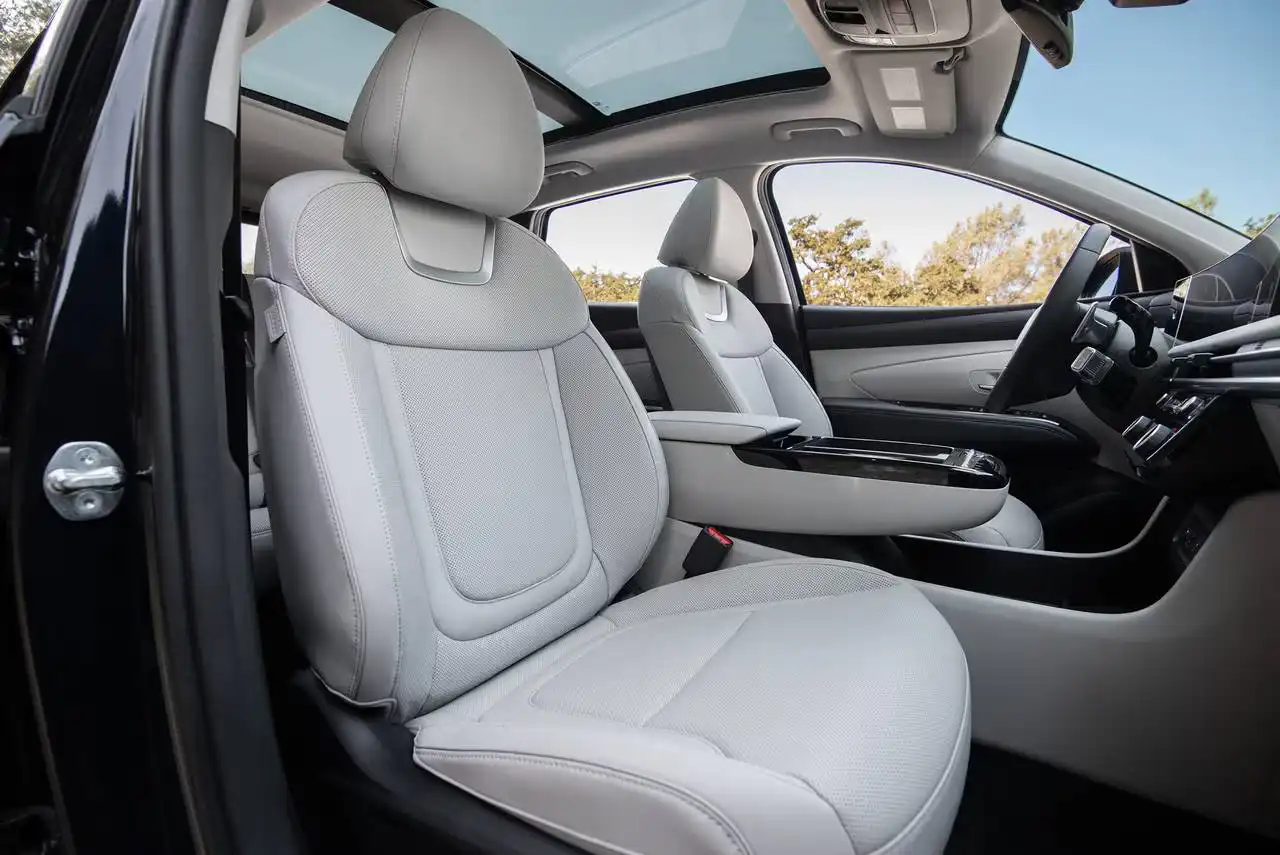
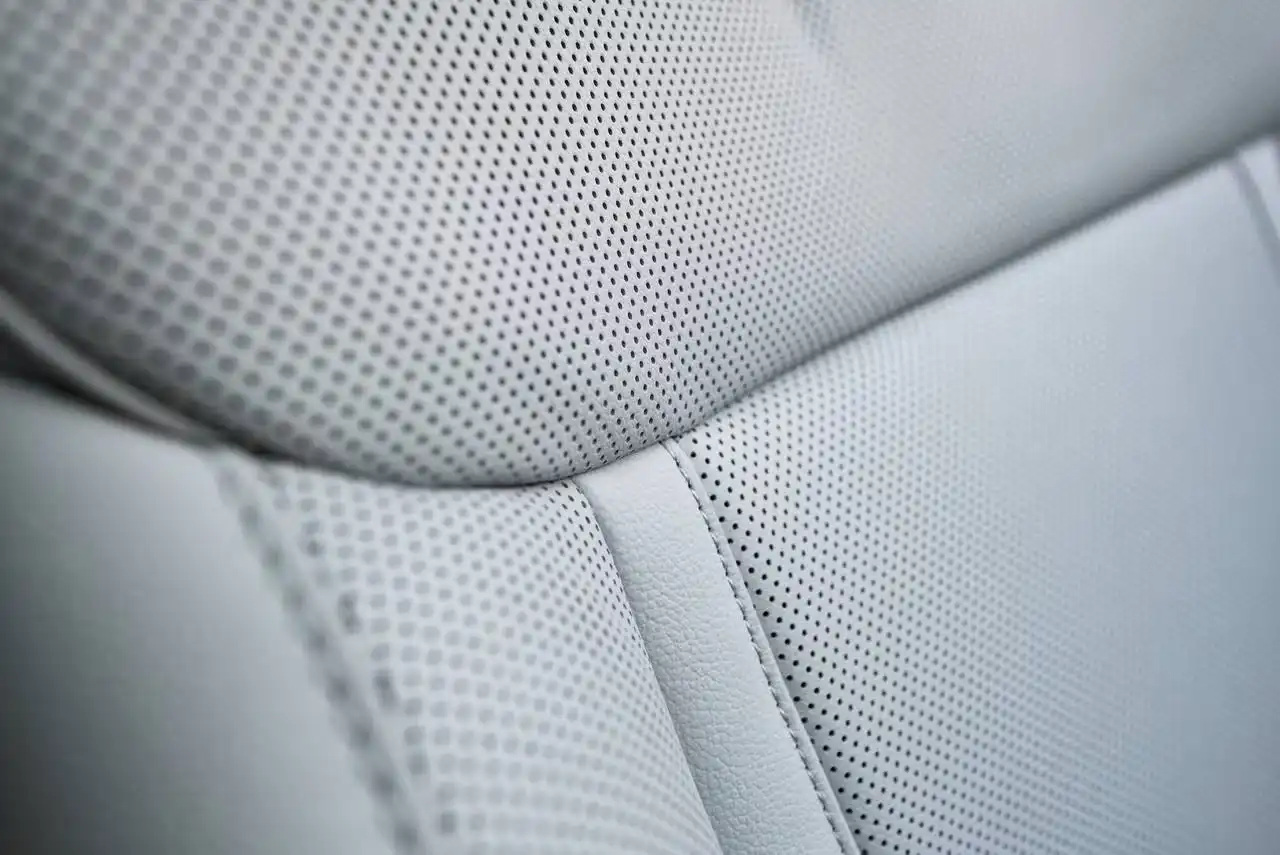
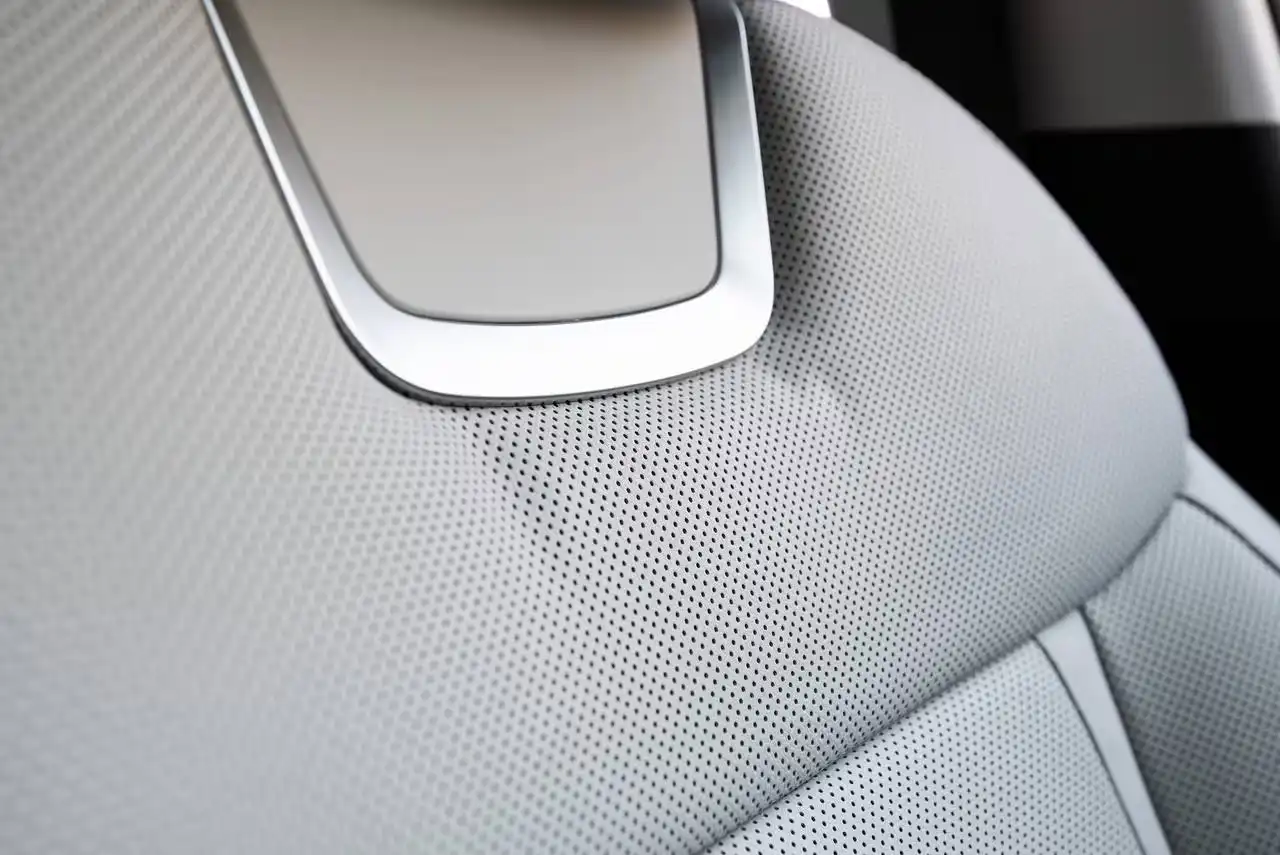
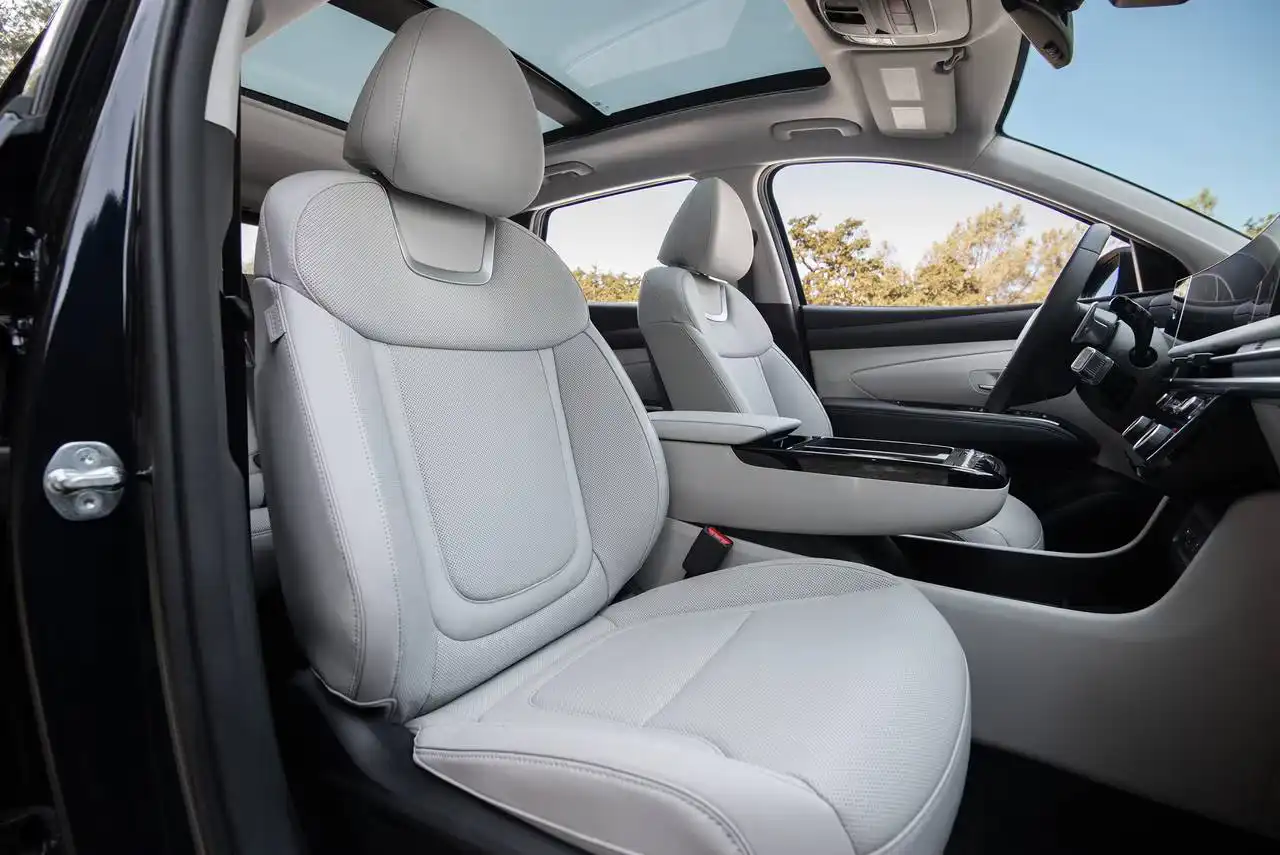
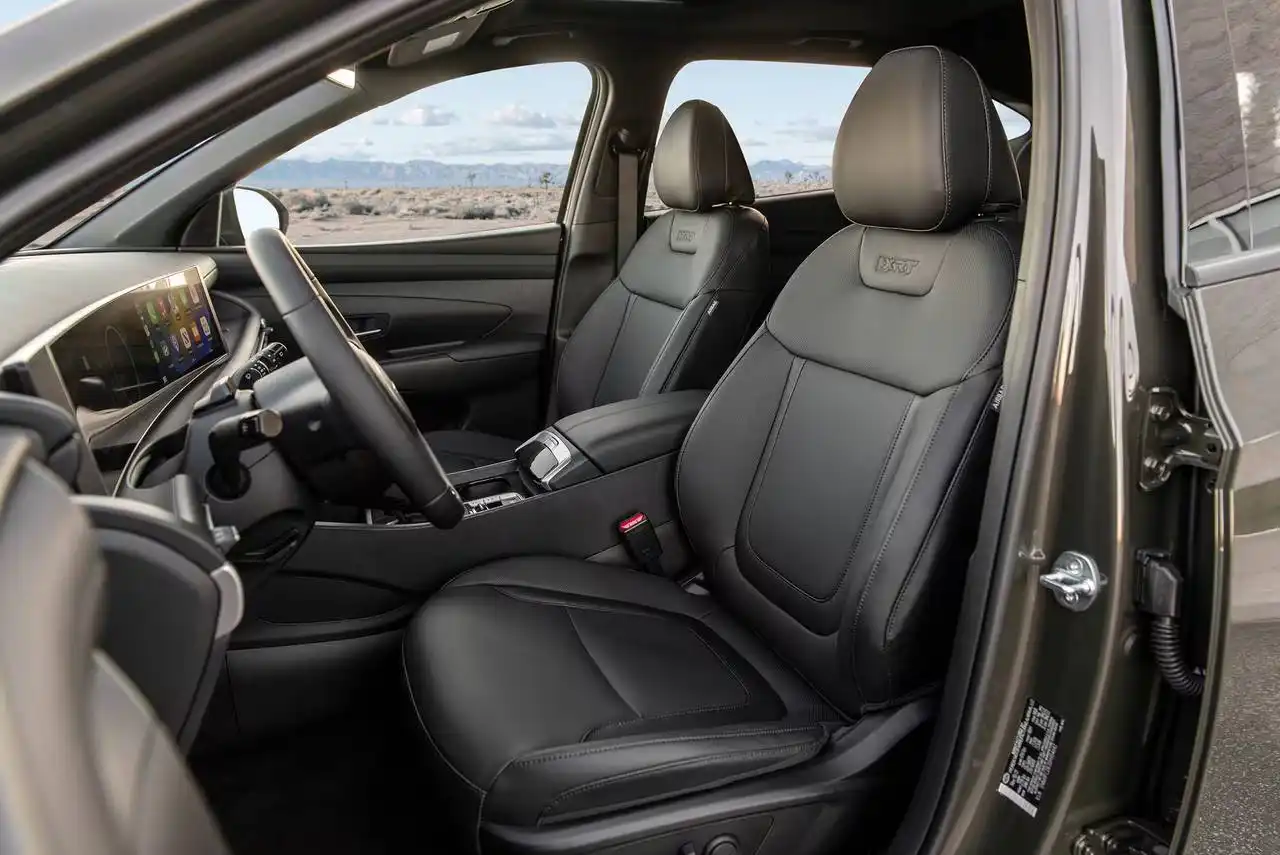
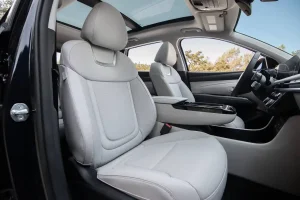
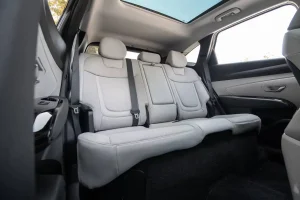
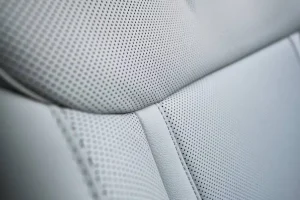
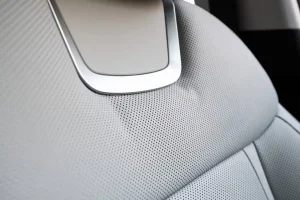
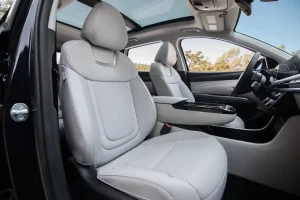
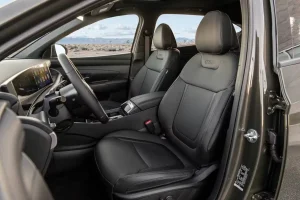
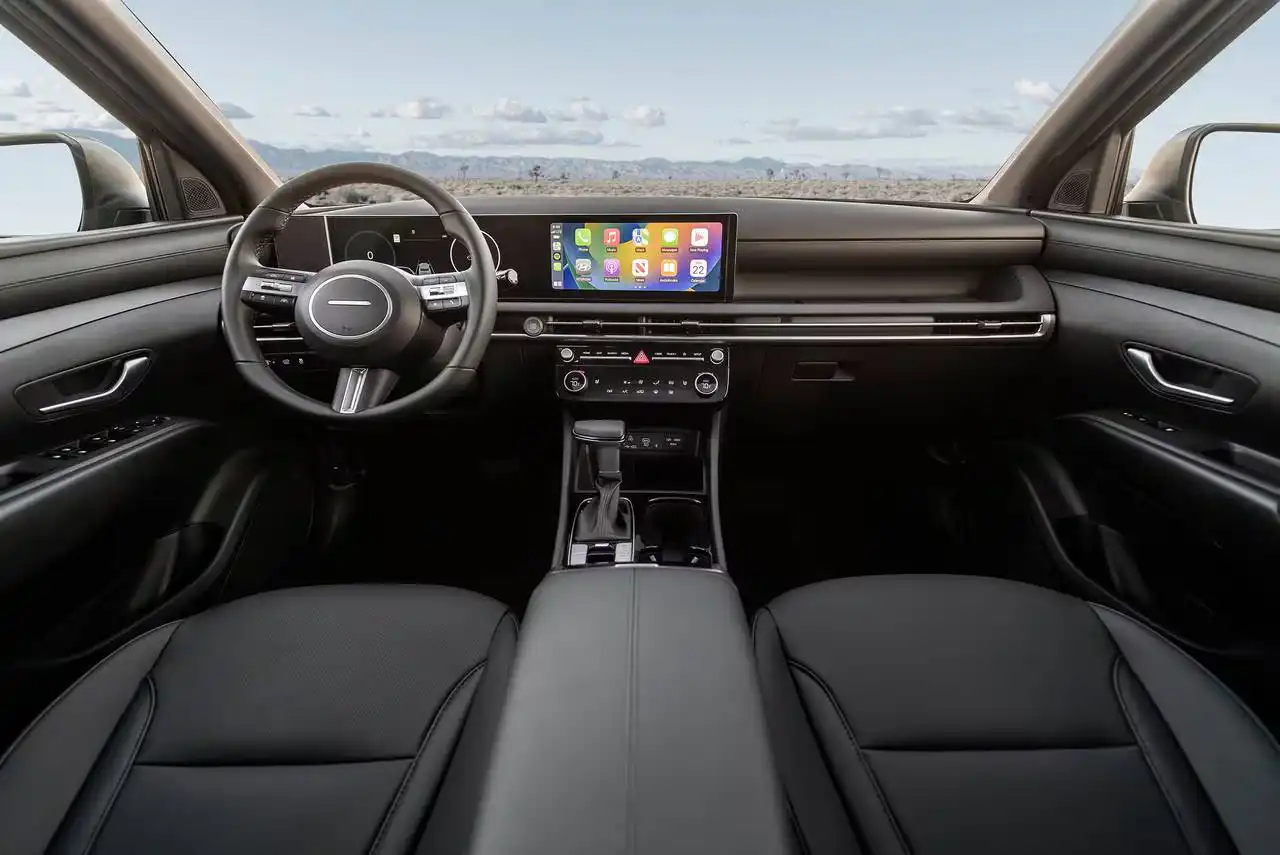
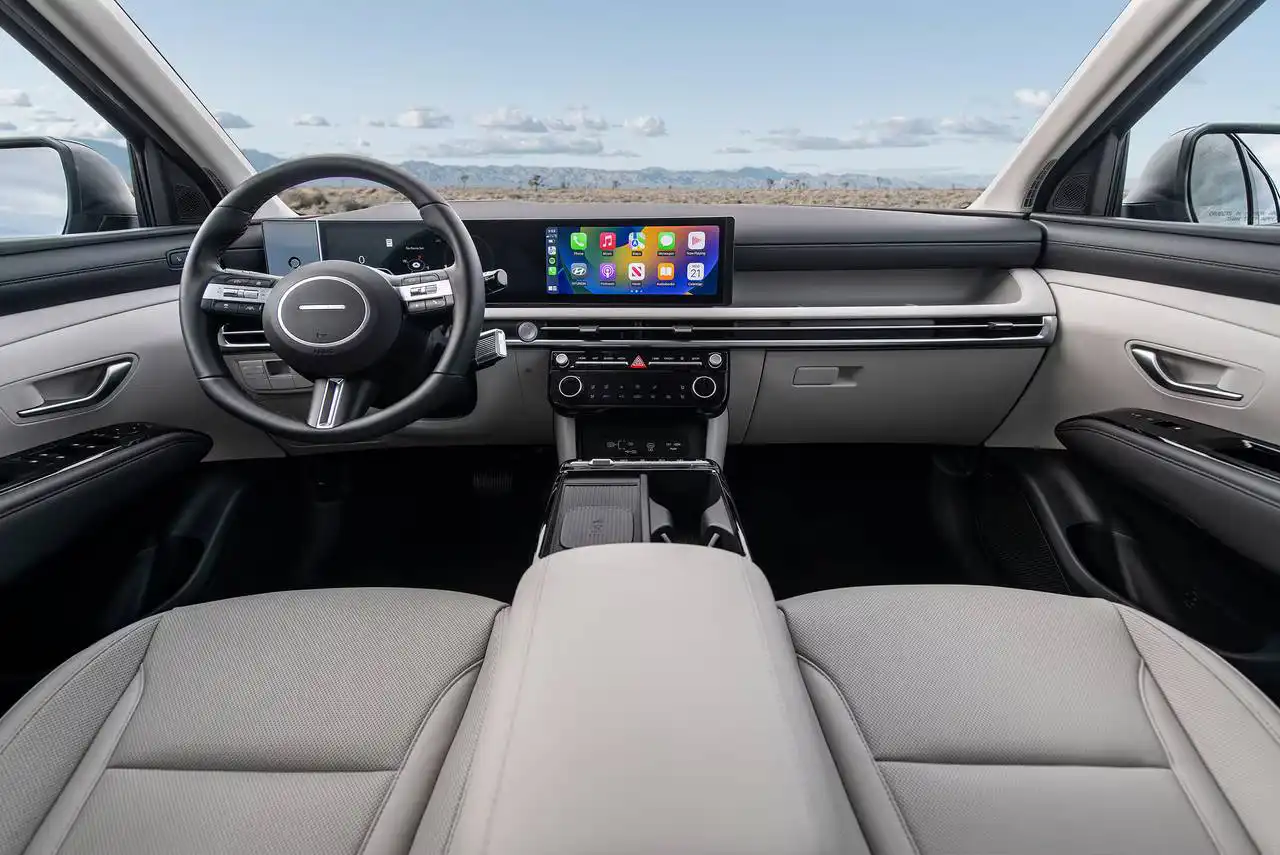
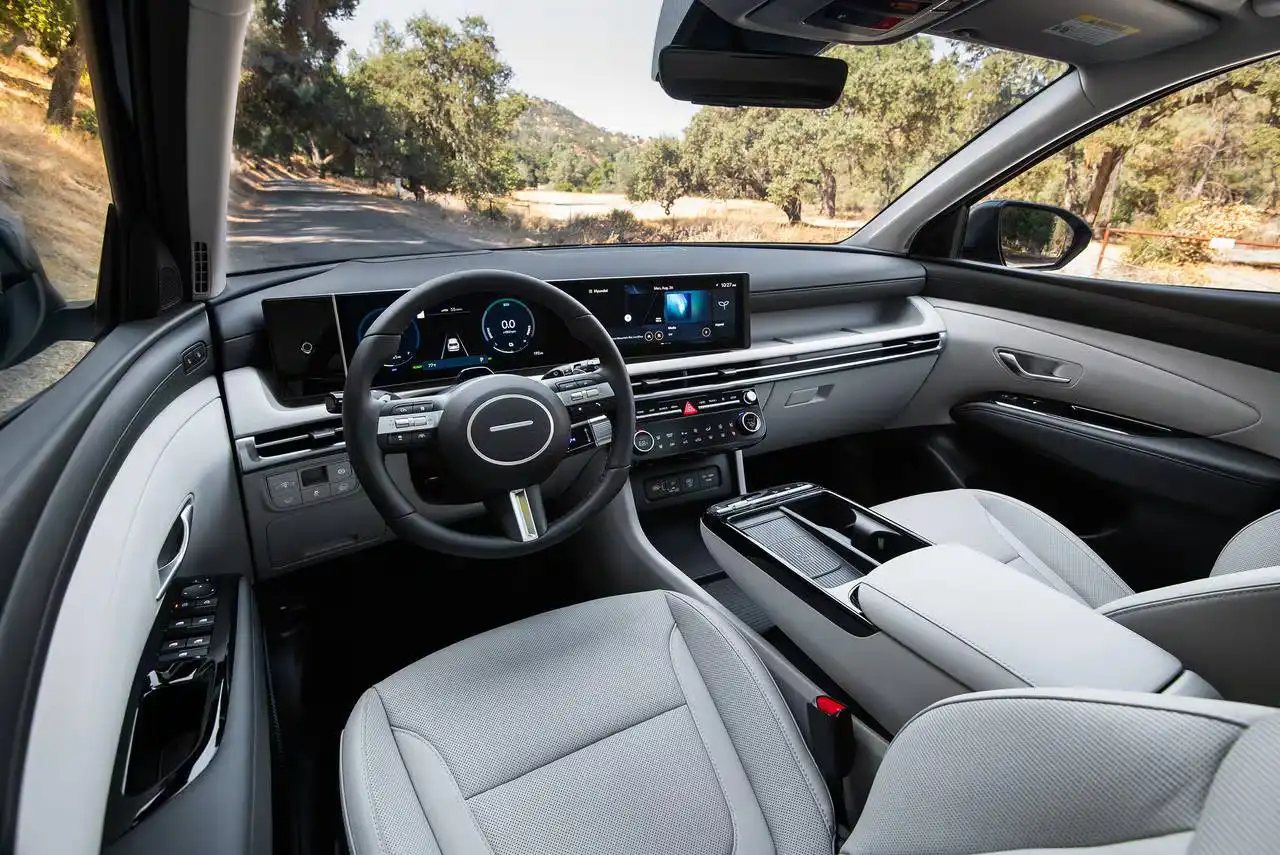
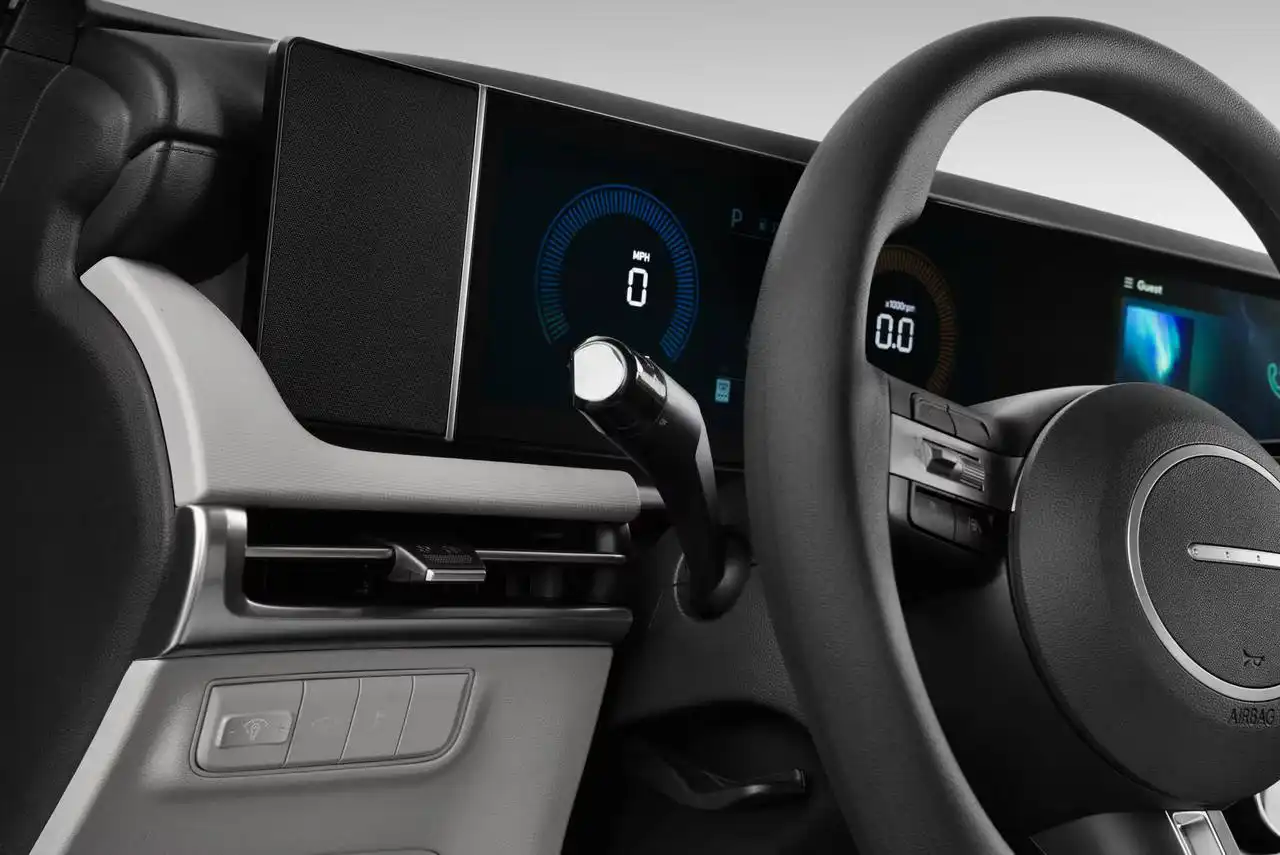
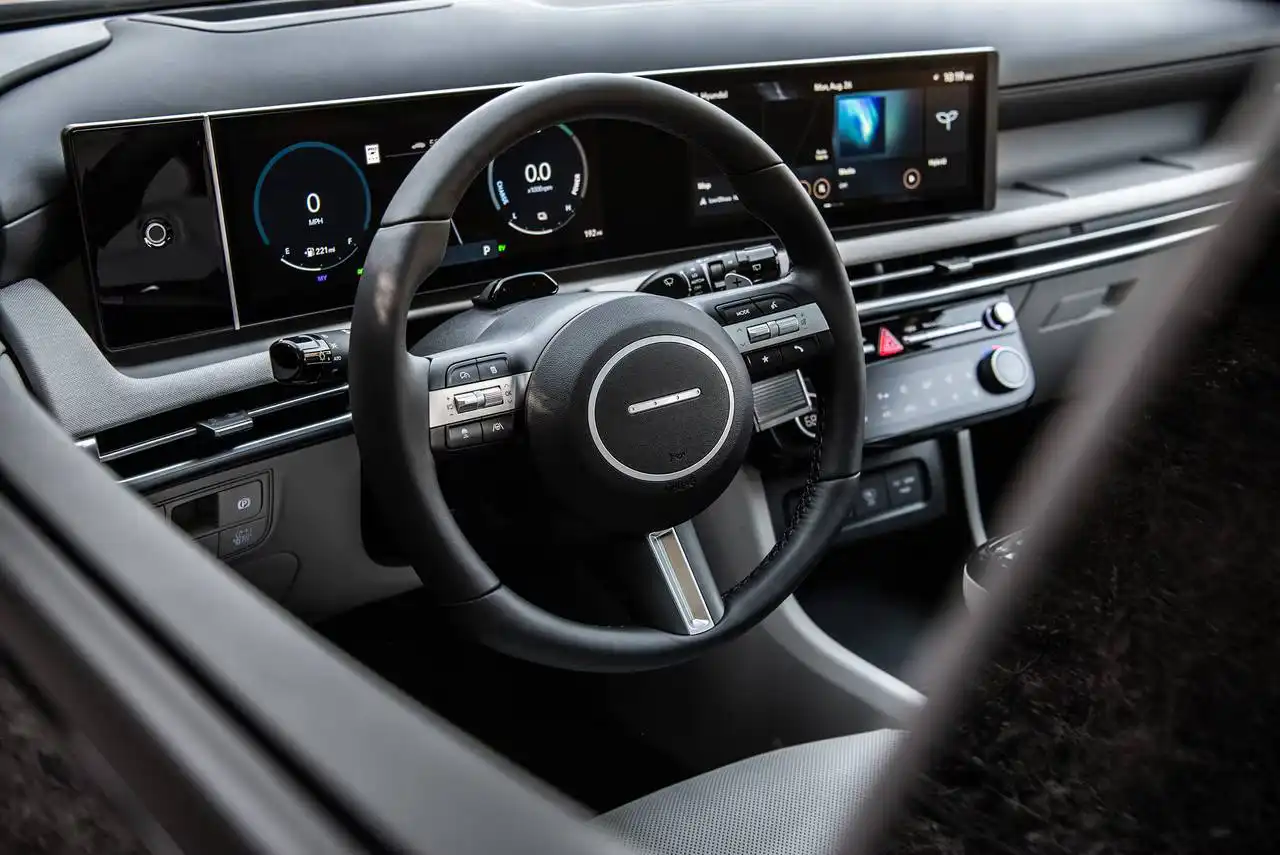
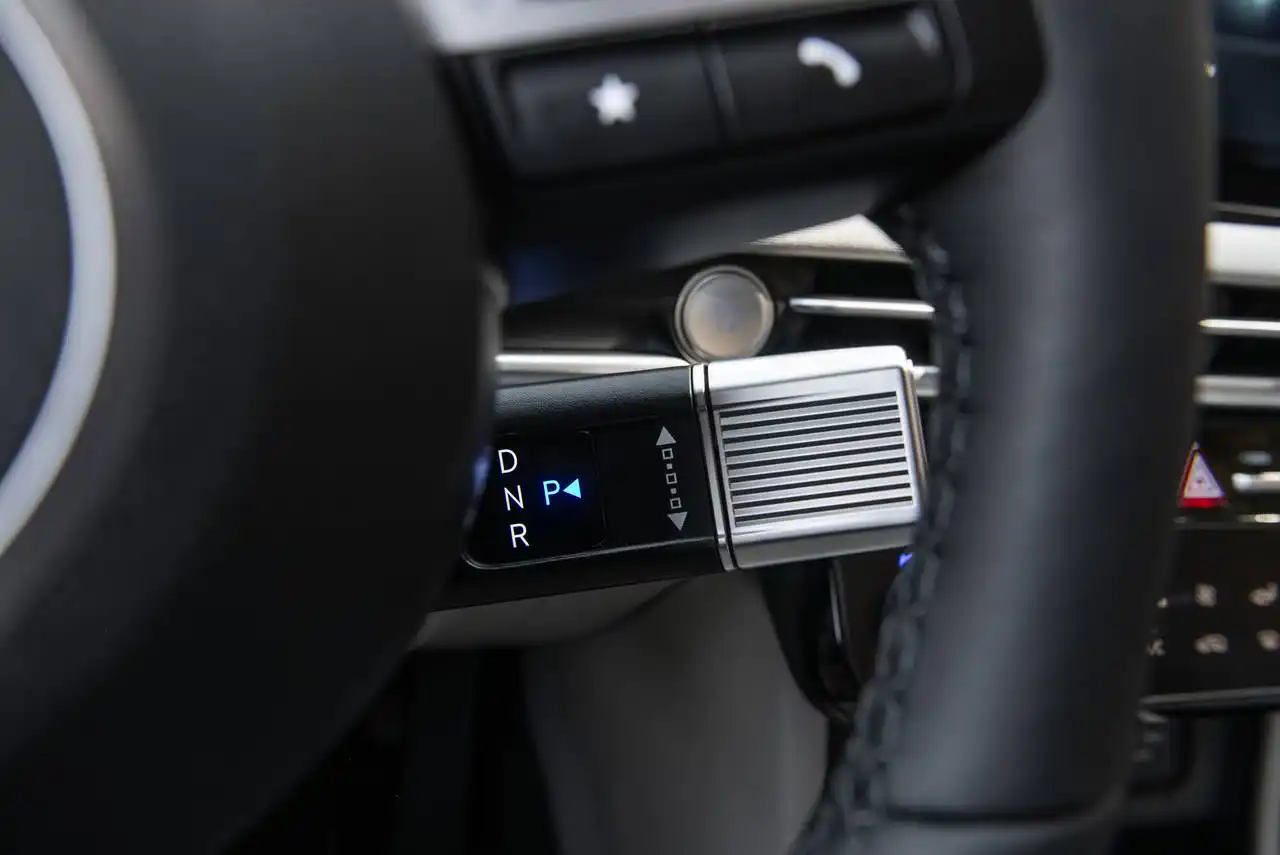
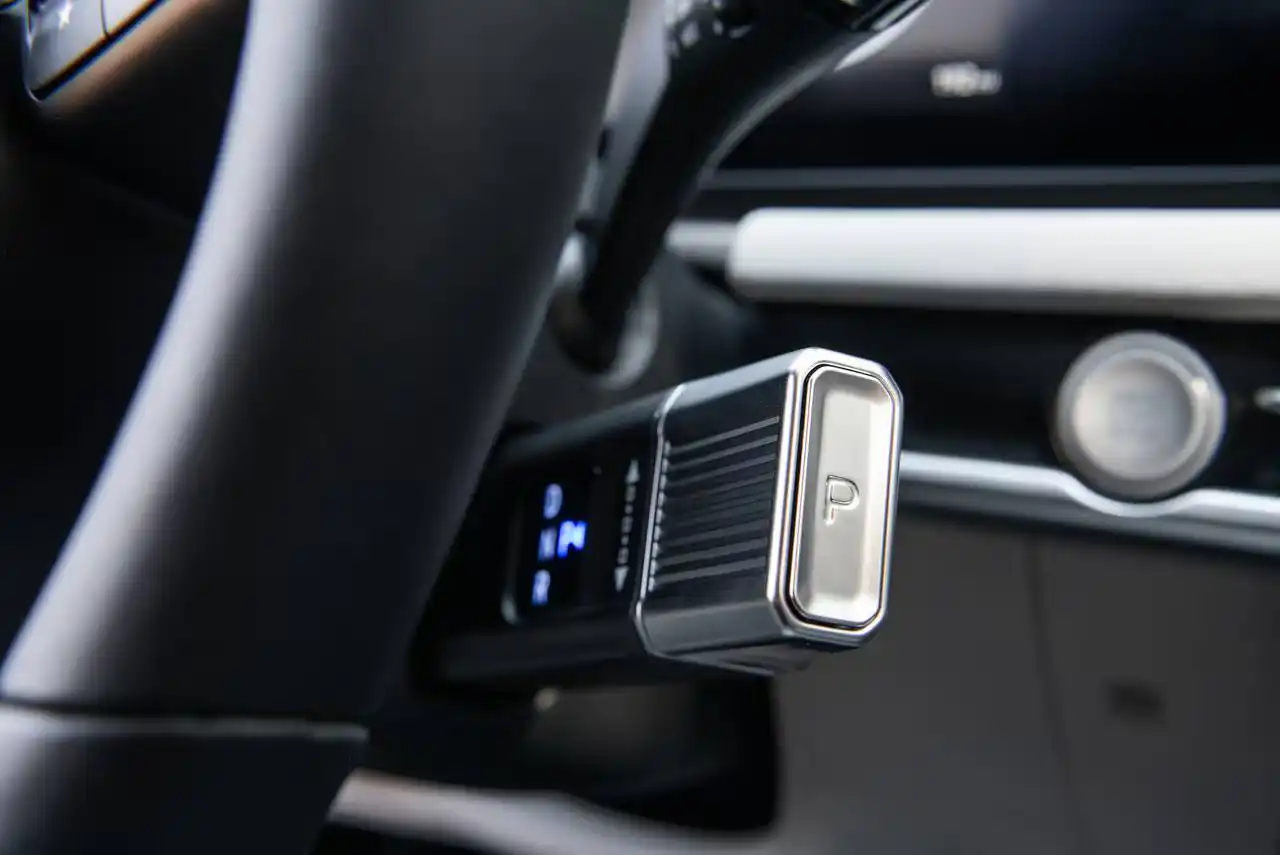
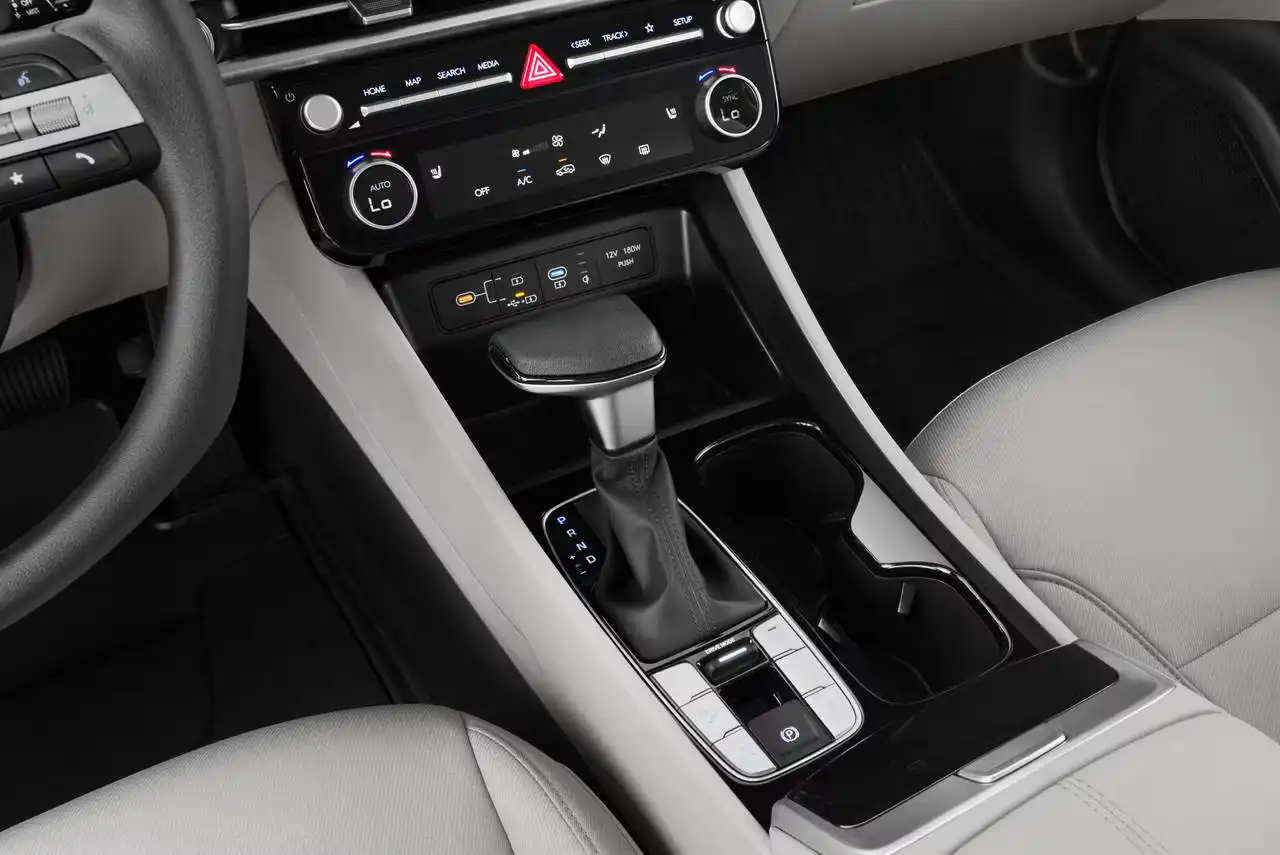
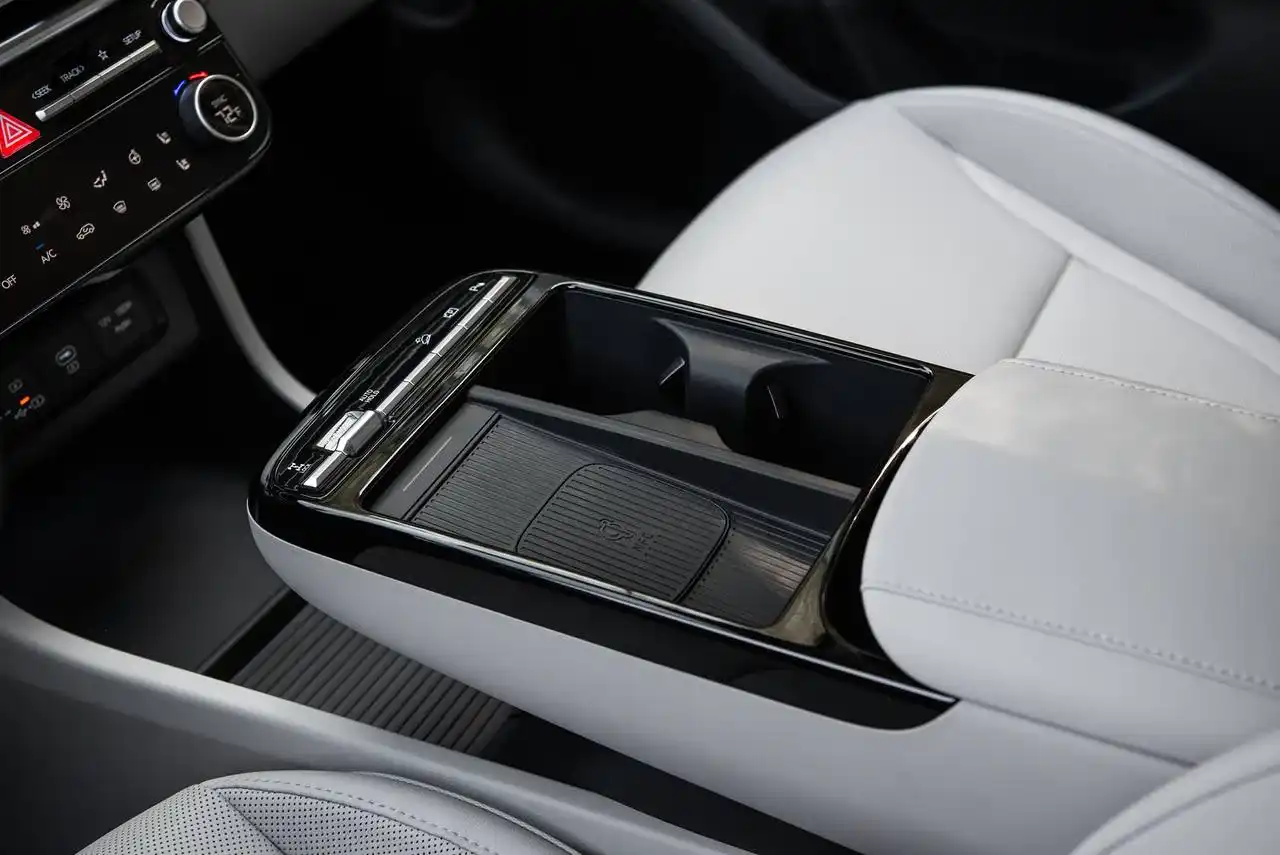
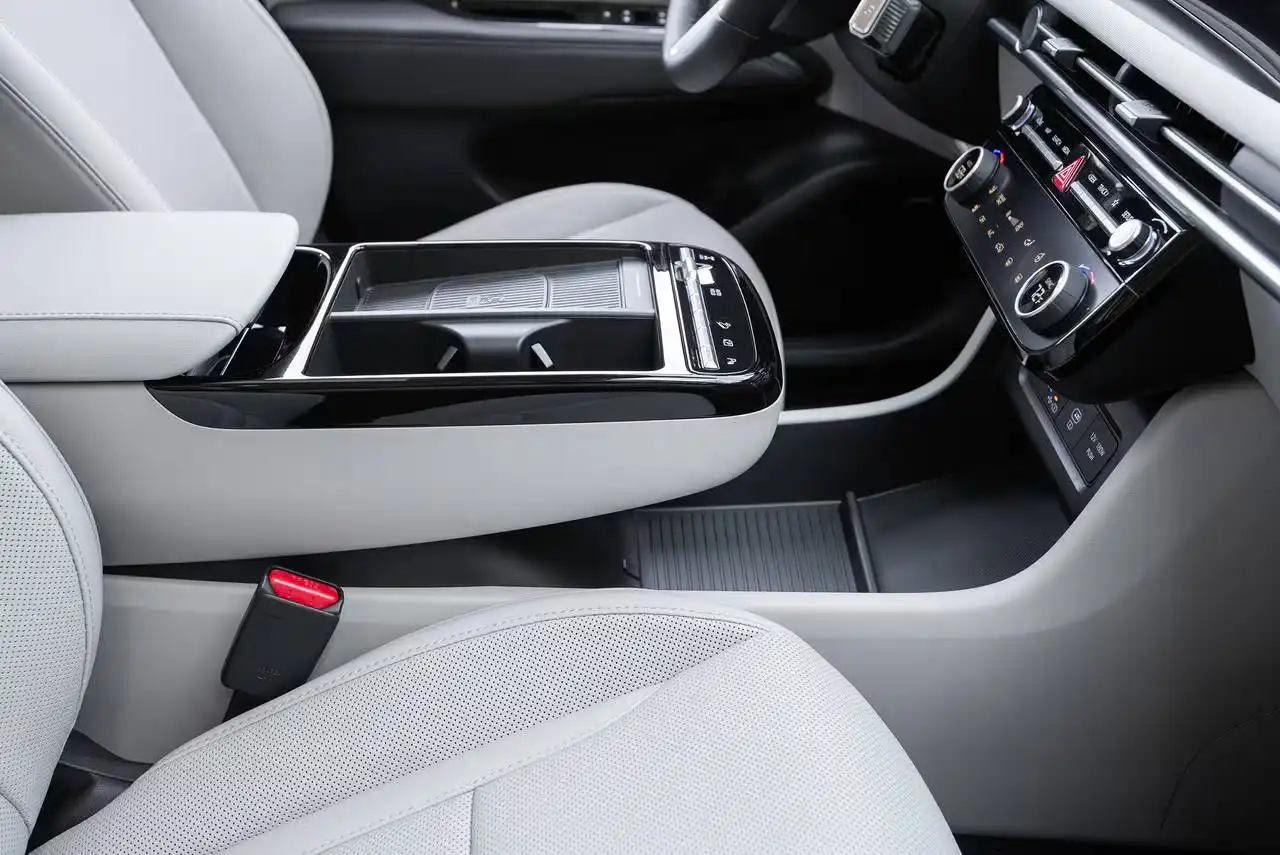
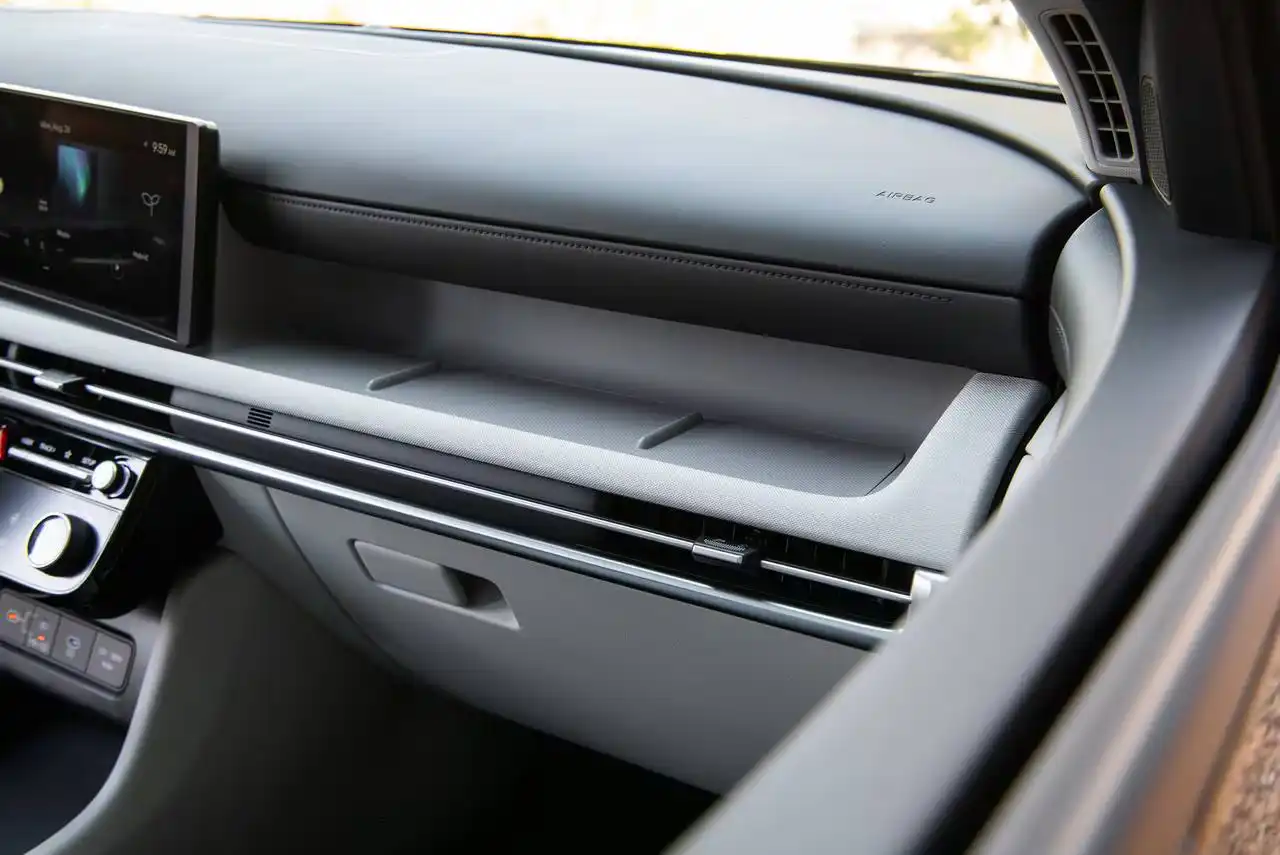
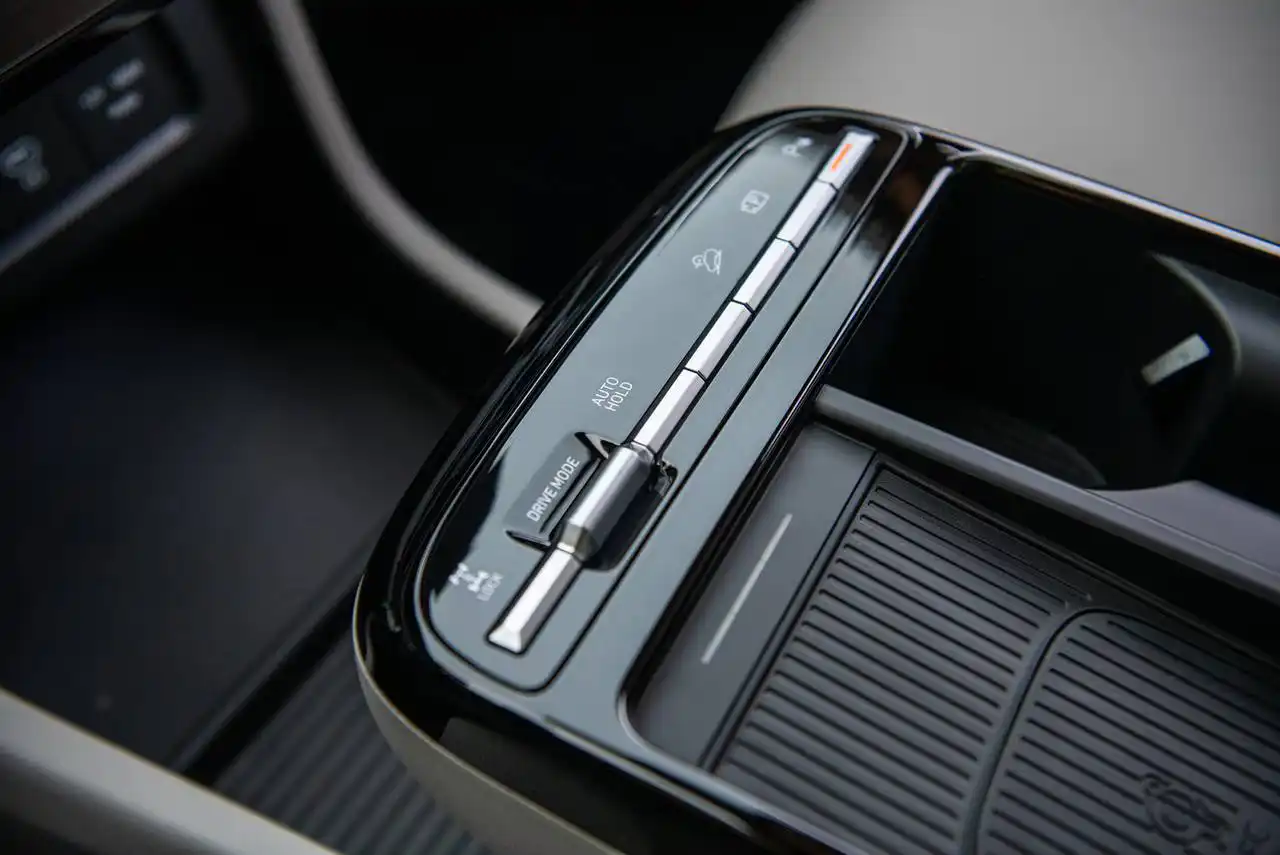
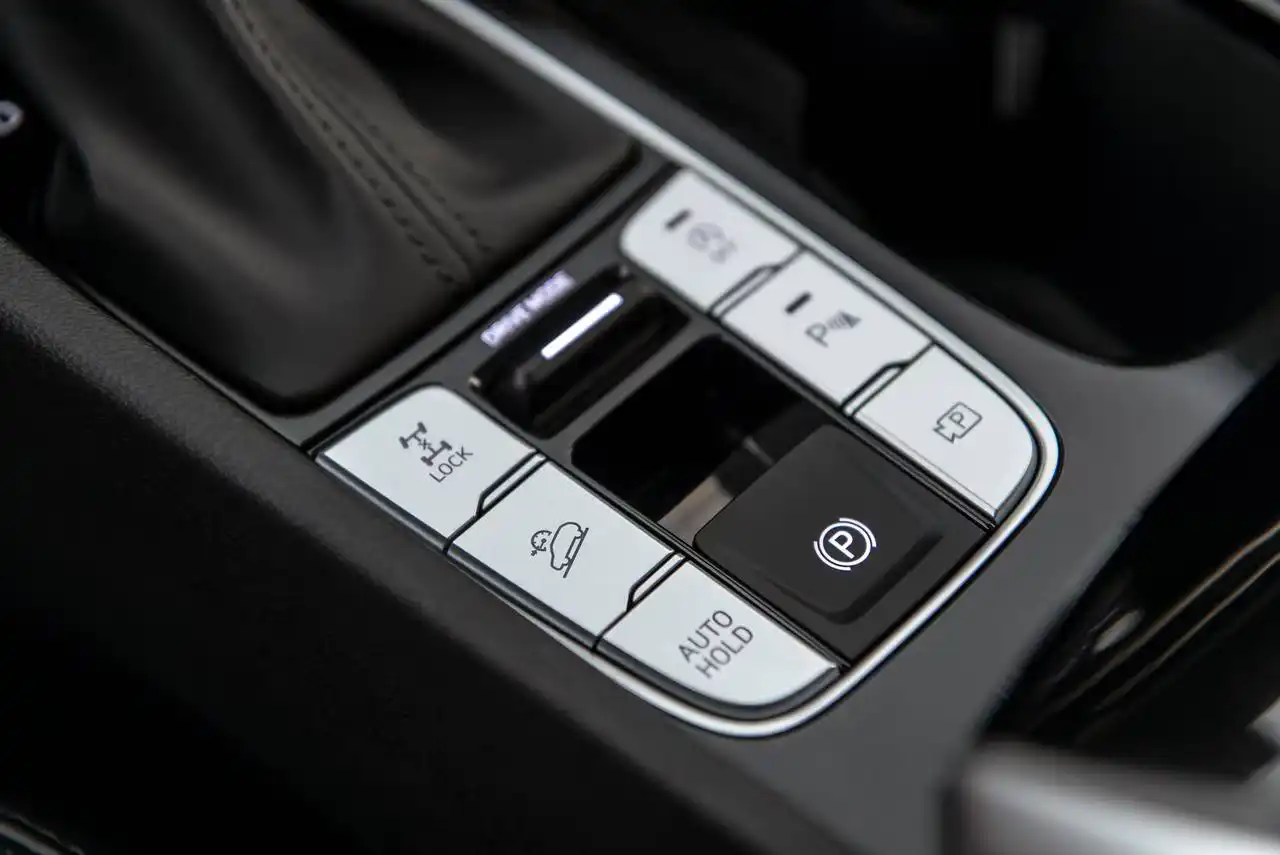
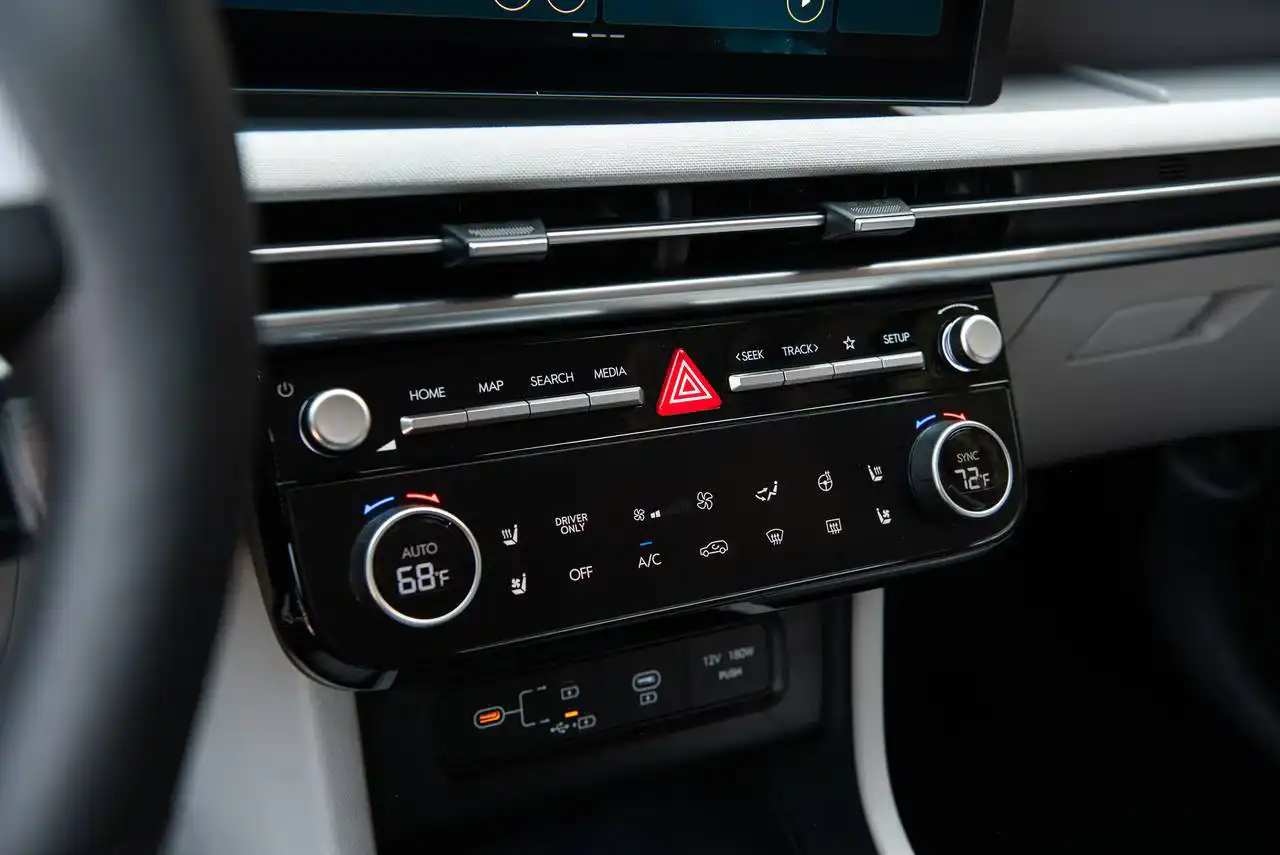
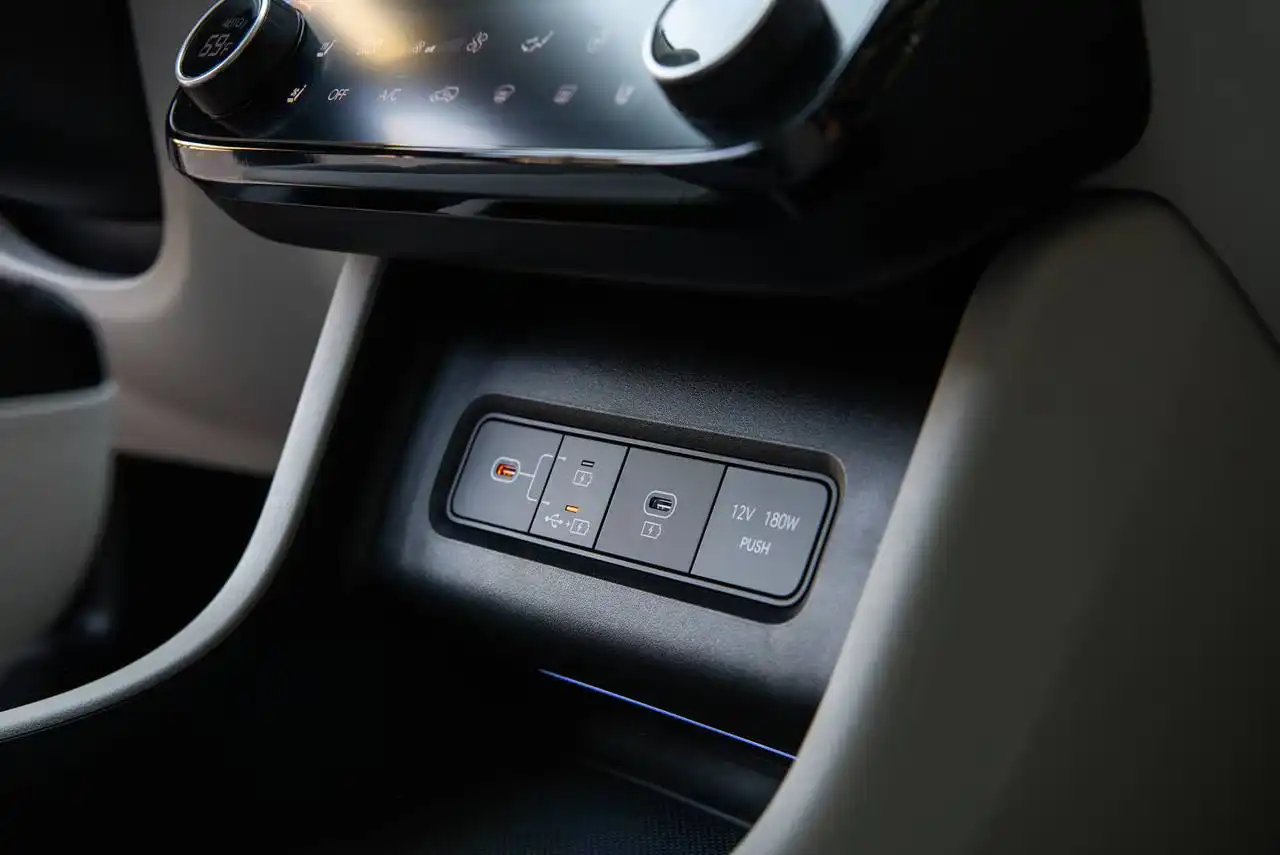
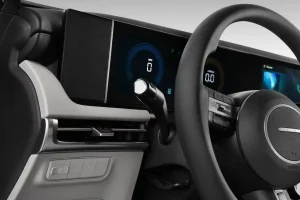
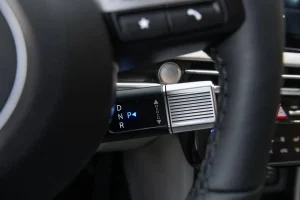
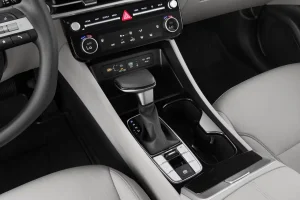
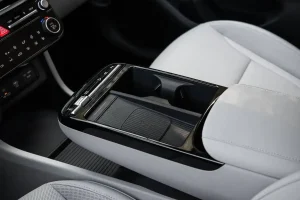
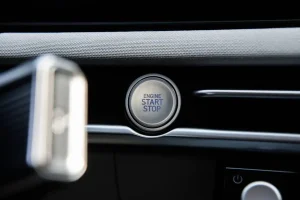
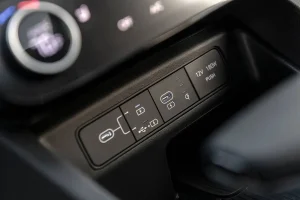
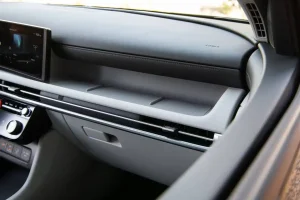
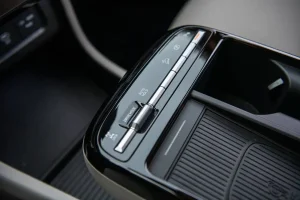
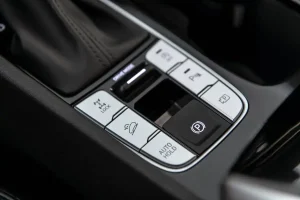
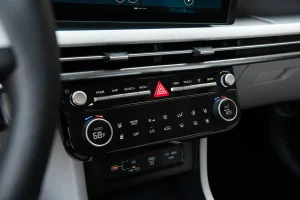
The 2025 Hyundai Tucson features a clean, modern dashboard with a digital gauge display, a column-mounted shifter, and a dedicated climate-control panel with physical buttons for ease of use. Building on the design improvements seen in Hyundai’s Palisade SUV and the redesigned Sonata and Elantra, the Tucson delivers a well-thought-out cabin with quality materials and upscale touches that give it a premium feel.
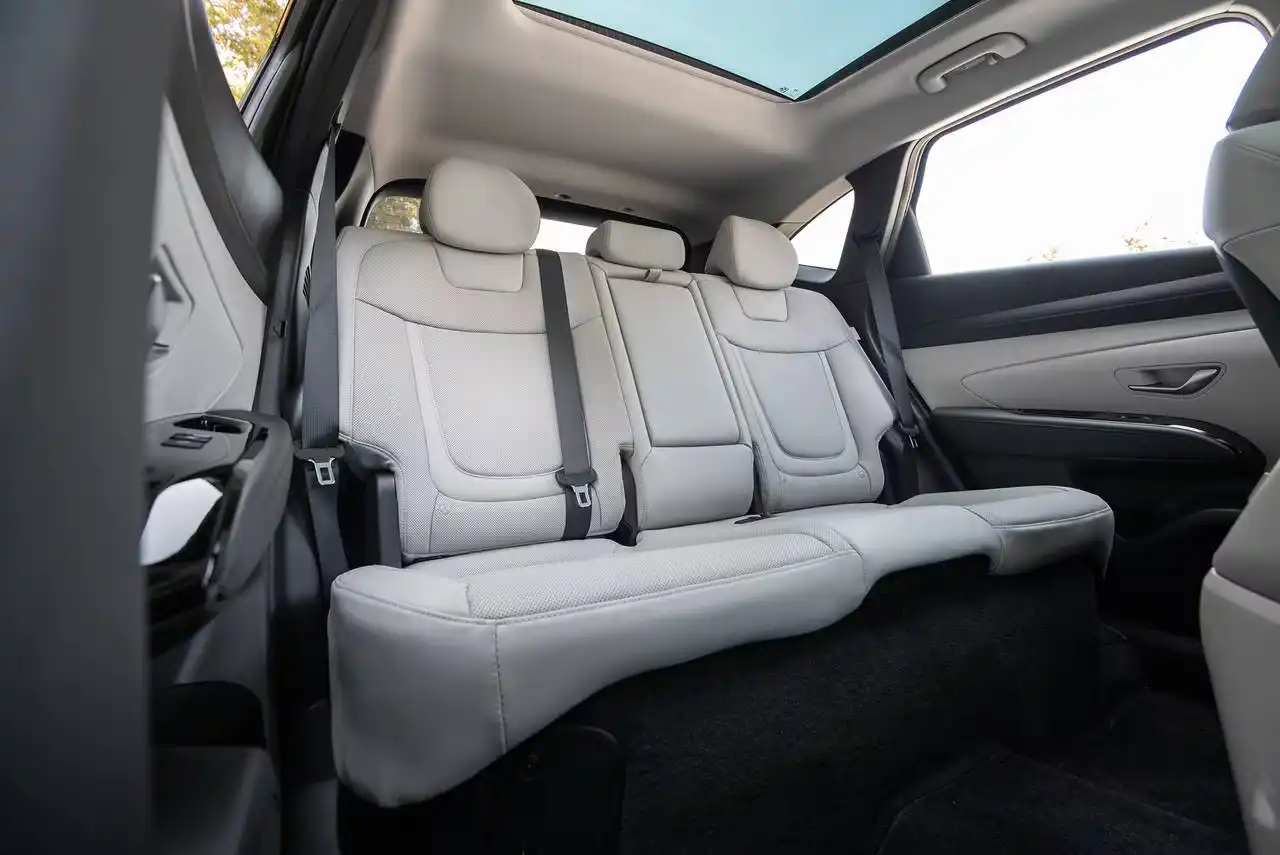
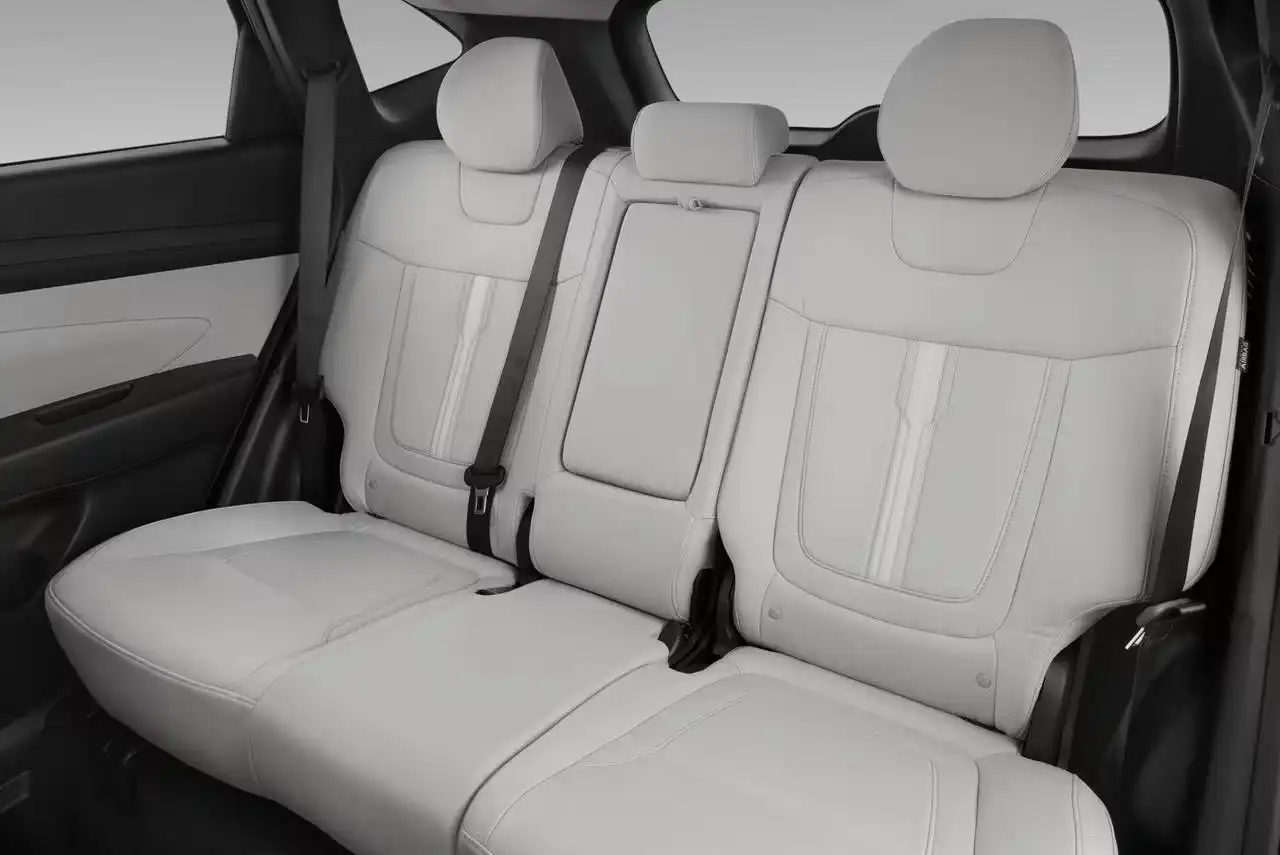
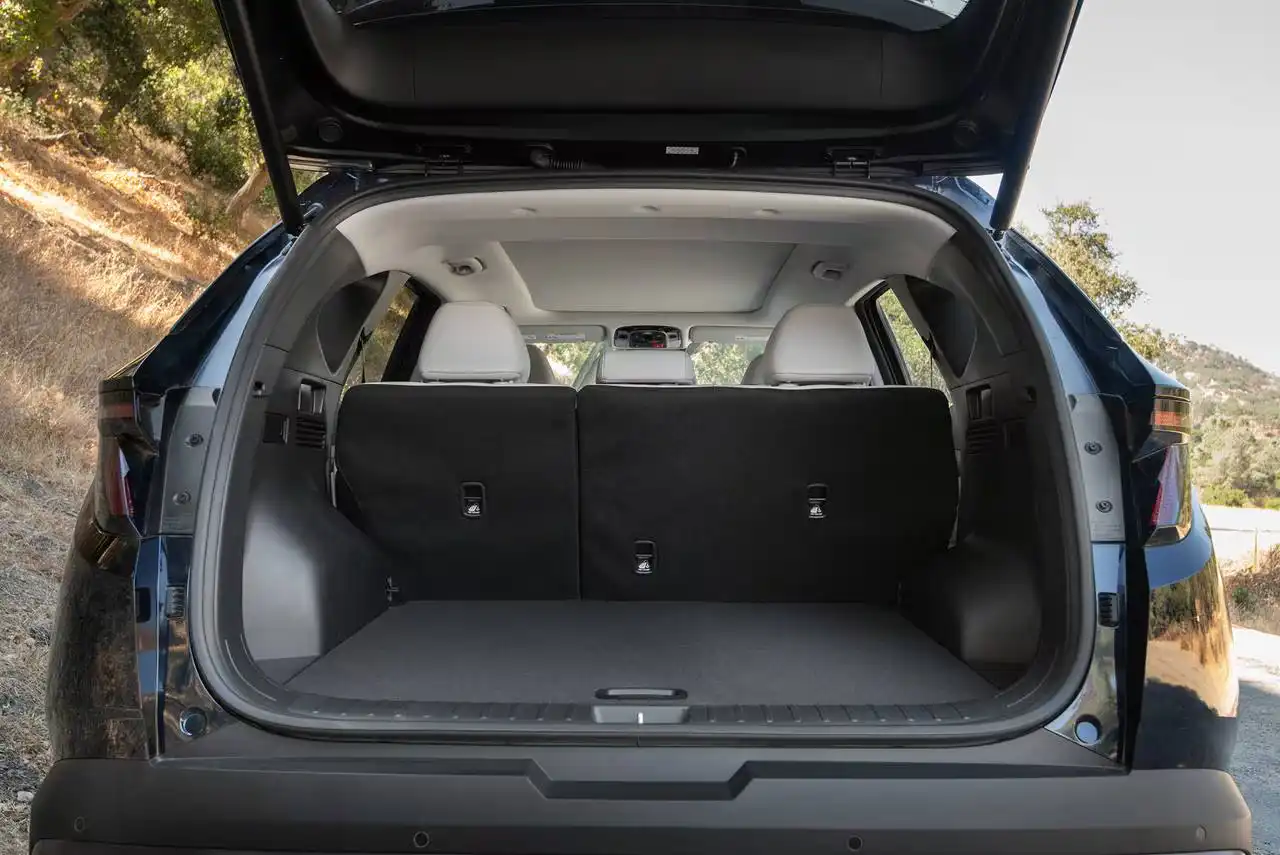
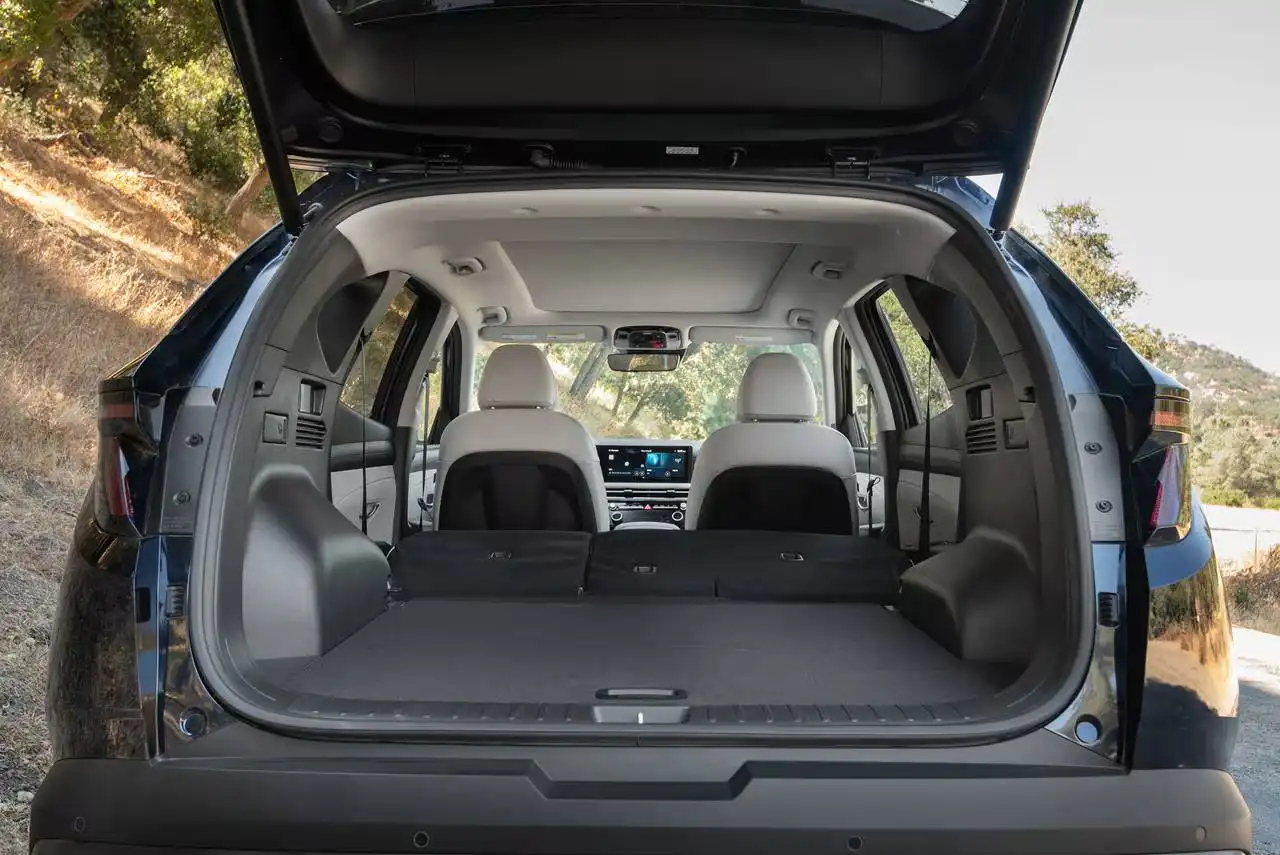
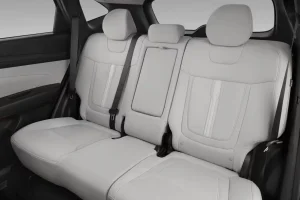
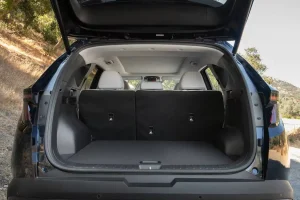
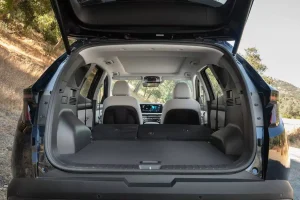
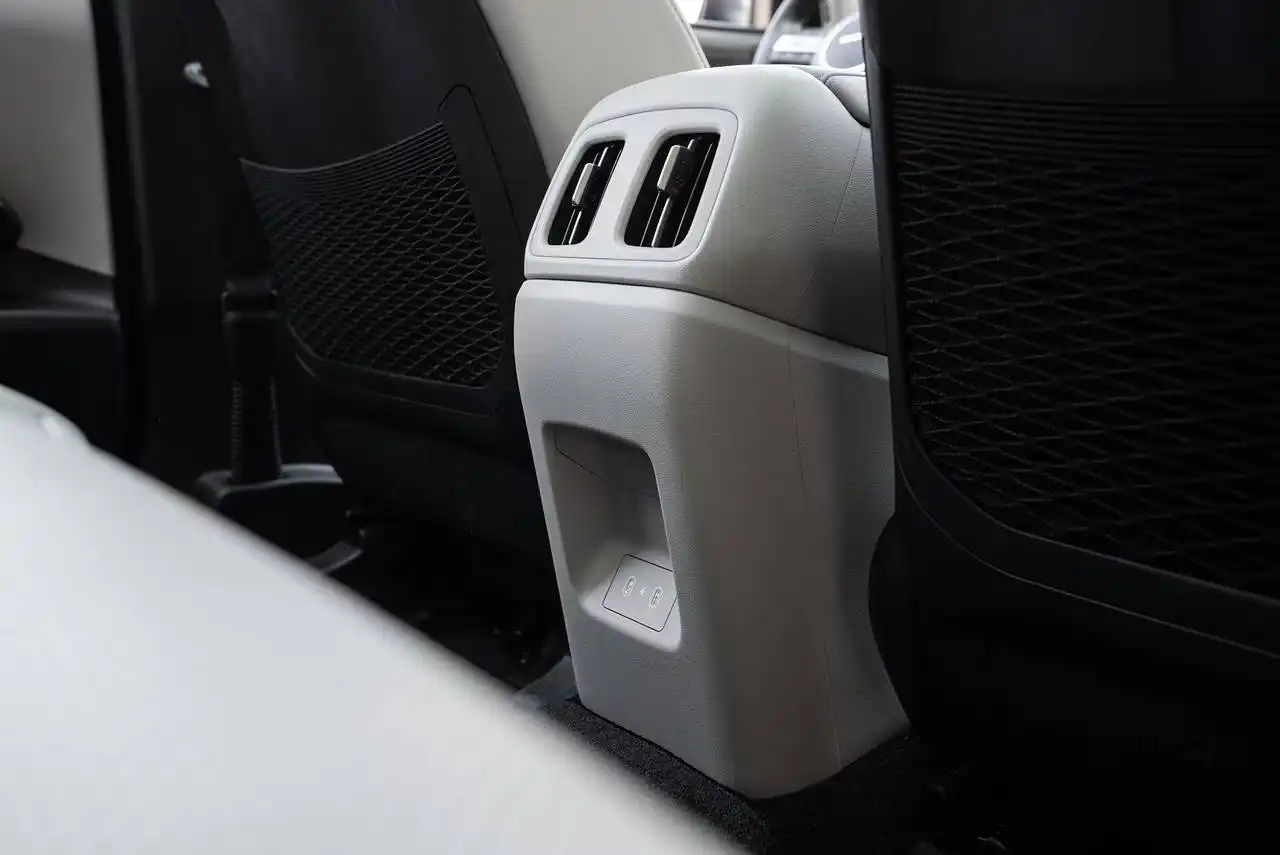
Passenger comfort is strong, thanks to spacious rear seating and a roomy cargo area that surpass many competitors. Behind the second row, the Tucson can accommodate nine carry-on suitcases, and with the rear seats folded, cargo capacity expands to 22 bags, making it a practical choice for families and road trips.

Infotainment and Connectivity
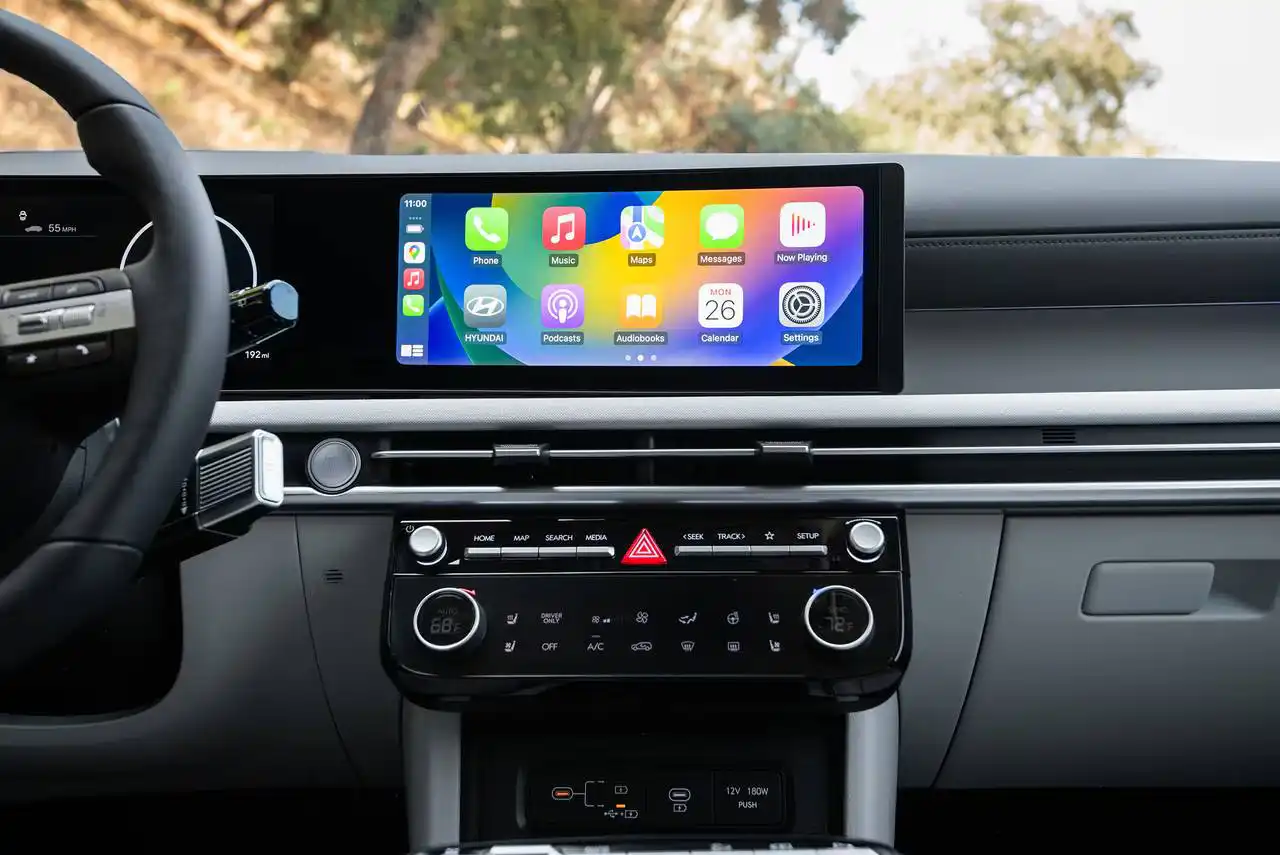
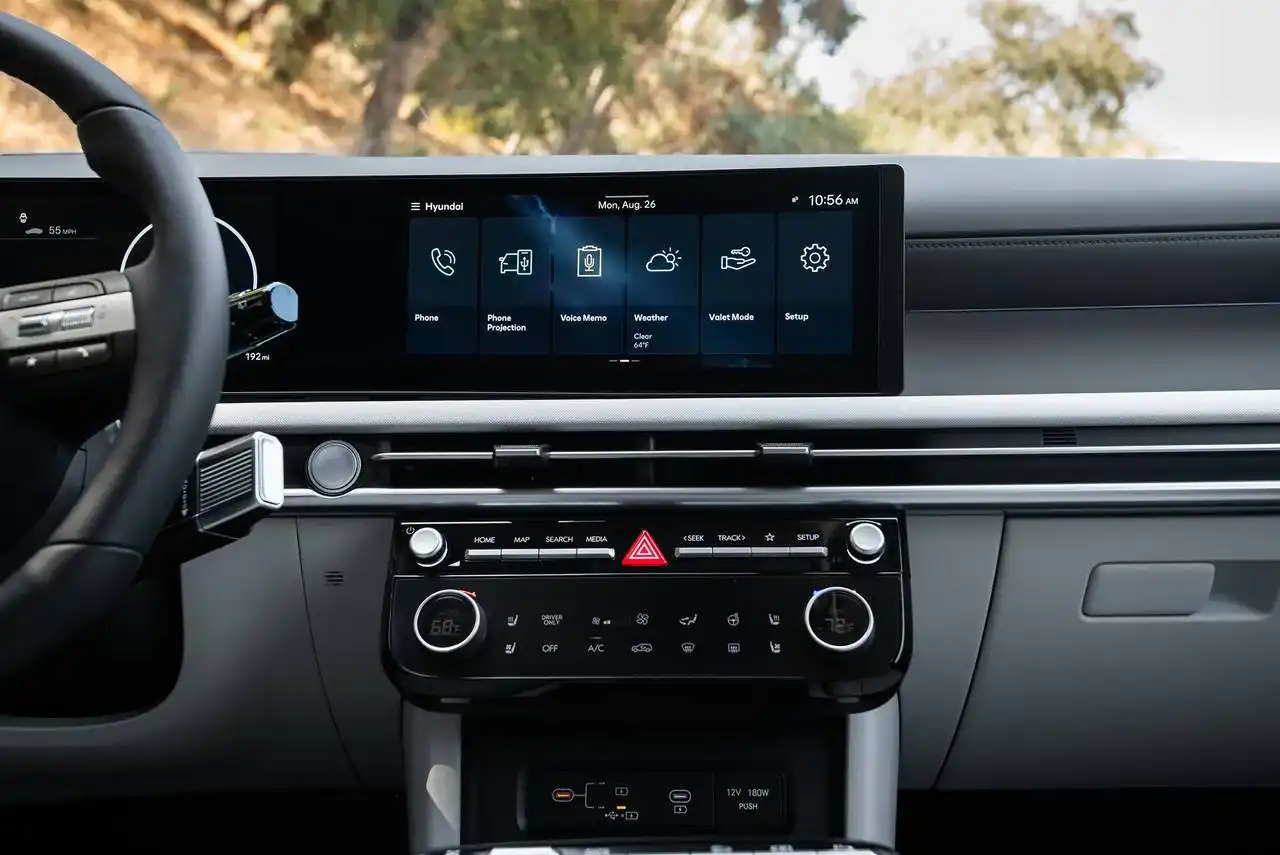
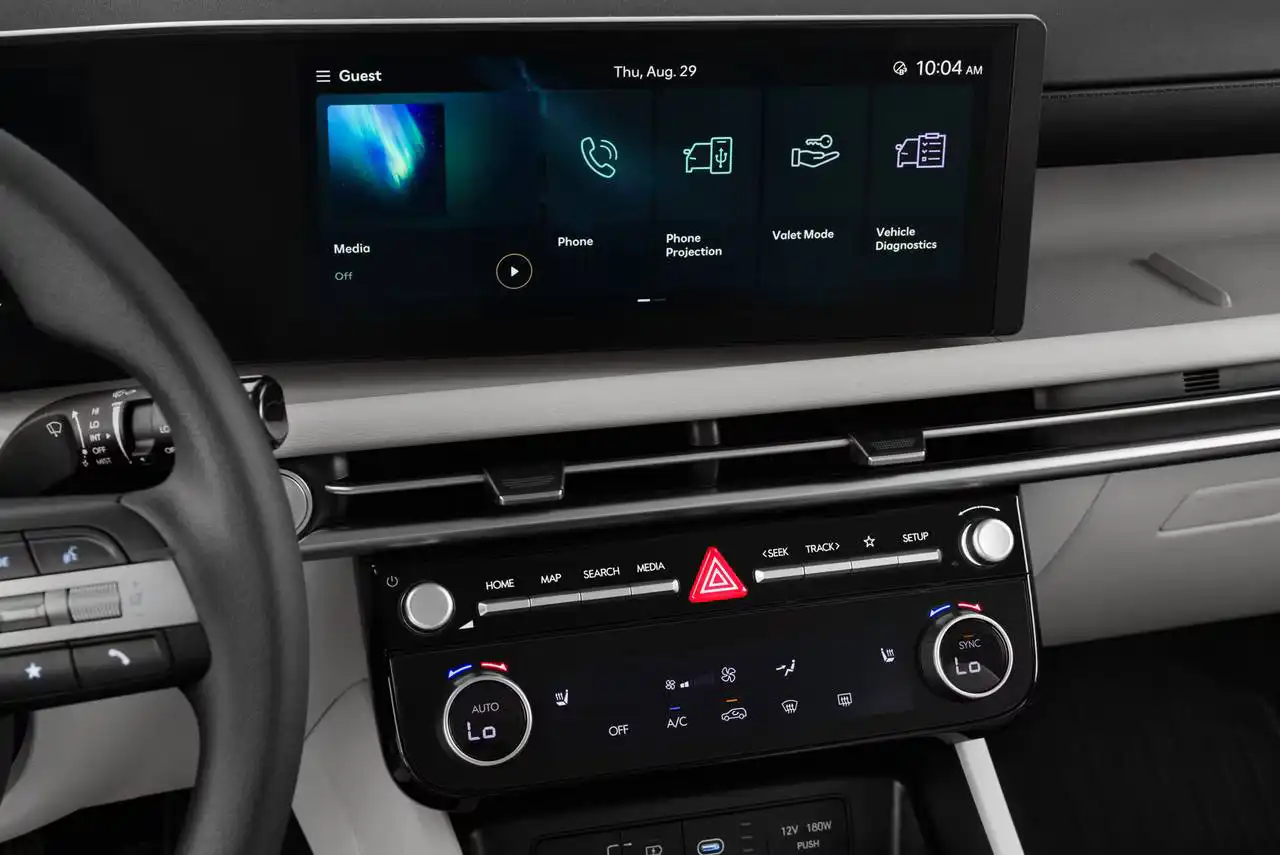
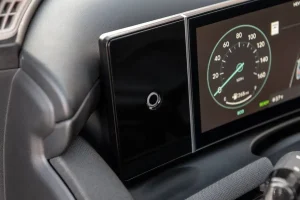
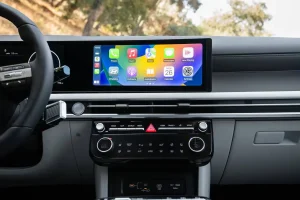
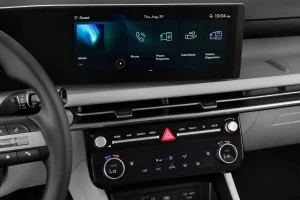
For 2025, the Hyundai Tucson offers an upgraded optional infotainment system that features two digital screens in a single, wide dashboard panel. One screen displays the digital gauges, while the other handles radio, navigation, vehicle settings, and more. This dual-screen setup comes standard on N Line and Limited trims and is optional on the SEL, while other trims continue with a 12.3-inch touchscreen paired with traditional analog gauges.
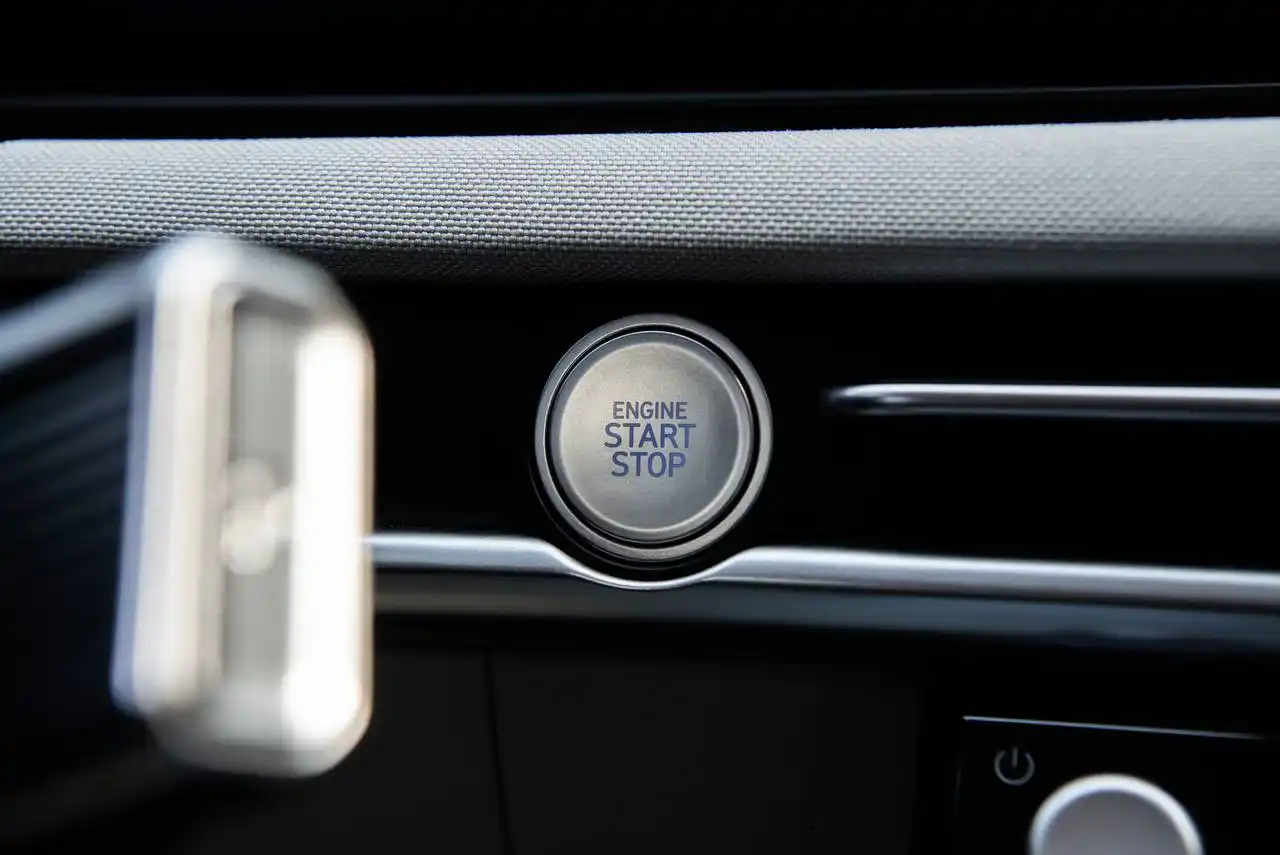
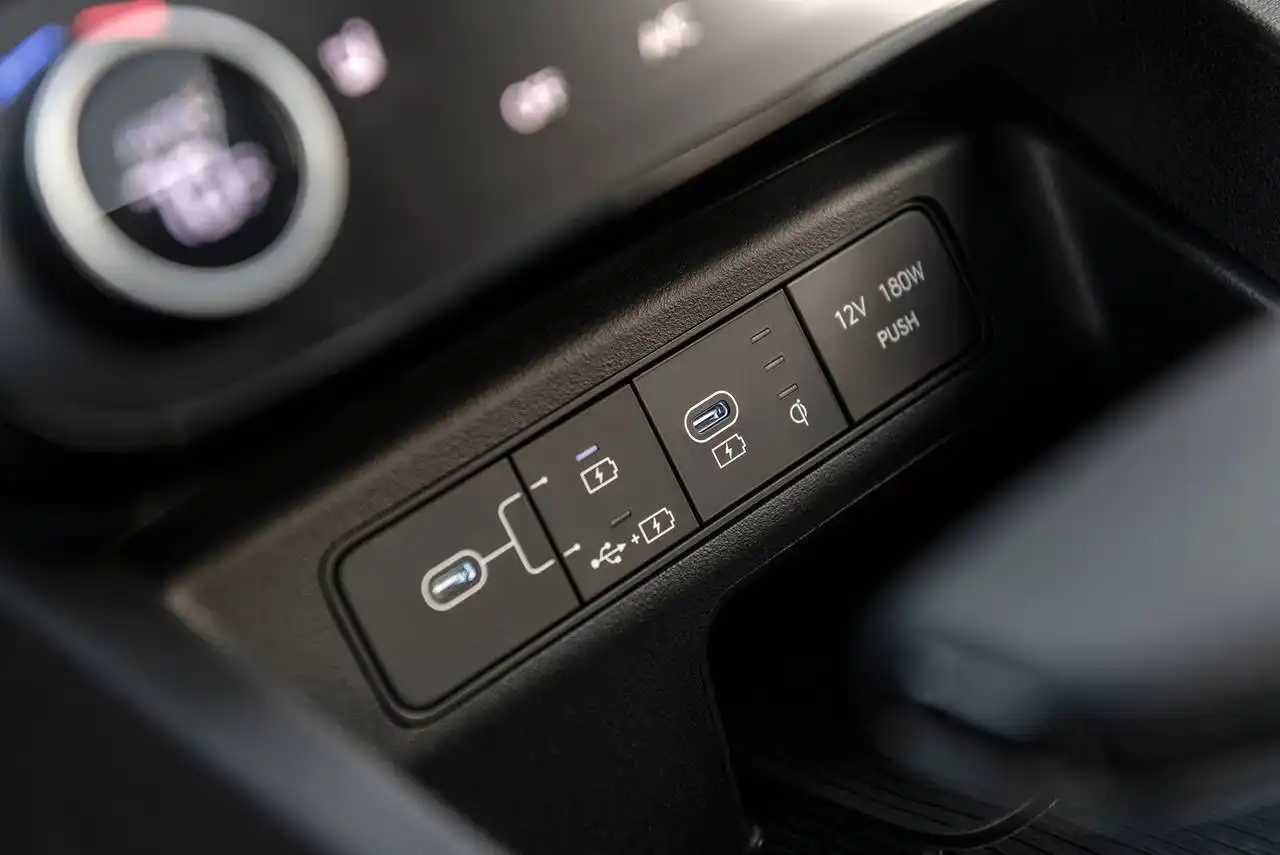
Apple CarPlay and Android Auto are standard across all trims, with wireless connectivity included as well. Optional tech upgrades include SiriusXM satellite radio and an enhanced Bose audio system. Hyundai also offers its digital key smartphone app, allowing users to lock, unlock, and even start the vehicle remotely.









Safety and Driver-Assistance Features
The 2025 Hyundai Tucson comes equipped with a wide range of driver-assistance technologies, many of which are standard. For detailed crash-test results, consult the (NHTSA) and (IIHS) websites.
Key safety features include:
-
Standard automated emergency braking with pedestrian detection
-
Standard lane-departure warning with lane-keeping assist
-
Available adaptive cruise control with lane-centering functionality
These features help make the Tucson a confident and secure choice for daily commuting and long-distance driving.
Warranty and Maintenance Coverage
In the compact SUV segment, the Hyundai Tucson’s warranty is among the best, rivaled only by its corporate sibling, the Kia Sportage. Hyundai extends its advantage through a generous complimentary scheduled maintenance program.
Coverage includes:
-
Limited warranty: 5 years or 60,000 miles
-
Powertrain warranty: 10 years or 100,000 miles
-
Complimentary maintenance: 3 years or 36,000 miles
This combination of warranty and maintenance perks offers added peace of mind for Tucson owners, making it a strong value proposition in its class.
2025 Hyundai Tucson Specifications
| Category | Specification | Value / Notes |
|---|---|---|
| Powertrain & Performance | Engine (base) | 2.5 L Inline-4 |
| Horsepower / RPM | 187 hp @ 6,100 rpm | |
| Torque / RPM | 178 lb-ft @ 4,000 rpm | |
| Transmission | 8-speed automatic (SHIFTRONIC) | |
| Drivetrain | Front-wheel drive standard, HTRAC all-wheel drive optional | |
| Compression ratio | 13.0 : 1 | |
| Idle Stop & Go (ISG) | Standard | |
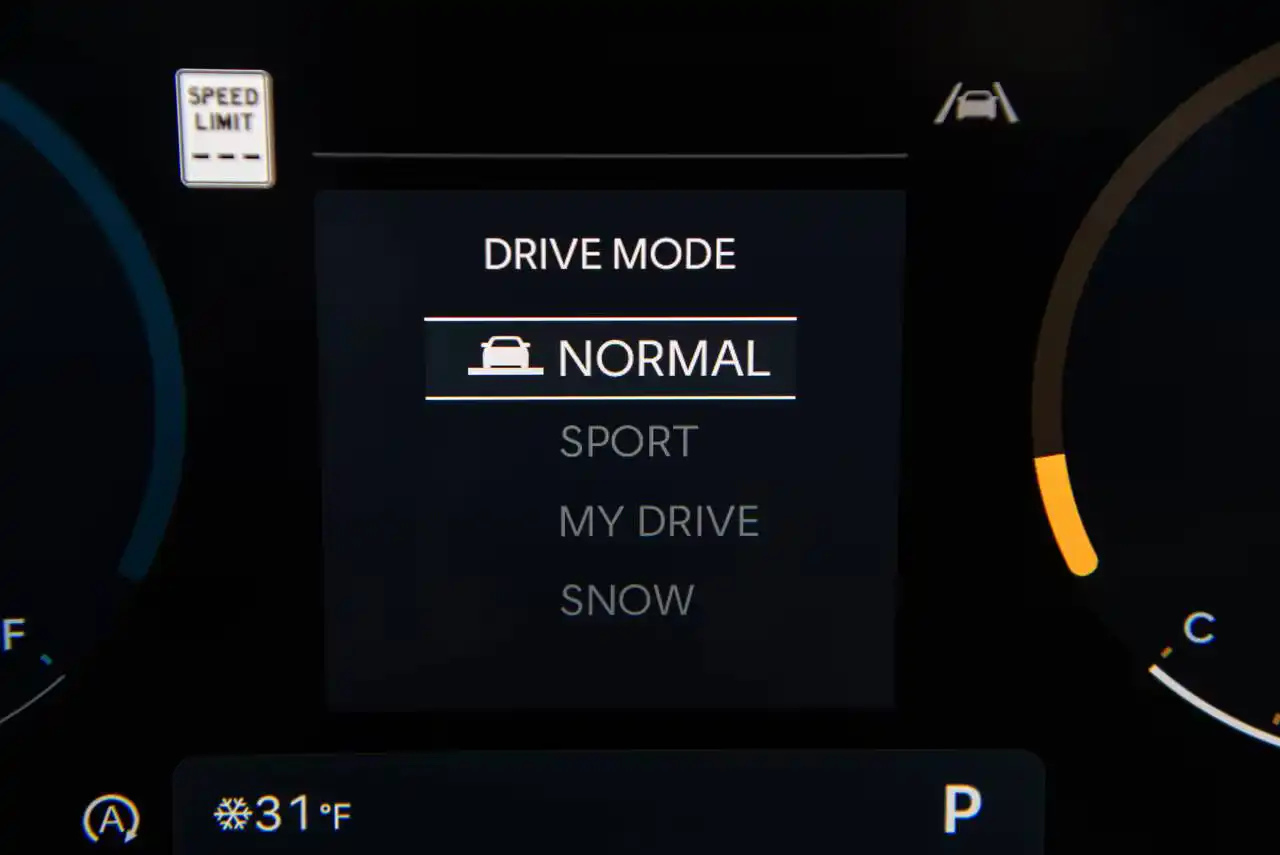
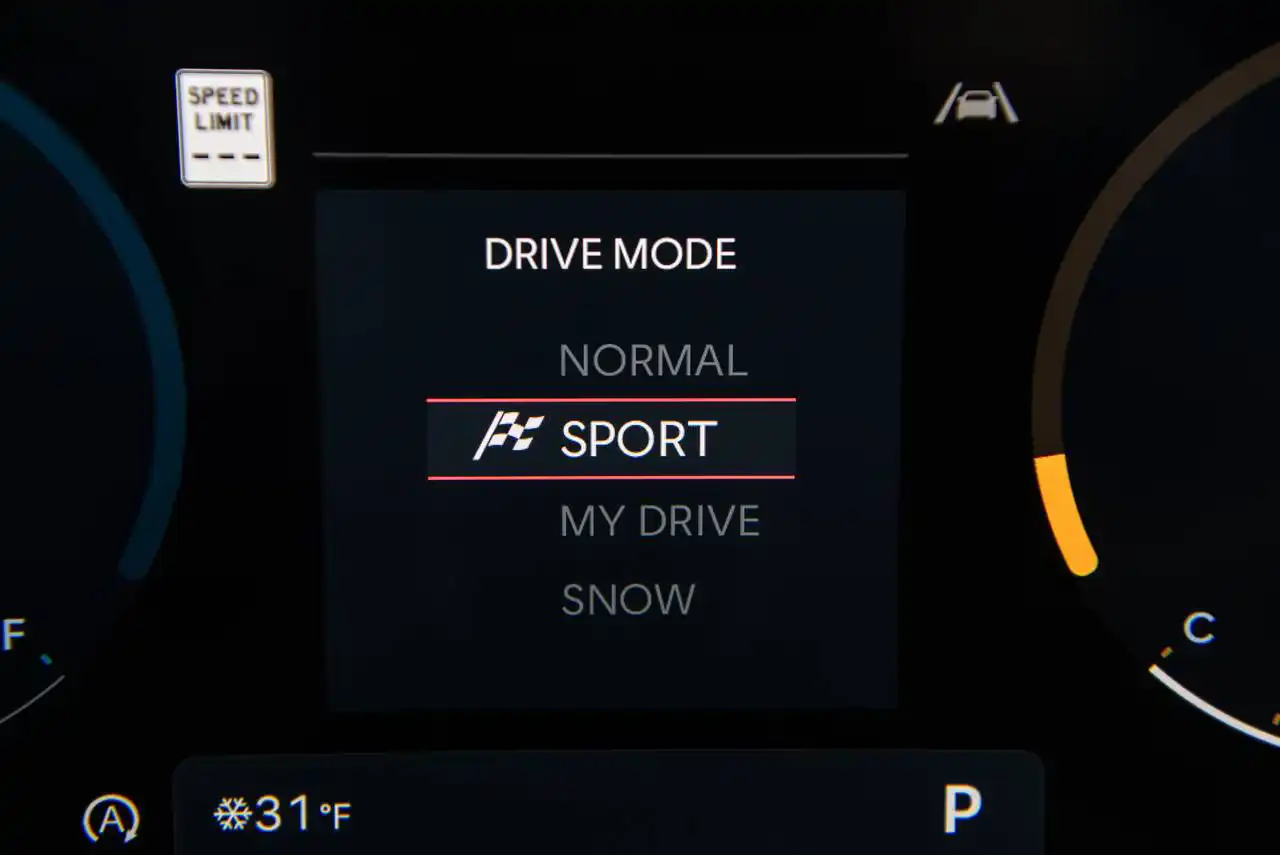
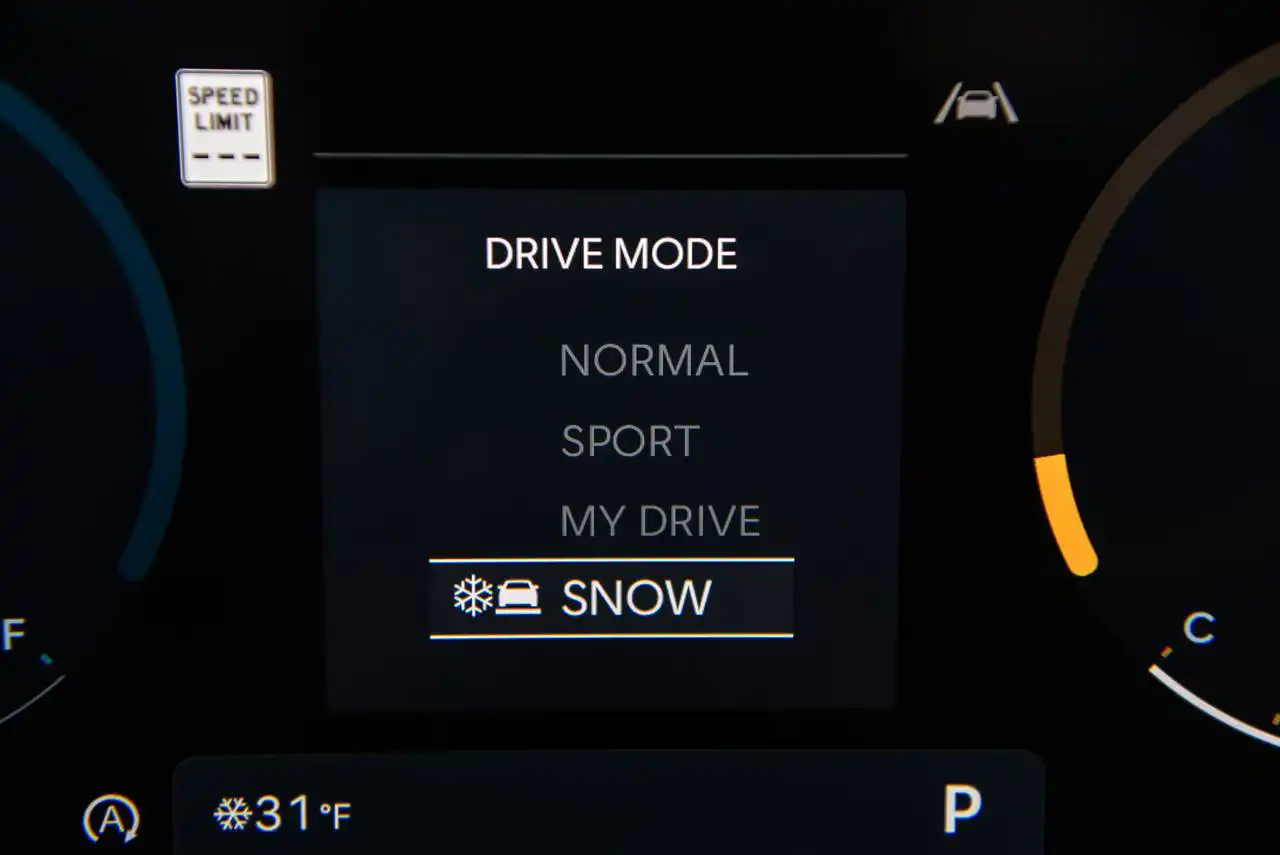
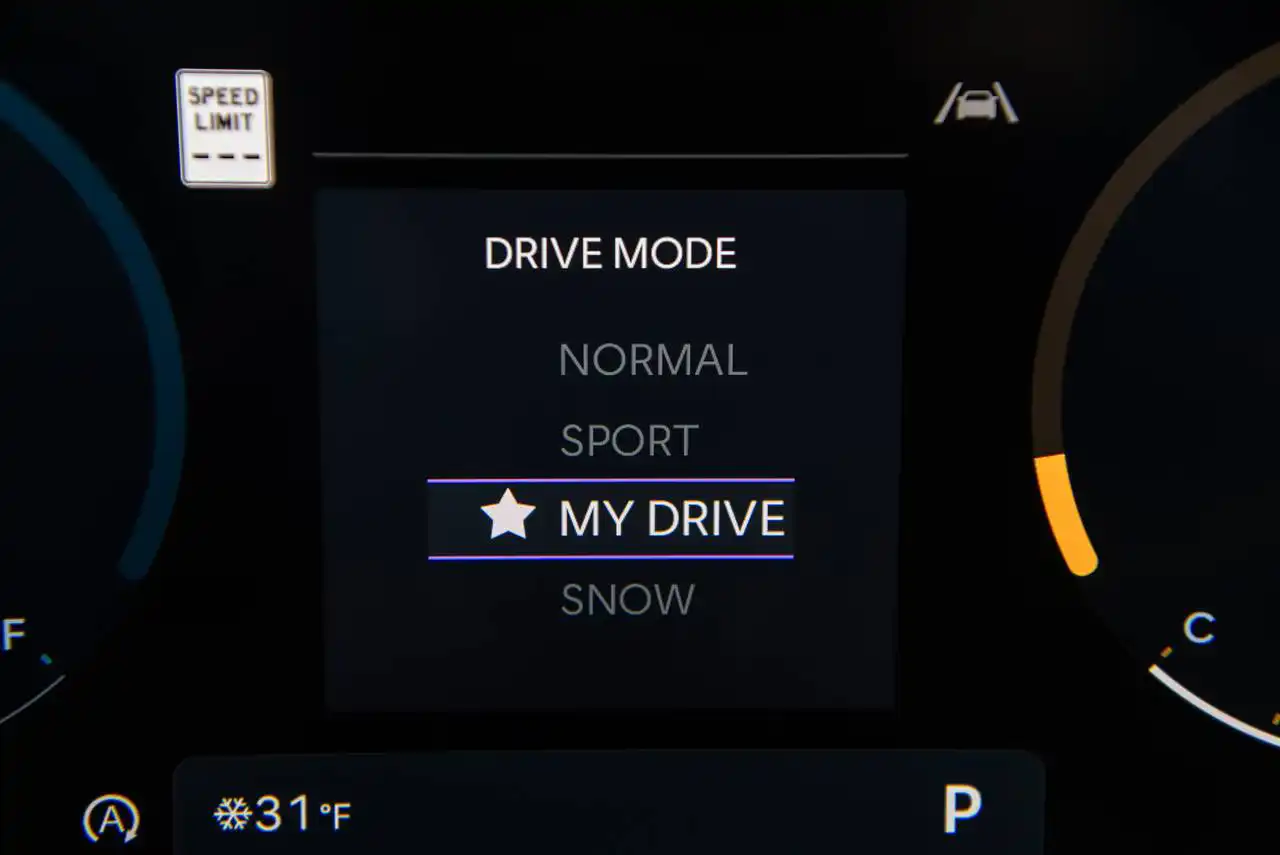
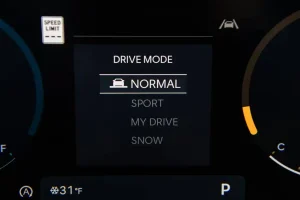
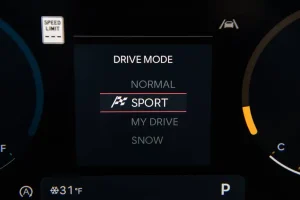
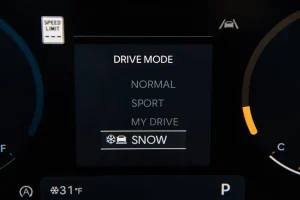
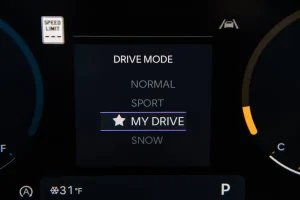
| Drive Mode Select (modes) | Normal, Sport, My Drive (Snow in AWD) | |
| Fuel Economy / Fuel | EPA estimates (FWD) | 25 city / 33 highway / 28 combined mpg |
| EPA estimates (AWD) | 24 city / 30 highway / 26 combined mpg | |
| Fuel tank capacity | 14.3 US gallons (≈ 54.1 liters) | |
| Towing | With trailer brakes | 2,750 lbs |
| Without trailer brakes | 1,650 lbs | |
| Suspension / Brakes / Steering | Front suspension | Independent MacPherson strut with coil springs |
| Rear suspension | Independent multi-link design | |
| Brakes | 4-wheel disc with ABS; Electronic Parking Brake (EPB) standard | |
| Steering | Motor-driven power steering (MDPS), rack-and-pinion, column-mounted | |
| Wheels, Tires & Exterior | Wheel sizes | 17″ (base) / 18″ / 19″ (Limited) depending on trim |
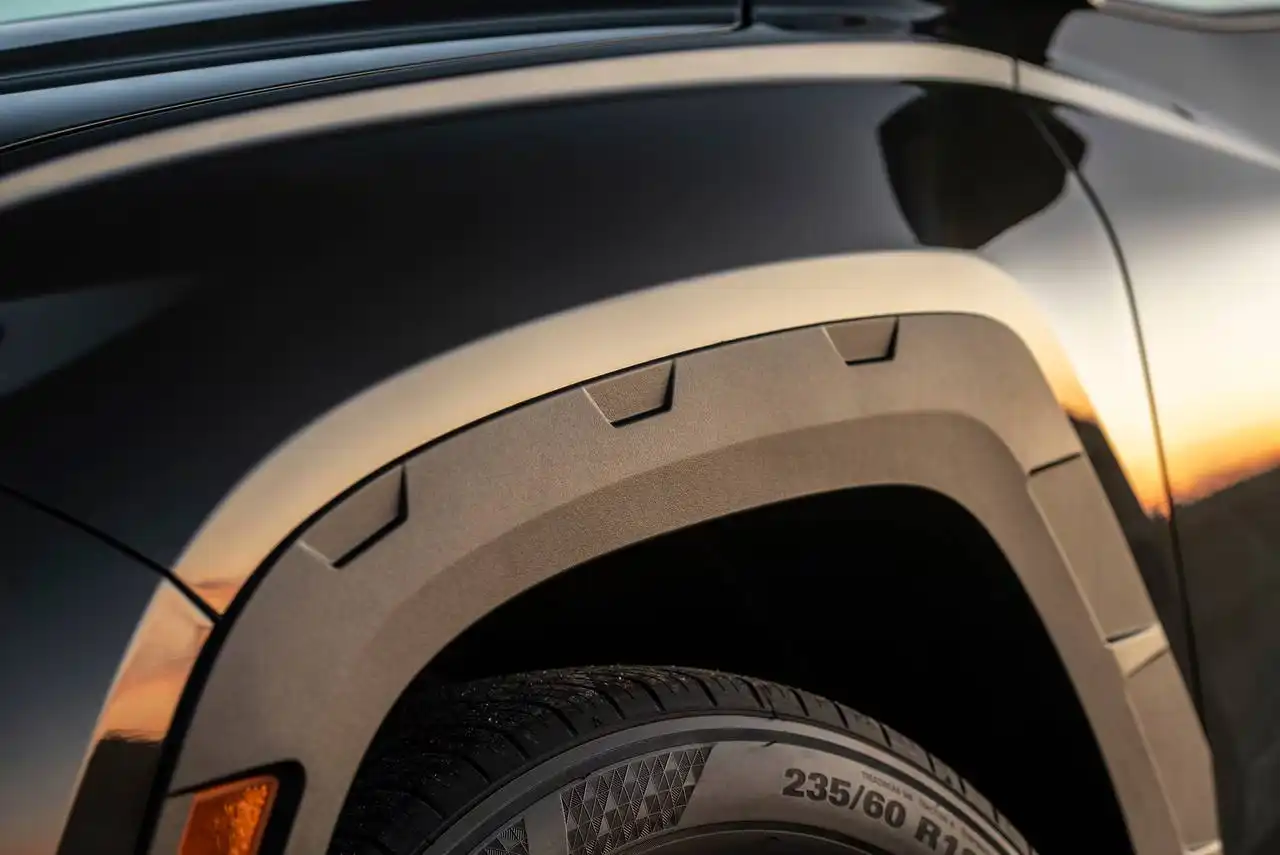
| Tire specs | 235/65 R17 (or 235/60 R18 / 235/55 R19) | |
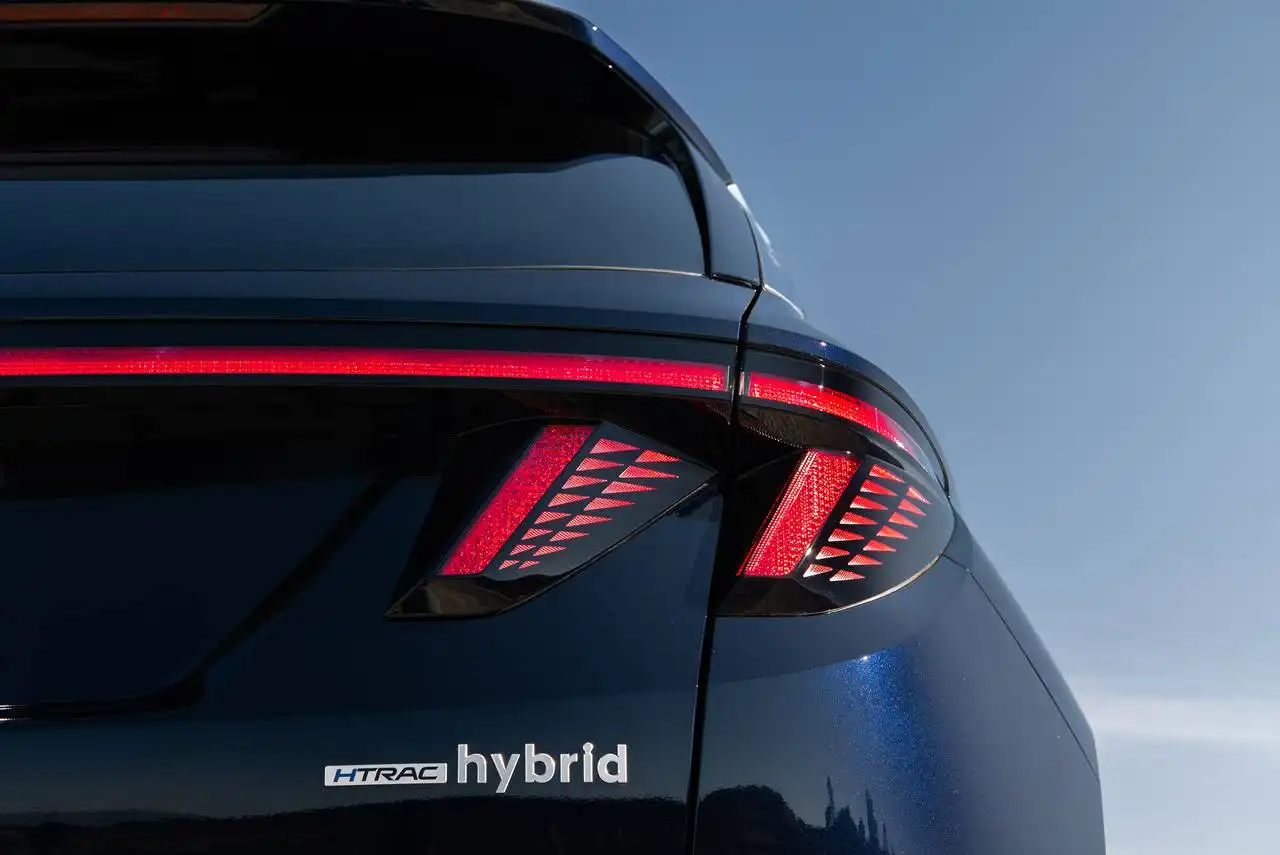
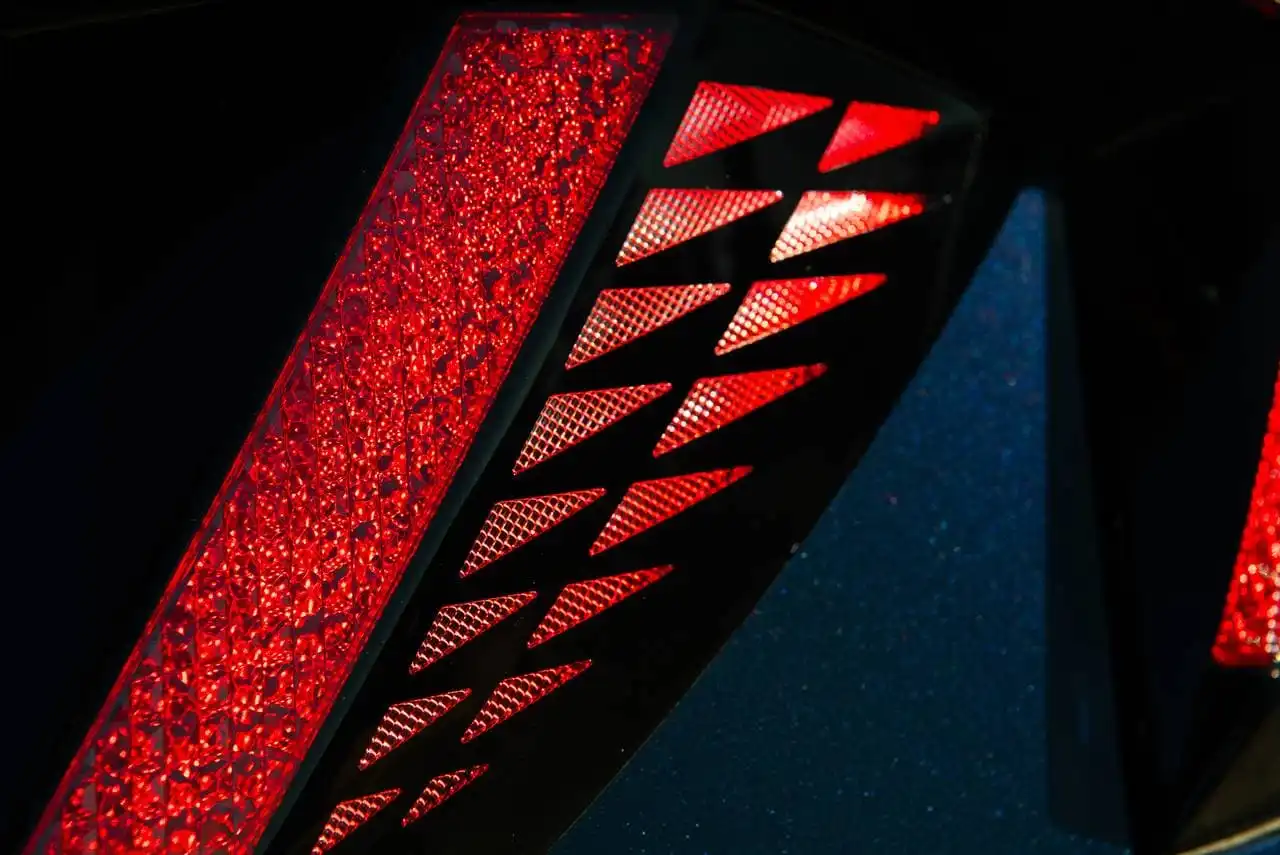
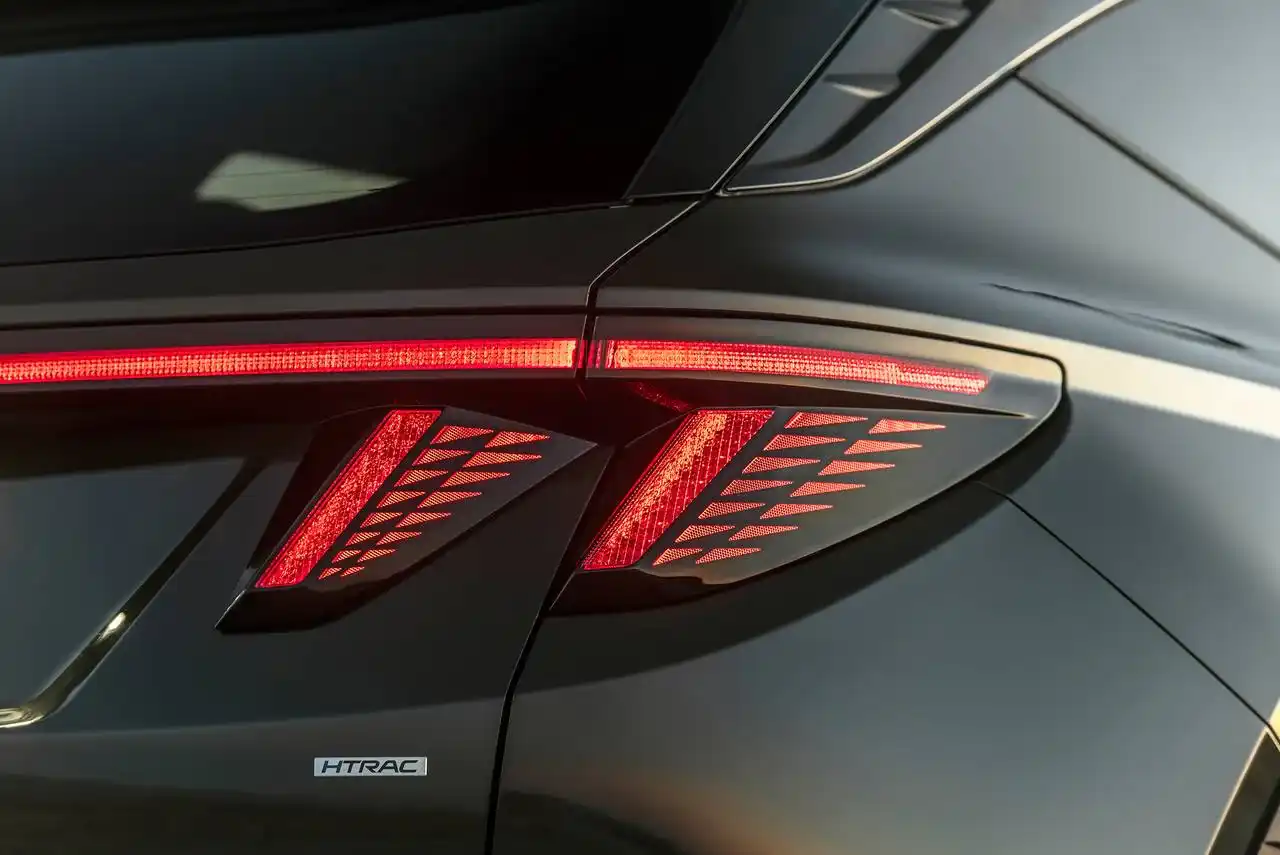
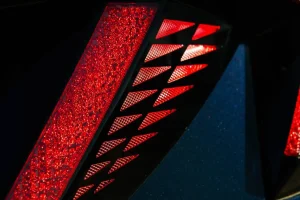
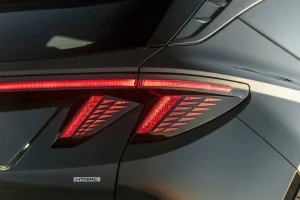
| Lighting | Bi-LED headlights, LED DRLs; taillights LED in higher trims | |
| Dimensions & Capacities | Length | ~182.3 in (some trims ~182.7 in) |
| Width | ~73.4 in | |
| Height | Up to ~66.3 in | |
| Wheelbase | ~108.5 in | |
| Passenger volume | ~108.2 cu ft | |
| Front / Rear headroom | ~40.1 in / ~39.5 in (without sunroof) | |
| Front / Rear legroom | ~41.4 in / ~41.3 in | |
| Cargo volume (behind rear seats) | ~41.2 cu ft | |
| Cargo volume (rear seats folded) | ~80.3 cu ft | |
| Weights & Ground Clearance | Curb / base weight | ~3,695 lb (AWD example) |
| Ground clearance (FWD) | ~7.1 in | |
| Ground clearance (AWD) | ~8.3 in | |
| Warranty & Others | Basic / bumper-to-bumper | 5 years / 60,000 miles |
| Powertrain | 10 years / 100,000 miles | |
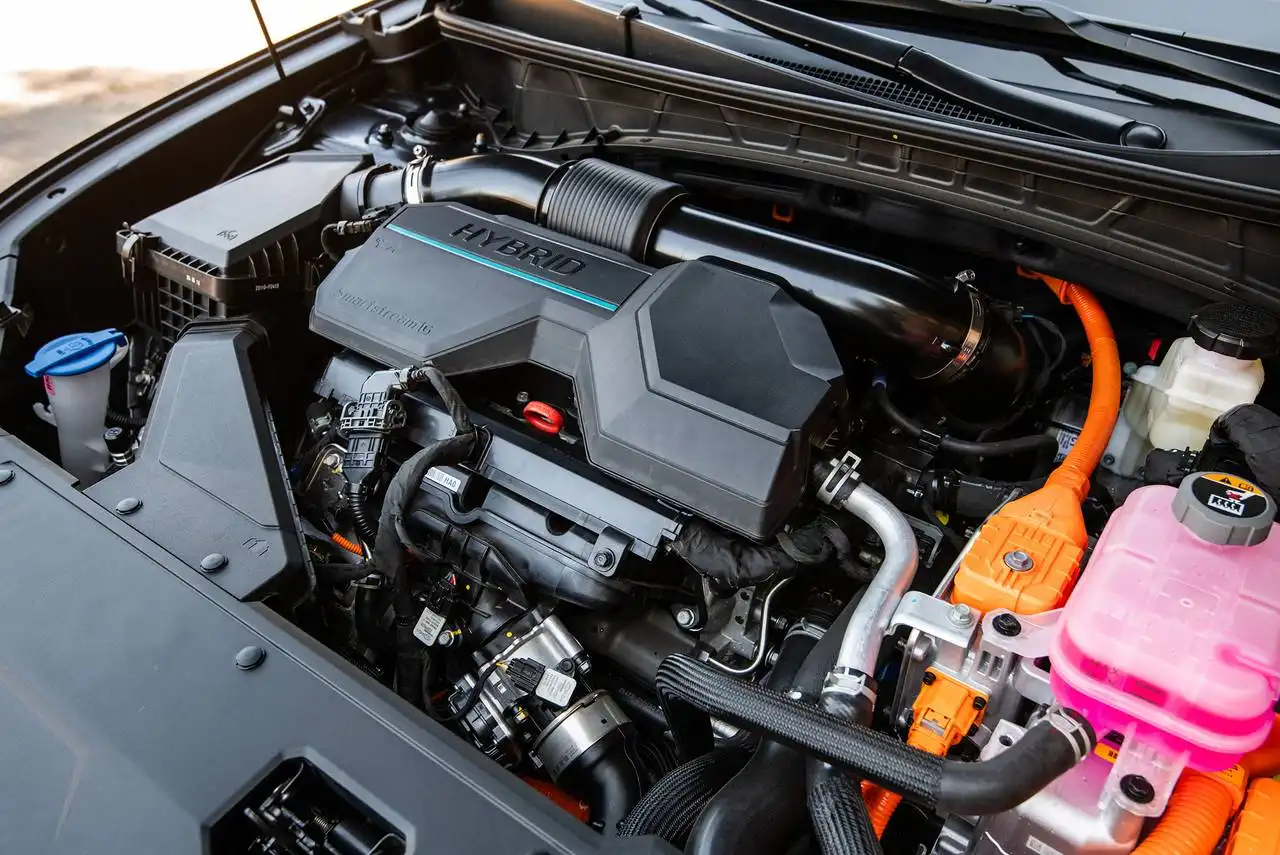
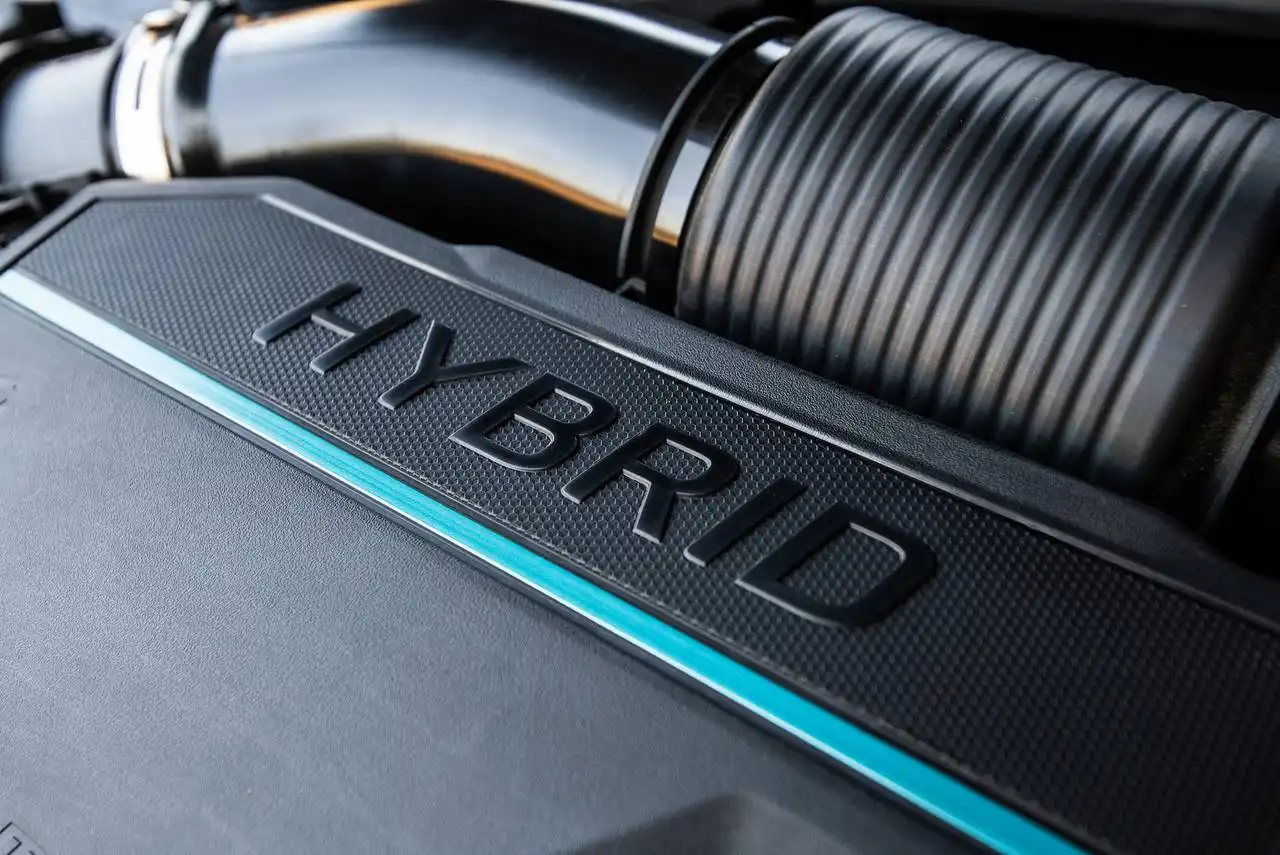
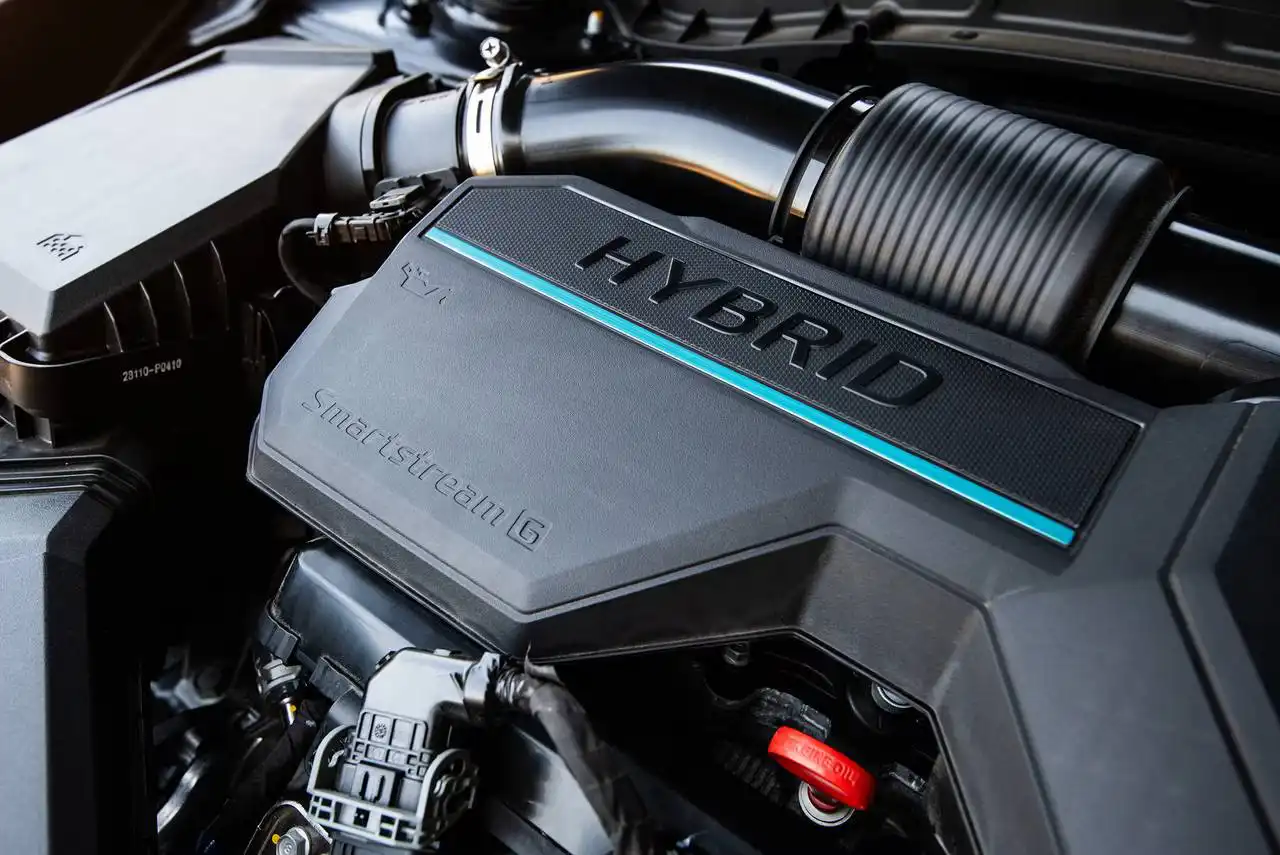
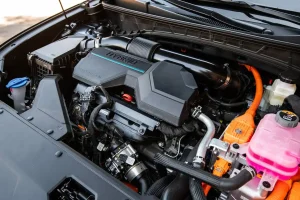
| Hybrid / Electrified Variant (Optional) | Hybrid engine | 1.6 L Turbo inline-4 + electric motor |
| Hybrid system output | Combined ~231 hp | |
| Hybrid torque | ~195 lb-ft from ICE part, plus added electric torque |
Final Verdict
The 2025 Hyundai Tucson successfully refines an already solid compact SUV. The exterior tweaks and interior enhancements give it a more premium feel, while the tech and comfort upgrades help it maintain strong competitiveness in its class. The base gas engine won’t excite drivers seeking sporty performance, but for most buyers, it’s adequate. The hybrid option adds appeal for those who want better fuel efficiency and a livelier driving experience.
If you want a comfortable, quiet, tech-rich compact SUV with one of the better warranties in the segment, the Tucson is a compelling choice. Just don’t expect it to feel sporty or aggressive.






2025 Hyundai Tucson Video